Industrial-grade radiometric modules and handheld thermal cameras pre-calibrated for Bay Area hardware startups, biotech research, and utility infrastructure inspections.
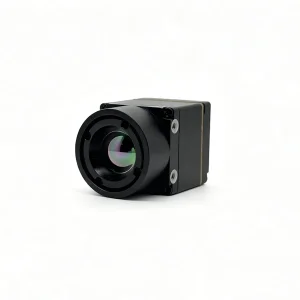
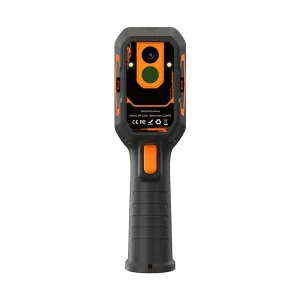
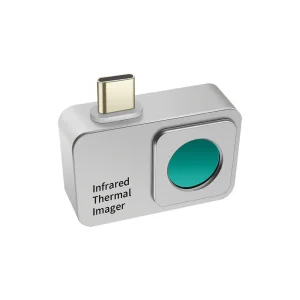
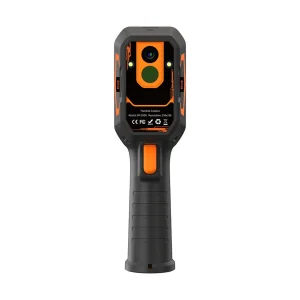
Analyzing the convergent thermal sensing requirements of Silicon Valley tech giants, South San Francisco biotech facilities, and Northern California energy providers.
The San Francisco Bay Area represents the world’s most demanding epicentre for technology integration, hardware miniaturization, and sensor fusion. As autonomous vehicles navigate foggy coastal microclimates, biotech facilities in South San Francisco demand ultra-precise thermal monitoring for drug discovery, and municipal utilities enforce stringent California Title 24 energy efficiency building standard compliance, the market for high-performance Thermal Imaging Modules has shifted from off-the-shelf camera hardware to deeply integrated, custom OEM thermal engine architectures.
Shenzhen Dianyang Technology Co., Ltd. (a subsidiary of VHD, publicly listed on the Shenzhen Stock Exchange) serves as a strategic engineering partner and direct factory supplier for San Francisco-based OEMs, system integrators, and industrial enterprises. By providing raw LWIR (Long-Wave Infrared) cores, radiometric software development kits (SDKs), and specialized hardware customized for Bay Area environmental operating profiles, Dianyang bridging the gap between low-cost mass production and Silicon Valley high-reliability engineering standards.
Integrating 640x512 and 256x192 LWIR modules into autonomous vehicle suites to ensure clear object detection through San Francisco's heavy fog, haze, and zero-light nocturnal environments.
Deploying specialized thermal modules on airborne inspection drones and fixed substation monitoring systems across Northern California power grids for early thermal runaway anomaly detection.
High-resolution thermal analyzers enabling San Francisco microelectronics engineers to diagnose micro-short circuits, power distribution thermal leaks, and component heat stress down to 20 microns.
Deep-dive into micro-bolometer architecture, sensor sensitivity, and cross-platform hardware interfaces.
At the core of Dianyang’s thermal imaging solutions lies an uncooled Vanadium Oxide (VOx) microbolometer focal plane array (FPA). VOx technology delivers significantly lower temperature coefficient of resistance (TCR) noise and faster frame stabilization compared to legacy Amorphous Silicon (a-Si) sensors. For system designers in San Francisco requiring fast response rates for robotic feedback loops, our modules deliver crystal-clear thermal signatures even under variable ambient room temperatures.
| Specification Parameter | Standard Series (MD / DP-12) | High-Precision Series (DP-25) | Enterprise Ultra Series (DP-64) |
|---|---|---|---|
| Detector Resolution | 120 × 90 Uncooled VOx | 256 × 192 Uncooled VOx | 640 × 512 High-Res VOx |
| Pixel Pitch | 17 µm / 12 µm option | 12 µm | 12 µm |
| Spectral Range | 8 to 14 µm (LWIR) | 8 to 14 µm (LWIR) | 8 to 14 µm (LWIR) |
| NETD (Thermal Sensitivity) | < 50mK @ f/1.0, 25°C | < 40mK @ f/1.0, 25°C | < 35mK @ f/1.0, 25°C |
| Measurement Range | -20°C to +150°C / +550°C | -20°C to +550°C High-Gain | -20°C to +1200°C Custom Extended |
| Digital Output Interfaces | DVP / USB 2.0 / Type-C | MIPI-CSI2 / USB 3.0 / Ethernet | MIPI-CSI2 / RTSP Ethernet / SPI |
| Software SDK Support | C/C++, Android Native | Linux, ROS 2, Python, Windows API | Linux kernel drivers, NVIDIA Jetson SDK |
In radiometric applications, true temperature accuracy relies on intelligent thermal drift compensation. Atmospheric fluctuations—such as San Francisco's high relative humidity and sudden marine boundary layer temperature drops—can cause measurement inaccuracies in standard thermal sensors. Dianyang's proprietary temperature calibration algorithms dynamically adjust for distance, atmospheric transmittance, ambient relative humidity, and target surface emissivity in real time. This ensures absolute temperature accuracy of ±2°C or ±2% of reading across the entire operational spectrum.
Real-world integration scenarios demonstrating thermal technology deployment across Northern California.
Challenge: A prominent biotech laboratory needed contactless real-time biological reaction thermal mapping inside high-throughput screening incubators without disrupting hermetic sealing.
Solution: Dianyang deployed customized MD-64CA radiometric micro-modules coupled with zinc selenide (ZnSe) optical windows and a custom Linux SDK. The automated system continuously captures millikelvin-level thermal gradient shifts across microplate wells, streaming raw radiometric data via Ethernet directly to processing servers.
Result: Achieved zero contamination risk, automated temperature anomaly alerts, and reduced lab incubation failure rates by 34%.
Challenge: Preventative maintenance teams required portable, lightweight dual-light handheld thermal imagers capable of detecting loose busbar connections and overloaded transformers in harsh ambient conditions.
Solution: Implementation of the DP-25DV series dual-camera imager featuring MSX/FALCO optical and thermal spectrum blending. Field operators were equipped to quickly isolate hot spots even in direct sunlight or heavy shadow conditions.
Result: Routine maintenance speeds increased by 3x with automatic report generation compliant with California Title 24 electrical inspection logs.
A Publicly Listed Corporate Legacy Engine Backed by Advanced Manufacturing & Global Certifications.
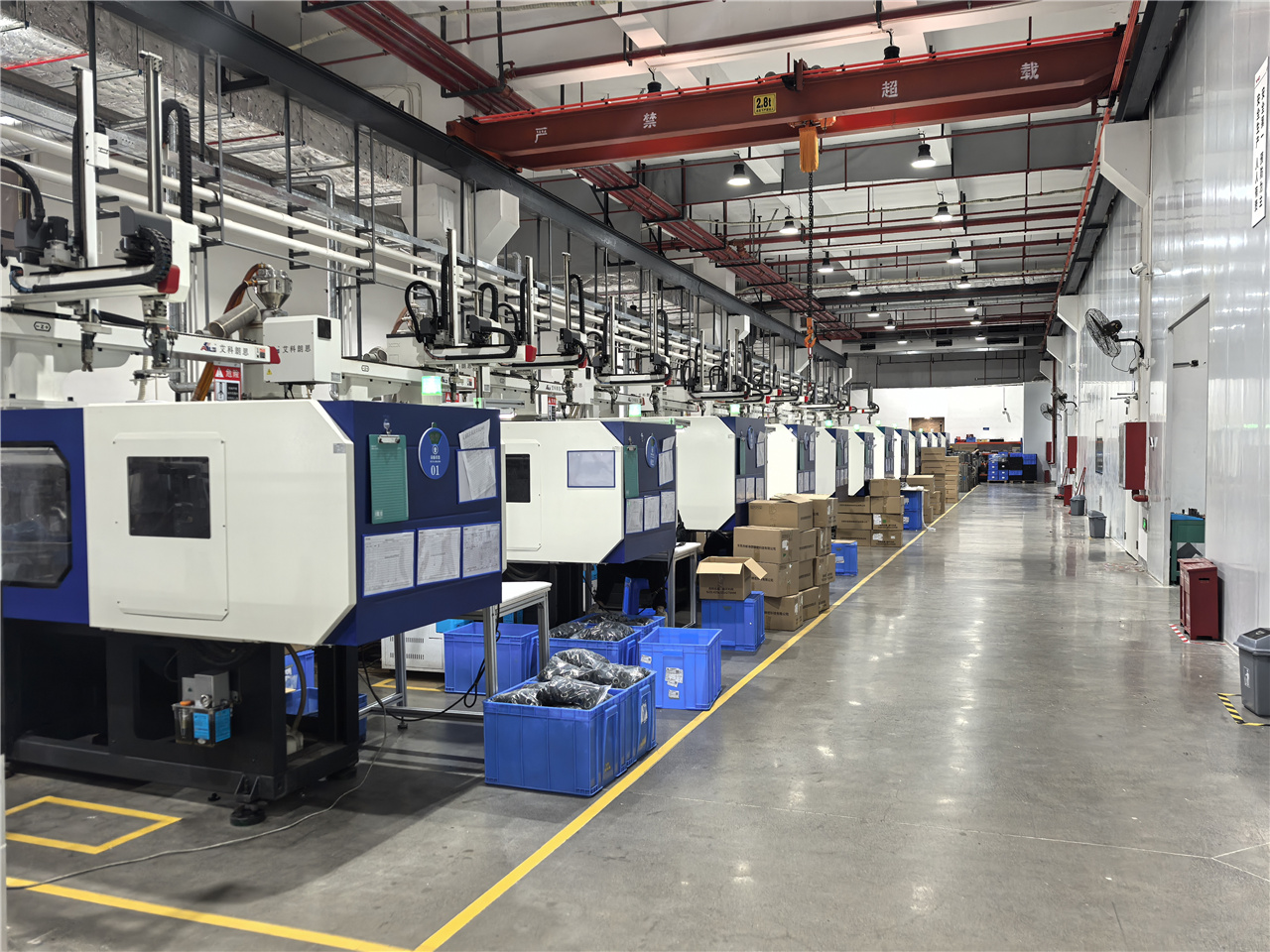
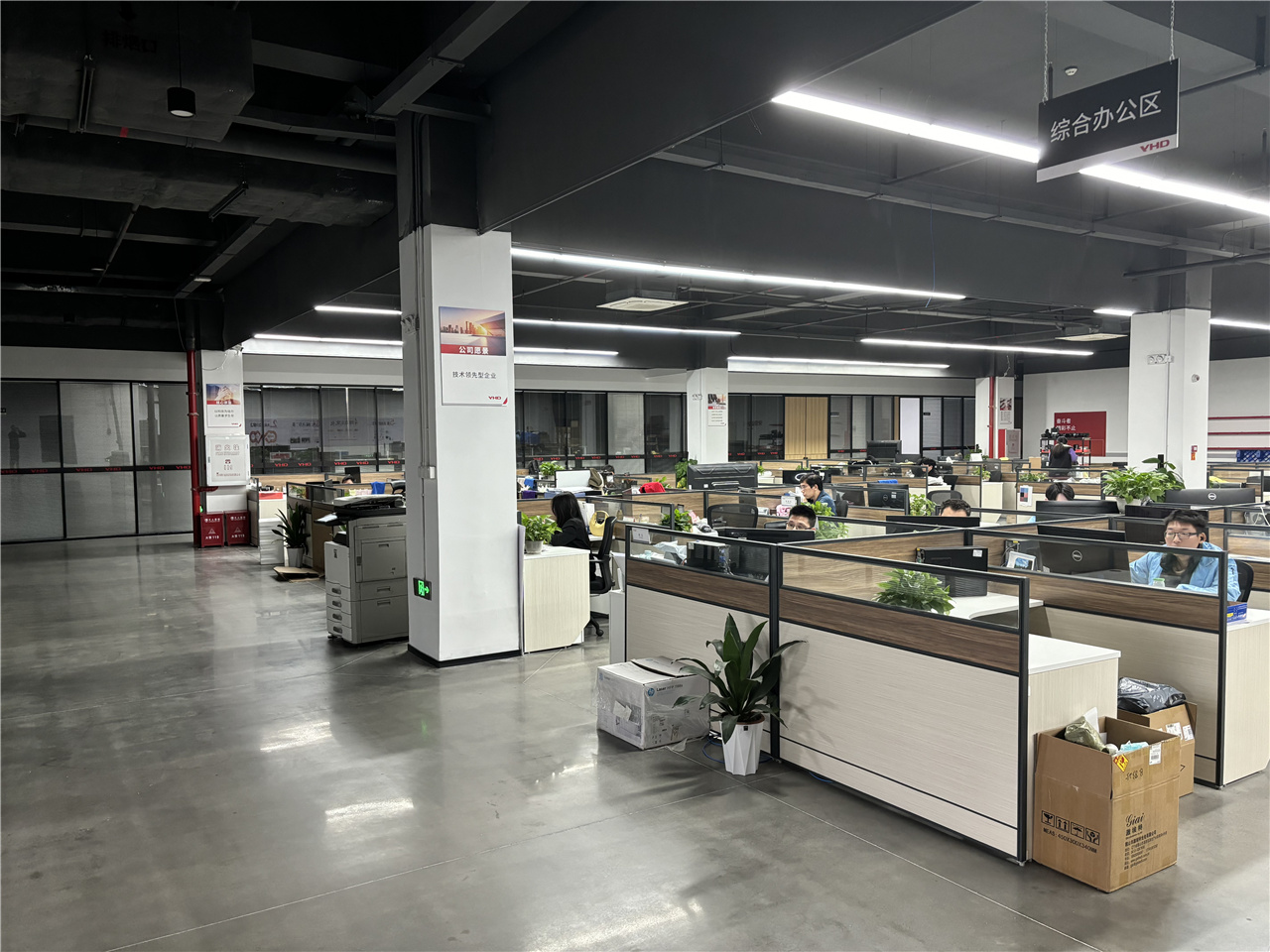
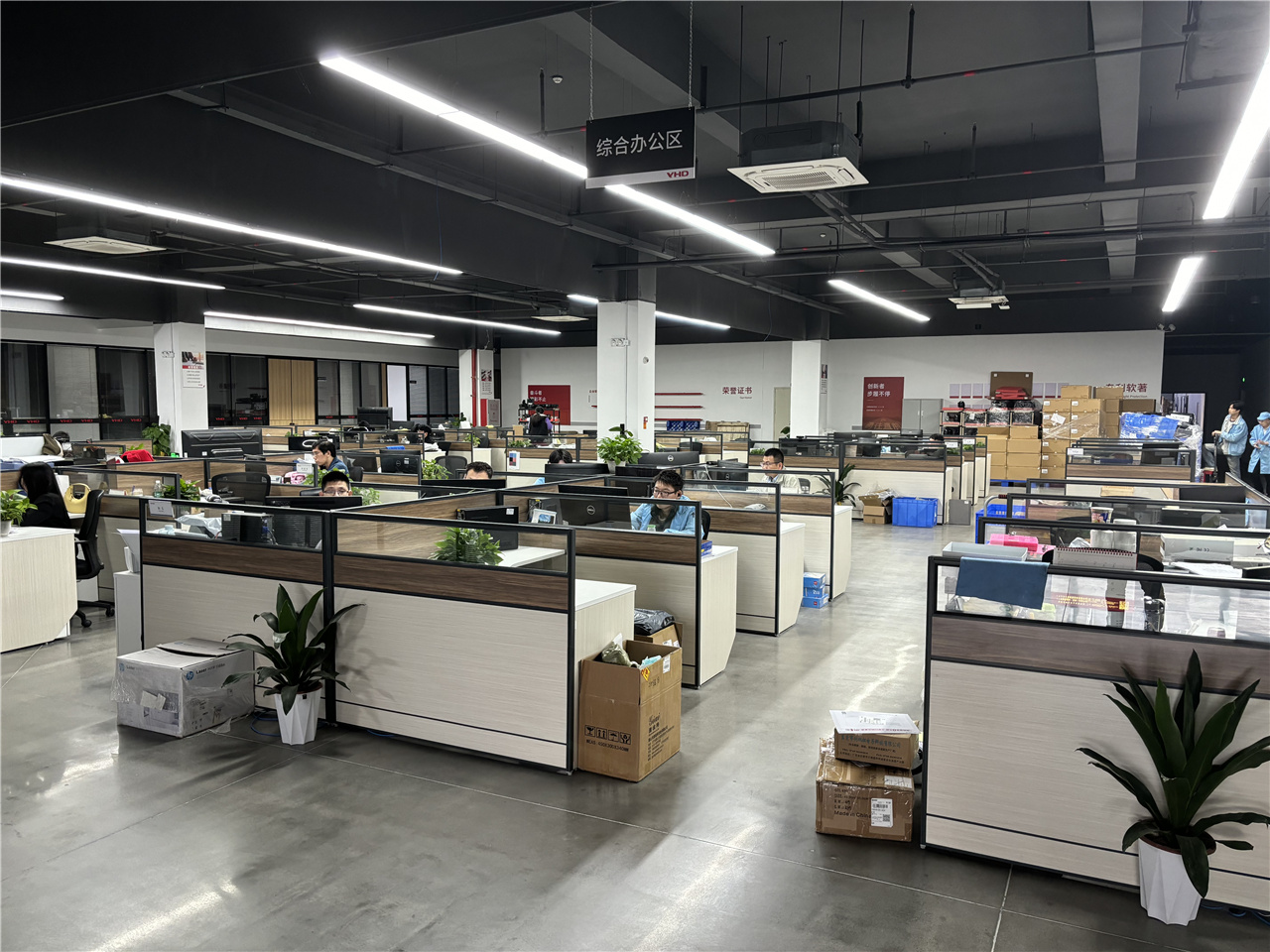
Shenzhen Dianyang Technology Co., Ltd. is a subsidiary of VHD (Shenzhen VHD Technology Co., Ltd.), a publicly listed company on the Shenzhen Stock Exchange. This strategic affiliation gives Dianyang unique access to VHD’s advanced R&D platforms, high-precision manufacturing systems, and rigorous quality management practices—enabling us to deliver thermal imaging products of higher reliability and consistency than typical ODMs.
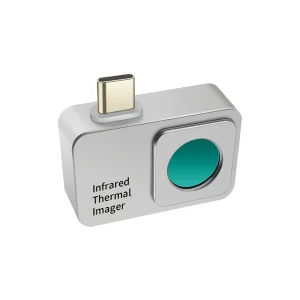
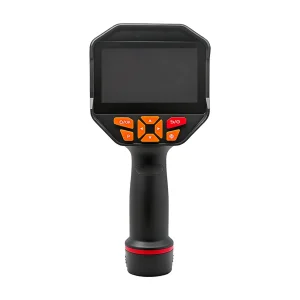
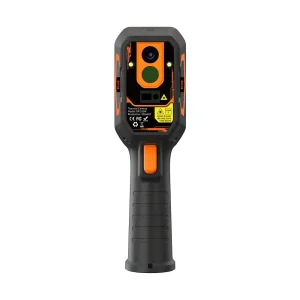
We specialize in ODM/OEM services for infrared thermal imaging solutions, including handheld thermal imagers, smartphone-connected thermal cameras, thermal analyzers, and thermal imaging telescopes. Our products serve global customers in power inspection, building diagnostics, firefighting, industrial maintenance, and outdoor applications.
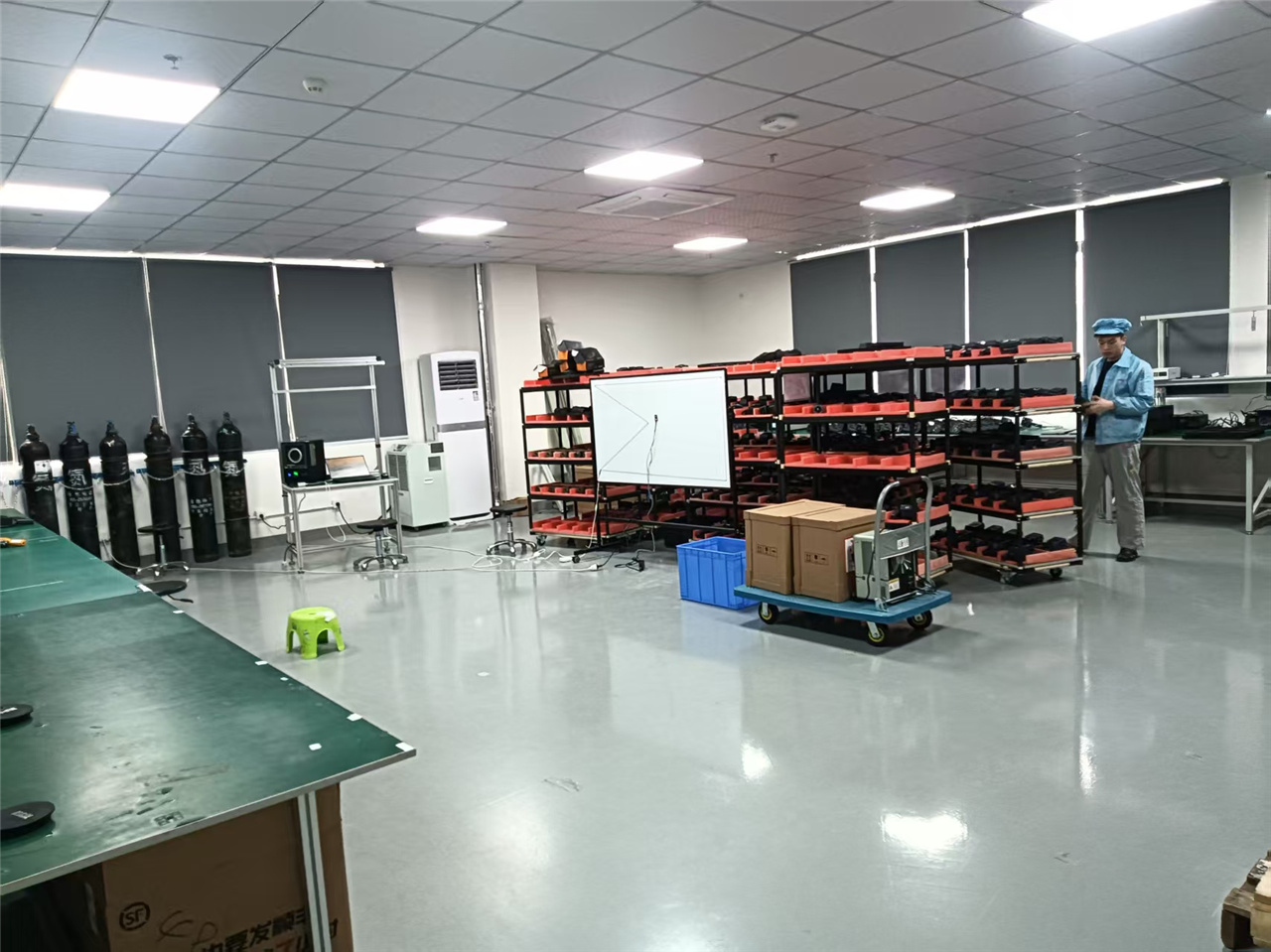
Our dedicated engineering team applies Design for Manufacturing (DFM), Design for Testability (DFT), thermal simulation, and EMC pre-compliance analysis to optimize performance and accelerate development. We also support clients in obtaining key certifications such as CE, FCC, RoHS, REACH, CB, UKCA, KC, and PSE.
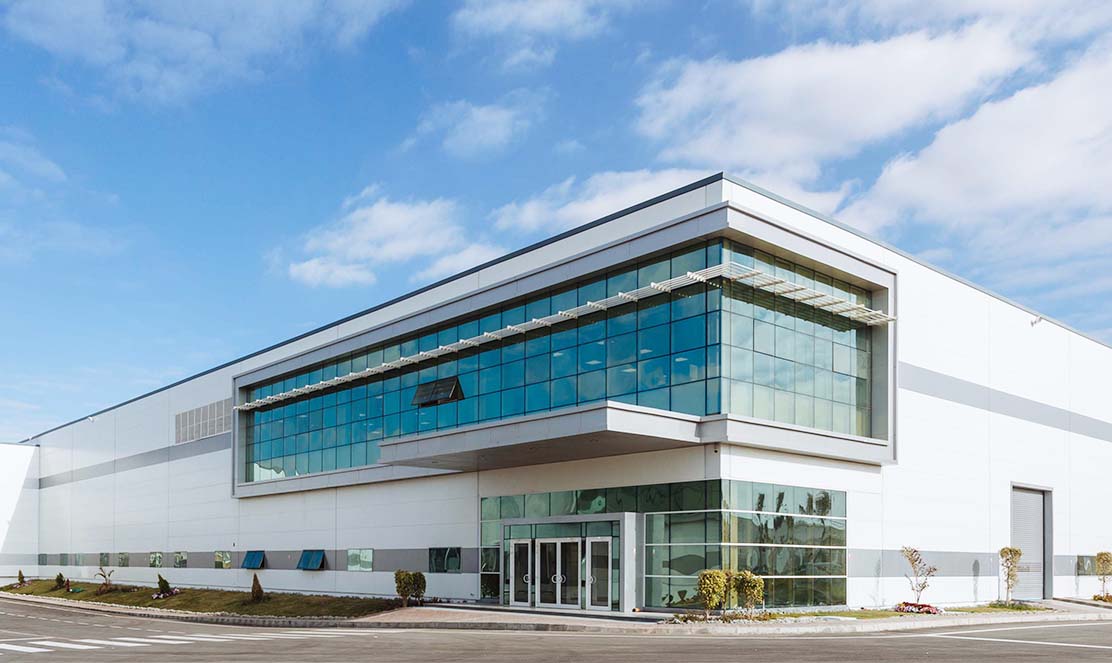
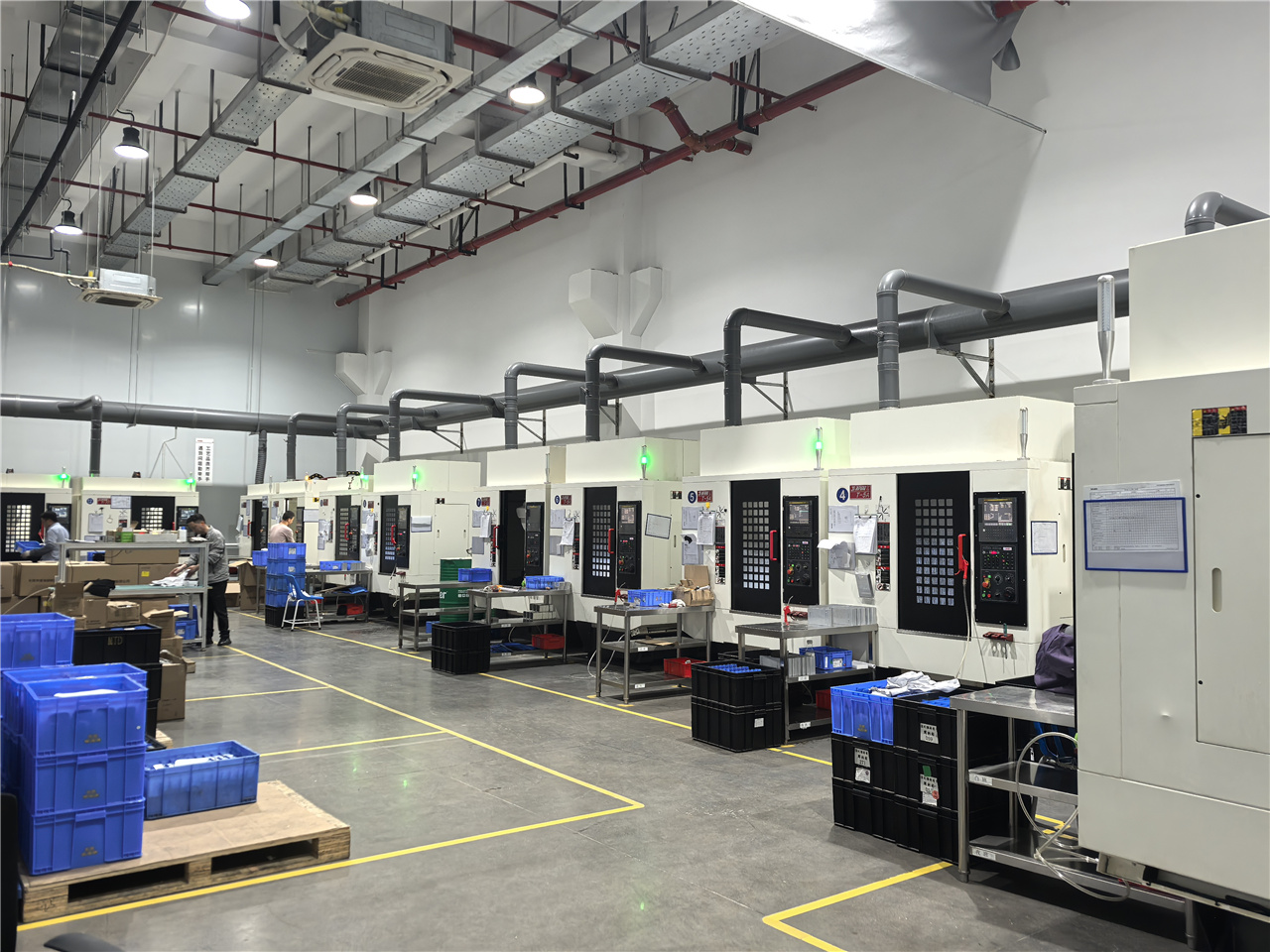
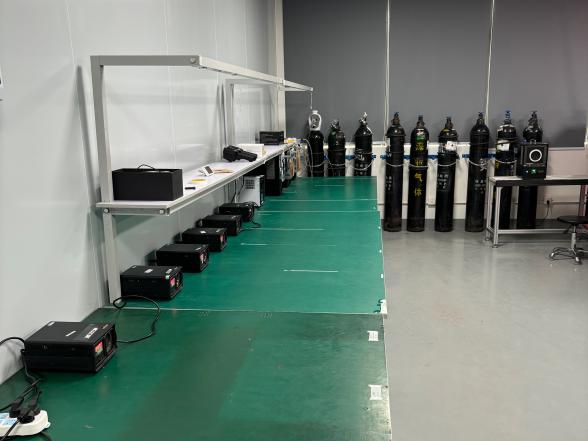
Our SMT assembly lines, optical collimation chambers, and blackbody calibration units operate under strict ISO 9001:2015 controls.
Next-generation infrared miniaturization, wafer-level packaging, and edge AI inferencing.
Transitioning from conventional ceramic packaging to WLP enables smaller footprint thermal modules suitable for smartphone incorporation, wearable AR/VR thermal visors, and micro-drones.
Integrating low-power NPU (Neural Processing Unit) cores directly into the thermal engine, executing real-time object classification (human, animal, electrical hot-spot, vehicle) on-chip with zero host CPU latency.
Developing tri-spectrum integrated camera clusters for all-weather autonomous navigation in complex Bay Area marine fog and microclimates where single-spectrum sensors fail.
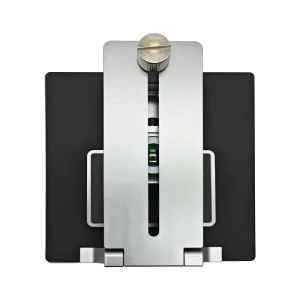
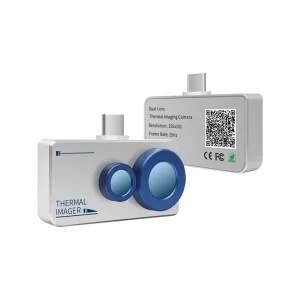
Explore our wide range of handheld imagers, smartphone attachments, high-precision thermal analyzers, and OEM sensor cores.
Comprehensive guidance for engineers, procurement directors, and system integrators in San Francisco and North America.
Talk directly with our thermal engineering staff to request micro-bolometer datasheets, SDK samples, custom mechanical STEP files, or OEM factory pricing.
 Dianyang