 Dianyang
1 / 5
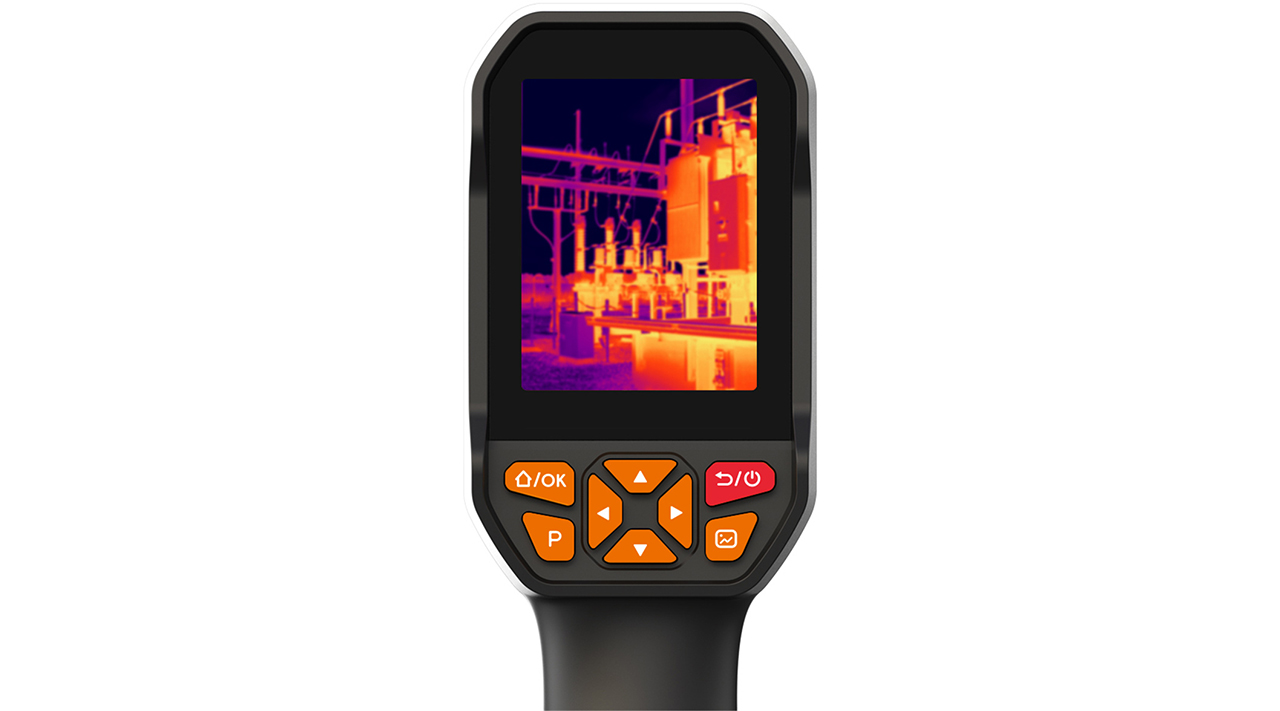
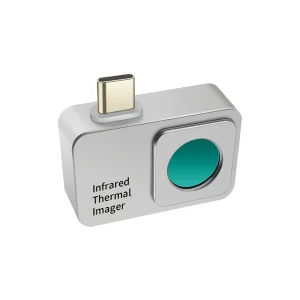
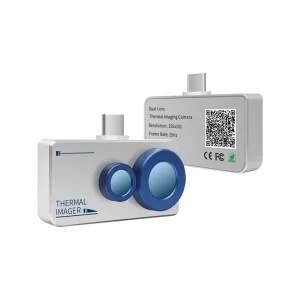
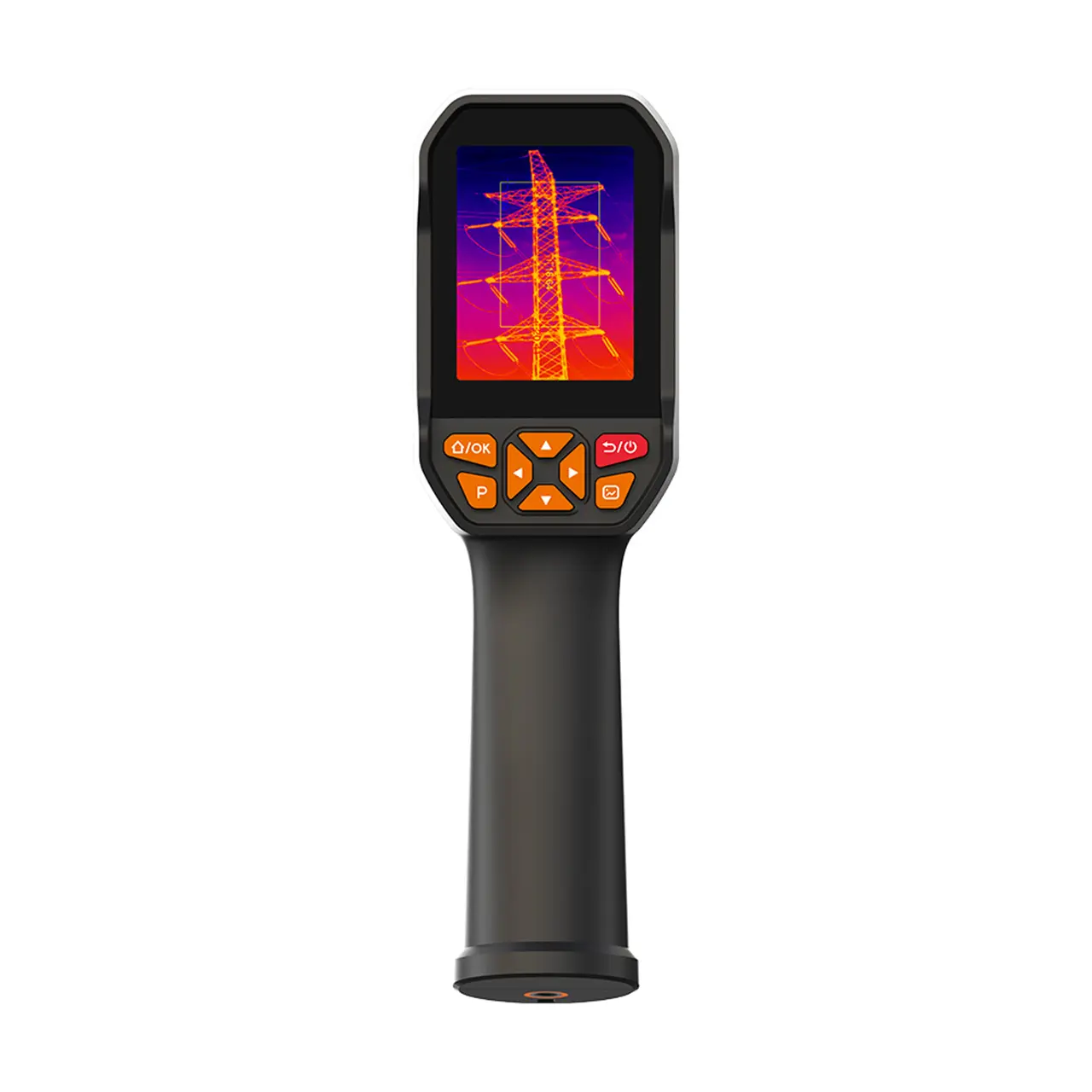
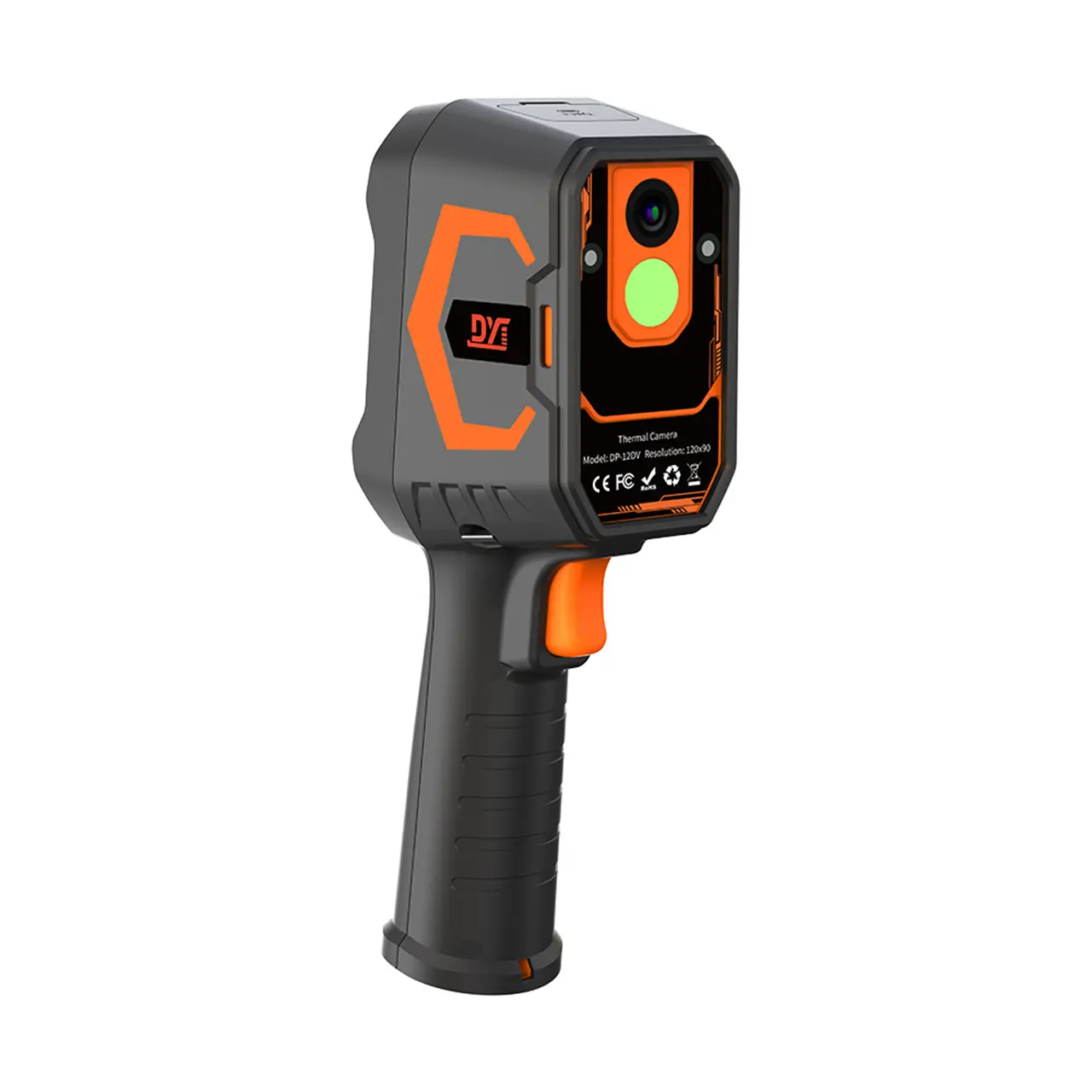
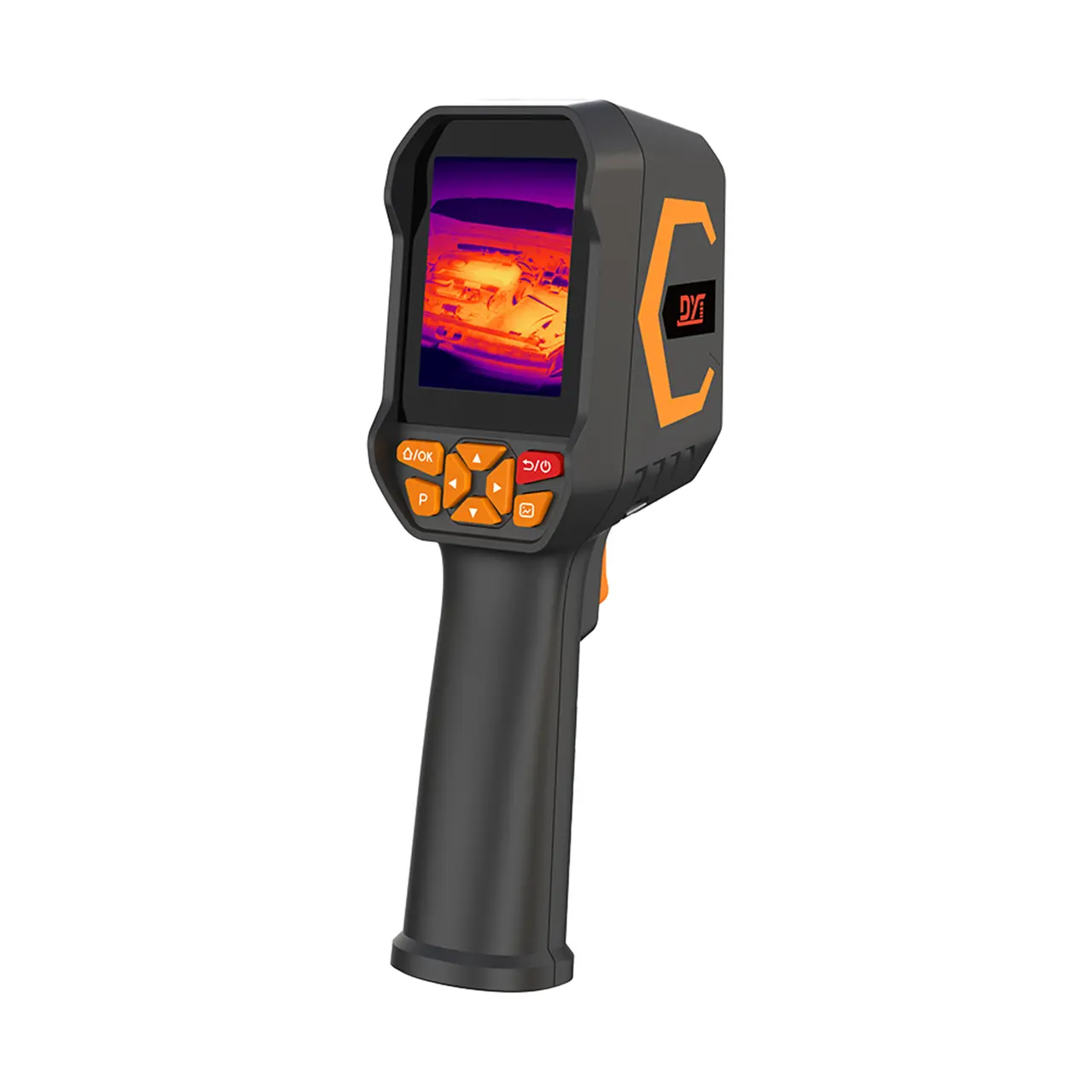
120×90 infrared sensor resolution, with better image quality.
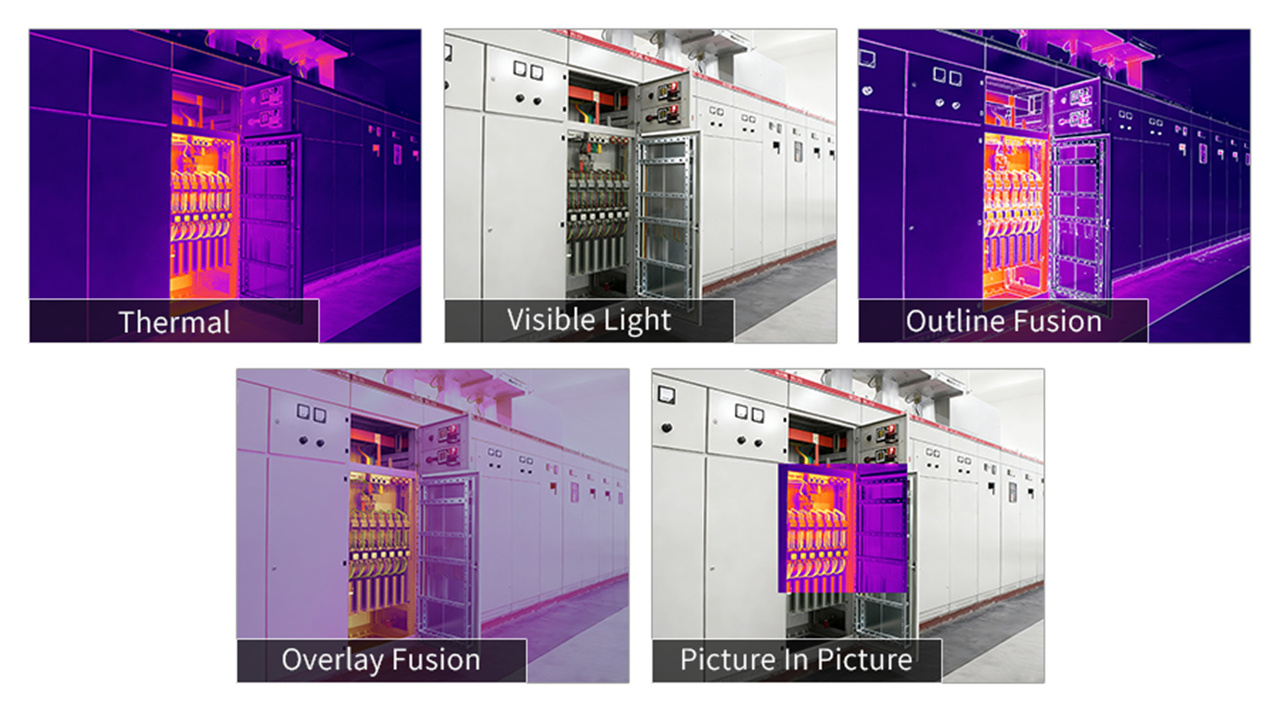
It offers five image modes: infrared, visible light, edge blending, overlay blending, and picture-in-picture. Visible light can supplement information such as labels, numbers, and colors that infrared cannot record, helping users quickly locate fault locations in a scene.
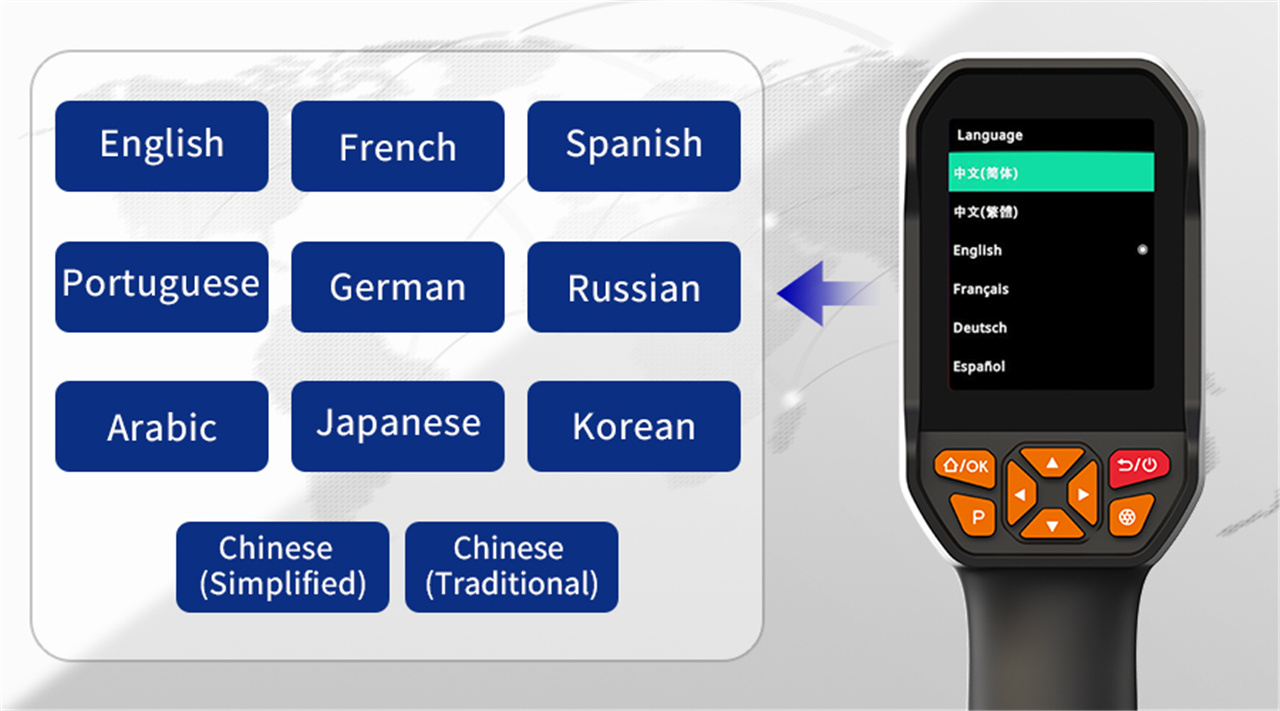
There are 11 different languages to meet the needs of users in different regions.
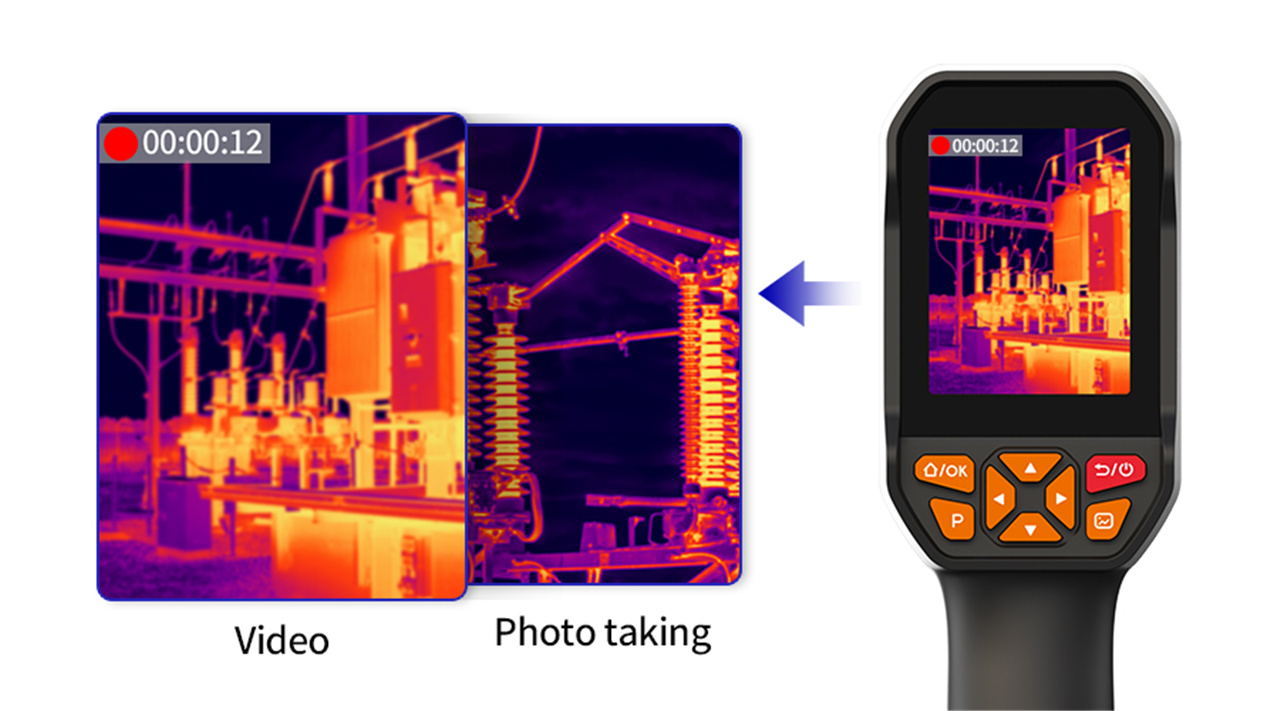
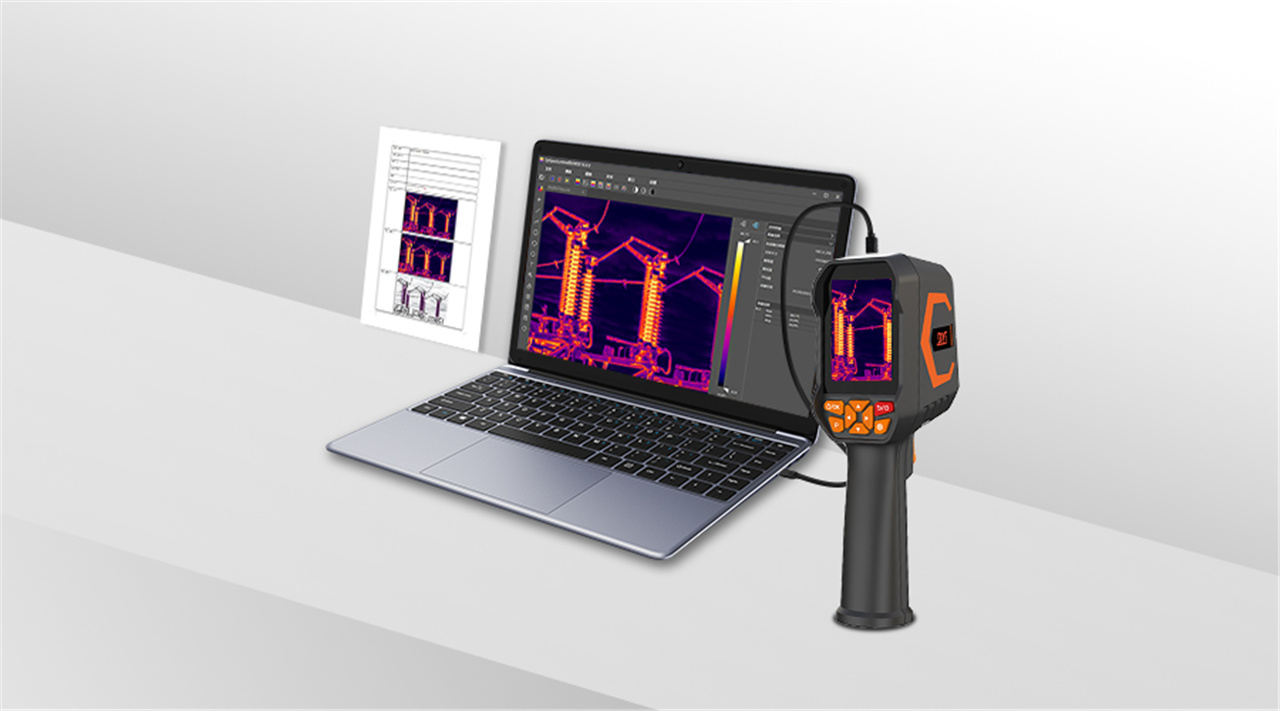
Photos taken via the device's camera function are saved as a single JPG file, incorporating visible light, infrared, edge blending, overlay blending, and picture-in-picture effects. This file works with common image viewers and supports analysis through specialized software. Recorded videos are playable on standard media players.
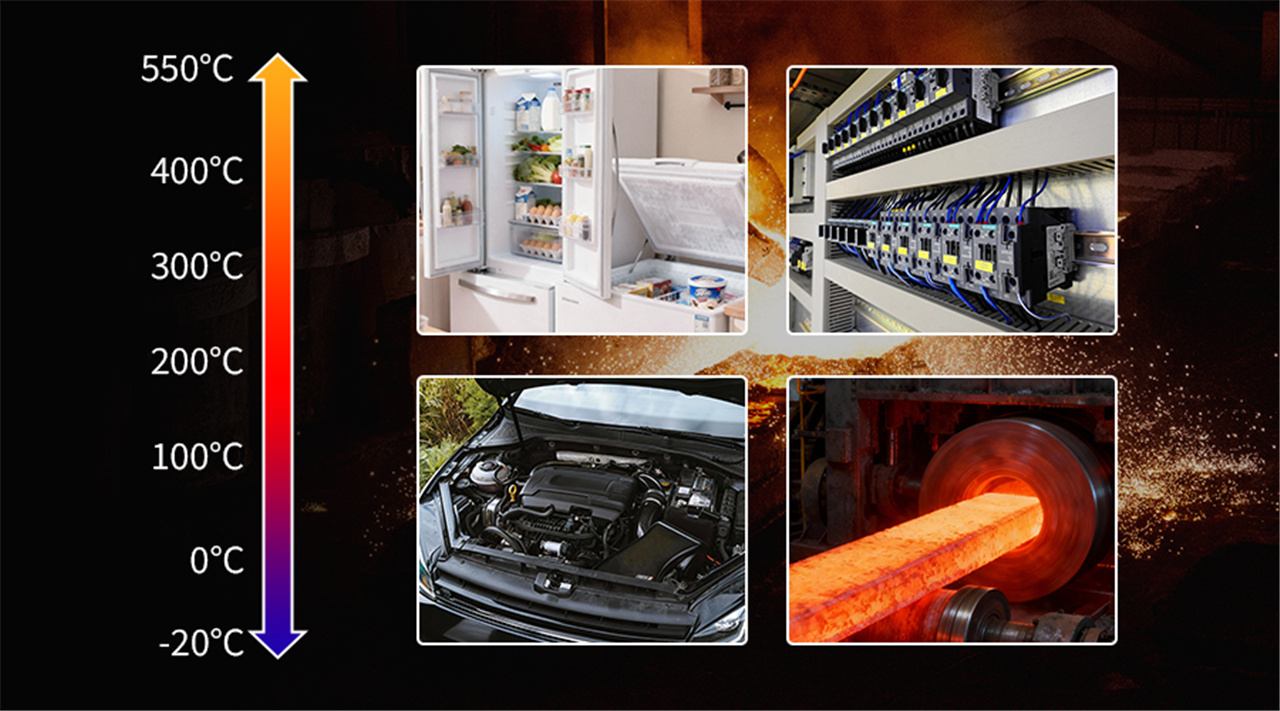
With a temperature detection range spanning -20℃ to 550℃, it covers both low and medium-temperature use cases. This negates the need for scenario-specific equipment purchases, lowering users' investment costs effectively.
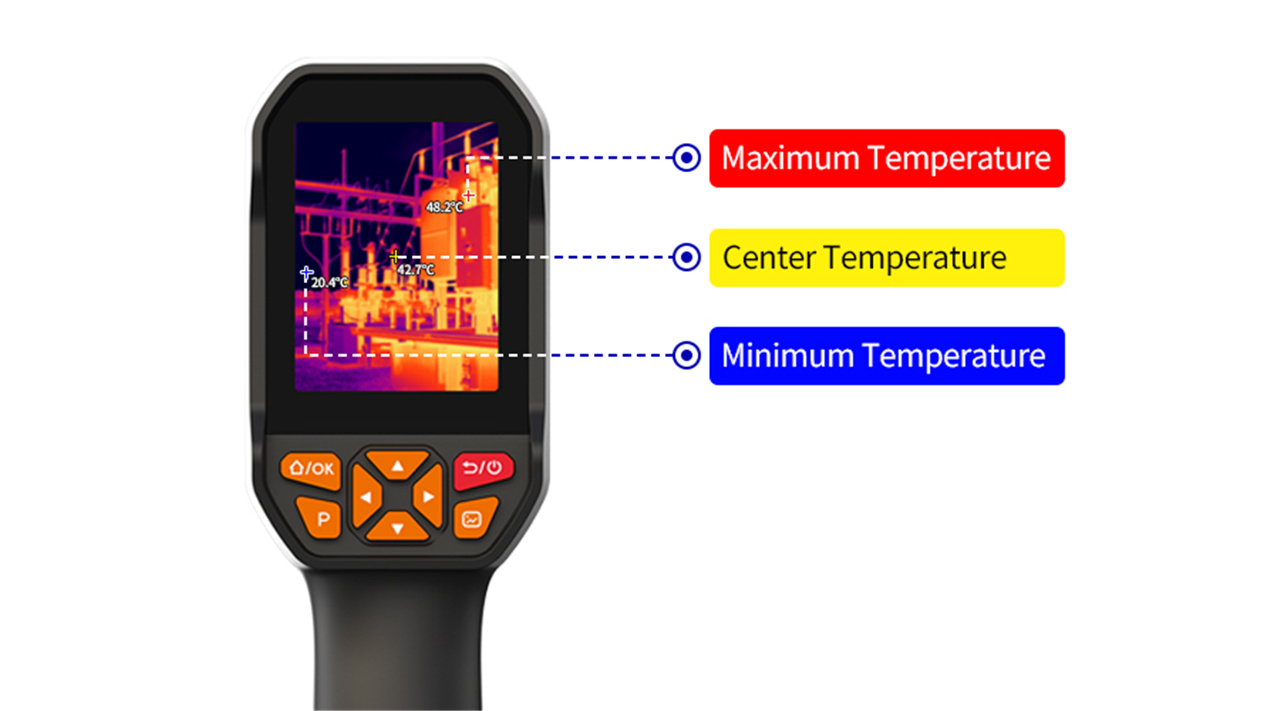
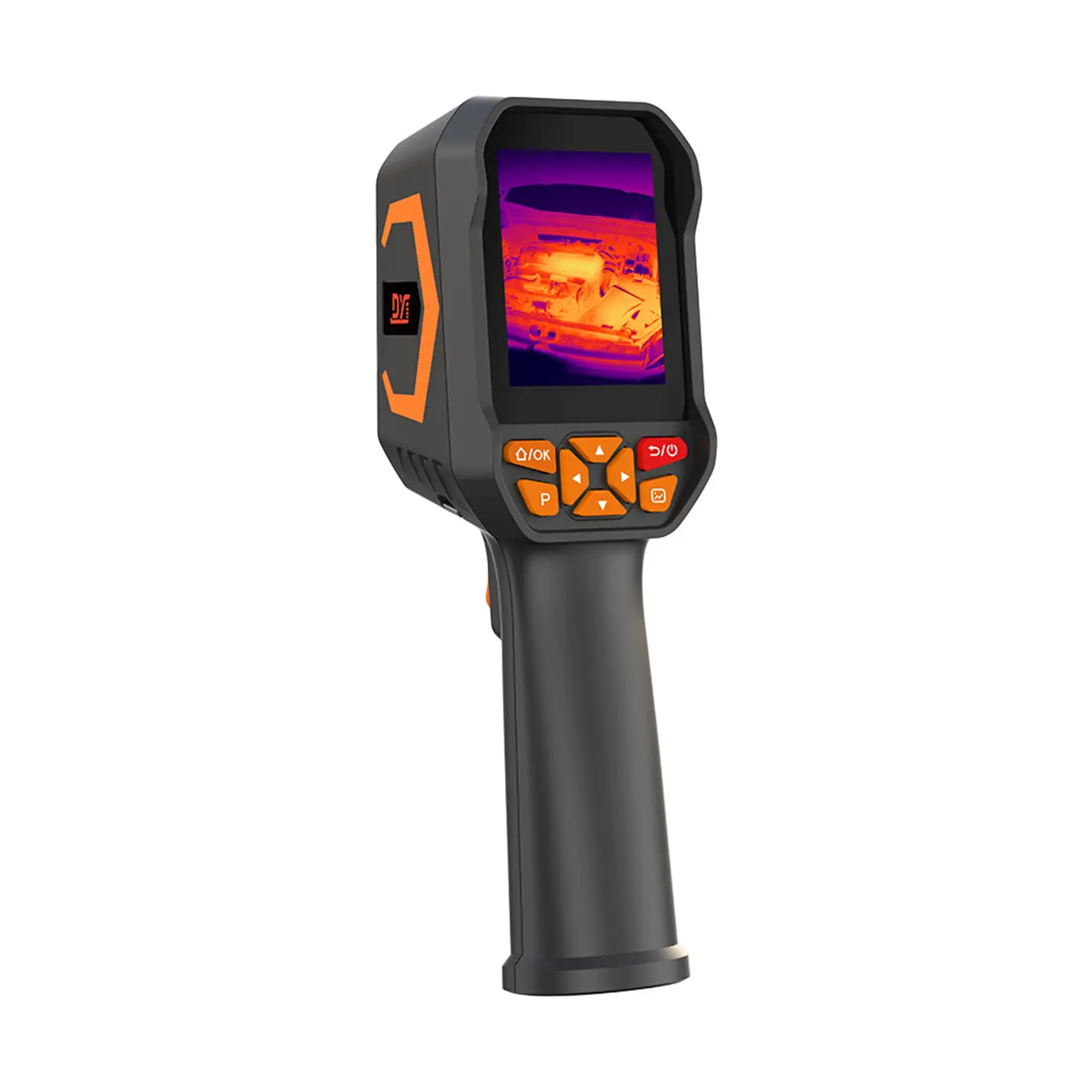
Activating temperature tracking gives users real-time access to the highest and lowest temperatures, a capability that aids in identifying areas with abnormal temperature readings.
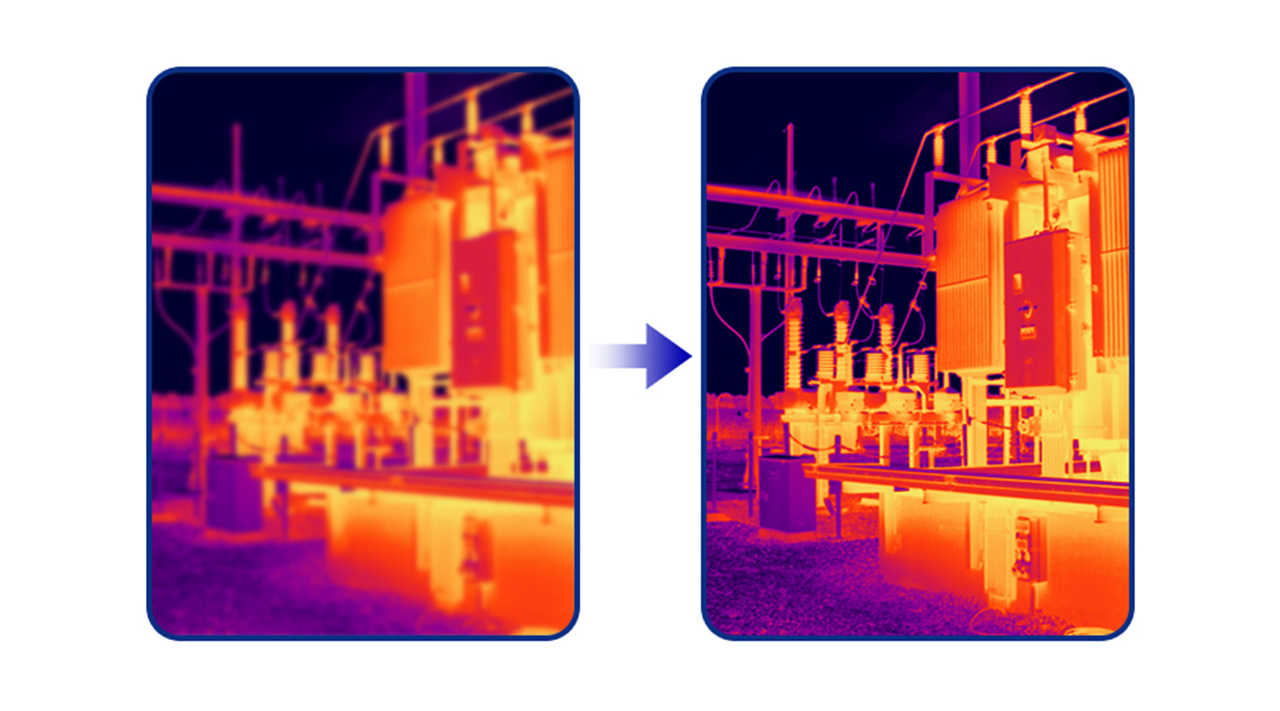
By applying a unique algorithm, DDE enhancement, image saturation adjustment, gain adjustment, image detail optimization, and filtering are all integrated. This combination produces clear, noise-free images, ensuring users get a superior image experience.
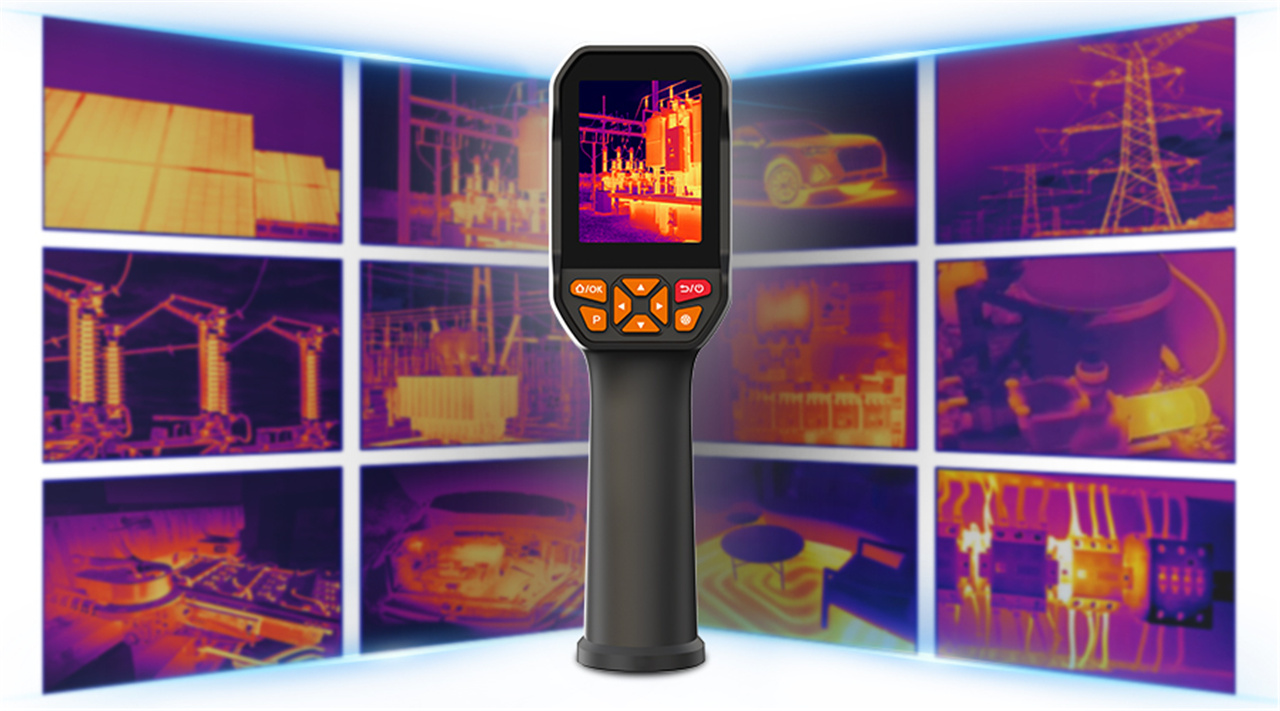
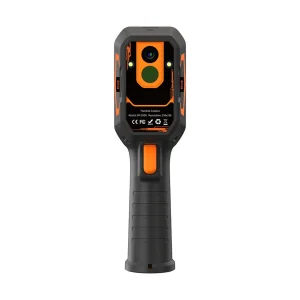
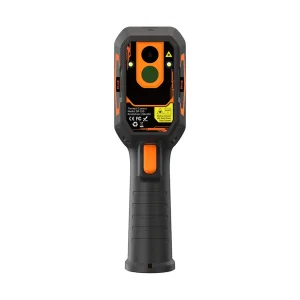
8G built-in memory space can meet the storage of up to 20,000 photos.
Secondary analysis of handheld device photos is achievable via professional PC software. This software includes color palette switching, image mode switching, and emissivity adjustment; it also produces reports in formats such as Word and PDF to facilitate better documentation of analysis results for users.