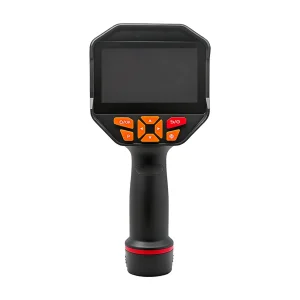
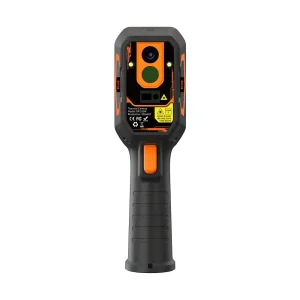
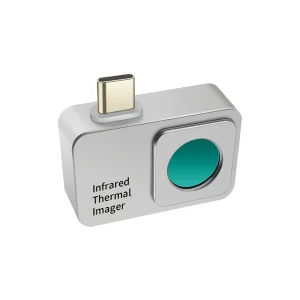
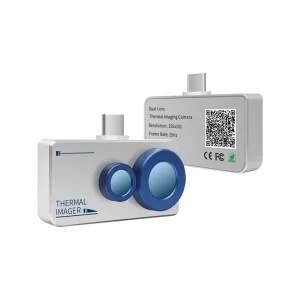
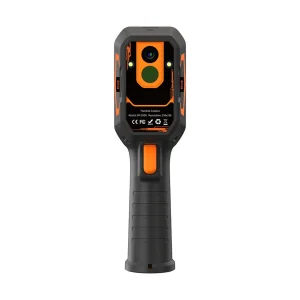
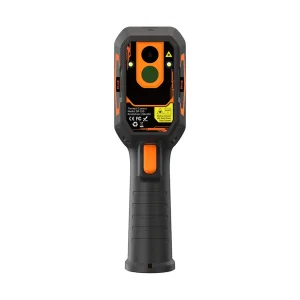
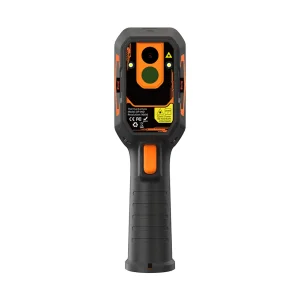
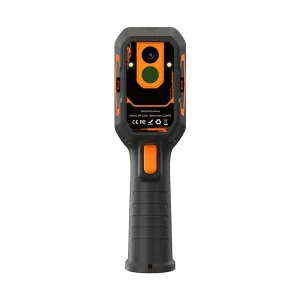
Explore our flagship hot products designed for electrical power inspection, building diagnostics, mechanical maintenance, and outdoor safety.
Pioneering thermographic precision backed by publicly listed technological resources.
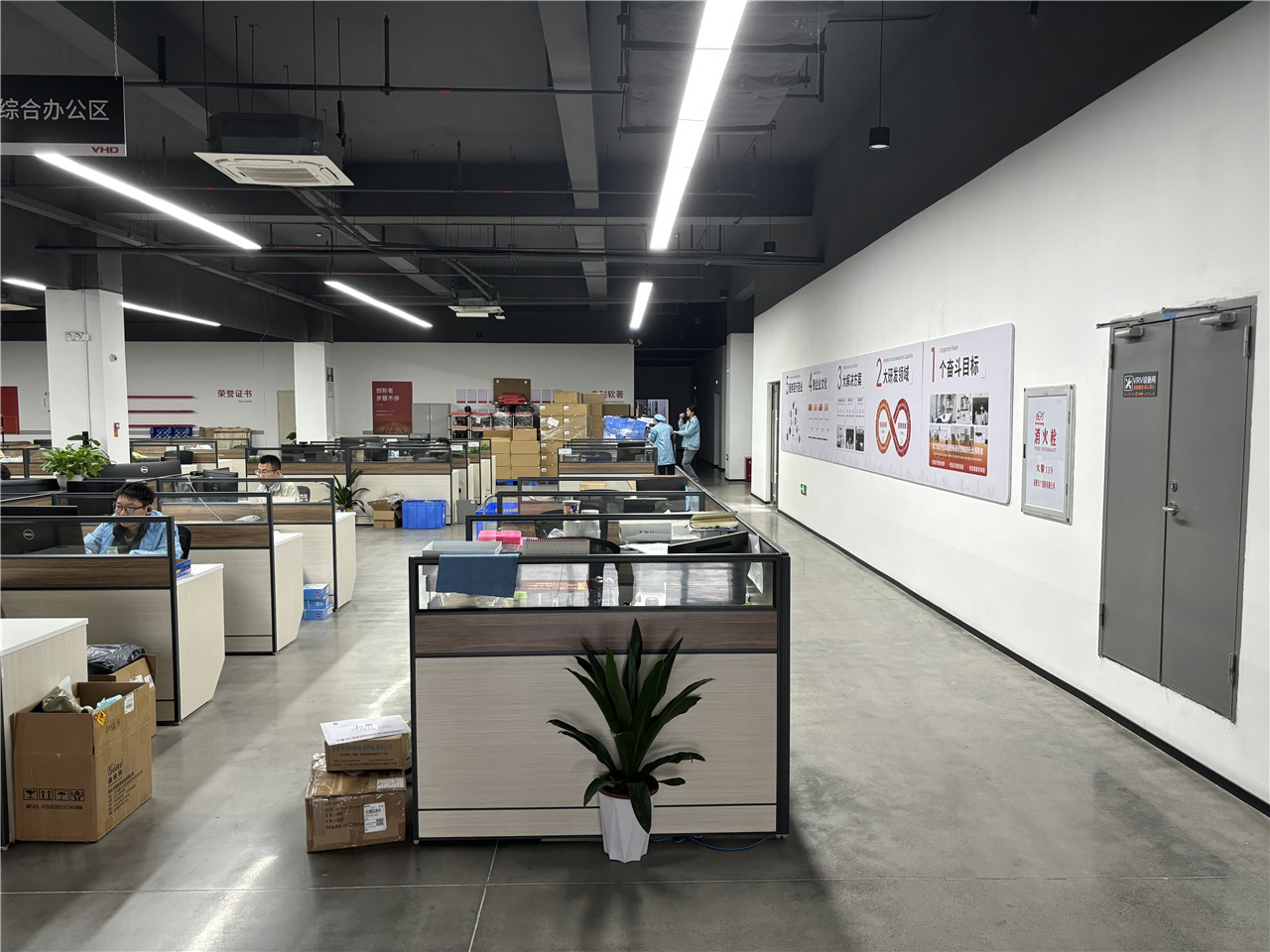
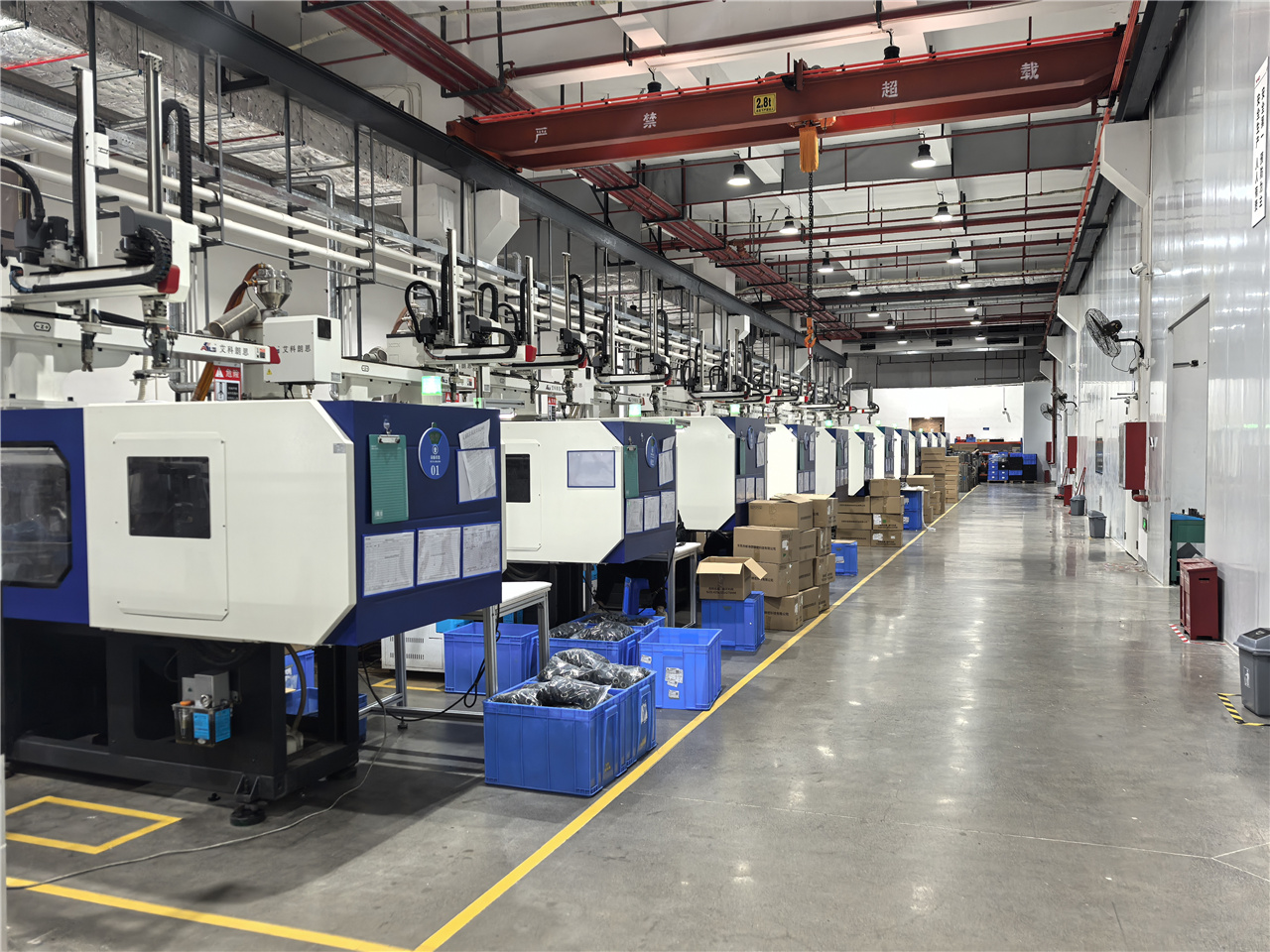
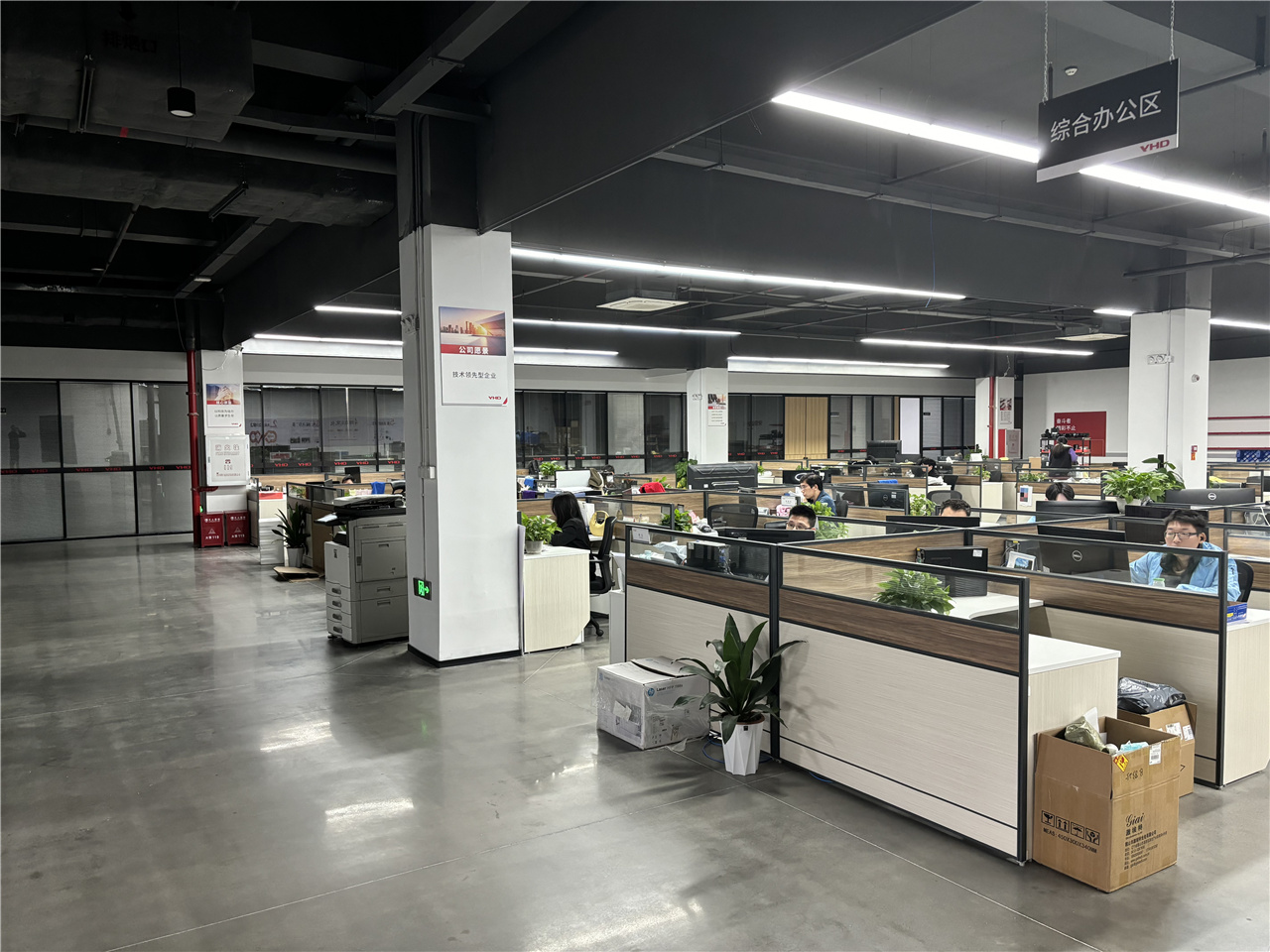
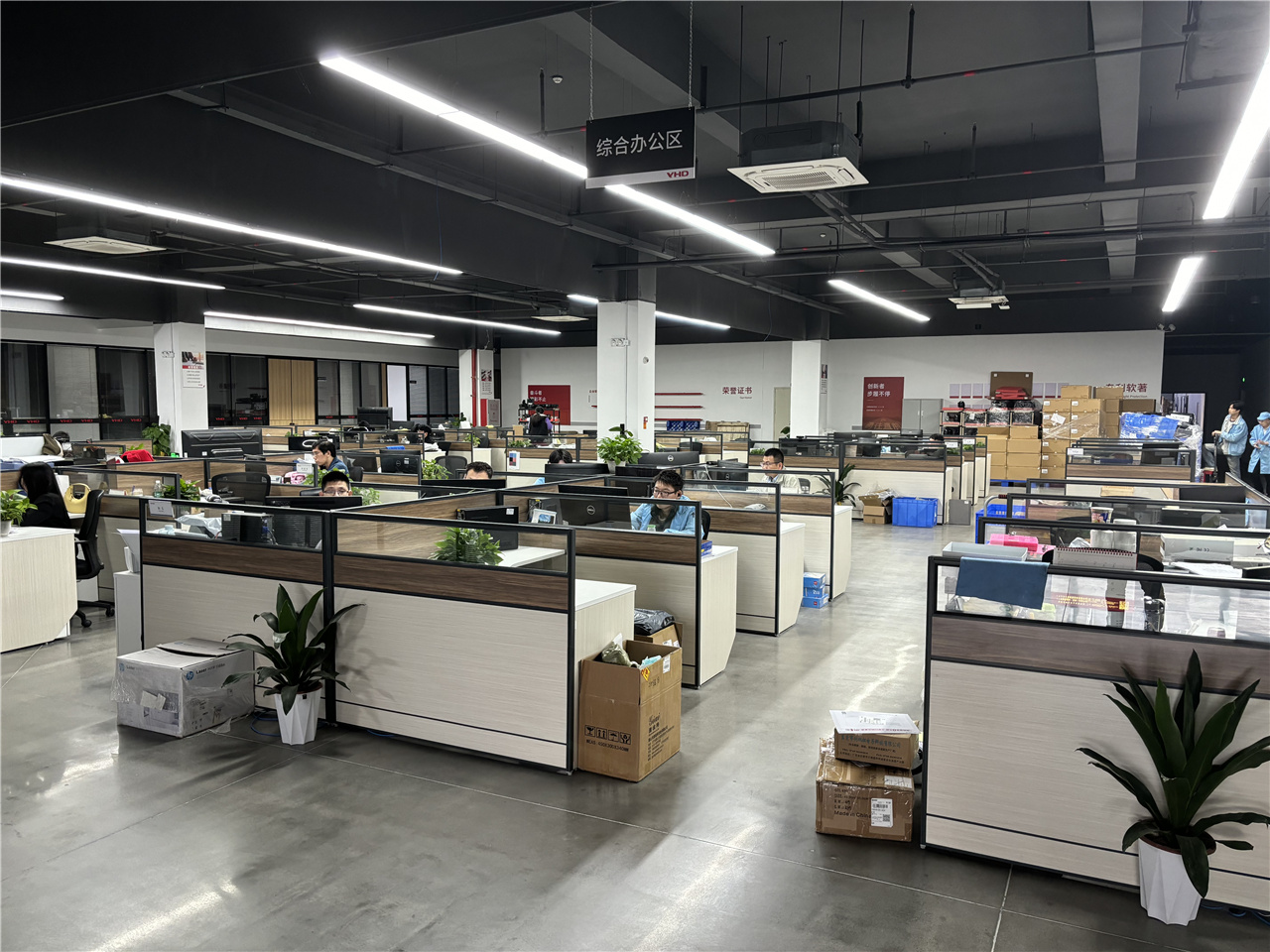
Shenzhen Dianyang Technology Co., Ltd. is a subsidiary of VHD (Shenzhen VHD Technology Co., Ltd.), a publicly listed company on the Shenzhen Stock Exchange. This strategic affiliation gives Dianyang unique access to VHD’s advanced R&D platforms, high-precision manufacturing systems, and rigorous quality management practices—enabling us to deliver thermal imaging products of higher reliability and consistency than typical ODMs.
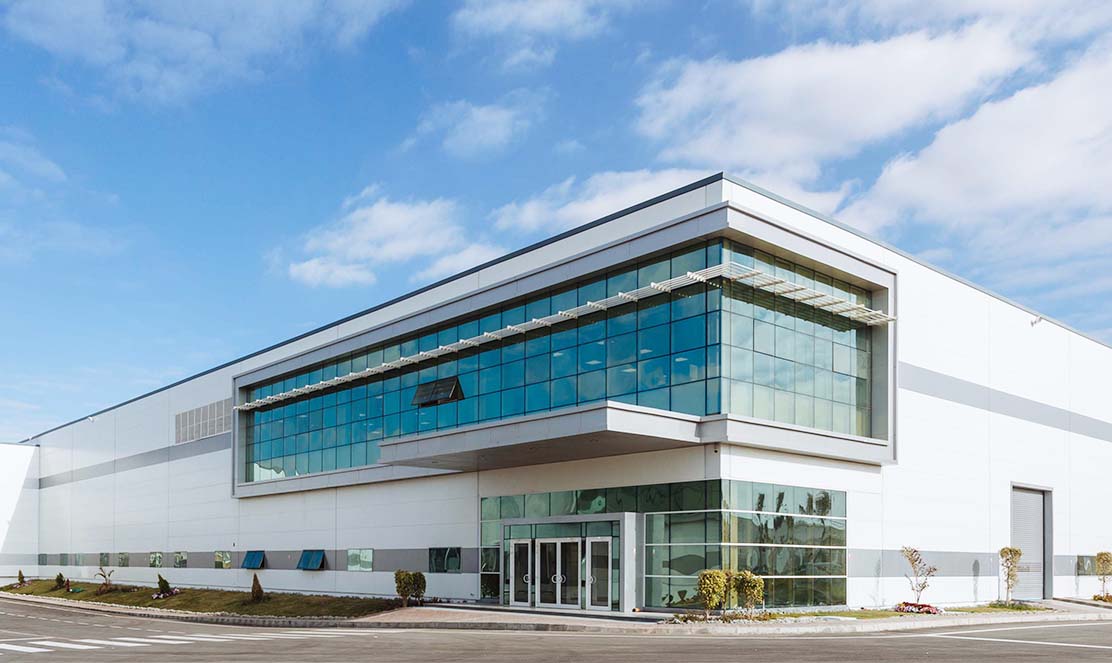
We specialize in ODM/OEM services for infrared thermal imaging solutions, including handheld thermal imagers, smartphone-connected thermal cameras, thermal analyzers, and thermal imaging telescopes. Our products serve global customers in power inspection, building diagnostics, firefighting, industrial maintenance, and outdoor applications.
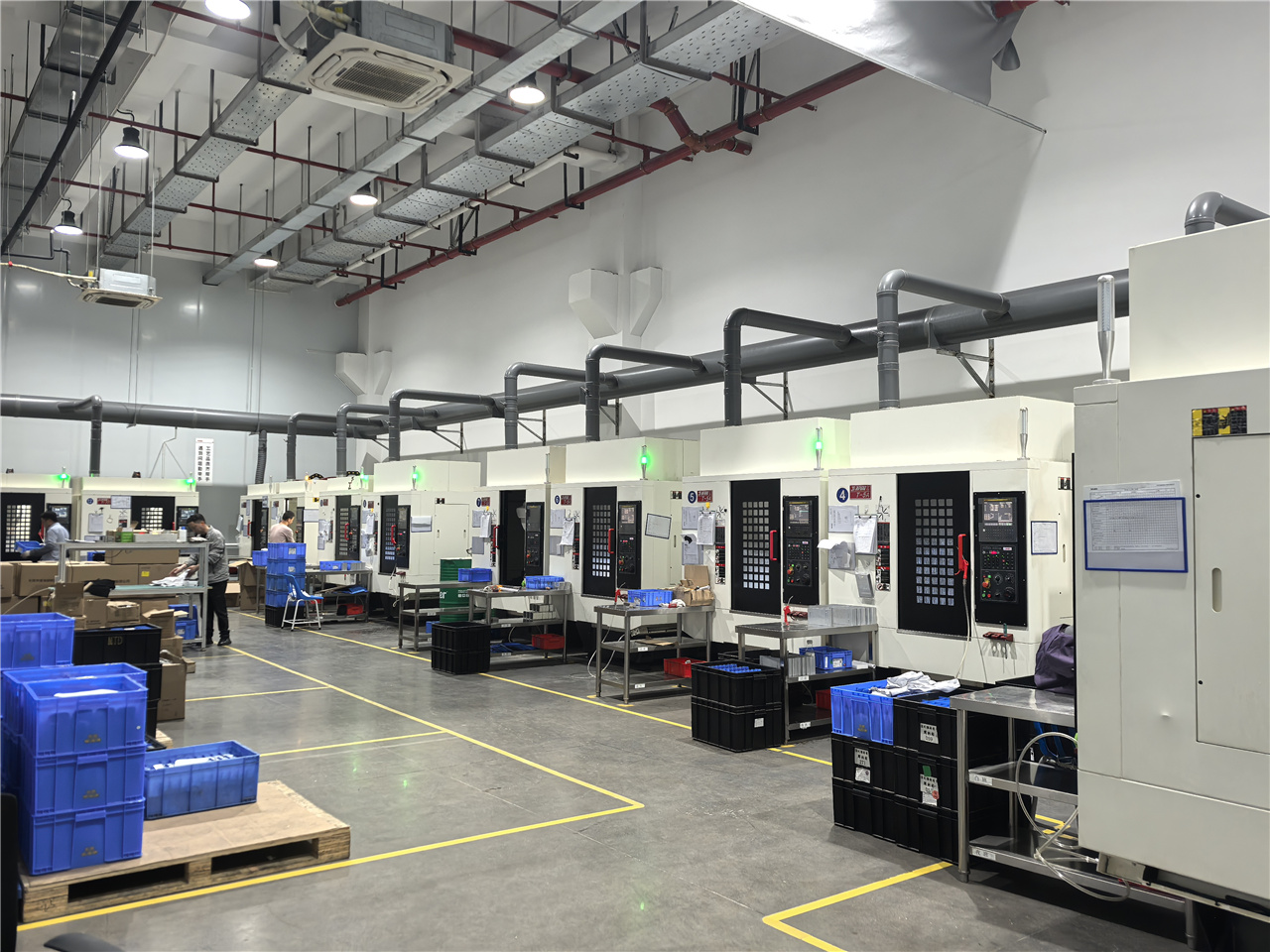
Our dedicated engineering team applies Design for Manufacturing (DFM), Design for Testability (DFT), thermal simulation, and EMC pre-compliance analysis to optimize performance and accelerate development. We also support clients in obtaining key certifications such as CE, FCC, RoHS, REACH, CB, UKCA, KC, and PSE.
Bridging hardware physics and algorithmic intelligence for uncompromising radiometric accuracy.
Dianyang thermal cameras utilize vanadium oxide (VOx) uncooled focal plane microbolometers operating in the long-wave infrared (LWIR) spectrum (8 to 14 μm). With pixel pitches down to 12μm and thermal sensitivity (NETD) under 40mK, our sensors reliably detect micro-kelvin thermal gradients in adverse environment conditions.
Our proprietary image processing algorithms merge visible-light contours with infrared radiometric data (Dual-Light Fusion). Technicians benefit from crystal-clear thermal pictures where text on breaker panels, cable IDs, and mechanical components remain readable under full thermal color gradients.
Before mass production, every board design undergoes comprehensive Design for Manufacturability (DFM) and Design for Testability (DFT) validation. Advanced thermal simulation models eliminate heat build-up within the chassis, guaranteeing temperature measurement stability across ambient ranges from -20°C up to 50°C.
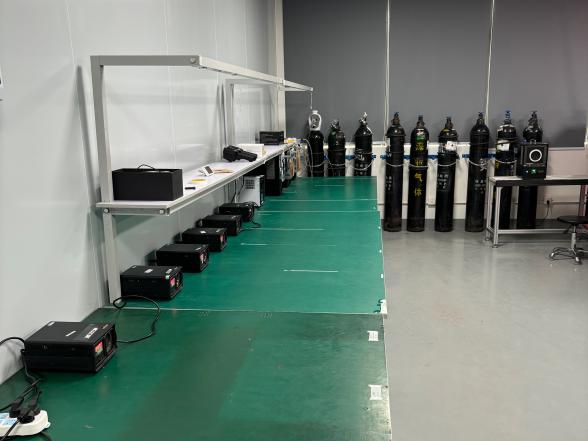
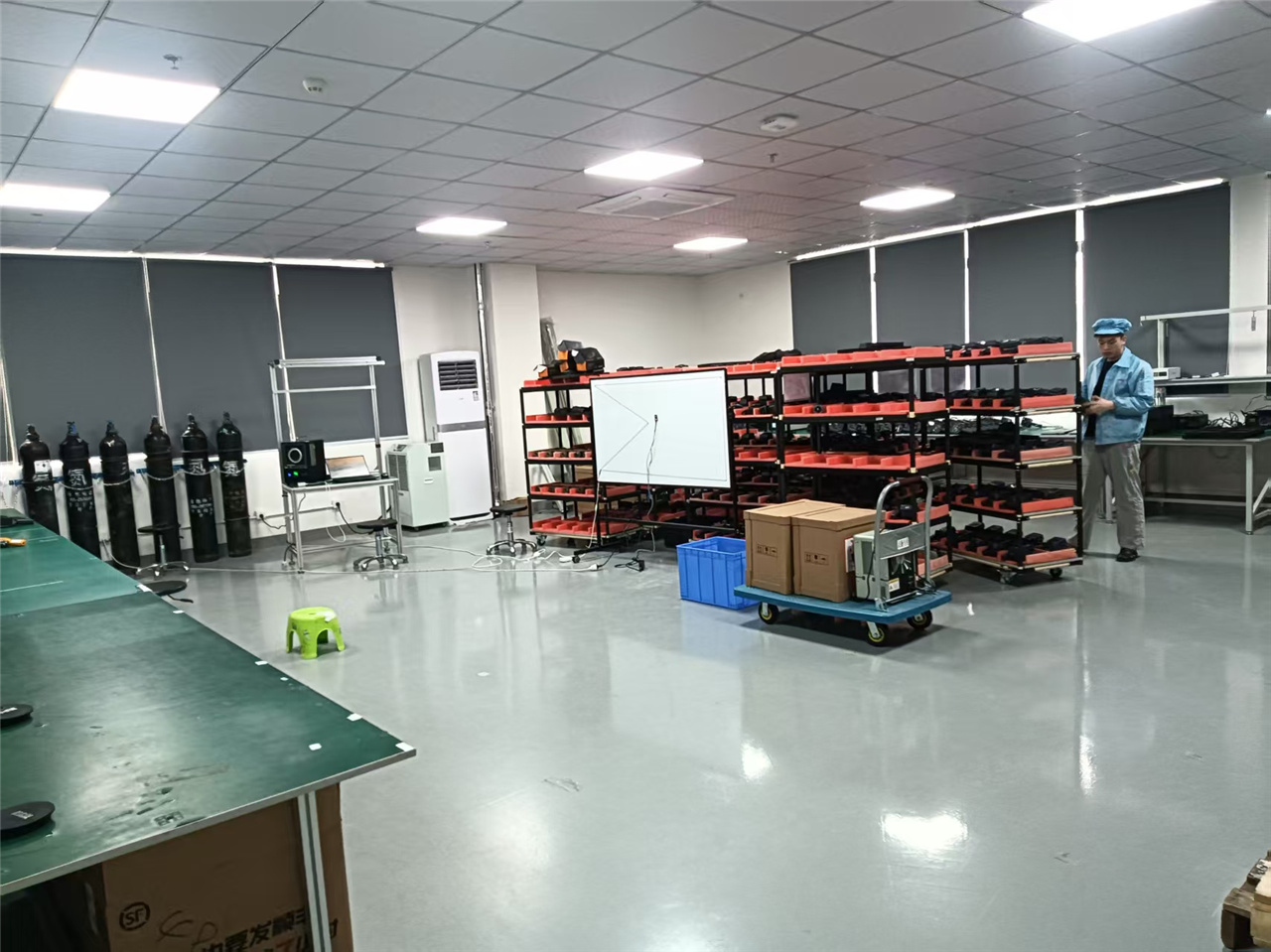
From the compact 96x96 entry models to high-end 640x512 resolution thermal imagers (such as the DP-64D series capable of handling temperatures up to 1200°C), each unit is calibrated against blackbody reference sources compliant with national metrology standards. Parameters such as emissivity, distance, atmospheric humidity, and reflected background temperature can be dynamically adjusted directly inside our intuitive firmware.
Tailored thermographic hardware serving critical engineering verticals across continents.
Preventing catastrophic failure: Handheld thermal imagers locate high-resistance contact points, overloaded phase conductors, and degraded switchgear units instantly before transformer failure occurs.
Identifying insulation gaps, roof moisture intrusion, air leakage zones, and defective radiant floor heating pipes to comply with modern green building and Net-Zero thermal efficiency standards.
Benchtop and smartphone-attached thermal analyzers enable hardware R&D engineers to spot short circuits, thermal runaway in power MOSFETs, and suboptimal copper trace heat dissipation in real-time.
Enabling high-contrast target detection through dense smoke, fog, and absolute darkness for search and rescue operations, wildlife monitoring, and security perimeter defense.
Combining Shenzhen’s agile hardware ecosystem with listed company capital strength.
Operating from Shenzhen—the global epicenter of electronics manufacturing—Dianyang Technology maintains vertically integrated supply agreements with top-tier focal plane array (FPA) microbolometer foundries, optical lens fabricators, and high-speed SMT assembly lines. This integrated structure mitigates global component shortage risks, ensures predictable lead times for OEM buyers, and delivers unmatched cost-performance advantages.
Next-generation thermal intelligence: Artificial Intelligence, IoT edge compute, and sub-10μm sensors.
Future iterations of Dianyang thermal systems incorporate micro-NPU chips running real-time computer vision models. Rather than relying on manual operator evaluation, future handhelds automatically highlight thermal anomalies, isolate insulation leakage areas, and generate automated diagnostic reports directly inside the device.
Moving beyond standalone inspection tools, our upcoming wireless-enabled thermal modules communicate directly with enterprise CMMS (Computerized Maintenance Management Systems). Continuous thermal streams from stationary sensors and handheld logs are aggregated in the cloud to predict mechanical failure weeks before physical damage occurs.
By transitioning to smaller pixel pitch wafers (down to 12μm and 7μm in R&D pipelines), Dianyang is reducing optical assembly sizes while scaling image clarity. This trend powers compact smartphone dongles (such as our H1FB and H2F6B series) to deliver spatial resolutions previously reserved for bulky industrial equipment.
Streamlined certification pipelines and localized technical service infrastructure.
To help custom OEM/ODM products transition seamlessly into North American, European, and Asian markets, Dianyang manages compliance pre-screening for CE, FCC, RoHS, REACH, CB, UKCA, KC, and PSE standards, minimizing regulatory friction for overseas brand partners.
We provide full software development kits (SDKs) across Android, iOS, Windows, and Linux environments. OEM partners can effortlessly rebrand GUI themes, integrate custom thermal palettes, and embed custom radiometric temperature algorithms into their proprietary apps.
Backed by VHD's capital backing and structured quality management systems, every unit ships with comprehensive warranty coverage, fast-turnaround regional RMA service options, and direct tier-3 engineering support.
In-depth technical answers for procurement managers, engineering leads, and distribution partners.
Being part of VHD (Shenzhen VHD Technology Co., Ltd.) provides Dianyang with financial stability, advanced shared R&D platforms, elevated supply chain negotiating power, and corporate-grade quality assurance systems. Unlike small independent ODMs, we guarantee long-term product availability, predictable component sourcing, and reliable multi-year technical support.
Choosing the correct microbolometer resolution depends on target distance and required spatial resolution (IFOV):
Our DFM (Design for Manufacturing) evaluates PCB component placement for automated high-yield assembly. DFT (Design for Testability) integrates automated optical and electrical test points for zero-defect production line verification. EMC pre-compliance testing tests radiated and conducted emissions to ensure the product smoothly passes CE, FCC, UKCA, and KC certification on the first submission.
Yes. We provide complete OEM/ODM options for smartphone-connected thermal cameras, including custom housing molds (Type-C or iOS lightning connectors), tailored USB protocol stacks, custom application branding, and custom color palette presets within our mobile application software.
Standard models cover standard industrial ranges from -20°C to +550°C. For specialized high-temperature applications—such as furnace monitoring, foundry work, and metallurgical testing—models such as the CE-certified DP-64D series offer expanded measurement ranges reaching up to +1200°C with high radiometric accuracy.
Our hardware integrates real-time ambient temperature sensors near the microbolometer detector. Internal firmware continuously runs temperature compensation algorithms that calculate sensor drift, window transmissivity, and ambient background reflections, keeping radiometric readout accuracy within ±2°C or ±2% of reading.
Complete product range featuring ODM/OEM options, mobile plugins, and dual-light cameras.
 Dianyang