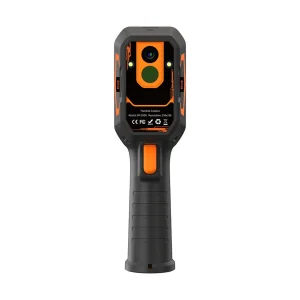
Industrial-Grade Hardware Engineered for Architectural Diagnostics, HVAC Efficiency, and Preventative Infrastructure Audits
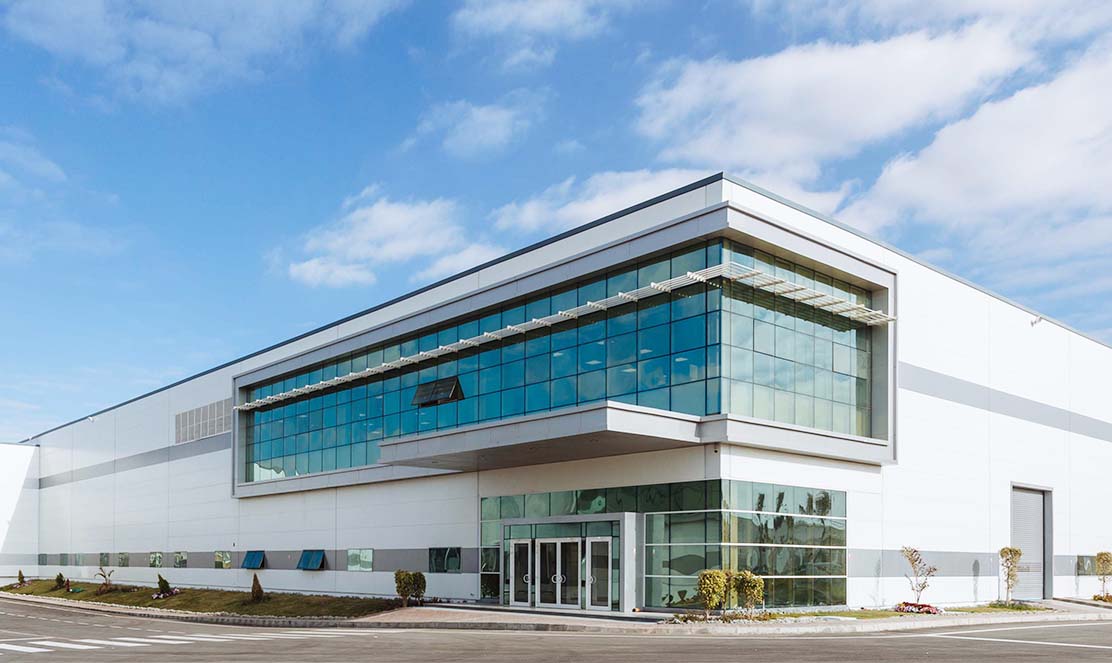
Architectural Thermography Beyond Qualitative Imaging: Driving Energy Efficiency, Compliance, and Structural Safety
The global construction and property diagnostic market is undergoing a fundamental transformation. Driven by stringent international energy efficiency standards—such as the EU Energy Performance of Buildings Directive (EPBD), ASHRAE Standard 90.1, and progressive municipal building codes—quantitative thermal evaluation is no longer optional. Home inspectors, forensic building engineers, and energy auditors require sub-degree temperature accuracy to detect minute thermal bypasses, hidden moisture pockets, and insulation gaps that cause massive operational heat loss.
Modern building envelope thermography relies heavily on non-destructive testing (NDT). Infrared equipment must deliver high spatial resolution, precise pixel-to-pixel calibration, and reliable radiometric data exports. Custom OEM solutions must meet these operational benchmarks while offering seamless workflow integration for professional inspection teams worldwide.
For brands and enterprise buyers, outsourcing hardware engineering to specialized OEM thermal imaging partners unlocks accelerated time-to-market. Industrial home inspection requires ruggedized ergonomics, ultra-sensitive microbolometer detectors, and long-wave infrared (LWIR) optical engineering. By leveraging turnkey OEM/ODM hardware platforms, brand owners can focus on market expansion while guaranteeing end-users pinpoint accuracy across varying atmospheric conditions.
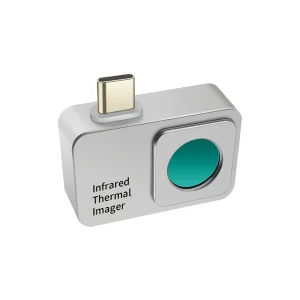
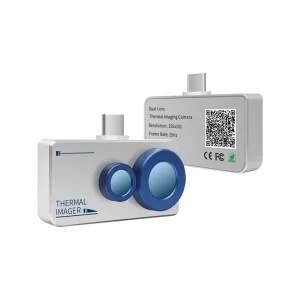
Furthermore, the miniaturization of thermal cores has enabled mobile-connected solutions (USB-C / iOS Lightning thermographic dongles) to deliver performance once reserved for bulky legacy systems. OEM manufacturing facilitates custom branding, specialized SDK development, and custom temperature threshold algorithms tailored for specific climate zones and housing archetypes.
Uncompromising Hardware Design: Microbolometer Arrays, Radiometric Calibration, and Optical Calibration
At the heart of Dianyang's inspection systems lies state-of-the-art Vanadium Oxide (VOx) or Amorphous Silicon (a-Si) uncooled focal plane microbolometers. Operating within the 8μm to 14μm spectral band, these sensors feature pixel pitches as fine as 12μm, enabling exceptional spatial resolution (IFOV) to pinpoint microscopic thermal leaks across residential structure facades.
Noise Equivalent Temperature Difference (NETD) is the defining metric for thermographic precision. Our OEM thermal modules consistently achieve NETD < 40mK @ f/1.0. This extreme thermal sensitivity allows home inspectors to identify minute surface delta-Ts associated with early-stage moisture penetration, sub-wall studs, and subtle air infiltration pathways.
Combining visible light optics with infrared spectrums via onboard edge processing algorithms (MSX-level visual detail enhancement), inspectors receive high-definition images overlaid with real-time quantitative temperature matrixes. Full radiometric JPEG capture allows post-inspection analysis per-pixel on dedicated desktop software.
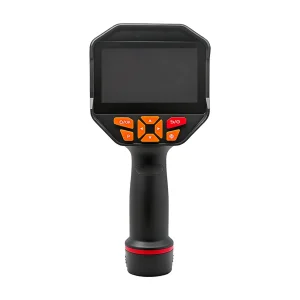
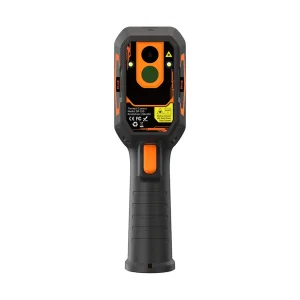
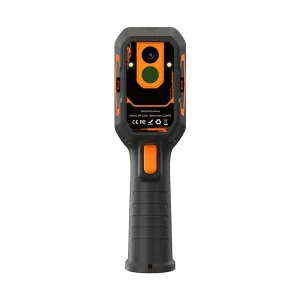
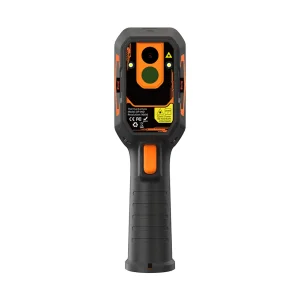
| Parameter Standard | Mobile Imager Series (H2FB / H2F6B) | Handheld Diagnostic Series (DP-25D / DP-38D / DP-64D) |
|---|---|---|
| IR Resolution | 256 × 192 Pixels / 160 × 120 Pixels | 256 × 192 up to 640 × 512 Pixels |
| Spectral Range | 8 ~ 14 μm (LWIR) | 8 ~ 14 μm (LWIR) |
| Thermal Sensitivity (NETD) | < 50 mK (@25°C, F#=1.0) | < 40 mK (@25°C, F#=1.0) |
| Temperature Range | -15°C ~ +150°C / +150°C ~ +550°C (Auto-switch) | -20°C ~ +550°C (Custom scale options) |
| Measurement Accuracy | ±2°C or ±2% of reading | ±2°C or ±2% of reading (Calibrated Blackbody) |
| Interface & Protocol | USB Type-C / Lightning / Proprietary SDK | Wi-Fi, USB-C, Micro-SD, Custom UART Module |
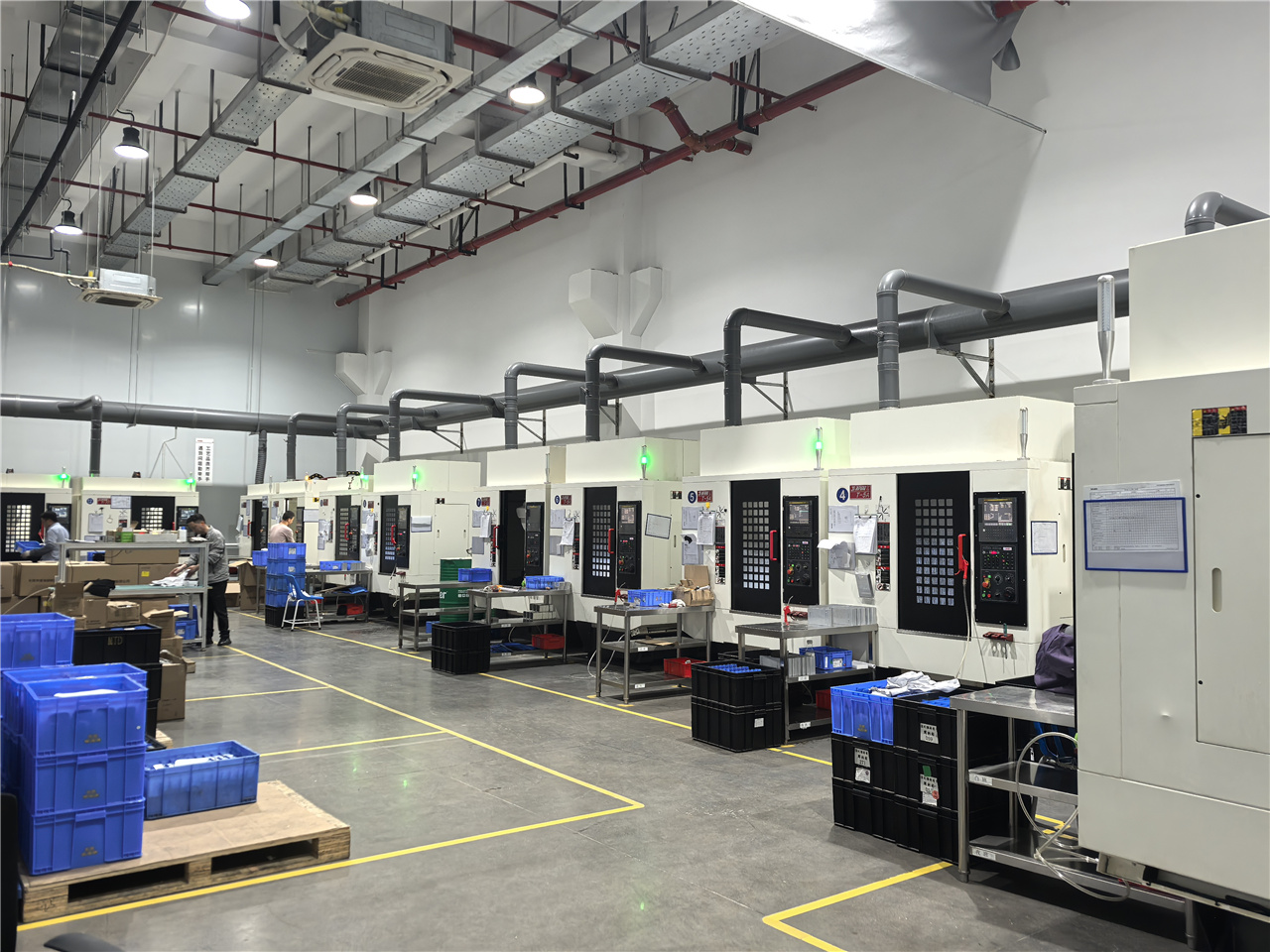
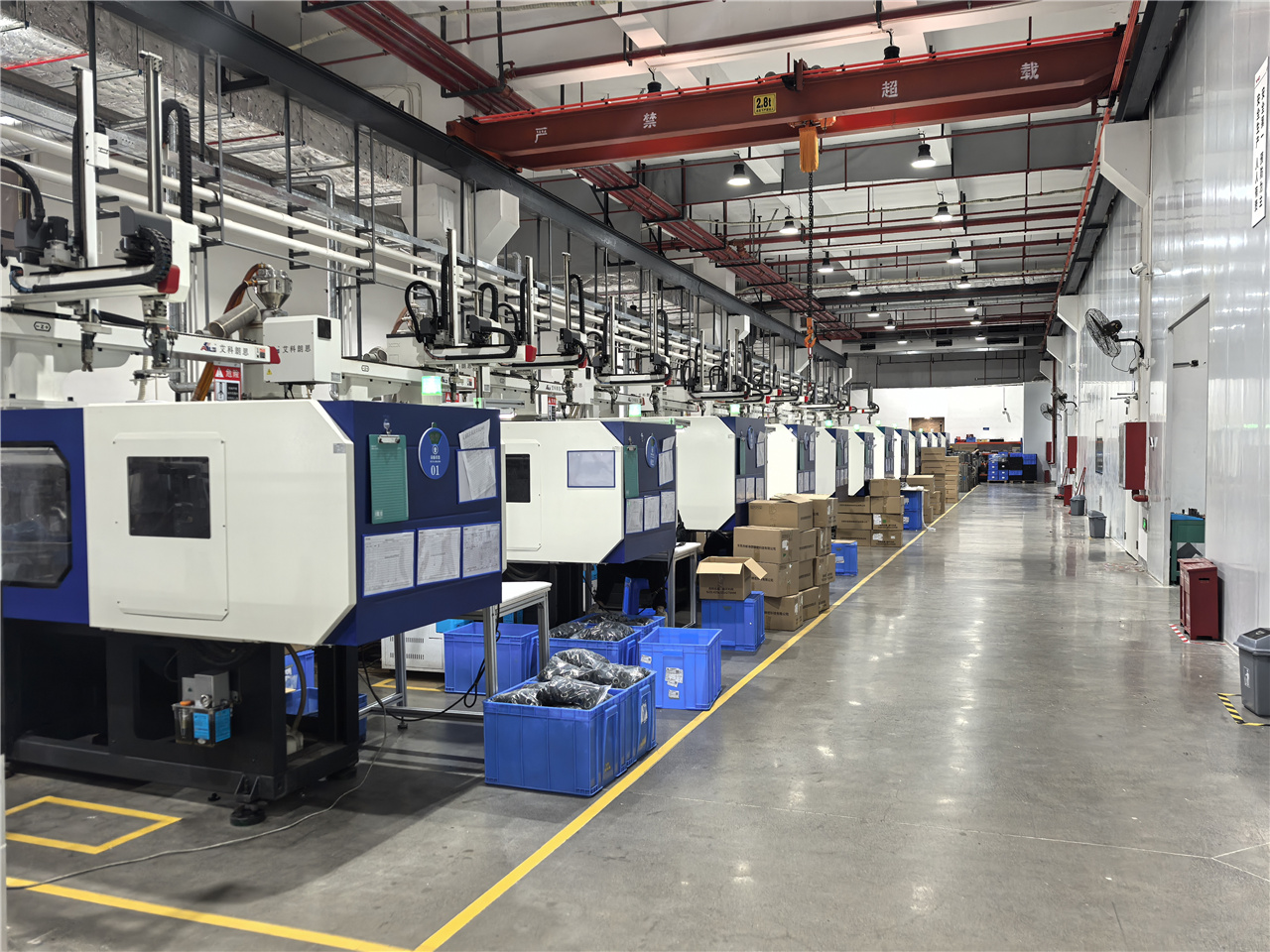
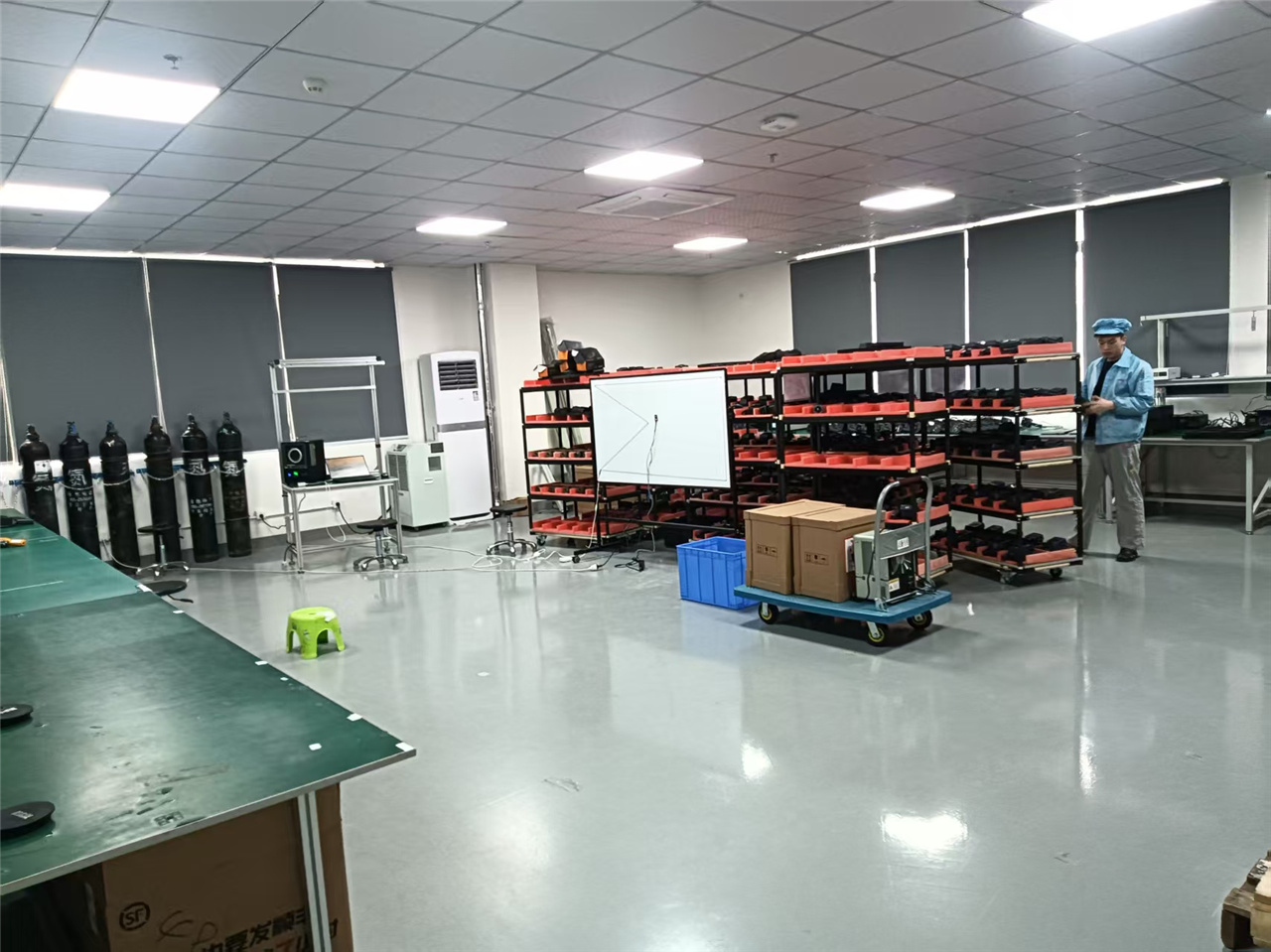
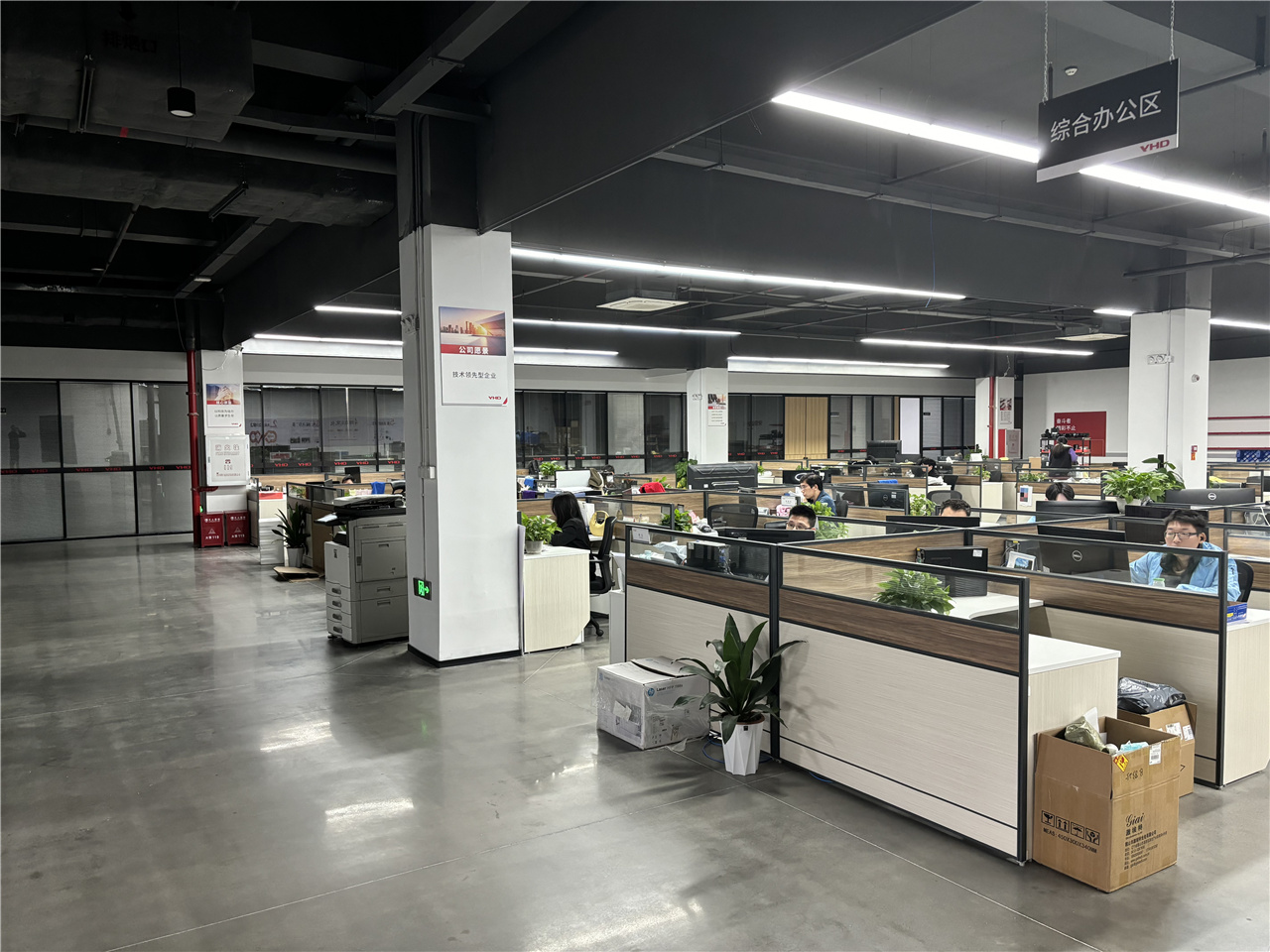
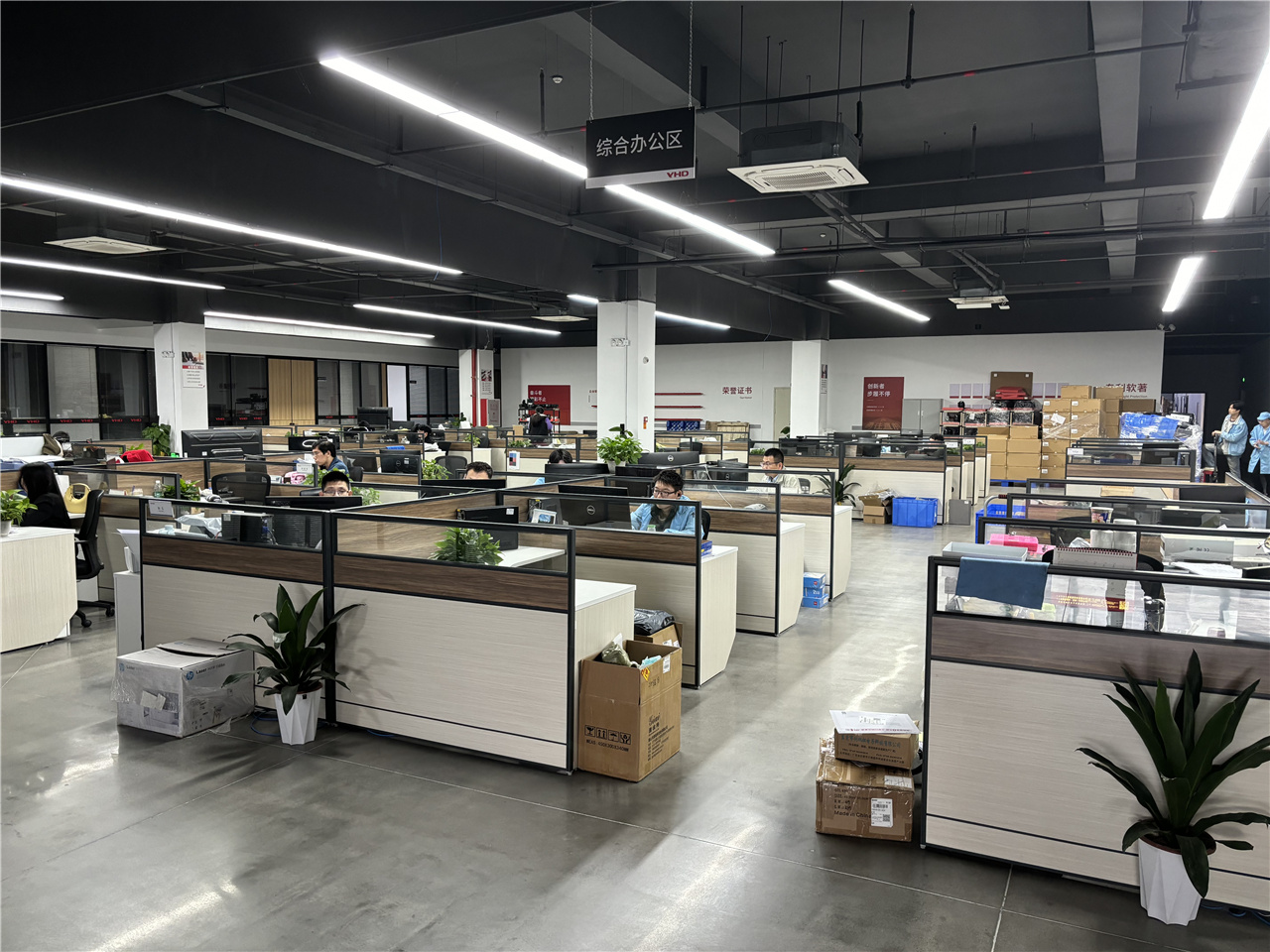
Enterprise Manufacturing Capabilities Powered by Public Listed Parent Company VHD
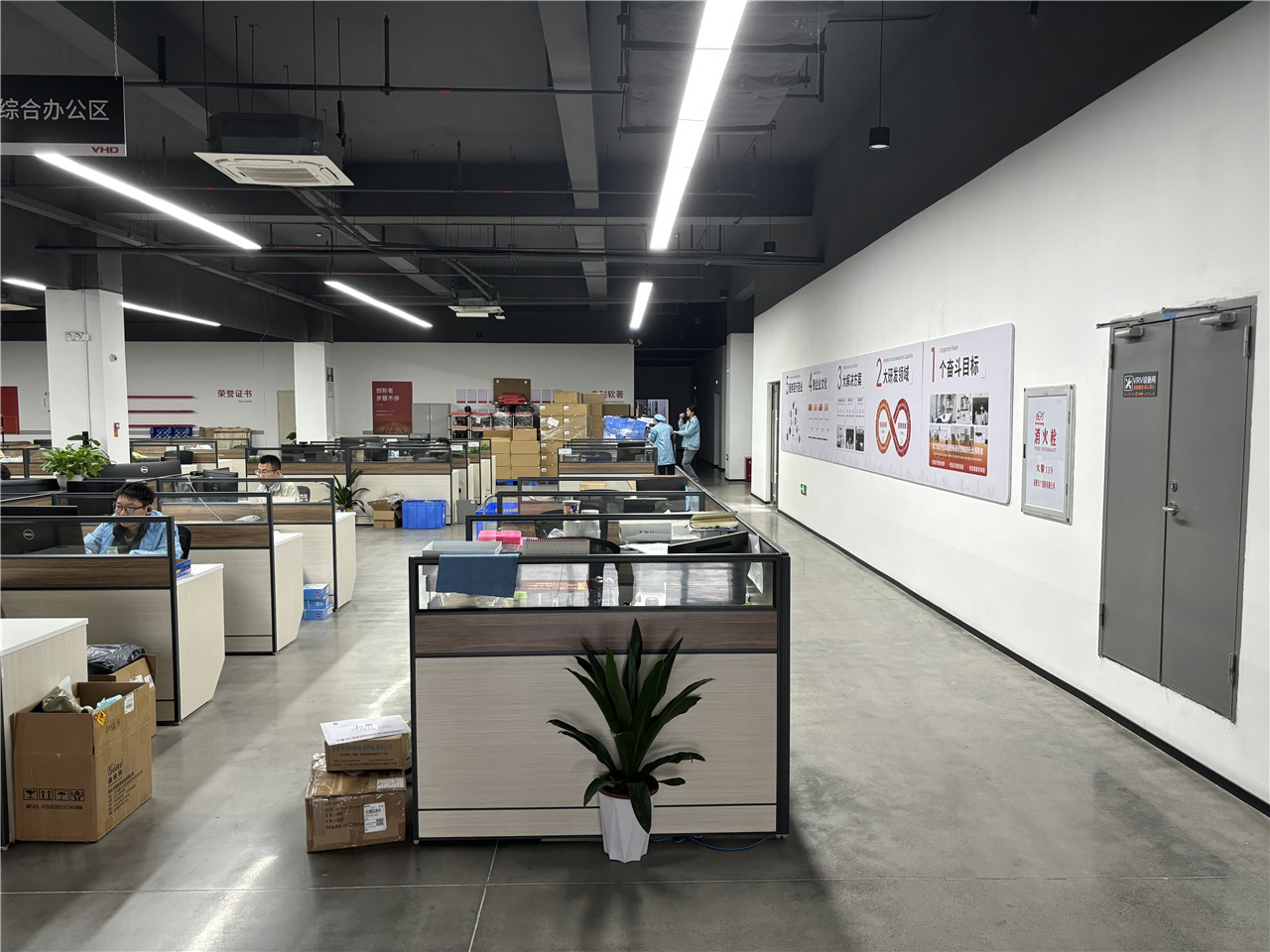
Shenzhen Dianyang Technology Co., Ltd. is a subsidiary of VHD (Shenzhen VHD Technology Co., Ltd.), a publicly listed company on the Shenzhen Stock Exchange. This strategic affiliation gives Dianyang unique access to VHD’s advanced R&D platforms, high-precision manufacturing systems, and rigorous quality management practices—enabling us to deliver thermal imaging products of higher reliability and consistency than typical ODMs.
We specialize in ODM/OEM services for infrared thermal imaging solutions, including handheld thermal imagers, smartphone-connected thermal cameras, thermal analyzers, and thermal imaging telescopes. Our products serve global customers in power inspection, building diagnostics, firefighting, industrial maintenance, and outdoor applications.
Field-Proven Diagnostic Protocols Across Residential, Commercial, and Industrial Infrastructure
Inadequate insulation and unwanted drafts account for up to 30% of residential energy waste. Thermography allows non-invasive mapping of wall cavities, attic access doors, window seals, and floor joints. Under pressurized blower door testing conditions, Dianyang thermal cameras locate air infiltration points instantly by recording minute thermal gradients.
Water intrusion behind drywall, under subfloors, or inside flat roofing systems creates evaporative cooling anomalies. With sub-40mK thermal sensitivity, our cameras pinpoint exact boundary contours of damp materials prior to visual mold emergence, enabling rapid target mitigation and reducing remediation costs.
Overloaded circuit breakers, corroded busbars, and loose wire terminations manifest as localized hot spots (Joule heating). Thermal inspections detect electrical anomalies long before thermal runaway triggers breaker trips or electrical fires, fulfilling crucial risk assessment criteria for property insurance compliance.
Infrared cameras visualize hydronic radiant floor heating circuits, identifying blockages or leaks without destroying flooring. Furthermore, auditors inspect insulated HVAC ducts for thermal breaks, damper malfunctions, and localized condensation risks within commercial ceiling plenums.
Residential PV solar installations are susceptible to cell micro-cracking, bypass diode failures, and localized shading degradation. Infrared inspection isolates defective panels rapidly under normal operating sunlight, preserving system ROI and fire safety.
Subterranean termite infestations, rodent nesting, and honeybee hives inside structural wall voids alter localized thermal mass and heat dissipation profiles. Thermographers utilize high-frame-rate infrared optics to non-destructively trace pest activity.
Empowering International Distribution Partners with Seamless Regulatory Acceptance
Navigating global compliance is crucial for enterprise brands expanding cross-border distribution. Dianyang supports clients in securing all essential regional certifications:
We provide comprehensive software customization options to deliver native user experiences across global target markets:
Driving Innovation in AI-Assisted Thermography, Edge Computing, and Ultra-High Thermal Resolution
Integrating neural networks directly into thermal camera microcontrollers to automatically classify building defects—such as distinguishing insulation thermal bypasses from active moisture leaks—in real-time during live scans.
Next-generation VOx microbolometer arrays targeting sub-30mK NETD sensitivities will bring ultra-fine scientific thermal resolution down into cost-effective handheld and mobile OEM product tiers.
Direct encrypted cell/Wi-Fi uploading of radiometric imagery to enterprise cloud platforms. Automated generation of ISO-compliant energy audit reports using generative thermal report templates.
Expert Engineering Clarifications for B2B Purchasing Directors & Product Managers
Vanadium Oxide (VOx) microbolometers generally exhibit lower thermal noise (lower NETD) and better thermal stability across ambient temperature fluctuations compared to a-Si detectors. This results in cleaner infrared images and accurate quantitative readings when moving between cold outdoor conditions and heated indoor spaces during building diagnostic inspections.
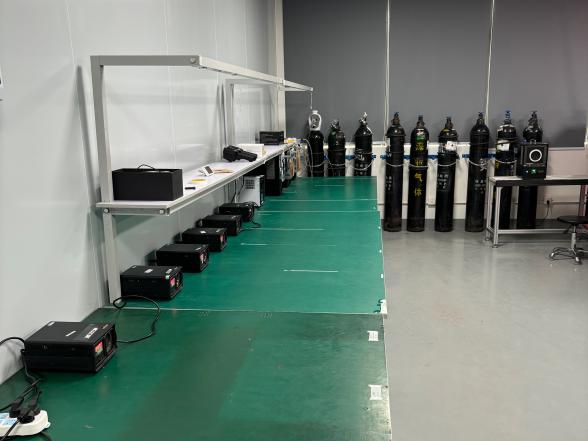
Every thermal imager produced in our facility undergoes rigorous multi-point temperature calibration across automated blackbody radiation chambers. We generate custom calibration matrices stored directly on the camera's non-volatile memory, ensuring uniform temperature measurement accuracy (±2°C or ±2%) across the target operating range.
Yes. We offer complete software customization services ranging from simple UI re-skinning and logo integration to customized temperature measurement algorithm implementation (such as automatic dew-point calculation for mold risk alerts). We also provide full Android and iOS SDKs for clients developing proprietary software suites.
Standard custom branding (silk-screen logo, customized box packaging, and customized software splash screens) typically starts at an MOQ of 100 to 500 units depending on the model. For complete industrial design modifications or custom plastic injection molding, our engineering team works closely with clients to define project milestones.
Thermal cameras detect moisture indirectly through evaporative cooling. As water evaporates from wet building materials (drywall, wood structural framing, ceiling tiles), it lowers the surface temperature relative to surrounding dry areas. High sensitivity (NETD < 40mK) cameras easily capture these subtle temperature differentials, displaying them as clear thermal anomalies.
Yes. Our thermal imaging hardware meets or exceeds specs required by standard diagnostic methodologies such as ASTM C1060 (Thermographic Inspection of Insulation in Envelope Cavities) and ISO 6781 (Thermal Performance of Buildings - Qualitative Detection of Thermal Irregularities in Building Envelopes).
We offer wide-angle lenses (up to 56° x 42° FOV) ideal for close-quarter indoor residential inspections, as well as standard and narrow-angle options suited for multi-story exterior roof and electrical utility inspections. Custom germanium optical assemblies can be specified during the OEM product definition stage.
Our devices record radiometric thermal images in standard formats with embedded per-pixel temperature data matrices. Users can analyze raw thermal data, adjust emissivity, modify distance and relative humidity parameters, change color palettes, and export professional PDF diagnostic reports via our desktop suite or mobile apps.
As a subsidiary of public-listed VHD, Dianyang operates under strict ISO 9001 quality frameworks. Every batch undergoes Design for Manufacturing (DFM) verification, automated SMT optical checks, burn-in environmental chamber testing, high-impact drop tests, and 100% full-scale radiometric validation against traceable thermal standards.
For standard platform customizations (branding, customized firmware, packaging), prototypes are ready in 2 to 3 weeks. Fully customized hardware projects requiring custom PCB layouts and enclosure tooling typically take 8 to 12 weeks from finalized DFM sign-off to functional sample delivery.
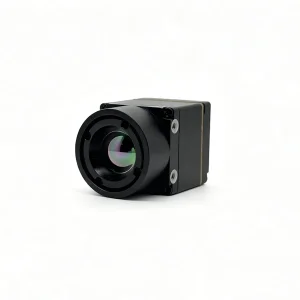
High-Performance Handheld Imagers, Mobile Adapters, and OEM Core Modules
Accelerate your market expansion with industrial-grade microbolometer technology, backed by public company manufacturing infrastructure, complete compliance certifications, and deep OEM custom engineering support.
 Dianyang