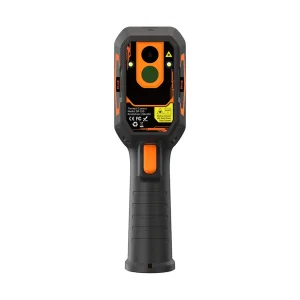
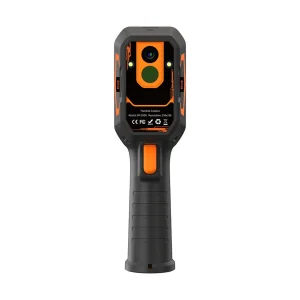
Famous Building Thermal Camera Companies & Products

An Industrial Deep-Dive into Building Envelope Diagnostics, Infrared Sensor Innovations, Global Sourcing Standards & OEM/ODM Manufacturing Excellence

Featured Building Diagnostics Thermal Imagers

Explore top-tier mobile, handheld, and benchtop infrared thermal inspection solutions designed for building diagnostics, structural audits, and HVAC efficiency.

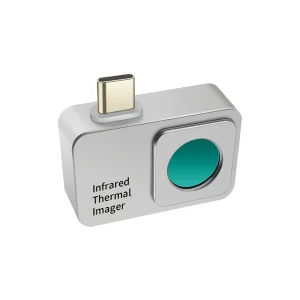
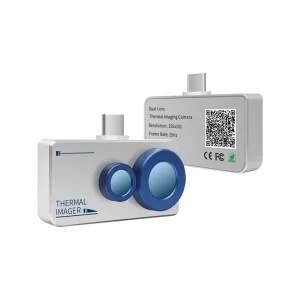
H1FB Mobile Phone Infrared Thermal Imager 160*120 Resolution
Cheap H1FB Mobile Phone Infrared Thermal Imager 160*120 Resolution
Explore Details
H1FB Mobile Phone Infrared Thermal Imager
Buy H1FB Mobile Phone Infrared Thermal Imager - High Precision
Explore Details
DP-25DR Infrared Thermal Camera
Wholesale DP-25DR Infrared Thermal Camera - 256x192 Resolution Dual-Light
Explore Details
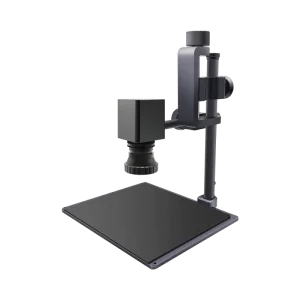
CA-60D Thermal Analyzer
Buy CA-60D Professional Thermal Analyzer Factory
Explore Details
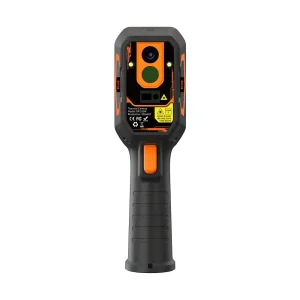
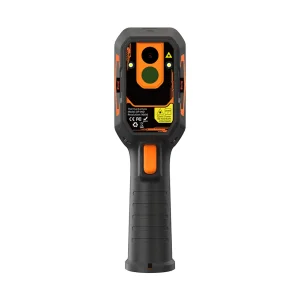
DP-09D Infrared Thermal Camera
Discount DP-09D Infrared Thermal Camera - 96x96 Resolution Laser Point
Explore Details
H2F6B Mobile Phone Thermal Imager
CE Certification H2F6B Mobile Phone Thermal Imager - 256x192
Explore Details
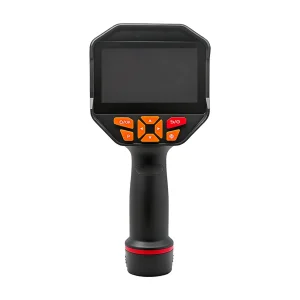
DP-64D Handheld Thermal Imager
Best DP-64D Handheld Thermal Imager – 640x512 Infrared, 8MP
Explore Details
DP-12D Infrared Thermal Camera
Discount DP-12D Infrared Thermal Camera - 120x90 Resolution -20℃ to 550℃
Explore Details
< 40mK
Thermal Sensitivity (NETD) for Precision Leak Detection
640 × 512
Ultra-High Infrared Resolution Options Available
30% +
Average Building Energy Loss Reduction via Thermography
100%
CE, FCC, RoHS, REACH Compliance Guarantee

Executive Whitepaper: Thermography in Modern Building Science

Understanding the physics, optics, and economic impact of non-destructive thermal evaluation in commercial and residential infrastructure.

Building diagnostics has undergone a monumental shift over the past two decades. Driven by strict global carbon-neutral mandates, rising energy costs, and escalating standards for indoor environmental quality (IEQ), architectural thermography is no longer a luxury tool—it is an absolute necessity. Infrared thermography (IRT) serves as the primary non-destructive testing (NDT) methodology for evaluating structural thermal performance, envelope integrity, and hidden mechanical faults.

When examining famous building thermal camera companies and products, decision-makers must evaluate devices based on strict physical metrics rather than superficial marketing claims. Infrared light spans wavelengths from approximately 0.75 µm to 1000 µm, but building envelope thermography operates primarily in the Long-Wave Infrared (LWIR) spectrum (8 µm to 14 µm). At these wavelengths, uncooled Vanadium Oxide (VOx) or Silicon Amorphous (a-Si) microbolometer detectors capture thermal radiation emitted directly from walls, roofs, windows, and structural joints without requiring external illumination.

Thermal Sensitivity (NETD)

Noise Equivalent Temperature Difference (NETD) measures the smallest temperature variation the camera can distinguish. Standard building inspections require an NETD < 50mK, while precision moisture tracking benefits immensely from hyper-sensitive < 30mK to 40mK detectors.

Spatial Resolution (IFOV)

Instantaneous Field of View (IFOV) dictates the spatial sharpness of each pixel at a set distance. Higher detector arrays (e.g., 256×192 or 640×512) eliminate spatial blurring, allowing auditors to inspect high-rise facades accurately from ground level.

Spectral Response & Optics

Germanium lens elements optimized for 8–14 µm transmission are combined with dual-light visible-spectrum cameras (e.g., 8MP visual sensors) to fuse thermal outlines onto optical images for unambiguous reporting.

Without thermal imaging, building auditors face significant blind spots. Convection currents within wall cavities, conduction pathways through steel studs (thermal bridging), and evaporative cooling signatures caused by trapped dampness remain completely invisible to the naked eye. By deploying advanced thermal cameras, energy auditors convert complex thermodynamics into clear, color-coded thermograms that highlight exact structural anomalies.

Global Industry Ecosystem: Famous Brands & Next-Gen OEMs

A comparative evaluation of traditional thermal leaders and fast-scaling Chinese technology manufacturing powerhouses.

The global market for building thermal cameras has traditionally been dominated by established Western manufacturers such as FLIR Systems (Teledyne FLIR), Fluke Corporation, and Testo SE & Co. KGaA. These famous building thermal camera companies set the early benchmarks for handheld thermography, establishing protocols for radiometric image formats and building inspection software.

However, the global competitive landscape has undergone a dramatic transformation. High-precision uncooled microbolometer sensor fabrication, previously restricted to high-cost industrial applications, has been scaled rapidly by specialized optics and electronics manufacturers in China. Today, Chinese technology manufacturers supply both cutting-edge standalone devices and specialized OEM/ODM cores to major international brands, democratizing access to high-resolution thermography.

Key Differences: Legacy Brands vs. Advanced Chinese OEM/ODM Partners

  • Cost-to-Performance Ratio: Proprietary silicon fabrication in China has reduced sensor costs by up to 60%, enabling 256×192 and 640×512 resolution devices to be offered at price points previously limited to low-resolution (80×60) entry-level cameras.
  • Mobile & Compact Form Factors: Modern smartphone-connected thermal imagers (such as the H1FB and H2F6B series) turn iOS and Android smartphones into high-precision inspection tools, eliminating the need to carry heavy, bulky hardware onto construction scaffolding.
  • Agile R&D and Customization: While legacy brand roadmaps can take years to release incremental updates, specialized manufacturers like Shenzhen Dianyang Technology deliver tailored firmware, custom mechanical enclosures, and SDK integrations within months.

About Us

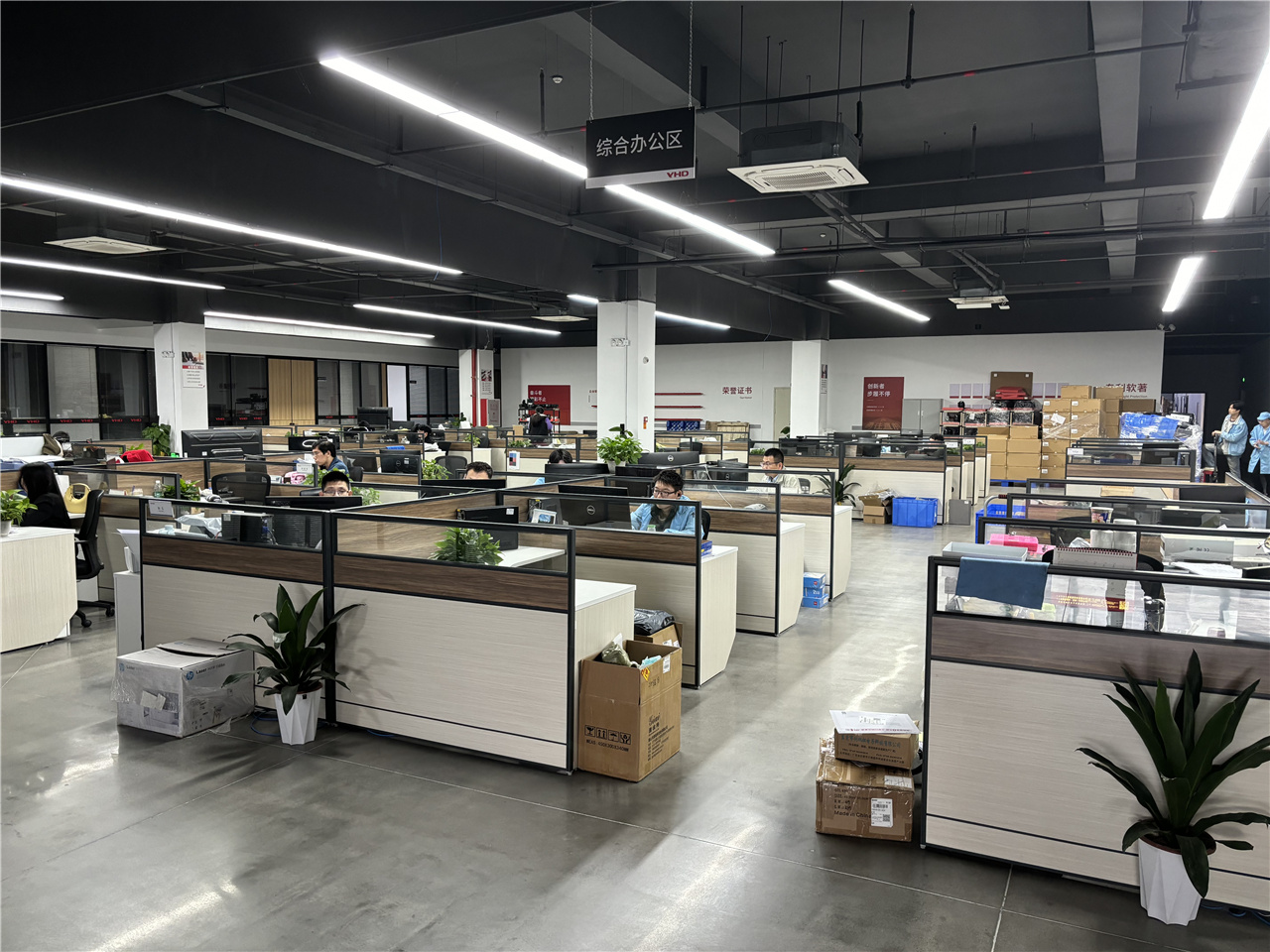
Shenzhen Dianyang Technology Co., Ltd. is a subsidiary of VHD (Shenzhen VHD Technology Co., Ltd.), a publicly listed company on the Shenzhen Stock Exchange. This strategic affiliation gives Dianyang unique access to VHD’s advanced R&D platforms, high-precision manufacturing systems, and rigorous quality management practices—enabling us to deliver thermal imaging products of higher reliability and consistency than typical ODMs.
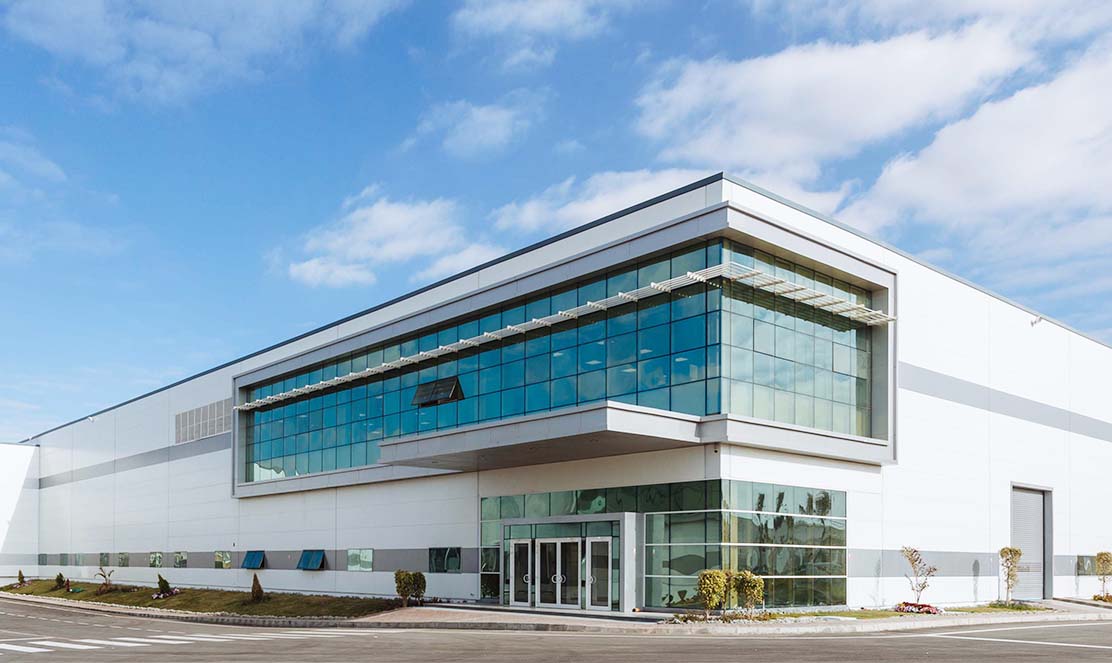
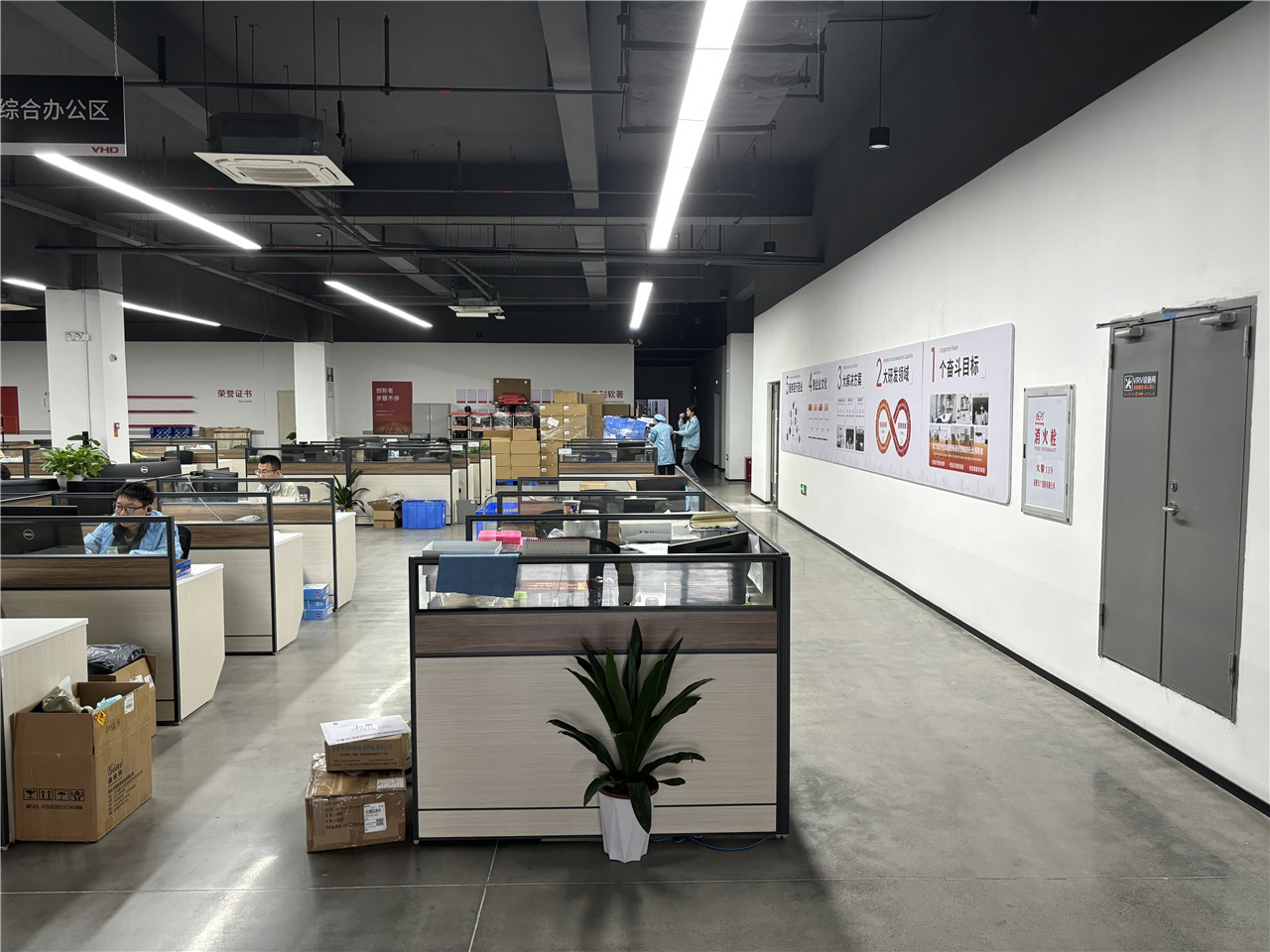
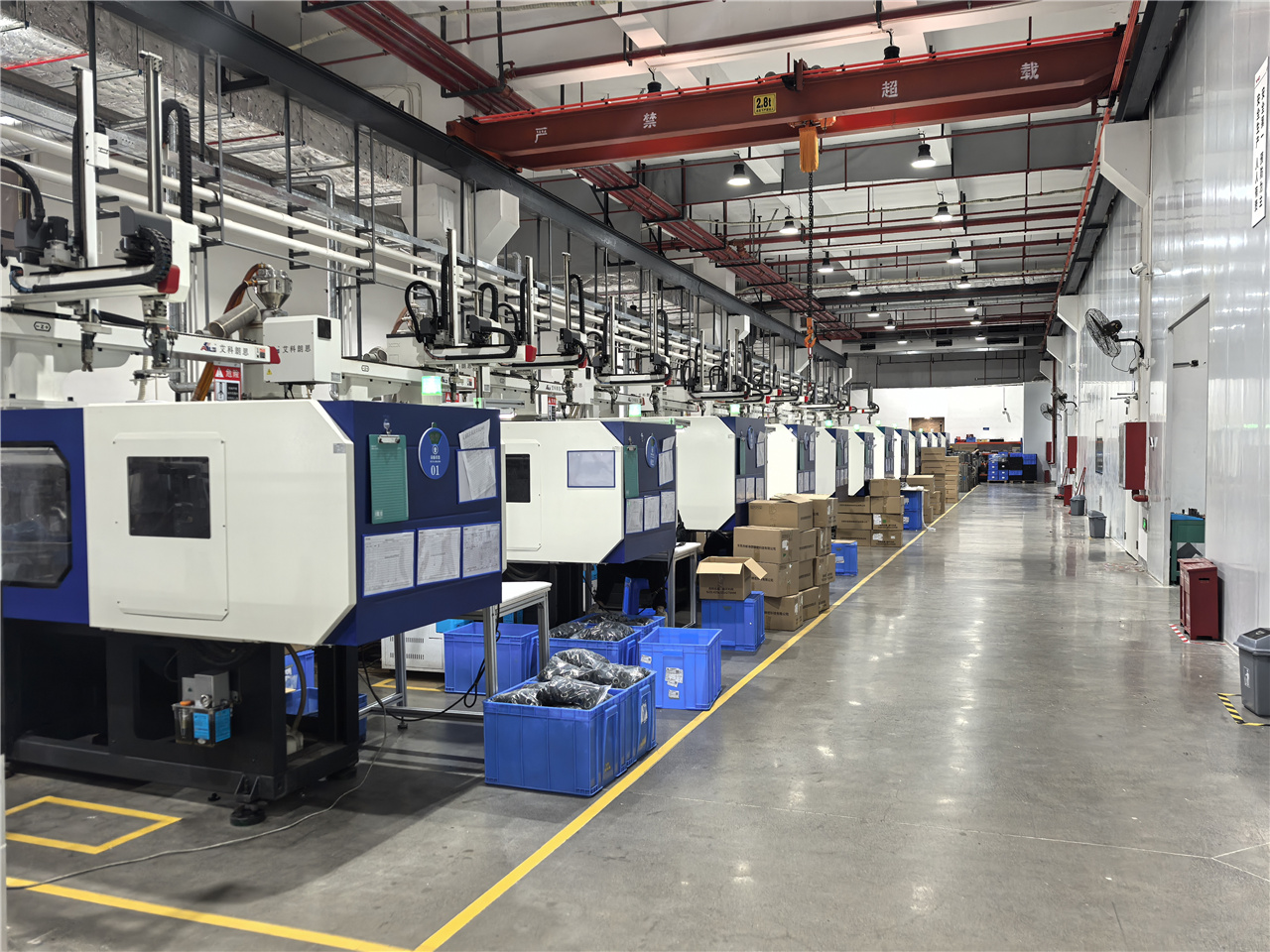
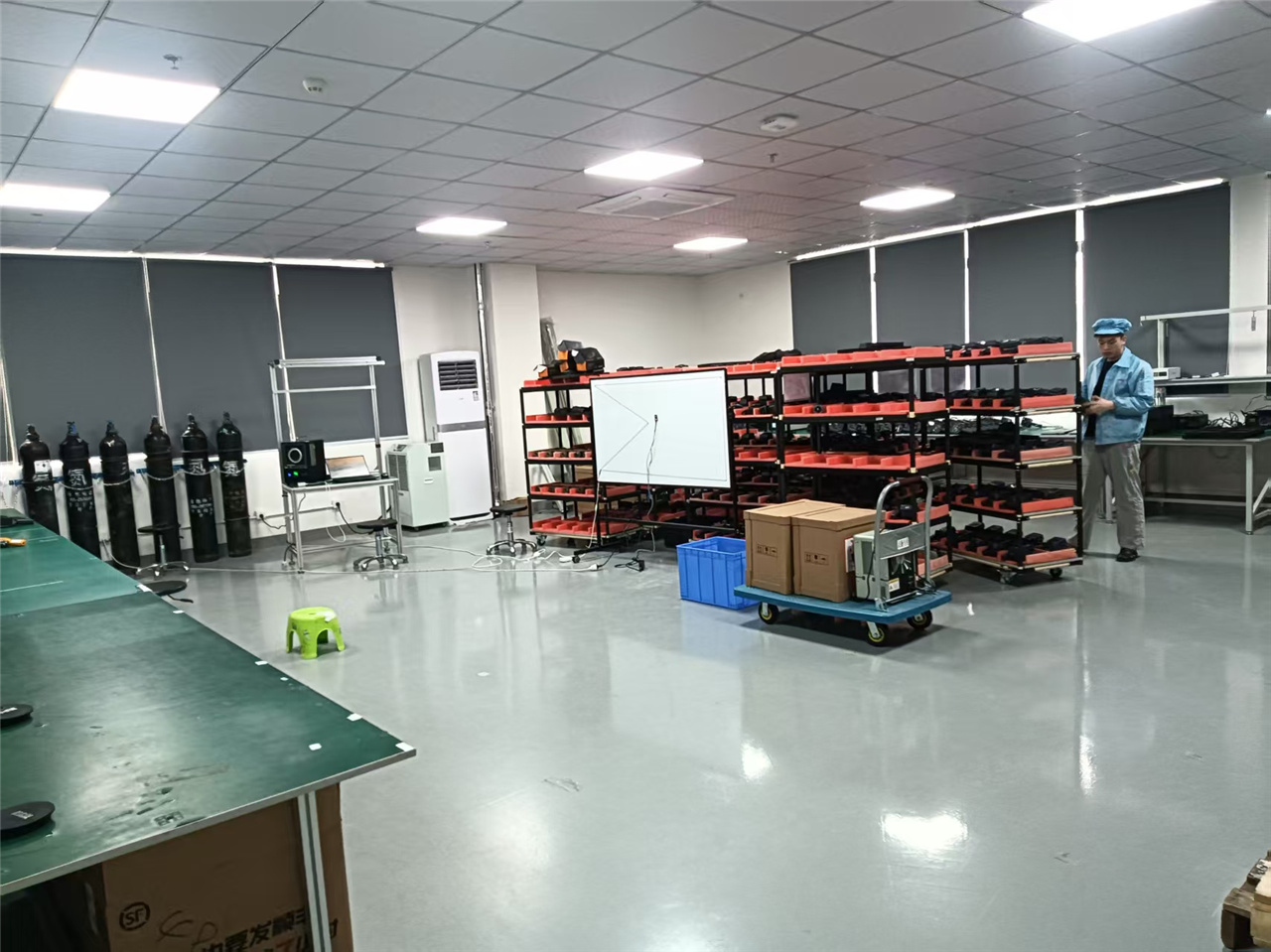
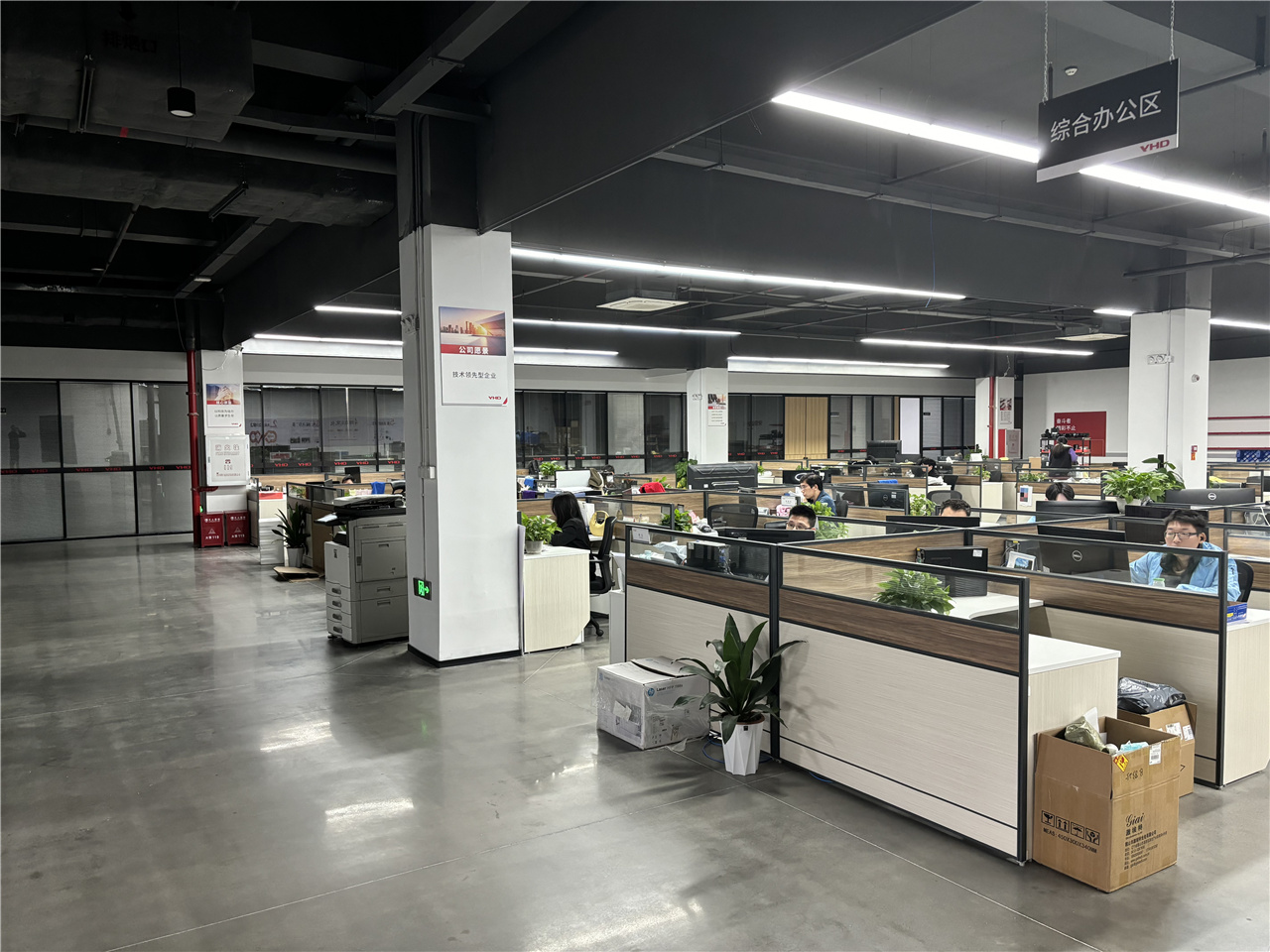
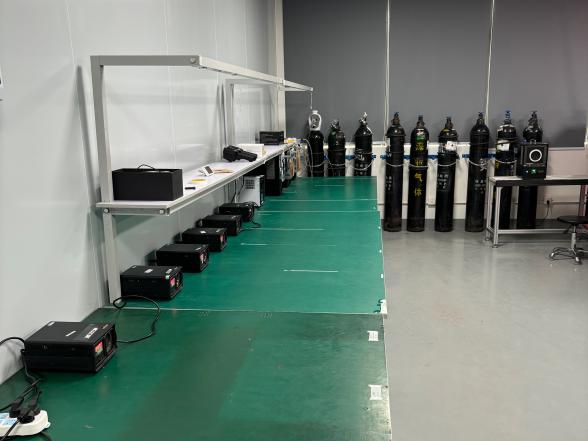
Dianyang Technology Headquarters and Facility

We specialize in ODM/OEM services for infrared thermal imaging solutions, including handheld thermal imagers, smartphone-connected thermal cameras, thermal analyzers, and thermal imaging telescopes. Our products serve global customers in power inspection, building diagnostics, firefighting, industrial maintenance, and outdoor applications.
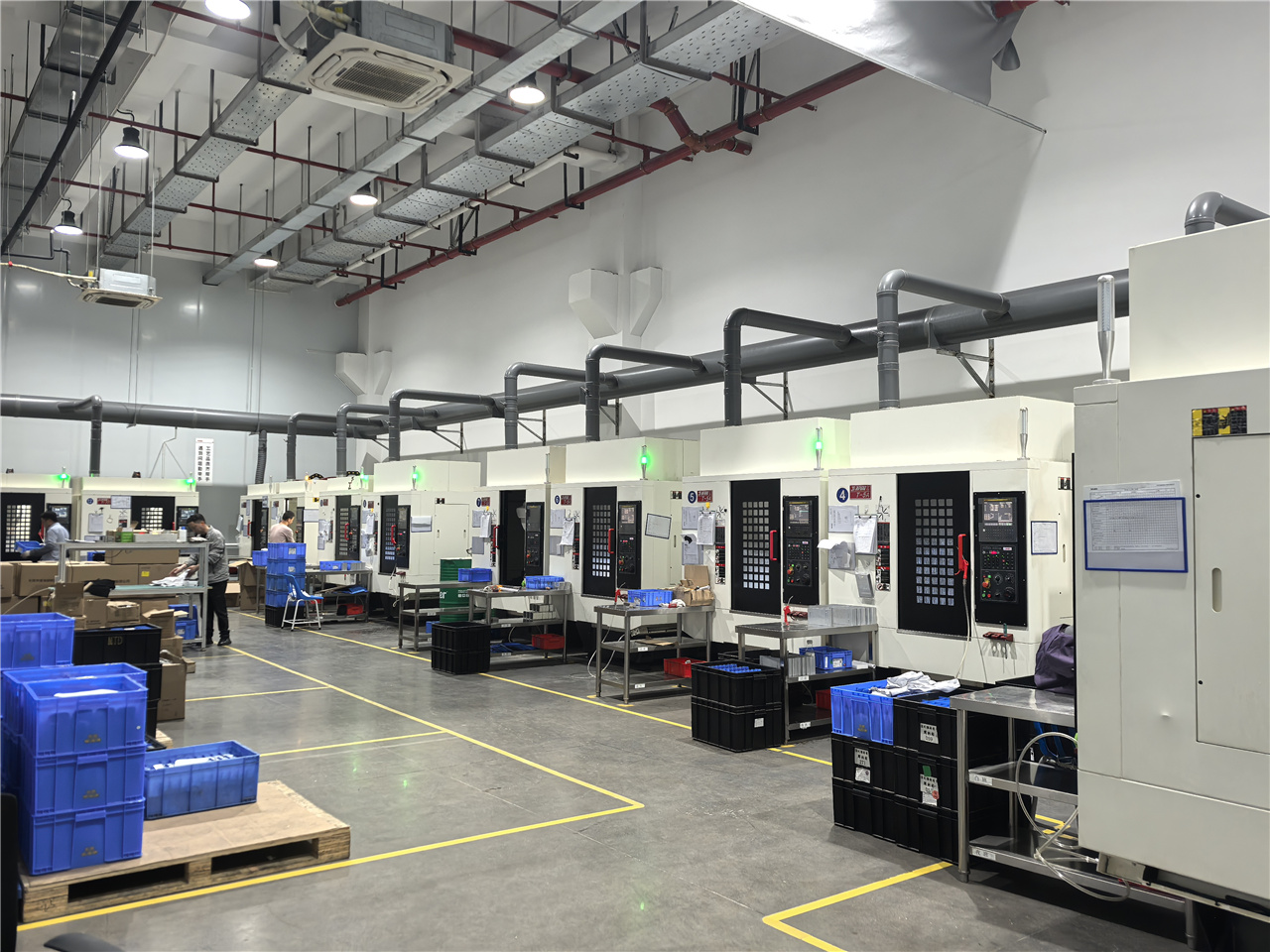
High quality products “Go Out to Sea”.

Our dedicated engineering team applies Design for Manufacturing (DFM), Design for Testability (DFT), thermal simulation, and EMC pre-compliance analysis to optimize performance and accelerate development. We also support clients in obtaining key certifications such as CE, FCC, RoHS, REACH, CB, UKCA, KC, and PSE.

Technical Selection Matrix for Enterprise Thermal Cameras

Matching hardware specifications with specialized diagnostic duties across building inspection verticals.

Selecting the appropriate thermal camera requires balancing spatial resolution, temperature range, optical fusion capability, and portability. Below is an engineering framework designed to help procurement managers and chief inspectors evaluate thermal camera classes:

Smartphone Modules (H1 / H2 Series)

Ideal For: On-the-go HVAC technicians, residential home inspectors, and facility managers.
Key Advantages: Ultra-portable, lightweight (under 30g), utilizes high-res phone display, direct cloud sharing of thermal JPEGs via dedicated apps.

Handheld Industrial Series (DP Series)

Ideal For: Commercial building auditors, roof moisture surveys, power distribution inspection.
Key Advantages: Ruggedized drop-tested housing, dual-light fusion (infrared + 8MP optical), integrated laser distance meters, wide range (-20°C to +1200°C).

Benchtop Analyzers (CA Series)

Ideal For: R&D labs, PCB thermal profiling, structural material heat dissipation research.
Key Advantages: Fixed workbench mounts, continuous high-framerate streaming, micro-temperature distribution mapping, PC analysis software suite.

Localized Application Scenarios in Building Auditing

How professional thermography resolves high-stakes structural and environmental challenges.

1. Envelope Insulation & Air Infiltration

Air leakage through unsealed door frames, window reveals, and wall-to-roof junctions accounts for up to 40% of building heating and cooling loss. Using thermal imagers like the DP-25DR or DP-64D under depressurized conditions (blower door test), auditors instantly visualize cold air plumes entering warm interiors during winter, or hot air infiltration during summer.

2. Roof Moisture & Sub-surface Leakage

Water intrusion damages membrane insulation, causing long-term degradation of structural concrete and timber. Because wet insulation retains heat longer than dry insulation after sunset, nighttime thermographic scanning reveals clear thermal anomalies, pinning down exact leak points without invasive destruction.

3. Concrete Delamination & Facade Safety

In high-rise architectural maintenance, exterior tile and concrete delamination presents a severe safety risk. Solar loading warms healthy concrete at a different rate than concrete containing subsurface voids or air pockets. High-resolution handheld imagers allow engineers to spot dangerous spalling hazards from ground level.

Macro Industry Trends & Future Solutions

The convergence of Artificial Intelligence, IoT edge sensors, and net-zero building regulations.

The thermal imaging industry is experiencing a profound technological convergence. Standalone diagnostic tools are evolving into interconnected smart building node ecosystems. Key trends driving the market over the next decade include:

  • AI Automated Anomaly Recognition: Modern thermographic report generation relies increasingly on machine learning algorithms trained on tens of thousands of building thermal signatures. Integrated software automatically filters out reflection artifacts and highlights true insulation voids, reducing report generation times from hours to seconds.
  • Compliance with Global Green Building Standards (LEED, BREEAM, Passive House): International building standards now recommend or explicitly require thermographic compliance verification before granting energy-efficiency certification. This demand is pushing construction firms to equip every site engineer with portable thermal imagers.
  • Integration with Drone Unmanned Aerial Systems (UAS): Large commercial developments and solar microgrids utilize lightweight thermal camera cores mounted on drones to perform automated perimeter scans, photovoltaic defect detection, and roof envelope audits across large real estate assets.

Global B2B Procurement Guide: Sourcing Reliable Thermal Camera OEM/ODMs

Essential checklist for global importers, distributors, and enterprise buyers evaluating thermal technology vendors.

Sourcing thermal cameras from China requires rigorous evaluation of both hardware reliability and software capabilities. Global buyers must assess suppliers across four critical vectors:

1. R&D Depth & Parent Backing

Work with vendors backed by listed technology conglomerates (such as Dianyang’s parent company, VHD). Listed parent companies maintain multi-million-dollar SMT lines, advanced cleanrooms, and stringent financial governance, mitigating supply chain risks.

2. International Certification

Ensure products hold genuine certifications for destination markets: CE and RoHS for Europe, FCC for the United States, UKCA for Great Britain, KC for Korea, and PSE for Japan. Pre-compliance testing guarantees rapid customs clearance.

3. Software SDK & Firmware Customization

Hardware without user-friendly reporting software creates customer friction. Leading ODMs supply robust iOS/Android SDKs, customizable desktop thermal reporting software, and multi-language support out of the box.

Frequently Asked Questions (FAQ)

In-depth answers to common questions about thermal building diagnostics, procurement, and device selection.

Q1: What thermal detector resolution is required for professional building inspection?
For basic HVAC and spot inspections, entry-level resolutions like 96×96 or 120×90 are sufficient. However, for professional building envelope audits, roof moisture mapping, and structural diagnostics under ISO or ASTM standards, a minimum infrared resolution of 256×192 is strongly recommended. For complex high-rise facades, 640×512 resolution thermal imagers provide the requisite spatial detail from ground level.
Q2: How does a smartphone thermal camera (e.g., H1FB/H2F6B) compare to a dedicated handheld device?
Smartphone-connected thermal cameras share the exact same uncooled microbolometer sensor technology as handheld units. By offloading display processing, battery power, and storage to the smartphone, mobile cameras offer ultra-compact form factors and lower price points while matching thermal sensitivity. Handheld devices are preferred for harsh, industrial, or outdoor environments where heavy-duty IP65/IP67 drop-resistant hardware is mandatory.
Q3: Can thermal imaging cameras detect water leaks inside drywalls?
Yes. Thermal cameras do not "see through" walls, but they detect minute surface temperature differentials caused by moisture. Moisture cools surrounding drywall via evaporative cooling, appearing as a distinct cold spot on the thermogram. Thermal cameras with NETD < 40mK can trace subtle moisture paths back to their source behind walls and under concrete slabs.
Q4: Why choose Shenzhen Dianyang Technology over other OEMs for building thermal cameras?
Shenzhen Dianyang Technology operates as a subsidiary of VHD, a publicly listed company on the Shenzhen Stock Exchange. This backing provides institutional-grade R&D platforms, high-precision automated manufacturing, DFM/DFT engineering protocols, and total compliance with international certification standards (CE, FCC, RoHS, REACH, UKCA, KC, PSE).
Q5: What certifications are mandatory when importing building thermal cameras into North America and Europe?
European importers must ensure products comply with CE Mark directives (EMC, LVD) and environmental regulations (RoHS and REACH). For North America, FCC Certification (Part 15 Class B) is required for electromagnetic compatibility. All products produced by Dianyang are tested to meet these international standards.
Q6: What is dual-light fusion, and why is it essential in structural reporting?
Dual-light fusion overlays the edges from a visible light photo (e.g., an 8MP optical camera) directly onto the infrared thermal image. Pure thermal images can sometimes lack structural context; dual-light fusion allows inspectors, clients, and repair crews to pinpoint exact circuit breakers, wall studs, or window edges immediately.
Q7: Can thermal cameras assist in obtaining LEED or BREEAM energy certifications?
Absolutely. Both LEED and BREEAM certifications award points for verified thermal envelope performance and air tightness. Infrared thermography provides concrete visual proof of continuous insulation and air sealing, serving as an indispensable audit component for green building sign-offs.
Q8: Does Dianyang support custom OEM/ODM branding, software development, and casing design?
Yes, complete OEM and ODM services are core to Dianyang's business model. We provide custom housing design, firmware customization, white-label mobile applications, and software development kit (SDK) integration to empower international distributors and brand owners worldwide.

Complete High-Precision Thermal Camera Catalog

Discover additional high-resolution thermal imagers, mobile dongles, and industrial temperature measurement devices.

Famous DP-12D Infrared Thermal Camera
Famous DP-12D Infrared Thermal Camera - 120x90 Resolution, Range -20℃ to 550℃
Explore Details
China DP-12D Thermal Camera Laser
China DP-12D Infrared Thermal Camera - 120x90 Resolution, Laser Measurement
Explore Details
H2F6B Mobile Thermal Imager
CE Certification H2F6B Mobile Thermal Imager - High Quality Quotes
Explore Details
Custom DP-09D Thermal Camera
Custom China DP-09D Infrared Thermal Camera - 96x96 Resolution, Direct Exporter
Explore Details
ODM High-Resolution DP-25D Thermal Camera
ODM High-Resolution DP-25D Infrared Thermal Camera from China Manufacturer
Explore Details
Buy H2FB Mobile Phone Thermal Imager
Buy H2FB Mobile Phone Infrared Thermal Imager - 256x192 Resolution Portable
Explore Details
ODM DP-25DV Infrared Thermal Camera
ODM DP-25DV Infrared Thermal Camera - 256x192 Resolution, Range -20℃ to 550℃
Explore Details
CE Certification H2F6B Compact Design
CE Certification H2F6B Mobile Phone Thermal Imager - 256*192 Compact Design
Explore Details