 Dianyang
1 / 5
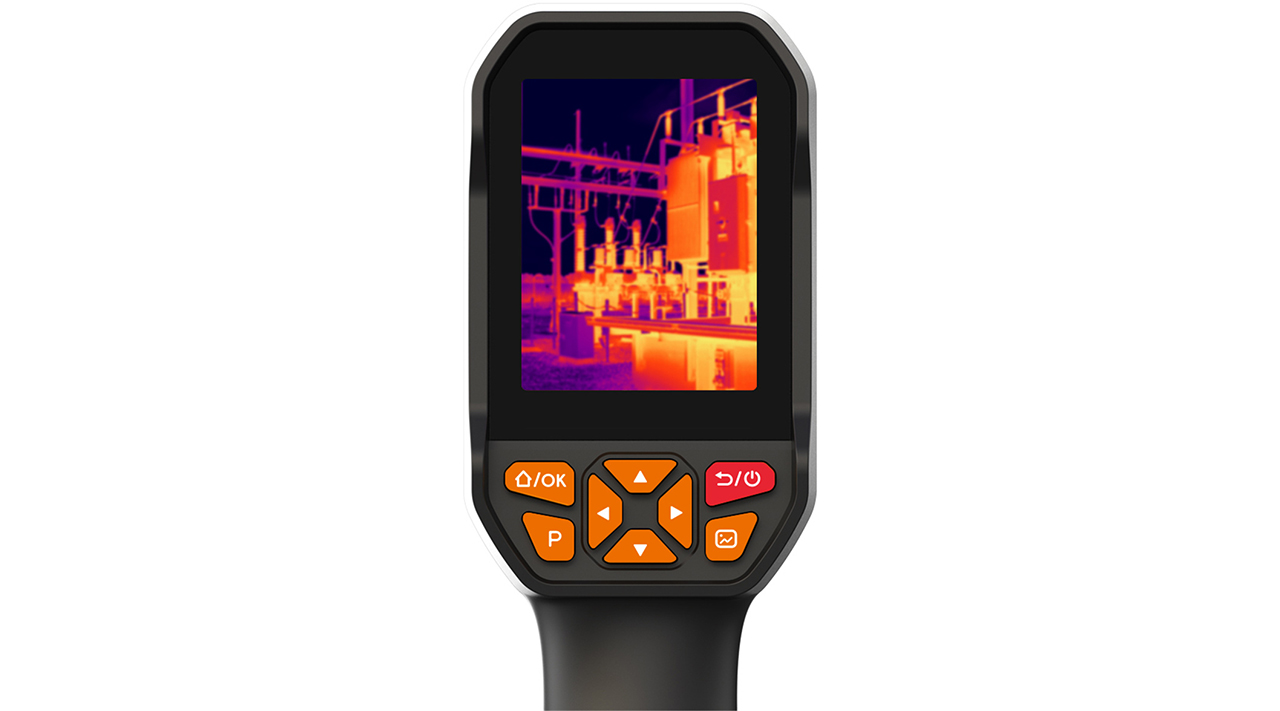
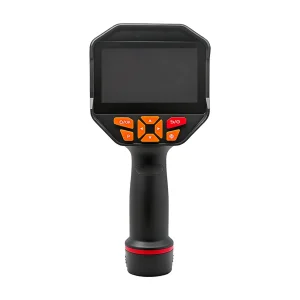
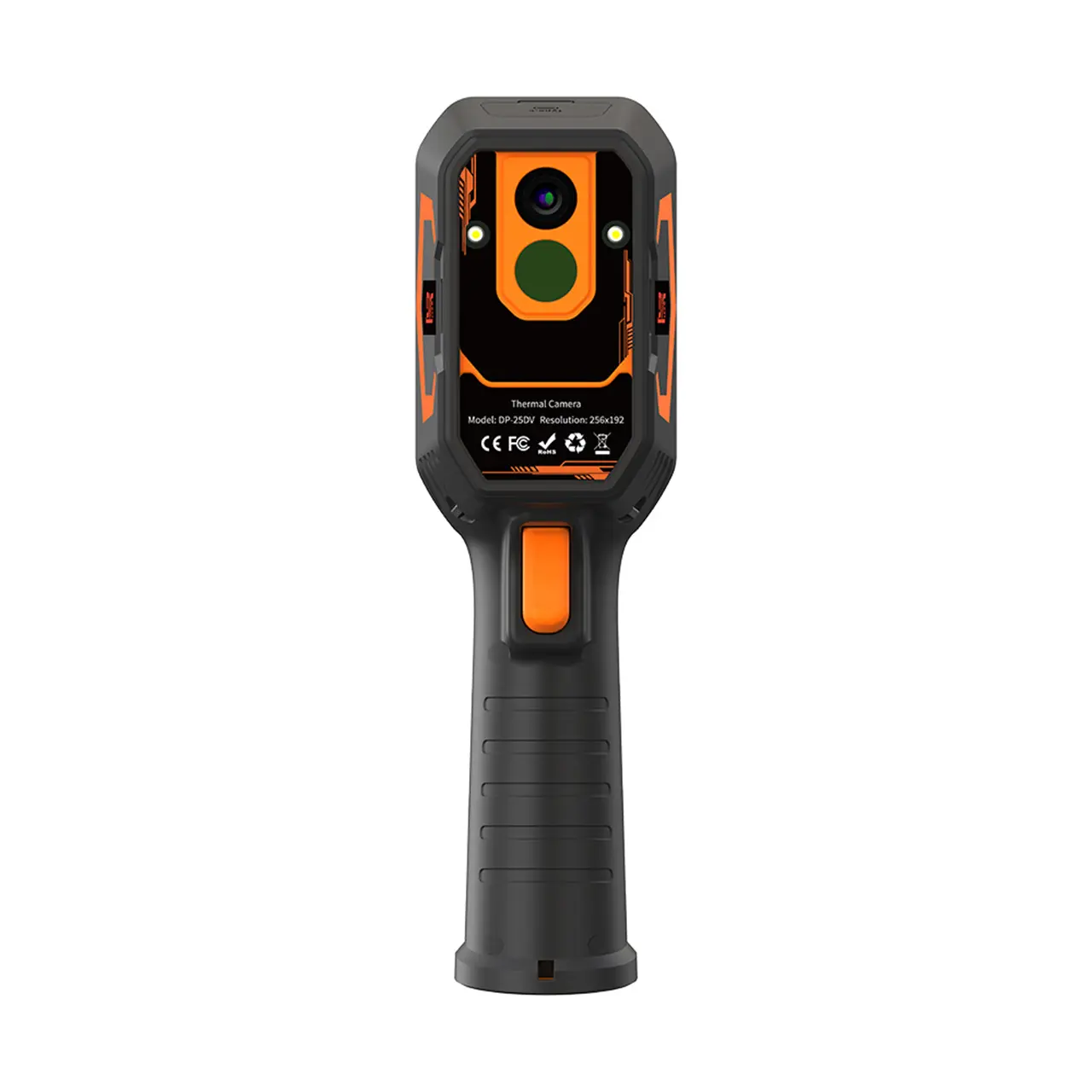
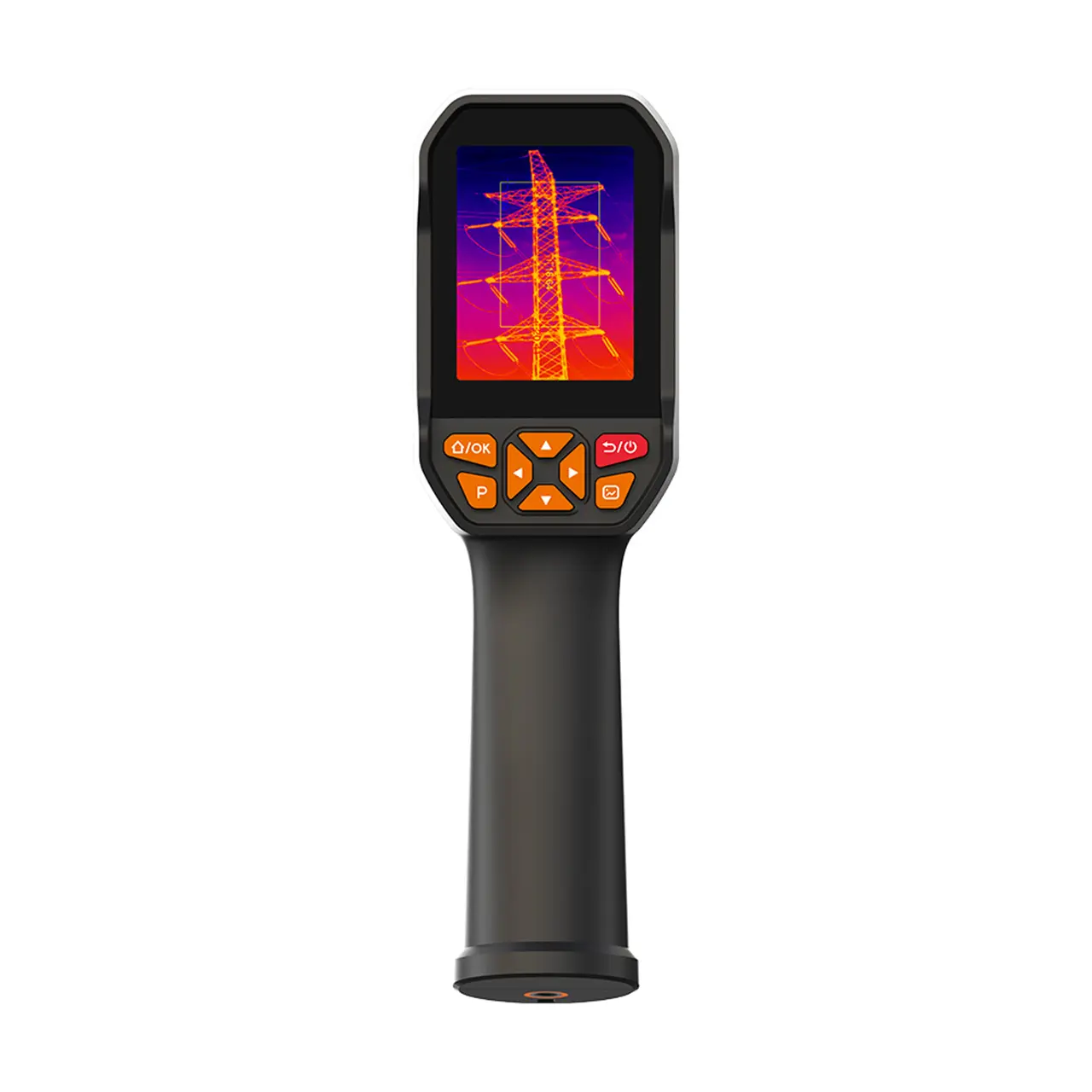
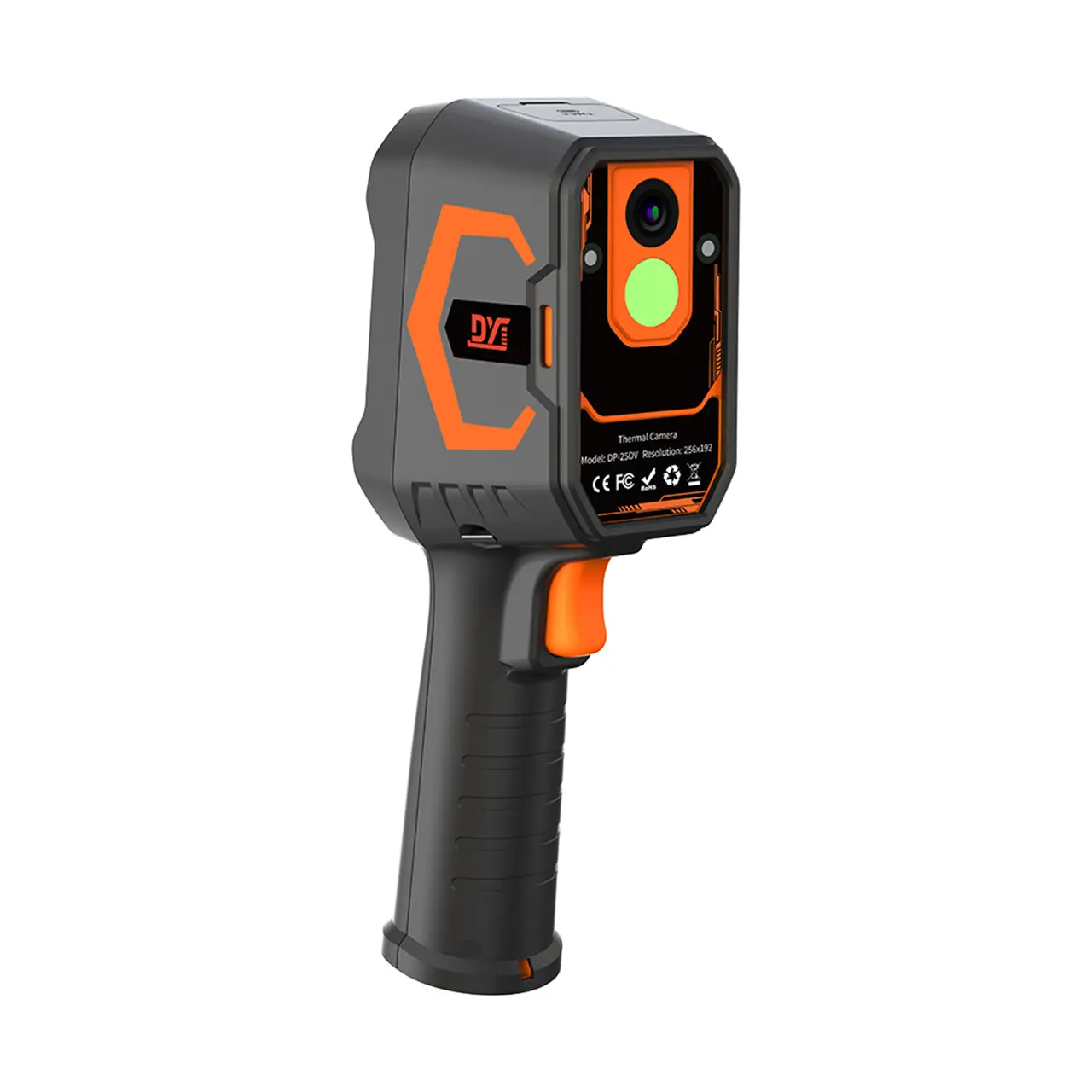
256×192 infrared sensor resolution, with better image quality.
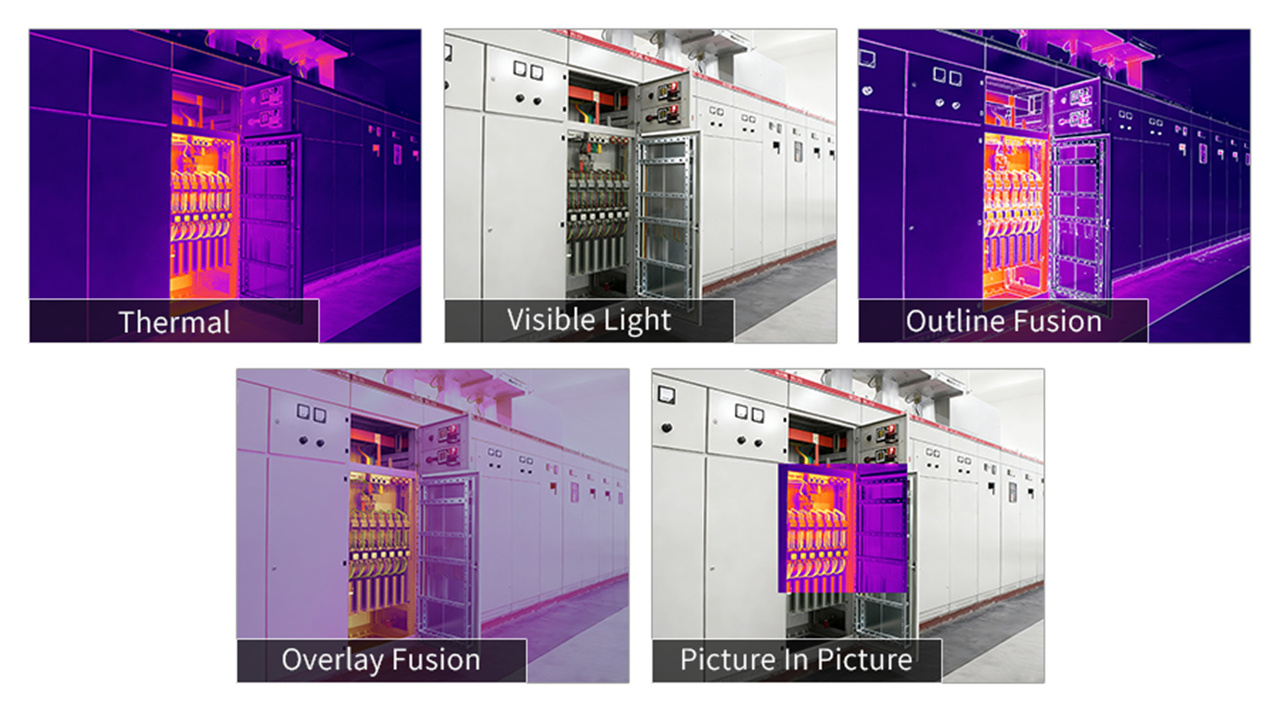
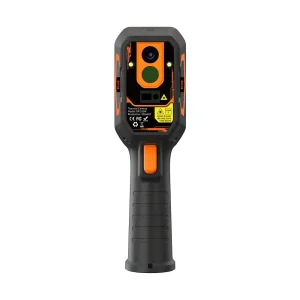
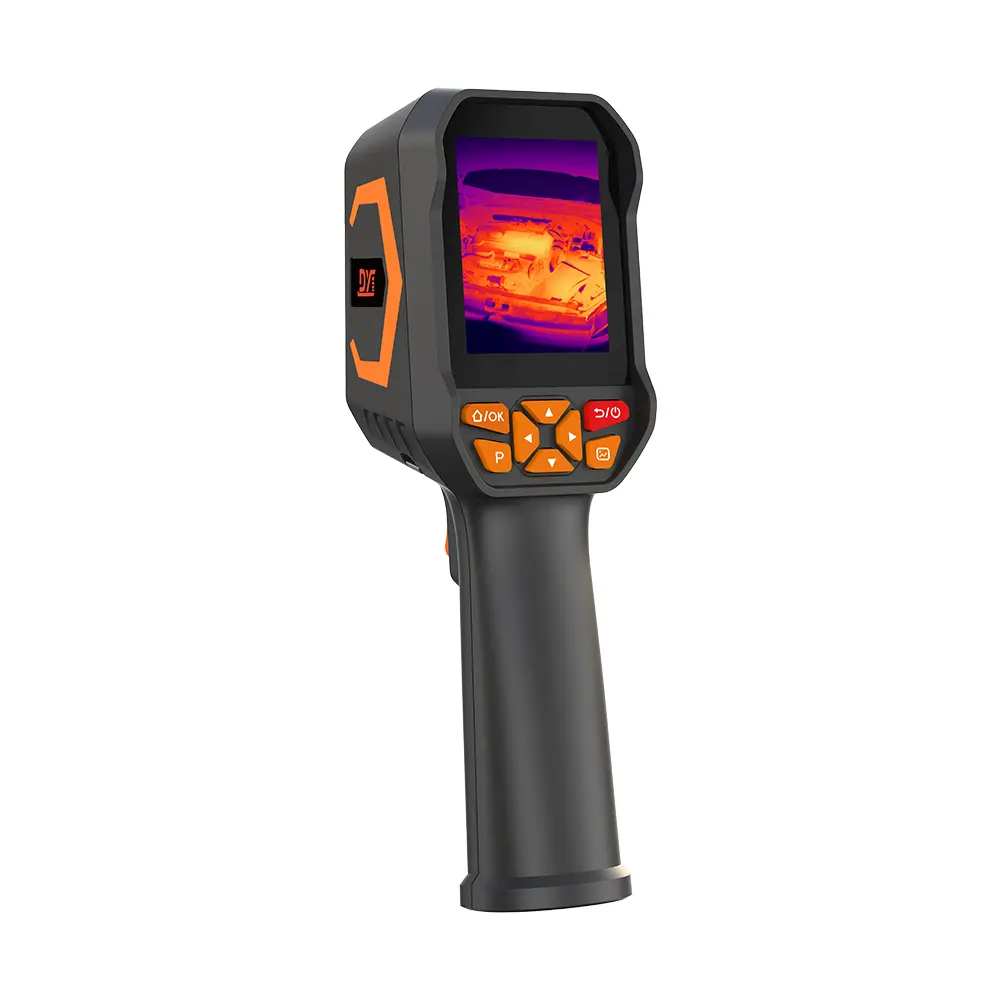
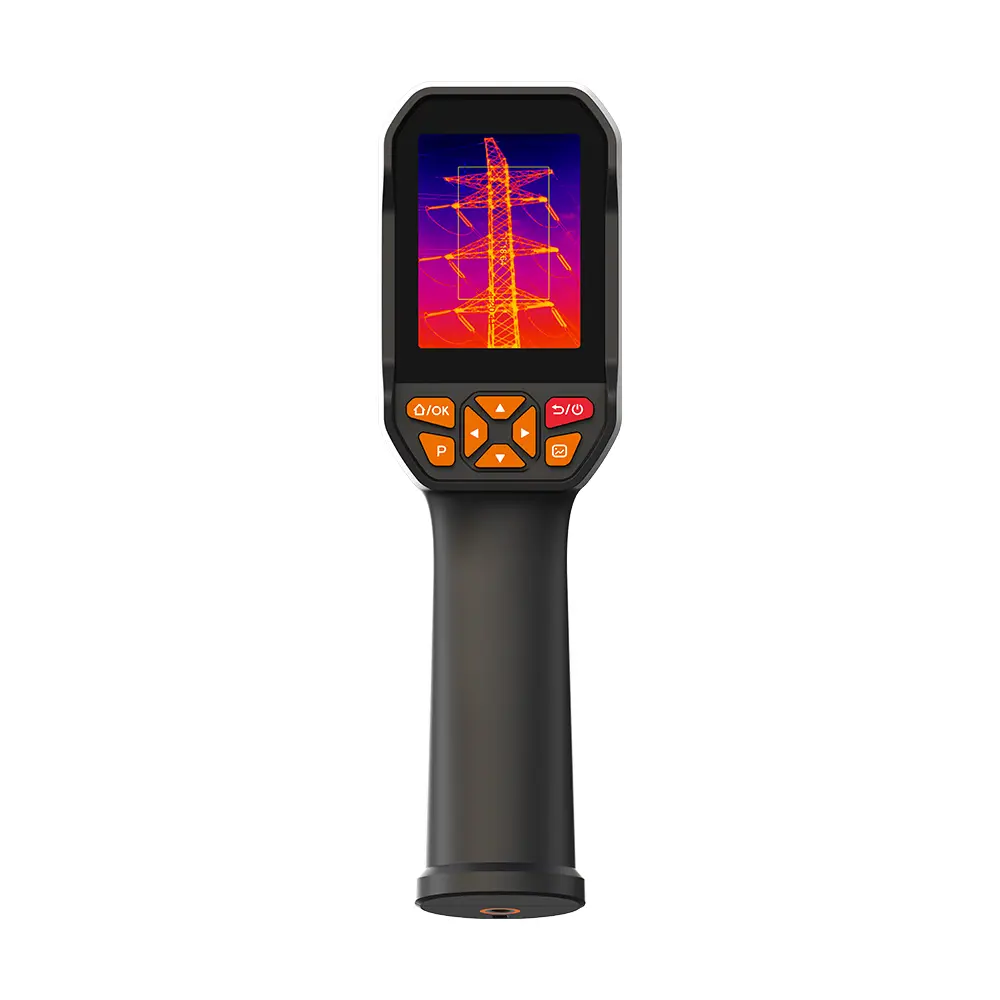
Infrared, visible light, edge blending, overlay blending, and picture-in-picture—these five image modes are all offered by the device. Visible light plays a key supplementary role: it records labels, numbers, and colors that infrared can't, helping users quickly pinpoint where faults are in a scene.
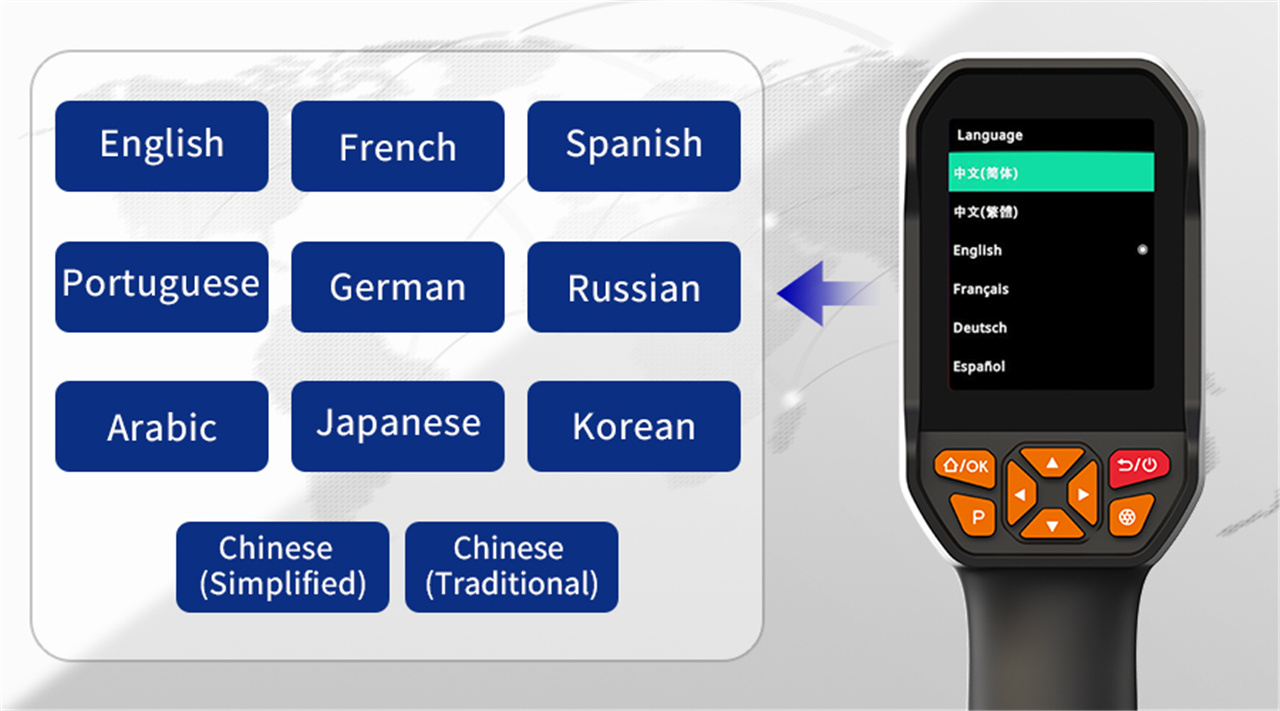
There are 11 different languages to meet the needs of users in different regions.
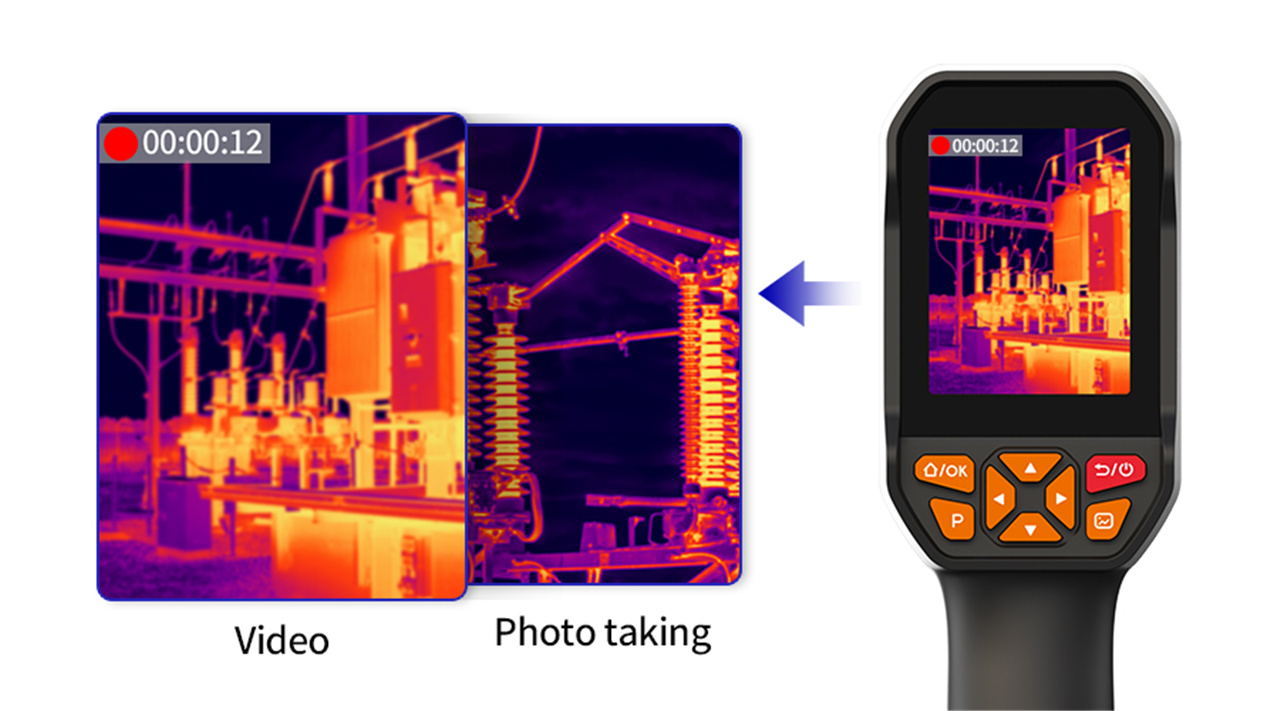
You can use the camera to take photos—these photos will pack visible light, infrared, edge blending, overlay blending, and picture-in-picture effects all into one JPG file. You can open this file with any regular image viewer, or use analysis software to dig into the details. As for videos you record, you can play them on ordinary media players.
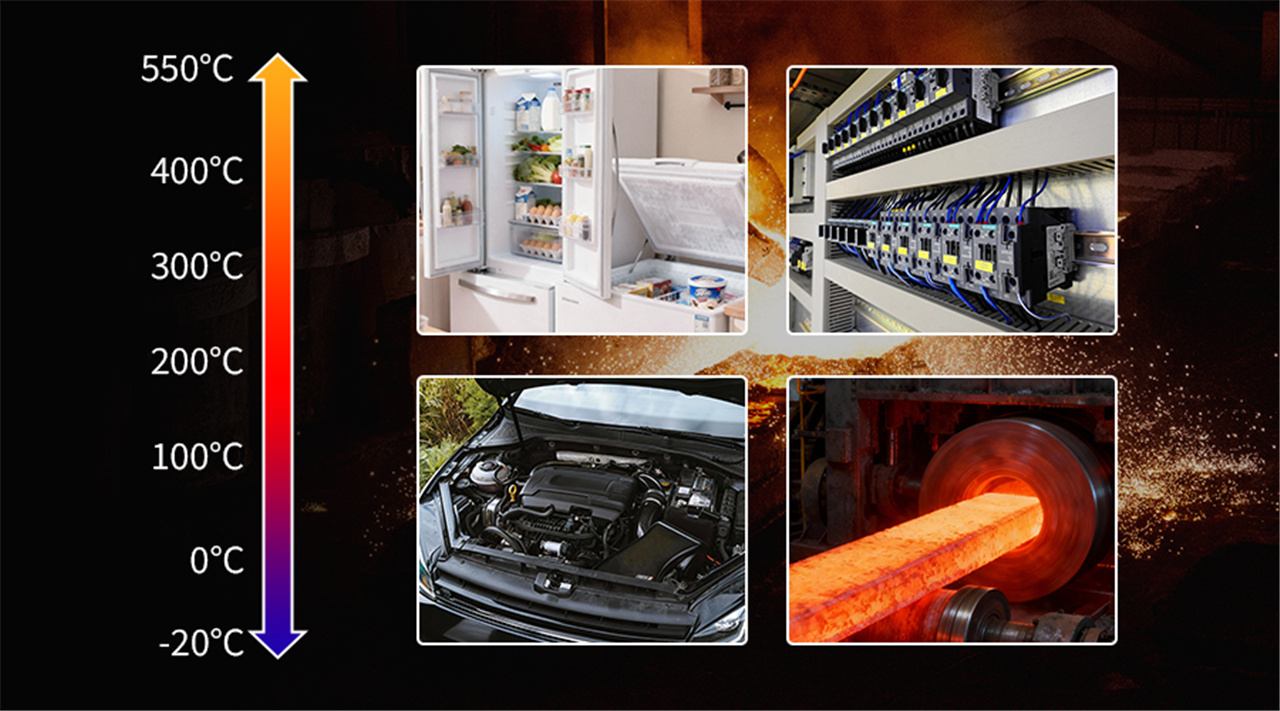
The product's temperature measurement range of -20℃ to 550℃ fully addresses the demands of low and medium-temperature environments. By covering these scenarios in one device, it eliminates the requirement for users to invest in multiple specialized tools, ultimately saving on their costs.
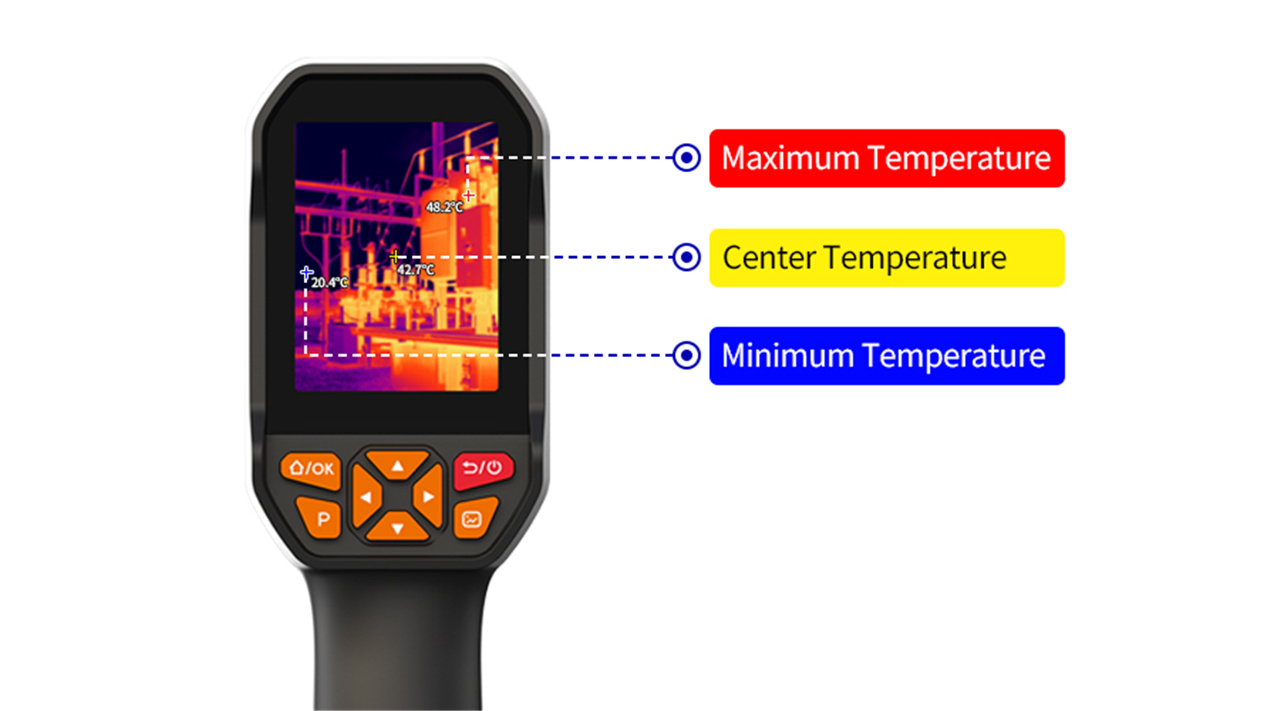
If you turn on temperature tracking, you can see the highest and lowest temperatures right away—and this helps you quickly find any spots where the temperature is acting abnormally.
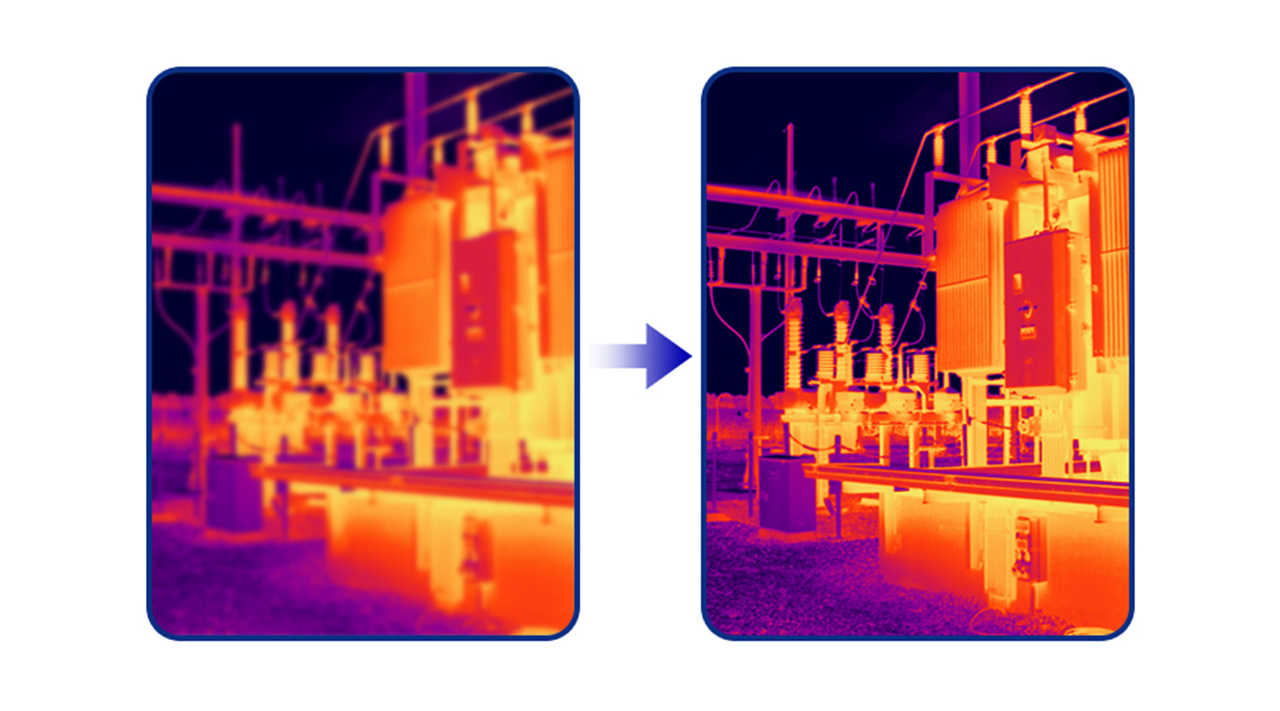
A specialized algorithm drives the implementation of DDE enhancement, image saturation adjustment, gain adjustment, image detail optimization, and filtering. These processes eliminate image noise and improve clarity, offering users an enhanced image viewing experience.
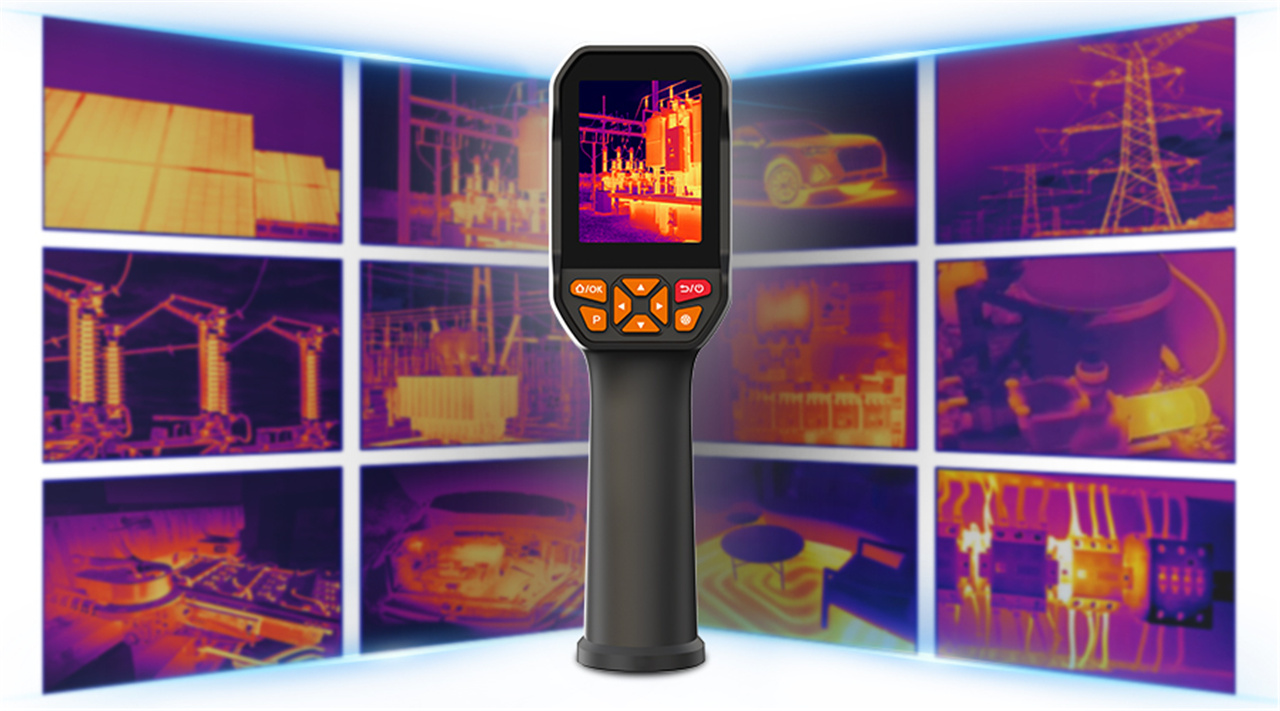
8GB built-in memory space, can meet the storage of 20,000 photos.
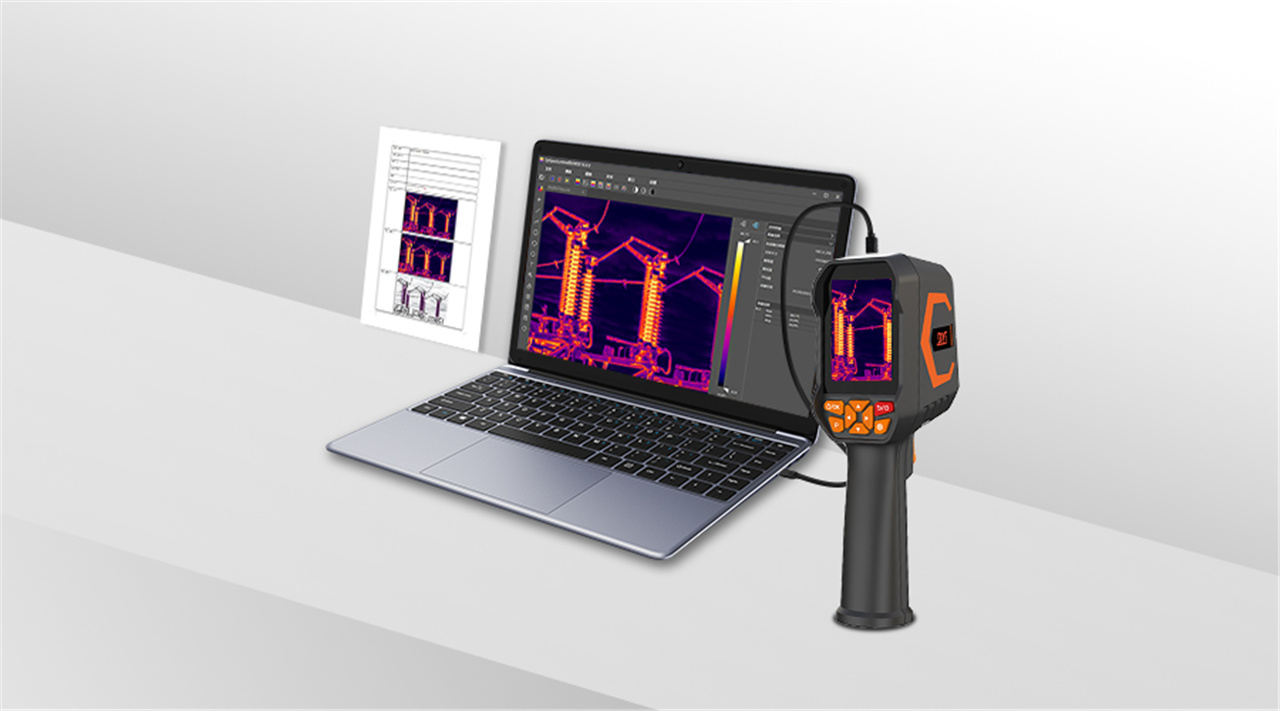
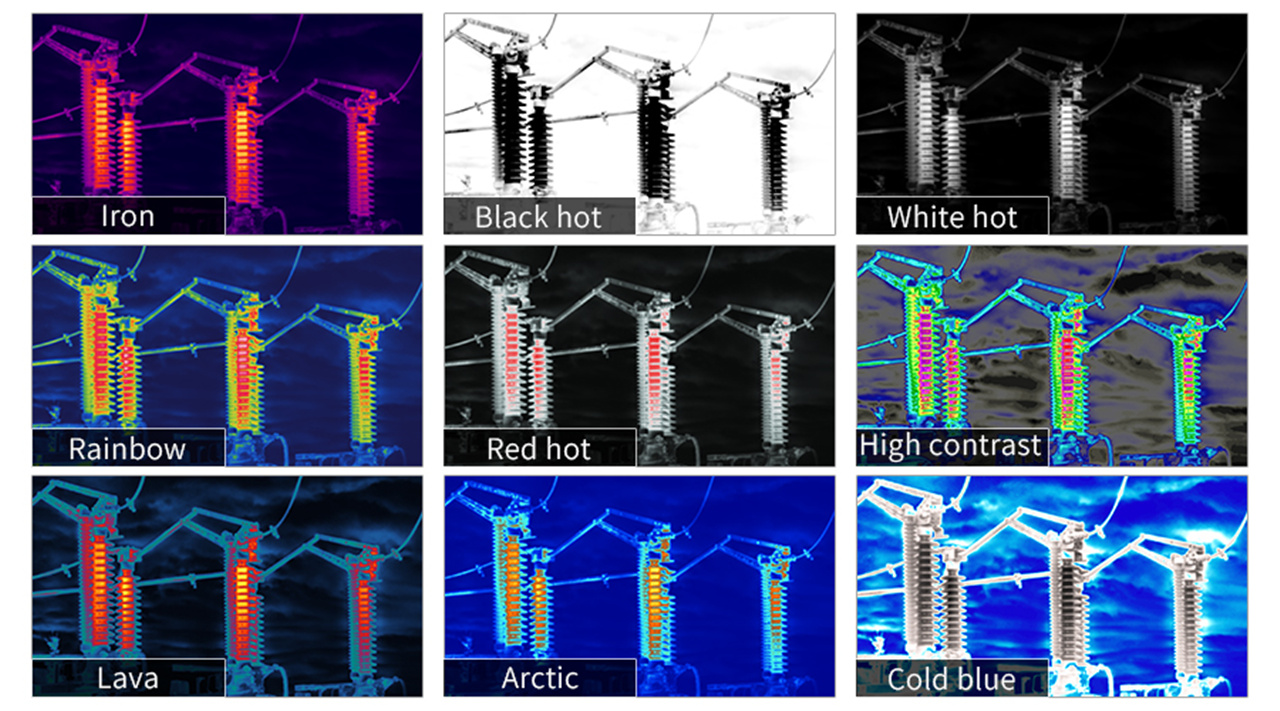
You can use professional PC analysis software to do a second round of analysis on photos taken with your handheld device. It not only lets you switch color palettes and image modes, but also adjust emissivity. What's more, it can make reports in Word, PDF, and other formats, so you can keep track of your analysis results more easily.