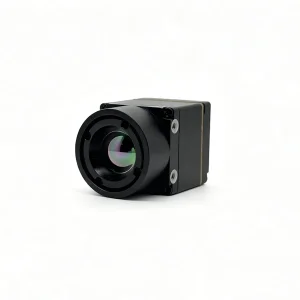
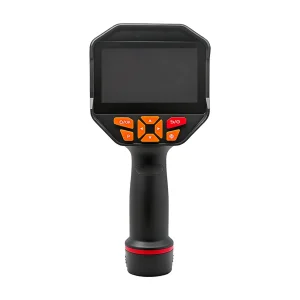
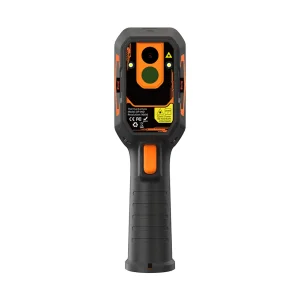
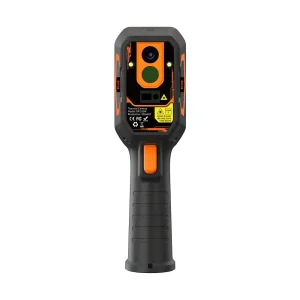
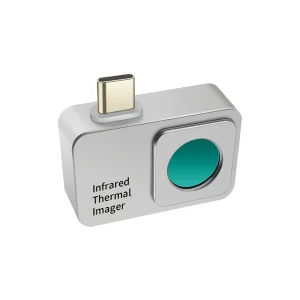
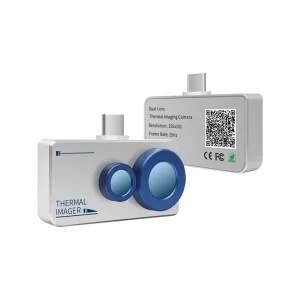
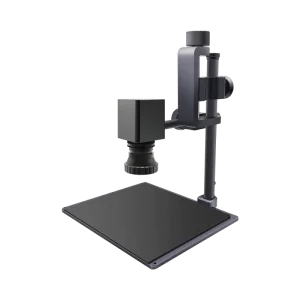
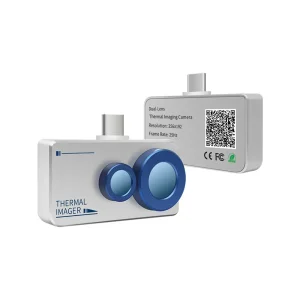
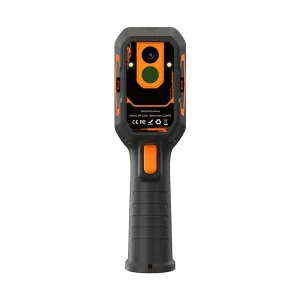
Featured thermal imaging core components optimized for heavy power distribution, solar field thermography, and petro-chemical monitoring.
Examining the critical role of long-wave infrared (LWIR) thermal modules in maintaining industrial reliability across North Africa's largest economy.
Algeria stands as the largest natural gas exporter in Africa and a major oil producer. Facilities managed by national giants like Sonatrach, along with refineries in Skikda, Arzew, and key production centers in Hassi Messaoud, operate continuously under extreme atmospheric ambient heat. Thermal imaging modules embedded within explosion-proof PTZ surveillance cameras and handheld inspection tools are essential for continuous flare stack monitoring, pipeline fugitive emission detection, valve leakage identification, and tank level thermography.
Under Algeria's ambitious Solar 1000MW renewable energy initiative, massive photovoltaic (PV) power plants are being deployed across desert regions like Adrar, Béchar, and Laghouat. Photovoltaic modules installed in desert environments suffer from extreme thermal stress, sand accumulation, and electrical junction box hot spots. Autonomous drone-mounted thermal imaging cores (640×512 resolution, radiometric enabled) allow field engineers to scan hundreds of megawatts of solar arrays in minutes, locating defective bypass diodes and micro-cracks invisible to the naked eye.
Electrical transmission lines spanning thousands of kilometers through the High Plateaus and Sahara desert face severe thermal cycling. Overheated transformers, degraded busbar connections, and failing insulators are the primary causes of unpredicted power outages. Thermal imaging modules with high radiometric accuracy (±2°C or ±2%) provide Sonelgaz line technicians with instant predictive maintenance diagnostics, enabling repair before catastrophic grid failures occur.
Standard off-the-shelf thermal cores frequently fail in southern Algerian operational conditions due to ambient temperatures topping 50°C and severe airborne particulate ingress (fine quartz sand). Modern B2B procurement demands core modules featuring temperature drift auto-compensation algorithms and sealed IP67 optomechanical housings rated for -20°C to +70°C operating environments.
Deconstructing the core electro-optical parameters that define superior thermal sensitivity, spatial resolution, and OEM integration capability.
Utilizing high-stability Vanadium Oxide (VOx) uncooled Focal Plane Array (FPA) technology. VOx offers significantly lower noise levels and superior thermal stability compared to Amorphous Silicon (a-Si) detectors, crucial for desert heat dissipation.
Noise Equivalent Temperature Difference (NETD) determines the minimum resolvable temperature variance. Our modules deliver NETD <35mK (@25°C, F#=1.0), enabling razor-sharp thermographic contrast even when target and background temperatures are nearly identical.
Full radiometric temperature measurement capabilities with customizable ranges from -20°C up to +550°C. Supports dynamic SDK integration for seamless interface conversion across standard industrial video outputs.
Key benchmarks for procurement managers, system integrators, and OEM manufacturers selecting thermal imaging cores for Algerian and North African tenders.
When procuring thermal imaging modules for enterprise deployments in Algeria, buying organizations must evaluate manufacturers beyond raw component cost. The total cost of ownership (TCO) is overwhelmingly dictated by sensor longevity, calibration drift over time, and vendor customization support.
In regions such as Hassi R'Mel or Tamanghasset, ambient temperatures experience dramatic fluctuations—from freezing desert nights (0°C) to scorching midday heat (>48°C). Inferior microbolometers suffer severe non-uniformity correction (NUC) drift. High-grade modules incorporate smart shutterless or automated NUC algorithms alongside motorized germainum (Ge) lenses to preserve image clarity.
System integrators building custom solution stacks (e.g., firefighting robotics, UAV payloads, smart building automation) require low-level protocol access. Leading manufacturers supply full SDK documentation, enabling raw temperature matrix data extraction, pseudo-color palette switching (Ironbow, Rainbow, White Hot, Black Hot), and custom alarm threshold mapping.
| Evaluation Feature | Standard Consumer Grade | Enterprise Industrial Grade |
|---|---|---|
| Detector Stability | a-Si (High Noise) | VOx Uncooled FPA |
| Operational Temp | -10°C to +50°C | -40°C to +85°C |
| Radiometric Error | ±5°C or ±5% | ±2°C or ±2% |
| MTBF Hours | < 3,000 Hours | > 10,000 Hours |
| SDK & API Support | Closed / Basic | Full C++/Python SDK |
Shenzhen Dianyang Technology Co., Ltd. — Publicly Backed Thermal Imaging OEM/ODM Authority
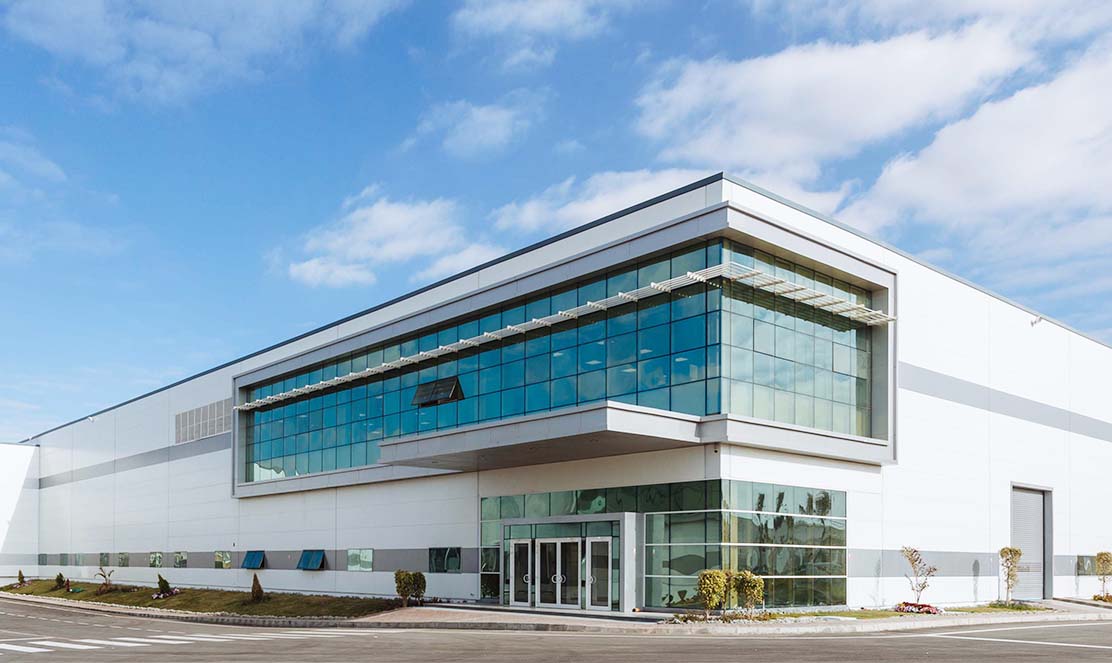
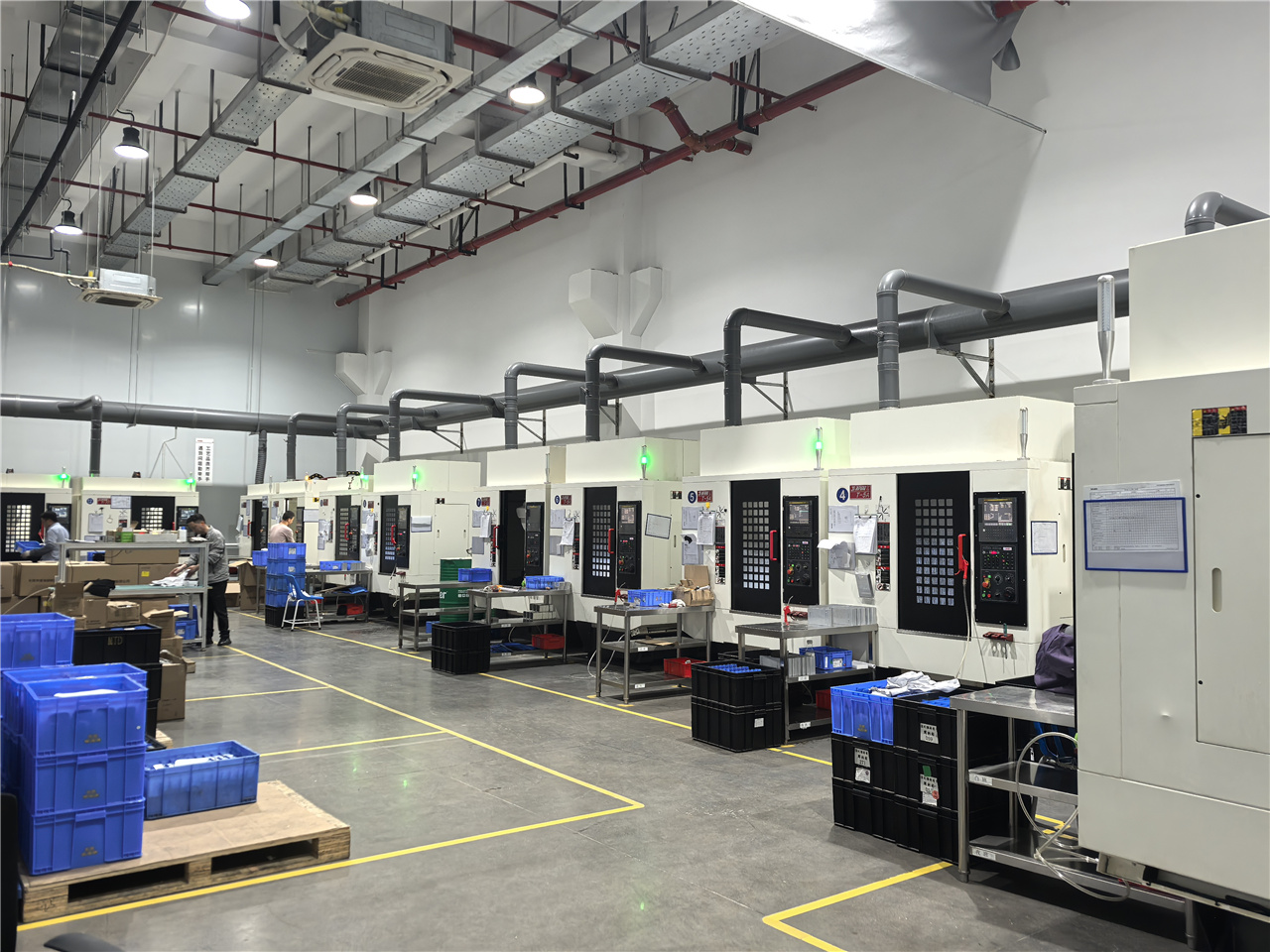
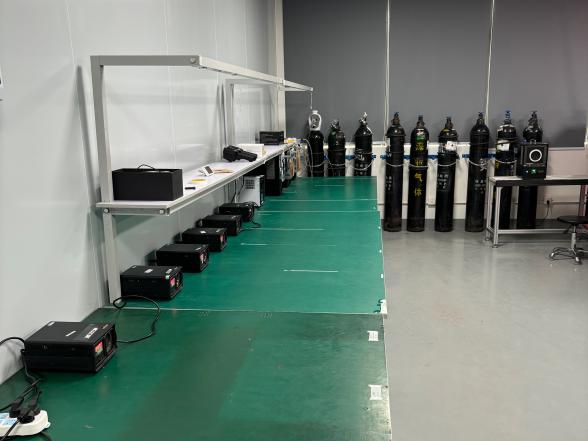
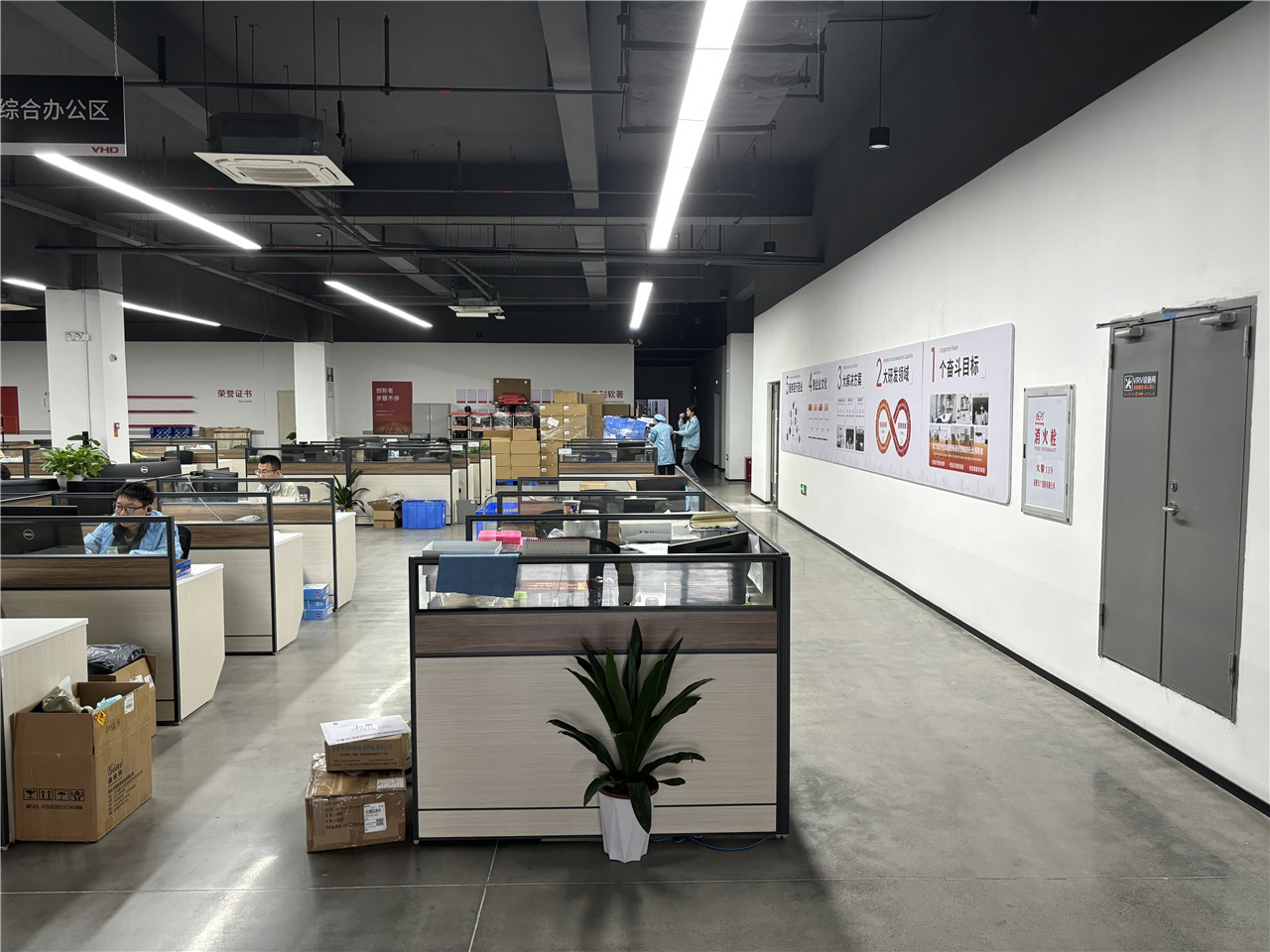
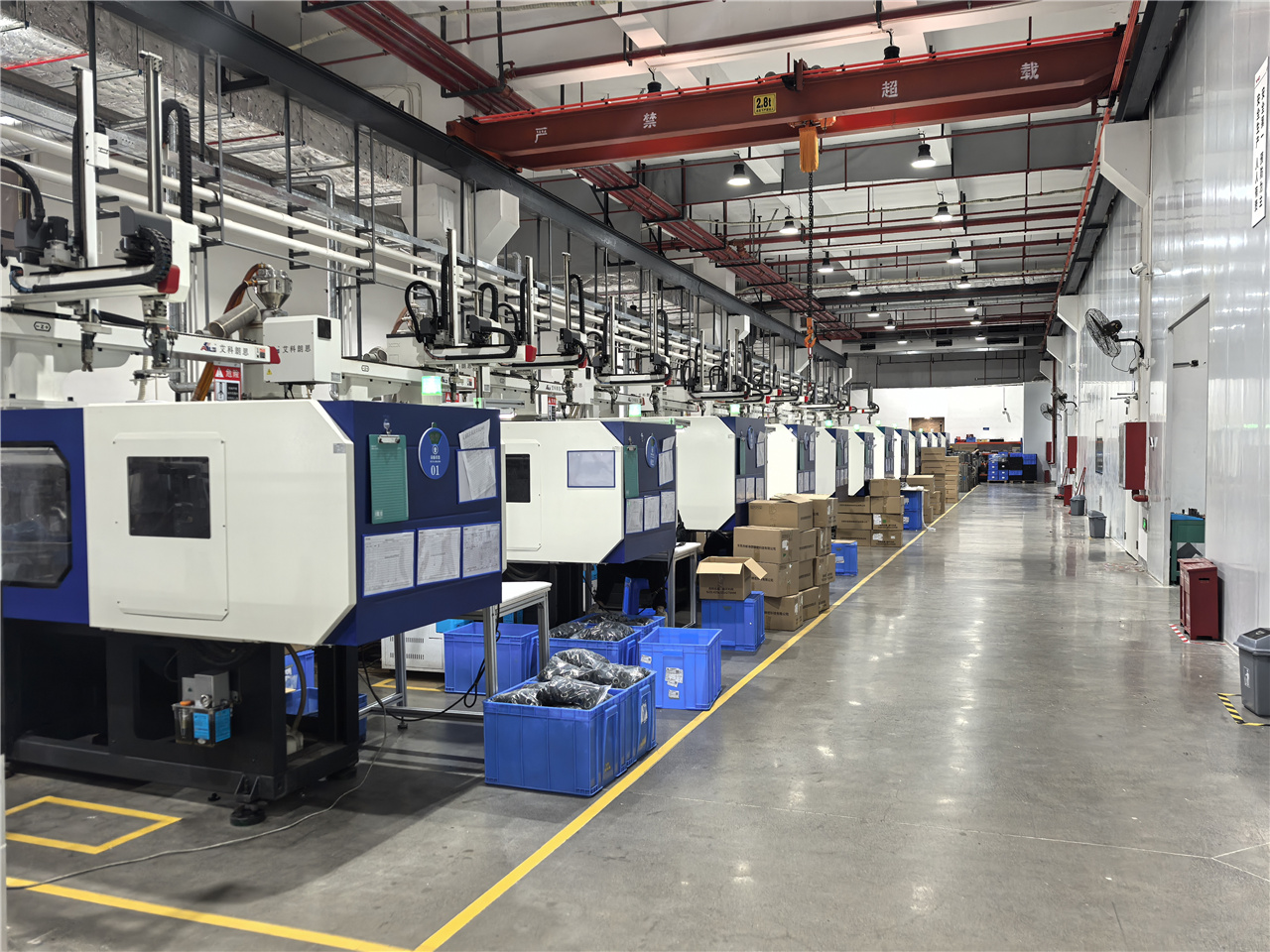
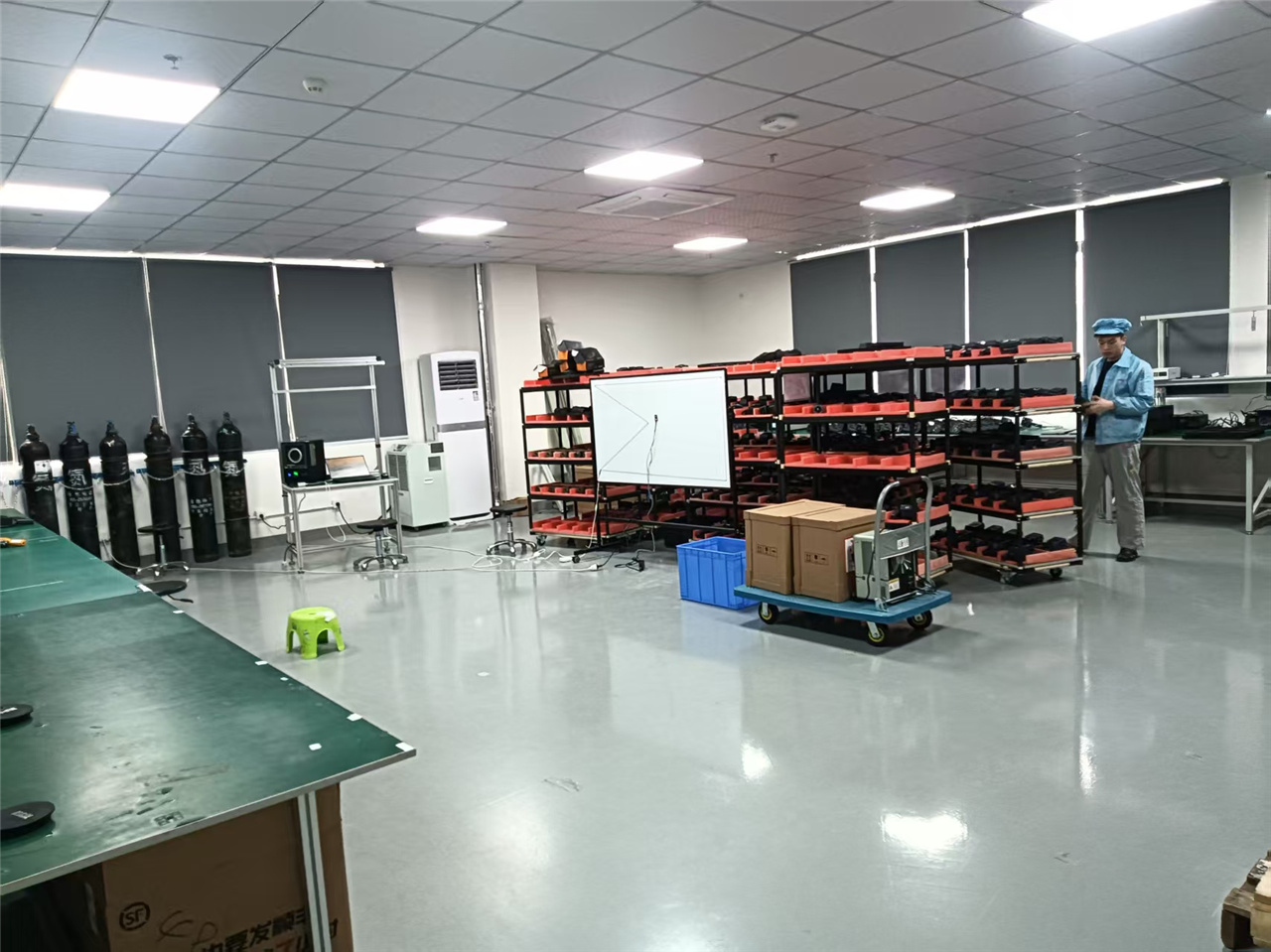
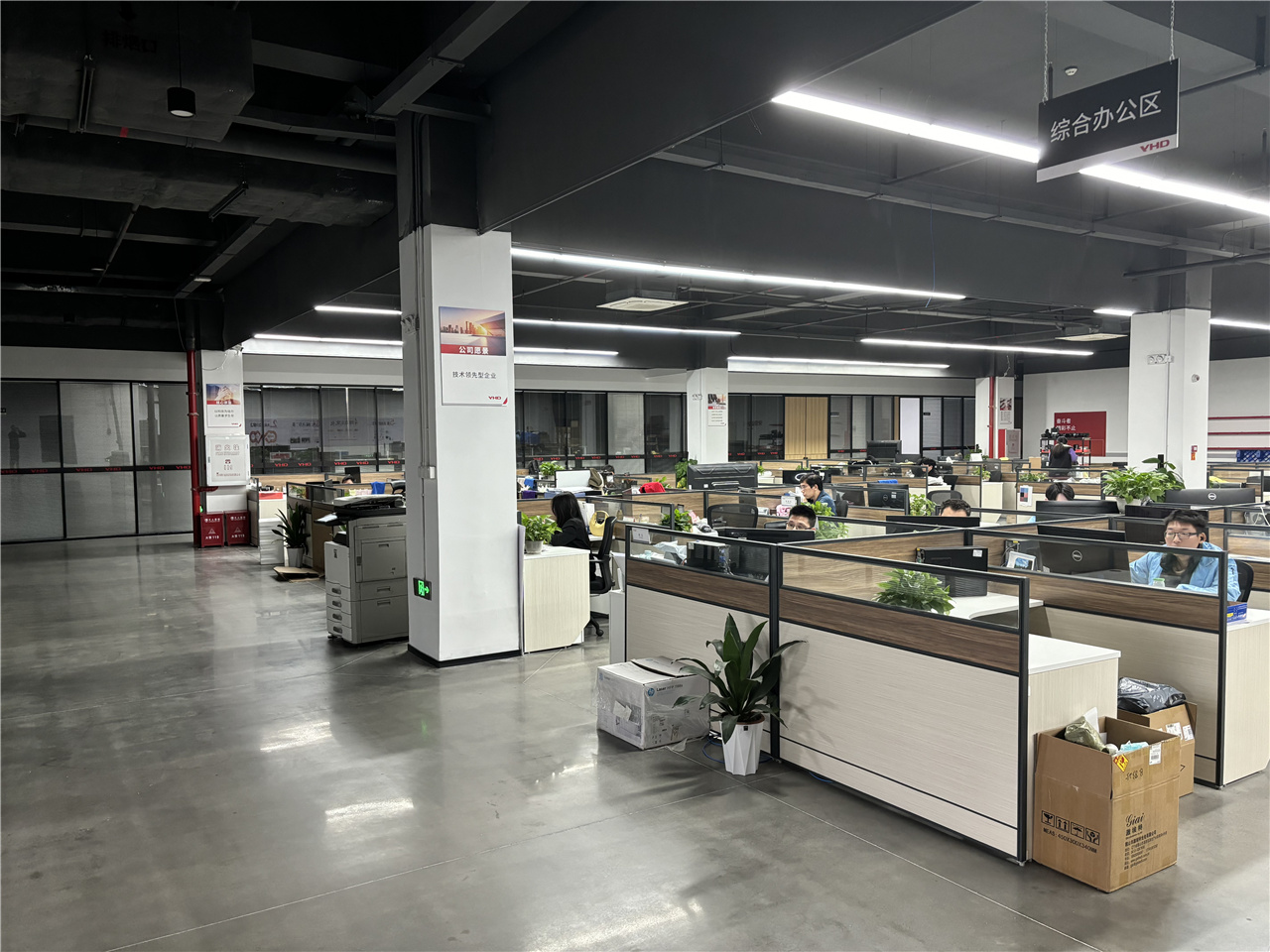
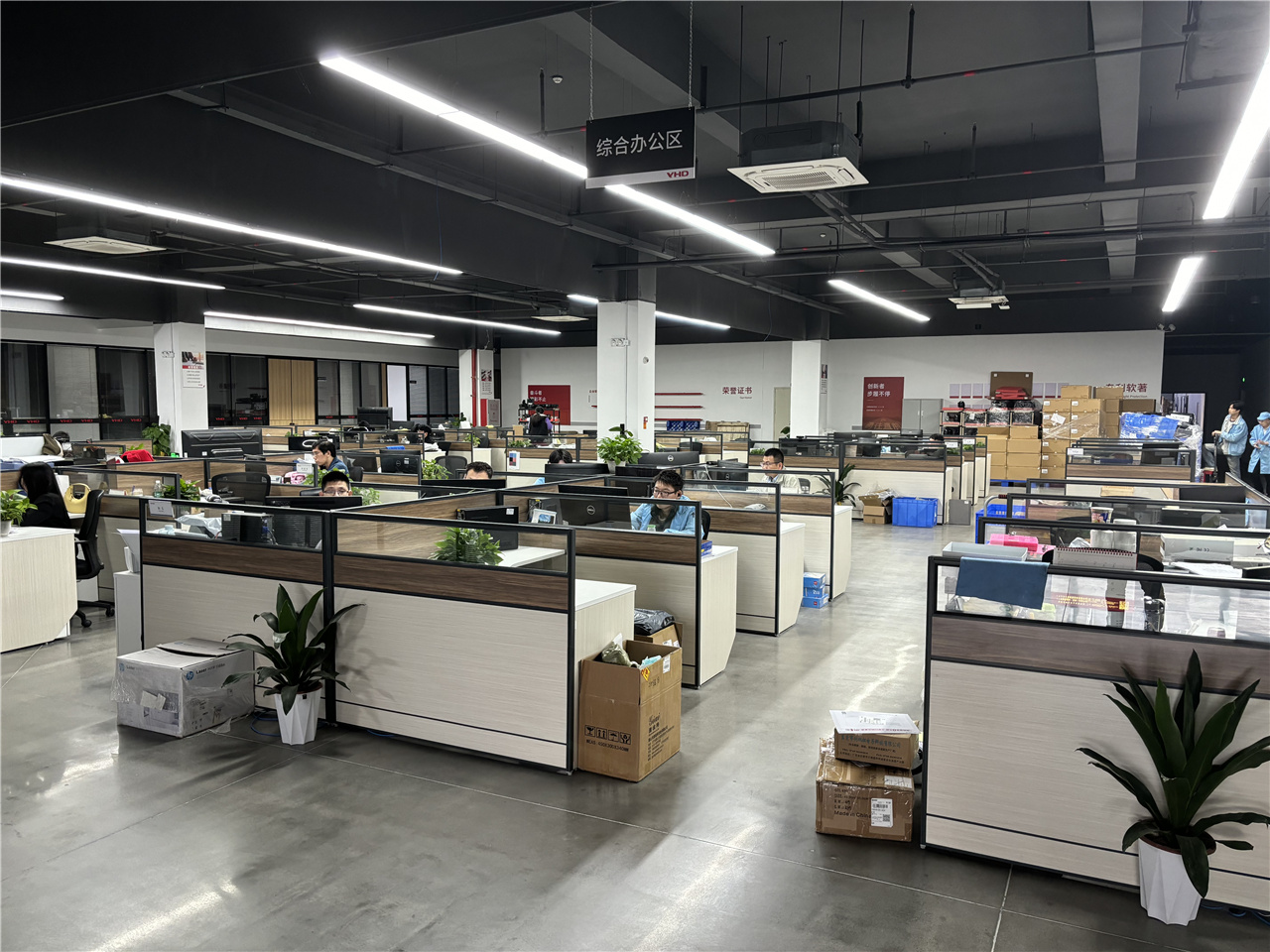
Shenzhen Dianyang Technology Co., Ltd. is a subsidiary of VHD (Shenzhen VHD Technology Co., Ltd.), a publicly listed company on the Shenzhen Stock Exchange. This strategic affiliation gives Dianyang unique access to VHD’s advanced R&D platforms, high-precision manufacturing systems, and rigorous quality management practices—enabling us to deliver thermal imaging products of higher reliability and consistency than typical ODMs.
We specialize in ODM/OEM services for infrared thermal imaging solutions, including handheld thermal imagers, smartphone-connected thermal cameras, thermal analyzers, and thermal imaging telescopes. Our products serve global customers in power inspection, building diagnostics, firefighting, industrial maintenance, and outdoor applications.
Our dedicated engineering team applies Design for Manufacturing (DFM), Design for Testability (DFT), thermal simulation, and EMC pre-compliance analysis to optimize performance and accelerate development. We also support clients in obtaining key certifications such as CE, FCC, RoHS, REACH, CB, UKCA, KC, and PSE.
Anticipating the technological transformation of thermal imaging modules in industrial IoT and automated diagnostics.
Integrating Neural Processing Units (NPUs) directly onto thermal camera PCB modules. Real-time edge AI enables automatic thermal anomaly segmentation, flame ignition detection, and equipment friction analysis without cloud bandwidth latency.
Merging visible light (RGB 4K) algorithms with 640×512 thermal imaging in micro-footprint modules. Dual-spectrum fusion provides ultra-sharp edge detail overlay (MSX technology), allowing security operators to identify targets in absolute pitch darkness.
Ultra-low power thermal modules designed for continuous remote asset monitoring in off-grid Algerian oil fields. Native 5G and wireless IoT protocol connectivity enable remote telemetry transmissions with multi-year battery lifespans.
Explore our complete ODM/OEM catalog of handheld imagers, mobile smartphone thermal attachments, thermal analyzers, and high-resolution cores.
Ensuring smooth import, regulatory clearance, and technical lifecycle assistance for North African B2B enterprise partners.
Navigating international shipping regulations and dual-use classification is vital for thermal camera procurement. Dianyang Technology provides comprehensive export compliance support, including Certificate of Origin (CoO), CE, FCC, RoHS, and REACH documentation required for Algerian Customs (Douane Algérienne) clearance at ports in Algiers, Oran, and Skikda.
Every thermal module shipped to partners in North Africa undergoes stringent thermal chamber cycling (-40°C to +70°C) and vibration testing to guarantee resistance to transport over unpaved desert roads and sustained operation in high-sand conditions.
Expert answers to critical technical and commercial procurement inquiries regarding thermal imaging modules for Algeria.
Vanadium Oxide (VOx) detectors exhibit a higher temperature coefficient of resistance (TCR) and lower thermal noise compared to Amorphous Silicon (a-Si). This yields a superior signal-to-noise ratio and greater image stability when working in ambient temperatures exceeding 45°C, common in southern Algeria.
Yes. Our lightweight core modules (such as the MD-64CA series) offer standard MIPI, DVP, and USB video outputs with ultra-compact dimensions and weight under 40 grams. They integrate smoothly into drone gimbals for automated solar farm inspections and agricultural monitoring.
Our industrial thermal cameras provide an absolute radiometric temperature measurement accuracy of ±2°C or ±2% of reading. This level of precision meets Sonelgaz and international IEC standards for identifying high-resistance electrical hot spots.
Absolute transparency is provided with our comprehensive SDKs (C++, C#, Python, Java). Engineers can program custom alert logic, calculate temperature histograms, and extract per-pixel radiometric data matrices seamlessly.
Standard thermal core sample units ship within 3 to 5 business days. Commercial OEM production batches (100–1,000 units) typically require 2 to 3 weeks for manufacturing, calibration, and QA before express air delivery to Algiers.
Partner directly with Shenzhen Dianyang Technology—backed by publicly listed VHD platforms. Request engineering samples, SDK documentation, and custom OEM pricing today.
Send Inquiry Now Dianyang