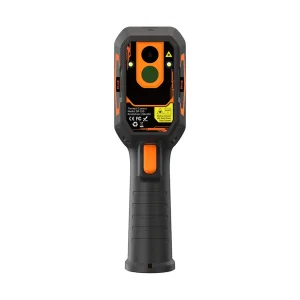
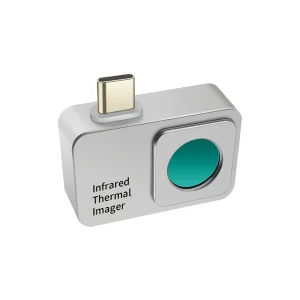
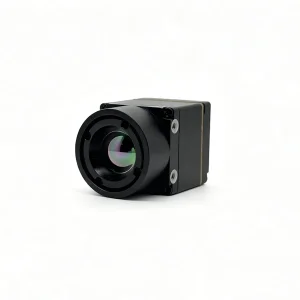
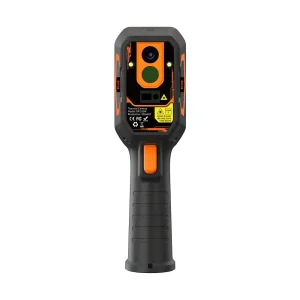
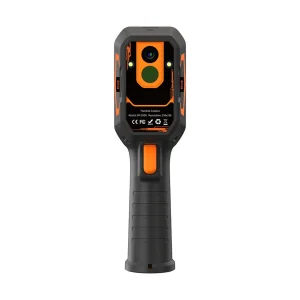
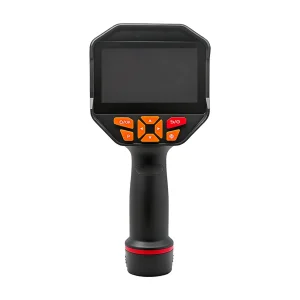
Explore our precision-engineered infrared camera models, ranging from compact handheld analyzers to OEM fixed-mount thermal modules tailored for global exporters and industrial integrators.
In modern industrial ecosystems, maintenance strategies are rapidly transitioning from reactive repairs and periodic manual inspections to continuous, automated predictive maintenance. At the core of this transition is the Fixed Thermal Imaging Camera. Unlike portable handheld imagers used for ad-hoc troubleshooting, fixed radiometric thermal cameras provide uninterrupted 24/7 thermal telemetry, continuously analyzing temperature gradients, detecting micro-anomalies, and triggering automated alarms before catastrophic infrastructure failures occur.
As global industries embrace Industry 4.0, smart manufacturing, and automated utility management, the demand for high-reliability, customized fixed thermal camera units has surged. OEM (Original Equipment Manufacturer) partners and exporters play a decisive role in bridging advanced focal plane array (FPA) sensor technologies with tailored edge-computing hardware, robust enclosure designs, and specialized application software.
To select or engineer an OEM fixed thermal imaging system, B2B procurement managers and system integrators must evaluate sensor specifications, radiometric accuracy, and communication protocols. Fixed thermal cameras engineered by specialized exporters incorporate uncooled Vanadium Oxide (VOx) or Amorphous Silicon (a-Si) microbolometers, offering exceptional longevity, low power consumption, and maintenance-free continuous operation.
From entry-level 120x90 and 256x192 sensors to flagship 640x512 high-resolution FPAs, dynamic pixel pitch (typically 12μm) determines Instantaneous Field of View (IFOV). Higher spatial resolution enables long-range detection of minute thermal signatures across wide power distribution switchyards or expansive chemical storage tanks.
Noise Equivalent Temperature Difference (NETD) measures the smallest temperature variance the sensor can resolve. OEM modules boasting NETD <35mK to <50mK ensure subtle temperature deltas are clearly differentiated from background noise, critical for early fire prevention in Li-ion battery manufacturing.
Precision temperature measurement requires non-uniformity correction (NUC) algorithms, dynamic emissivity adjustment, and distance attenuation compensation. Radiometric fixed cameras output real-time per-pixel temperature matrices over Modbus, MQTT, or RTSP streams directly to supervisory SCADA systems.
China, particularly Shenzhen's world-leading electronics and optoelectronics technology corridor, has emerged as the global epicenter for thermal imaging innovation and scale manufacturing. Sourcing fixed thermal cameras directly from specialized Chinese OEM exporters provides global buyers with strategic operational advantages:
From raw optical germanium lens processing, SMT circuit board assembly, to specialized thermal calibration chambers, Chinese factories streamline the entire production lifecycle. This vertical synergy reduces lead times from months to weeks while maintaining rigorous batch-to-batch consistency.
Global clients require tailored SDKs (Windows/Linux/Android), specialized enclosure ratings (IP67, explosion-proof ATEX enclosures), custom optical focal lengths, and dual-spectrum (optical + thermal) fusion engines. Chinese OEM exporters specialize in low-MOQ engineering customization tailored to niche B2B applications.
Shenzhen Dianyang Technology Co., Ltd. is a subsidiary of VHD (Shenzhen VHD Technology Co., Ltd.), a publicly listed company on the Shenzhen Stock Exchange. This strategic affiliation gives Dianyang unique access to VHD’s advanced R&D platforms, high-precision manufacturing systems, and rigorous quality management practices—enabling us to deliver thermal imaging products of higher reliability and consistency than typical ODMs.
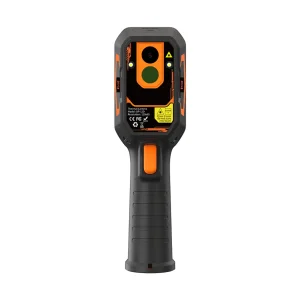
We specialize in ODM/OEM services for infrared thermal imaging solutions, including handheld thermal imagers, smartphone-connected thermal cameras, thermal analyzers, and thermal imaging telescopes. Our products serve global customers in power inspection, building diagnostics, firefighting, industrial maintenance, and outdoor applications.
Our dedicated engineering team applies Design for Manufacturing (DFM), Design for Testability (DFT), thermal simulation, and EMC pre-compliance analysis to optimize performance and accelerate development. We also support clients in obtaining key international certifications such as CE, FCC, RoHS, REACH, CB, UKCA, KC, and PSE.
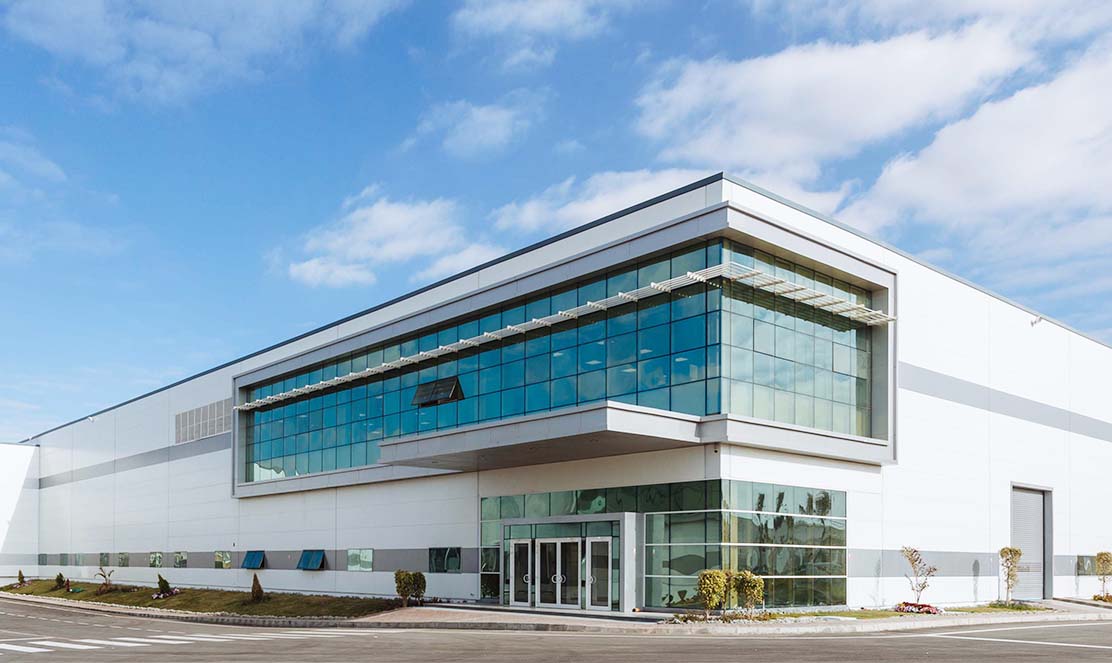
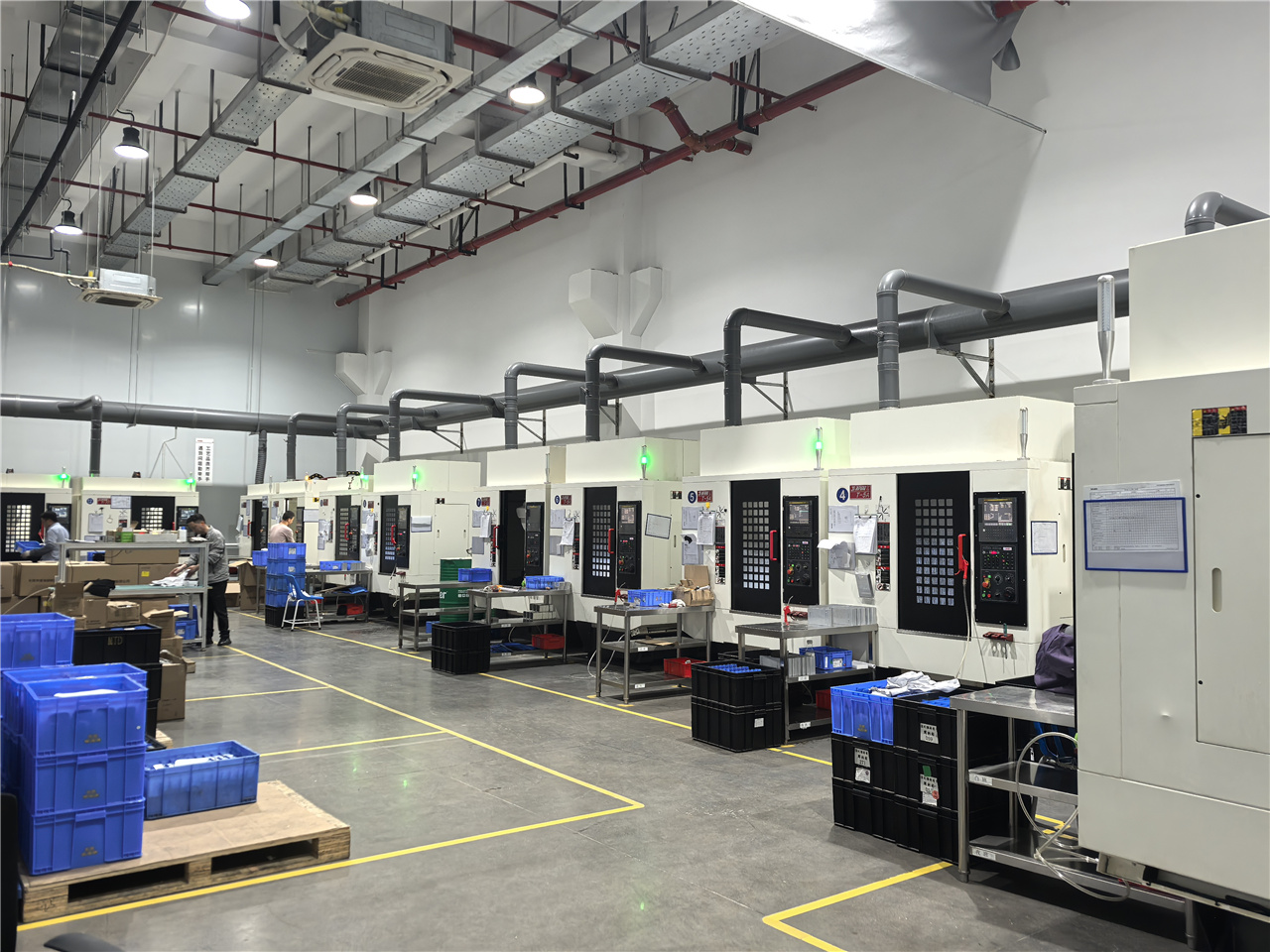
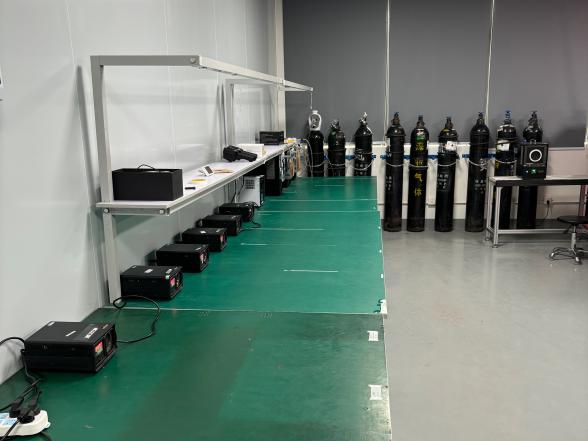
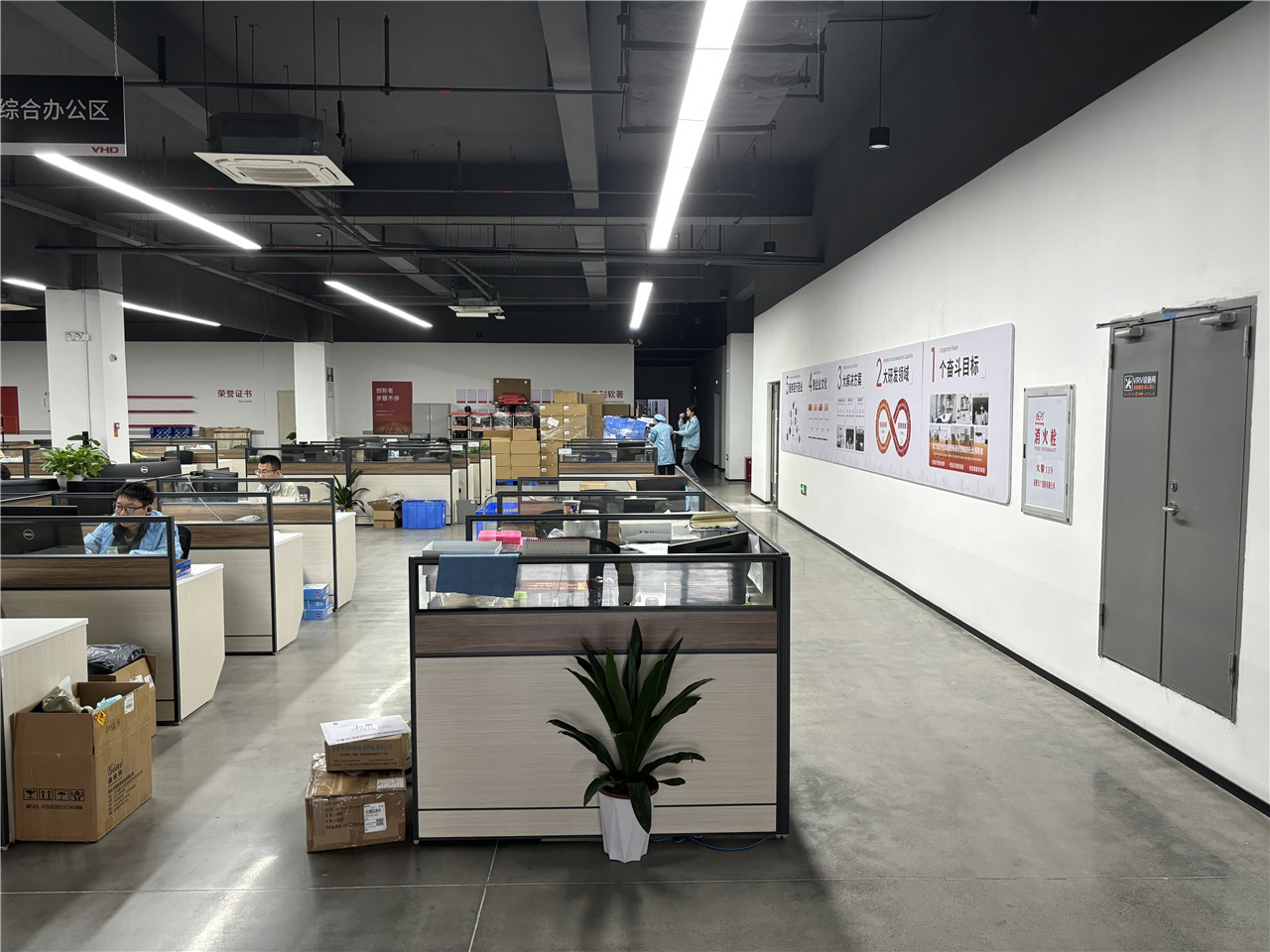
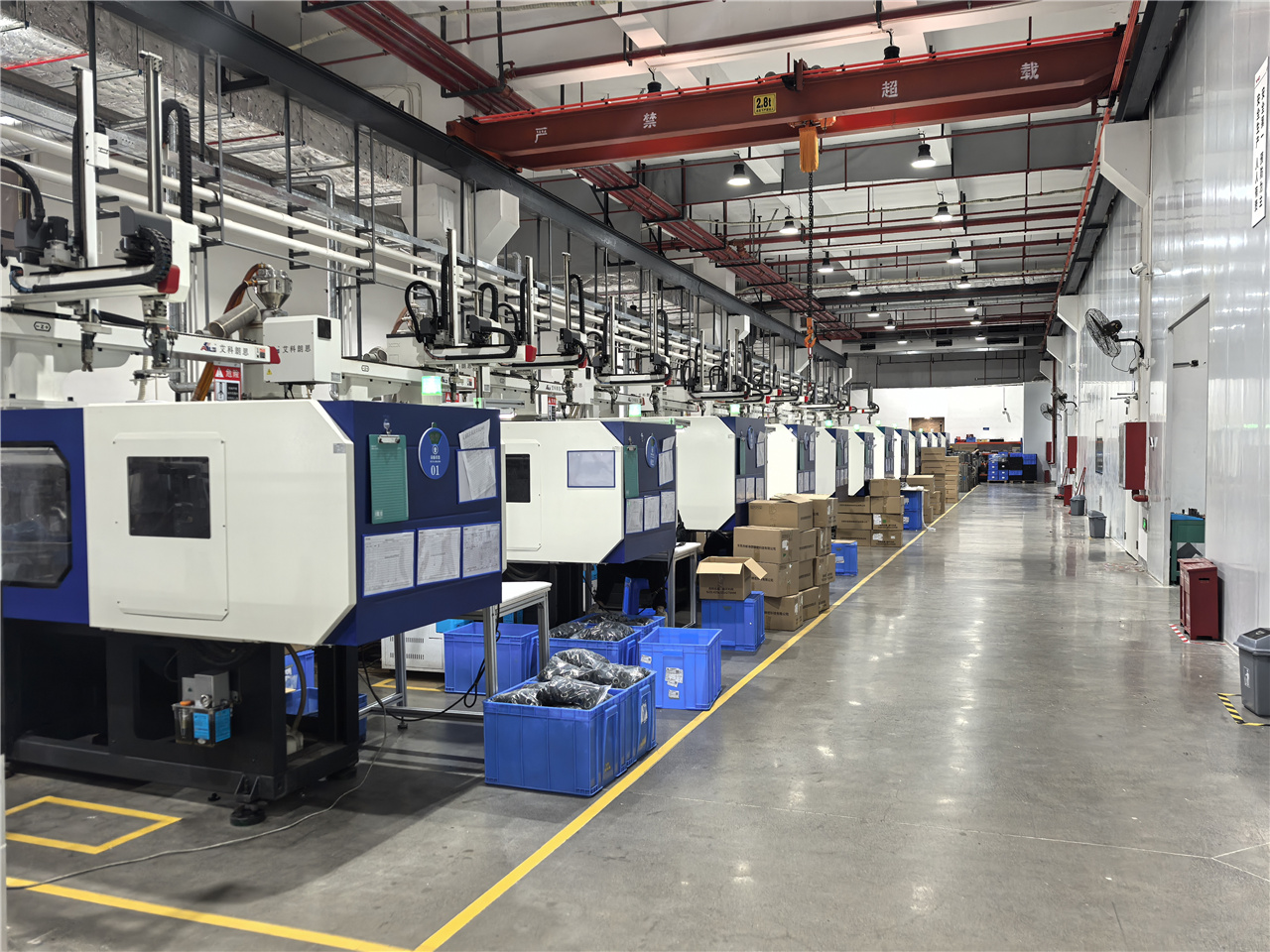
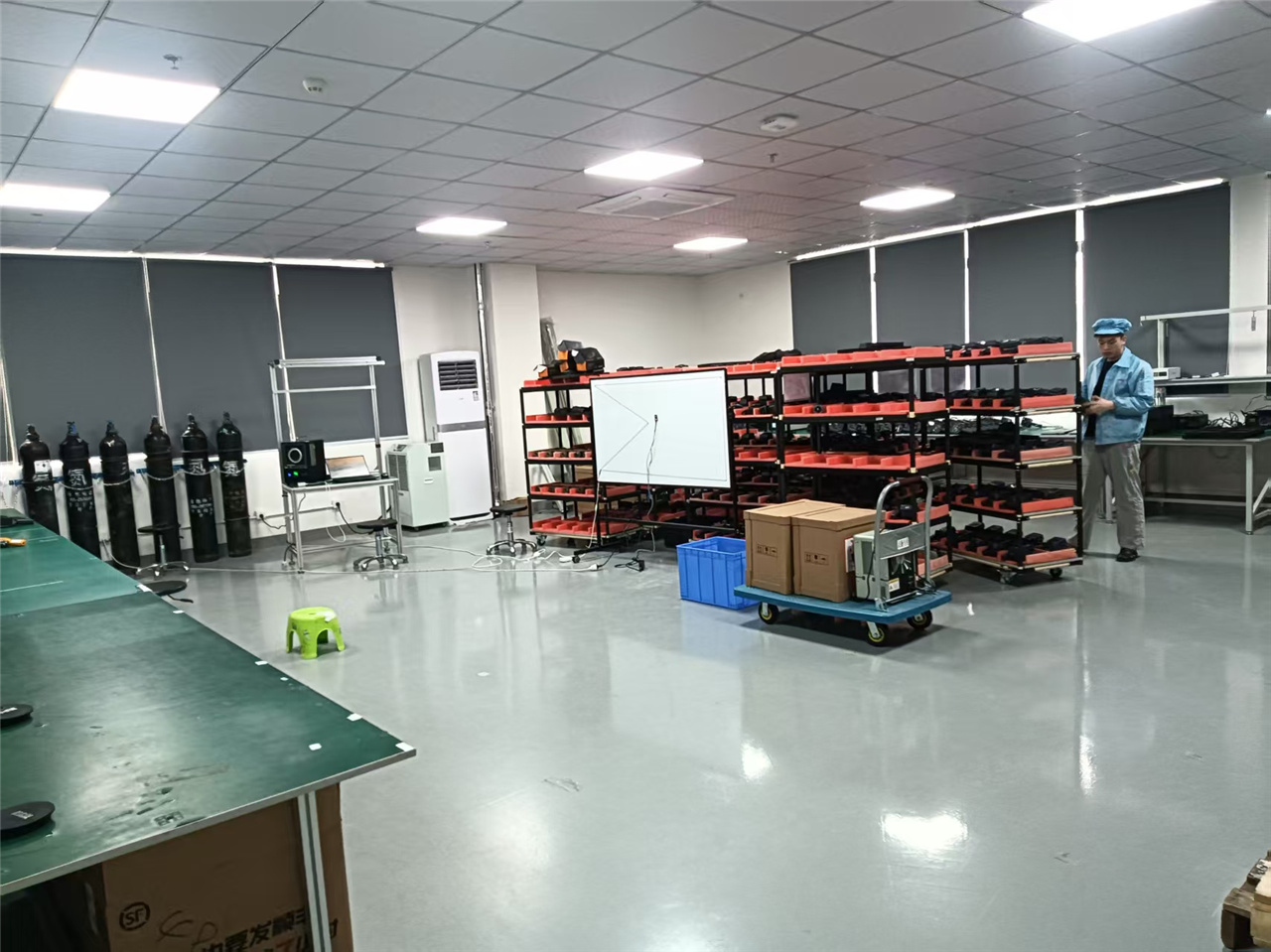
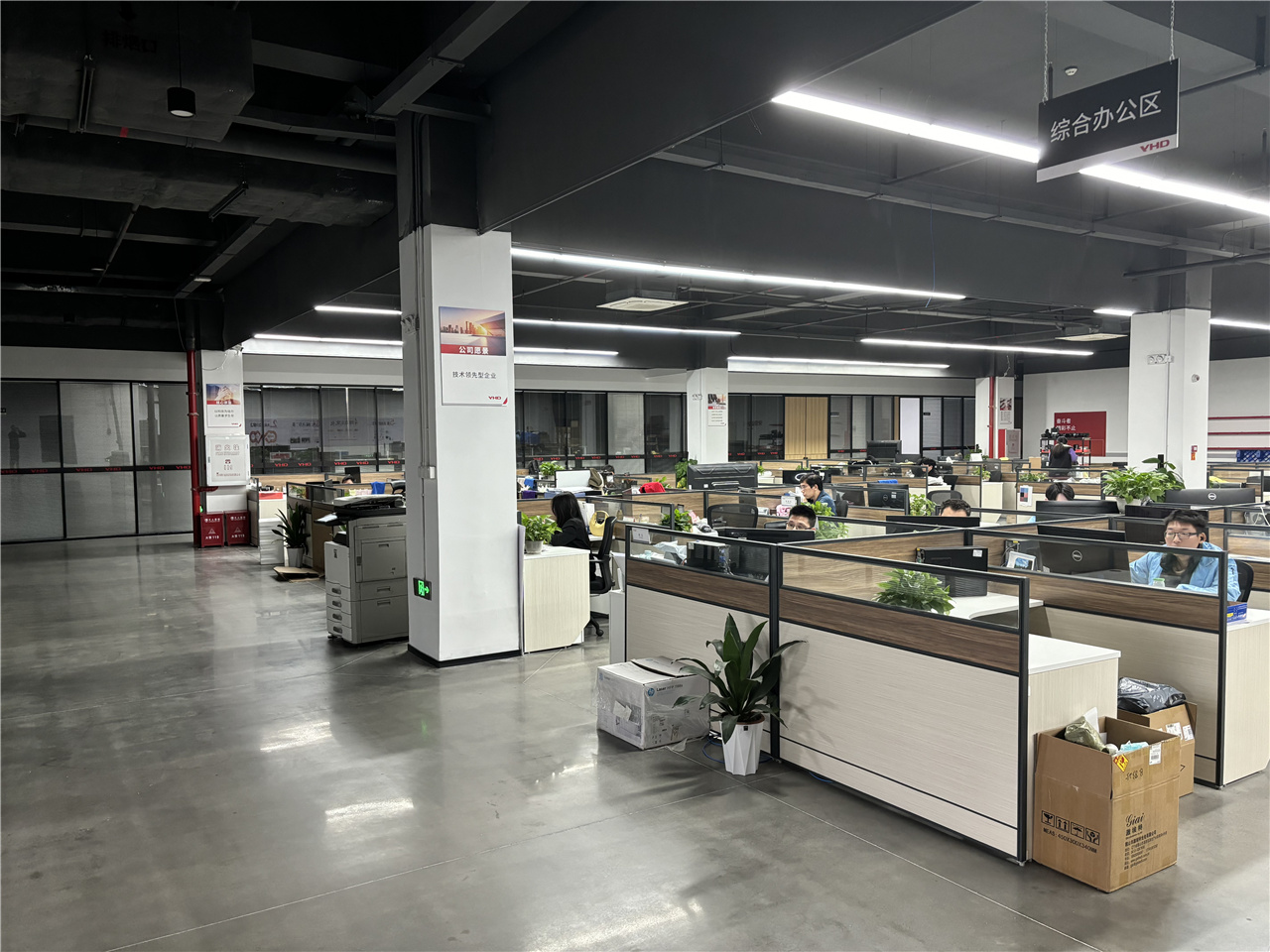
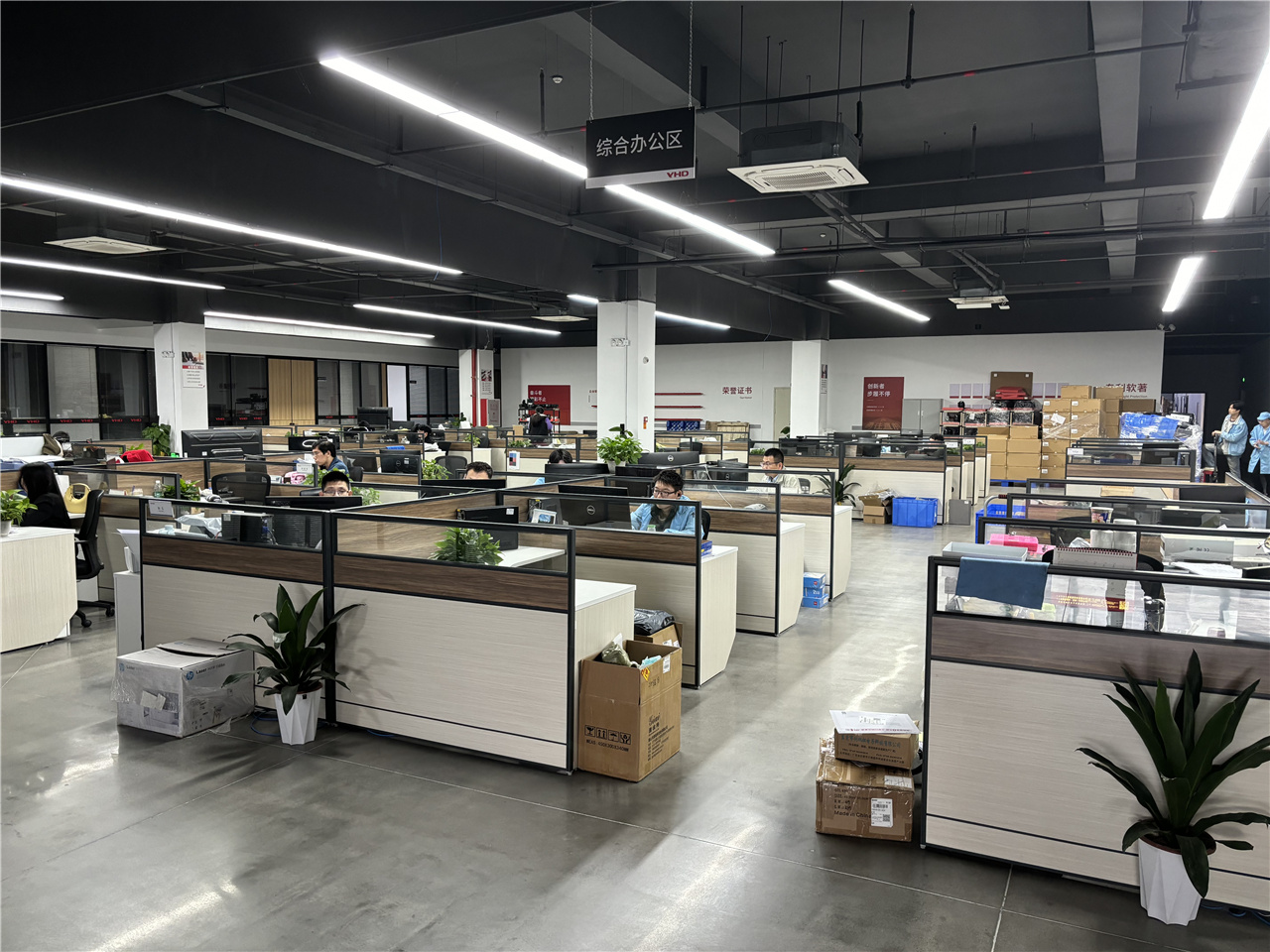
Fixed thermal cameras serve as core sensory nodes across high-stakes industrial, commercial, and municipal environments. Sourcing customized OEM fixed cameras allows system integrators to deploy dedicated thermal monitoring algorithms configured specifically for distinct operational challenges.
Continuous monitoring of high-voltage transformers, switchgears, busbars, and capacitor banks. Automated system flags abnormal resistance-induced overheating before blackout events occur.
Continuous thermal scanning of waste management bunkers, recycling facilities, and coal storage piles. Early detection of smoldering hot spots deep within material piles prevents catastrophic combustion.
Thermal inspection of battery cell formation, pouch sealing, and aging racks. Real-time fixed thermal vision isolates runaway thermal cells during testing cycles.
Monitoring glass tempering, plastic injection molding, and metal casting cooling profiles. Real-time temperature feedback ensures consistent structural material integrity.
The thermal imaging landscape is undergoing unprecedented technological convergence. Buyers looking for OEM exporters must evaluate manufacturers capable of staying ahead of key industry trends:
Modern fixed cameras no longer rely solely on host PC processing. Embedded NPU chips run deep-learning object recognition directly on the camera edge, eliminating false alarms caused by hot vehicle engines, steam pipes, or solar reflection.
Combining high-definition visible light sensors with uncooled thermal channels (Dual-Light systems like the DP-25DR series) allows operators to overlay visual texture over thermal heat maps, accelerating spatial identification of fault locations.
Native support for ONVIF Profile S/G/T, RTSP, Ethernet/IP, and MQTT protocols ensures fixed thermal cameras plug seamlessly into enterprise VMS (Video Management Software) and cloud dashboards without complex middleware.
Navigating international procurement for specialized thermal hardware requires strict adherence to structured development frameworks. Experienced exporters like Shenzhen Dianyang utilize comprehensive DFM and DFT workflows to ensure high yield and long-term reliability.
Initial alignment on target spectral range (8-14μm), required dynamic range (-20°C to 550°C or up to 1200°C), lens field of view (FOV), frame rate (9Hz vs 25Hz/30Hz export compliance), and ingress protection requirements.
PCB redesign for custom form factors, implementation of dedicated I/O interfaces (RS485, Alarm Output relays, PoE support), and branding customizations including laser-etched housings, custom GUI palettes, and tailored SDK bindings.
Cameras undergo automated multi-point blackbody calibration across operating temperature ranges (-10°C to +50°C ambient). Units pass vibration, thermal shock, and drop tests to guarantee field survival.
Assisting OEM partners with mandatory target market compliance, including CE mark, FCC Part 15, RoHS, REACH hazardous substance compliance, UKCA, KC (Korea), and PSE (Japan) certifications.
Find answers to common engineering, compliance, and procurement questions regarding fixed thermal imaging export services.
Browse our full range of certified thermal cameras, modules, and diagnostic tools engineered for exporters, industrial suppliers, and OEM integrators worldwide.
 Dianyang