High-precision infrared camera engines, handheld imagers, and mobile sensor solutions built for global industrial OEMs.
Listed Company Backing, World-Class R&D, and Precision Manufacturing Excellence
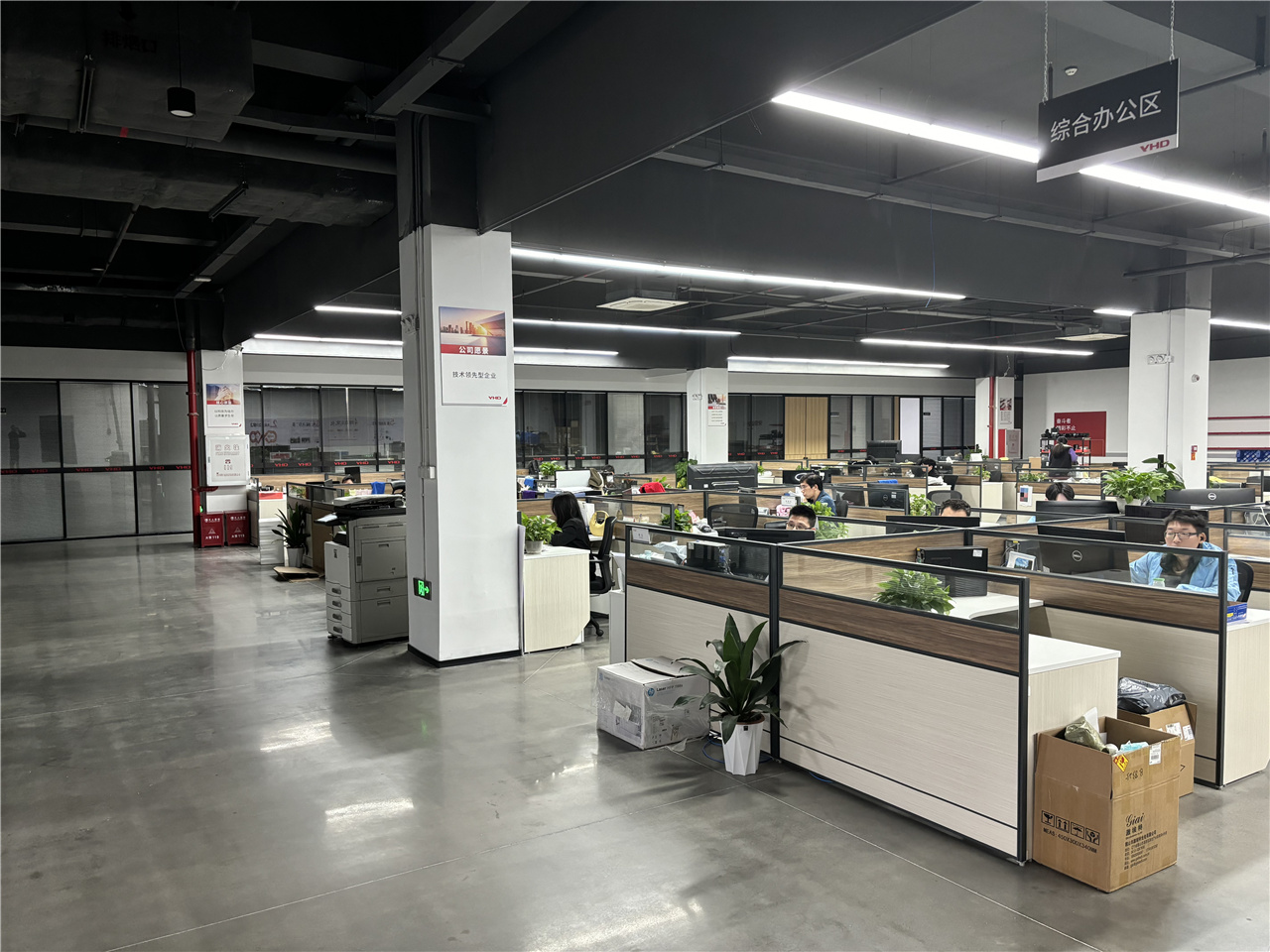
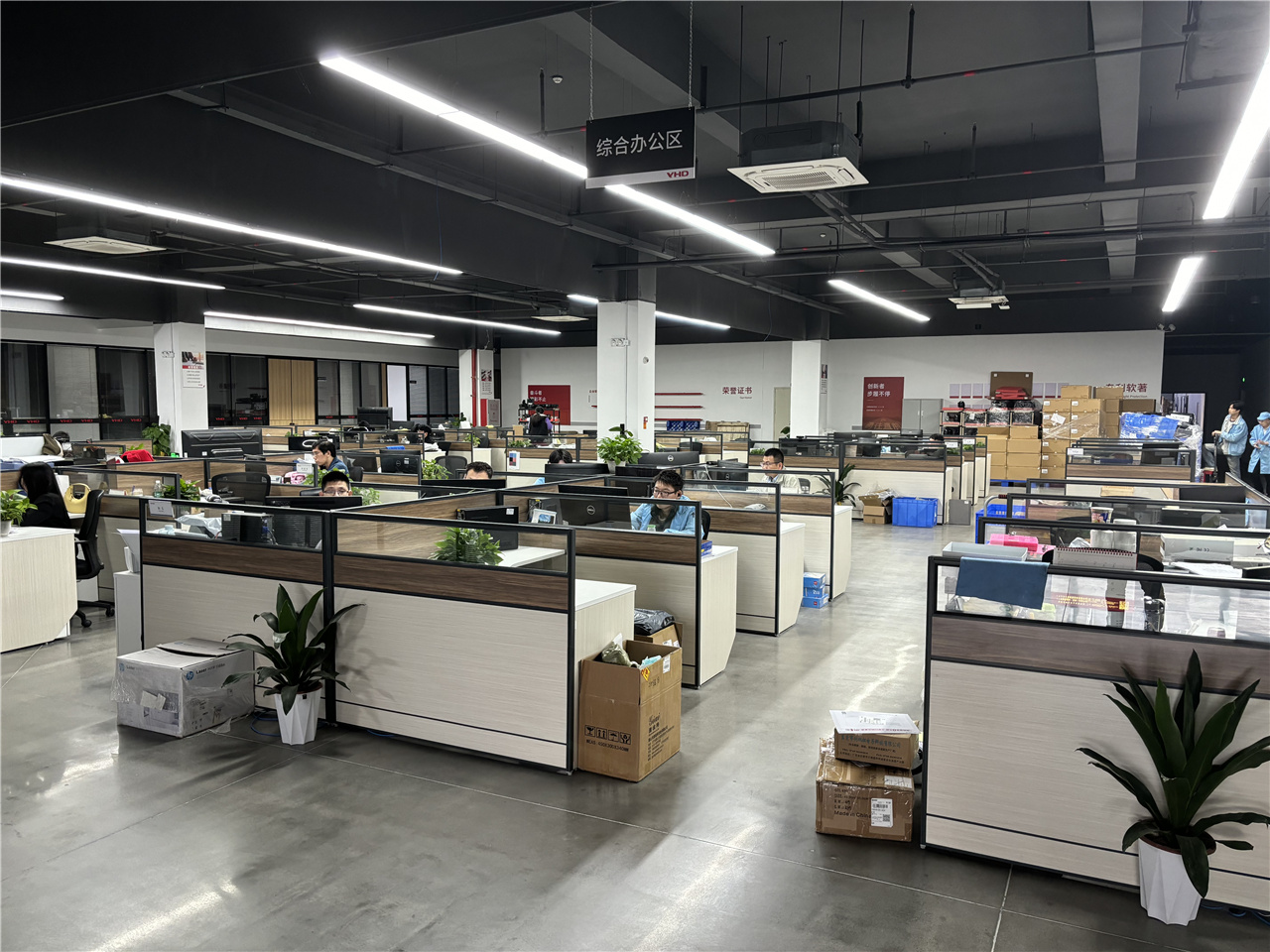
Shenzhen Dianyang Technology Co., Ltd. is a subsidiary of VHD (Shenzhen VHD Technology Co., Ltd.), a publicly listed company on the Shenzhen Stock Exchange. This strategic affiliation gives Dianyang unique access to VHD’s advanced R&D platforms, high-precision manufacturing systems, and rigorous quality management practices—enabling us to deliver thermal imaging products of higher reliability and consistency than typical ODMs.
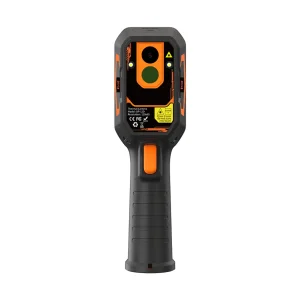
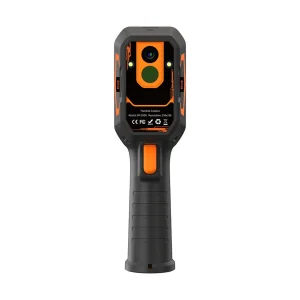
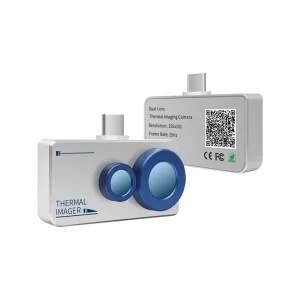
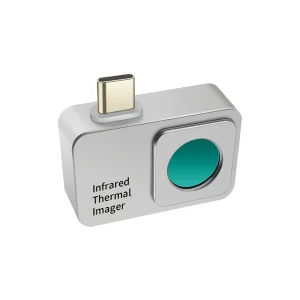
We specialize in ODM/OEM services for infrared thermal imaging solutions, including handheld thermal imagers, smartphone-connected thermal cameras, thermal analyzers, and thermal imaging telescopes. Our products serve global customers in power inspection, building diagnostics, firefighting, industrial maintenance, and outdoor applications.
Our dedicated engineering team applies Design for Manufacturing (DFM), Design for Testability (DFT), thermal simulation, and EMC pre-compliance analysis to optimize performance and accelerate development. We also support clients in obtaining key certifications such as CE, FCC, RoHS, REACH, CB, UKCA, KC, and PSE.
Comprehensive technical insights into LWIR uncooled focal plane arrays, optical physics, and system engineering.
The global infrared sensing market has undergone a paradigm shift from cooled Mercury Cadmium Telluride (MCT) detectors to highly scalable, uncooled Vanadium Oxide (VOx) and Amorphous Silicon (a-Si) focal plane arrays (FPA). VOx technology dominates high-end commercial applications due to its superior Temperature Coefficient of Resistance (TCR) and lower 1/f noise characteristics.
Modern thermal imaging modules designed by Dianyang utilize microbolometer pixel pitches ranging from 12μm down to 7μm, operating in the Long-Wave Infrared (LWIR) spectrum between 8μm and 14μm. This spectrum perfectly aligns with atmospheric transmission windows and blackbody radiation peaks for terrestrial bodies between -40°C and +1200°C.
NETD is the quintessential benchmark of a thermal module’s signal-to-noise ratio, defining the smallest thermal differential the sensor can resolve. Thermal imaging cores crafted for mission-critical industrial diagnostics achieve NETD metrics of <30mK to <50mK at f/1.0, 30Hz, and 300K ambient baseline conditions.
Achieving low NETD requires advanced Non-Uniformity Correction (NUC) algorithms, 3D noise reduction filters, and precision thermoelectric cooling (TEC) or shutterless calibration schemes integrated directly into the image signal processor (ISP).
For B2B applications in predictive maintenance and power transmission inspection, quantitative radiometric accuracy is paramount. Dianyang’s customized OEM modules incorporate multipoint blackbody calibration lookup tables (LUTs), ambient temperature compensation (ATC), and distance/emissivity correction models.
This enables thermal measurement accuracy within ±2°C or ±2% of reading across expansive operating spans from -20°C up to +1200°C, satisfying rigorous IEC, ISO, and IEEE industrial inspection norms.
Leveraging Shenzhen’s Hardware Capital Network to Deliver Cost-Optimized, High-Yield Thermal Imaging Engines.
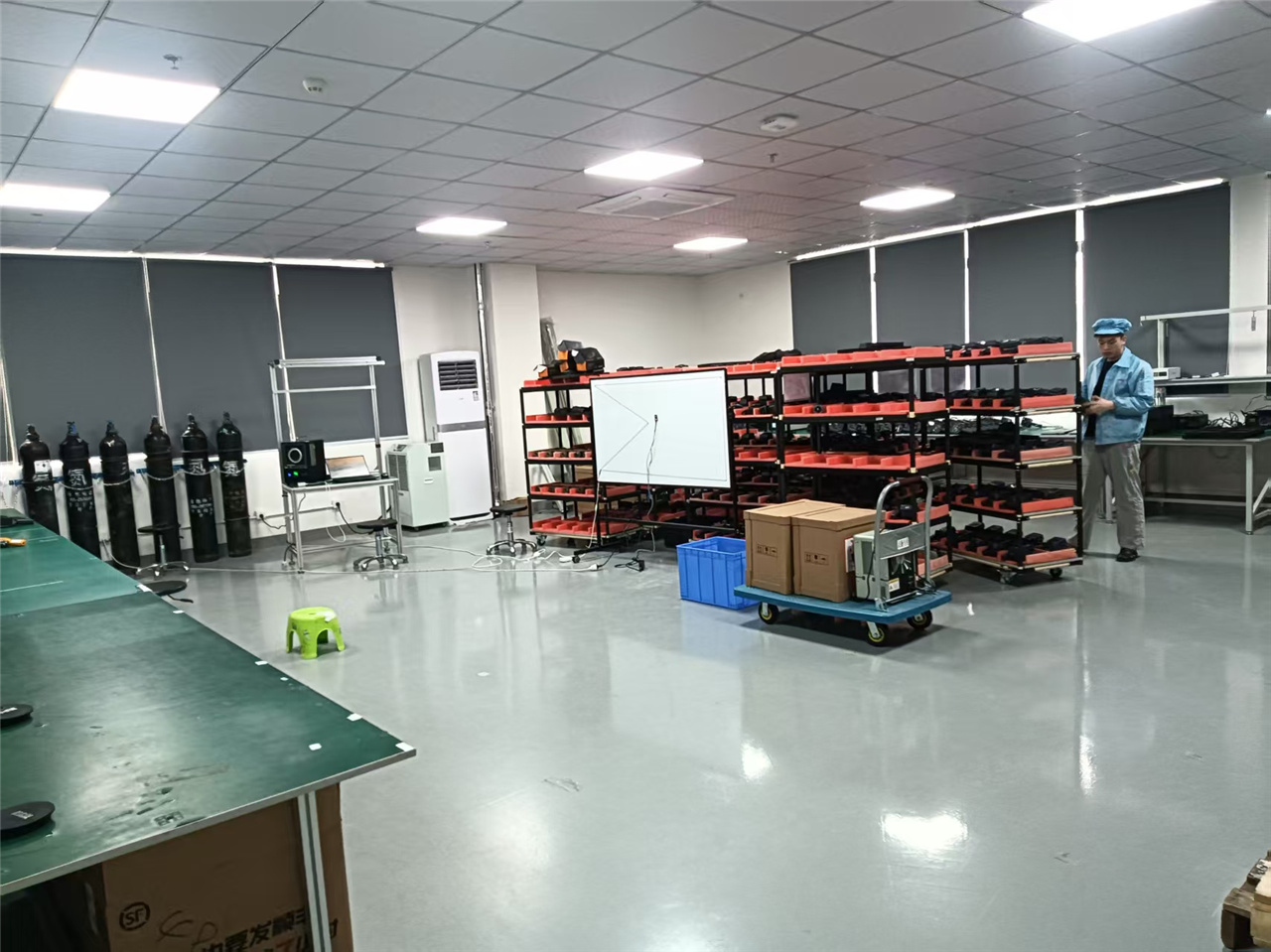
Shenzhen represents the epicenter of the global electronics ecosystem. Dianyang’s localized supply chain encompasses optic element fabrication (Germanium, Chalcogenide, Silicon lenses), precision SMT placement, ASIC/FPGA image processing boards, and custom CNC enclosure milling within a tight geographic radius. This minimizes turn-around time for custom prototype spins from months down to weeks.
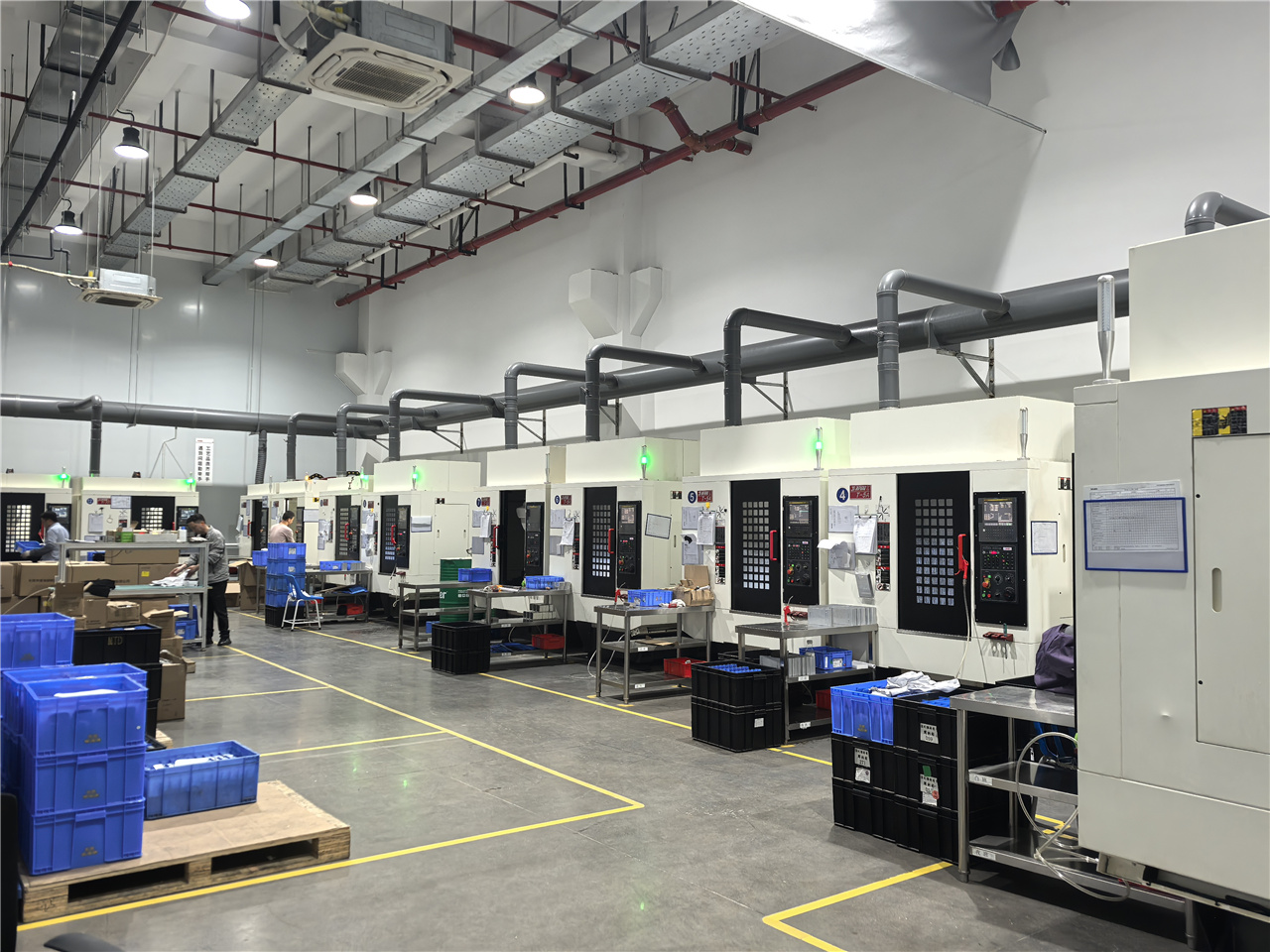
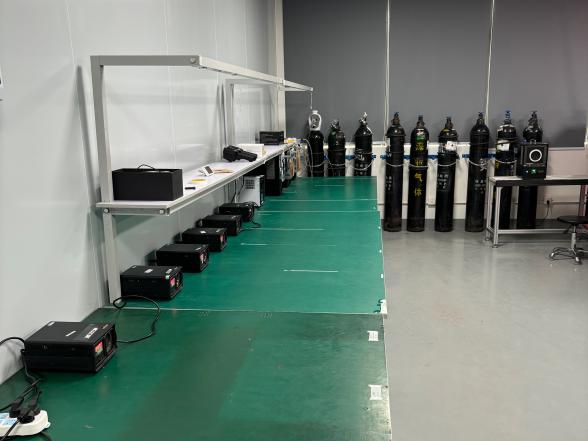
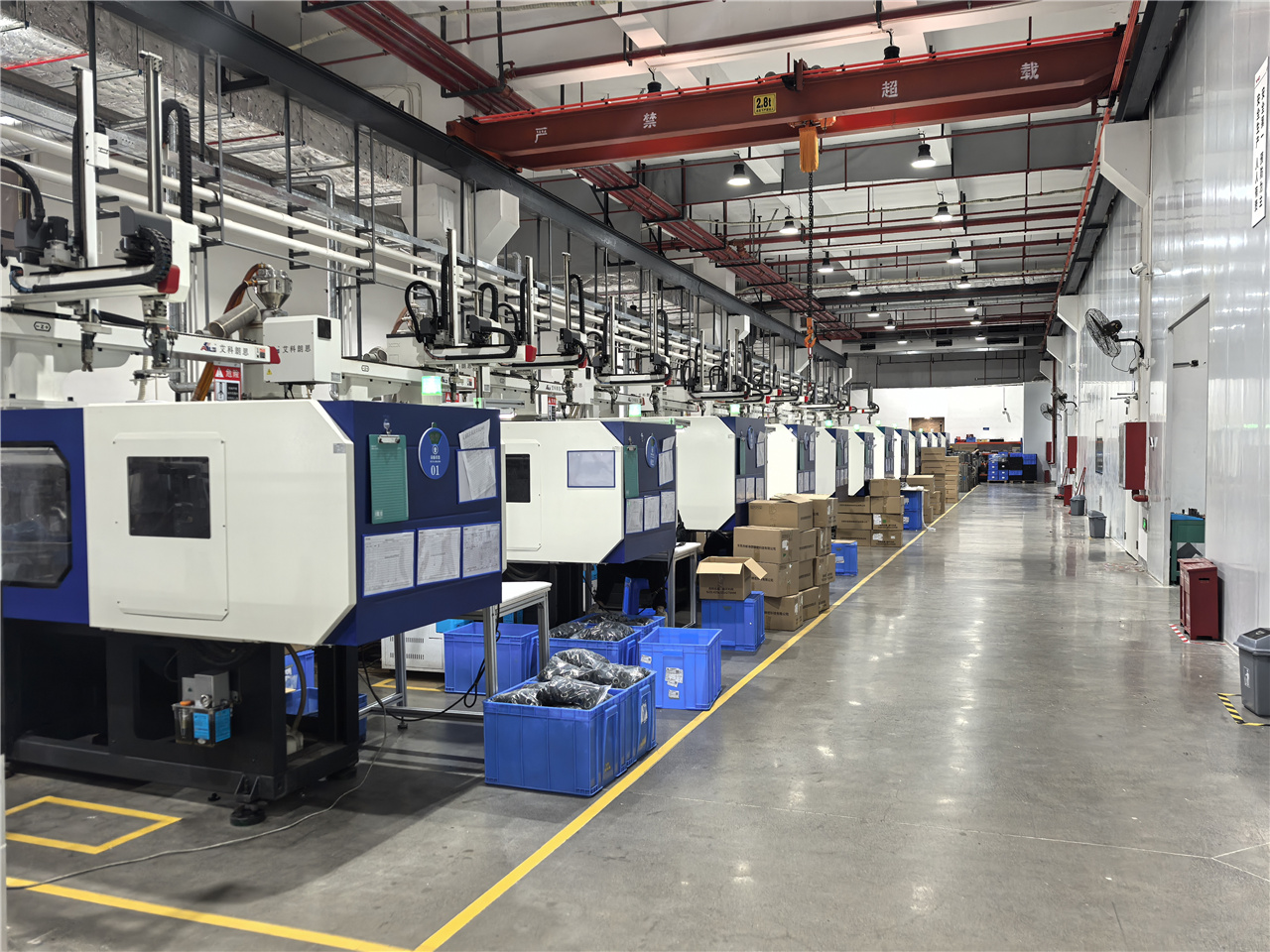
Thermal module production demands specialized optical calibration. Through parent company VHD’s capital strength, Dianyang deploys multi-cavity automated blackbody calibration tunnels, robotic focus alignment workstations, and automated environmental stress screening (ESS) chambers. This ensures high batch-to-batch repeatability and eliminates manual assembly variance.
By leveraging high-volume wafer-level packaging (WLP) thermal sensors combined with DFM (Design for Manufacturing) methodologies, Dianyang reduces total system bill-of-materials (BOM) cost without compromising thermal sensitivity or optical clarity. This enables international brand partners to capture market share with disruptive commercial pricing.
Deploying advanced thermal sensing across critical global industries, infrastructure, and smart handheld tools.
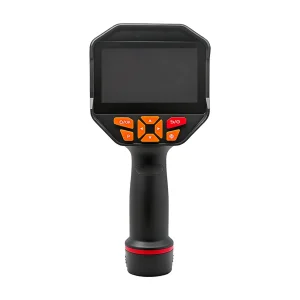
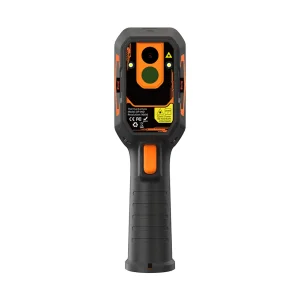
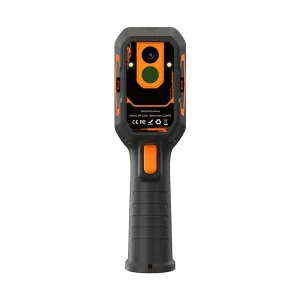
Early identification of high-resistance contact points, transformer overload conditions, and switchgear phase imbalances. Modules integrated into handheld tools (like DP-38D or DP-64D) provide fast thermal scanning in high-voltage environments up to 1200°C.
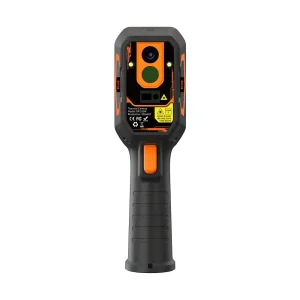
Detection of insulation gaps, air leakage, HVAC ductwork thermal loss, and subterranean moisture intrusion. Dual-light thermal cameras combine visible detail with LWIR overlays to map structural anomalies with millimeter precision.
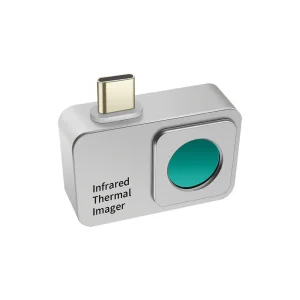
Ultra-compact mobile dongles (such as the H2F6B and H1FB series) transform commercial iOS and Android smartphones into diagnostic-grade thermal cameras. Featuring low power consumption (<350mW) via Type-C interface for fieldwork on the go.
Embedded thermal camera cores integrated directly into robotic arms, conveyor systems, and continuous manufacturing lines to perform real-time thermal QA/QC for plastic molding, welding inspection, and circuit board testing.
How Dianyang Partner Enterprises Streamline Hardware, Software, and Compliance Workflows
Key Technological Vectors Shaping the Next Decade of Infrared Sensing
Integration of low-power NPU (Neural Processing Unit) accelerators directly onto module controller boards, allowing real-time object classification, optical gas imaging (OGI), and automated thermal anomaly trigger alerts without host cloud dependency.
Blending high-definition visual imagery (RGB) with long-wave infrared data via micro-pixel level alignment algorithms, empowering operators to observe edge contour details overlaid atop temperature heatmaps.
Transition from conventional metal-canned microbolometers to wafer-level vacuum packaging, reducing detector size by over 50% while lowering production overhead for high-volume consumer mobile integration.
Advanced sensor dynamic tuning expanding baseline ranges to dynamically span from cryogenic sub-zero monitoring (-40°C) to extreme industrial metallurgical processes exceeding +1500°C in a single module footprint.
Technical and Commercial Answers to Common Thermal Engine Integration Queries
Explore additional specialized thermal vision solutions and OEM module variants.
 Dianyang