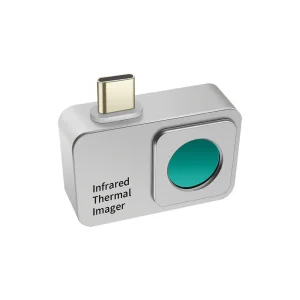
Direct factory supply of high-resolution handheld, smartphone-compatible, and OEM thermal camera modules engineered for quantitative leak detection and predictive maintenance.
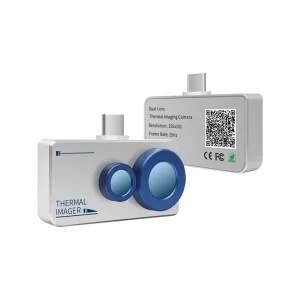
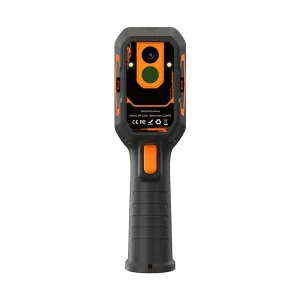
In an era defined by stringent energy efficiency mandates, decarbonization goals, and zero-tolerance policies for industrial downtime, non-destructive testing (NDT) has transitioned from a periodic maintenance task to a continuous operational imperative. Microbolometer-based thermography sits at the center of this transformation. According to global industrial market analyses, the demand for infrared leak detection systems across processing plants, civil engineering projects, municipal utility grids, and commercial building envelopes is expanding at an unprecedented rate.
Traditional fluid and gas leak detection methods—such as pressure decay testing, soap bubble testing, acoustic sniffing, and dye tracing—frequently require system shutdowns, destructive access to structural components, or labor-intensive manual inspection. Thermal imaging leak detection bypasses these limitations by converting radiant thermal dynamics into real-time visual telemetry. By detecting minuscule temperature differentials (Delta-T as fine as <40mK) caused by evaporative cooling, friction, pressure drops, or conductive moisture bridge anomalies, thermographers can pinpoint structural envelope breaches, subterranean pipe leaks, compressed gas escapes, and HVAC fluid losses non-invasively and under live operating conditions.
Shenzhen Dianyang Technology Co., Ltd. is a specialized subsidiary of VHD (Shenzhen VHD Technology Co., Ltd.), a publicly listed enterprise on the Shenzhen Stock Exchange. This strategic corporate affiliation grants Dianyang direct access to VHD’s advanced R&D platforms, high-precision surface-mount manufacturing infrastructure, and world-class quality assurance frameworks. Consequently, we deliver infrared thermal imaging cameras, modules, and diagnostic software exhibiting a degree of thermal calibration accuracy and structural reliability that far surpasses standard market original design manufacturers (ODMs).
We specialize in broad-spectrum OEM/ODM services for advanced thermal imaging solutions. Our comprehensive portfolio encompasses professional handheld radiometric thermal imagers, ultra-compact mobile-phone connected thermal cameras, benchtop PCB thermal analyzers, and precision thermal optical telescopes. Our hardware and software ecosystems serve a global client base in power distribution inspection, civil building envelope diagnostics, firefighting situational awareness, industrial predictive maintenance, and outdoor security operations.
To support global compliance and seamless market entry, our dedicated R&D engineering team applies rigorous Design for Manufacturing (DFM), Design for Testability (DFT), advanced thermal simulation models, and electromagnetic compatibility (EMC) pre-compliance testing. This systematic development process optimizes hardware heat dissipation, eliminates sensor noise floor artifacts, and guarantees product durability in rugged outdoor environments.
We fully assist international wholesale partners, brand owners, and system integrators in procuring necessary regulatory compliance documentation. Our products carry global certifications including CE, FCC, RoHS, REACH, CB, UKCA, KC, and PSE.
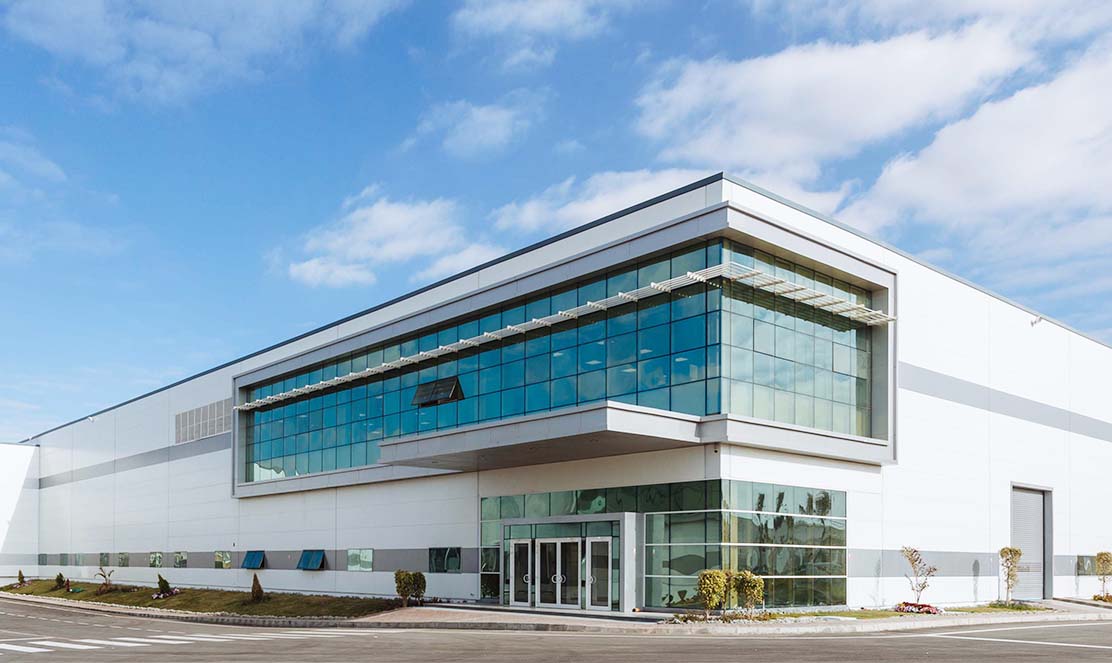
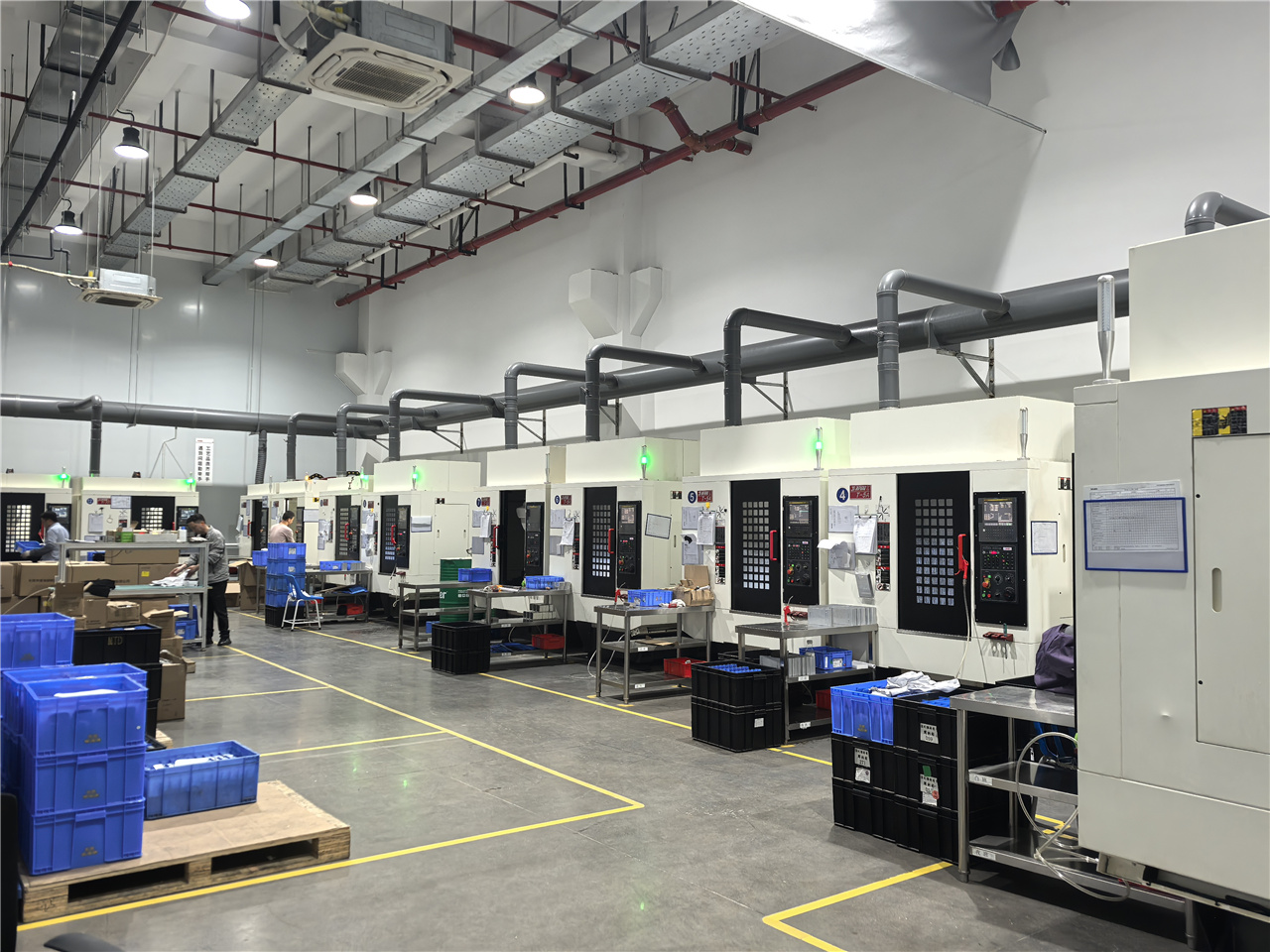
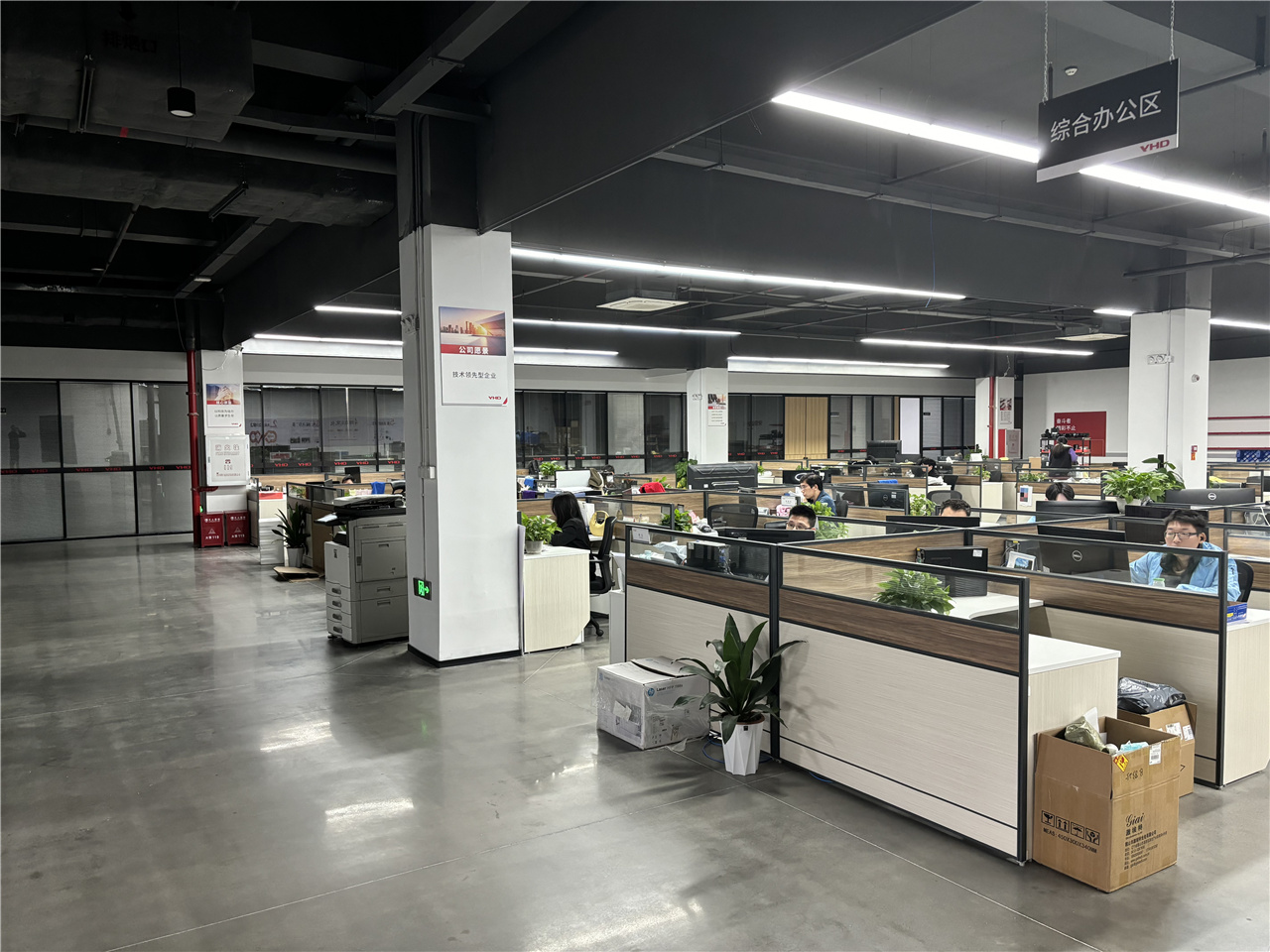
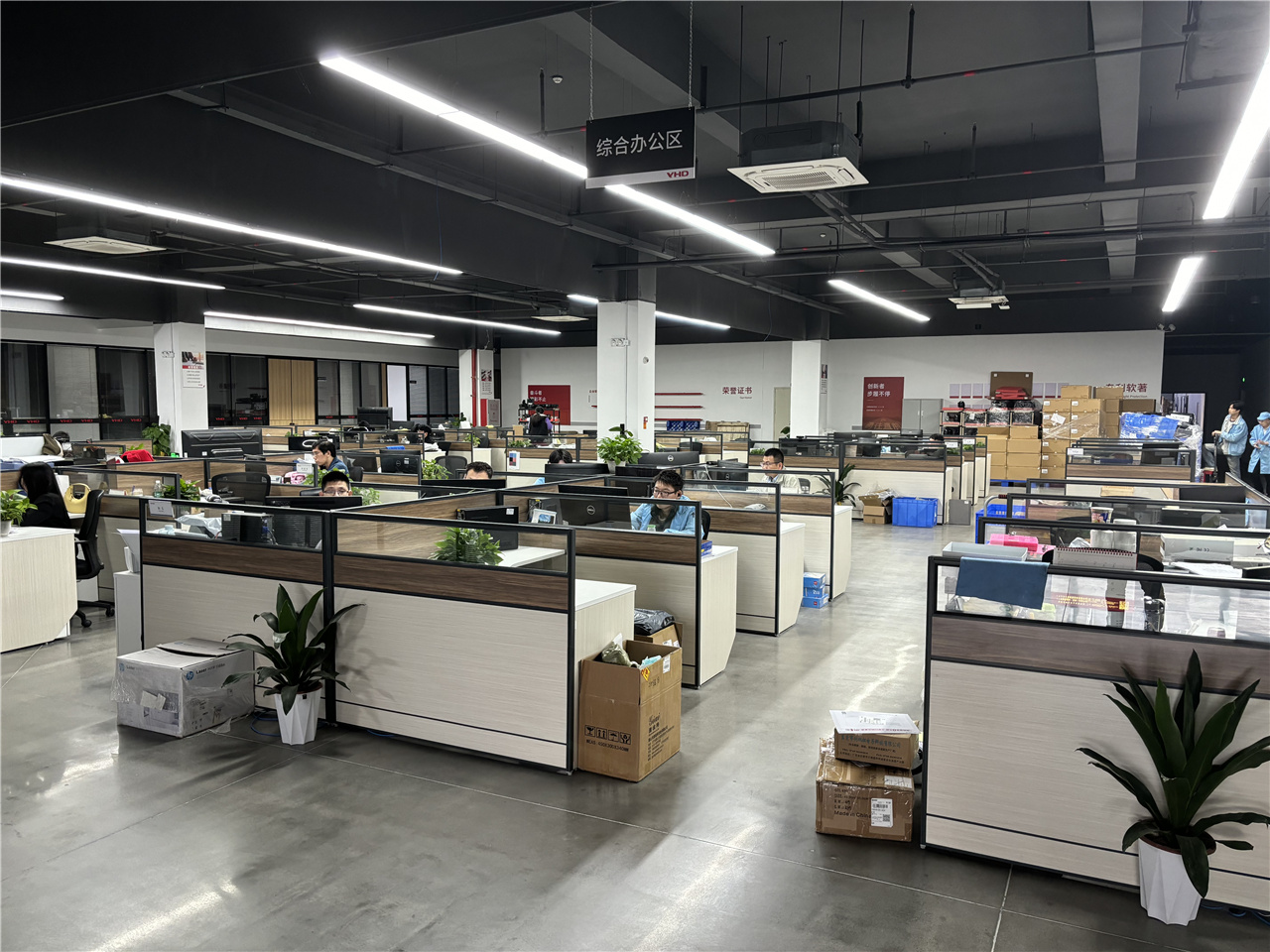
Direct visual verification of our cleanroom optical assembly, SMT lines, automated blackbody calibration stations, and global export packaging standards.
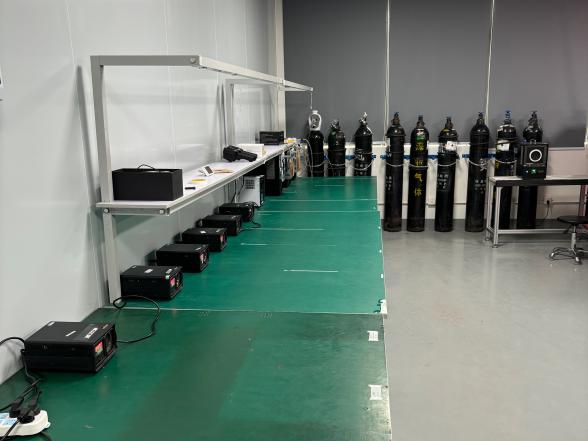
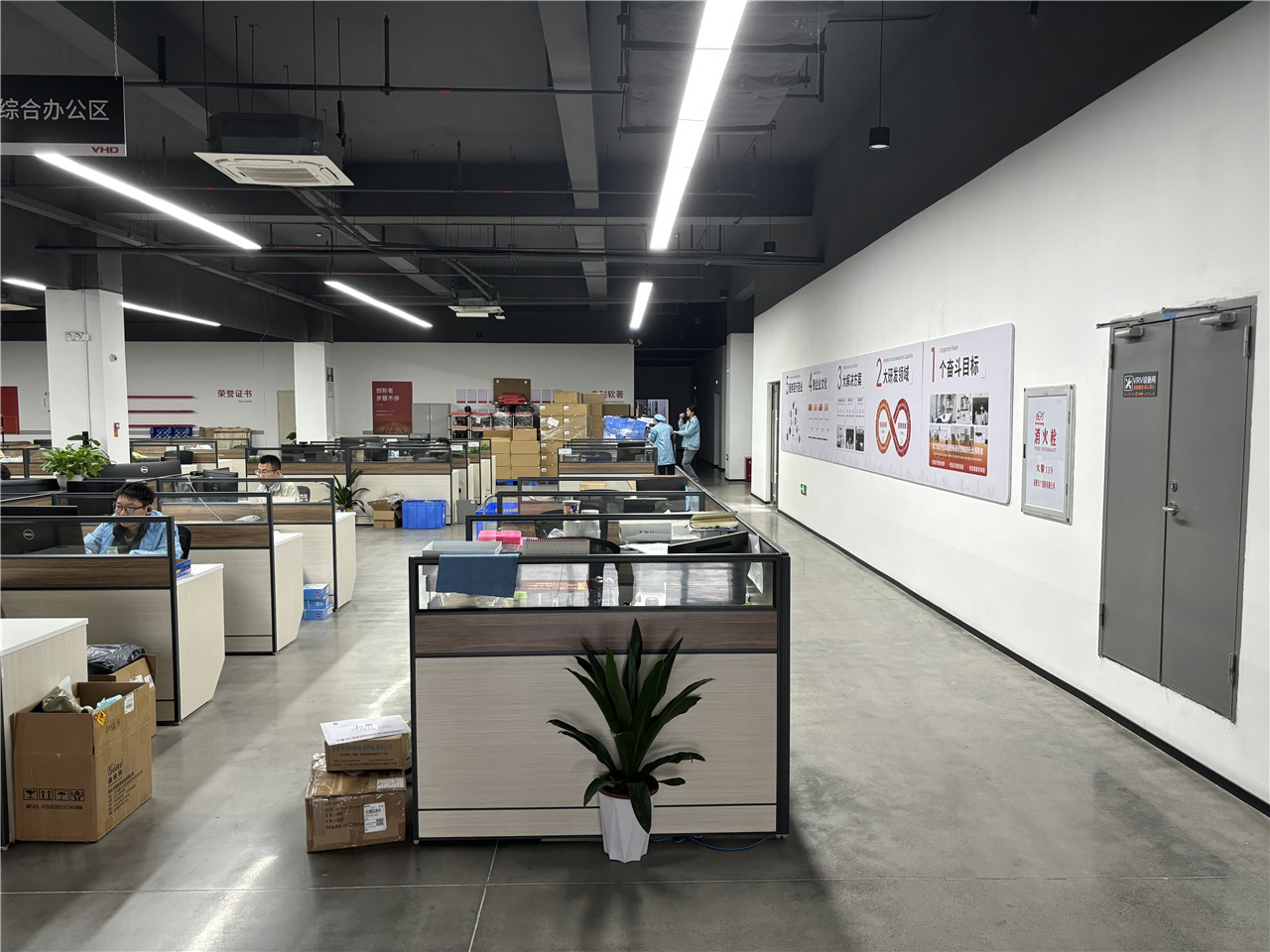
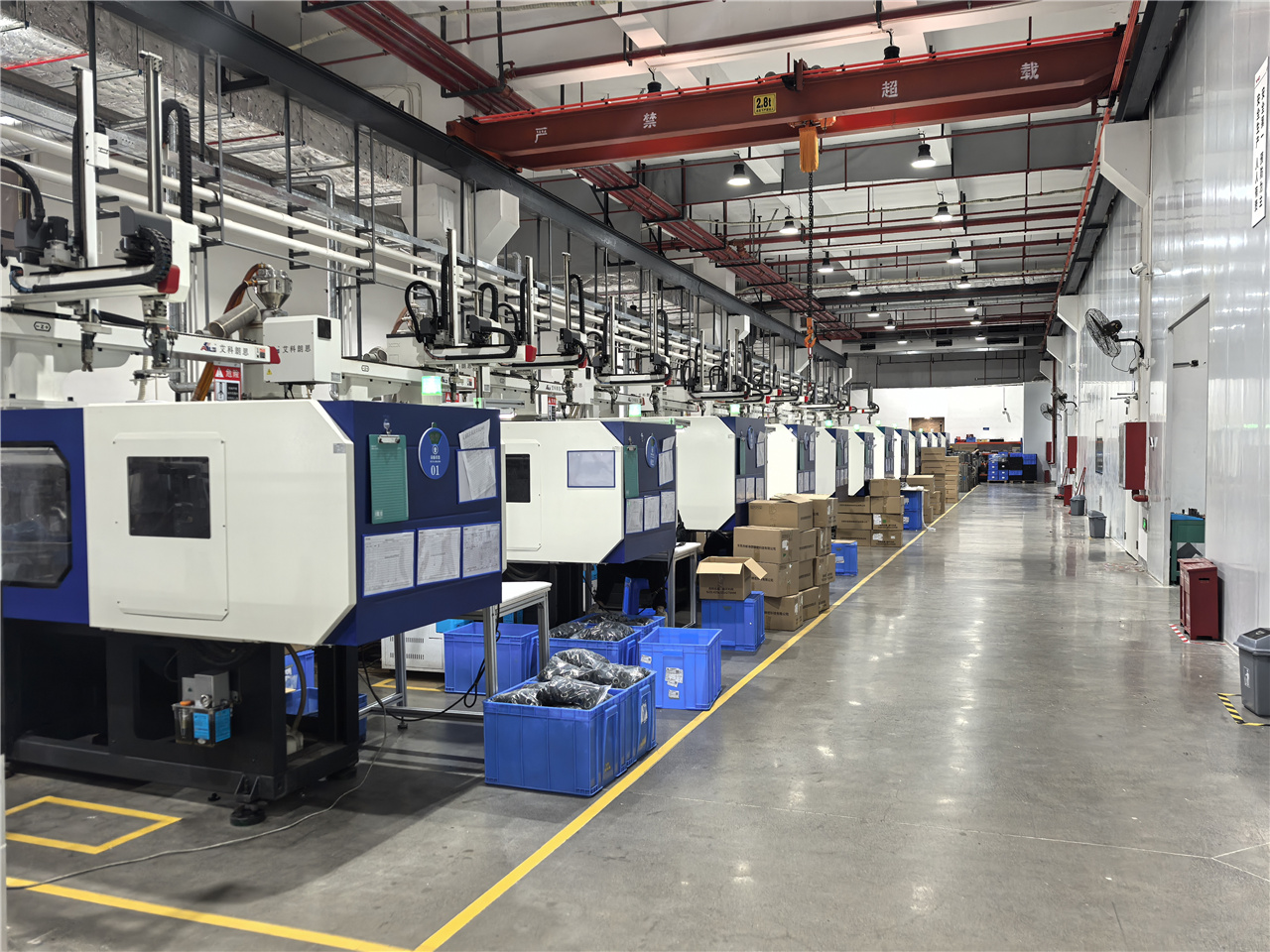
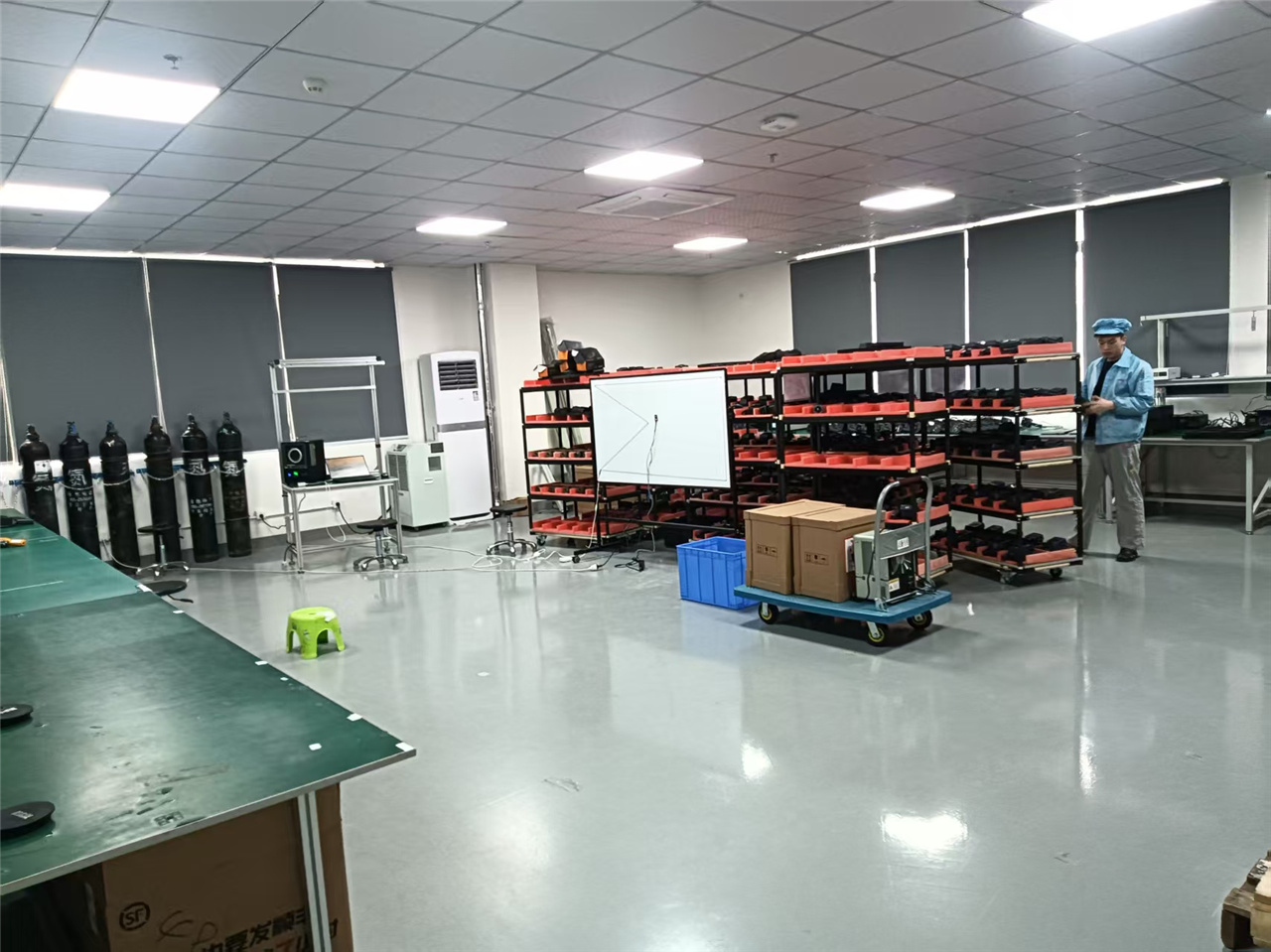
To understand why thermography has revolutionized non-destructive leak detection, one must examine the underlying thermodynamics governed by the Stefan-Boltzmann Law ($E = \epsilon \sigma T^4$), where total hemispherical emissive power ($E$) is proportional to the fourth power of absolute temperature ($T$). Infrared cameras capture long-wave thermal radiation (typically in the 8µm to 14µm spectral band) emitted by objects, translating surface temperature variations into quantitative radiometric maps.
When water or moisture leaks through building membranes or insulation panels, it undergoes phase change and evaporative cooling. Water exhibits a high thermal capacity ($4.184 \text{ J/g}^\circ\text{C}$) compared to standard building materials. Under dynamic environmental conditions, moist zones retain thermal energy longer during heating cycles and cool faster via evaporation, manifesting as distinct cold thermal anomalies on a radiometric palette.
In compressed air, steam, or gas pipeline breaches, high-pressure fluid escapes through micro-orifices into atmospheric pressure. Under the Joule-Thomson effect, real gas expansion causes rapid localized temperature drops around the orifice, creating a sharp cold-spot signature recognizable even in complex industrial backgrounds.
Refractory lining degraded sections, steam trap failures, or fluid flow blockages induce localized heat conduction gradients. Degraded insulation allows thermal energy to bridge directly to outer metal casings, generating pronounced hot spots that signal structural degradation long before catastrophic system failure occurs.
Selecting the optimal infrared architecture depends heavily on spatial resolution requirements, portability constraints, and temperature measurement ranges. Below is an engineering overview of our core exporter line:
| Model Category | IR Pixel Resolution | Thermal Sensitivity (NETD) | Temperature Measurement Range | Primary Industrial Application Field |
|---|---|---|---|---|
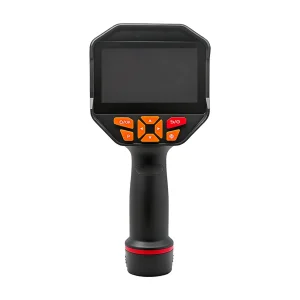
| DP-64D Series (Handheld Professional) | 640 × 512 Uncooled VOx | < 40 mK | -20°C to +550°C | Subterranean pipe leaks, high-voltage electrical grid diagnostics, deep envelope audits |
| DP-38D Series (Handheld Mid-Range) | 384 × 288 VOx Focal Plane | < 45 mK | -20°C to +550°C | HVAC/R balancing, roof insulation scanning, industrial equipment preventative maintenance |
| DP-25D Series (Handheld Maintenance) | 256 × 192 Microbolometer | < 50 mK | -20°C to +550°C | Plumbing leak detection, automotive cooling line checks, indoor electrical panels |
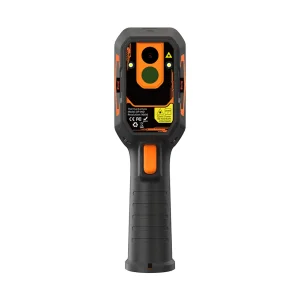
| DP-12D / DP-12DV (Dual-Light Handheld) | 120 × 90 IR + Visible Fusion | < 60 mK | -20°C to +400°C | Residential plumbing inspections, basic energy loss auditing, facility inspections |
| DP-09D Series (Entry Level) | 96 × 96 Compact Core | < 60 mK | -20°C to +550°C | Spot thermal troubleshooting, fast floor heating pipe tracing, DIY building checks |
| H2F6B / H2FB / H1FB (Mobile Phone Plug-in) | 160×120 up to 256×192 | < 50 mK | -20°C to +550°C | Field technician mobile diagnostics, real-time image sharing via smartphone apps |
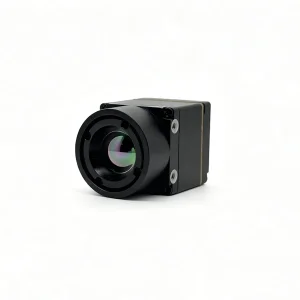
| MD-64CA (OEM Integration Module) | 640 × 512 Board-Level Core | < 35 mK | Custom Configurable | UAV aerial thermal scanning, fixed automated industrial process monitoring, robotics |
Our thermal imaging systems are deployed across diverse global sectors where non-invasive, rapid leak detection translates directly to operational cost savings and environmental safety.
Underground plumbing leaks behind drywall or beneath concrete slabs are notoriously expensive to locate. Using high-resolution models like the DP-64D or DP-25D, technicians scan surfaces to observe distinct thermal conductive plumes created by escaping hot or cold fluid. Floor heating loops can be traced precisely within minutes, isolating micro-fractures without damaging floor tiles.
Air infiltration around window frames, curtain walls, and roof insulation degradation leads to massive heating/cooling energy losses. Thermography captures moisture trapped under membrane roofs after sunset: damp insulation retains daytime solar heat far longer than dry areas, revealing wet insulation boundaries for targeted repairs rather than full roof replacement.
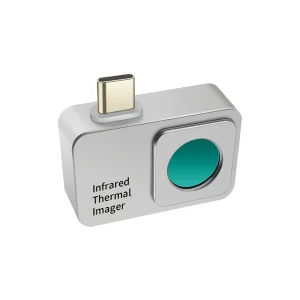
In chemical processing plants and cold-storage logistics centers, minor refrigerant or compressed gas leaks jeopardize safety and increase operational costs. Compact mobile thermal plug-ins like the H2F6B allow facility engineers to plug directly into Android smartphones for instant, portable inspection of valves, flange gaskets, and compressor seal leaks.
Beyond fluid leaks, electrical system faults manifest as "current leaks" and high resistance points. Overheated breaker terminals, bad transformer bushings, and malfunctioning solar cells (hot spots) radiate thermal anomalies that are captured immediately using our dual-light thermal fusion technology (DP-12DV).
As a forward-looking OEM manufacturer backed by VHD’s R&D platforms, Dianyang Technology is continuously pushing the boundaries of uncooled thermal imaging technology. Our engineering roadmap focuses on four key pillars:
Integrating edge AI neural networks directly onto microbolometer DSP boards. Future DP-series cameras will automatically classify thermal leakage anomalies (e.g., distinguishing between a moisture patch, air draft, or electrical overload) without human intervention.
Combining long-wave infrared (LWIR) thermography with ultrasonic acoustic imaging and optical visible video. Tri-spectral fusion will allow technicians to see sound pressure waves from gas leaks overlaid on thermal radiation maps.
Shrinking focal plane array pixel pitch enables higher thermal spatial resolution in smaller optic enclosures, drastically lowering manufacturing costs while enhancing image clarity for compact mobile thermal imagers.
Direct cellular and Wi-Fi streaming of radiometric video streams to cloud-based diagnostic dashboards, allowing centralized engineering teams to monitor multi-site factory environments in real time.
Why do global distributors, private label brands, and industrial equipment importers partner with Dianyang Technology as their preferred thermal imaging exporter?
By leveraging our parent company VHD’s massive SMT manufacturing volume and component sourcing networks, we eliminate middleman markups. We provide high-end thermography products at true factory discount pricing structures.
From custom housing color schemes, rubber-armored ergonomic molds, and laser-etched branding to specialized Android/iOS software SDK customization, we tailor hardware and software to your market strategy.
Every thermal camera undergoes 100% automated blackbody temperature calibration, vibration endurance testing, drop resistance validation, and full export compliance certification (CE, FCC, RoHS, UKCA, etc.).
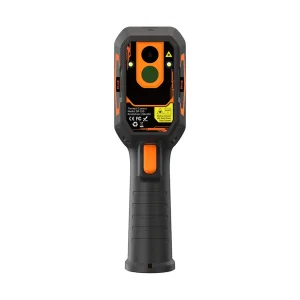
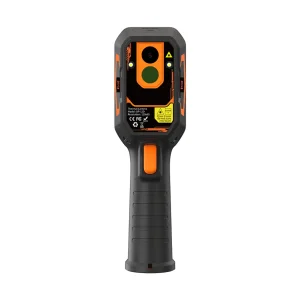
Select from our full export array of industrial handheld units and compact smartphone adapters.
 Dianyang