Explore high-performance uncooled thermal imagers engineered for vehicle thermography, EV battery diagnostics, and mobile maintenance applications.
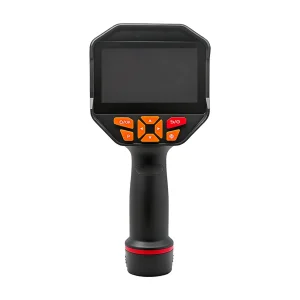
An authoritative analysis of Long-Wave Infrared (LWIR) sensing, vehicle safety paradigms, electric vehicle thermal management, and price-performance optimization.
The global automotive industry is undergoing a dual revolution: the shift toward total electrification (EVs/BEVs) and the aggressive deployment of Autonomous Driving Systems (ADAS Level 2+ to Level 4/5). Within this technological migration, visual cameras and LiDAR sensors encounter distinct physics-based limitations. Visible light optics fail under adverse environmental conditions—such as blinding headlights, dense smoke, atmospheric fog, rain, and complete darkness—while LiDAR exhibits high structural cost and degraded performance during heavy precipitation or airborne dust events.
To establish true multi-spectral sensor redundancy, Automotive Infrared Thermal Cameras (LWIR: 8–14 µm) have emerged as a critical non-contact detection modality. Uncooled Vanadium Oxide (VOx) and Silicon Microbolometer technology allow passive heat detection independent of ambient illumination. By capturing heat radiation emitted by objects, thermal cameras easily detect pedestrians, wildlife, cyclists, and structural hazards up to 300 meters away under complete thermal contrast, bypassing visible lighting requirements.
Concurrently, the internal thermal complexity of modern Electric Vehicles requires high-precision diagnostic and ongoing thermal monitoring tools. From battery module thermal runaway detection to power inverter switching heat analysis and brake line friction evaluations, automotive engineers, fleet managers, and tier-1 service networks require standardized, factory-priced infrared hardware backed by robust OEM/ODM engineering support.
Long-Wave Infrared sensors integrated into Automatic Emergency Braking (AEB) systems cut night-time pedestrian collisions significantly by detecting signature physiological heat profiles faster than visible cameras.
Handheld and integrated thermal imaging units allow precise monitoring of lithium-ion cells, busbars, and battery management systems (BMS) during high-amperage charging and dynamic load testing.
High-resolution thermal analyzers evaluate automotive Electronic Control Units (ECUs), surface-mount devices (SMDs), and harness connectors during stress testing to prevent field failures.
Dissecting the physics of thermal resolution, frame rates, optical focal lengths, and automotive-grade reliability standards.
Shenzhen Dianyang Technology Co., Ltd. builds its thermal imaging platforms on state-of-the-art uncooled focal plane microbolometer arrays (FPA). Utilizing Vanadium Oxide (VOx) detector technology, our system architectures deliver exceptional thermal sensitivity, low noise equivalent temperature difference (NETD), and compact physical dimensions appropriate for both automotive chassis installation and handheld vehicle maintenance tools.
| Core Technical Parameter | Diagnostic & Handheld Series | Automotive OEM / ADAS Grade | Benchtop Thermal Analyzers (e.g. CA-30D) |
|---|---|---|---|
| Detector Type | Uncooled VOx Microbolometer | Automotive-grade VOx FPA | High-Precision VOx Matrix |
| Resolution Options | 120x90 / 160x120 / 256x192 | 256x192 / 384x288 / 640x512 | 256x192 / 640x512 High-Def |
| Spectral Range | 8 µm to 14 µm (LWIR) | 8 µm to 14 µm (LWIR) | 8 µm to 14 µm (LWIR) |
| NETD (Thermal Sensitivity) | < 50 mK @ 25°C | < 40 mK (Customizable <30mK) | < 40 mK Macro-focused |
| Frame Rate | 9 Hz to 25 Hz | 30 Hz / 50 Hz / 60 Hz Real-Time | 25 Hz / 30 Hz continuous video |
| Temperature Range | -20°C to +550°C | -40°C to +150°C (Extended to 800°C) | -20°C to +550°C / +1200°C |
| Interface / Bus System | USB-C / Mobile App / Handheld LCD | CAN-Bus / Ethernet / GMSL2 / FPD-Link III | USB 3.0 / PC Suite Analysis |
| Ingress & Robustness | IP54 drop tested (2 meters) | IP67 / IP69K sealed housing | Benchtop ESD Anti-Static Base |
From workshop troubleshooting to autonomous vehicle perception, thermal imaging solves complex thermal and optical challenges.
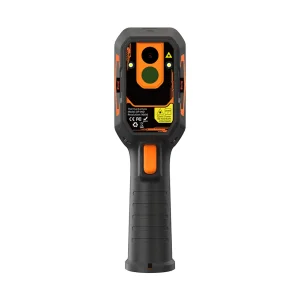
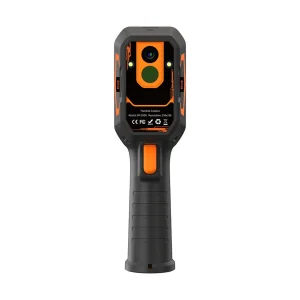
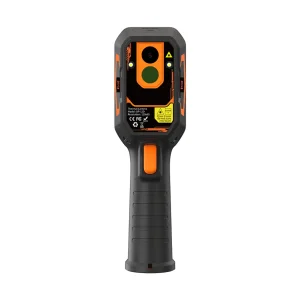
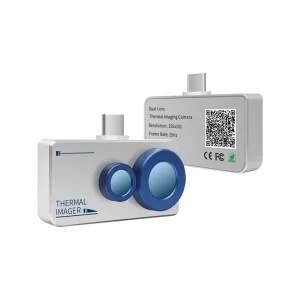
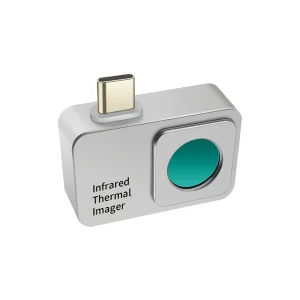
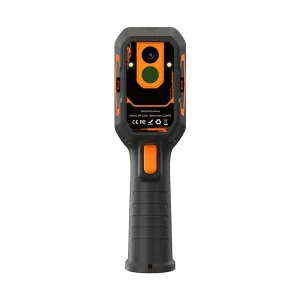
During rapid DC fast-charging (350kW+), individual lithium battery cell imbalances or faulty welding points on copper busbars exhibit distinct thermal localized anomalies. Handheld devices like the DP-64D (640x512) or plug-and-play mobile cameras (H2F6B) enable technicians to immediately visualize hot spots, poor insulation, or cooling channel blockages before micro-shorts result in thermal runaway.
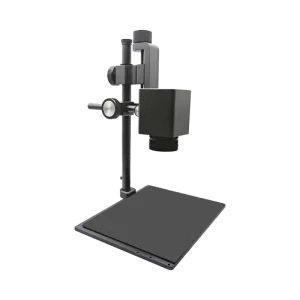
Modern vehicles contain over 100 ECUs. Using benchtop thermal analyzers like the CA-30D Thermal Analyzer, hardware test engineers can run real-time transient thermal analysis on surface-mount MOSFETs, microcontrollers, and power conversion circuits, quickly locating power dissipation bottlenecks and thermal layout defects.
Thermal friction mapping of rotor disc surfaces, brake caliper fluid channels, and transmission gearboxes provides engineers with critical performance metrics during high-speed testing. Non-contact radiometric thermal evaluation prevents premature thermal warping, brake fade, and fluid vaporization.
Automotive thermal cameras embedded into front grilles or windshield modules detect thermal signatures regardless of low-beam limitations, bright high-beam glare from oncoming traffic, direct solar flare, dense fog, or dark countryside roads. This thermal data feeds directly into autonomous driving perception stack pipelines.
Key evolutionary vectors shaping the next decade of vehicle thermography and autonomous thermal perception.
As manufacturing processes move from 17µm and 12µm down to 8µm pixel pitch, microbolometers achieve smaller optical form factors, lower sensor mass, and lower production costs—making thermal imaging standard across mass-market consumer vehicles.
Next-generation automotive cameras combine high-resolution RGB sensors with LWIR micro-cores onto a single silicon ISP. Embedded Edge AI running Convolutional Neural Networks (CNNs) processes thermal and optical pixels simultaneously to achieve 99.99% obstacle detection reliability.
Extensive automotive exterior deployments require optical windows capable of automatically melting snow and ice while resisting high-pressure washdowns, debris impacts, and aggressive atmospheric chemical exposure.
Transparent wholesale pricelist categories, factory-direct ODM scale discounts, and enterprise technical support options.
Purchasing thermal imaging hardware for automotive manufacturing, aftermarket vehicle maintenance, or R&D testing requires balancing sensor performance against component unit costs. Shenzhen Dianyang Technology provides direct tier-based factory pricing, volume OEM/ODM engineering customization, and long-term warranty support.
| Category Tier | Representative Models | Target Automotive Application | Volume Pricelist Range (USD) | Included Factory Services |
|---|---|---|---|---|
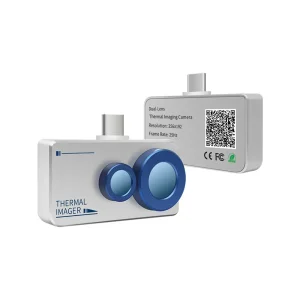
| Mobile Diagnostic Attachments | H1FB, H2F6B, H2FB Mobile Thermal Imagers | Rapid vehicle workshop triage, mobile technician inspections, HVAC check | $120 - $280 / unit (Discount available on bulk factory orders) | SDK for iOS/Android, Custom App Branding, 1-Year Factory Warranty |
| Handheld Professional Imagers | DP-09D, DP-12D, DP-12DV, DP-25D, DP-25DV | Garage thermography, EV battery pack auditing, mechanical inspection | $190 - $550 / unit (Tiered OEM discounts) | Calibration certification, hard shell case, PC reporting suite, DFM support |
| High-Res Diagnostic Systems | DP-38D, DP-64D Handheld (640x512) | Engine thermal dynamics, high-voltage electrical diagnostics, motor testing | $750 - $1,850 / unit | Dual-spectrum fusion, laser marker, high-temp range options, direct tech line |
| R&D Benchtop Thermal Analyzers | CA-30D Professional Thermal Analyzer | Automotive PCB design, ECU thermal mapping, chip-level stress analysis | Factory Direct Quote (Inquire for OEM project volume) | High-precision macro lens, thermal curve software suite, 2-Year Enterprise Warranty |
Shenzhen Dianyang Technology Co., Ltd. is a subsidiary of VHD (Shenzhen VHD Technology Co., Ltd.), a publicly listed company on the Shenzhen Stock Exchange. This strategic affiliation gives Dianyang unique access to VHD’s advanced R&D platforms, high-precision manufacturing systems, and rigorous quality management practices—enabling us to deliver thermal imaging products of higher reliability and consistency than typical ODMs.
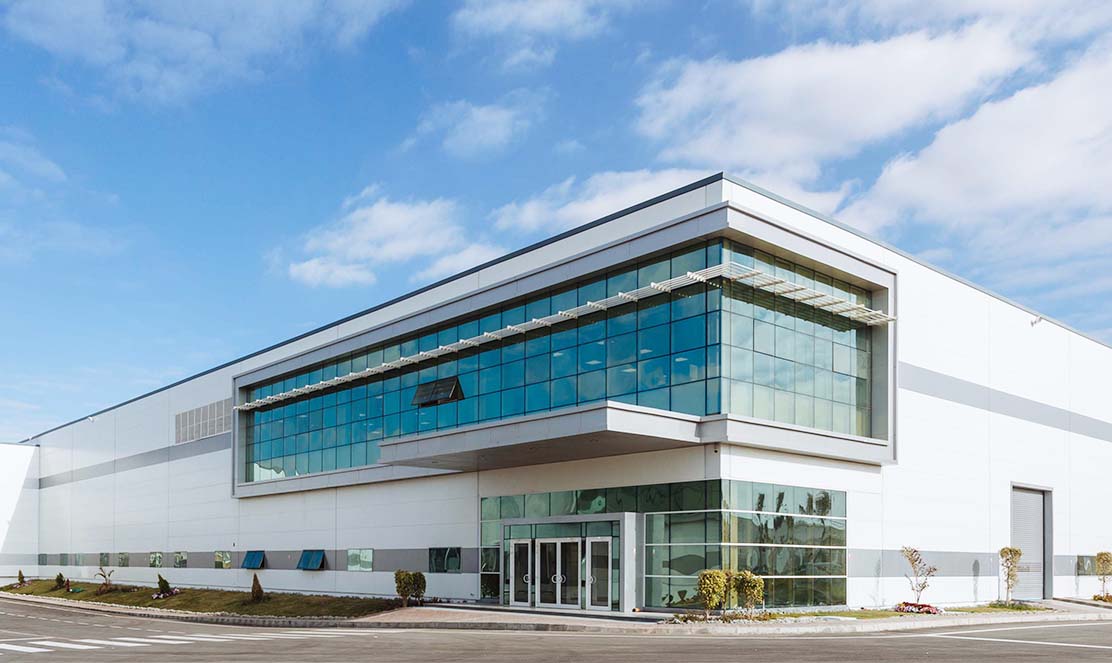
We specialize in ODM/OEM services for infrared thermal imaging solutions, including handheld thermal imagers, smartphone-connected thermal cameras, thermal analyzers, and thermal imaging telescopes. Our products serve global customers in power inspection, building diagnostics, firefighting, industrial maintenance, and automotive applications.
Our dedicated engineering team applies Design for Manufacturing (DFM), Design for Testability (DFT), thermal simulation, and EMC pre-compliance analysis to optimize performance and accelerate development. We also support clients in obtaining key international certifications such as CE, FCC, RoHS, REACH, CB, UKCA, KC, and PSE.
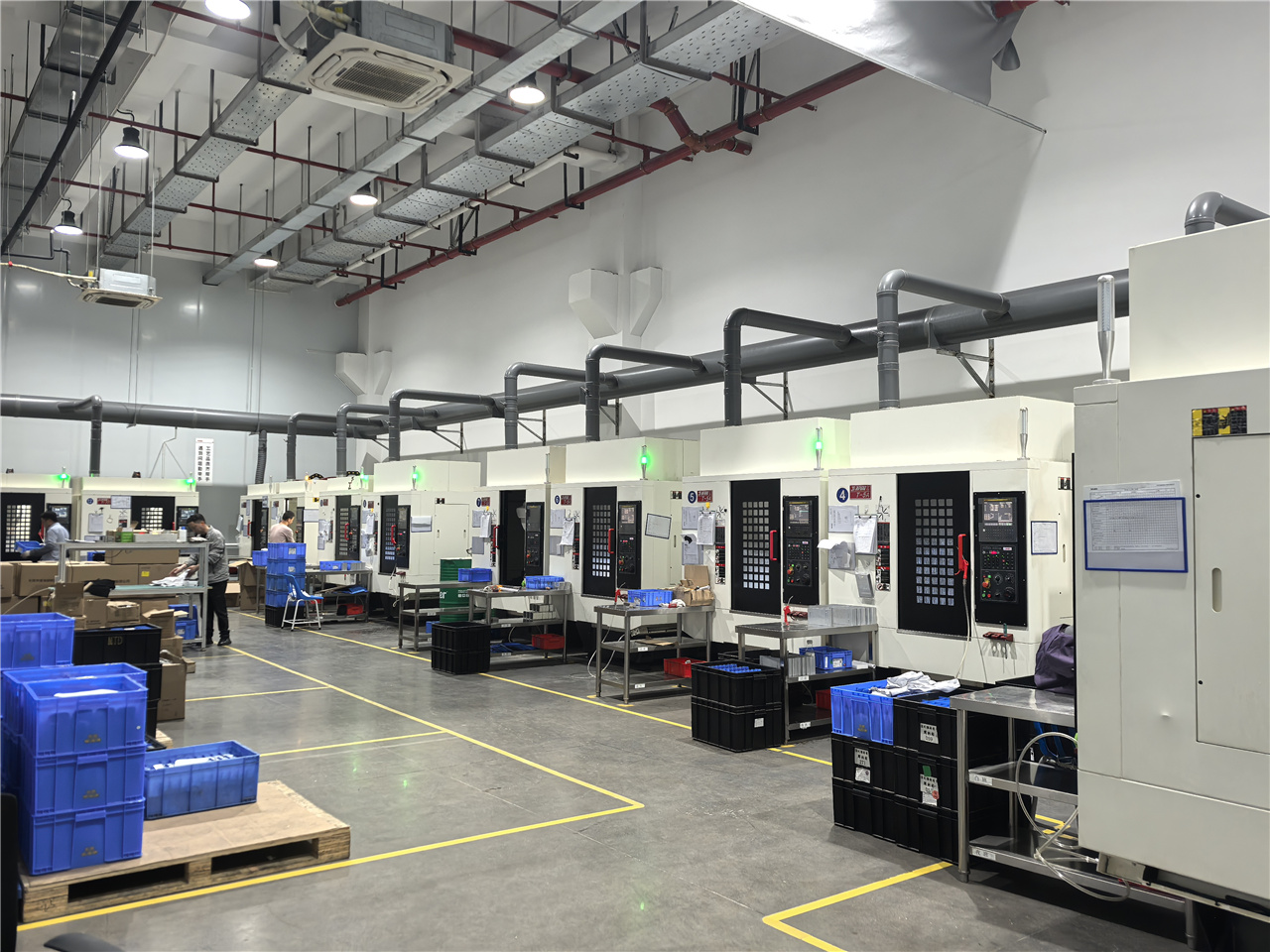
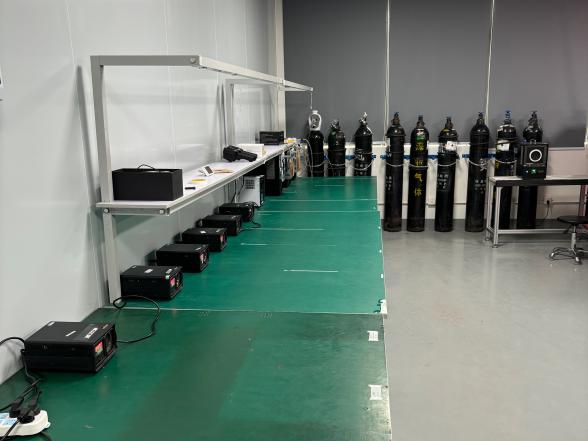
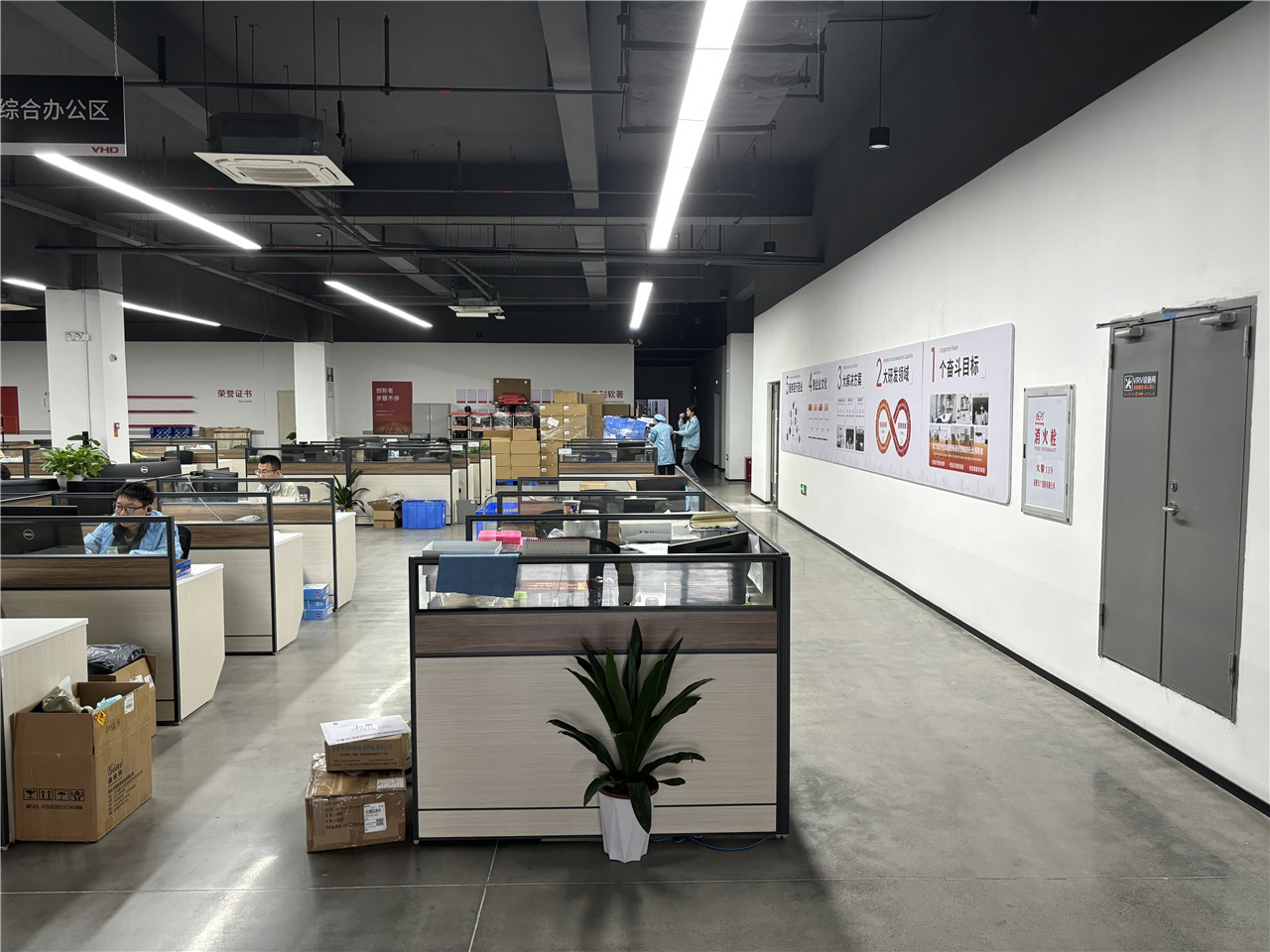
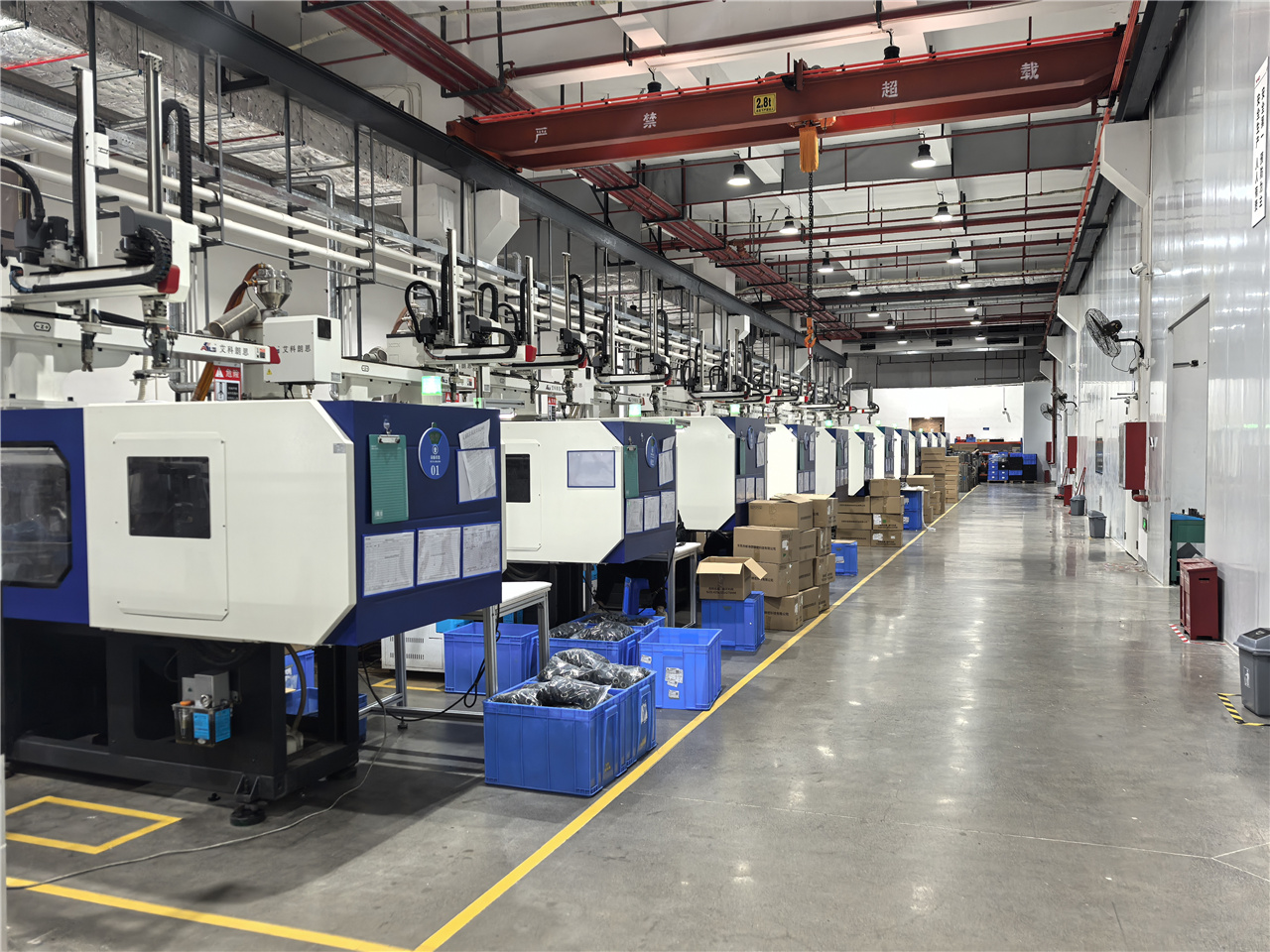
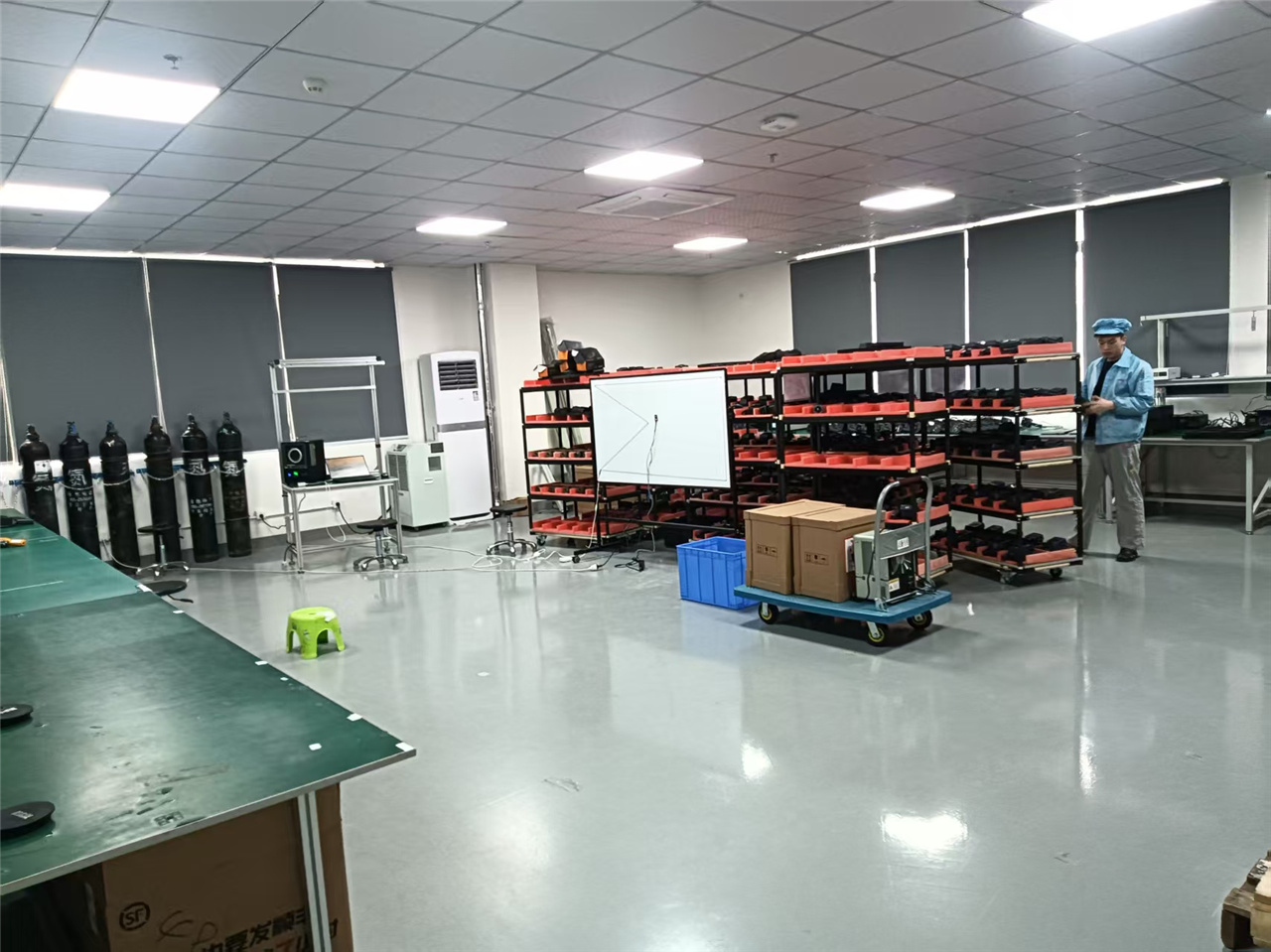
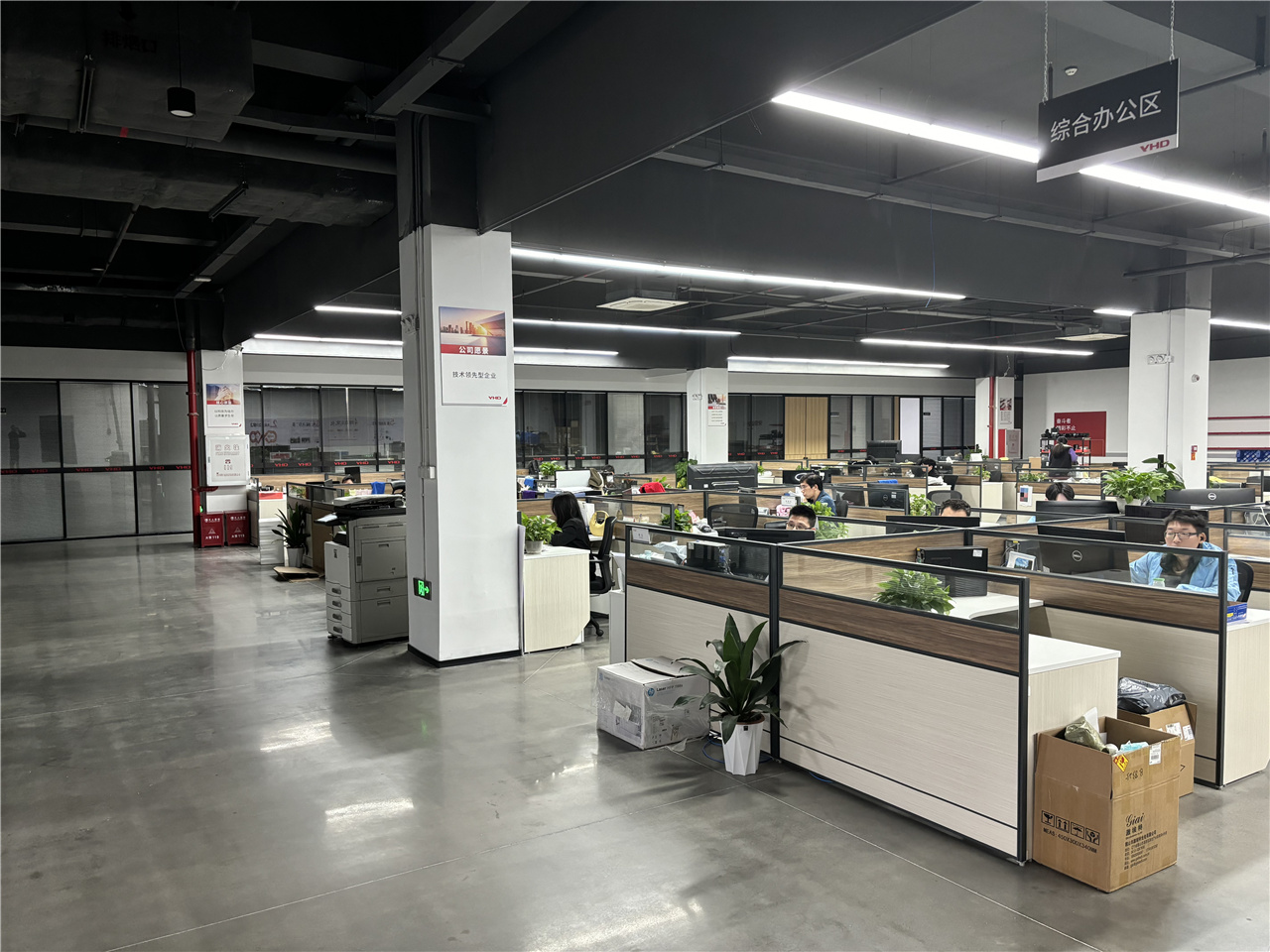
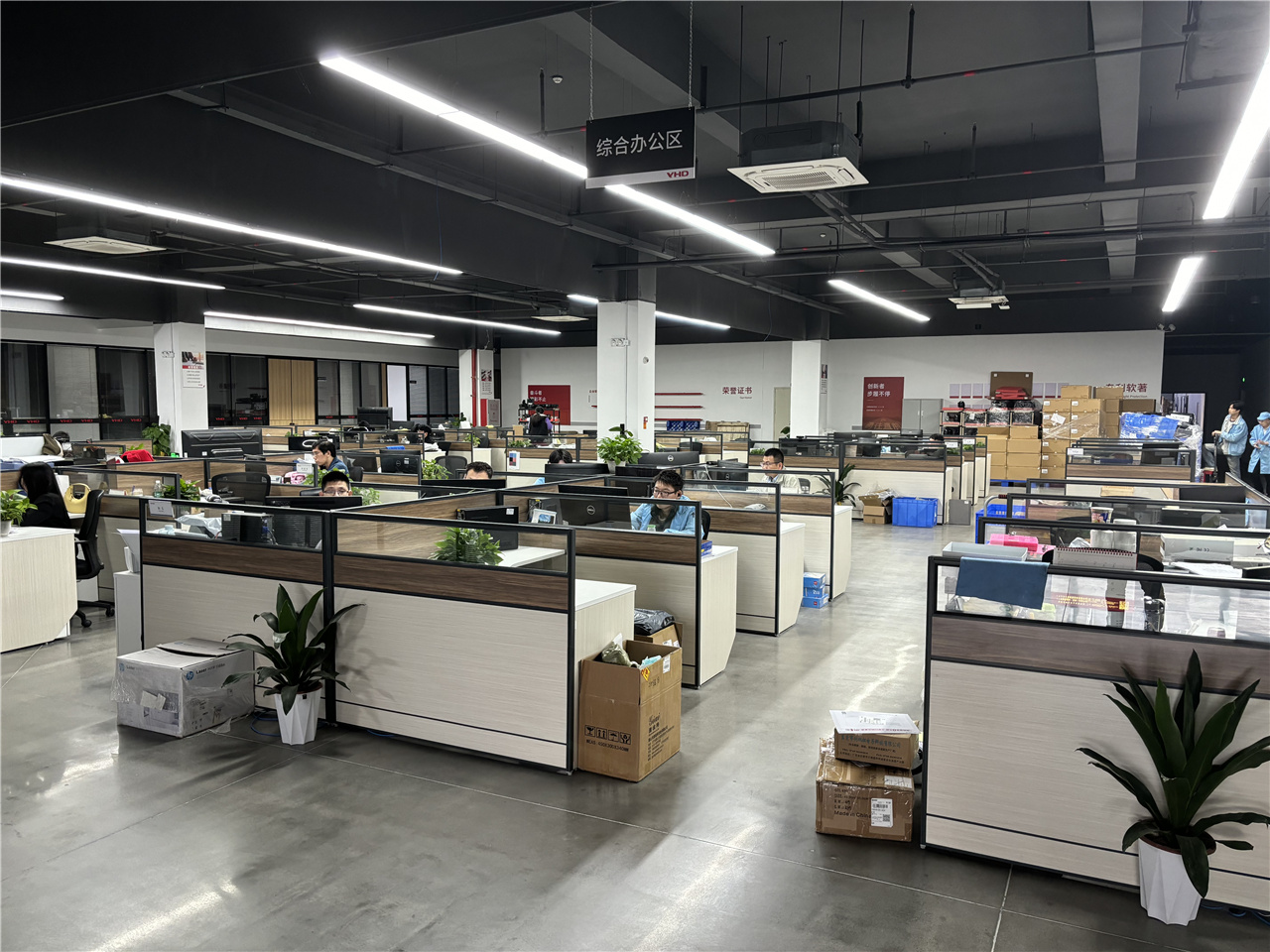
High-resolution handheld imagers, benchtop thermal analyzers, and OEM mobile modules for complete automotive technical coverage.
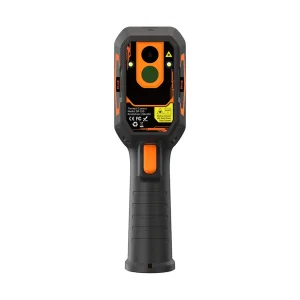
Expert answers regarding procurement, automotive compliance, technology selection, and factory customization capabilities.
 Dianyang