Discount Heat Sensor Security Camera Pricelist & Company OEM/ODM Guide

Enterprise Technical Whitepaper: Advanced LWIR Uncooled Radiometry, Dual-Spectrum Surveillance Systems, Global Supply Chain Engineering & Strategic B2B Bulk Pricing Frameworks

Featured Industrial Thermal Imagers & Security Cameras (Part 1)

Explore our foundational lineup of hand-held, smartphone-connected, and fixed industrial heat detection cameras manufactured under strict DFM/DFT quality systems.

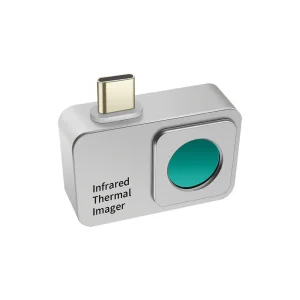
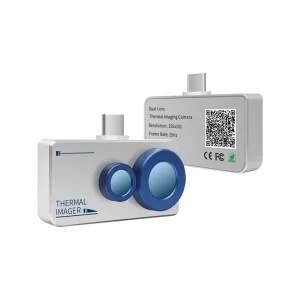
China H1FB Mobile Phone Infrared Thermal Imager 160*120 Resolution
View Specifications & Pricelist
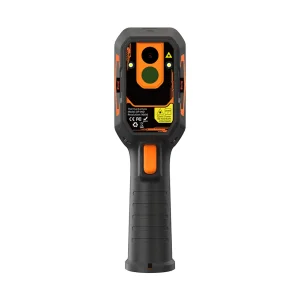
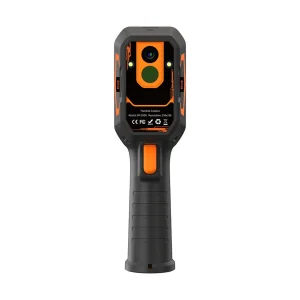
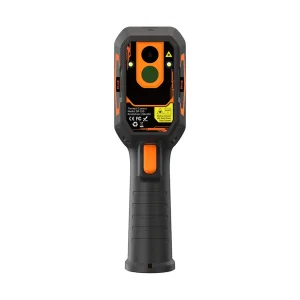
DP-38D Professional-Grade Handheld Thermal Imager 384x288 Resolution
Wholesale DP-38D Handheld Thermal Imager (384x288, Laser Ranging)
View Specifications & Pricelist
Custom China DP-09D Infrared Thermal Camera 96x96 Resolution
Custom DP-09D Infrared Thermal Camera (96x96, -20℃ to 550℃)
View Specifications & Pricelist
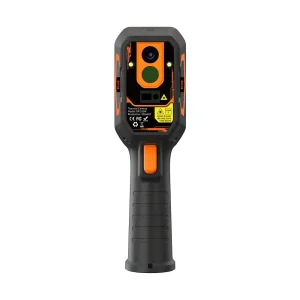
DP-25DR Infrared Thermal Camera 512x384 Imaging
High-Resolution DP-25DR Infrared Thermal Camera (512x384)
View Specifications & Pricelist
H2FB Mobile Phone Infrared Thermal Imager
H2FB Mobile Phone Infrared Thermal Imager Exporter Model
View Specifications & Pricelist
CE Certification H2F6B Mobile Phone Infrared Thermal Imager 256x192
CE Certified H2F6B Mobile Thermal Imager (256x192 Resolution)
View Specifications & Pricelist
OEM China DP-09D Infrared Thermal Camera Laser Point Measurement
OEM DP-09D Thermal Camera (96x96 with Laser Point Measurement)
View Specifications & Pricelist
ODM DP-25DV Infrared Thermal Camera 256x192 Resolution
ODM DP-25DV Thermal Camera (256x192, Range -20℃ to 550℃)
View Specifications & Pricelist

1. Executive Industry Whitepaper: The Evolution of Heat Sensor Security Cameras

In the modern industrial security and asset surveillance paradigm, reliance on standard visual-spectrum (optical) video surveillance is rapidly declining due to fundamental physics limitations. Optical cameras depend on reflected ambient light, making them vulnerable to atmospheric disturbances, total darkness, fog, smoke, glare, and visual camouflage. To solve these mission-critical vulnerabilities, global enterprise networks, utility companies, high-risk industrial facilities, and smart infrastructure operators are increasingly standardizing on Heat Sensor Security Cameras (Long-Wave Infrared - LWIR Thermography).

Unlike standard CCTV security systems that merely record visual pixels, advanced heat sensing cameras measure electromagnetic radiation in the far-infrared spectrum (typically 8μm to 14μm wavelength). By detecting infrared energy naturally radiated by all blackbody objects above absolute zero (-273.15°C), these sensors transform thermal radiation into precise pixel-by-pixel radiometric temperature maps. This capabilities shifts security infrastructure from passive recording to predictive, automated anomaly prevention.

8-14 μm
Spectral Response Range
< 40 mK
Thermal Sensitivity (NETD)
1200 °C
Max Measurement Ceiling
99.4%
False Alarm Reduction via AI

Macro Drivers Accelerating Enterprise Heat Sensor Adoption

Four macro-economic and engineering catalysts are currently pushing enterprise procurement teams to analyze the Discount Heat Sensor Security Camera Pricelist and secure high-capacity manufacturing partnerships:

  • Early Thermal Runaway Detection: Lithium-ion battery storage assets, server farms, transformer substations, and chemical plants experience non-linear thermal escalation prior to physical combustion or visible smoke. Thermal heat sensors detect micro-kelvin rises in temperature hours before smoke alarms trigger.
  • Zero-Light Zero-Infrastructure Perimeter Defense: Traditional lighting rigs for physical perimeter fences incur massive capital expenditure (CapEx) and operational energy costs (OpEx). LWIR cameras operate in 100% total darkness over multi-kilometer perimeters without supplemental lighting.
  • Automated Predictive Maintenance (PdM): Modern industrial security personnel are transitioning into facility maintenance auditors. Radiometric dual-light security cameras provide ongoing thermal telemetry to SCADA and industrial IoT networks, identifying failing bearing housings, insulation breakdown, and overloaded electrical circuits automatically.
  • Edge AI Analytics Integration: By pairing Focal Plane Array (FPA) sensors with modern Deep Neural Networks (DNNs), current systems filter out environmental noise (animals, blowing foliage, rain) while instantly flagging human intruders, vehicle ignitions, or localized hot-spots.

2. Technical Architecture & Heat Sensor Engineering Roadmap

Understanding the cost structure and performance variation across thermal security hardware requires evaluating the internal microbolometer physics, material science, optical lens choices, and signal processing architecture.

Uncooled VOx Microbolometers

Modern heat sensors utilize Vanadium Oxide (VOx) uncooled microbolometers over older Amorphous Silicon (a-Si) designs. VOx technology exhibits a higher Temperature Coefficient of Resistance (TCR), yielding lower Noise Equivalent Temperature Difference (NETD < 35mK to 40mK). This provides sharper thermal contrast and less image grain during low-delta-T environmental conditions.

Germanium Optics & Coated Lenses

Standard optical glass blocks thermal infrared radiation. Heat sensor security cameras require specialized optical lenses ground from high-purity monocrystalline Germanium (Ge) or Chalcogenide glass, featuring Diamond-Like Carbon (DLC) anti-reflective coatings. Lens resolution and aperture (F/1.0 to F/1.2) dictate the camera's spatial resolution and thermal collection capability.

Dual-Spectrum Fusion & PIP

Top-tier industrial models combine an LWIR sensor core with an 8MP visible optical sensor. Proprietary image fusion algorithms (such as Dianyang's dual-light alignment) overlay structural optical edges directly onto the thermal heat map, providing context-rich diagnostic visuals for emergency response operators.

Thermal Sensor Resolution Hierarchy vs Application Profile

Sensor Matrix Resolution Typical Pixel Pitch Thermal Sensitivity (NETD) Primary Industrial / Security Use Case Price Bracket Tier
96 x 96 (e.g., DP-09D) 12 μm / 17 μm < 60 mK Entry-level HVAC checks, spot circuit measurement, low-cost mobile diagnostics Economic / Utility Tier
160 x 120 (e.g., H1FB) 12 μm < 50 mK Compact smartphone thermal accessories, localized equipment monitoring Budget Professional
256 x 192 (e.g., DP-25D / H2F6B) 12 μm < 45 mK Building diagnostic surveillance, facility maintenance, close-range security Mid-Range Commercial
384 x 288 (e.g., DP-38D) 12 μm < 40 mK Substation monitoring, long-distance perimeter protection, automated process control High-Performance Enterprise
640 x 512 (e.g., DP-64D) 12 μm < 35 mK Critical infrastructure defense, wide-area surveillance, high-precision thermal measurement Flagship Industrial

3. Industrial Use Case Matrix & Global Field Deployment

Heat sensor security cameras serve multi-disciplinary functions across commercial enterprise setups, combining safety compliance, intrusion detection, and asset health telemetry into a unified system.

Power & Electrical Grid Substations

High-voltage switchgear, busbars, transformers, and capacitor banks suffer thermal stress prior to catastrophic failure. Fixed radiometric heat sensor cameras continuously sweep grid equipment, raising alarms when temperatures breach predetermined thresholds (e.g., >85°C), preventing unprogrammed grid blackouts.

EV Battery Manufacturing & Storage

Lithium battery storage facilities represent severe fire hazards due to chemical runaway. Heat sensing cameras scan battery racks 24/7, providing instant early warning metrics long before off-gassing occurs, allowing automated water deluge or fire-suppression system activation.

Critical Perimeter Intrusion Detection (PID)

Airports, military depots, solar farms, and data centers utilize long-range thermal cameras along boundary lines. Fog, heavy snow, or zero ambient light cannot obscure human thermal footprints, ensuring uninterrupted perimeter security and minimizing security team dispatch overhead.

Building Envelope & HVAC Diagnostics

Commercial property auditors deploy handheld and mobile-connected thermal imagers (such as the H1FB or DP-25DR series) to detect structural insulation voids, moisture infiltration inside roofs, sub-surface pipe leaks, and energy loss in commercial HVAC systems.

4. Enterprise B2B Procurement Strategy & Pricelist Cost Architecture

When evaluating a Discount Heat Sensor Security Camera Pricelist, commercial buyers must look beyond the initial unit price sticker. Total Cost of Ownership (TCO), supplier manufacturing capability, modular component sourcing, and custom volume pricing brackets dictate long-term project profitability.

Cost Component Breakdown in Thermal Camera Manufacturing

  • FPA Detector Core (approx. 40-55% of Unit Cost): Silicon wafers coated with Vanadium Oxide. Higher pixel counts (e.g., 640x512 vs 160x120) require larger die sizes, exponentially scaling sensor yield costs.
  • Germanium Optical Element (approx. 20-30% of Unit Cost): Germanium raw material prices fluctuate on international metal exchanges. Fixed prime lenses with larger clear apertures (F/1.0) for long-range detection incur higher raw material costs.
  • Image Processing Board & System-on-Chip (SoC): Hardware executing real-time radiometric calibration curves, non-uniformity correction (NUC), image enhancement algorithms, and Edge AI neural networks.
  • Housing & Environmental Certification (IP66/IP67/Explosion-Proof): Industrial-grade aluminum housings, weather sealing, heating/cooling elements, and explosion-proof enclosures rated for hazardous environments.

Calculated Return on Investment (ROI) Framework

Enterprise procurement of thermal security equipment delivers ROI across three main operational metrics:

1. Unplanned Outage Avoidance

Identifying an overheating distribution panel ($500 fix) prevents facility shutdown costing upwards of $100,000 per hour in lost manufacturing uptime.

2. Reduced Security Guard Overhead

Replacing 24/7 manual perimeter physical patrols with automated thermal surveillance cameras typically yields 100% CapEx payback within 8 to 14 calendar months.

3. Insurance Premium Discounts

Major industrial underwriters offer substantial premium reductions to facilities incorporating continuous radiometric thermal runaway monitoring in high-risk zones.

5. Company Profile, Technical Expertise & Parentage Advantage (E-E-A-T)

Shenzhen Dianyang Technology Co., Ltd. is a subsidiary of VHD (Shenzhen VHD Technology Co., Ltd.), a publicly listed company on the Shenzhen Stock Exchange. This strategic affiliation gives Dianyang unique access to VHD’s advanced R&D platforms, high-precision manufacturing systems, and rigorous quality management practices—enabling us to deliver thermal imaging products of higher reliability and consistency than typical ODMs.

Manufacturing Excellence & High Quality Products "Go Out to Sea"

We specialize in ODM/OEM services for infrared thermal imaging solutions, including handheld thermal imagers, smartphone-connected thermal cameras, thermal analyzers, and thermal imaging telescopes. Our products serve global customers in power inspection, building diagnostics, firefighting, industrial maintenance, and outdoor applications.

Our dedicated engineering team applies Design for Manufacturing (DFM), Design for Testability (DFT), thermal simulation, and EMC pre-compliance analysis to optimize performance and accelerate development.
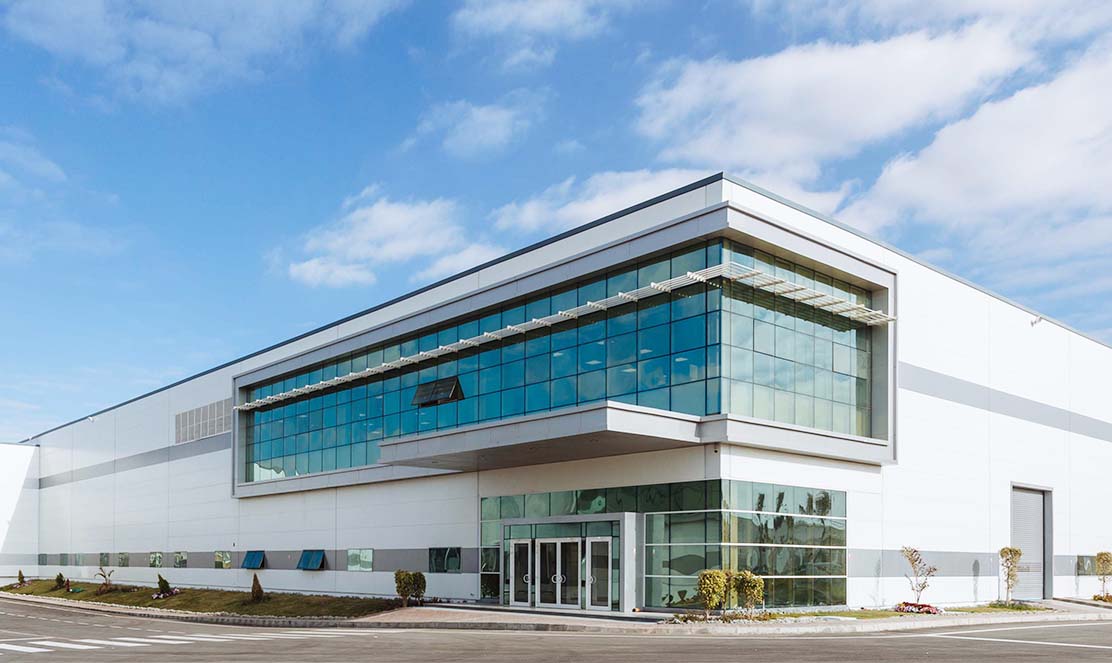
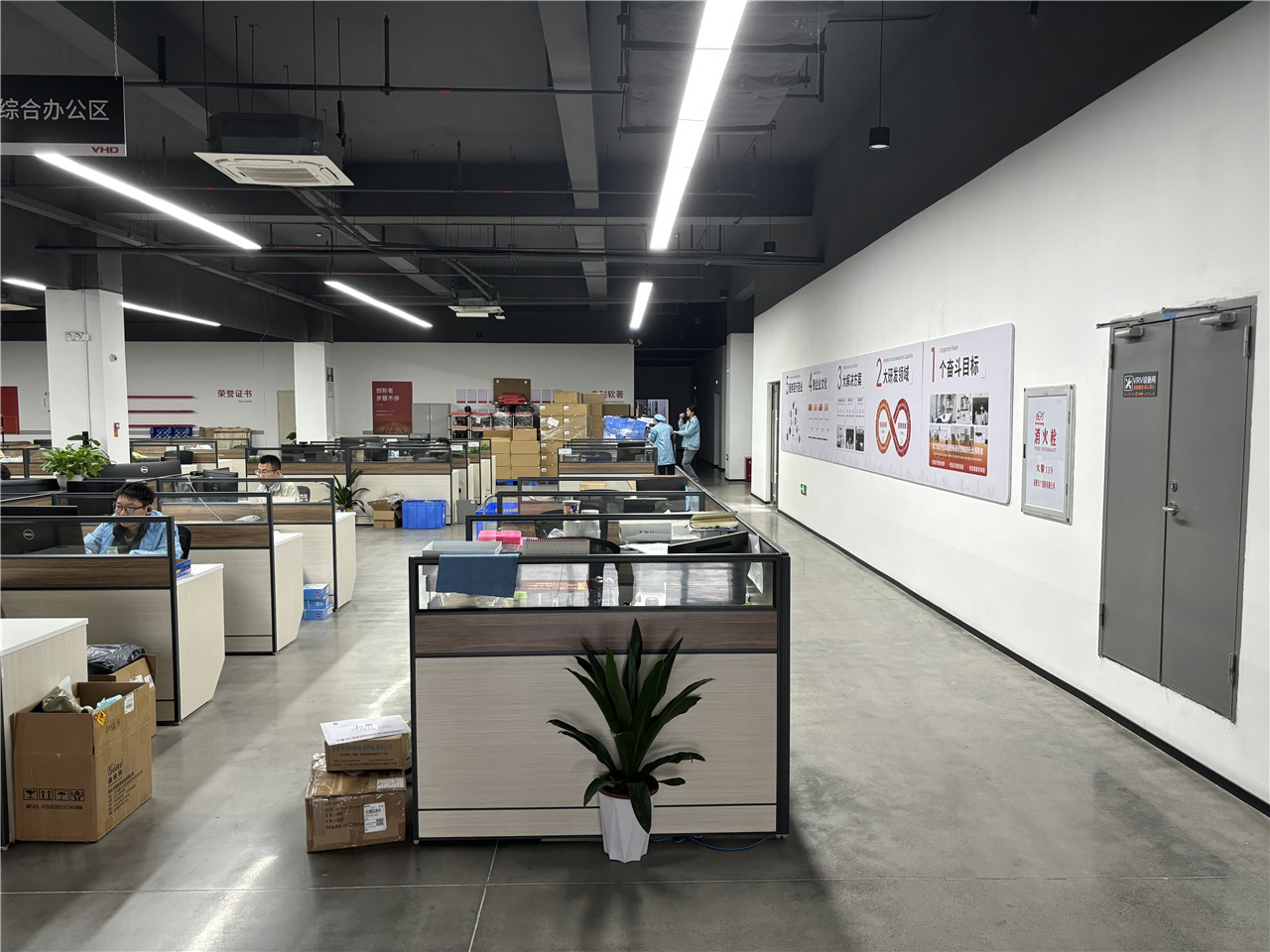
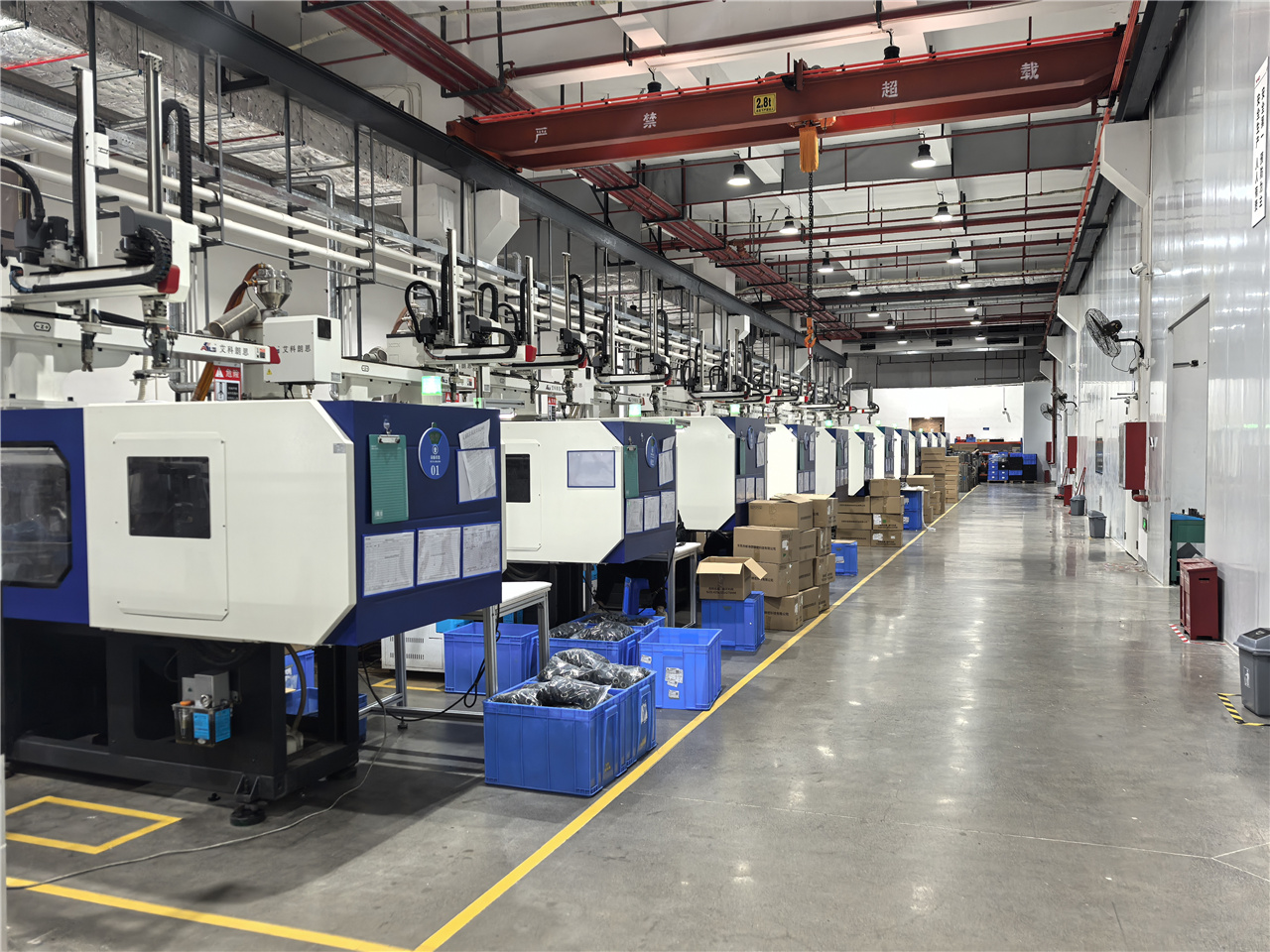
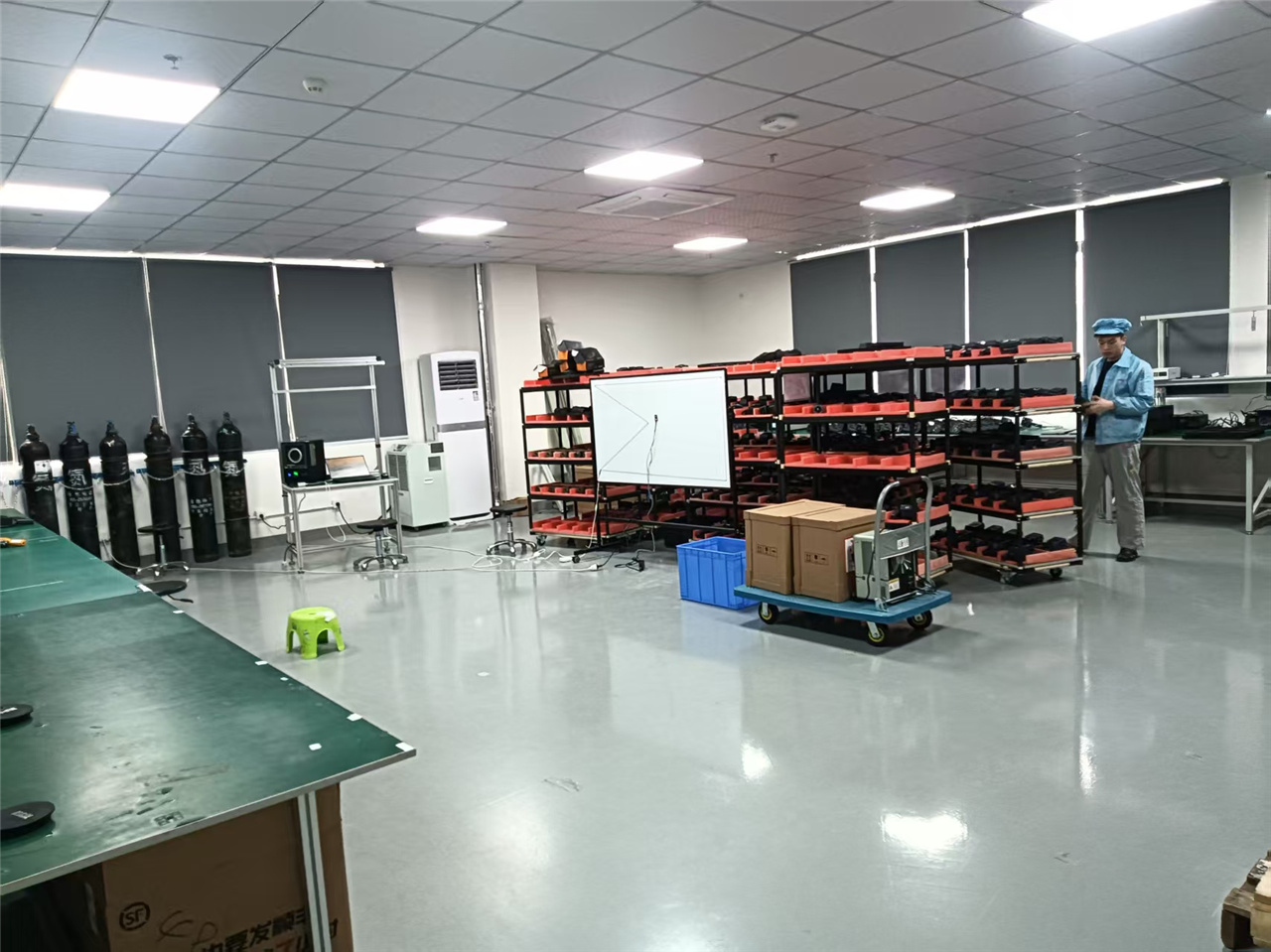
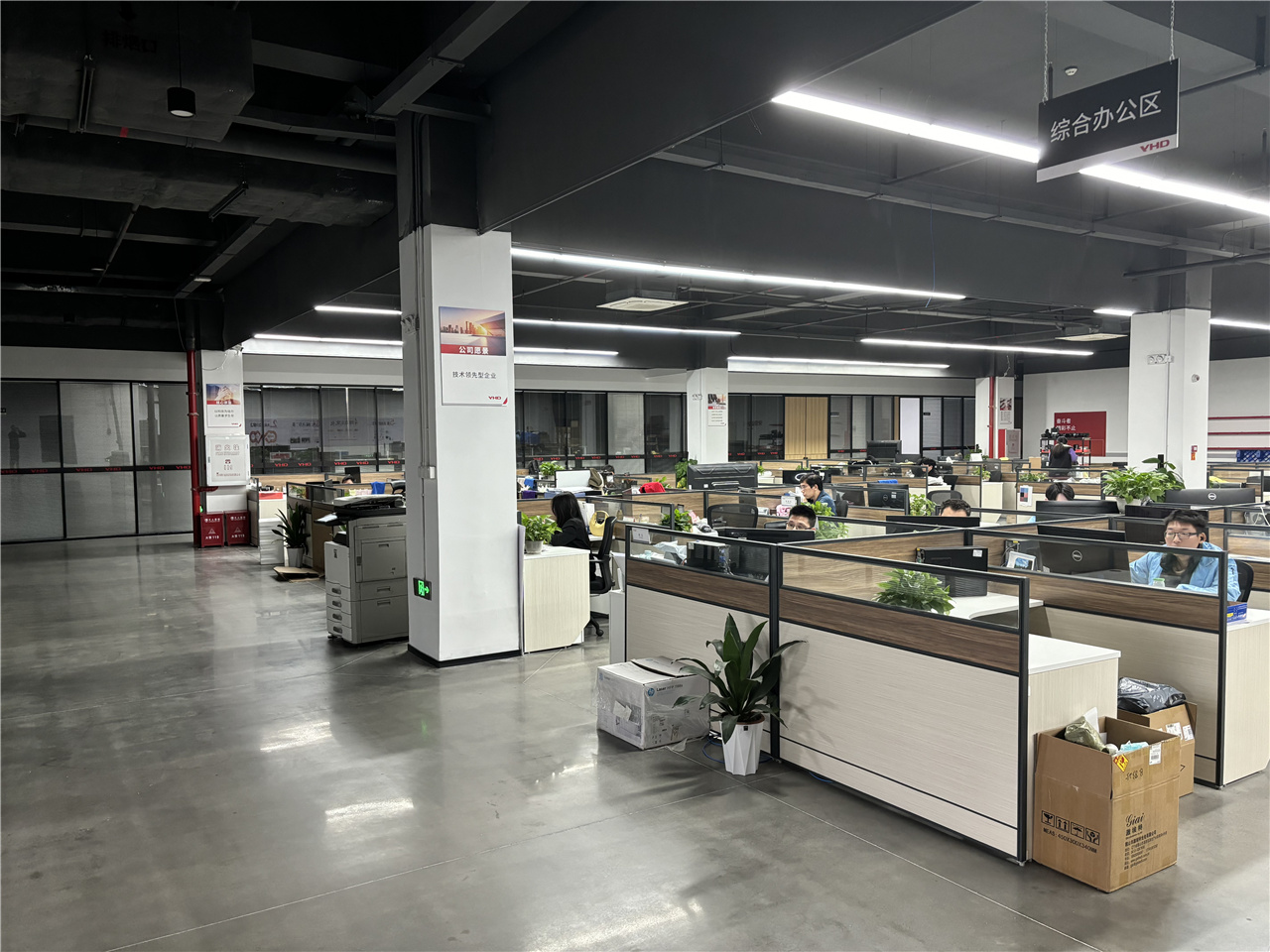
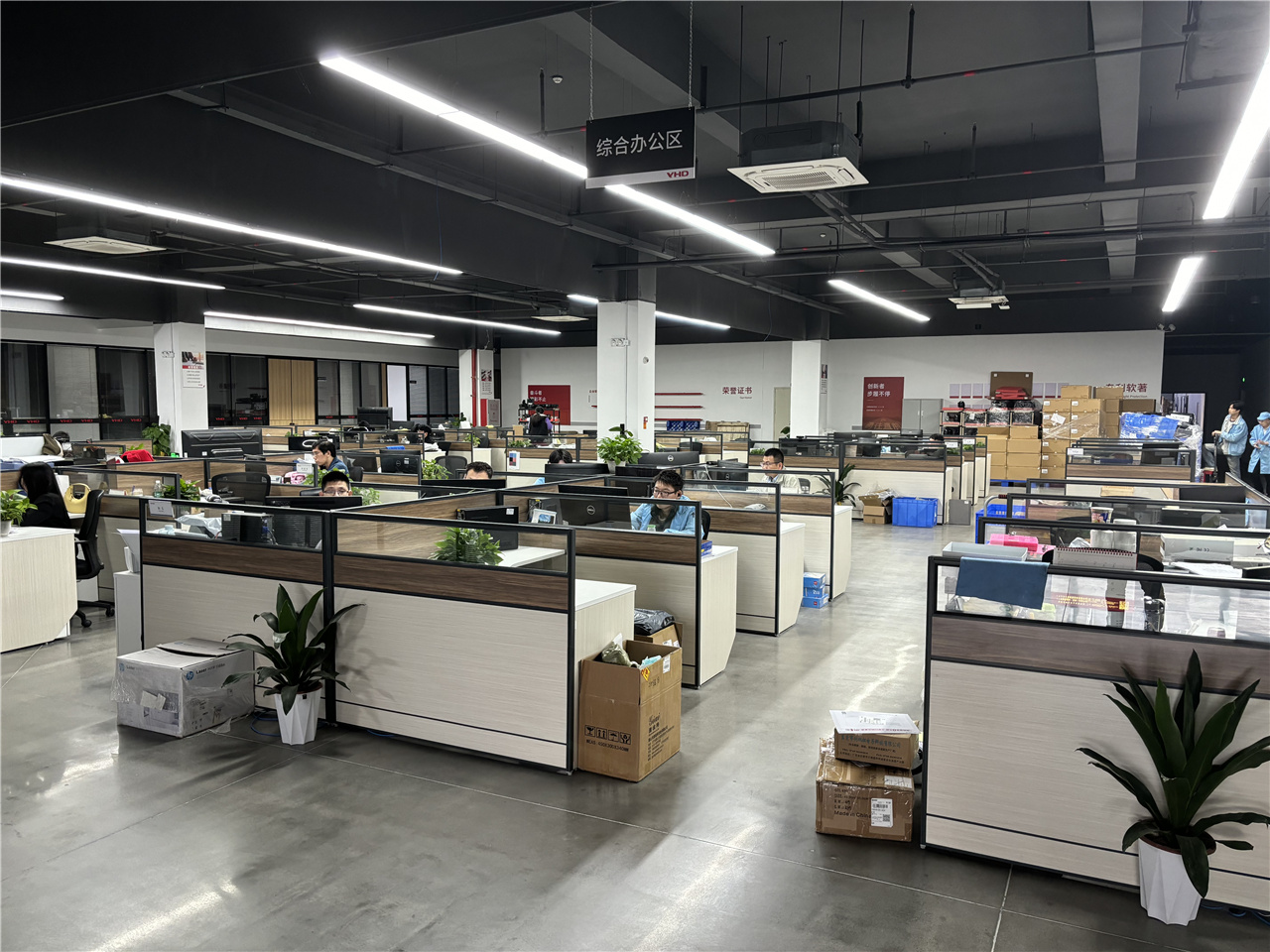
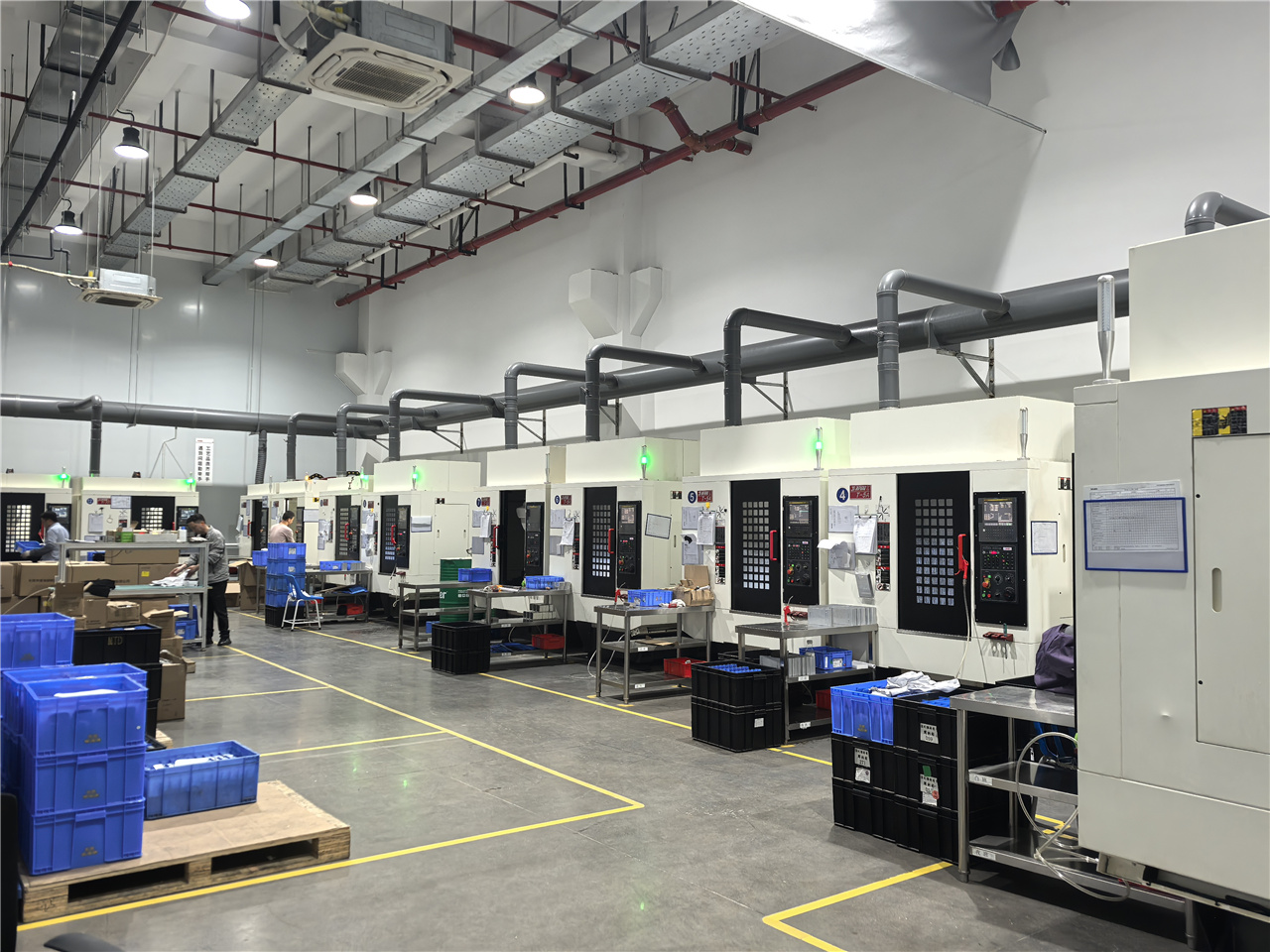
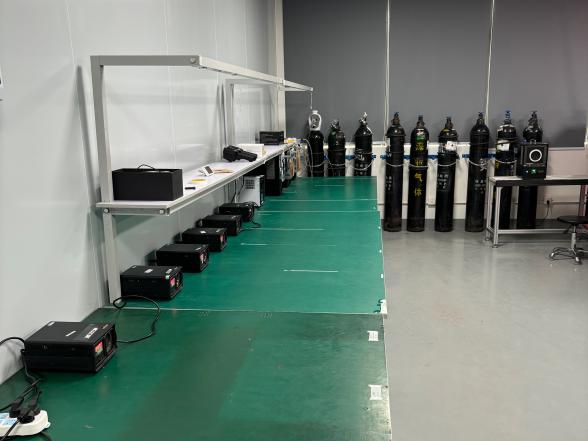
Dianyang Technology Corporate Facilities

Factory Floor & Advanced Manufacturing Infrastructure Gallery

Take an inside look at our state-of-the-art SMT production lines, optic alignment cleanrooms, and automated temperature calibration chambers:
6. Global Regulatory Compliance & International Certification Standards

Deploying heat sensor security systems into overseas markets requires strict adherence to regional electronic compatibility, environmental safety, and privacy mandates. Dianyang engineered products are certified across all tier-one commercial markets:

CE & UKCA (Europe & UK)

Full compliance with Electromagnetic Compatibility (EMC Directive 2014/30/EU) and Low Voltage Directive (LVD). Ensures uncompromised operational safety in European commercial deployments.

FCC & IC (North America)

FCC Part 15 Class B and Class A certified for low radio frequency interference, ensuring non-disruption of critical wireless networks inside automated industrial plants.

RoHS & REACH (Environmental)

Strict hazardous substance restriction compliance. Free from heavy metals, protecting corporate buyers under global ESG (Environmental, Social, and Governance) purchasing guidelines.

KC, PSE & CB (Asia-Pacific)

Dedicated regional safety testing certifications for seamless clearance and regulatory compliance across Korea (KC), Japan (PSE), and international IEC markets (CB Scheme).

7. Frequently Asked Questions (Technical & Procurement FAQ)

Address technical questions regarding heat sensor camera procurement, resolution metrics, and installation factors.

Q What is the key difference between a Heat Sensor Security Camera and standard IR Night Vision?
Standard IR Night Vision relies on active near-infrared LED illuminators (850nm/940nm) to bounce invisible light off reflective targets into an optical image sensor. If there is fog, smoke, or light absorption, IR night vision fails. A Heat Sensor Camera (LWIR 8,000nm–14,000nm) emits no light itself and measures actual thermal energy naturally emitted by objects. It operates through total darkness, heavy fog, dense smoke, foliage, and high-glare environments without artificial light sources.
Q Why does thermal resolution (e.g., 256x192 vs 640x512) impact overall pricelist quotes so significantly?
Unlike visual sensors where megapixel count scales relatively cheaply, thermal microbolometers are manufactured on specialized crystalline substrate wafers. Moving from 256x192 (49,152 thermal pixels) to 640x512 (327,680 thermal pixels) represents a 6.6x increase in active thermal detection points. Higher resolution drastically improves long-range target identification (Johnson’s Criteria) and accuracy for small target temperature anomalies.
Q What does NETD mean in thermal camera datasheets, and why is <40mK critical?
NETD stands for Noise Equivalent Temperature Difference. It measures the smallest temperature delta the thermal sensor can resolve. An NETD of <40mK (0.04°C) means the camera can distinguish objects with a temperature difference of just 0.04 degrees Celsius. Lower NETD ratings result in crisp, high-contrast imagery even when atmospheric temperature contrast is low (e.g., during rain or uniform temperature background settings).
Q How does Dianyang support custom OEM/ODM requests for specialized industrial setups?
Supported by our parent company VHD (listed on the Shenzhen Stock Exchange), Dianyang provides end-to-end custom engineering services. We offer custom PCB layouts, housing redesigns, lens swap configurations (Germanium focal length customization), custom software SDK integration (C++, Python, Android/iOS APIs), temperature alert algorithms, and custom branding for high-volume enterprise projects.
Q What are the standard lead times and Minimum Order Quantities (MOQ) for enterprise bulk orders?
Standard catalog products typically carry an MOQ of 10 to 50 units for distributor testing, with lead times of 1 to 2 weeks. Custom OEM/ODM white-label solutions require an initial engineering evaluation phase, with production lead times averaging 3 to 5 weeks depending on Germanium lens availability and custom housing tooling.
Q Are thermal heat sensor security cameras safe for continuous operation in explosive atmospheres?
Standard camera models require certified explosion-proof enclosures (ATEX / IECEx ratings) for deployment in volatile chemical environments. Dianyang works with corporate integrators to house our core thermal modules within custom-rated stainless steel or heavy aluminum explosion-proof enclosures suited for hazardous industrial zones.

Featured Industrial Thermal Imagers & Security Cameras (Part 2)

Browse our full catalogue of certified thermal monitoring instruments available for wholesale procurement and OEM distribution.
Famous H1FB Mobile Infrared Thermal Imager 160*120
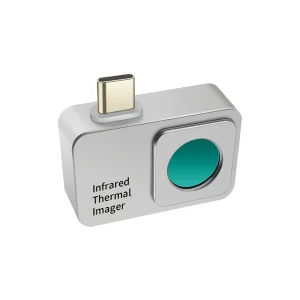
Famous H1FB Mobile Infrared Thermal Imager (160*120 Compact Design)
View Specifications & Pricelist
DP-25DR Infrared Thermal Camera 256x192 Dual-Light
DP-25DR Infrared Thermal Camera (256x192 Dual-Light Imaging)
View Specifications & Pricelist
CE Certification China H2FB Mobile Phone Thermal Imager
CE Certified H2FB Mobile Phone Thermal Imager (256x192 Resolution)
View Specifications & Pricelist
DP-25DV Infrared Thermal Camera High Resolution
Famous DP-25DV Thermal Camera (High Resolution Imaging)
View Specifications & Pricelist
DP-25D Infrared Thermal Camera 256x192 Resolution
DP-25D Infrared Thermal Camera (256x192 Precision Measurement)
View Specifications & Pricelist
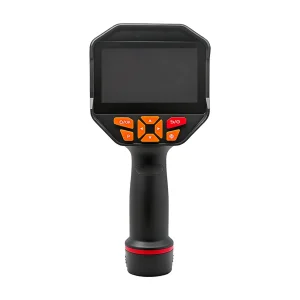
Best DP-64D Handheld Thermal Imager 640x512 8MP
Flagship DP-64D Handheld Thermal Imager (640x512, 8MP, -20℃ to 1200℃)
View Specifications & Pricelist
China DP-38D Professional Handheld Thermal Imager
China DP-38D Professional Handheld Thermal Imager (384x288 Resolution)
View Specifications & Pricelist
ODM China H1FB Mobile Phone Thermal Imager 160x120
ODM H1FB Mobile Phone Infrared Thermal Imager (160x120 Direct Factory)
View Specifications & Pricelist