Explore our factory-direct infrared cameras, mobile phone thermography attachments, and embedded core thermal modules built for high accuracy and scalability.
An engineering-first perspective on balancing low unit costs with high NETD sensitivity, manufacturing compliance, and enterprise-grade thermal stability.
Historically, thermal video systems were limited to high-budget defense, aerospace, and specialized utility operations due to the immense manufacturing overhead of cooled infrared detectors and germanium optics. However, the commercial evolution of uncooled Vanadium Oxide (VOx) and Amorphous Silicon (a-Si) microbolometer Focal Plane Arrays (FPAs) has revolutionized global manufacturing economics. Today, global enterprise buyers seeking "cheap thermal imaging video manufacturers & suppliers" are not looking for compromised quality; they demand accessible, mass-produced thermal imaging hardware that maintains industrial-grade radiometric precision.
By leveraging automated Surface Mount Technology (SMT) production lines and advanced wafer-level packaging (WLP), thermal sensor production costs have dropped exponentially over the past five years. This shift allows B2B OEM buyers, system integrators, and brand owners to deploy real-time infrared thermal video feeds into preventative maintenance tools, HVAC diagnostics, security surveillance, building envelope evaluations, and smartphone peripherals without ballooning capital expenditure.
Strategic Takeaway: Modern "cheap" or cost-effective thermal imaging video hardware no longer implies low resolution or poor accuracy. High-volume manufacturing models achieve NETD (Noise Equivalent Temperature Difference) under 40mK and measurement tolerances of ±2°C across expansive temperature bands (-20°C to +550°C and up to +1200°C).
To evaluate potential China suppliers and thermal camera manufacturers objectively, procurement procurement engineering teams must scrutinize three crucial technical pillars:
A. Uncooled VOx Microbolometer Technology: The heart of modern video-rate thermal imaging lies in uncooled VOx microbolometers. Unlike traditional thermopile sensors that measure average temperature over a wide area, VOx microbolometer matrices detect subtle long-wave infrared radiation (8–14μm wavelength) per individual pixel. Higher pixel density (e.g., 256x192 vs. 640x512) directly dictates spatial resolution (IFOV), allowing engineers to identify micro-thermal anomalies on dense printed circuit boards (PCBs) or distant power lines.
B. Dual-Spectrum Image Fusion Algorithms: High-end thermal video devices incorporate dual-light imaging architectures. By combining a visible-light CMOS sensor with an infrared core, real-time spatial edges from the visual image are superimposed onto the thermal stream. This hybrid presentation (often termed thermal edge alignment) allows field technicians to pinpoint exact electrical breakers, pipe leaks, or mechanical friction points that would remain indistinct on low-cost single-spectrum thermal monitors.
C. Real-time Video Stream Stability & ISP Pipeline: Capturing moving thermal events—such as fluid dynamics in industrial processing or fast-moving motor axles—requires standard frame rates of 25Hz to 50Hz. Sub-par thermal modules capped at 9Hz suffer from motion blur and video lag. Advanced image signal processing (ISP) pipelines incorporate dynamic range compression (DRC), noise reduction, and automatic gain control (AGC) to ensure continuous, crisp, uncompressed thermal video telemetry.
Why sourcing directly from OEM/ODM facilities in Shenzhen yields unrivaled economies of scale, component availability, and R&D acceleration.
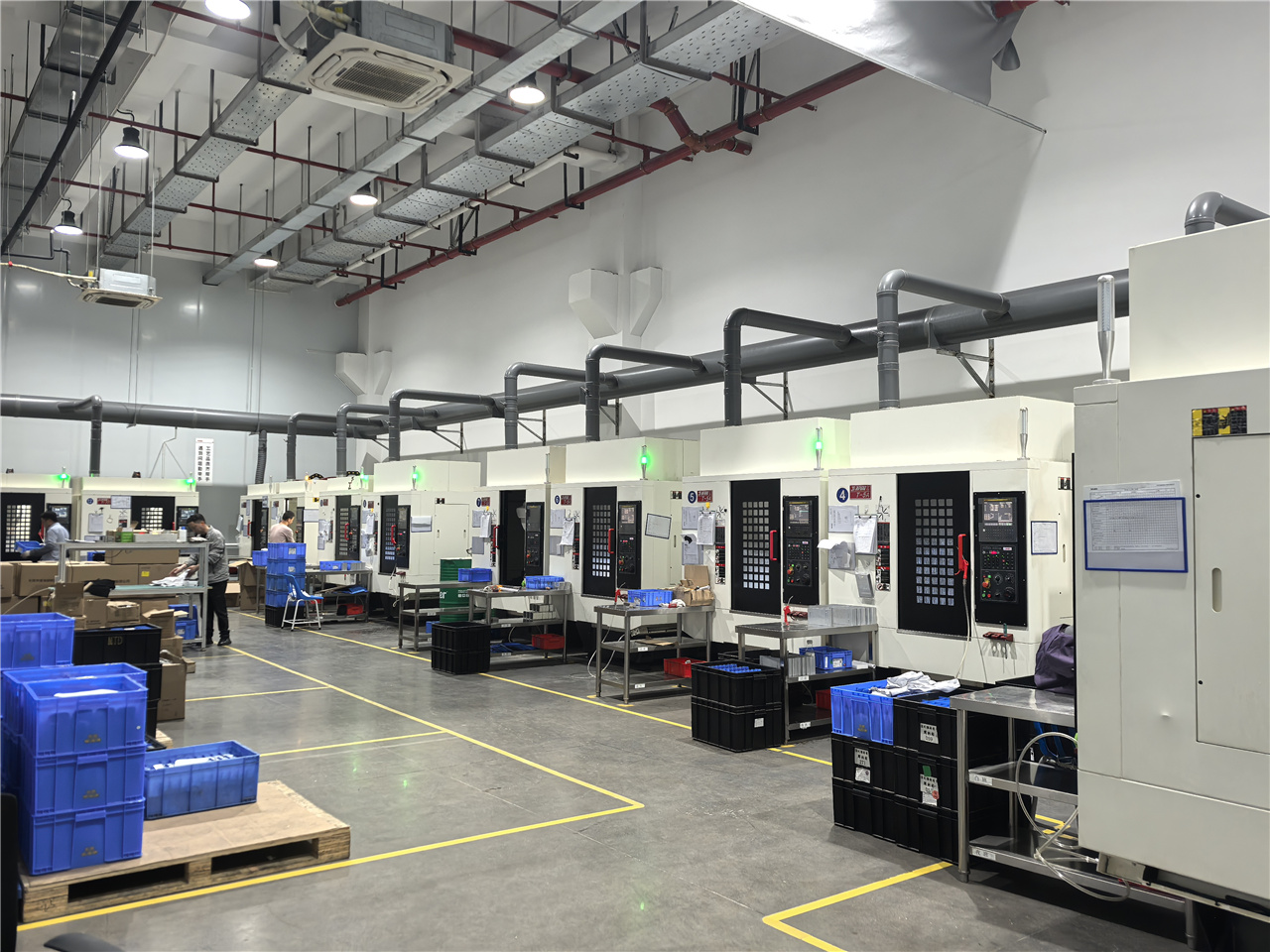
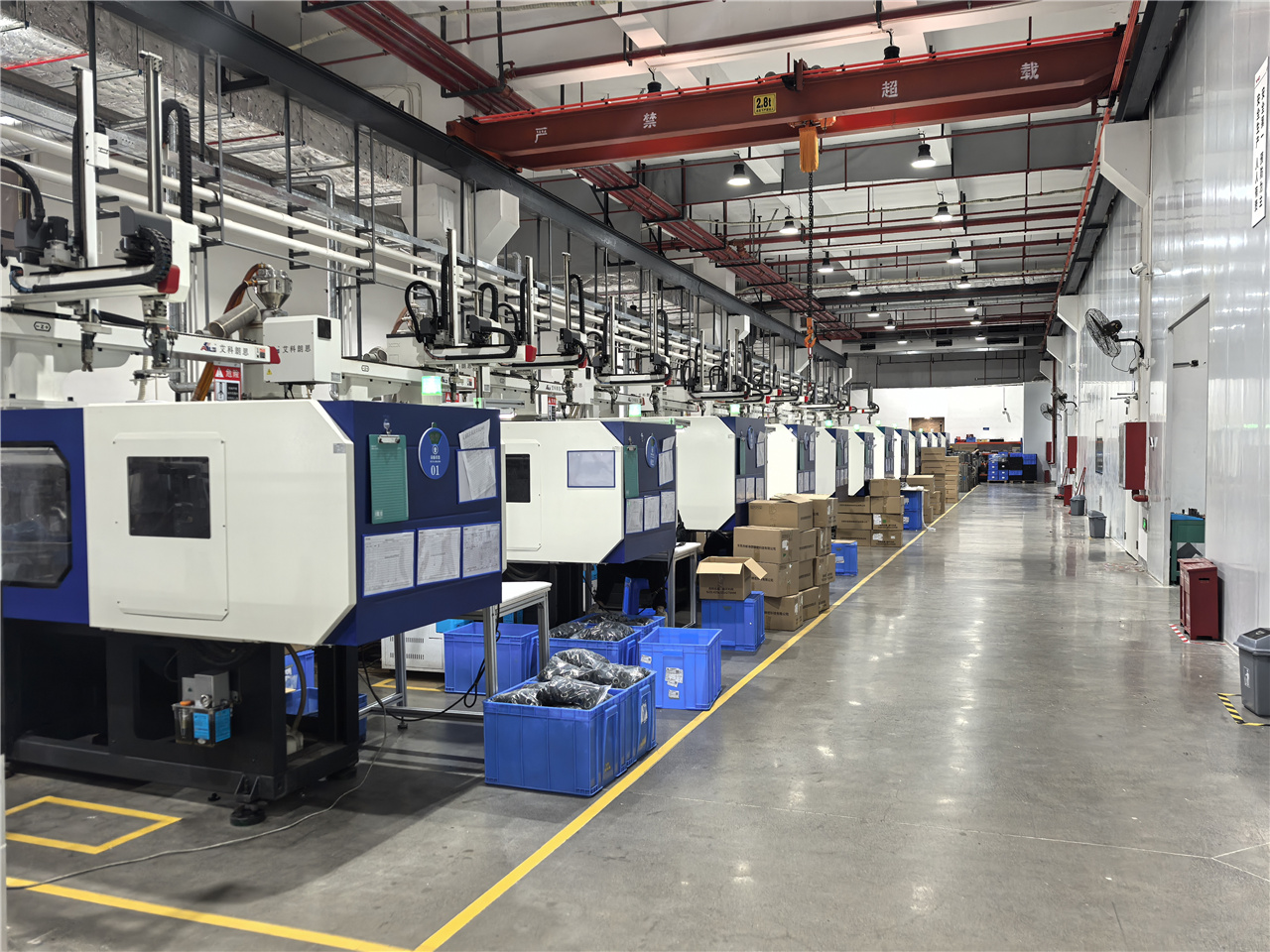
From optics manufacturing and germanium lens coating to SMT assembly and automated thermal calibration blackbodies, Shenzhen's electronics ecosystem minimizes component procurement lead times from months to days.
Through our parent association with Shenzhen VHD Technology Co., Ltd. (Shenzhen Stock Exchange Listed), Dianyang Tech leverages enterprise-level financial stability, mass raw material purchasing power, and shared advanced R&D platforms.
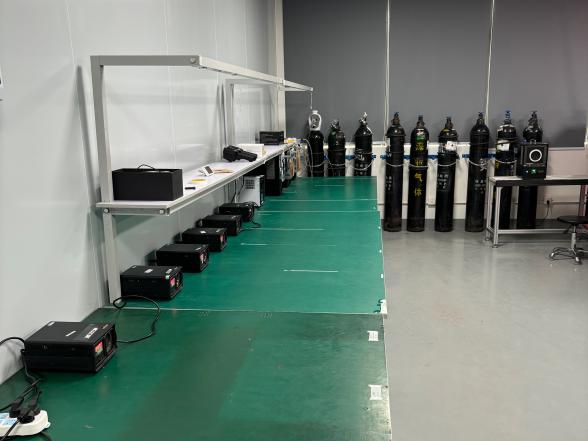
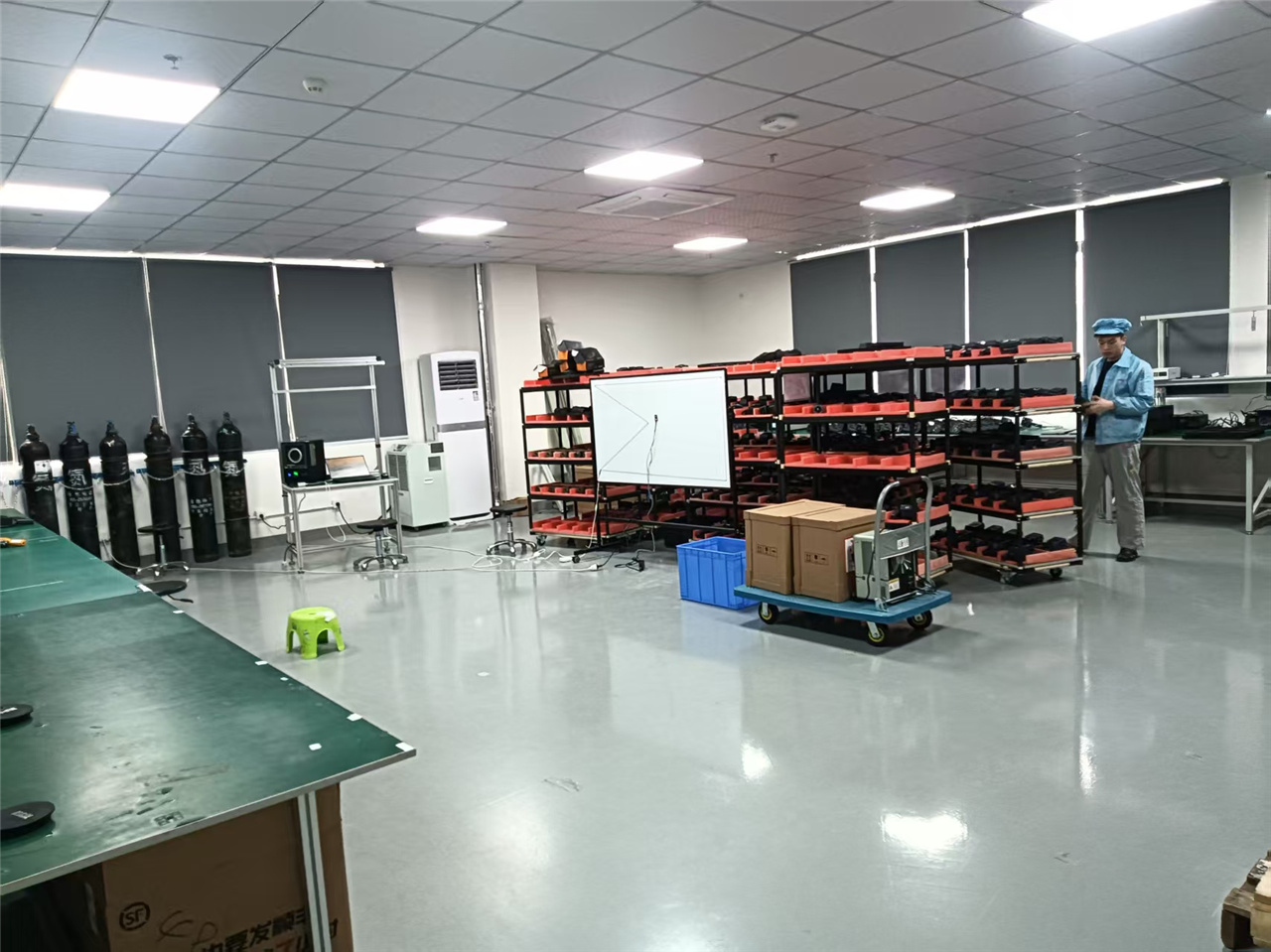
Design for Manufacturing (DFM) and Design for Testability (DFT) are applied across every schematic redesign. Automated visual and radiometric testing rigs ensure zero-defect shipment across high-volume production batches.
Overcoming market entry barriers with fully compliant, certified hardware and localized technical support structures.
Exporting infrared thermal imaging devices into North American, European, and Asia-Pacific markets requires strict adherence to electro-magnetic compatibility (EMC), environmental safety, and communication standards. A critical vulnerability for B2B importers working with unverified low-cost suppliers is regulatory seizure or customs rejections due to non-compliant hardware.
| Target Region | Required Certifications | Engineering Compliance Focus | Dianyang Factory Support |
|---|---|---|---|
| European Union (EU) | CE (EMC / LVD), RoHS, REACH | EN 61326-1 Electro-magnetic Immunity, Hazardous Material Restrictions | Full Lab Test Reports & DoC Provided |
| United States | FCC Part 15 Class B | Radiated Emissions, Unintentional Radiators Testing | Pre-certified Module Enclosures |
| United Kingdom | UKCA Compliance | Post-Brexit Safety & Wireless Standards | Direct Technical File Support |
| Japan & South Korea | PSE Mark, KC Certification | Battery Pack Safety, Local Interface & Frequency Regulations | Custom Labeling & Firmware Localization |
Hardware is only half the thermal solution. International enterprises require localized Android/iOS applications, customized PC thermal analysis suites (such as for the CA-60D Thermal Analyzer), and multi-language firmware support. Dianyang Technology provides comprehensive SDK/API integration packages enabling software developers to embed real-time thermal video streams into proprietary building management or industrial automation dashboards seamlessely.
How cheap, high-performance thermal video cameras optimize diagnostic workflows across global industry verticals.
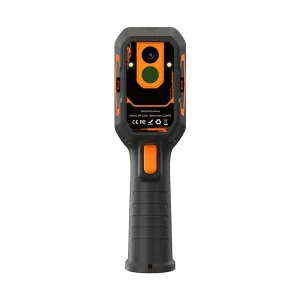
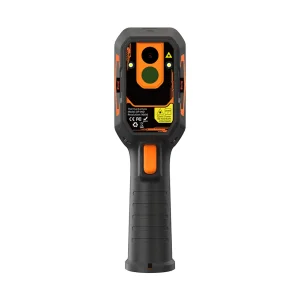
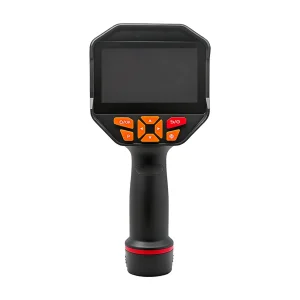
Portable handheld devices like the DP-64D (640x512) allow electrical engineers to inspect high-voltage transformers, switchgears, and transmission line splices from safe distances, identifying abnormal thermal loads prior to catastrophic failure.
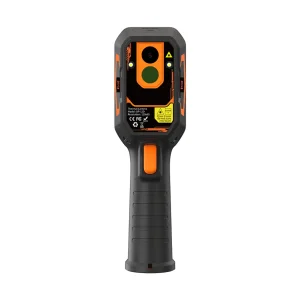
Compact, entry-level models like the DP-09D (96x96) and DP-12DV (120x90) empower building inspectors to locate hidden insulation voids, air infiltration leaks, and underfloor heating blockages quickly and accurately.
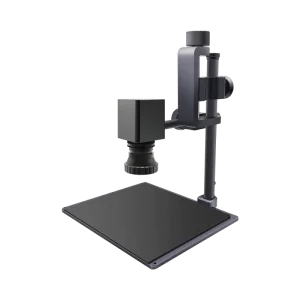
The CA-60D Thermal Analyzer provides benchtop thermal profiling for circuit board design, detecting micro-short circuits, overburdened IC chips, and heat sink inefficiencies in real-time continuous video output.
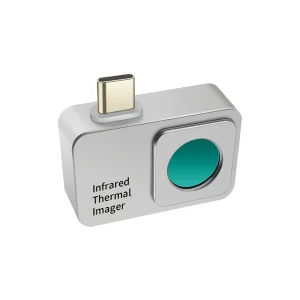
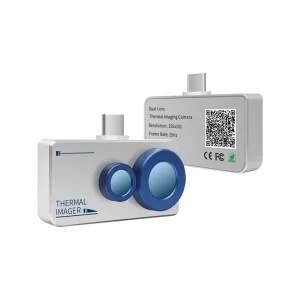
Plug-and-play accessories such as the H2F6B (256x192) mobile thermal imagers transform standard smartphones into powerful field thermography stations for automotive repair and maintenance technicians.
Anticipating technological advancements in AI edge computing, miniaturized cores, and cloud thermography integration.
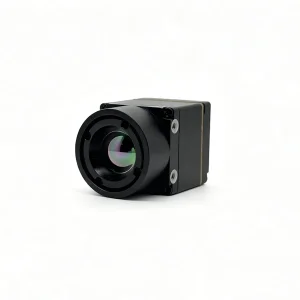
The integration of lightweight artificial intelligence directly onto thermal core processors (e.g., inside OEM modules like the MD-64CA) is transforming simple video cameras into autonomous diagnostic sensors. Edge AI models run real-time object identification, target tracking, and automated anomaly classification without sending heavy raw video feeds to central servers. This drastically lowers bandwidth requirements while alerting operators to critical temperature exceedances instantly.
As WLP technology matures, infrared sensor dimensions shrink while battery efficiency increases. Future thermal imaging tools will be integrated into lightweight smart wearables, fire helmet displays, and ultra-compact commercial drones, offering high thermal video frame rates with minimal payload impact.
Modern enterprises are shifting from local storage to direct cloud telemetry. Modern thermal imaging cameras combine Wi-Fi 6 and 5G modules to push dual-spectrum video to centralized cloud dashboards. Off-site engineers can analyze thermal data in real-time, generate automated compliance reports, and manage fleet-wide calibration schedules centrally.
Direct answers to crucial questions asked by enterprise buyers, OEMs, and industrial distributors.
Cost savings stem from vertical supply chain centralization in Shenzhen, high-volume automated SMT assembly, and wafer-level packaging (WLP) of VOx microbolometers—not by omitting calibration. Automated multi-point blackbody calibration systems ensure every unit achieves reliable radiometric accuracy (±2°C or ±2%).
Frame rate dictates fluid motion display. A 9Hz thermal camera refreshes 9 times per second, which is suitable for static targets but stutters during movement. Frame rates of 25Hz or 50Hz provide smooth, real-time video, vital for dynamic industrial inspections, moving machinery, and mobile thermal analysis.
Yes. As an R&D-driven manufacturer backed by VHD, we offer complete OEM/ODM solutions. This includes tailored outer housing designs, custom firmware branding, specialized lens options, and full SDK/API packages for Android, iOS, Windows, and Linux environments.
Our standard product lines comply with major global export standards, holding CE, FCC, RoHS, REACH, UKCA, KC, and PSE certifications depending on product target markets. Complete test reports and declarations of conformity are provided for seamless customs clearance.
Browse additional factory-direct units and mobile thermal cameras available for bulk purchase and OEM distribution.
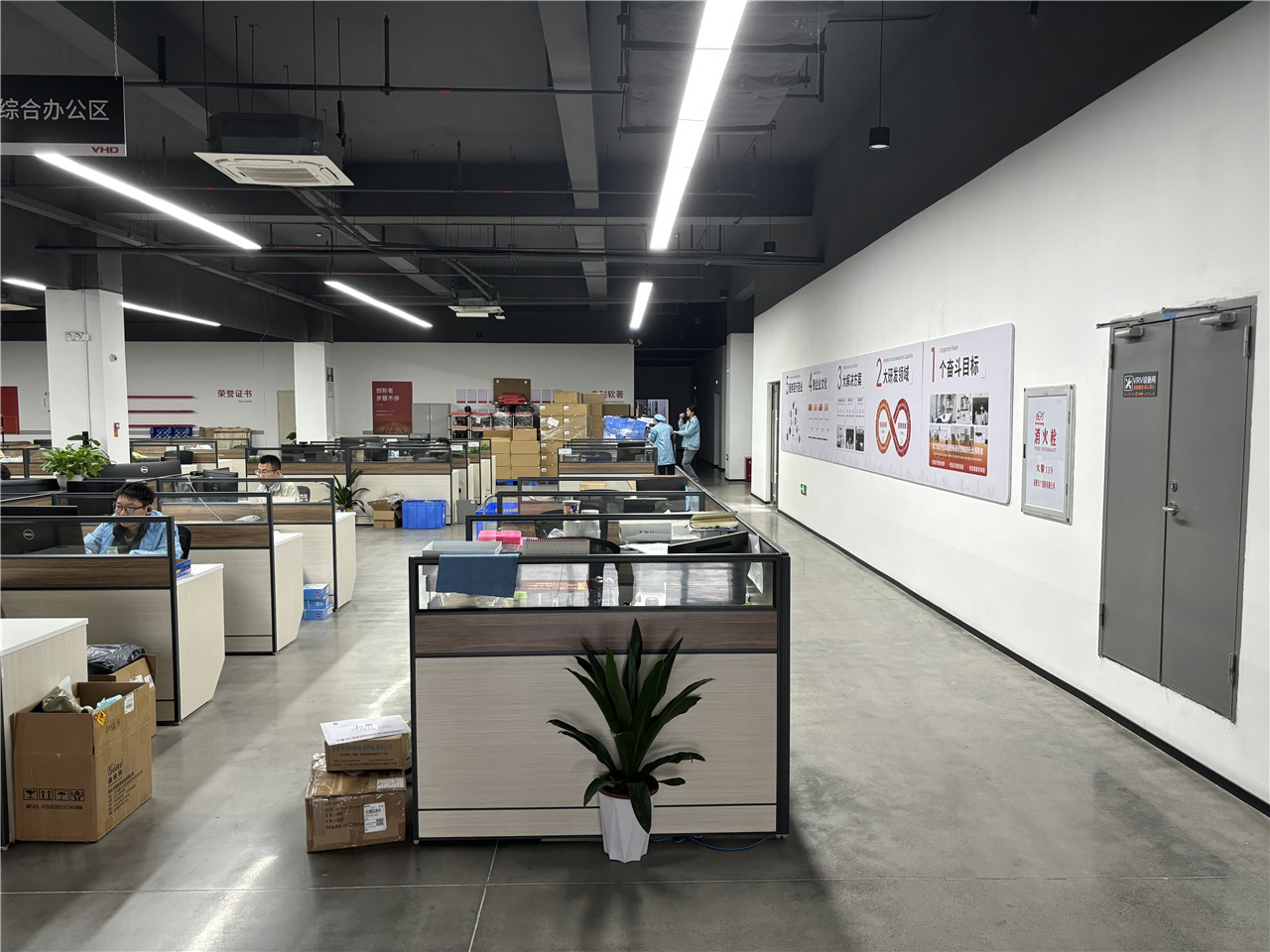
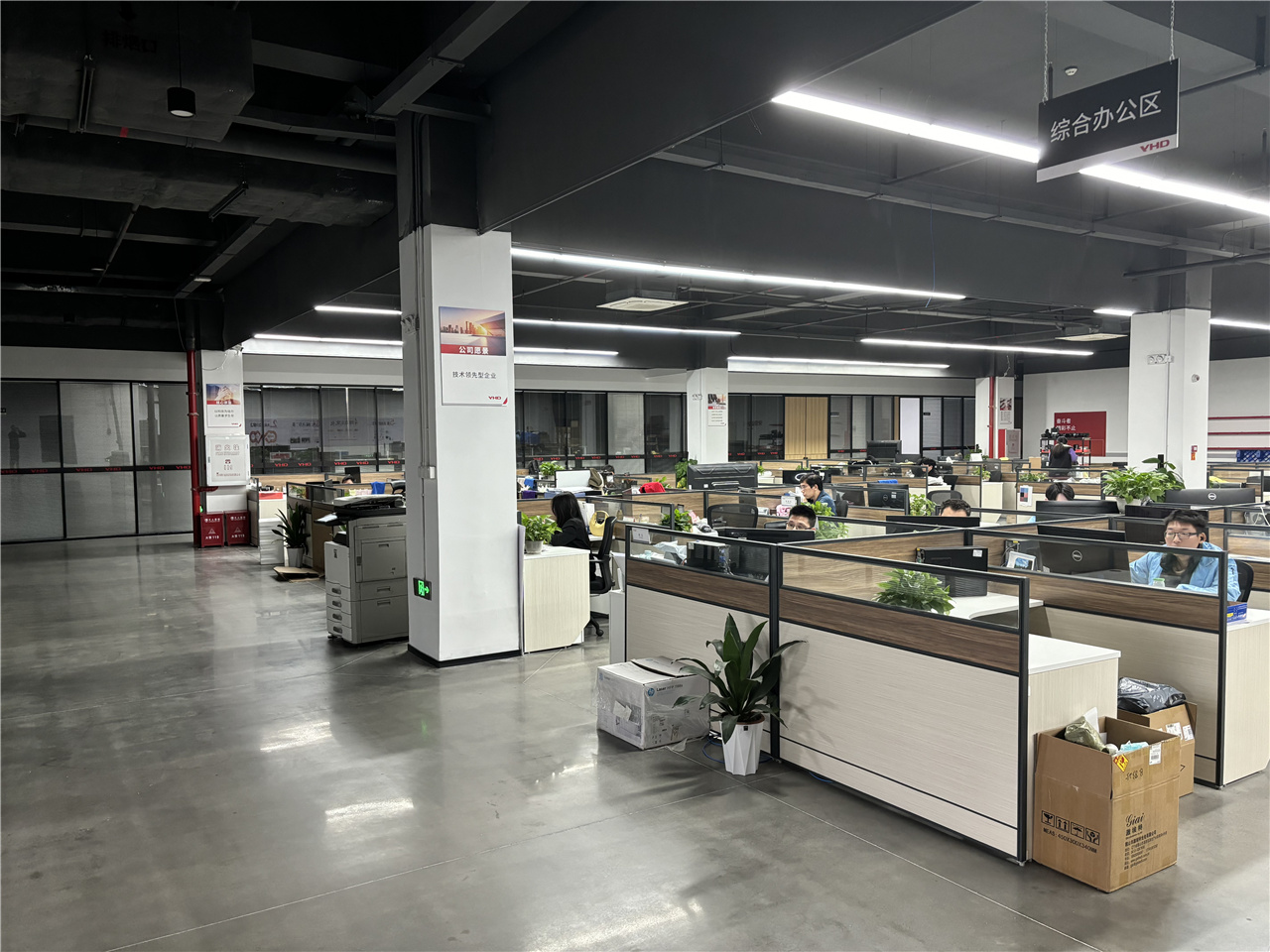
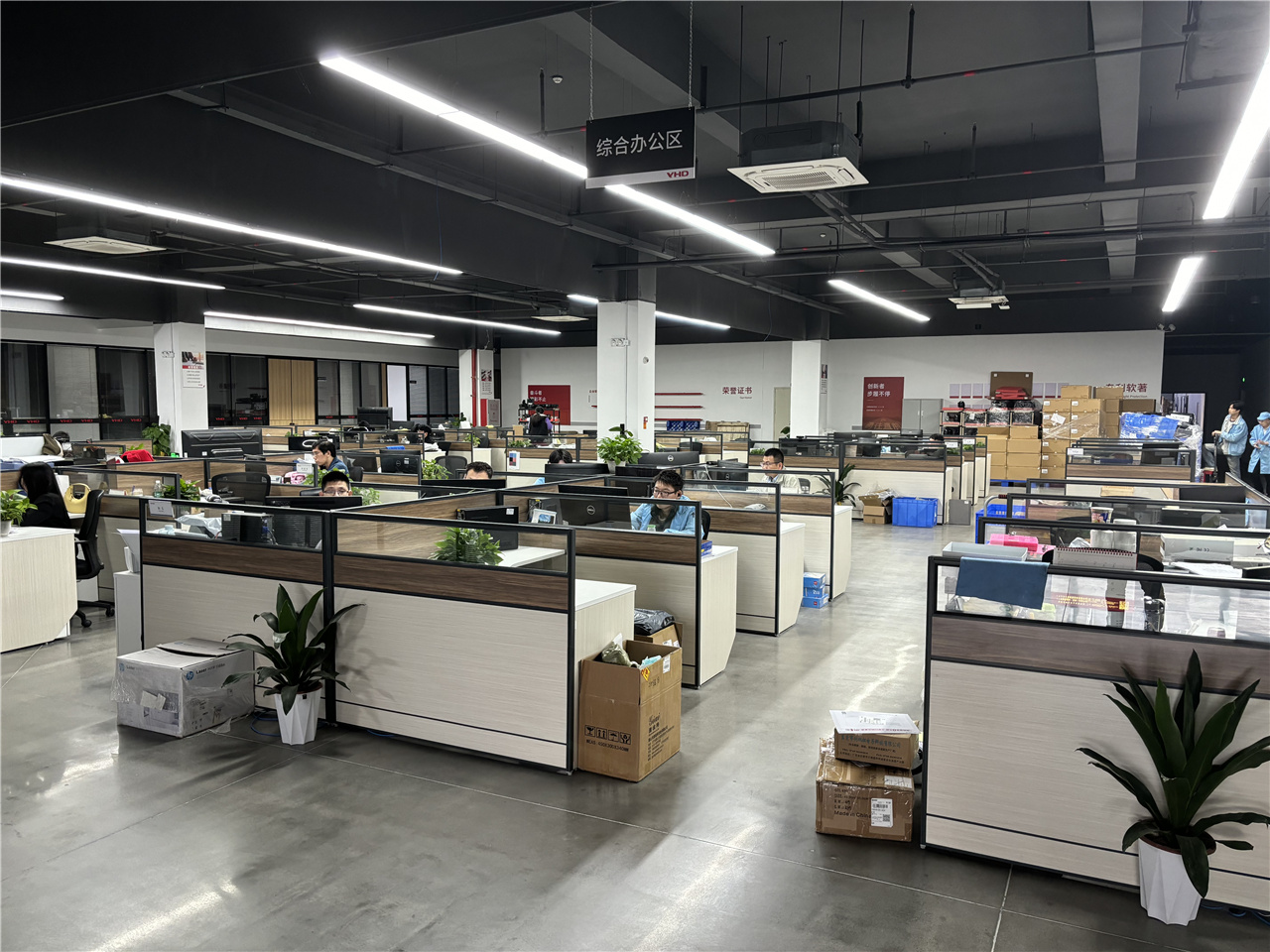
Shenzhen Dianyang Technology Co., Ltd. is a subsidiary of VHD (Shenzhen VHD Technology Co., Ltd.), a publicly listed company on the Shenzhen Stock Exchange. This strategic affiliation gives Dianyang unique access to VHD’s advanced R&D platforms, high-precision manufacturing systems, and rigorous quality management practices—enabling us to deliver thermal imaging products of higher reliability and consistency than typical ODMs.
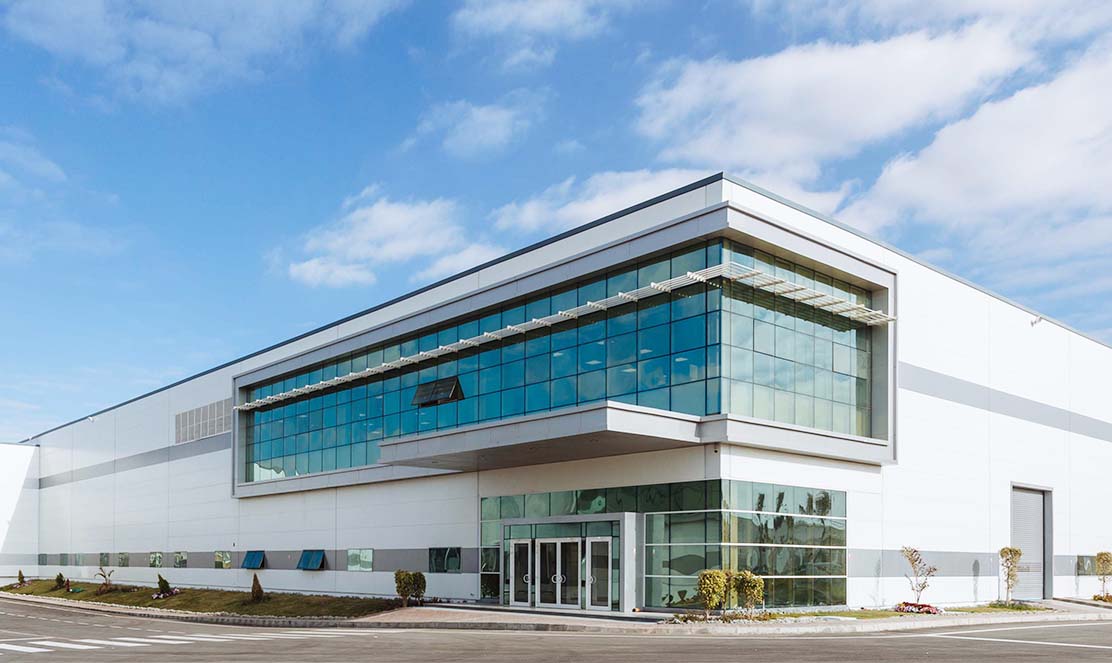
We specialize in ODM/OEM services for infrared thermal imaging solutions, including handheld thermal imagers, smartphone-connected thermal cameras, thermal analyzers, and thermal imaging telescopes. Our products serve global customers in power inspection, building diagnostics, firefighting, industrial maintenance, and outdoor applications.
Our dedicated engineering team applies Design for Manufacturing (DFM), Design for Testability (DFT), thermal simulation, and EMC pre-compliance analysis to optimize performance and accelerate development. We also support clients in obtaining key certifications such as CE, FCC, RoHS, REACH, CB, UKCA, KC, and PSE.
 Dianyang