Explore factory-direct quotes and specs for handheld, smartphone, and industrial thermal imaging systems.
The global demand for high-performance optical elements in uncooled Long-Wave Infrared (LWIR, 8–14 µm) and Mid-Wave Infrared (MWIR, 3–5 µm) bands has experienced exponential growth. Driven by industrial automation, predictive electrical maintenance, building energy diagnostics, night-vision surveillance, and consumer-grade smartphone integrations, engineering procurement managers face a dual challenge: achieving sub-40mK NETD thermal resolution while suppressing optical unit costs.
When buyers search for a cheap thermal imaging lenses pricelist, the objective is rarely to sacrifice Modulation Transfer Function (MTF) performance or spectral transmission. Instead, strategic procurement focuses on cost-efficiency (value engineering)—sourcing precision-engineered Germanium (Ge), Chalcogenide glass, and Silicon (Si) optics from high-throughput OEM/ODM exporters capable of lowering unit prices through diamond-turning automation, scalable anti-reflective (AR) coating lines, and streamlined manufacturing methodologies.
Thermal lens pricing is fundamentally governed by three core variables: raw material purity, fabrication complexity, and athermalization requirements. Single-crystal Germanium remains the benchmark optical substrate due to its high refractive index (4.0 at 10 µm) and low optical dispersion. However, due to raw material cost fluctuations, global optical engineers are rapidly transitioning to moldable Chalcogenide glass for mass-produced fixed-focal lenses. This material paradigm shift reduces assembly costs by up to 40% while preserving high optical transmission in uncooled microbolometer sensor applications.
The gold standard for high-aperture LWIR optics. Germanium offers an extraordinarily high refractive index (~4.0), enabling thin lens geometries with minimal spherical aberration. Optimal for long-range surveillance and high-resolution (640x512 / 1024x768) thermal analyzers.
Composed of selenium, tellurium, and arsenic alloys, chalcogenide glass allows precision glass moulding (PGM). This drastically eliminates expensive single-point diamond turning (SPDT) processing, offering unbeatable price-to-performance for compact phone attachments and micro-cameras.
Ideal for 3–5 µm MWIR applications and lightweight tactical systems. Si features lower density than Ge (2.33 g/cm³ vs 5.32 g/cm³), reducing overall payload in drone-mounted infrared gimbals and portable thermal scopes.
Raw optical materials exhibit significant Fresnel reflection losses (Germanium loses ~36% of incident light per surface without coating). Top-tier thermal optical exporters apply specialized multi-layer thin-film coatings:
Below is a commercial reference benchmark for international procurement officers, original equipment manufacturers (OEMs), and system integrators detailing optical parameters, detector matching, and volume export price brackets.
| Optical Category | Focal Length / F# | Detector Resolution | Substrate / Coating | Est. Export Price (USD)* | Target Application |
|---|---|---|---|---|---|
| Micro-Mobile Lens Assembly | 3.2mm f/1.1 Fixed | 160x120 / 256x192 (12µm) | Chalcogenide + BBAR | $18.00 - $35.00 | Smartphone Attachments (H1FB, H2FB) |
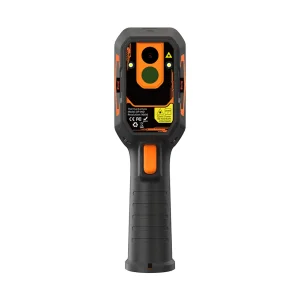
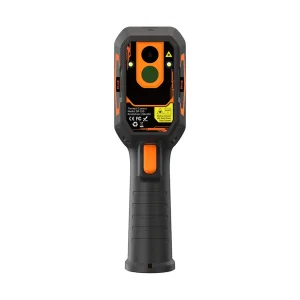
| Handheld Diagnostic Lens | 6.5mm f/1.0 Manual Focus | 256x192 / 384x288 (12µm) | Ge Hybrid + DLC Outer | $45.00 - $85.00 | Handheld Cameras (DP-25D, DP-38D) |
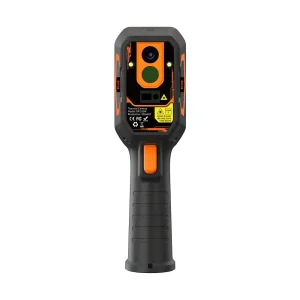
| High-Res Industrial Optics | 13mm / 19mm f/1.0 Athermal | 640x512 (12µm Vox) | Ge Single-Crystal BBAR | $120.00 - $210.00 | Professional Inspection (DP-64D) |
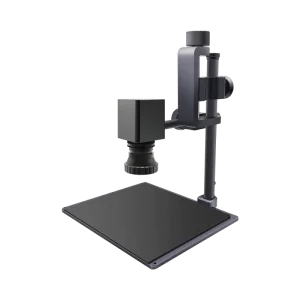
| PCB Macro Analytical Optics | Macro Lens Attachment | 256x192 / 640x512 | High-Precision Ge Optical Glass | $80.00 - $160.00 | Benchtop Thermal Analyzers (CA-30D, CA-60D) |
| Long-Range Thermal Scope Lens | 35mm / 50mm f/1.2 Athermalized | 384x288 / 640x512 (12µm) | Ge + Chalcogenide Triplet | $250.00 - $480.00 | Security, Night Vision & Outdoor Scopes |
*Note: Prices reflect wholesale OEM/ODM export volume orders (100–1000+ units). Customized optical coatings, specialized IP67 sealing, or motorized focus mechanisms may alter unit pricing.
Shenzhen Dianyang Technology Co., Ltd. is a subsidiary of VHD (Shenzhen VHD Technology Co., Ltd.), a publicly listed company on the Shenzhen Stock Exchange. This strategic affiliation gives Dianyang unique access to VHD’s advanced R&D platforms, high-precision manufacturing systems, and rigorous quality management practices—enabling us to deliver thermal imaging products of higher reliability and consistency than typical ODMs.
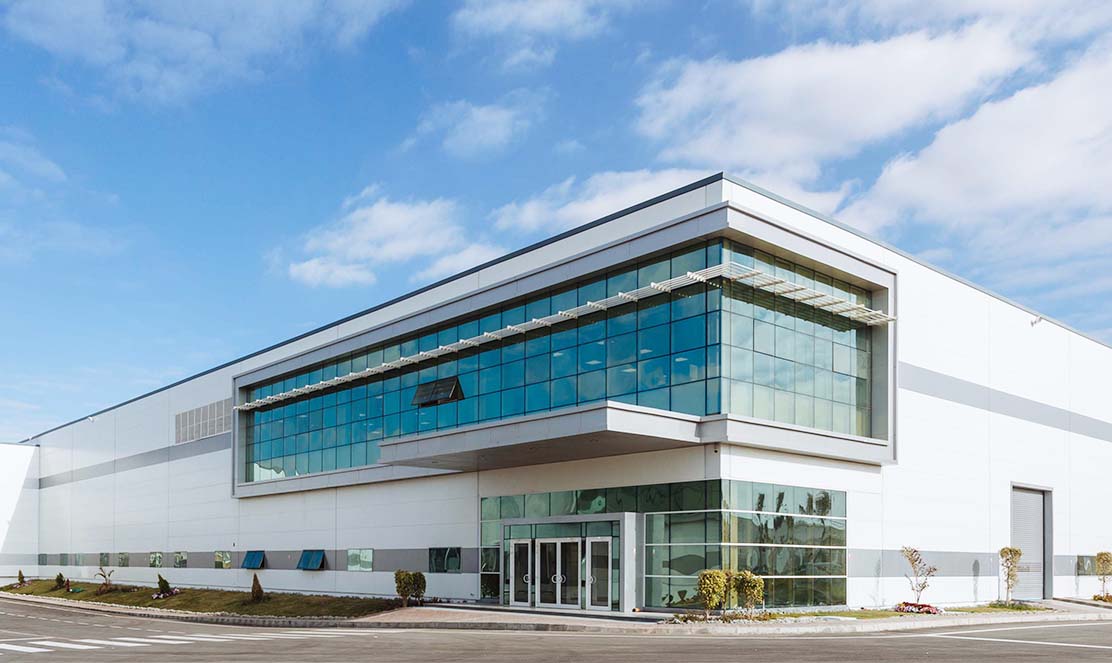
We specialize in comprehensive ODM/OEM services for infrared thermal imaging solutions, including handheld thermal imagers, smartphone-connected thermal cameras, thermal analyzers, and thermal imaging telescopes. Our products serve global customers in power inspection, building diagnostics, firefighting, industrial maintenance, and outdoor applications.
Our dedicated engineering team applies Design for Manufacturing (DFM), Design for Testability (DFT), thermal simulation, and EMC pre-compliance analysis to optimize optical and system performance while accelerating client product launch development cycles.
We provide complete global regulatory compliance support. Our exported systems and optical modules hold major international certifications including CE, FCC, RoHS, REACH, CB, UKCA, KC, and PSE.
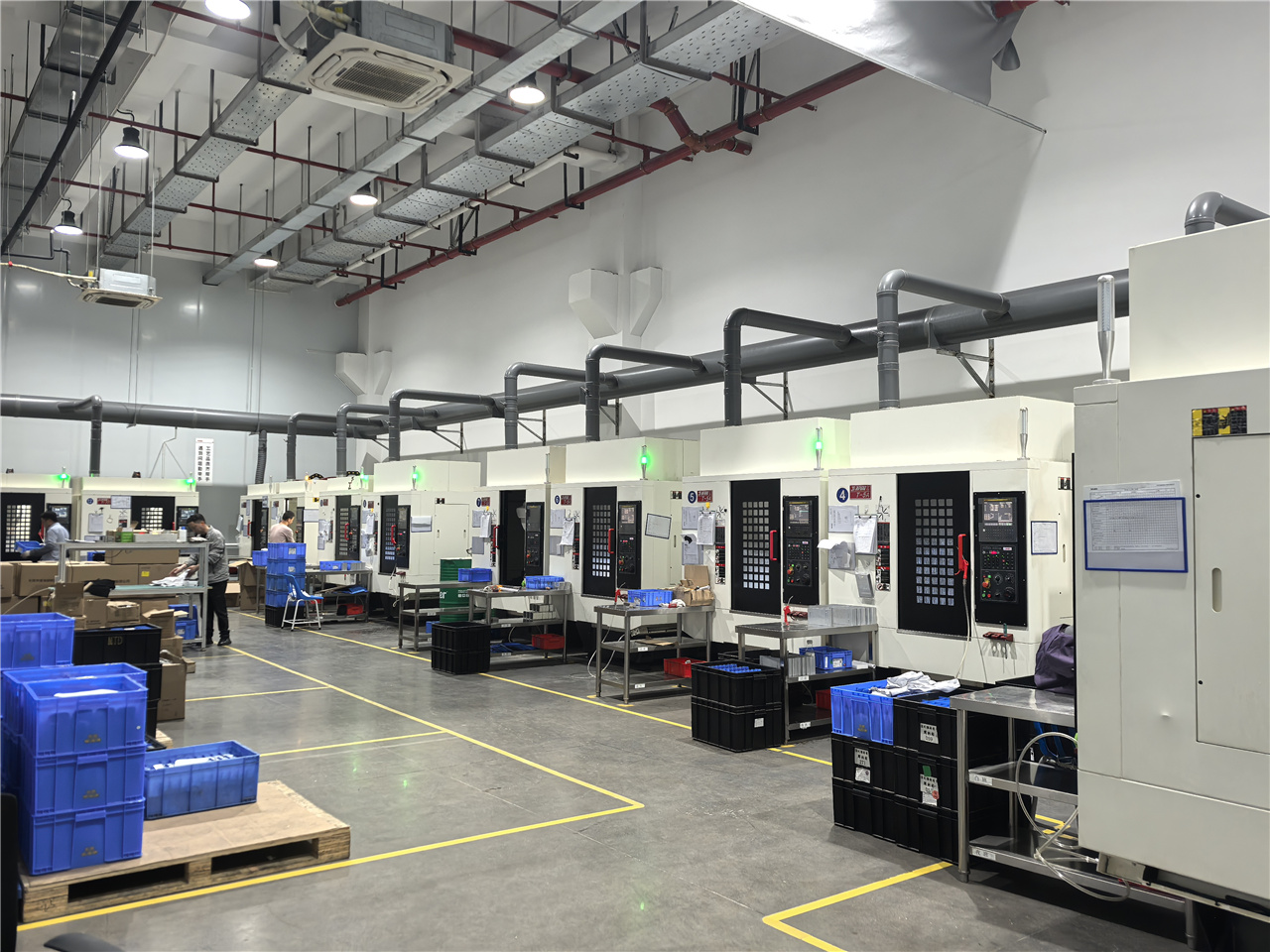
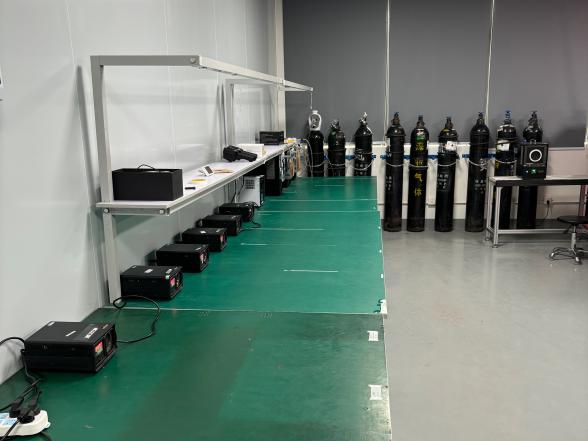
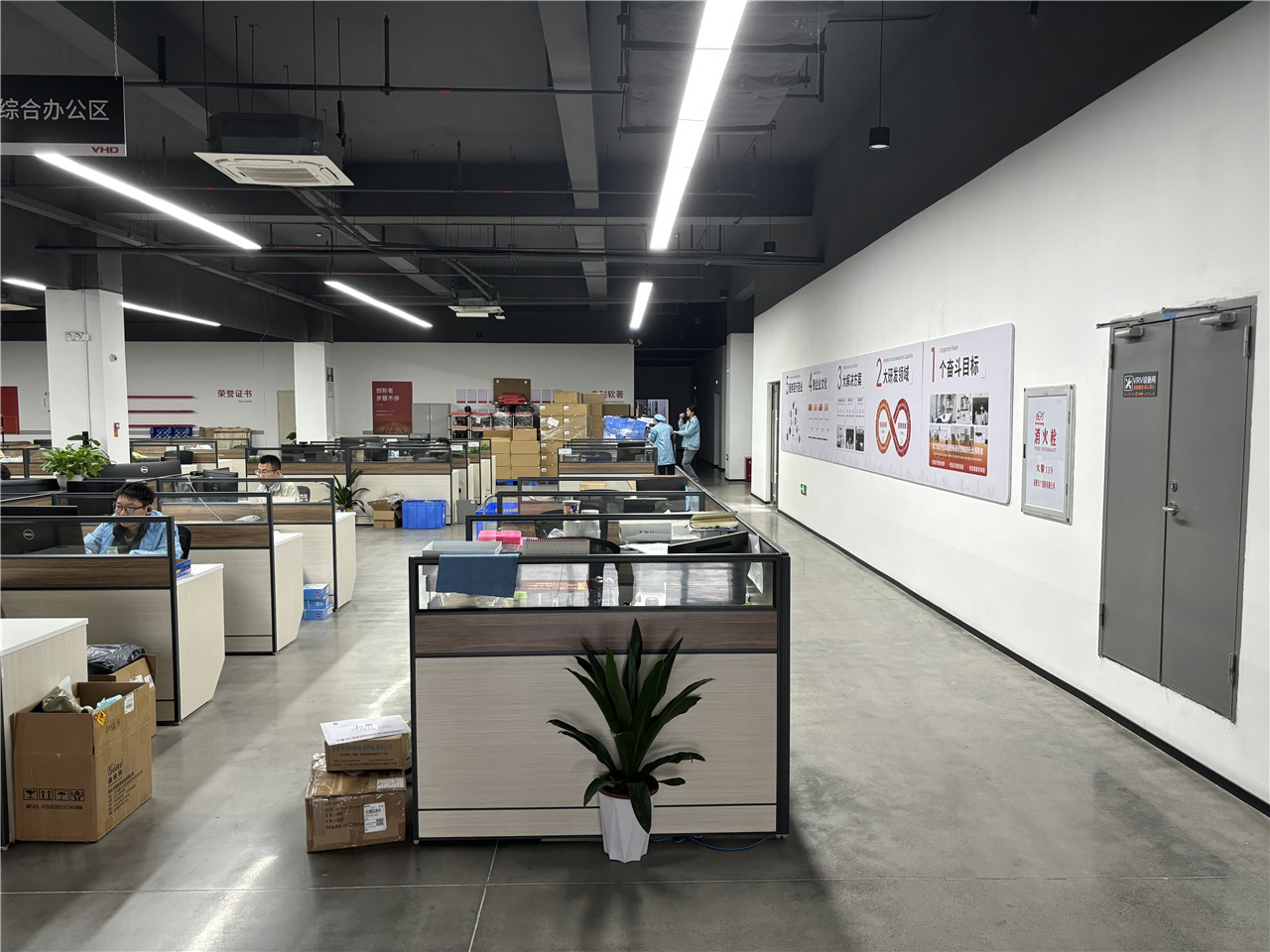
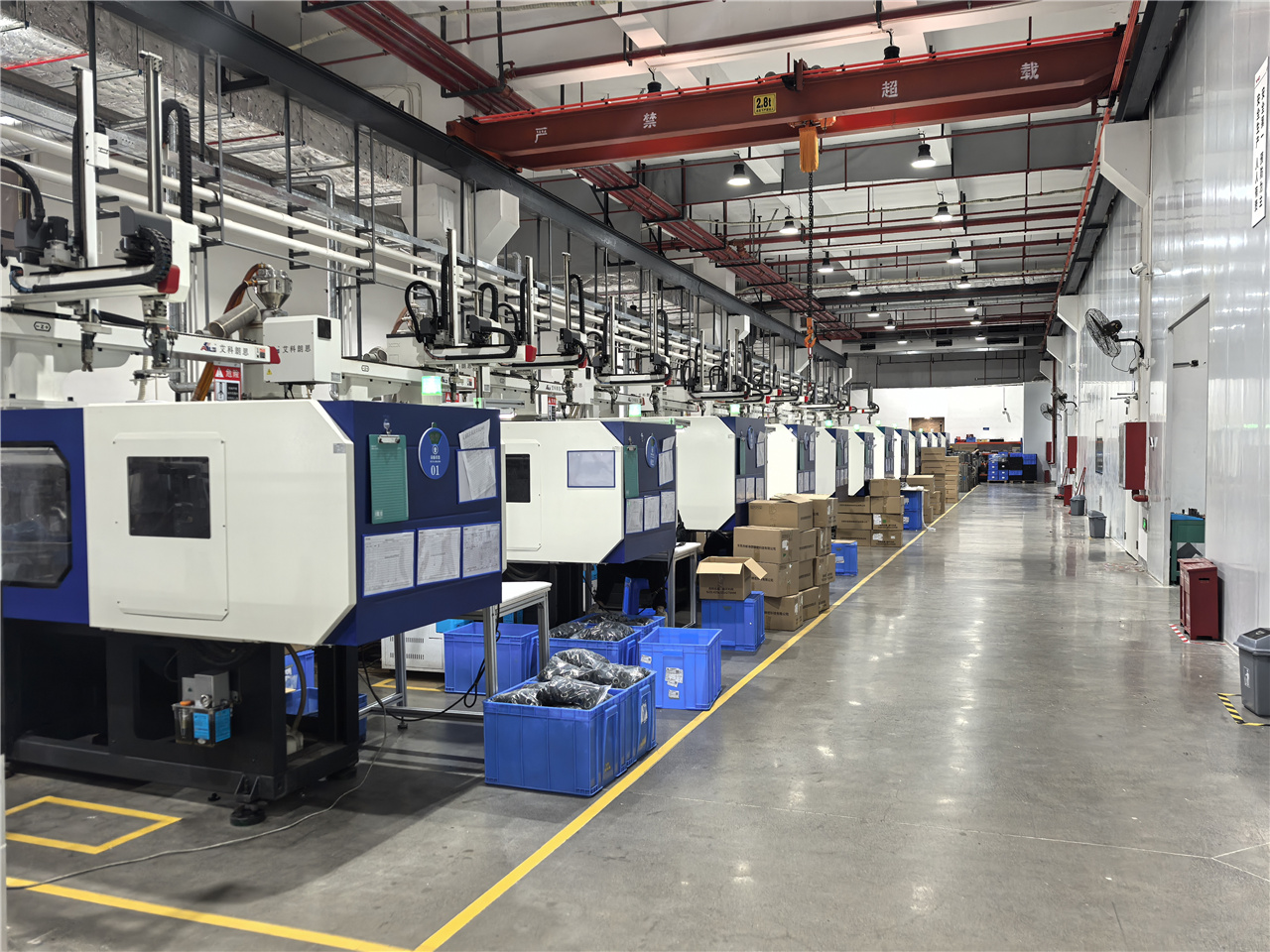
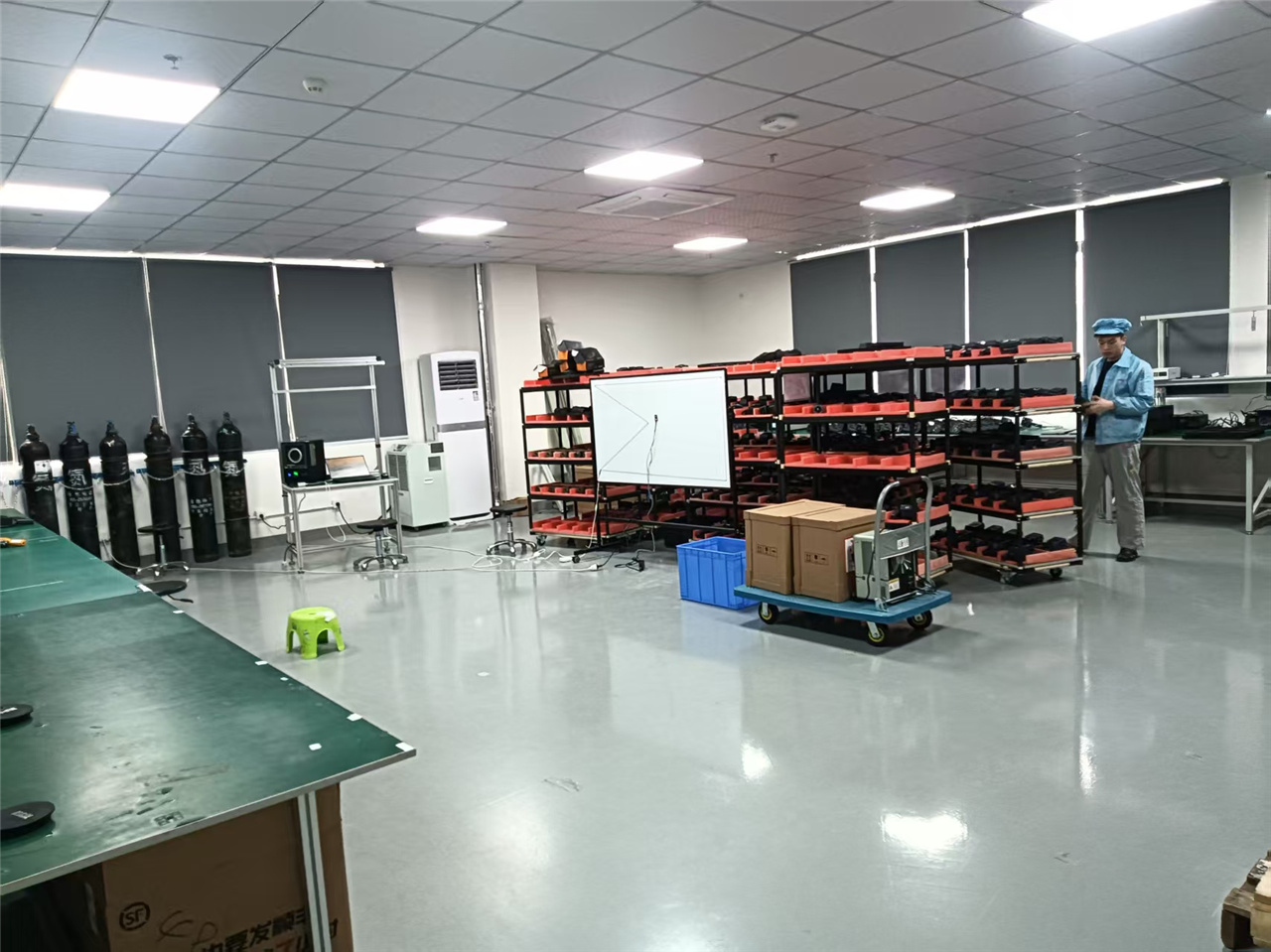
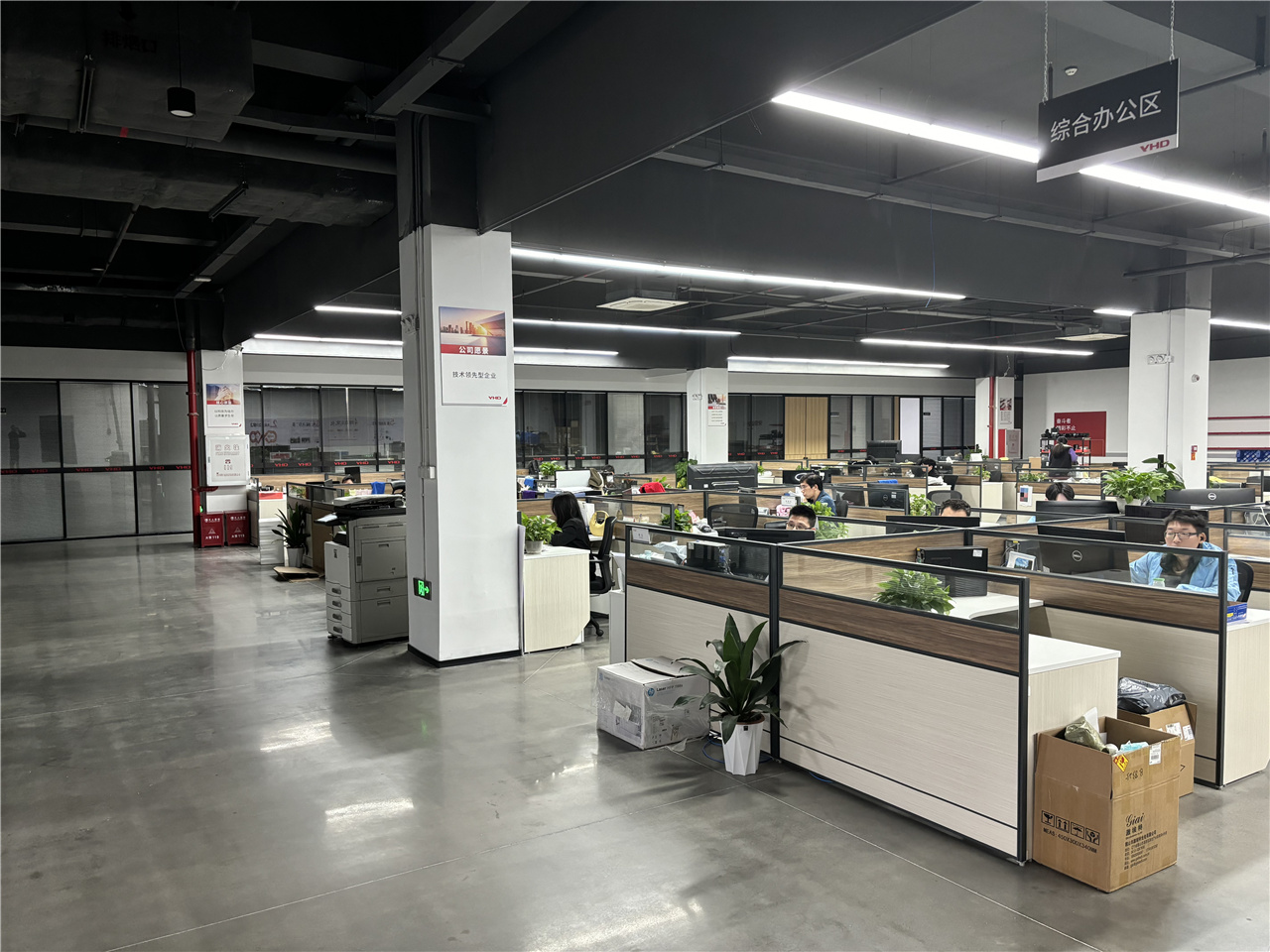
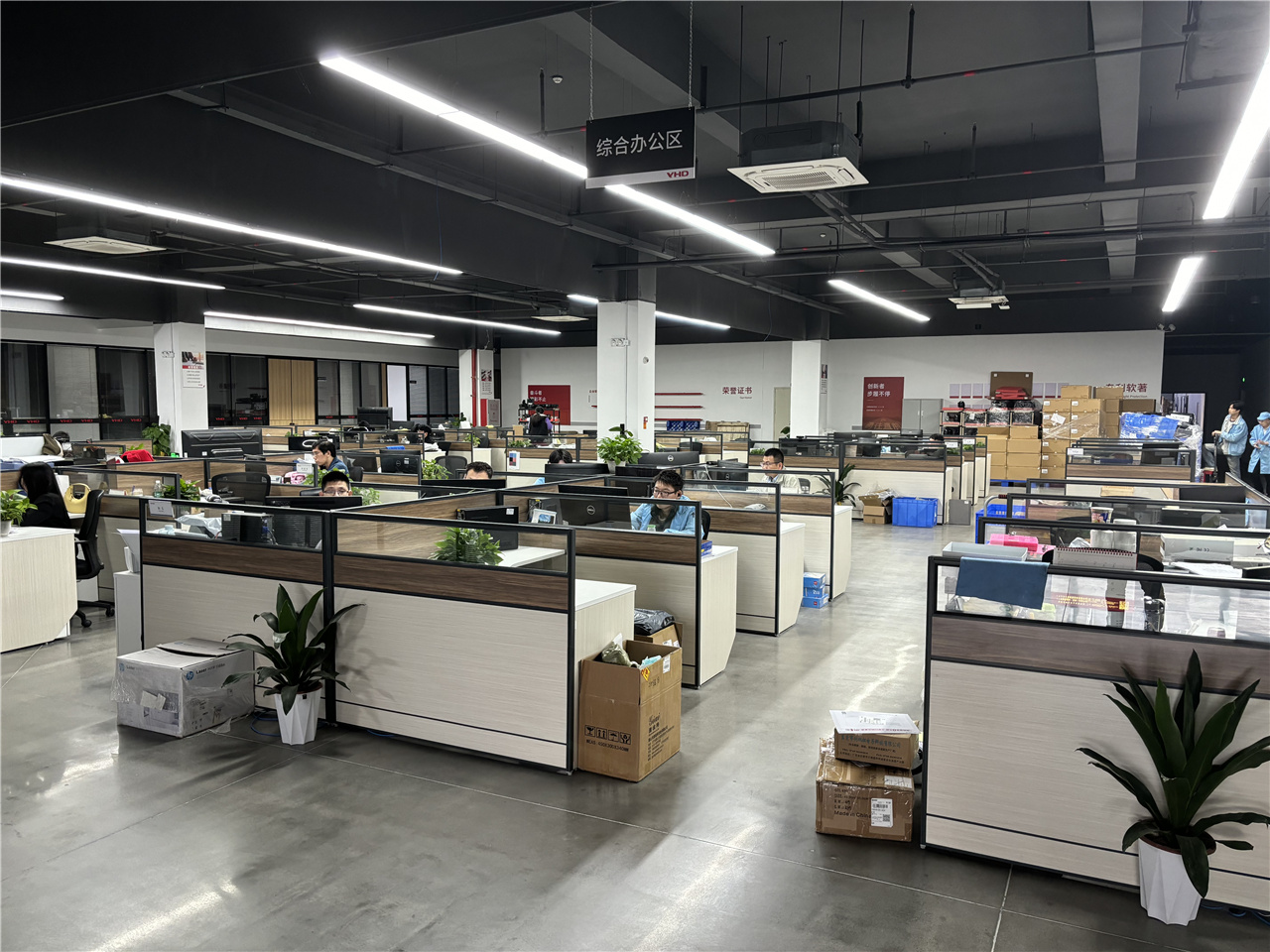
China's thermal optics ecosystem brings raw material refinement, diamond turning (SPDT), chalcogenide glass molding, thin-film coating, and optical testing under tightly integrated regional clusters. This vertical integration slashes transit delays and material markups.
Every thermal lens batch undergoes automated Modulation Transfer Function (MTF) testing, collimator focal length alignment, and thermal drift validation across environmental chambers, ensuring 100% optical yield prior to export shipping.
From custom focal lengths (e.g., 3.2mm to 75mm) to customized mechanical lens barrels (waterproof IP67, anodized aluminum, thread mounts), Chinese manufacturers provide low-MOQ engineering customization for specialized applications.
Leveraging public-parent company capital infrastructure (VHD Group), Dianyang utilizes automated optical assembly lines capable of supplying thousands of precision thermal camera cores and lens units monthly with stable lead times.
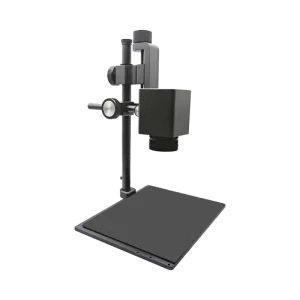
In electronic R&D labs, localized micro-overheating on IC chips or power MOSFETs can cause catastrophic failure. Thermal analyzer systems (such as the CA-30D and CA-60D) incorporate specialized macro thermal optics capable of resolving micro-level temperature differentials across tiny surface mounts, providing clear thermographic mapping for hardware engineers.
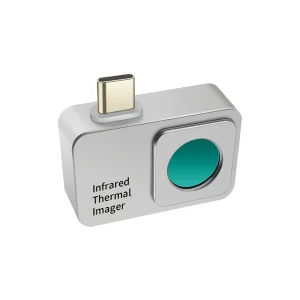
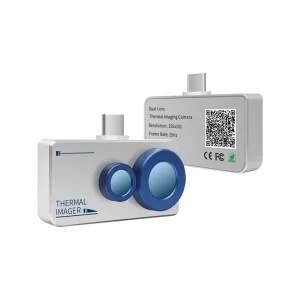
Compact thermal cameras (such as the H2FB and H2F6B series) convert consumer smartphones into professional diagnostic devices. By combining 256x192 infrared detectors with ultra-compact chalcogenide lens optics, HVAC technicians and building inspectors can quickly locate thermal leaks, dampness, and electrical hot spots via USB Type-C plug-and-play interfaces.
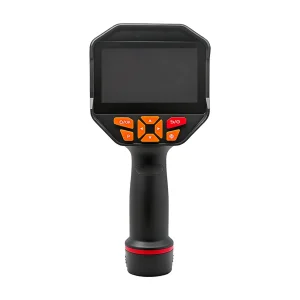
High-resolution handheld thermal imagers (such as the DP-64D 640x512 and DP-38D 384x288) utilize high-aperture f/1.0 Germanium lenses to capture clear radiometric thermal signatures on high-voltage power lines, transformer sub-stations, and heavy mechanical gearboxes from safe standoff distances.
To avoid optical degradation, vignetting, or thermal defocus, global buyers should evaluate exporters against the following parameters:
Verify that the exporter provides spectrophotometer test reports proving BBAR coating transmittance >95% in the 8–14 µm range.
Ensure outer elements feature DLC coatings and IP67 O-ring mechanical seals for outdoor deployment.
Demand thermal chamber validation data ensuring focus stability across the required operational temperature envelope.
Click any model below to inspect technical datasheets, resolution specs, and factory wholesale pricing.
 Dianyang