Ensure maximum reliability, thermal safety, and cycle-life efficiency in your energy storage deployment with our precision thermal inspection hardware directly from certified China manufacturers.
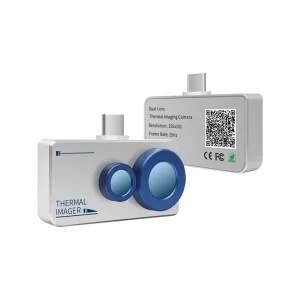
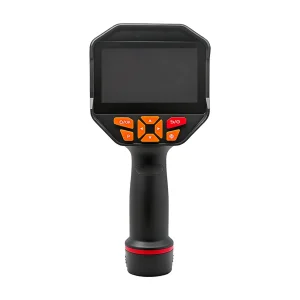
An Executive Analysis on Electrochemical Superiority, Solid-State Evolution, and Real-Time Diagnostic Integration
The global energy storage landscape is experiencing an unprecedented structural transition. As commercial, industrial, and utility sectors phase out legacy nickel-manganese-cobalt (NMC) chemistry due to volatility risks and supply constraints, Lithium Iron Phosphate (LiFePO4 or LFP) has emerged as the definitive benchmark for commercial energy storage system (ESS) design. Driven by superior thermal stability, extended cycle lifespan, and cost-efficiency, global enterprise procurement of LFP battery packs from leading China suppliers and exporters has surged significantly.
The olivine crystal structure of LiFePO4 features robust P-O covalent bonds that resist thermal decomposition up to 270°C, rendering it virtually immune to oxygen-releasing thermal runaway under extreme operational loads.
Offering over 6,000 deep discharge cycles at 80% Depth of Discharge (DoD), LFP delivers an unmatched Levelized Cost of Storage (LCOS), drastically outperforming traditional lead-acid and lithium-ion alternatives.
Modern battery architecture mandates high-frequency thermal monitoring. Pairing smart BMS telemetry with precision radiometric thermal imaging eliminates micro-short circuit risks before cell breakdown occurs.
Recent technological advancements have led to cell-to-pack (CTP) and cell-to-chassis (CTC) structural innovations. By stripping away volumetric module housings, Tier-1 Chinese battery exporters have boosted volumetric energy density beyond 300 Wh/L. However, maintaining strict thermal uniformities across large-scale pack arrays requires ultra-reliable early-stage thermal inspection during cell manufacturing and operational field audits.
Deploying LiFePO4 chemistry addresses inherent material stability, but structural safety is only guaranteed when cell internal resistance anomalies are caught early. Enterprise buyers must verify that OEM suppliers enforce automated infrared thermal calibration throughout mass assembly.
Quantitative Benchmarks for Sourcing High-Yield LFP Battery Racks & Industrial Diagnostics
When selecting a qualified enterprise LiFePO4 battery manufacturer or exporter, procurement officers and engineering leads must evaluate rigorous technical criteria to ensure cross-border regulatory compliance, operational safety, and system integration capability.
| Technical Parameter | Enterprise Standard Specification | Quality Verification & Diagnostic Protocol |
|---|---|---|
| Nominal Cell Chemistry | LiFePO4 (Lithium Iron Phosphate) / LFP | X-ray diffraction (XRD) crystal analysis & spectroscopic purity verification |
| Standard Cycle Life | ≥ 6,000 cycles @ 0.5C/0.5C (25°C, 80% DoD) | Automated electro-chemical charge-discharge telemetry profiling |
| Operating Temperature Range | Charge: 0°C to 55°C | Discharge: -20°C to 65°C | Radiometric infrared thermal camera diagnostic scanning during peak C-rate load |
| BMS Protection Protocols | Overcharge, overdischarge, short circuit, cell balancing | Dual-light optical & thermographic monitoring via high-resolution thermal analyzers |
| Global Compliance Certifications | UN38.3, IEC 62619, CE, FCC, RoHS, REACH, UKCA | Third-party laboratory validation & factory pre-compliance test reports |
Procurement teams must audit manufacturing operations beyond basic cell capacity listings. Internal resistance (IR) matching, delta-voltage variances within series strings, and thermal gradient profiles under maximum discharge spikes determine total string lifetime. A variance of even 0.05V across series cells can reduce string longevity by up to 25% if unmanaged by intelligent BMS and unchecked by thermal diagnostics.
The Strategic Advantages of Partnering with Listed Corporate Manufacturing Ecosystems
China continues to lead global lithium-ion battery production, accounting for over 75% of worldwide manufacturing capacity. This dominance stems from complete vertical integration—from raw material refinement (lithium carbonate and iron phosphate precursor synthesis) to automated cell assembly and intelligent software control integration.
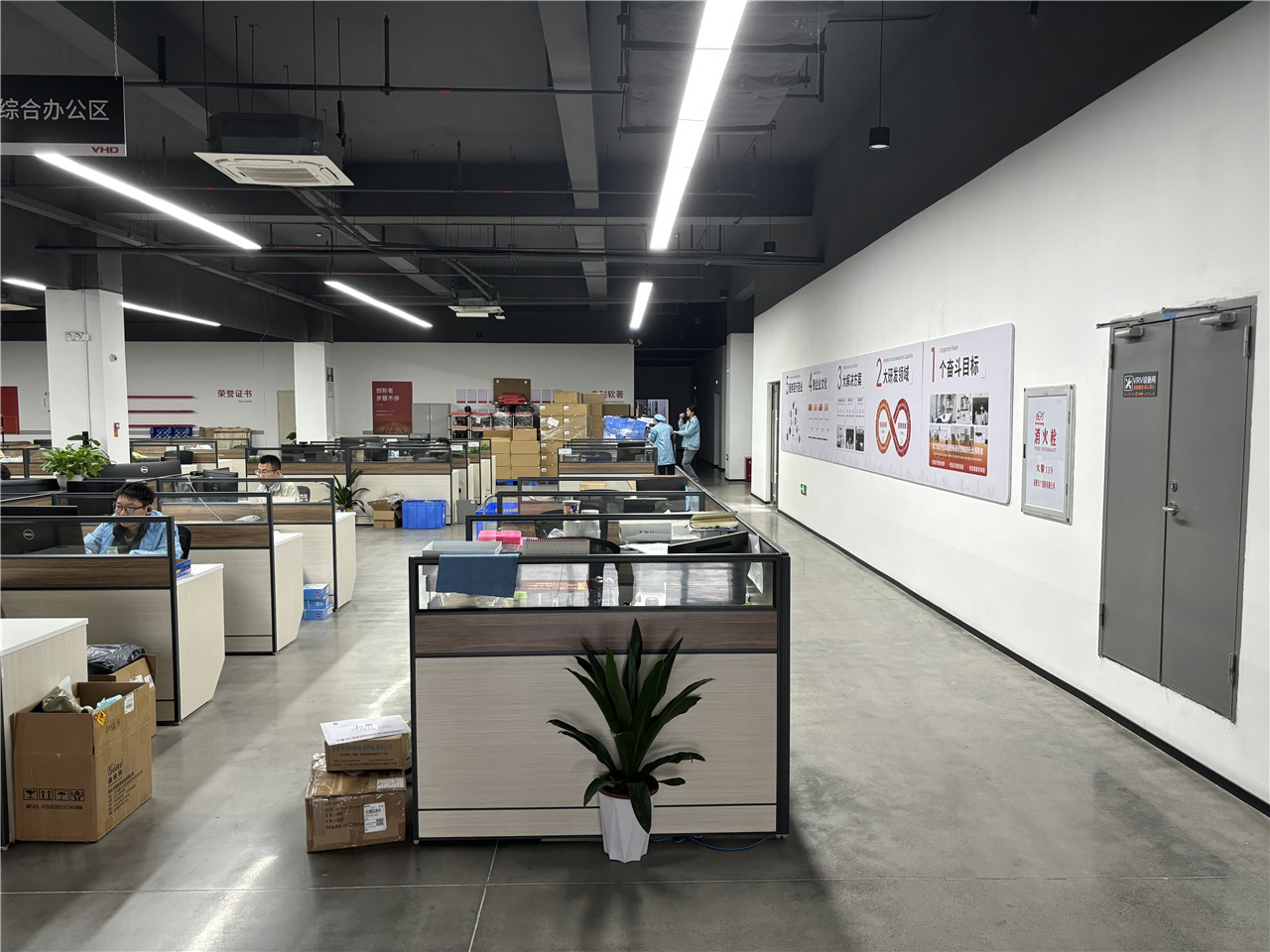
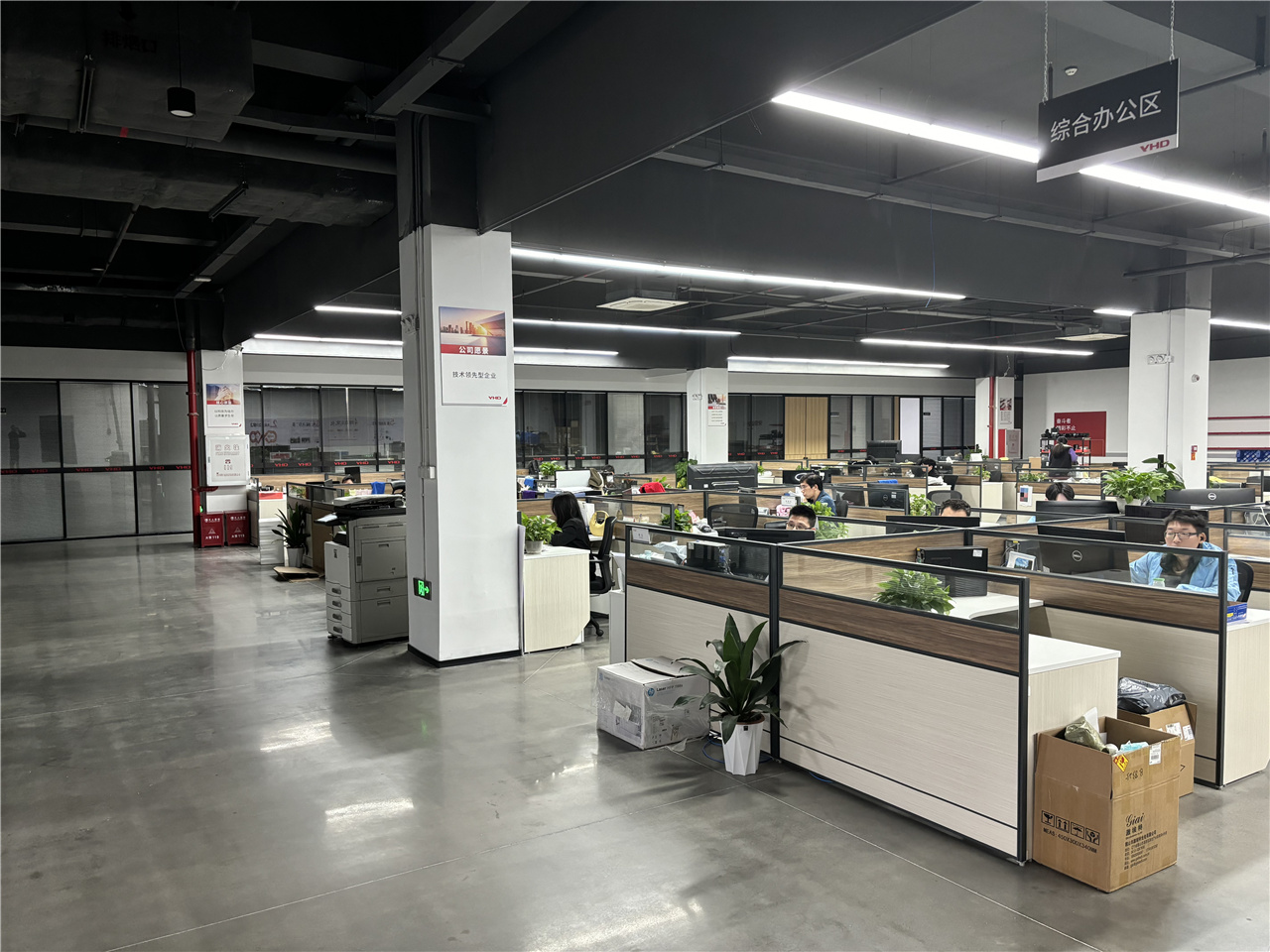
Shenzhen Dianyang Technology Co., Ltd. operates as a key subsidiary of VHD (Shenzhen VHD Technology Co., Ltd.), a publicly listed enterprise on the Shenzhen Stock Exchange. This strategic affiliation provides Dianyang direct access to advanced engineering R&D platforms, high-precision industrial tooling, capital stability, and stringent quality control protocols superior to typical market ODMs.
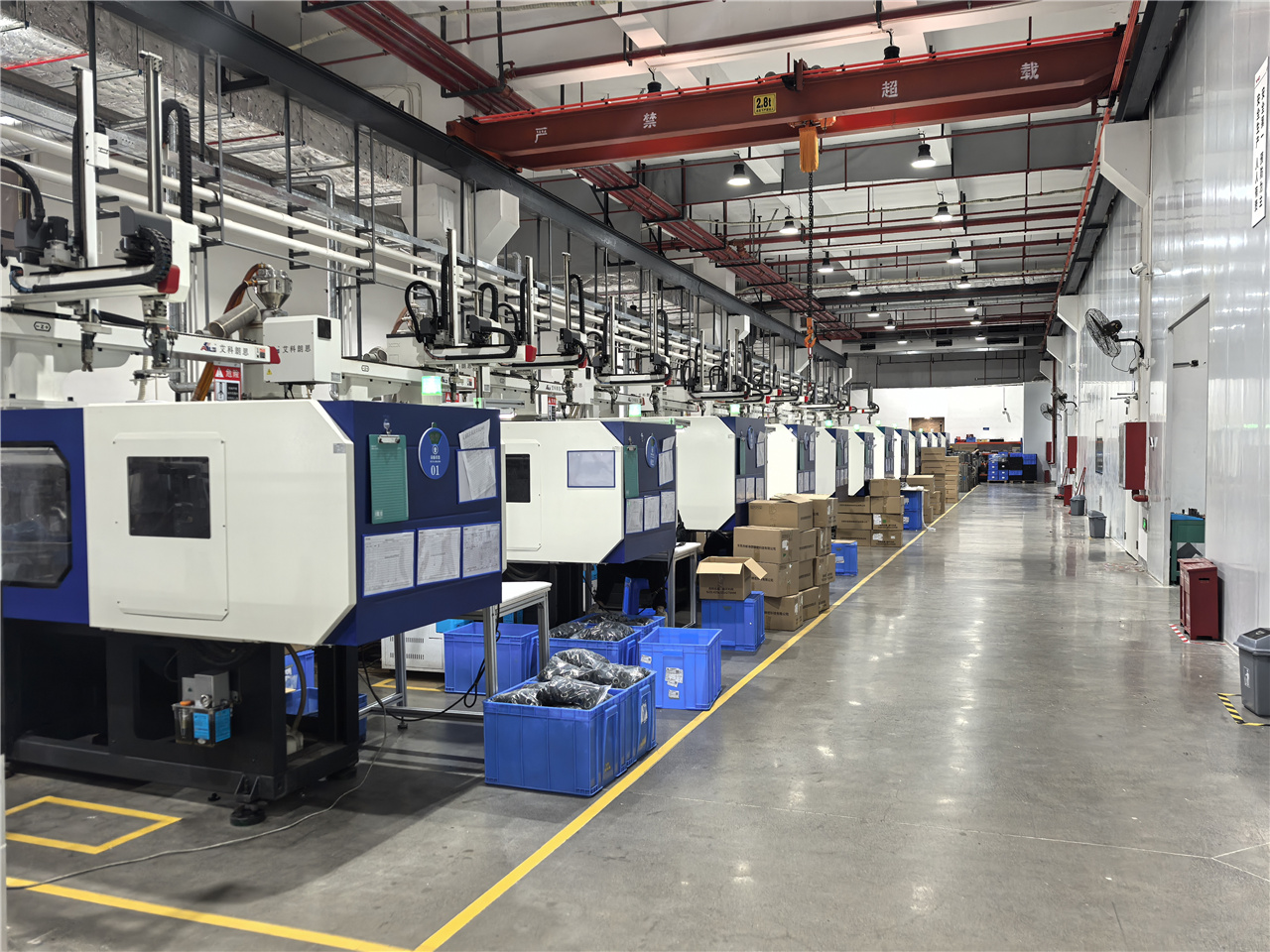
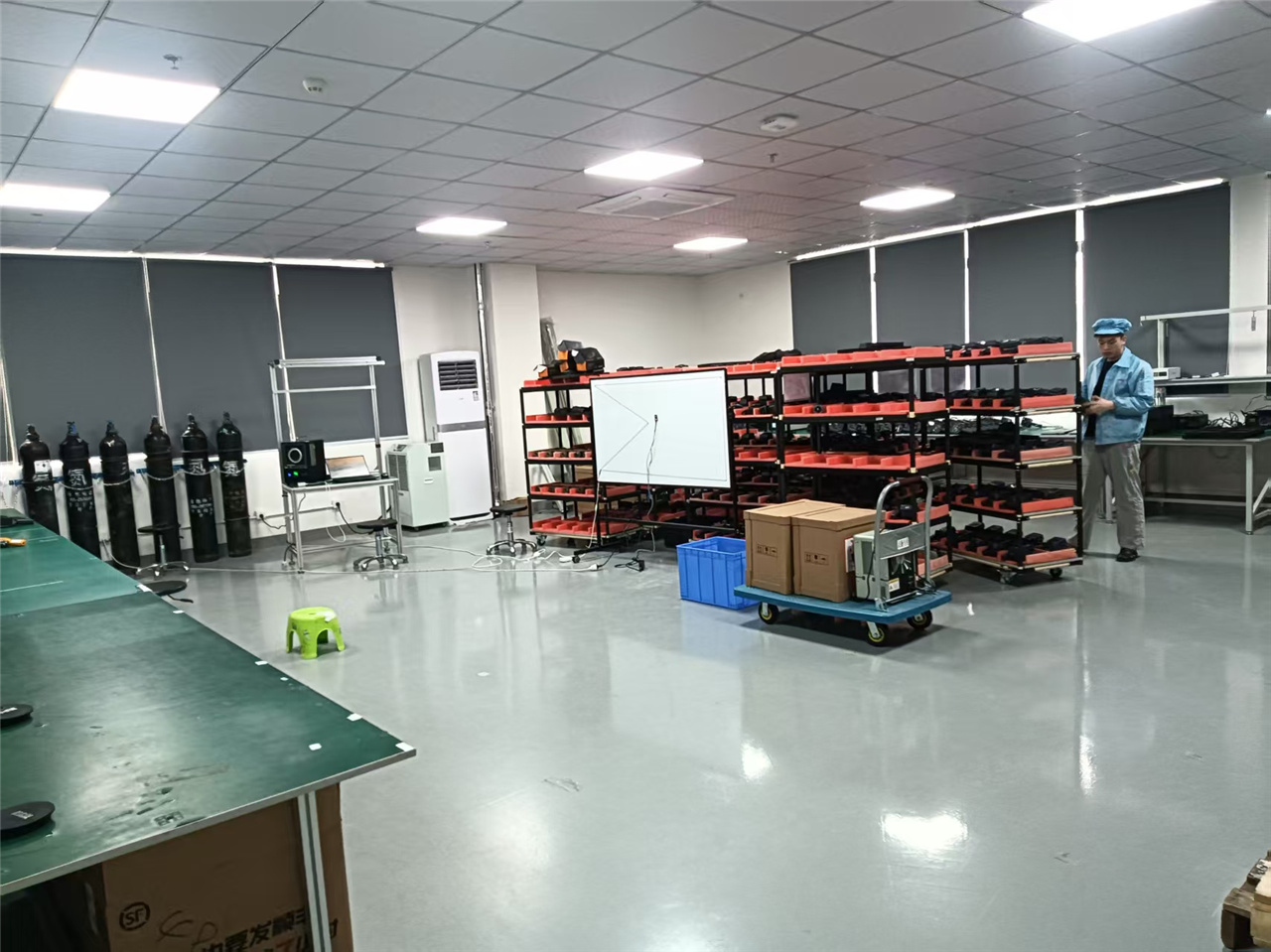
Our dedicated engineering teams utilize Design for Manufacturing (DFM) and Design for Testability (DFT) methodologies. By integrating finite element thermal simulation, electromagnetic compatibility (EMC) pre-compliance testing, and automated optical/thermal inspection, we ensure flawless production consistency across all thermal imager diagnostic systems and power management solutions.
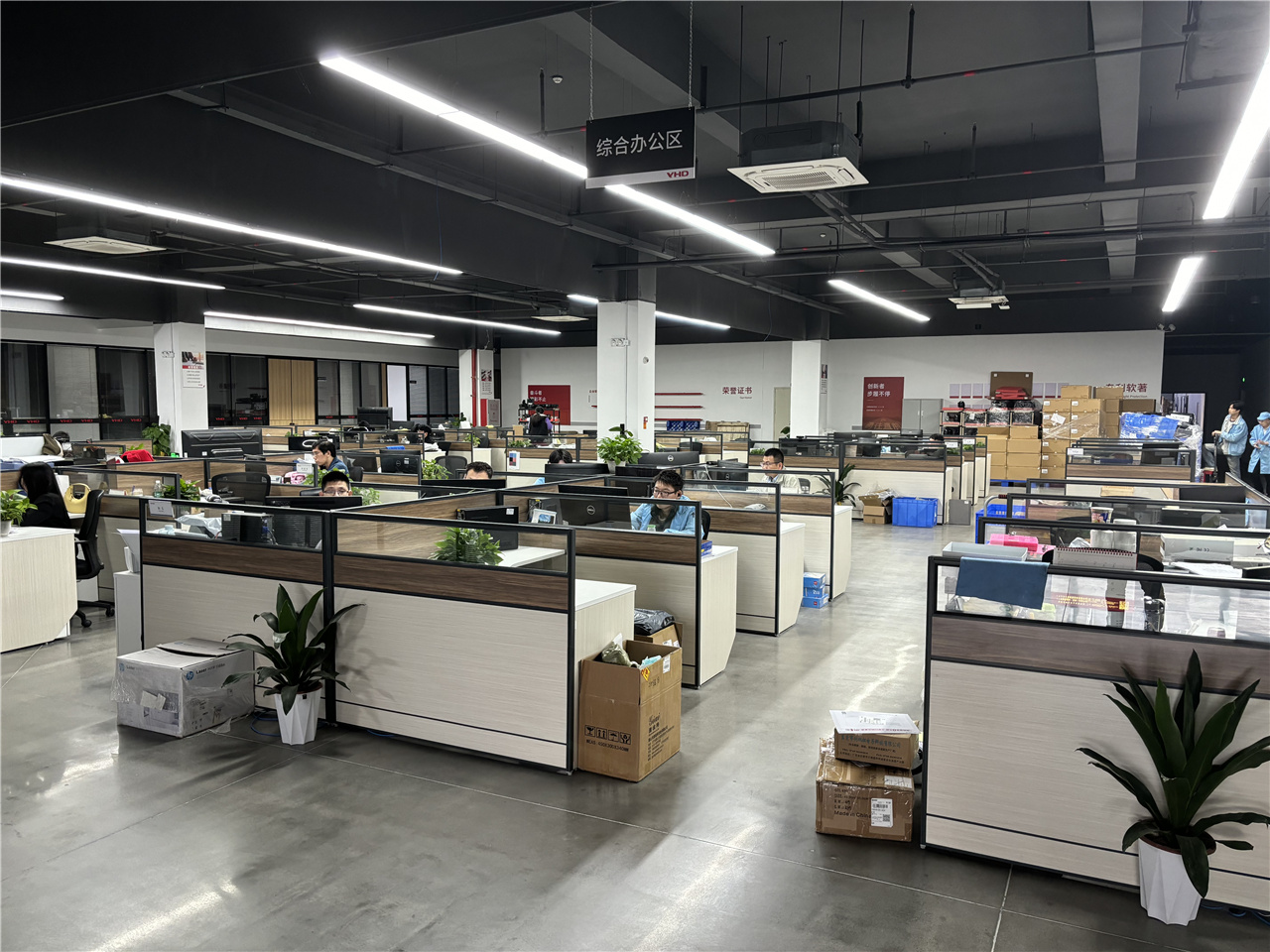
Our factory operations maintain global export standards, ensuring seamless compliance across diverse markets. Below is an overview of our state-of-the-art production environments and technological validation centers:

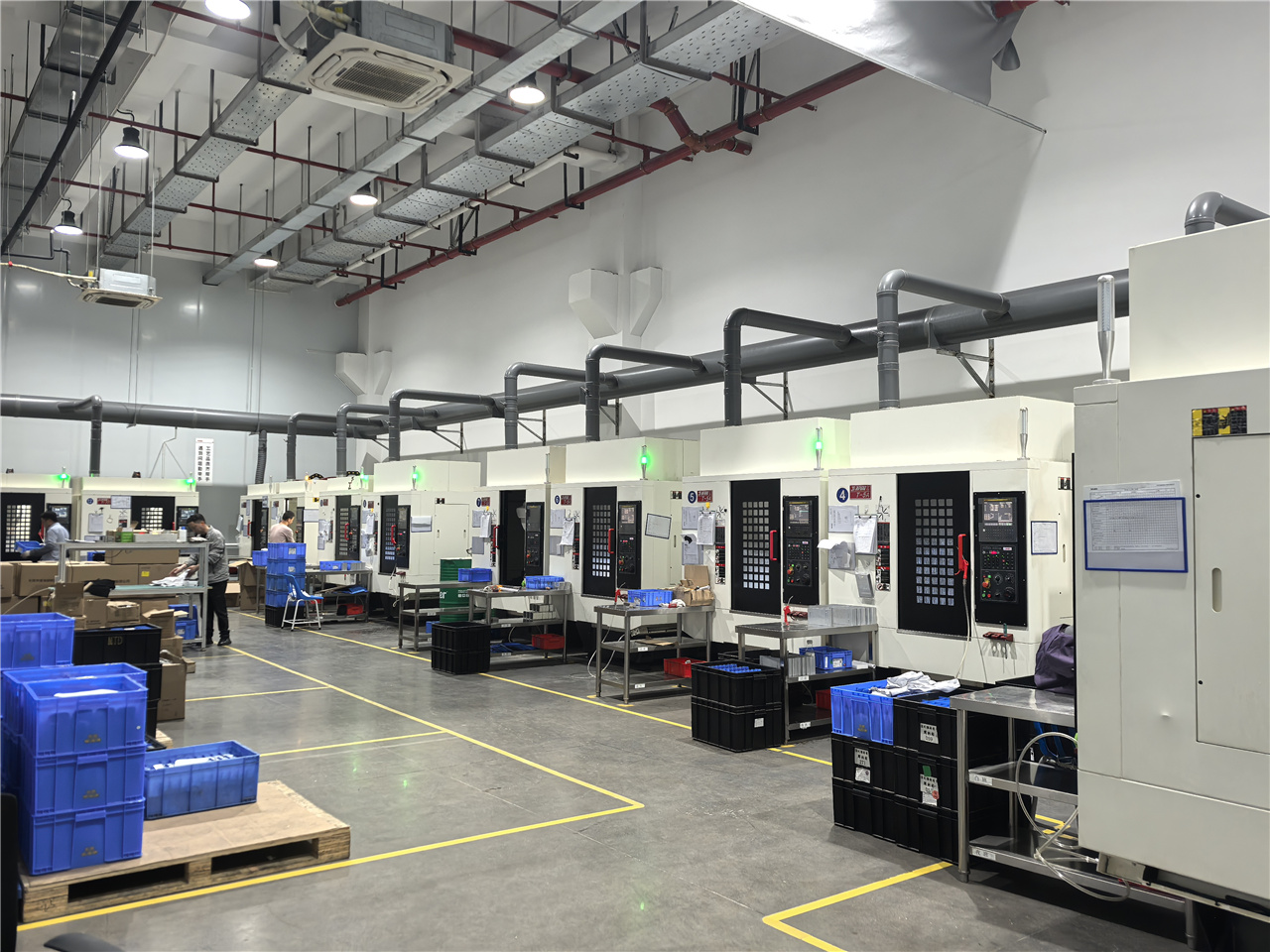
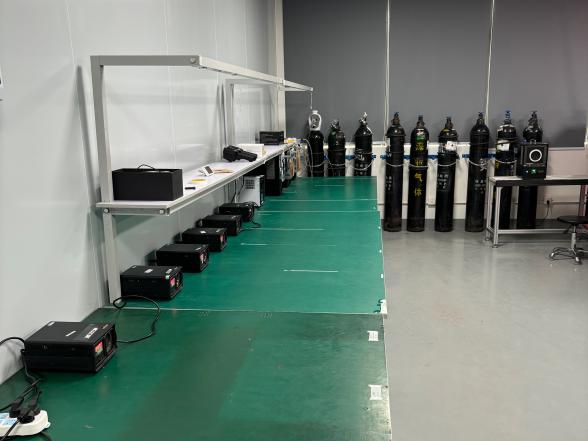
Where Enterprise Energy Storage and Precision Thermal Diagnostics Converge
Delivering uninterrupted power backup for mission-critical infrastructure. Extended temperature tolerance and zero outgassing make LFP packs paired with handheld thermal imagers ideal for rapid rack diagnostics.
Smoothing peak demand and buffering renewable generation. Large containerized LFP installations benefit from continuous radiometric thermal inspection to prevent localized overheating.
Powering heavy material handling equipment, marine propulsion, and off-grid mining systems where vibrational resistance and thermal resilience are non-negotiable requirements.
Integrating High-Resolution Thermal Imagers for Preventative Battery Maintenance
Deploying high-capacity LiFePO4 battery banks in remote, high-ambient temperature regions (such as Middle Eastern desert solar installations or tropical mining sites) requires comprehensive preventative maintenance routines. Thermal management is the single most decisive factor in battery pack health.
By enforcing routine thermal inspections, asset managers prevent localized cell overheating from accelerating degradation across adjacent modules, extending total operational lifecycle by up to 30%.
Expert Guidance for B2B Buyers, System Integrators & Engineering Teams Sourcing LFP Energy Systems
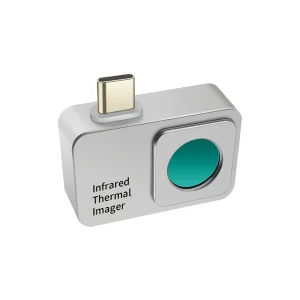
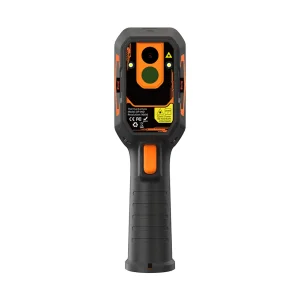
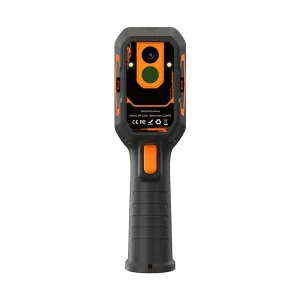
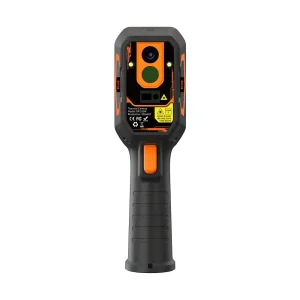
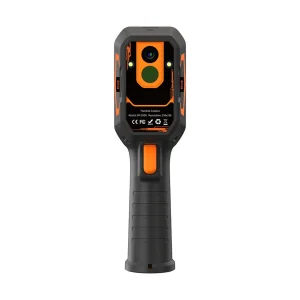
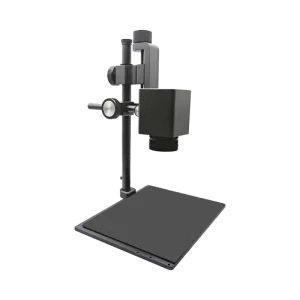
Explore our complete catalog of factory-direct infrared thermal imagers and thermal analyzer solutions engineered for battery maintenance, electrical inspection, and industrial diagnostics.
 Dianyang