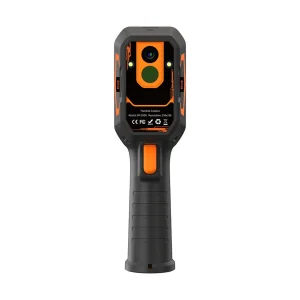
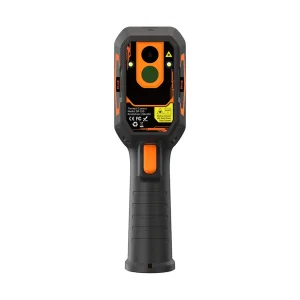
Industrial-Grade LWIR Thermal Cores & Systems Calibrated for High-Humidity Ambient Operations in Mumbai & Western India.
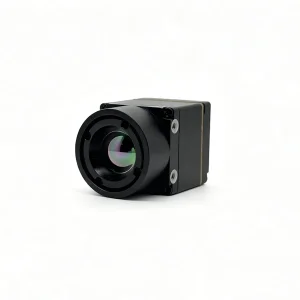
Empowering Maharashtra’s automation, power transmission, and process industries with precision optoelectronic sensors.
The global thermal imaging module market is undergoing a rapid transition from military-focused niche hardware to high-volume uncooled Long-Wave Infrared (LWIR 8–14 μm) microbolometer modules based on Vanadium Oxide (VOx) technology. Driven by advances in Wafer-Level Packaging (WLP), pixel pitch miniaturization down to 12μm and 8μm, and edge-AI chip integration, thermal cores are becoming foundational optoelectronic components across predictive maintenance, smart grid monitoring, non-contact medical screening, and security systems.
As India’s financial and commercial epicentre, the Mumbai Metropolitan Region (MMR)—encompassing heavy industrial clusters in Taloja MIDC, Thane-Belapur belt, Tarapur Chemical Zone, and the maritime logistical hub at Jawaharlal Nehru Port Trust (JNPT)—demands exceptional equipment reliability. Thermal imaging modules deployed in Mumbai must operate under harsh tropical conditions characterized by high ambient atmospheric thermal noise (35°C–45°C), relative humidity exceeding 85%, and airborne saline particulate matter in coastal power stations.
In-depth technical breakdown of Shenzhen Dianyang Technology's LWIR radiometric cores for system integrators.
Our thermal modules utilize uncooled Vanadium Oxide (VOx) focal plane arrays (FPA) with a 12μm pixel pitch, delivering high thermal sensitivity (NETD < 40mK @ f/1.0, 300K). VOx technology offers significantly lower Noise Equivalent Temperature Difference and superior long-term calibration stability compared to traditional Amorphous Silicon (a-Si) sensors under ambient thermal fluctuations.
Integrated full-frame radiometric algorithms convert raw digital values into precise temperature readings per pixel across the range of -20°C to +550°C (with accuracy within ±2°C or ±2%). Built-in automatic emissivity matrix compensation, distance attenuation adjustments, and atmospheric transmittance corrections safeguard data precision in humid climates.
To ensure smooth integration into existing system architectures (CCTV pan-tilts, handheld industrial meters, IoT monitoring nodes), our cores support digital video interfaces including MIPI-CSI2, DVP, USB 2.0/3.0 Type-C, Ethernet RTSP streaming, and standard ONVIF protocol stacks with low pipeline latency (<30ms).
Indicative OEM pricing models for system integrators serving Mumbai, Navi Mumbai, and Pune industrial zones.
| Module Series | Detector Resolution | Spectral Range / Lens Options | Key Application Profile | Volume Price Tier (CIF Mumbai Port) |
|---|---|---|---|---|
| MD-12 Series | 120 × 90 VOx (17μm/12μm) | 8-14μm / 2.2mm, 3.2mm Fixed | Compact handheld meters, smart home IoT, basic electrical screening | Budget Tier / Contact OEM |
| H1 / DP-12 Core | 160 × 120 VOx (12μm) | 8-14μm / 3.2mm, 6.2mm Athermal Lens | Mobile phone thermal attachments, HVAC diagnostics, PCB heat tracking | Entry-Industrial Tier |
| MD-64CA / DP-25D Core | 256 × 192 VOx (12μm) | 8-14μm / 7mm, 10mm, 13mm Manual/Motorized | Substation switchgear inspection, industrial automation, drone payloads | Mid-Professional Tier |
| DP-64D Series | 640 × 512 VOx (12μm) | 8-14μm / 15mm, 25mm, 35mm Continuous Zoom | JNPT port maritime surveillance, petrochemical leak detection, high-voltage power grids | High-Resolution Enterprise |
*Note: Final CIF Mumbai prices depend on optics customization, ex-proof certification requirements, localized SDK software modules, and batch volumes. Request formal quotes directly from our sales engineering team.
Tailored thermal imaging module integration for Western India's distinct industrial and environmental landscapes.
High atmospheric salinity along Mumbai’s coast (such as Trombay and Mahape) accelerates corrosion and contact resistance in outdoor busbars, transformers, and switchgears. Integrating our 256x192 and 640x512 thermal modules into automated fixed pan-tilt cameras provides continuous 24/7 thermographic monitoring, catching overheating phase connectors before catastrophic power grid failure occurs.
Chemical synthesis plants in Taloja and Tarapur require constant temperature telemetry across reactor vessels, steam pipelines, and chemical storage tanks. Our radiometric thermal modules feature customizable threshold alarms and dual-spectrum fusion APIs, enabling integration into Explosion-Proof (Ex-d) housings to alert process control rooms instantly to insulation breakdowns or thermal runaways.
During the heavy monsoons, fog, rain, and spray severely degrade standard optical security cameras across Jawaharlal Nehru Port. Our Long-Wave Infrared (LWIR) modules cut through rain and ambient haze, allowing maritime integrators to build robust perimeter surveillance units, container dock crane collision avoidance systems, and vessel thermal monitoring arrays.
At the Santacruz Electronics Export Processing Zone (SEEPZ), R&D engineers use our high-resolution thermal cores mounted on macroeconomic stands to detect micro-short circuits, uneven power dissipation, and thermal throttling issues in multi-layer PCB design prototypes with sub-millimeter detail.
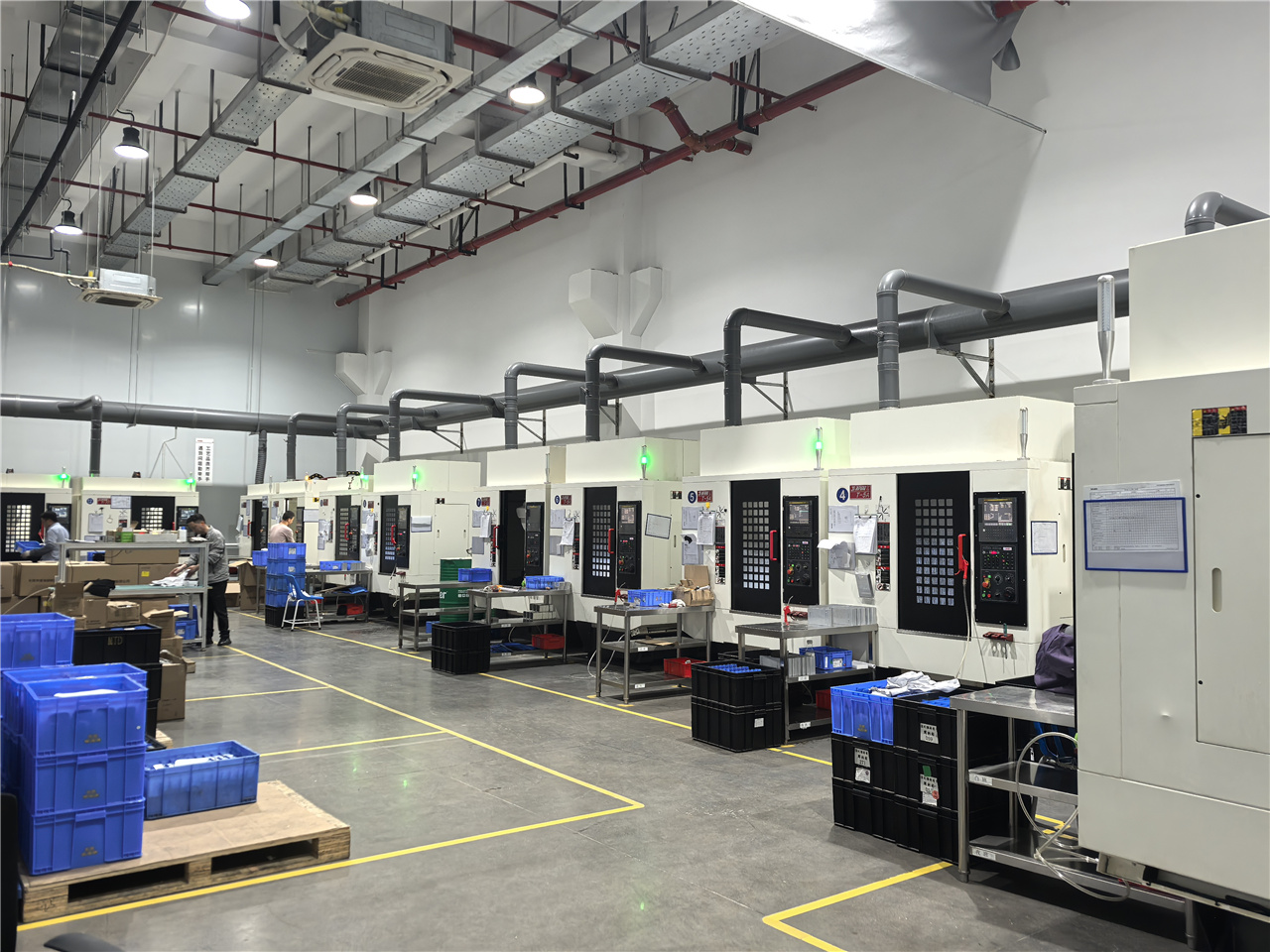
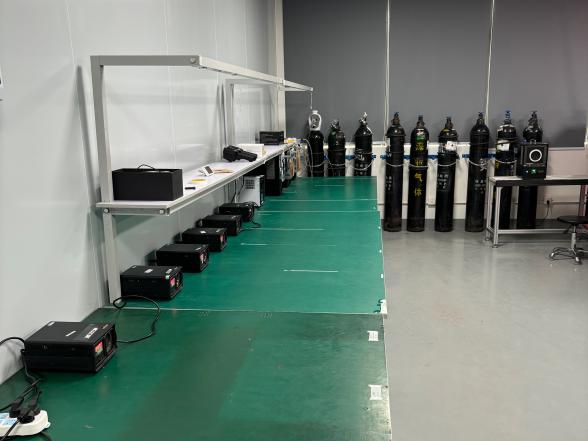
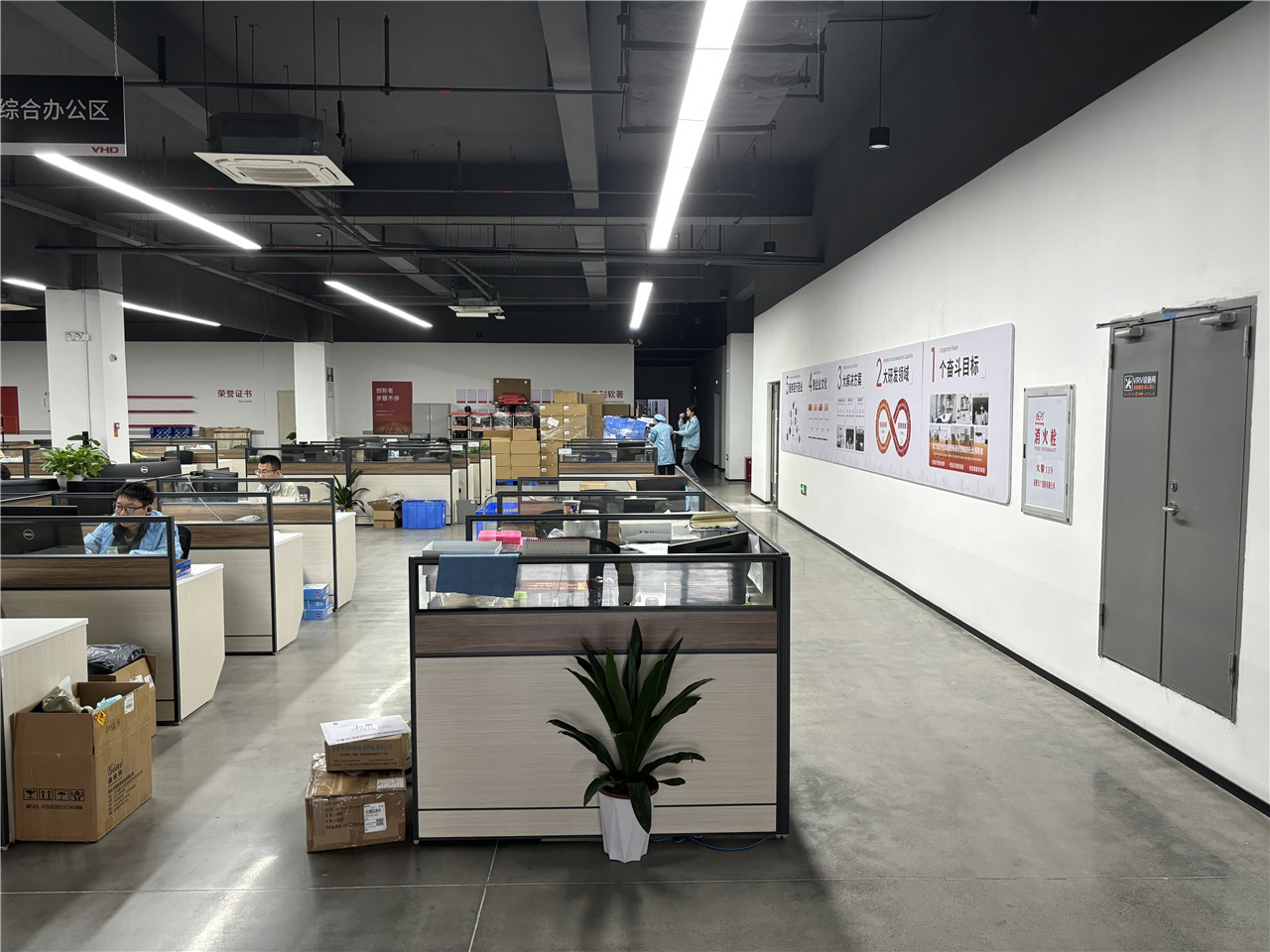
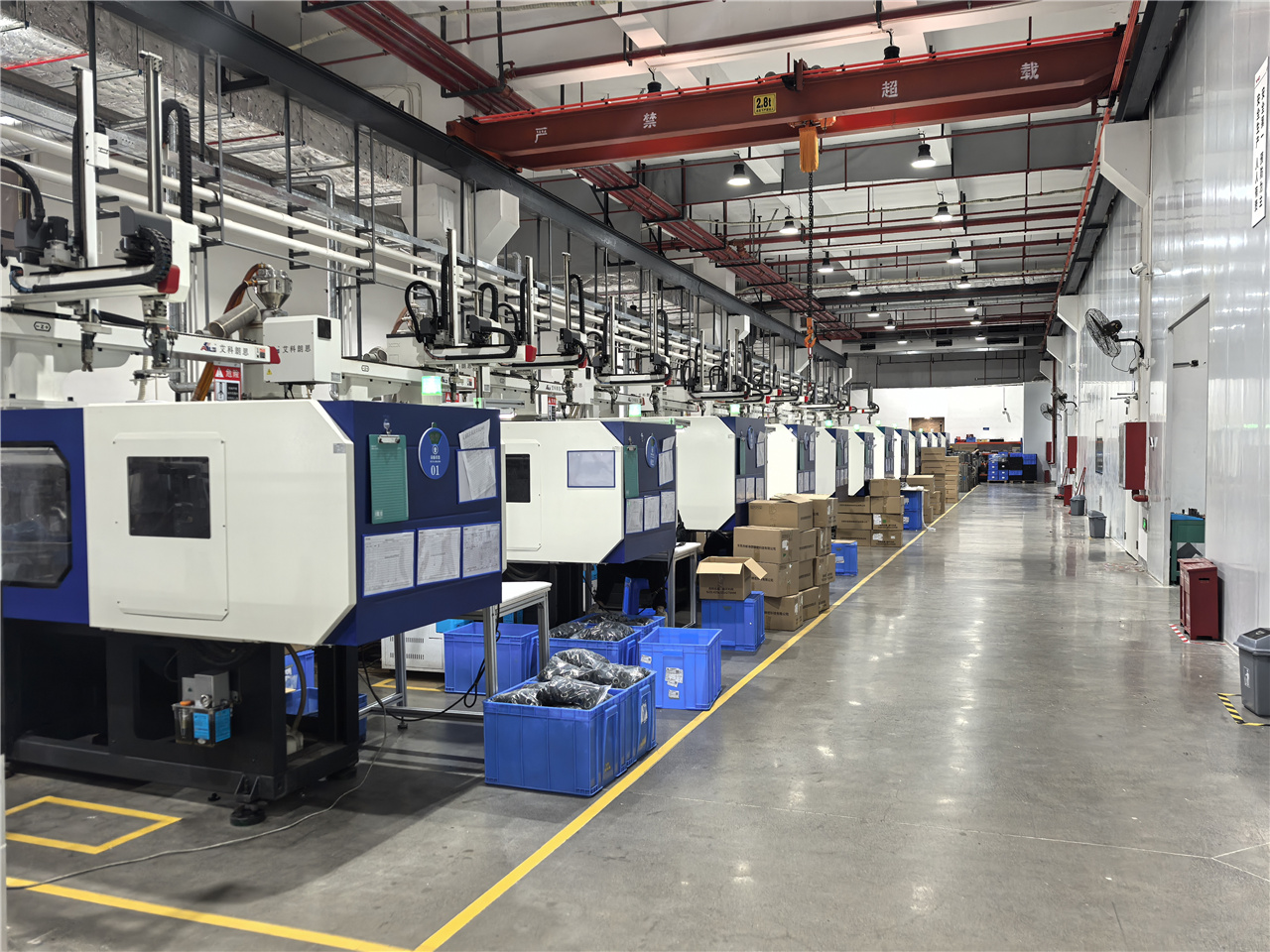
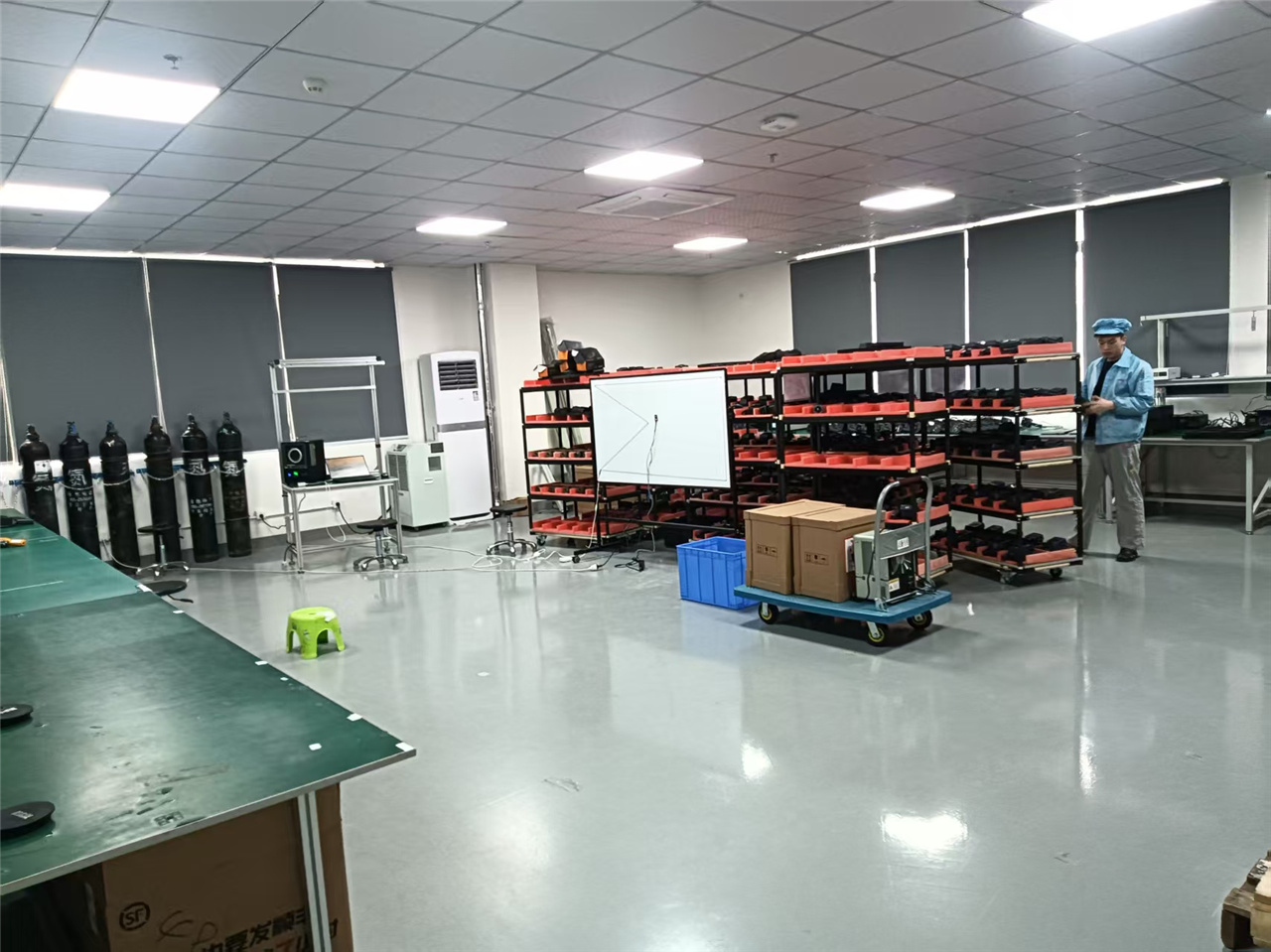
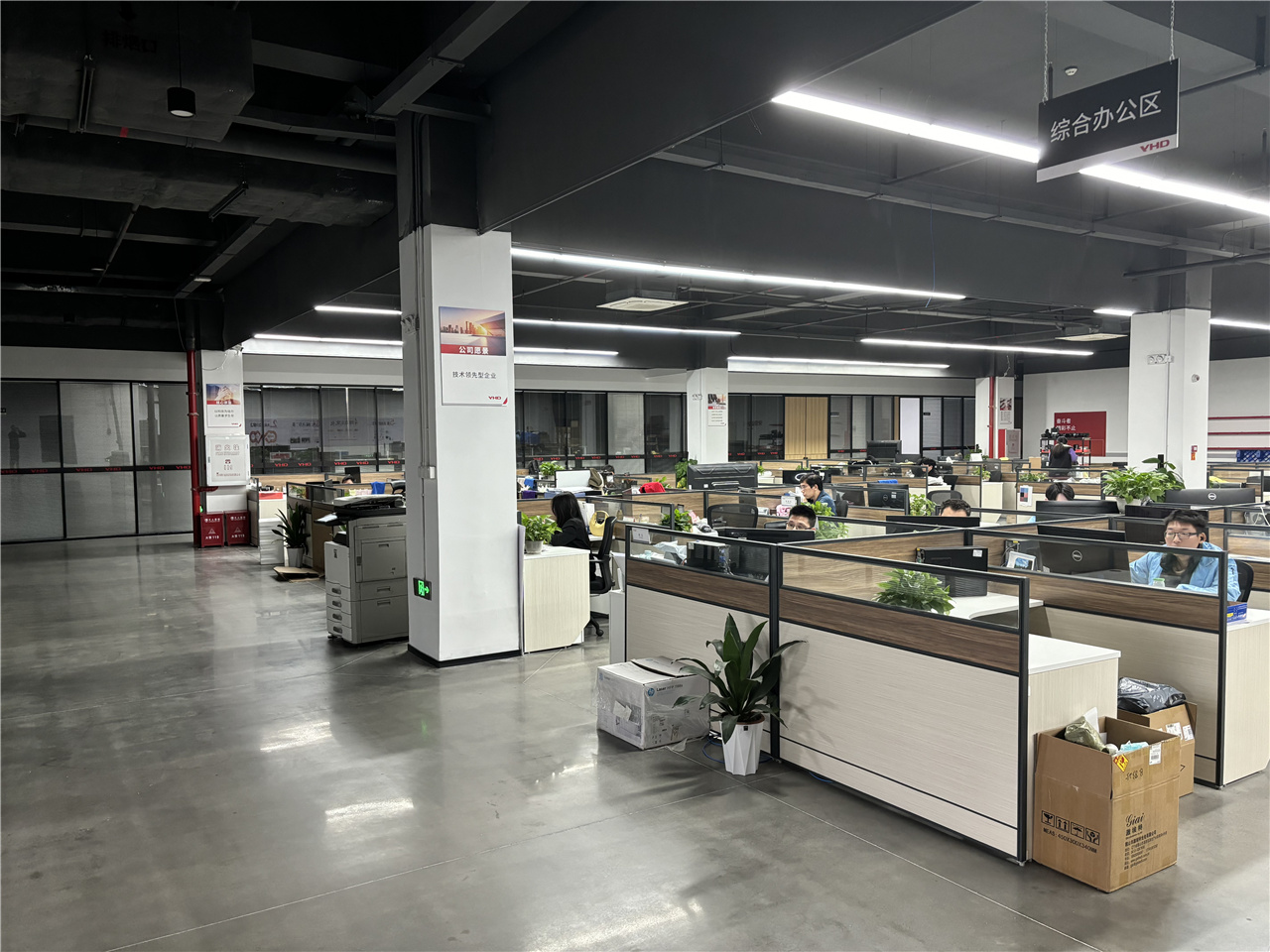
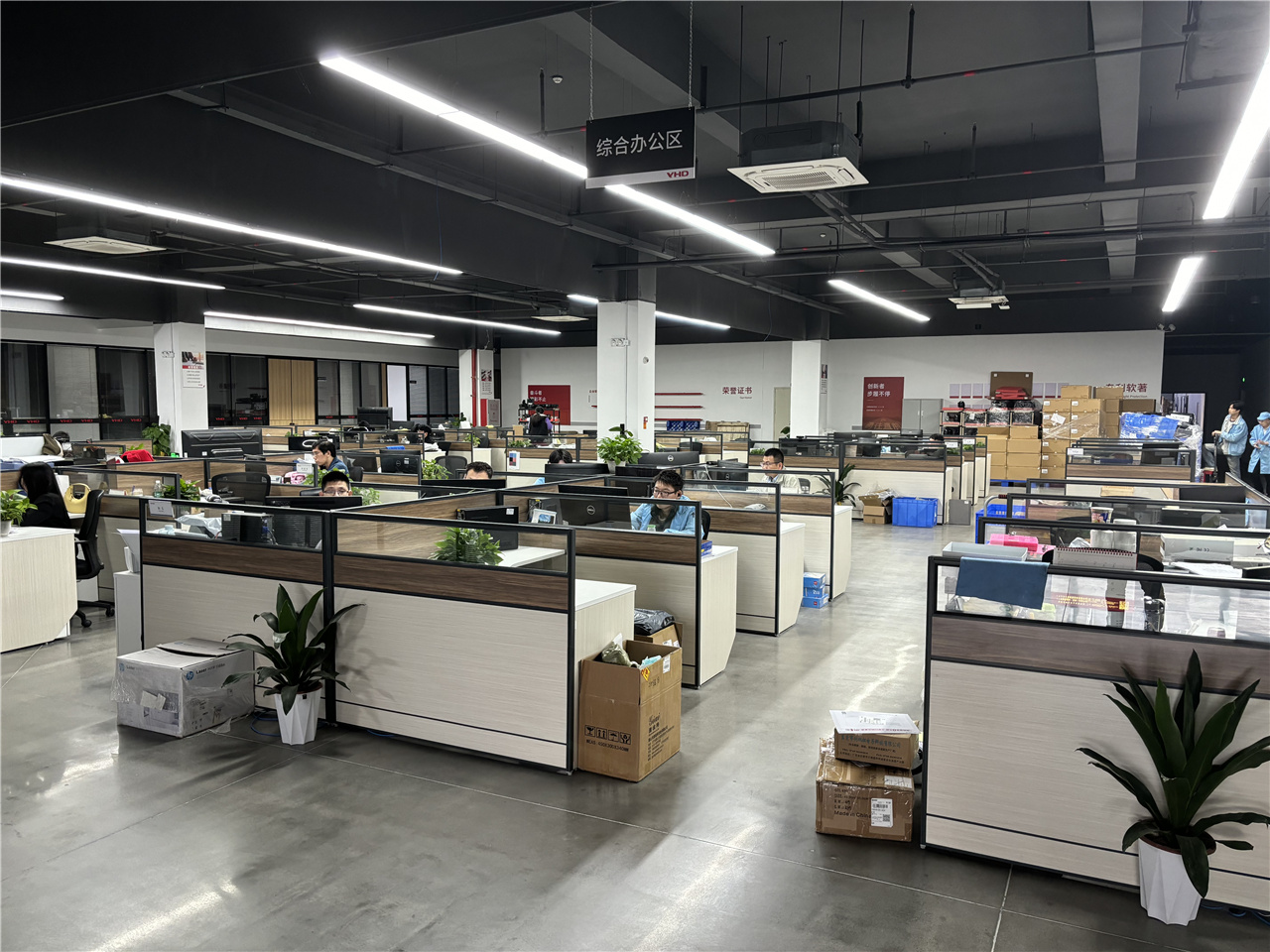
Shenzhen Dianyang Technology Co., Ltd. is a subsidiary of VHD (Shenzhen VHD Technology Co., Ltd.), a publicly listed company on the Shenzhen Stock Exchange. This strategic affiliation gives Dianyang unique access to VHD’s advanced R&D platforms, high-precision manufacturing systems, and rigorous quality management practices—enabling us to deliver thermal imaging products of higher reliability and consistency than typical ODMs.
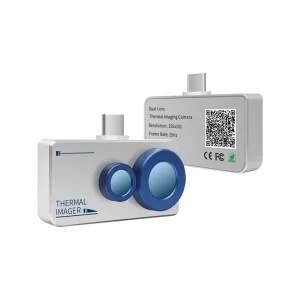
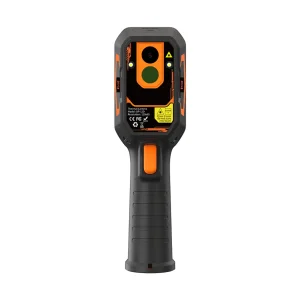
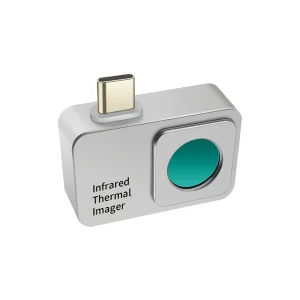
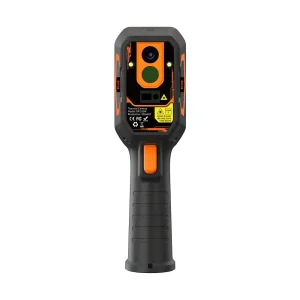
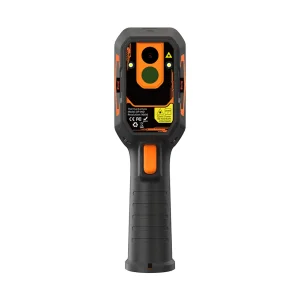
We specialize in ODM/OEM services for infrared thermal imaging solutions, including handheld thermal imagers, smartphone-connected thermal cameras, thermal analyzers, and thermal imaging telescopes. Our products serve global customers in power inspection, building diagnostics, firefighting, industrial maintenance, and outdoor applications.
Our dedicated engineering team applies Design for Manufacturing (DFM), Design for Testability (DFT), thermal simulation, and EMC pre-compliance analysis to optimize performance and accelerate development. We also support clients in obtaining key international certifications such as CE, FCC, RoHS, REACH, CB, UKCA, KC, and PSE.
Leading the next wave of thermal innovation through miniaturization, wafer-level optics, and edge-AI synthesis.
Transitioning from 12μm to sub-10μm pixel pitch allows significantly smaller optical lenses without compromising resolution. Combined with WLP technology, thermal module footprint and overall manufacturing BOM costs will drop by over 40%, enabling mass adoption in consumer smart home sensors and wearable tech.
Future Dianyang thermal modules embed Neural Processing Units (NPUs) directly into the sensor ISP board. This allows real-time execution of light-weight YOLO neural networks for auto-detecting hot joints, gas leaks, liquid level anomalies, and intruder detection right at the camera node without reliance on heavy server bandwidth.
Developing thermal cores operating under 150mW power consumption, permitting direct plug-and-play Type-C connectivity to ruggedized smartphones and tablet terminals without requiring an external battery pack, ideal for field service technicians across Maharashtra.
Explore our full line of handheld imagers, mobile smartphone thermal cameras, and OEM modular cores.
Key information for Mumbai system designers, procurement officers, and engineering teams.
 Dianyang