High-resolution uncooled VOx sensors engineered for high precision, environmental ruggedness, and rapid OEM/ODM deployment.
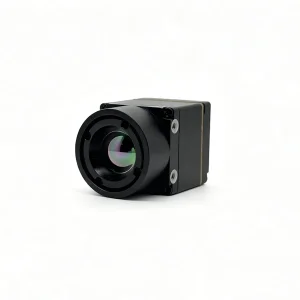
High-Quality MD-64CA Thermal Imaging Module - OEM Integrated Core
View Technical Details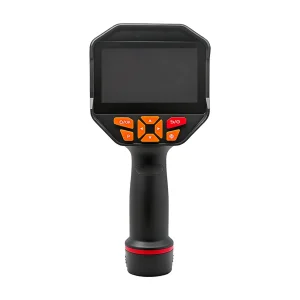
DP-38D Professional Handheld Thermal Imager (384x288 Resolution & Wide Temp Range)
View Technical Details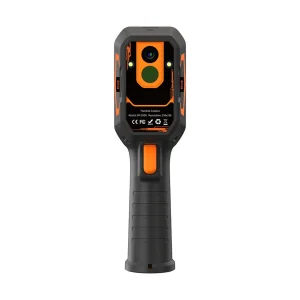
ODM DP-25DV Dual-Spectrum Infrared Thermal Camera (256x192, -20℃ to 550℃ Range)
View Technical Details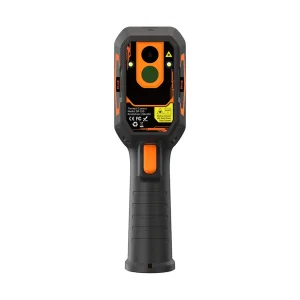
Industrial DP-25D Infrared Thermal Camera (256x192 Resolution, -20℃ to 550℃ Target)
View Technical DetailsDelivering high-gain radiometric accuracy, microbolometer scalability, and supply chain security for international system integrators.
The global thermal imaging market is undergoing a paradigm shift toward uncooled Vanadium Oxide (VOx) focal plane arrays (FPAs). Operating within the 8–14µm long-wave infrared (LWIR) spectrum, VOx sensors offer superior Noise Equivalent Temperature Difference (NETD < 30mK) compared to legacy Polysilicon solutions. This allows high thermal contrast even under low thermal delta environments.
Modern thermal modules are no longer simple visualization tools; they are complex data generation nodes. By embedding low-power Edge Artificial Intelligence into the core module PCB, real-time radiometric analytics, object classification, anomaly detection, and fire-point predictive alerts are executed directly at the hardware layer with ultra-low latency.
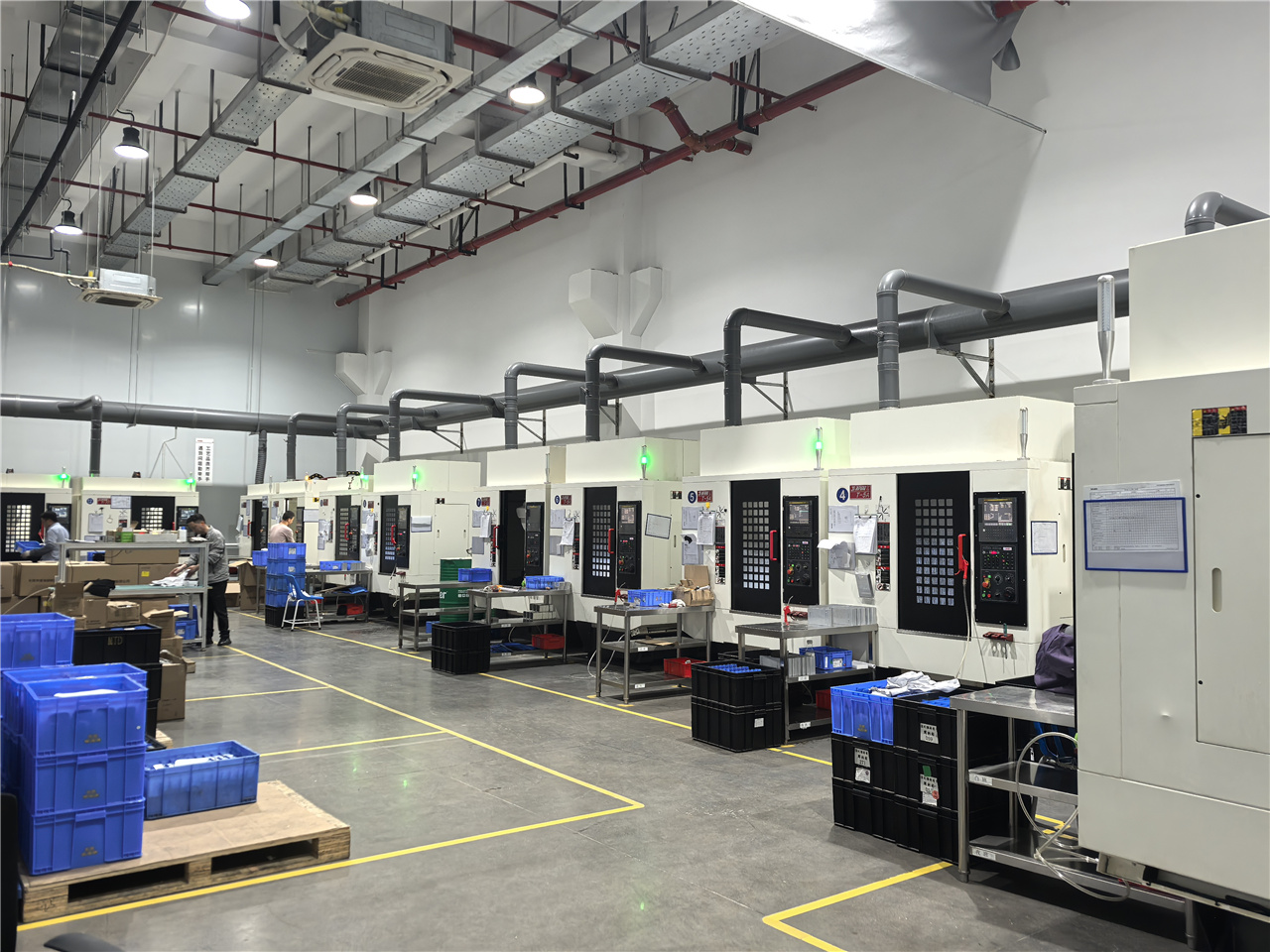
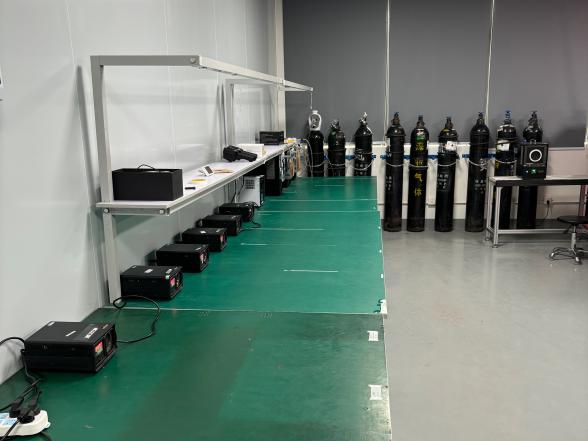
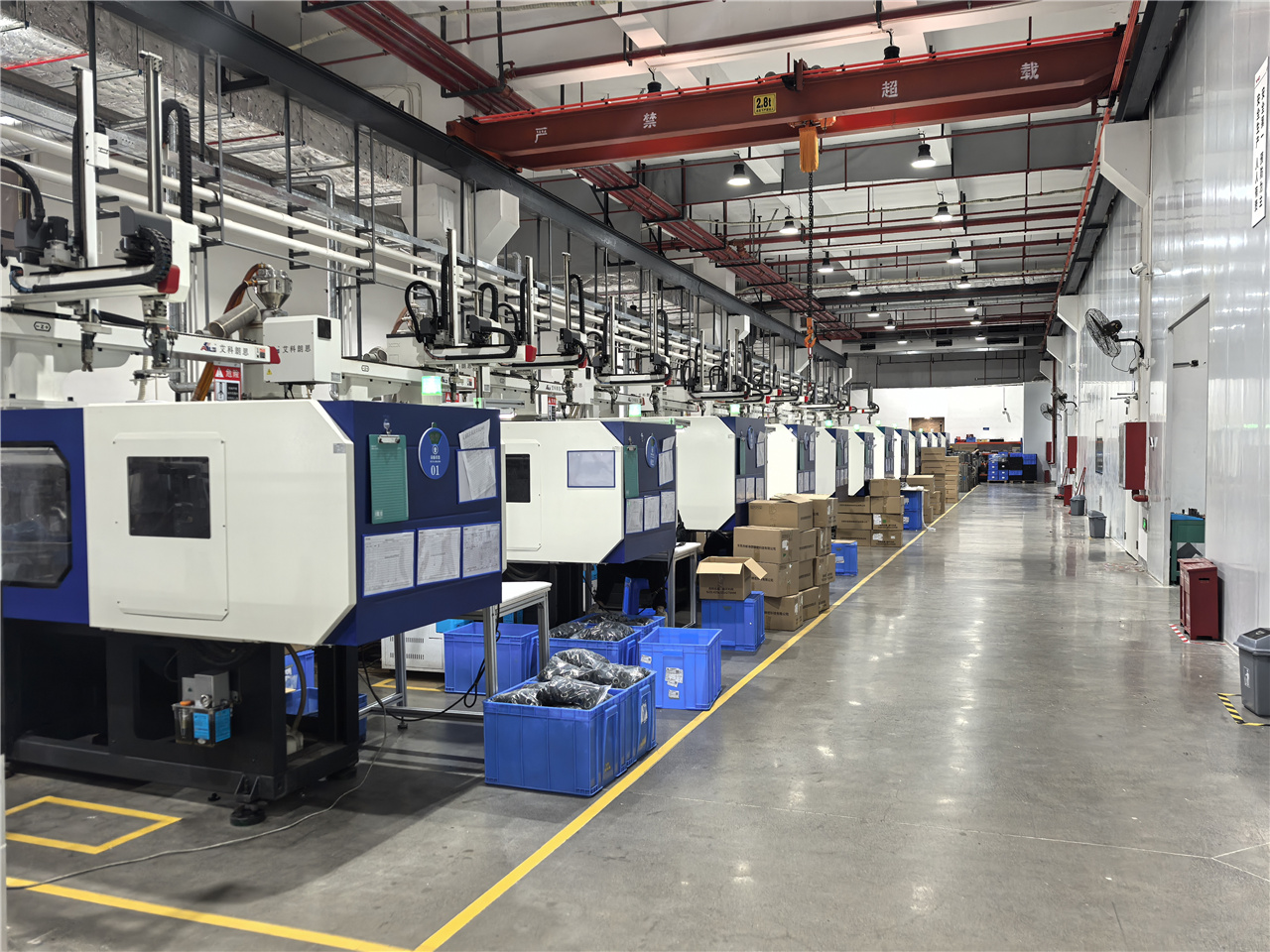
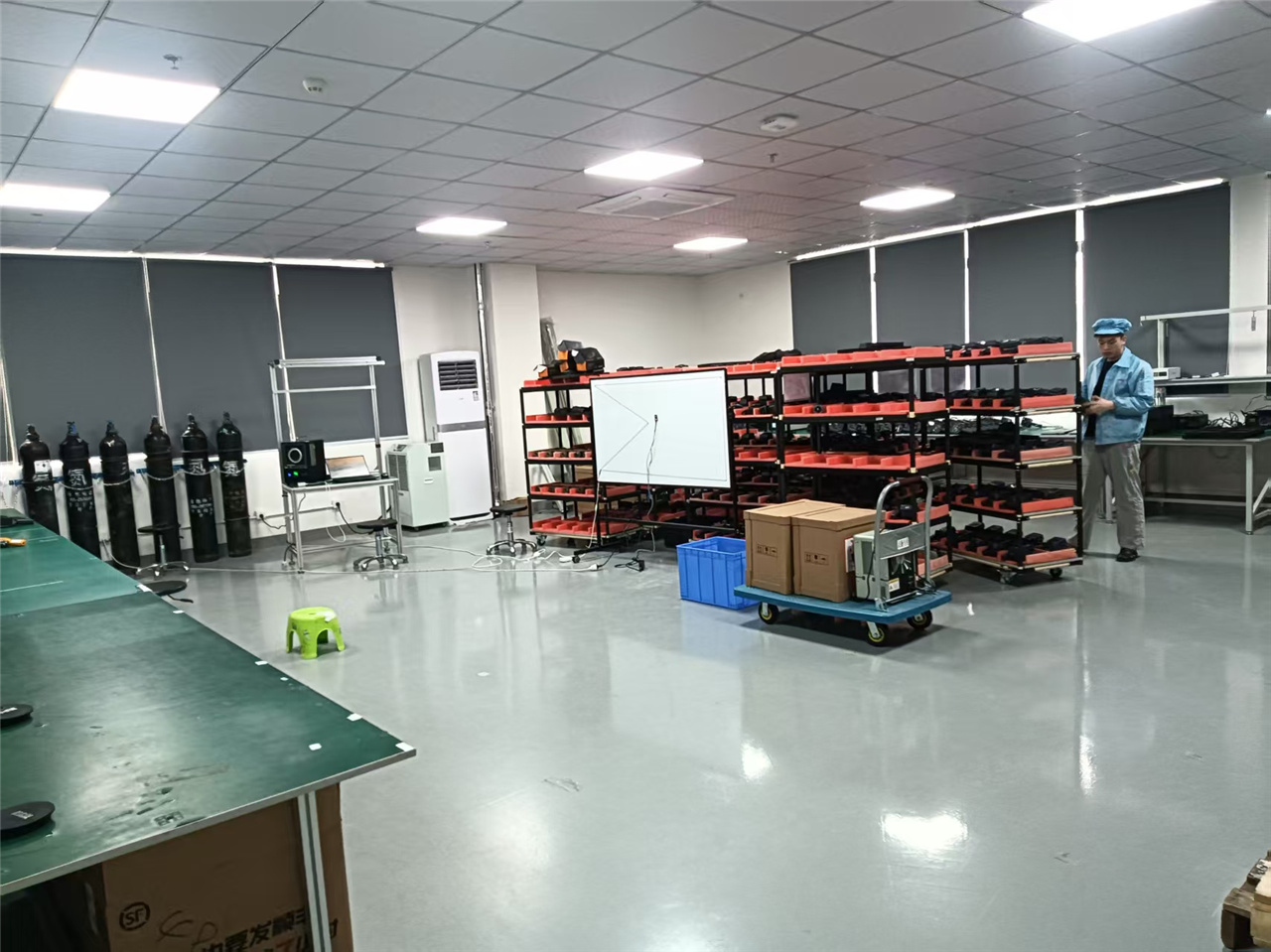
Leveraging deep industrial synergy through our corporate structure, our fabrication ecosystem utilizes Wafer-Level Packaging (WLP) and automated lens alignment setups. Every exported batch undergoes 100% full-temperature range radiometric calibration (-20°C to 550°C), thermal shock environmental aging, and vibration testing to guarantee long-term stability.
Addressing the unique geographic, agricultural, environmental, and infrastructure challenges across the North and South Islands.
New Zealand's agricultural sector—dominated by pastoral dairy farming and international dairy processing giants in regions like the Waikato and Southland—requires continuous automated monitoring. Our high-resolution thermal imaging modules are integrated into robotic milking systems, livestock inflammation detection rigs (mastitis management via udder surface thermography), and continuous pasteurization heat-exchanger monitoring systems to optimize productivity and comply with strict MPI (Ministry for Primary Industries) food safety guidelines.
With massive geothermal assets centered around the Taupō Volcanic Zone and extensive national grid operations managed across harsh landscapes, power generation utilities require rugged monitoring solutions. Dianyang thermal modules provide real-time thermal gradient monitoring of high-voltage substations, geothermal wellheads, steam turbine insulation, and transformer banks, catching thermal runaway anomalies prior to catastrophic failures.
The Department of Conservation (DOC) and private conservation initiatives across New Zealand require specialized non-invasive thermal optics for predator control (possums, stoats, rats) and native bird protection (Kiwi monitoring). Our ultra-compact, lightweight thermal camera cores (e.g., MD-64CA series) are explicitly optimized for UAV payload mounting, smart trapping arrays, and automated nighttime bio-acoustic/thermal field monitoring stations.
Following updated H1 Energy Efficiency building codes across New Zealand, structural thermal bridging inspection, insulation cavity verification, and moisture intrusion analysis have become mandatory standard operating procedures. OEM integrators fit our radiometric cores into handheld diagnostic scanners and smartphone attachments (such as the H2FB and H2F6B series) to deliver instant thermographic compliance proof to local building consent authorities.
Complete regulatory alignment ensuring seamless market entry and reliable deployment under Kiwi environmental conditions.
All active electronic equipment exported to New Zealand must comply with the Regulatory Compliance Mark (RCM) framework administered by the Radio Spectrum Management (RSM). Dianyang thermal modules undergo rigorous electromagnetic compatibility (EMC) testing in pre-certified lab environments, ensuring hassle-free RCM compliance for local importers and system builders.
New Zealand's climate ranges from high-salinity maritime atmospheric conditions in coastal Auckland to extreme sub-zero alpine conditions in Mount Cook and the Southern Alps. Our thermal imaging cores feature conformal anti-corrosion PCB coating, wide operational temperature ranges (-20°C to +60°C standard, expandable to -40°C), and optional IP67 sealed optical enclosures.
We provide full API and SDK support for software developers across Wellington, Auckland, and Christchurch. Whether you require USB-C, MIPI, DVP, Ethernet (GigE Vision/RTSP), or custom Linux/Android wrapper drivers for integrated devices, our R&D core team offers direct engineering support to shorten your time-to-market.
A premier innovator in infrared thermal imaging solutions backed by publicly listed enterprise excellence.
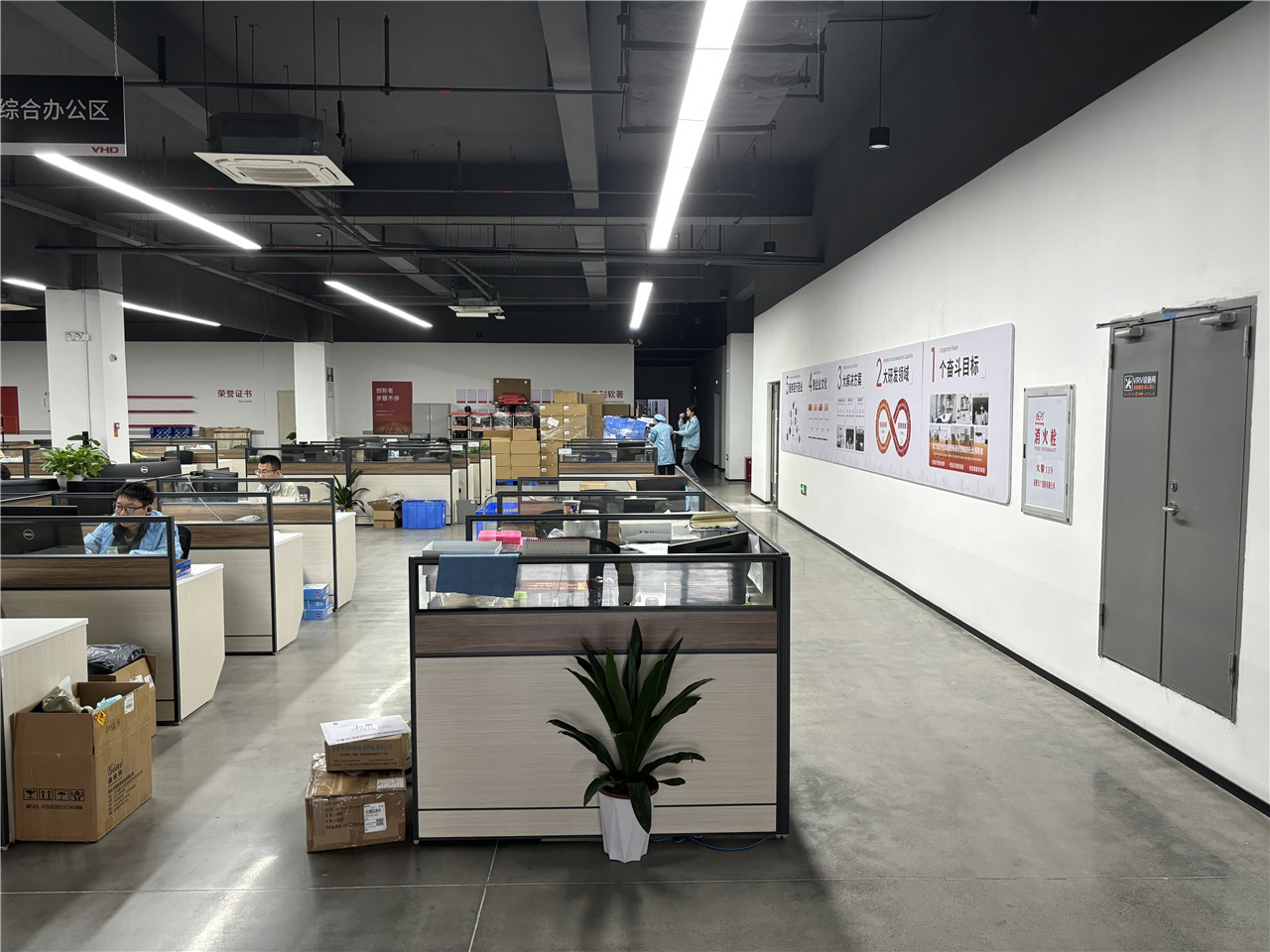
Shenzhen Dianyang Technology Co., Ltd. is a specialized subsidiary of VHD (Shenzhen VHD Technology Co., Ltd.), a publicly listed company on the Shenzhen Stock Exchange. This strategic affiliation gives Dianyang unique access to VHD’s advanced R&D platforms, high-precision manufacturing systems, and rigorous quality management practices—enabling us to deliver thermal imaging products of higher reliability and consistency than typical ODMs.
We specialize in ODM/OEM services for infrared thermal imaging solutions, including handheld thermal imagers, smartphone-connected thermal cameras, thermal analyzers, and thermal imaging telescopes. Our products serve global customers in power inspection, building diagnostics, firefighting, industrial maintenance, and outdoor applications.
Our dedicated engineering team applies Design for Manufacturing (DFM), Design for Testability (DFT), thermal simulation, and EMC pre-compliance analysis to optimize performance and accelerate development. We also support clients in obtaining key international certifications such as CE, FCC, RoHS, REACH, CB, UKCA, KC, and PSE.
Contact Our Global Export Engineering Team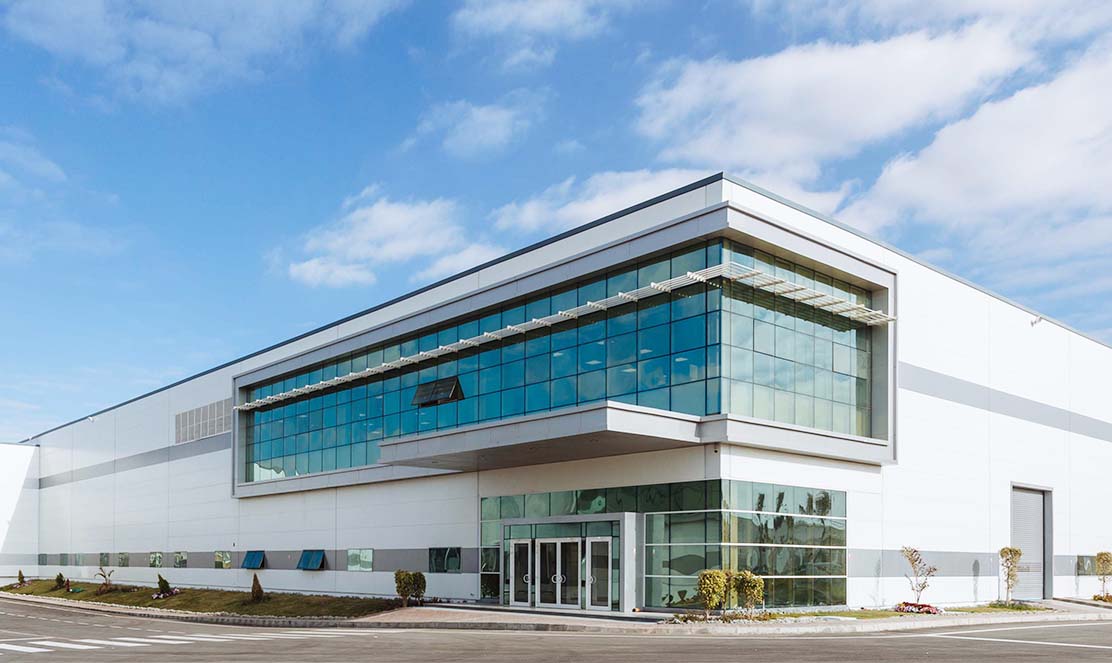


Pioneering the next decade of thermal imaging technology for high-demanding global markets.
Moving beyond current 12µm pixel standard arrays, our next-generation uncooled focal plane array roadmap incorporates sub-10µm process node architecture. This reduces optical assembly size while maintaining high spatial resolution (640x512 and 1280x1024), empowering lightweight drone integration.
Combining Short-Wave Infrared (SWIR) for deep solar-blind optical penetration with Long-Wave Infrared (LWIR) for micro-thermal variance detection. This dual-band approach enables high-accuracy monitoring through severe smoke, fog, maritime sea spray, and complex industrial gas environments.
Deploying advanced shutterless algorithmic calibration (NUC - Non-Uniformity Correction) utilizing self-learning AI vision chips. Eliminates mechanical shutter recalibration freezes, ensuring seamless video feed during mission-critical drone, law enforcement, and security tasks.
Explore our wide array of handheld cameras, smartphone thermal dongles, and customized sensor cores ready for fast export to New Zealand.
Famous DP-25DV Infrared Thermal Camera - 256x192 Resolution (-20℃ to 550℃ Range)
View Product Specs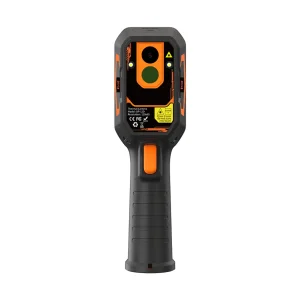
DP-12D Compact Infrared Thermal Camera (120x90 Resolution, Budget-Friendly Diagnostic Core)
View Product Specs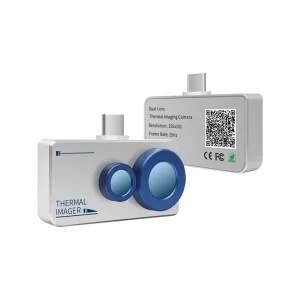
Best H2F6B Mobile Phone Thermal Imager (High-Res Smartphone Attachment)
View Product Specs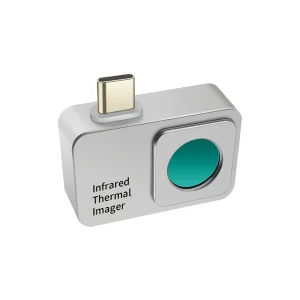
H2FB Mobile Phone Infrared Thermal Imager (256x192 Resolution Portable Core)
View Product Specs
H1FB Smartphone Infrared Thermal Imager (160x120 Resolution Entry Diagnostics)
View Product Specs
Custom H2F6B Mobile Phone Thermal Imager (256x192 Resolution, Factory OEM)
View Product Specs
ODM DP-38D Professional Handheld Thermal Imager (Industrial High-Resolution Standard)
View Product Specs
CE Certification H2FB Mobile Phone Thermal Imager (256x192 Resolution Standard)
View Product SpecsEssential answers regarding procurement, local compliance, technical customization, and delivery options.
We provide expedited air freight (via DHL, FedEx, or UPS) direct to Auckland, Wellington, and Christchurch international airports, with average transit times of 3 to 7 business days. Sea freight arrangements are available via Ports of Auckland, Tauranga, and Lyttelton for bulk OEM manufacturing shipments. Standard production lead times range from 2 to 4 weeks depending on customization requirements.
Yes. Our thermal imaging modules and complete handheld imagers undergo comprehensive electromagnetic compatibility (EMC) pre-compliance testing. We assist local New Zealand importers and integrators with full technical documentation packages to satisfy RCM requirements under Radio Spectrum Management (RSM) compliance rules.
Absolutely. We offer customized germanium optics (various focal lengths and field-of-view options), dual-spectrum video output, customized thermal color palettes, and specific communication interfaces including USB-C, MIPI, DVP, Ethernet, and serial communication. Our software engineering team provides SDKs for Windows, Android, and Linux environments.
Our industrial-grade thermal modules are engineered to operate across temperature extremes from -20°C up to +60°C. They feature conformal circuit board coatings for moisture and salt-fog protection, making them ideally suited for South Island alpine work as well as North Island coastal environments.
As a subsidiary of publicly listed VHD, Dianyang offers robust OEM/ODM private labeling capabilities. This includes custom housing colors, laser-engraved company logos, bespoke smartphone software branding, custom packaging, and customized firmware splash screens.
Partner with Dianyang Technology for industry-leading microbolometer performance, OEM flexibility, and dependable supply chain execution to New Zealand.
Send Inquiry Now Dianyang