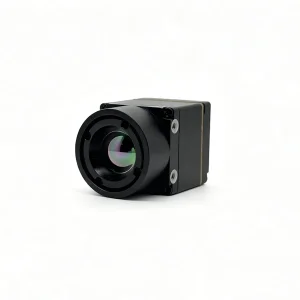
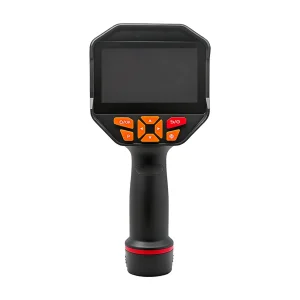
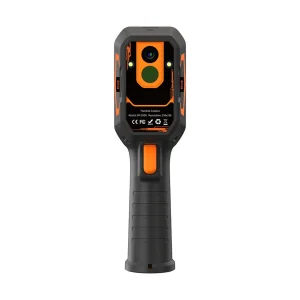
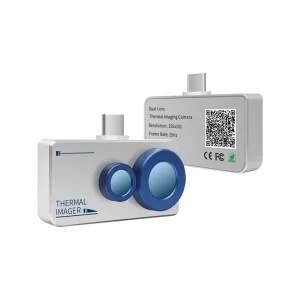
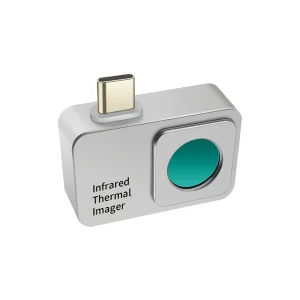
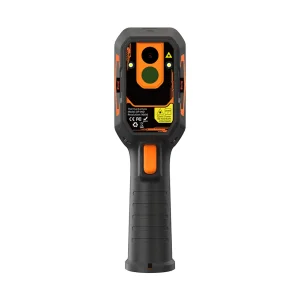
Precision-engineered LWIR thermal modules, radiometric cameras, and handheld inspection instruments tailored for tropical industrial environments.
As the economic epicenter and premier industrial growth driver of Vietnam, Ho Chi Minh City (HCMC) is undergoing a massive structural shift toward Industry 4.0, smart manufacturing, and high-density industrial automation. Anchored by strategic industrial zones such as the Saigon Hi-Tech Park (SHTP), Tan Thuan Export Processing Zone (EPZ), and outer manufacturing corridors in Cu Chi, Linh Trung, and Tan Binh, the region is accelerating its adoption of non-contact infrared thermal diagnostic technologies.
Thermal imaging modules serve as the critical perceptual layer for automated industrial monitoring, power grid predictive maintenance, and quality control systems. Given HCMC’s high ambient temperatures, heavy seasonal rainfall, and high humidity, physical component degradation occurs at accelerated rates compared to temperate climates. System integrators, OEM camera manufacturers, and facility managers across HCMC require thermal imaging cores that possess ultra-low Noise Equivalent Temperature Difference (NETD), robust thermal stability, and seamless SDK integration capability.
Within SHTP's advanced microelectronics cleanrooms, OEM thermal modules with high spatial resolution (such as 640x512 and 256x192 LWIR arrays) are integrated directly into automated optical inspection (AOI) lines. They continuously map real-time thermal profiles of printed circuit board assemblies (PCBAs) to identify micro-shorts, cold solder joints, and component thermal runaway prior to final assembly.
The Southern Vietnam electrical network, managed by EVNHCMC, operates under severe load demands and extreme environmental ambient heat. Radiometric thermal cores integrated into handheld thermal imagers and unmanned aerial vehicles (UAVs) enable thermographers to inspect high-voltage switchgear, transformer bushings, and distribution lines without operational shutdown, preventing catastrophic grid failure.
Cat Lai Port, the busiest container terminal in South Vietnam, relies on long-wave infrared (LWIR) continuous-duty thermal camera cores for 24/7 security perimeter tracking, automated crane bearing overheating alerts, and reefer container cold-chain thermal verification, maintaining operational continuity during nighttime and heavy tropical downpours.
Demystifying Vanadium Oxide (VOx) Microbolometers, Radiometric Calibration, and Wafer-Level Packaging (WLP) Technologies for B2B Engineering Teams.
When specifying a thermal imaging module for integration into industrial machinery, security pan-tilt heads, or handheld inspection devices in Ho Chi Minh City, selecting the correct focal plane array (FPA) architecture is paramount. Standard commercial sensors often suffer from high temperature drift in Vietnam’s ambient climate, leading to severe radiometric measurement errors.
Our OEM thermal modules exclusively utilize advanced Vanadium Oxide (VOx) uncooled microbolometers. VOx material exhibits a significantly higher Temperature Coefficient of Resistance (TCR) compared to traditional Amorphous Silicon (a-Si). This superior physical property yields an extremely low Noise Equivalent Temperature Difference (NETD < 35mK to < 40mK), ensuring superior thermal contrast, cleaner imagery, and lower signal-to-noise ratios even when inspecting low-delta-T targets like building insulation leaks or subtle PCB trace thermal variances.
The shift from 17µm to 12µm pixel pitch technology represents a major milestone in thermal core development. By shrinking the pixel footprint on the silicon readout integrated circuit (ROIC), our modules reduce optical aperture requirements, lower lens material costs (utilizing smaller Germanium elements), and shrink overall module dimension by over 40%. Through Wafer-Level Packaging (WLP), vacuum encapsulation is executed directly at the wafer level, guaranteeing lifetime vacuum integrity and high thermal shock tolerance during tropical field deployments.
Precision thermography requires absolute radiometric integrity. Dianyang's thermal cores incorporate point-by-point ambient temperature compensation curves and dynamic Non-Uniformity Correction (NUC) algorithms. Our intelligent thermal engines dynamically adjust offset parameters in response to internal core temperature rises, eliminating standard measurement drift without requiring frequent mechanical shutter recalibrations that interrupt video feeds.
| Module Architecture Metric | Entry-Level Diagnostic Cores (e.g. DP-09D/12D) | Mid-Tier Industrial Modules (e.g. DP-25DV/25D) | High-Precision Flagship Cores (e.g. MD-64CA / DP-64D) |
|---|---|---|---|
| Detector Resolution | 96×96 / 120×90 pixels | 256×192 pixels | 640×512 pixels |
| Pixel Pitch & Material | 17µm VOx Uncooled FPA | 12µm VOx Microbolometer | 12µm High-Density VOx Matrix |
| Spectral Band | 8 ~ 14 µm (LWIR) | 8 ~ 14 µm (LWIR) | 8 ~ 14 µm (LWIR) |
| Thermal Sensitivity (NETD) | < 60mK @ 25°C | < 50mK @ 25°C | < 35mK ~ 40mK @ 25°C |
| Measurement Range | -20°C to 300°C | -20°C to 550°C | -20°C to 1200°C (Extended High Temp) |
| Interface / Output Protocols | USB-C, SPI, DVP | UVC USB, Ethernet, RAW Data | DVP, MIPI, USB 2.0, Network SDK (C++/Python) |
Deploying integrated thermal imaging technology to solve high-stakes operational challenges across Vietnam's economic heartland.
Electricity supply disruptions in industrial zones like Tan Thuan or Linh Trung can cause millions of dollars in continuous manufacturing downtime. By integrating specialized 640x512 thermal imaging cores into PTZ camera housings installed throughout substations, power operators monitor real-time contact point temperatures. Automated alarms trigger immediately when a transformer busbar or circuit breaker exceeds pre-programmed safety thresholds, enabling predictive maintenance prior to arcing or outage.
Ho Chi Minh City serves as the primary warehousing node for South Vietnam. High thermal loads, chemical storage facilities, and densely packed logistical centers present acute fire risks. Thermal imaging modules with embedded early fire detection software continuously scan ambient background radiation. Unlike conventional smoke detectors that rely on physical smoke particle contact, thermal modules detect sub-surface heating and hotspot formation long before visible flames develop.
Rapid urban development in District 1, District 7, and Thu Duc City requires strict building energy efficiency compliance. Handheld thermal imagers (such as the DP-38D and DP-25DV series) allow commercial building surveyors to locate moisture intrusion inside flat roof assemblies, identify missing envelope insulation, inspect HVAC ductwork thermal leakage, and optimize building energy performance against HCMC's intense tropical solar radiation.
Deploying electro-optical systems in South Vietnam requires specific engineering adaptations to guarantee long-term operational integrity. Ho Chi Minh City experiences a tropical climate characterized by high humidity (often exceeding 90% RH), intense UV radiation, dynamic temperature swings, and severe monsoon conditions.
Our thermal imaging modules and finished thermal instruments undergo stringent tropicalization design verification:
For system integrators exporting finished machinery or equipment from Vietnam to North American, European, and Asian markets, compliance is vital. Our thermal imaging product line maintains comprehensive regulatory approvals:
Leveraging Publicly Listed Parent Company Backing (VHD) to Provide Unrivaled Scale, Quality Assurance, and Direct ODM/OEM Synergy for Vietnamese Enterprises.
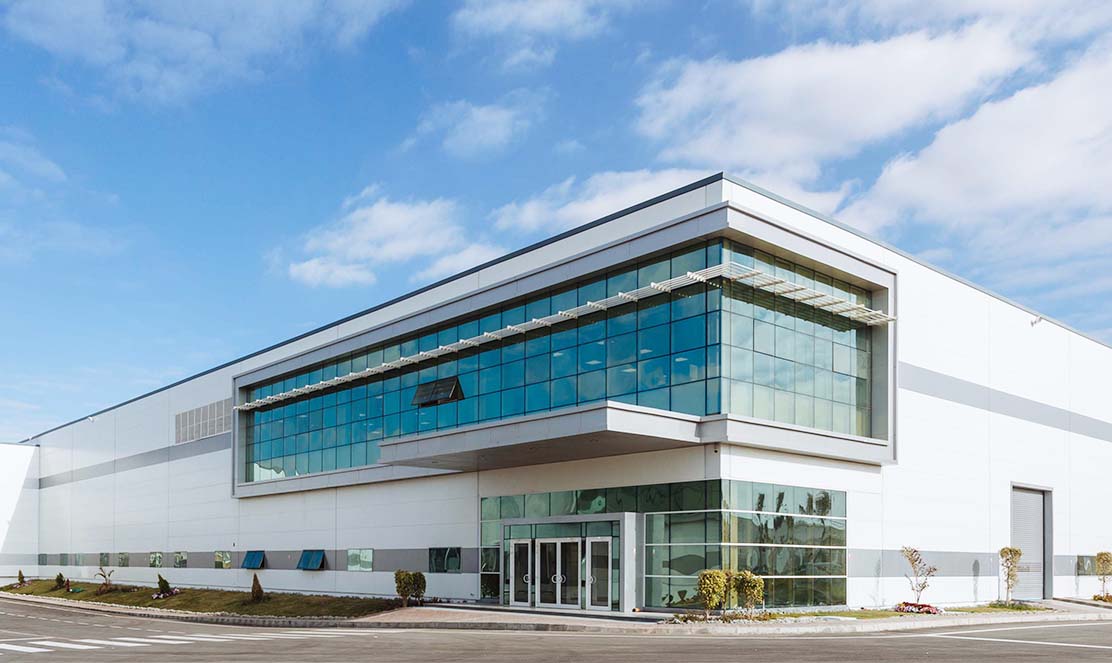
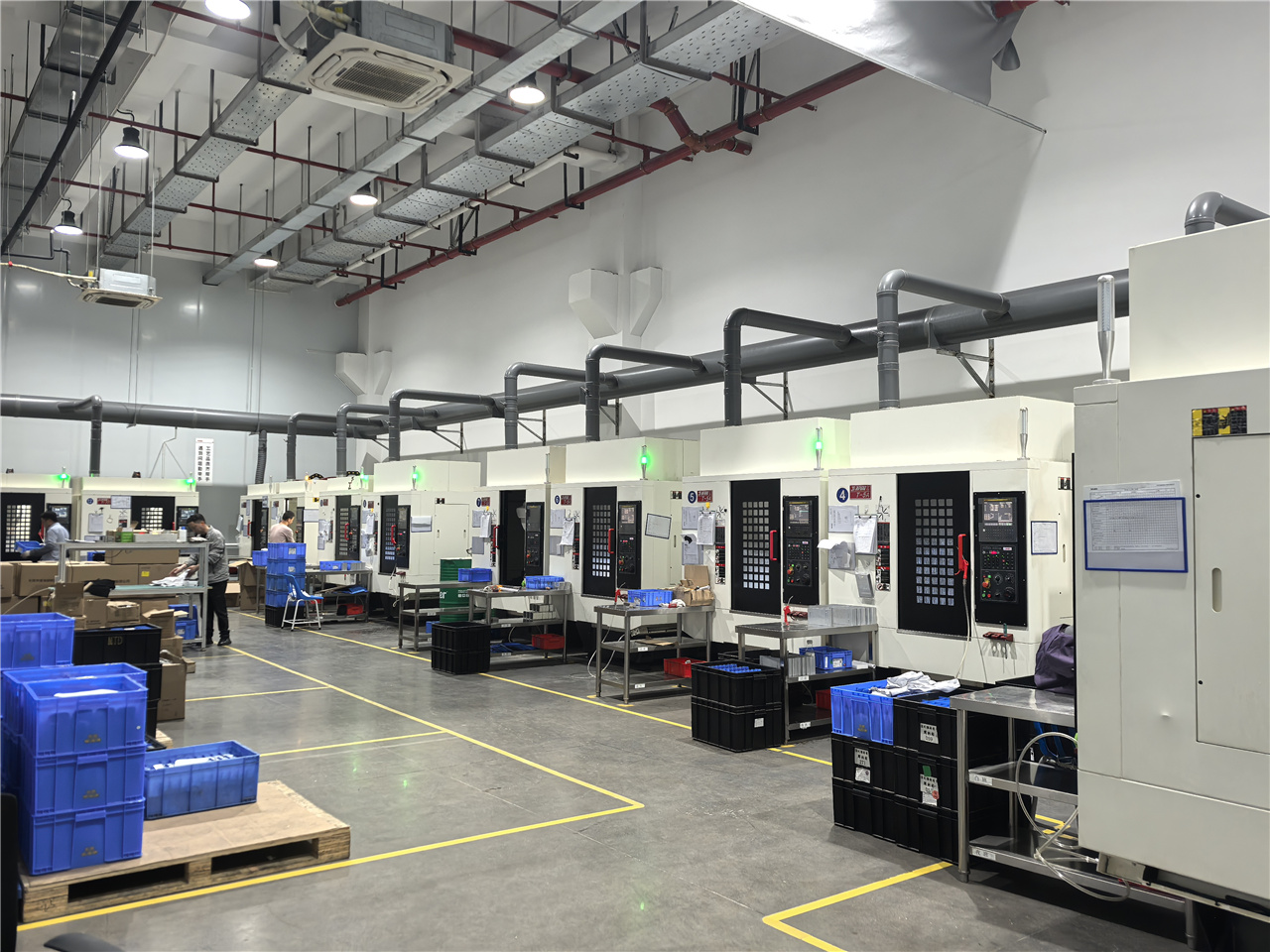
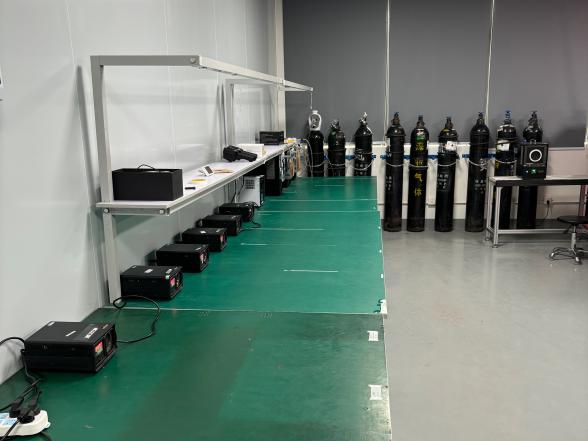
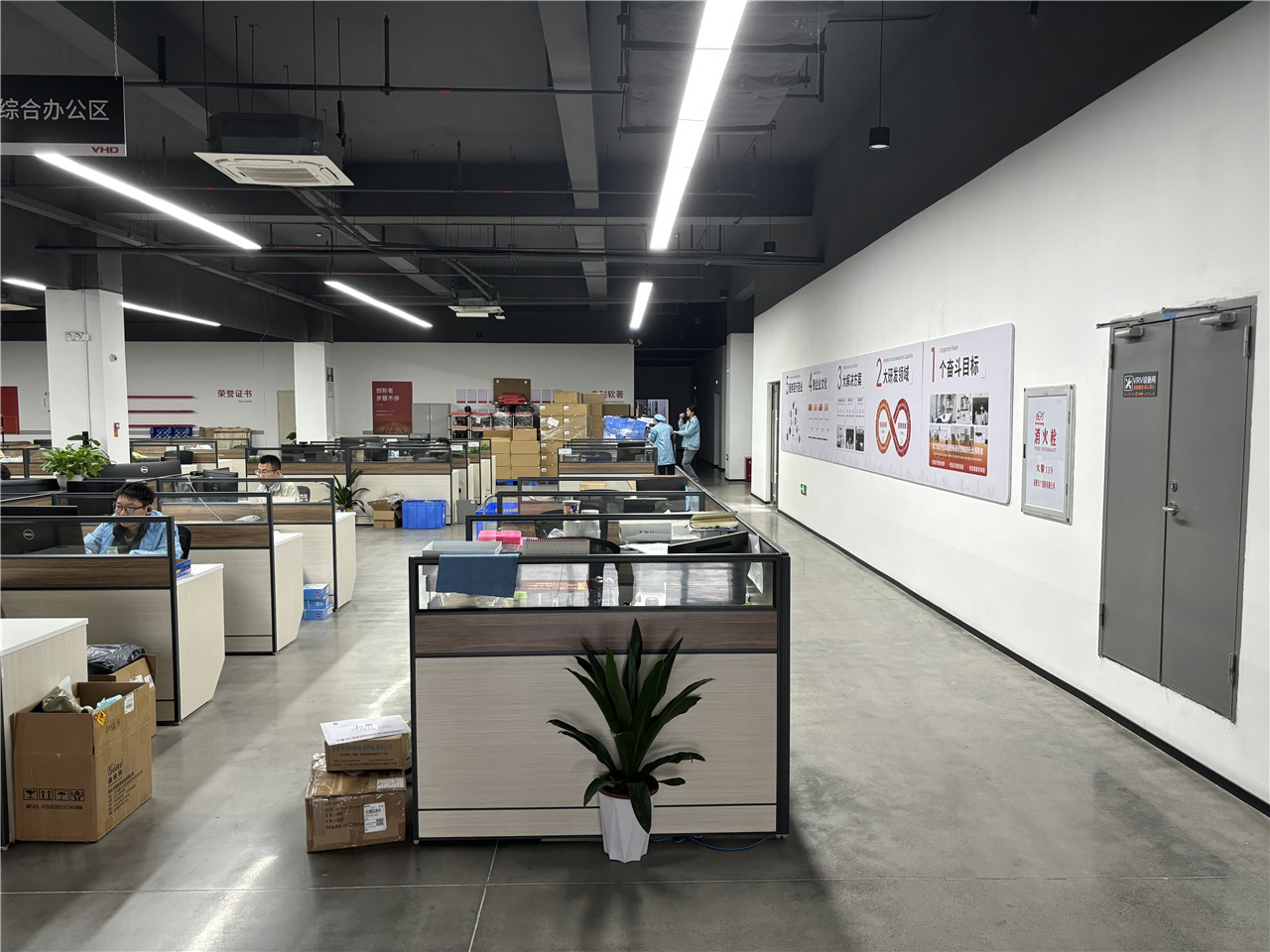
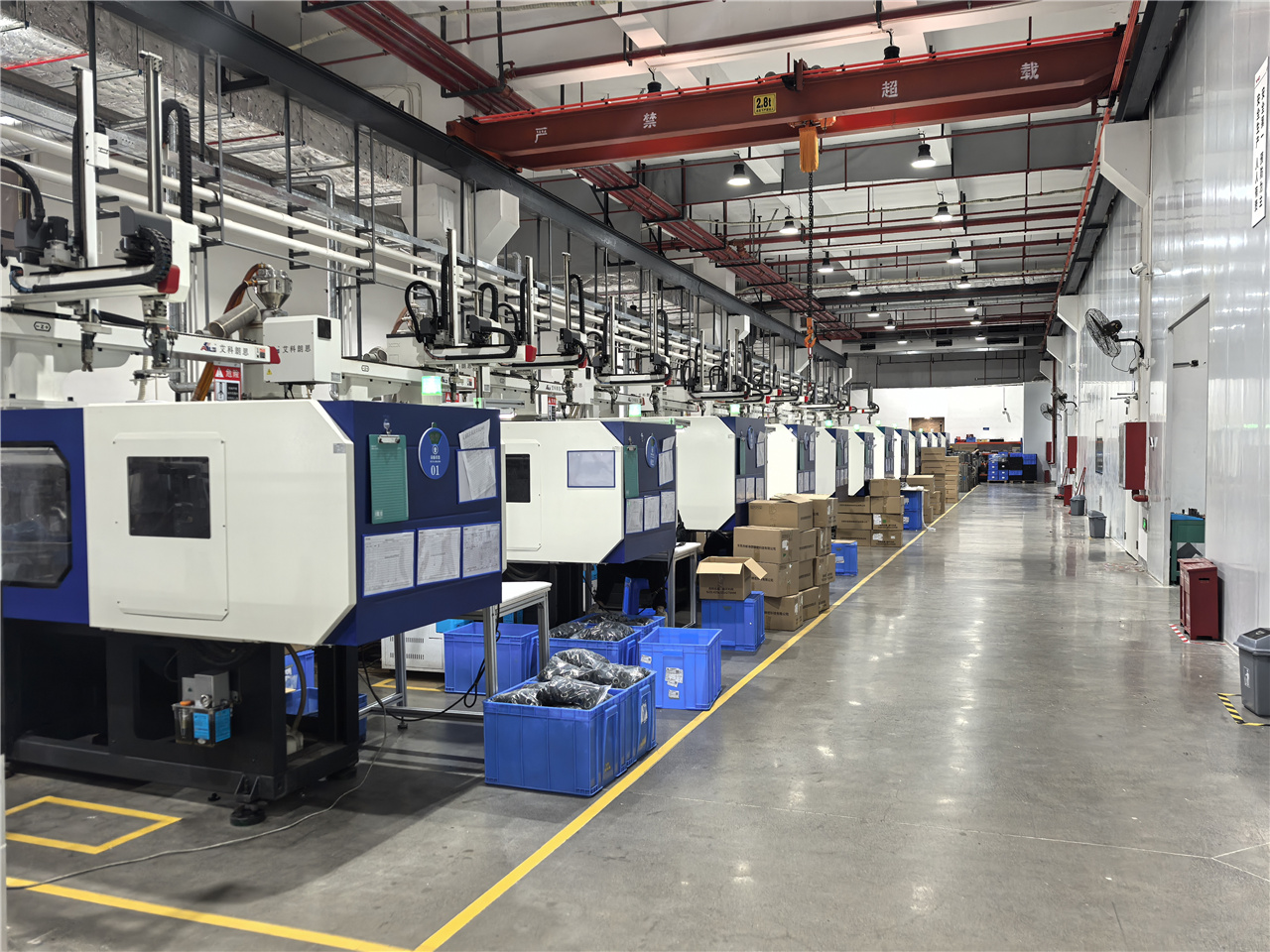
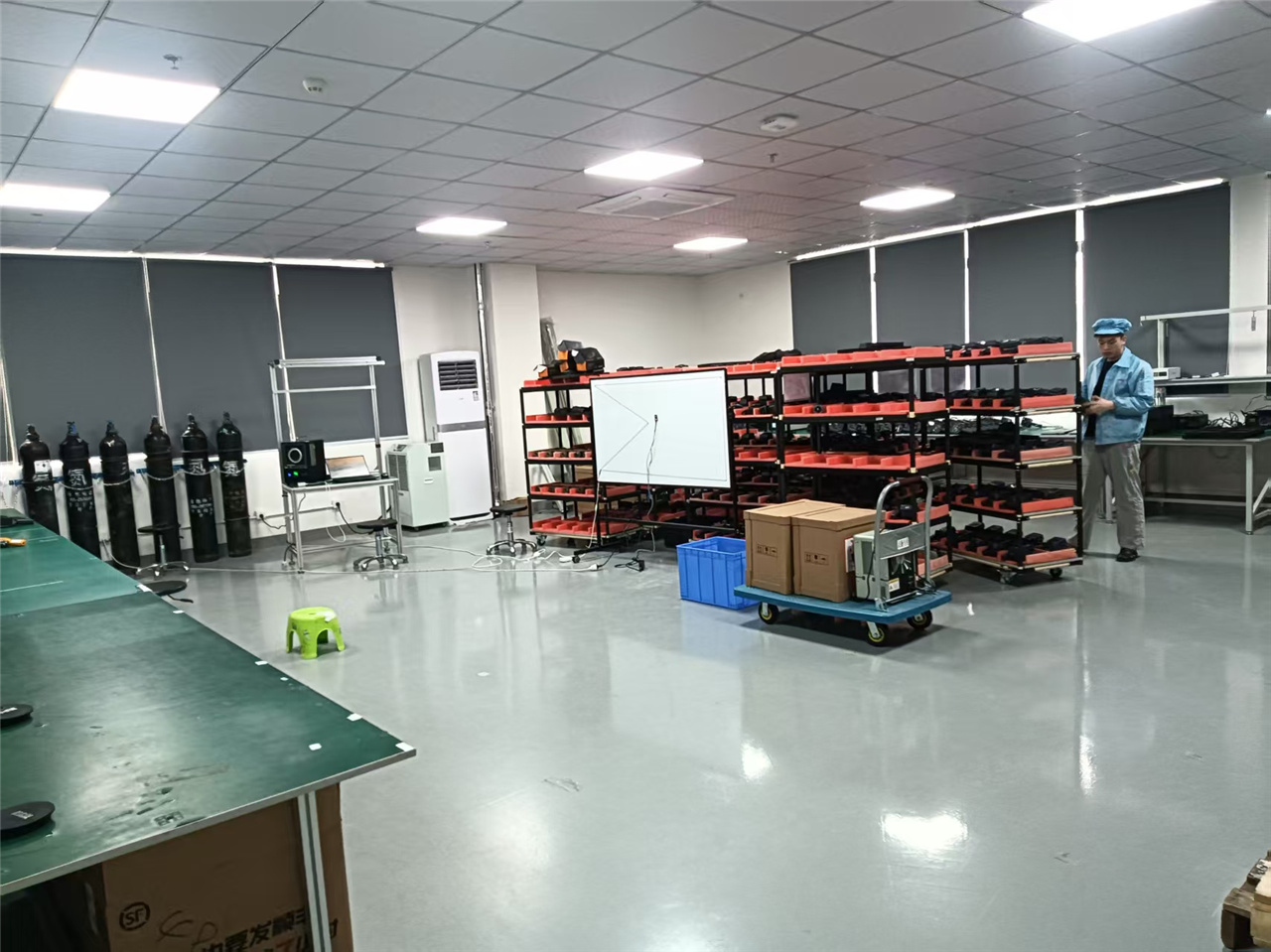
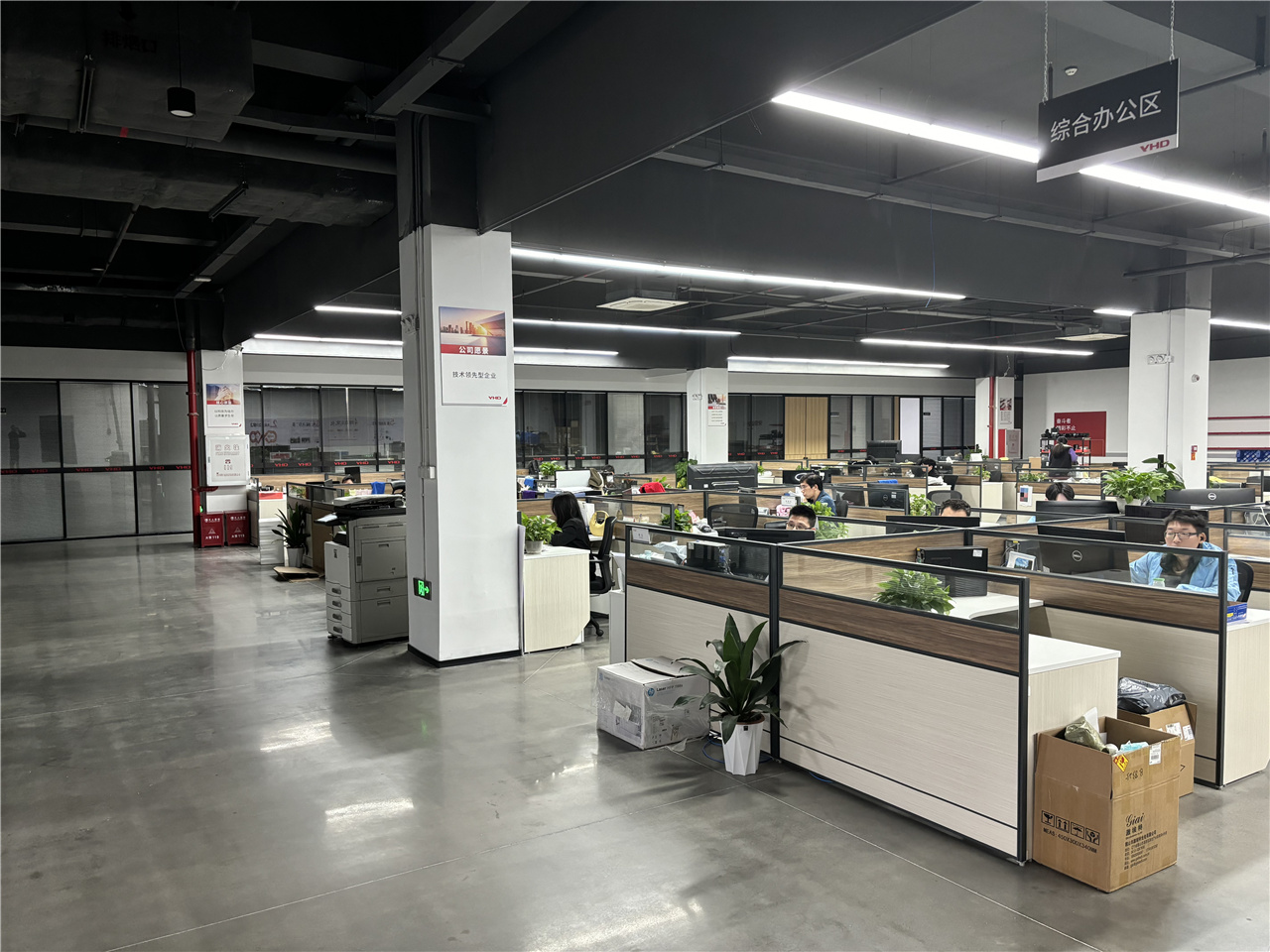
Shenzhen Dianyang Technology Co., Ltd. operates as a key subsidiary of VHD (Shenzhen VHD Technology Co., Ltd.), a publicly listed enterprise on the Shenzhen Stock Exchange. This strategic affiliation gives Dianyang unique, direct access to VHD’s advanced R&D platforms, ultra-high precision automated manufacturing lines, and rigorous quality management infrastructure—enabling us to engineer and produce thermal imaging products of vastly superior reliability and consistency compared to standard regional ODMs.
Our specialized dedicated engineering team applies strict Design for Manufacturing (DFM), Design for Testability (DFT), advanced thermal simulation, and EMC pre-compliance testing across every core module design. This methodology optimizes thermal signal performance while accelerating custom prototyping turnarounds for our strategic partners in Ho Chi Minh City and across ASEAN.
When requesting quotations (RFQ) or commissioning custom OEM thermal cores for Ho Chi Minh City operational projects, technical procurement teams should follow a structured evaluation matrix:
Determine required Field of View (FOV) and target distance. Select between fixed lens configurations (e.g., 3.2mm, 6.5mm, 9mm, 15mm) or motorized continuous focus systems depending on whether the application requires wide-area indoor monitoring or long-range outdoor perimeter security.
Specify raw temperature data streaming needs. Our cores support digital video interfaces including DVP, MIPI, USB 2.0/UVC, as well as analog CVBS and Ethernet IP outputs, allowing effortless integration with ARM, FPGA, NVIDIA Jetson, or x86 host architectures.
Dianyang provides comprehensive Software Development Kits (SDKs) for Windows, Linux, Android, and ROS. Code libraries include C++, Python, and C# samples for real-time pixel-by-pixel temperature array extraction, isotherm visualization, and dynamic hot-spot tracking.
Clear technical answers for procurement directors, integration engineers, and equipment distributors.
Explore our full line of handheld thermal imagers, smartphone thermal cameras, and high-temperature diagnostic solutions.
Whether you require high-volume standardized core modules or custom OEM integration for industrial automation in Ho Chi Minh City, our engineering team is ready to assist.
 Dianyang