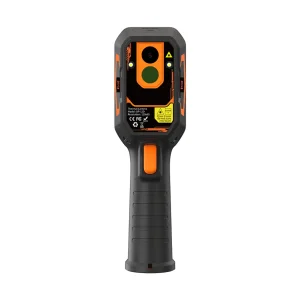
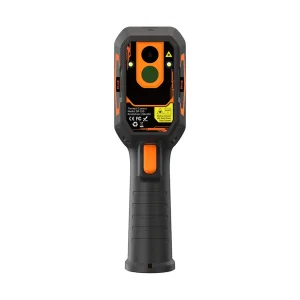
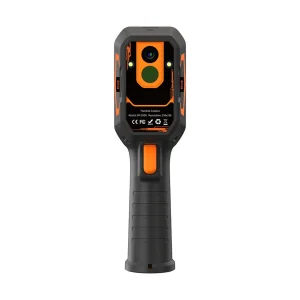
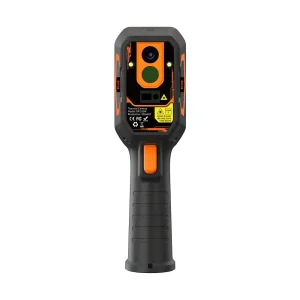
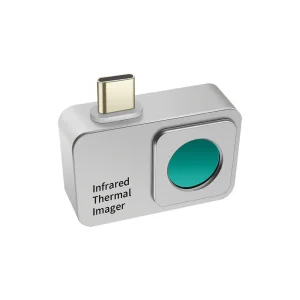
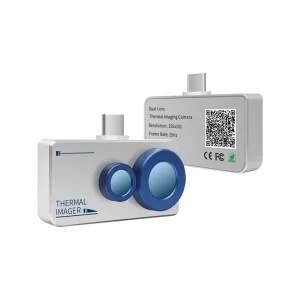
Direct factory wholesale options featuring high-precision VOx microbolometer sensors, high-frame-rate processing engines, and customizable optical configurations.
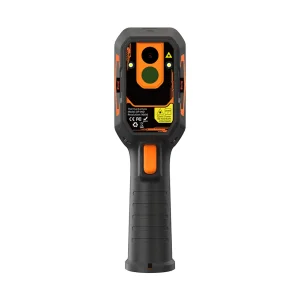
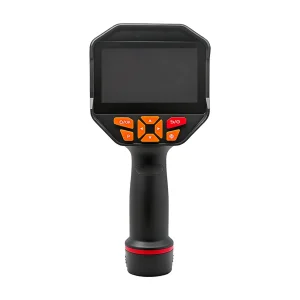
Unlocking the physics of long-wave infrared (LWIR) sensing, microbolometer design, and precision radiometric measurement for perimeter defense and smart industrial inspection.
Modern security ecosystems and automated industrial monitoring platforms rely increasingly on non-contact thermography. Unlike traditional optical security cameras dependent on visible light or near-infrared (NIR) illuminators, thermal security cameras detect ambient blackbody thermal radiation in the Long-Wave Infrared (LWIR) spectrum, typically bounded between 8 µm and 14 µm. At the heart of Shenzhen Dianyang Technology’s camera systems lies an uncooled Vanadium Oxide (VOx) Focal Plane Array (FPA) microbolometer. VOx technology exhibits a superior Temperature Coefficient of Resistance (TCR) compared to standard Amorphous Silicon (a-Si) sensors, resulting in lower spatial noise, enhanced stability over wider operating temperatures, and superior image crispness.
Thermal sensitivity, expressed as Noise Equivalent Temperature Difference (NETD), determines the smallest temperature distinction a camera can resolve. Dianyang's industrial-grade microbolometer cores achieve an NETD of less than 35 millikelvin (mK) at f/1.0. This ultra-low noise floor empowers enterprise systems to discern minute thermal gradients even in severe environmental conditions—such as dense fog, zero-lux absolute darkness, torrential rain, or heavy smoke concealment.
Transitioning from legacy 17µm architectures down to state-of-the-art 12µm and wafer-level packaging (WLP) allows smaller optic requirements, reduced total thermal mass, lower energy draw (SWaP optimization), and higher overall pixel density per sensor layout.
Unlike pure qualitative thermal vision cameras, Dianyang’s radiometric series provides point-by-point pixel temperature data output, enabling automated over-temperature alarms, hot-spot tracking, and predictive preventive maintenance across critical infrastructure.
By blending visible spectrum detail (up to 4K resolution) with thermal energy footprints using advanced spatial alignment algorithms, operators gain instant contextual identification alongside accurate real-time thermal readings.
Systematic breakdown of commercial model tiers, optical core configurations, and wholesale pricing factors for enterprise procurement officers and system integrators.
Thermal camera wholesale pricing is dictated primarily by sensor pixel array size (e.g., 96x96, 120x90, 256x192, 384x288, or 640x512 microbolometer matrices), Germanium (Ge) optical lens aperture size, internal radiometric calibration algorithms, and environmental enclosure ratings (IP66/IP67, explosion-proof housings). Below is an analytical tier overview designed to guide strategic corporate sourcing.
| Category Tier | Typical Resolution | Sensor Specs & NETD | Primary Industrial Use Case | Wholesale Cost Drivers |
|---|---|---|---|---|
| Entry / Compact Handheld | 96x96 to 120x90 | 17µm VOx, NETD < 50mK | HVAC diagnostic, circuit board inspection, electrical troubleshooting | Compact housing, single-point laser positioning, internal battery pack |
| Mid-Range Radiometric | 256x192 | 12µm VOx, NETD < 40mK | Power distribution panels, medical triage, building energy audit | Dual-light optical engine, dynamic target tracking, customized SDK support |
| Professional Inspection | 384x288 | 12µm VOx, NETD < 35mK | High-voltage substations, factory machine heat monitoring, solar farm audit | Germanium manual/auto-focus optics, extended temperature measurement range (up to +1200°C) |
| Enterprise Security & Surveillance | 640x512 | 12µm High-Density Array, NETD < 35mK | Perimeter defense, border security, airport security, critical infrastructure protection | Long-range optical zoom lenses, ONVIF/RTSP streaming, Edge AI chip integration |
OEM Volume Price Dynamics: Dianyang Technology provides scalable wholesale discount tiers based on minimum order quantities (MOQ). Contract manufacturing orders benefit from unified optical component purchasing and automated robotic SMT assembly line efficiencies. Custom OEM/ODM requests—including private label branding, localized software GUIs, SDK API wrapping, and targeted temperature threshold tuning—are fully supported under strict Non-Disclosure Agreements (NDAs).
Empowering global enterprises with continuous, automated thermal monitoring across hazardous, high-value, and zero-visibility environments.
Traditional optical motion sensors suffer high false-alarm rates caused by rain, falling leaves, wildlife, or shadows. Dianyang’s high-resolution security thermal cameras continuously detect human and vehicle heat signatures up to several kilometers away, completely unaffected by extreme lighting contrast, heavy glare, or total darkness. Embedded AI intrusion algorithms automatically identify perimeter breaches and dispatch real-time alerts to central management stations.
Electrical assets such as transformers, high-voltage busbars, switchgears, and capacitor banks generate localized excess heat prior to structural failure. By deploying Dianyang radiometric thermal security cameras with continuous monitoring protocols, utility operators receive automated notifications when component temperatures surpass preset safety thresholds, preventing catastrophic grid outages and costly downtime.
In recycling plants, timber storage yards, lithium battery storage facilities, and chemical processing plants, internal smoldering occurs long before smoke or open flame visible light is produced. Radiometric thermal cameras monitor surface thermal anomalies continuously, triggering automated fire suppression sprinkler systems before ignition escalates.
Next-generation innovations shaping the future of infrared optics, Edge AI micro-architectures, and SWaP-C optimization.
The thermal imaging security market is undergoing a rapid technological evolution. Over the next five years, four fundamental technological shifts will redefine the capabilities of thermal security and diagnostic cameras worldwide:
Microbolometer fabrication is transitioning from 12µm toward 8µm and 6µm pixel architectures. This advance enables significantly higher pixel counts on smaller sensor dies, dramatically shrinking the diameter and cost of specialized Germanium lenses without compromising detection distance.
Future thermal cameras will feature built-in 4 TOPS to 10 TOPS AI neural processing units directly adjacent to the microbolometer read-out integrated circuit (ROIC). Edge processing allows zero-latency classification of targets (human, animal, vehicle, flame, gas leak) at the camera head itself.
Optical Gas Imaging (OGI) technology—traditionally reserved for high-end cooled sensors—is increasingly being adopted in uncooled LWIR and MWIR filtering configurations to enable affordable detection of fugitive methane, VOCs, and greenhouse gas leaks in commercial settings.
Mass wafer-level optics integration is drastically driving down manufacturing costs. This transition paves the way for ubiquitous integration of thermal imaging cores into consumer smartphones, autonomous vehicles, and wearable industrial smart glasses.
Leveraging high-precision manufacturing, stringent quality assurance pipelines, and listed-group R&D infrastructure.
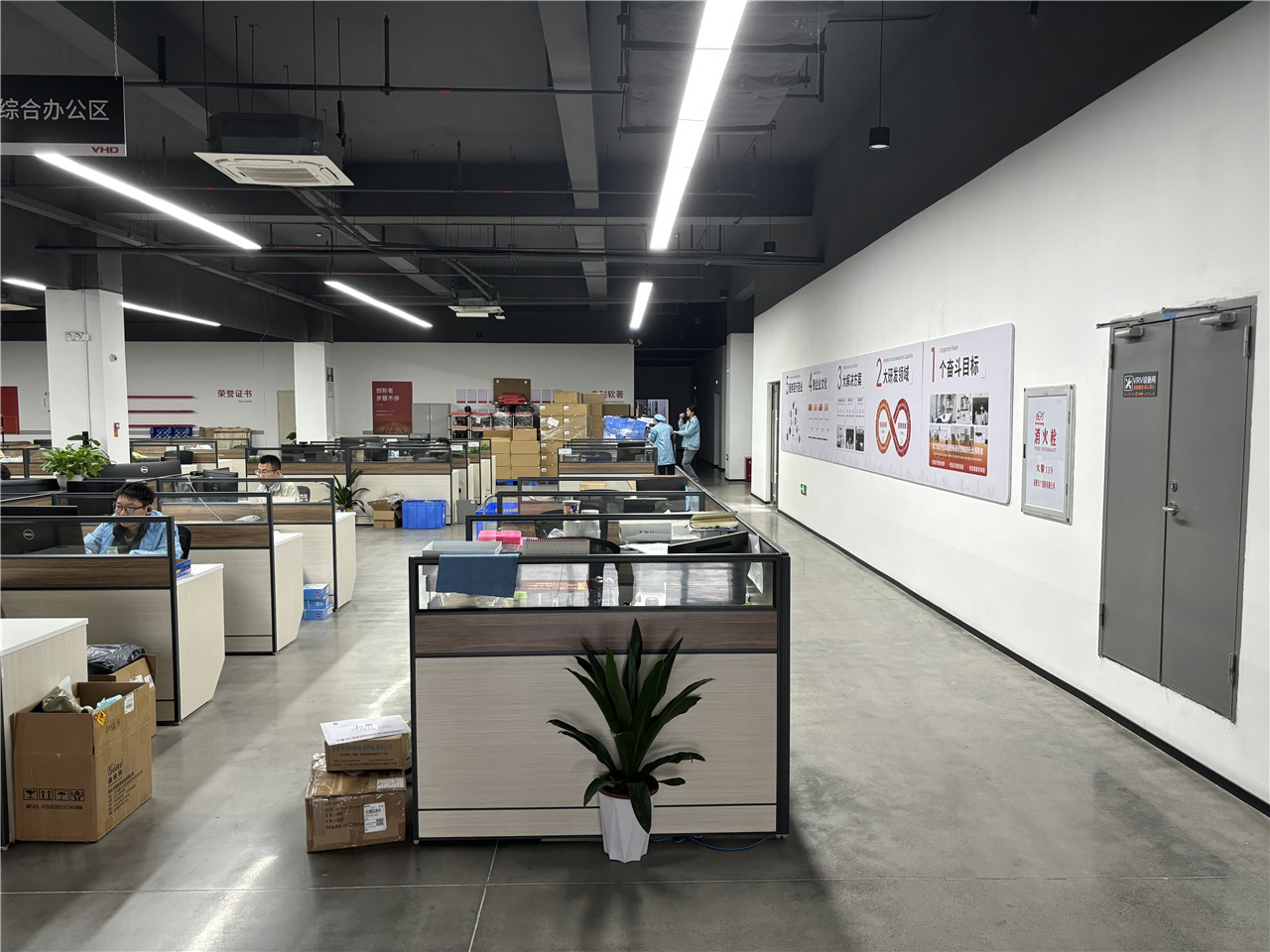
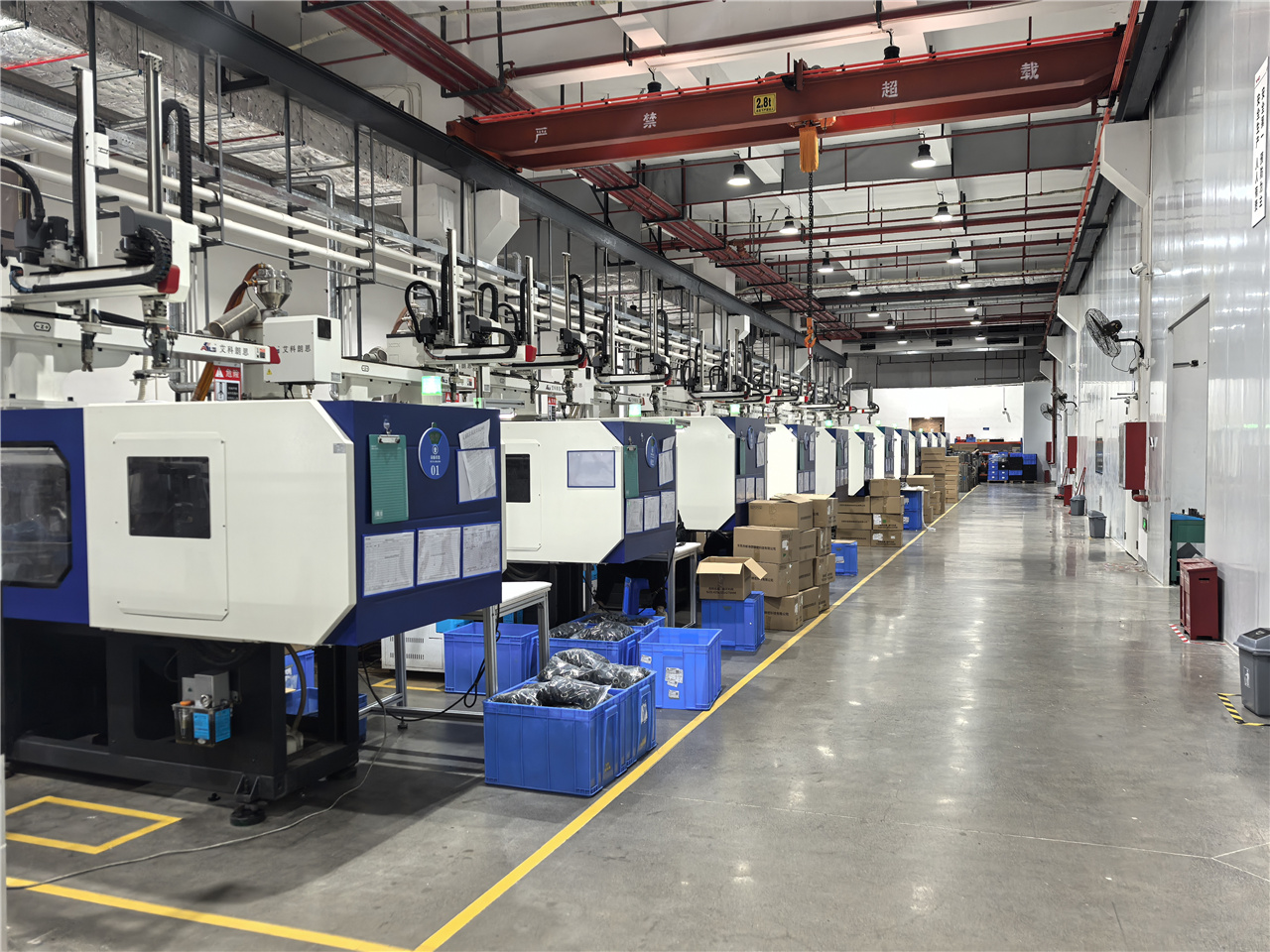
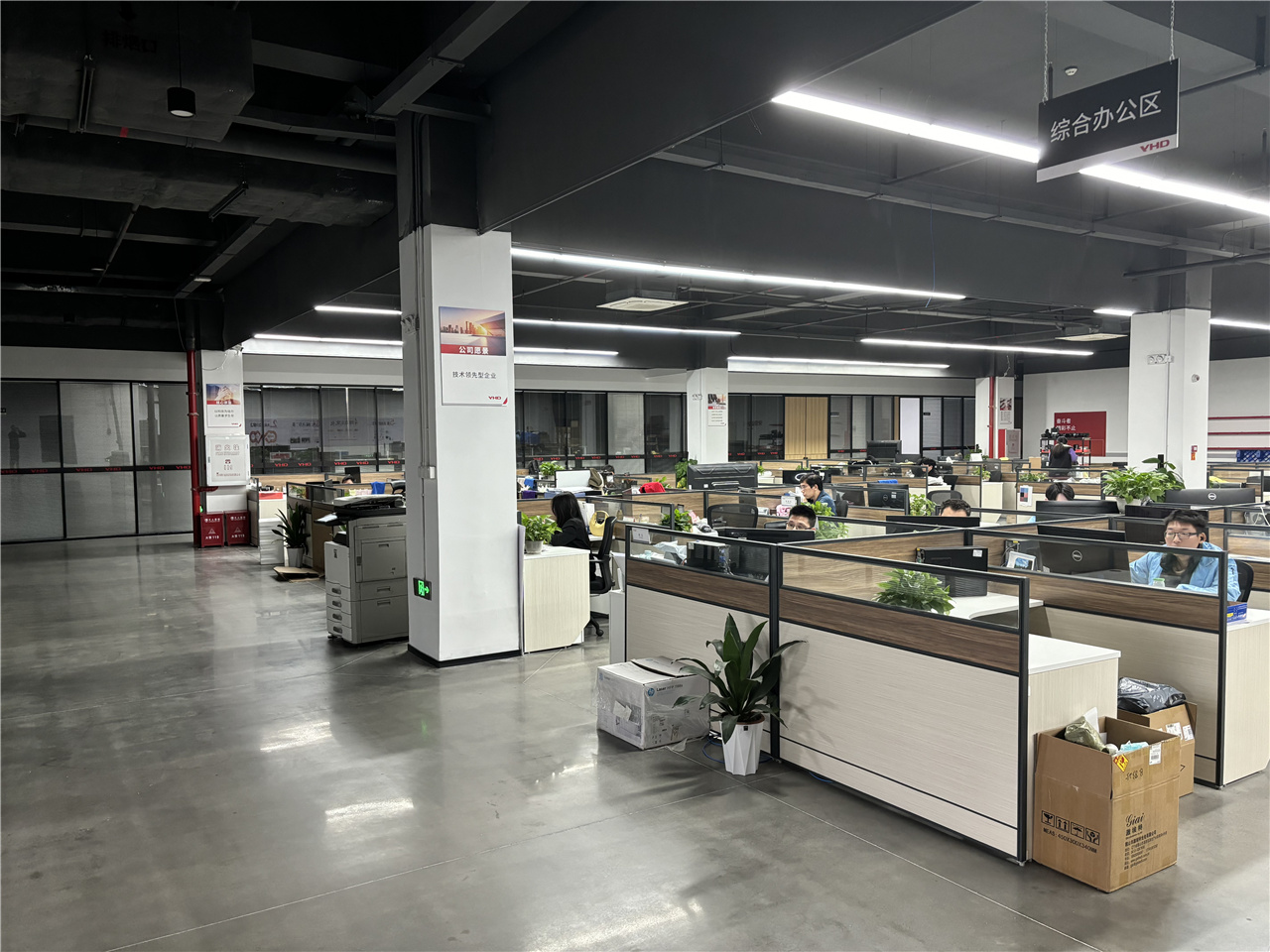
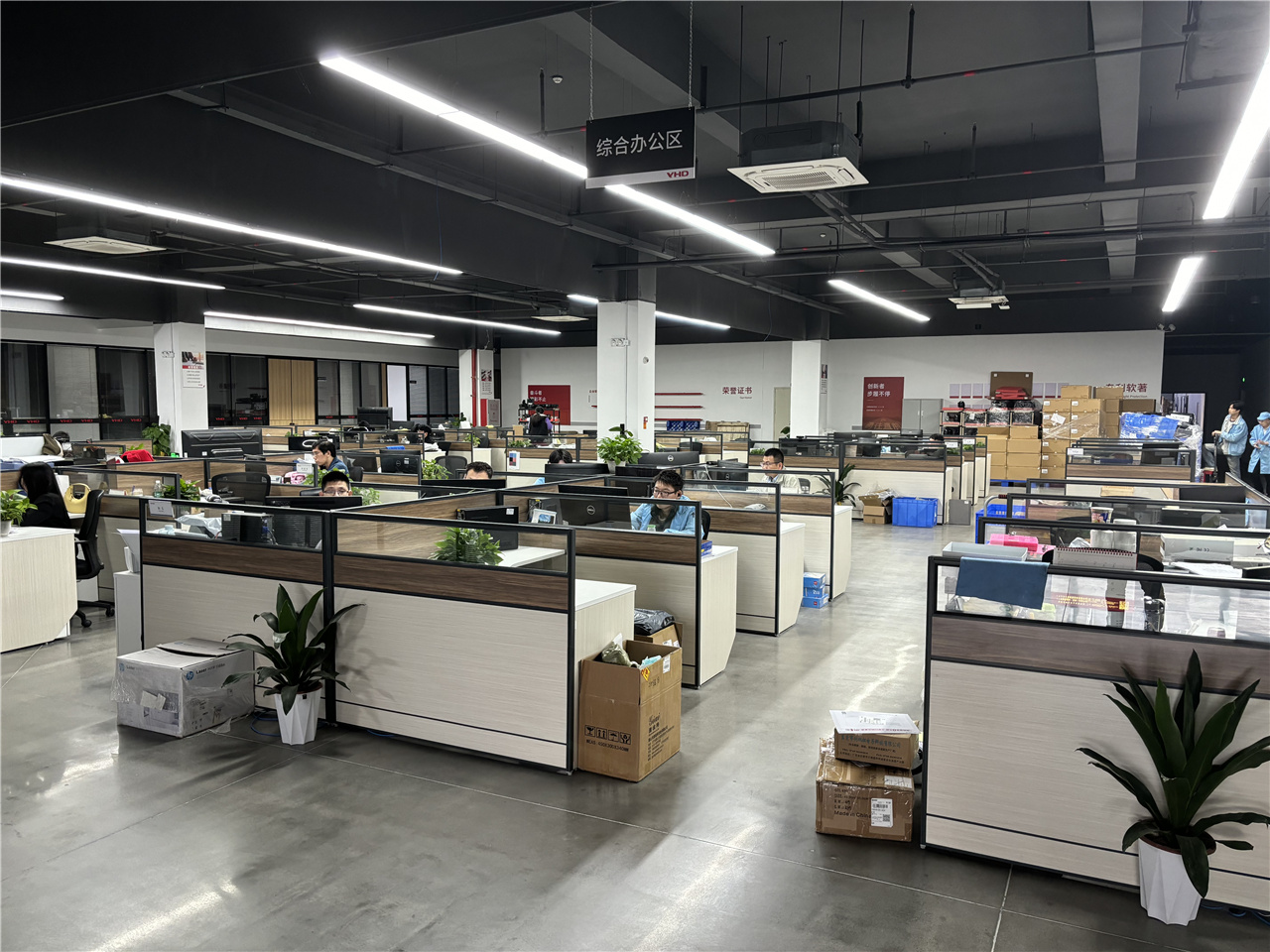
Shenzhen Dianyang Technology Co., Ltd. is a subsidiary of VHD (Shenzhen VHD Technology Co., Ltd.), a publicly listed company on the Shenzhen Stock Exchange. This strategic affiliation gives Dianyang unique access to VHD’s advanced R&D platforms, high-precision manufacturing systems, and rigorous quality management practices—enabling us to deliver thermal imaging products of higher reliability and consistency than typical ODMs.
We specialize in comprehensive ODM/OEM services for infrared thermal imaging solutions, including handheld thermal imagers, smartphone-connected thermal cameras, thermal analyzers, and thermal imaging telescopes. Our products serve global customers in power inspection, building diagnostics, firefighting, industrial maintenance, and outdoor applications.
Our dedicated engineering team applies Design for Manufacturing (DFM), Design for Testability (DFT), thermal simulation, and EMC pre-compliance analysis to optimize performance and accelerate development. We also support clients in obtaining key certifications such as CE, FCC, RoHS, REACH, CB, UKCA, KC, and PSE.
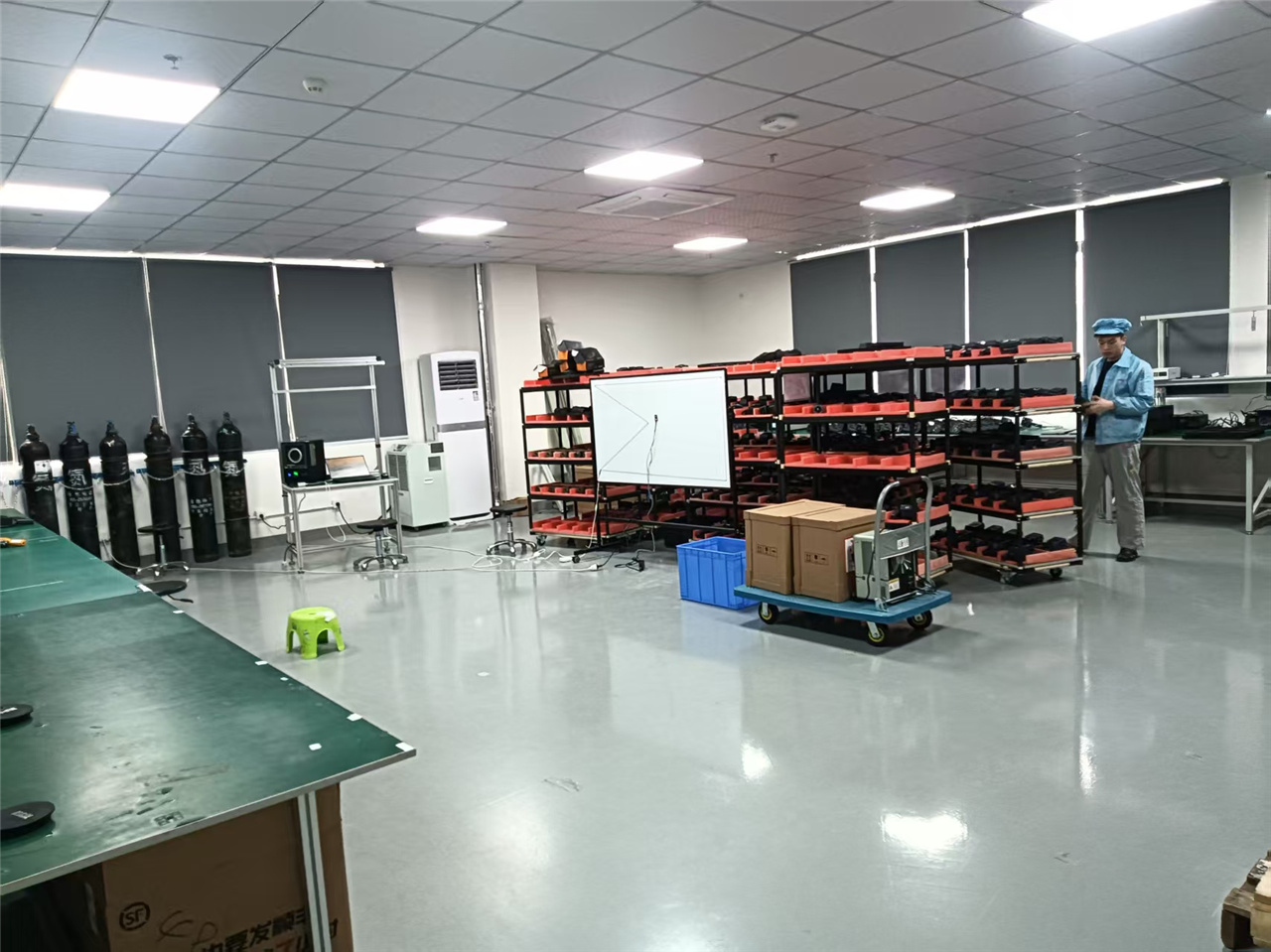
Dianyang operates automated surface-mount technology (SMT) lines, high-vacuum wafer packaging facilities, and precision blackbody temperature calibration chambers. Every thermal camera core undergoes multi-point temperature calibration across extreme ambient operating conditions to guarantee radiometric accuracy.
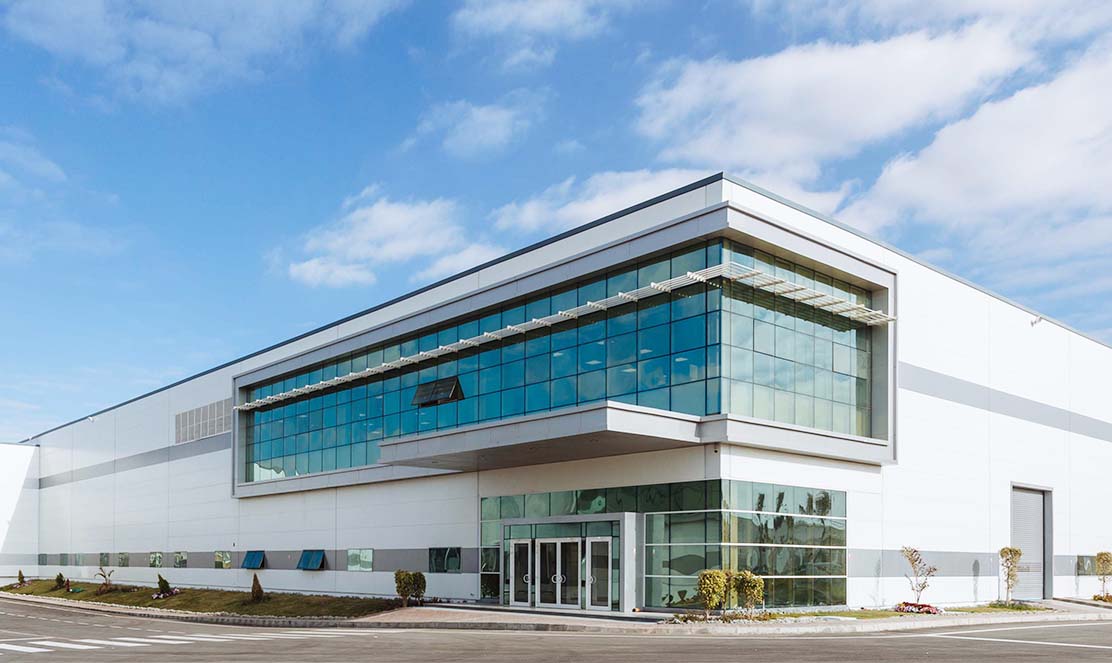
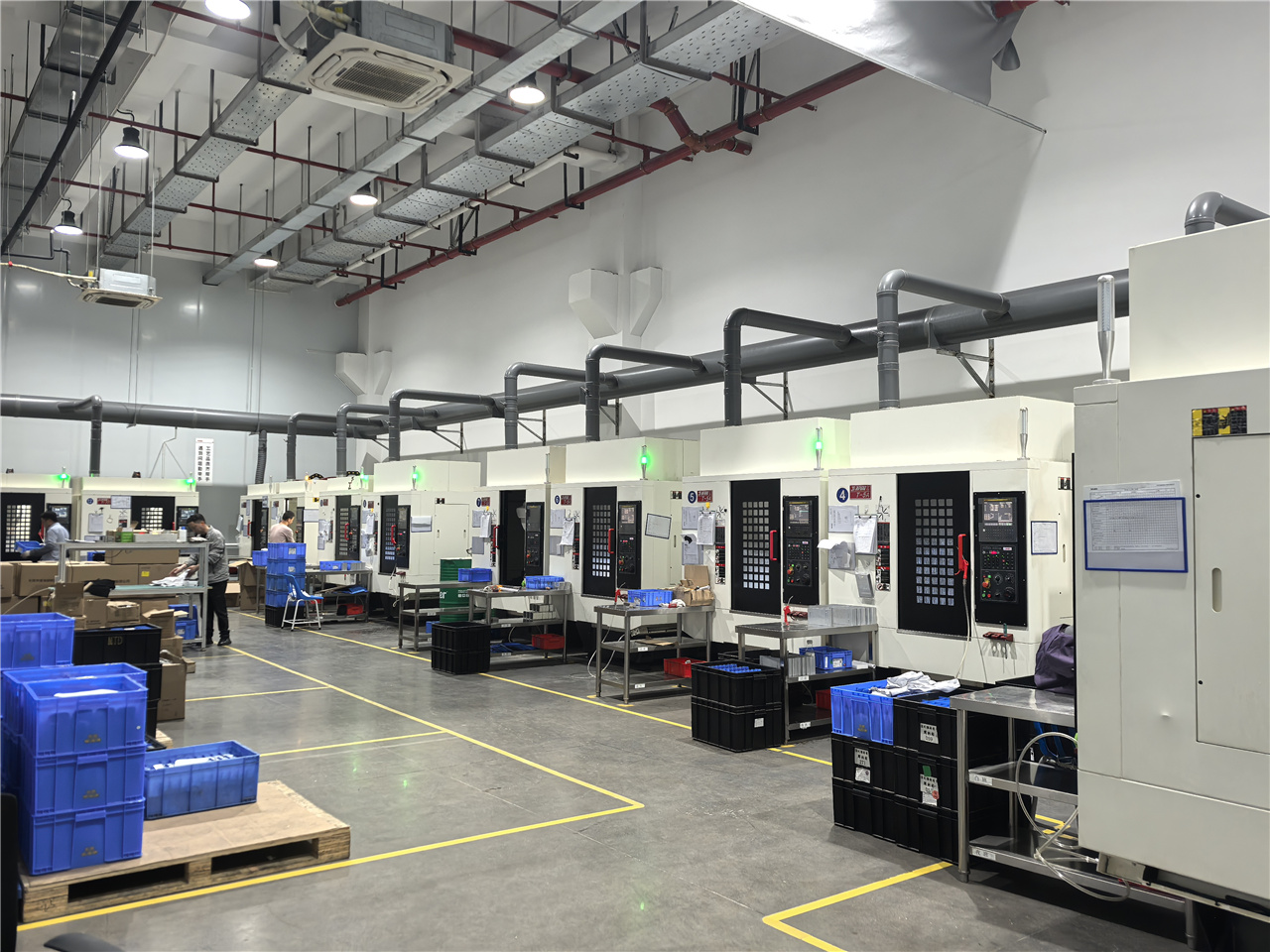
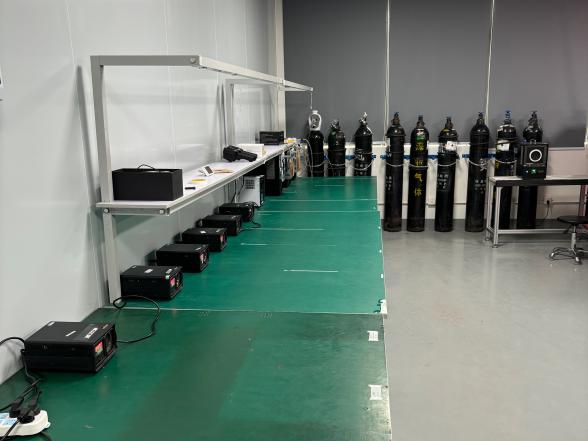
Ensuring frictionless international deployment, firmware localization, and strict regional regulatory compliance.
All Dianyang thermal camera products comply fully with international market directives. We maintain active compliance documentation for CE, FCC, RoHS, REACH, CB, UKCA, KC, and PSE certifications, streamlining import clearance for global procurement networks.
To enable seamlessly integrated third-party platforms, we offer multi-architecture SDKs (Windows, Linux, Android, iOS) supporting C++, Python, and Java. Stream thermal video feeds via standard RTSP/ONVIF (Profile S/G/T) protocols or access raw temperature arrays for custom cloud analytical pipelines.
Firmware user interfaces, mobile applications, and desktop diagnostic suites can be fully localized into over 15 native languages. Dedicated engineering teams provide technical support, hardware repair turnarounds, and remote integration guidance for international clients.
A structured evaluation framework for B2B buyers, system integrators, and distributors selecting thermal camera suppliers.
When selecting thermal security cameras or thermal core modules for OEM integration, enterprise buyers must evaluate vendors across five key pillars to ensure long-term total cost of ownership (TCO) optimization:
Ensure your supplier utilizes industrial-grade VOx detectors with low defect densities and solid long-term thermal bias stability. Listed parent companies like VHD provide financial stability and long-term product availability without unexpected end-of-life (EOL) core cancellations.
Request vendor calibration reports conducted across broad temperature curves (-20°C to +550°C or up to +1200°C). Verify that temperature drift compensation algorithms maintain precision even when ambient camera operating temperatures fluctuate rapidly.
Confirm lens focal length options (e.g., 3.2mm, 6.2mm, 9mm, 15mm, or motorized zoom lenses) match your target field of view (FOV) and required Johnson's Criteria detection, recognition, and identification (DRI) distances.
Expert technical answers regarding wholesale thermal security camera procurement, OEM engineering support, and system integration.
Explore compact mobile thermal imagers, professional handheld inspection tools, and OEM embedded cores.
 Dianyang