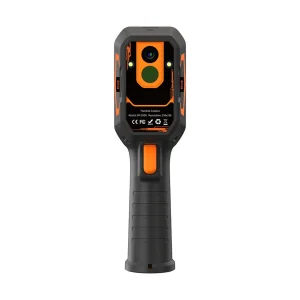
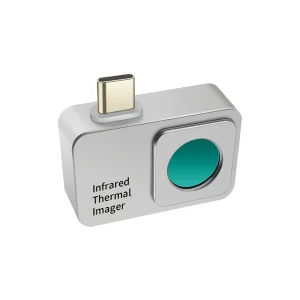
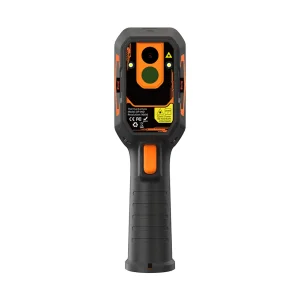
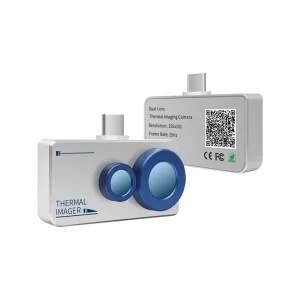
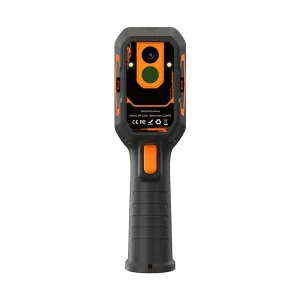
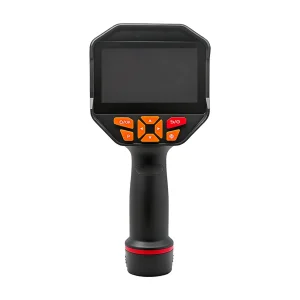
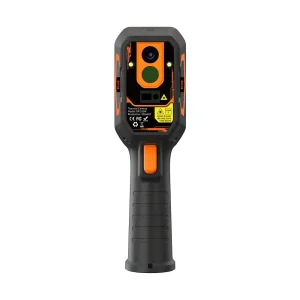
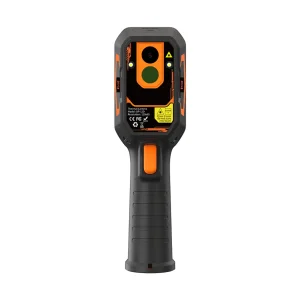
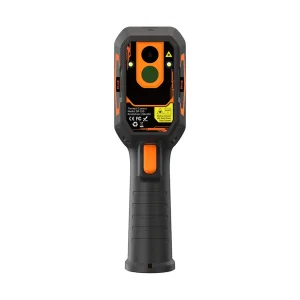
Direct factory supply featuring handheld thermal imagers, dual-light inspection systems, and mobile phone thermographic attachments built for rigorous industrial environments.
The global demand for non-contact thermal diagnostics and infrared quantitative temperature measurement has witnessed an unprecedented trajectory over the past decade. Driven by the worldwide expansion of industrial automation, smart grid modernization, predictive maintenance standards (PdM), and energy efficiency mandates, infrared thermal imaging cameras have shifted from specialized defense electronics to non-negotiable tools across industrial, commercial, and residential sectors.
Modern microbolometer technologies operate primarily within the Long-Wave Infrared (LWIR) spectrum spanning 8 to 14 micrometers (μm). As industrial facilities become more complex, the ability to visualize unseen thermal signatures—identifying micro-volts of resistance in high-voltage switchgears, detecting thermal bridges in green building insulation, or pin-pointing hot spots on dense Printed Circuit Board (PCB) assemblies—directly dictates operational uptime and life-safety assurance.
Industrial plants leverage continuous and handheld infrared thermography to identify phase imbalance, bearing friction, loose electrical connections, and refractory lining degradation prior to catastrophic failure.
Thermodynamic inspection reveals structural energy loss, moisture intrusion behind drywall, HVAC duct leakage, and underfloor heating circuit blockages with exact spatial pin-pointing.
High-resolution thermal analyzers evaluate component temperature rise in EV battery management systems (BMS), power semiconductors, and localized thermal dissipation in compact electronics.
Combining Shenzhen’s hardware speed, complete optoelectronic supply chains, and deep public market capitalization backings for unmatched OEM/ODM thermal imager production.
The concentration of global electro-optical component manufacturing in China—specifically within the Shenzhen tech ecosystem—has created unprecedented efficiency for wholesale buyers. From vanadium oxide (VOx) and amorphous silicon (a-Si) microbolometer wafer packaging to high-precision Germanium (Ge) lens grinding, Chinese thermal camera factories deliver an unbeatable cost-to-performance dynamic.
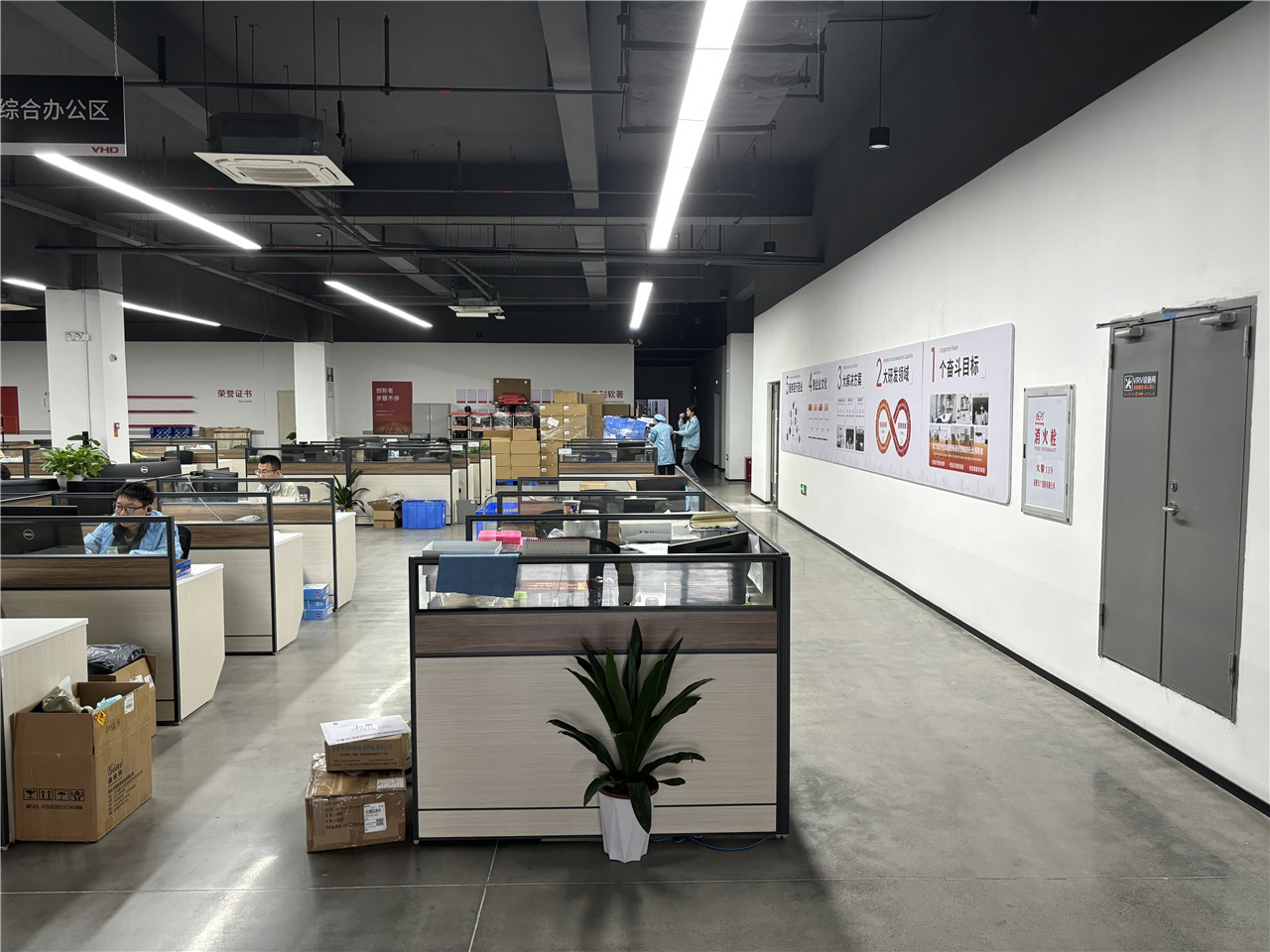
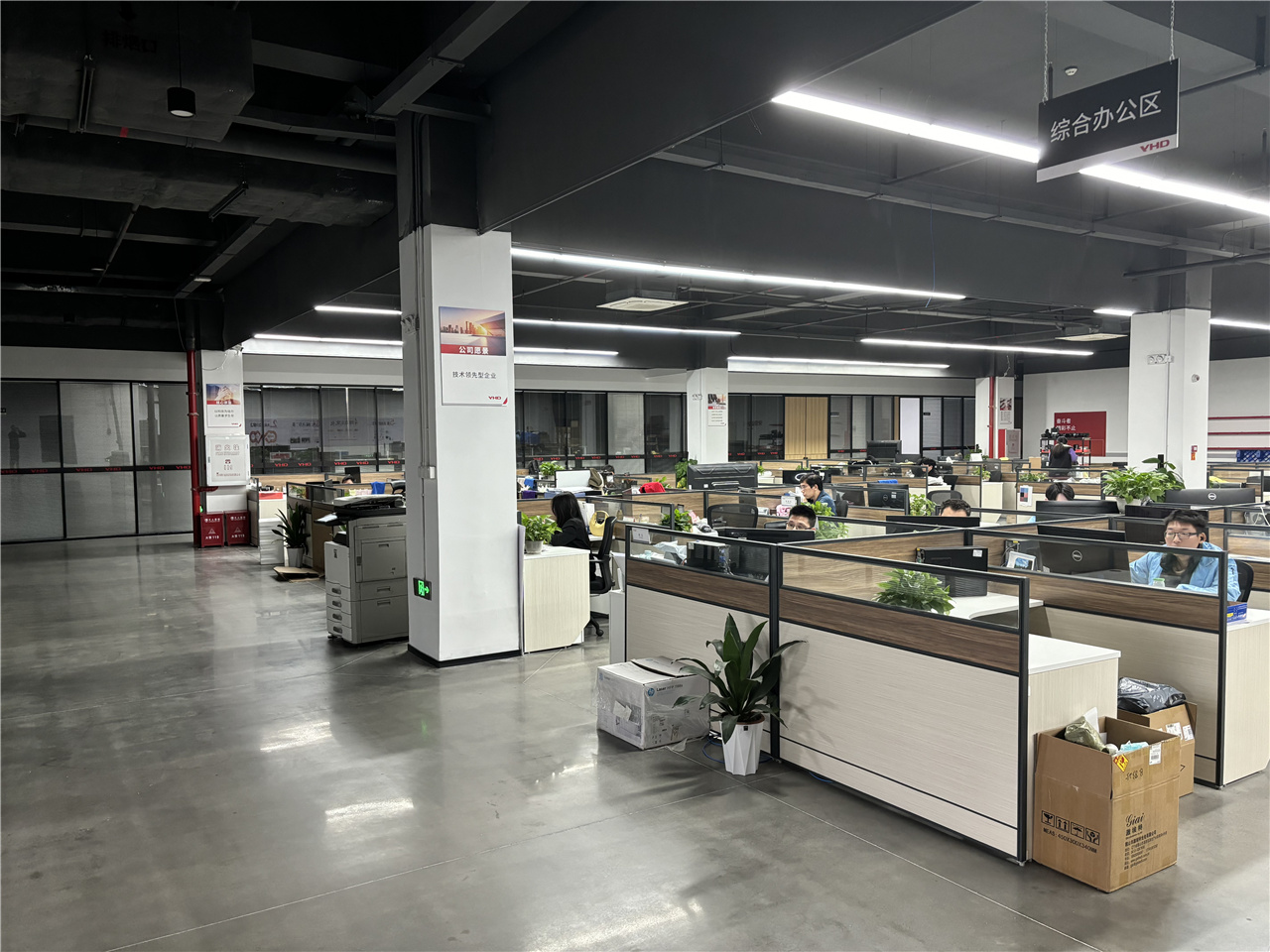
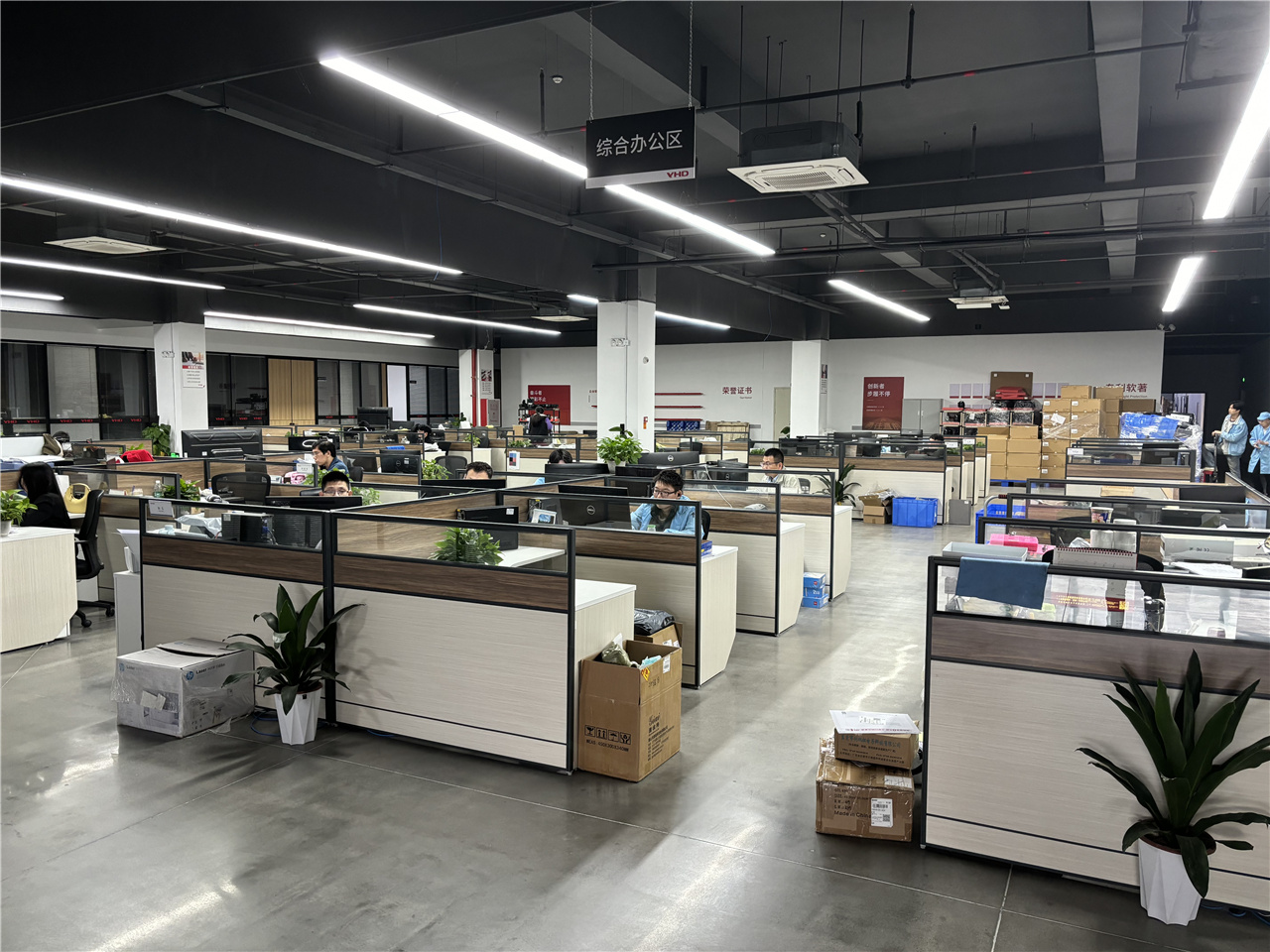
Within this ecosystem, Shenzhen Dianyang Technology Co., Ltd. stands apart. As a strategic subsidiary of VHD (Shenzhen VHD Technology Co., Ltd.), a publicly listed company on the Shenzhen Stock Exchange, Dianyang merges the rapid agility of an ODM thermal specialist with the capital backing, robust corporate governance, and advanced engineering rigor of a tier-1 public enterprise.
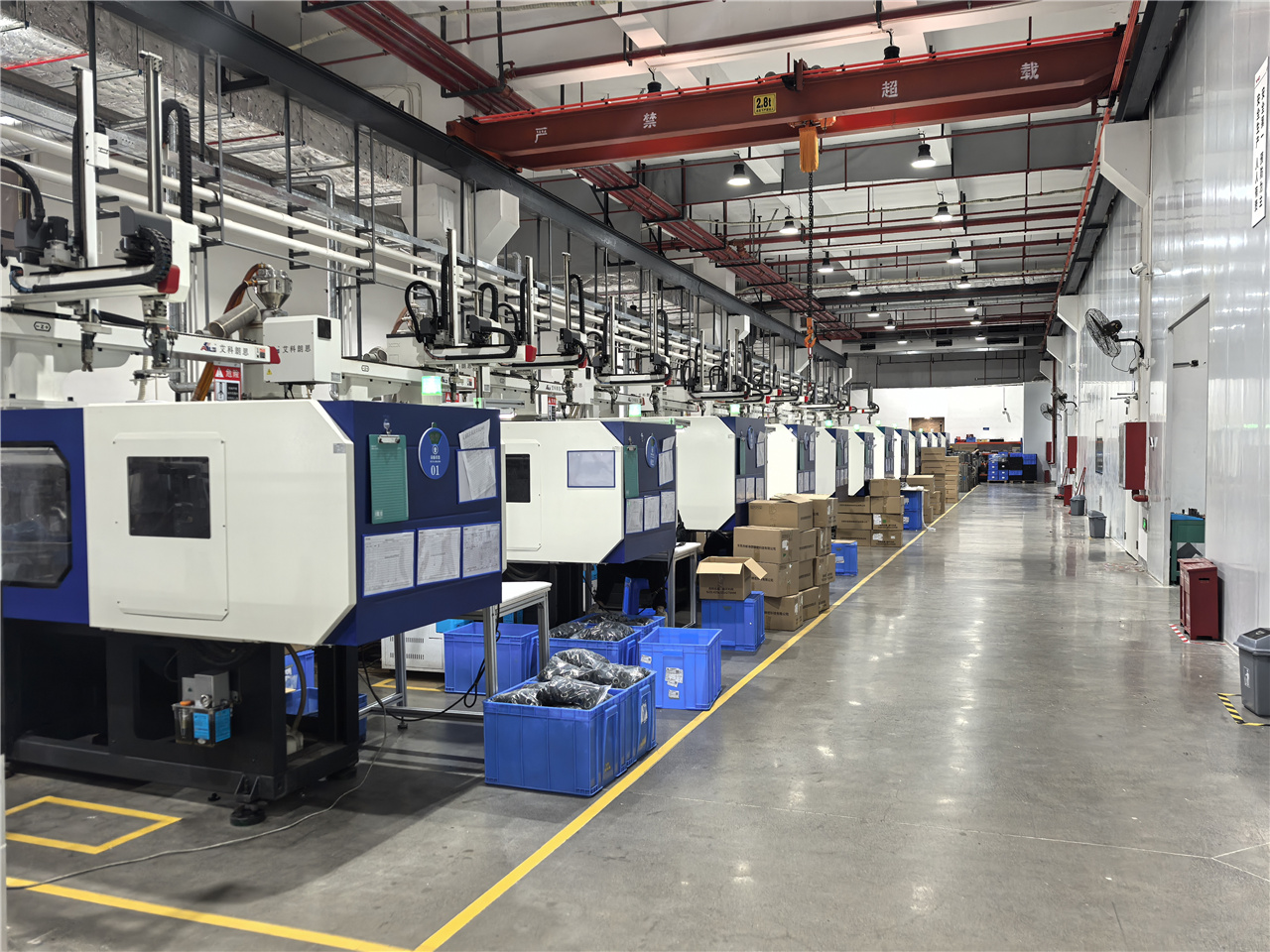
Our engineering pipeline integrates strict DFM protocols early in the CAD modeling stage. This eliminates assembly bottlenecks, reduces component counts, and ensures high structural yield during mass injection molding and CNC chassis fabrication.
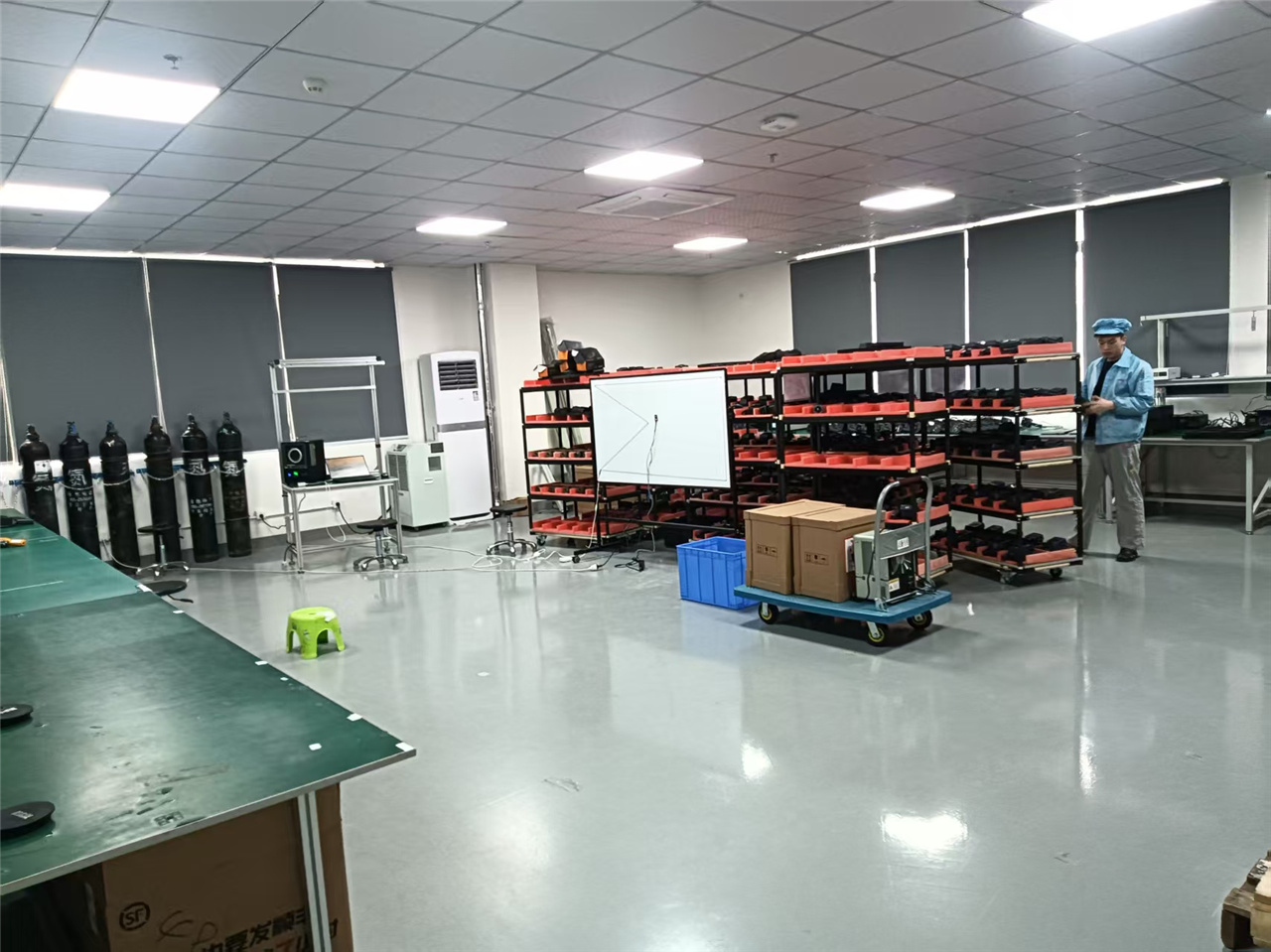
Every thermal core and completed camera undergoes automated optical alignment, multi-temperature blackbody calibration arrays, and Automated Optical Inspection (AOI) to verify thermal sensitivity across -20°C to +1200°C spectrums.
In-house electromagnetic compatibility (EMC) simulation and thermal dissipation analysis prevent field failures, guaranteeing smooth passage through CE, FCC, RoHS, REACH, UKCA, and KC certification channels.
High-voltage transformers, substations, and overhead transmission lines require high thermal resolution (such as the DP-64D 640x512 resolution imager) to detect loose clamps, insulator leakage currents, and overload risks from safe distances.
Smartphone-connected thermal cameras (such as the H1FB and H2F6B series) transform iOS/Android devices into portable thermal inspection tools. Ideal for field technicians needing instantaneous cloud report generation and lightweight portability.
Ruggedized thermal housings equipped with high frame rates (25Hz/30Hz) penetrate smoke and total darkness, enabling first responders to locate hotspots, victims, and structural fire paths rapidly.
How edge artificial intelligence, sensor miniaturization, and multi-spectrum fusion are defining the future of thermal vision.
The infrared sector is undergoing a profound paradigm shift driven by modern semiconductor fabrication and AI algorithm integration. Wholesale buyers and OEM brands must align with manufacturers capable of mastering three core technological vectors:
On-device neural networks now perform automatic object classification, anomaly detection, and automated isothermal alarms without relying on cloud processing delays. Smart cameras instantly differentiate human signatures from motor heat.
Combining high-definition visible light imagery with long-wave infrared arrays (as implemented in Dianyang’s DP-25DV series) overlays structural detail over thermal gradients. This offers context-rich thermal images for non-technical operators.
Transitioning from 17μm to 12μm microbolometer pixel pitches drastically reduces optical assembly volumes and germanium lens raw material costs, enabling ultra-compact smartphone accessories at highly competitive price points.
When selecting a factory partner for wholesale infrared thermal cameras, B2B procurement managers and OEM brand managers should evaluate core technical parameters beyond superficial price points. The table of technical evaluation standards includes:
Noise Equivalent Temperature Difference (NETD) measures the lowest temperature variation the camera can resolve. Measured in millikelvins (mK), values lower than 40mK (0.04°C) yield significantly clearer images with far lower noise floor in low-contrast conditions.
Instantaneous Field of View (IFOV) determines spatial clarity. While entry-level 96x96 or 120x90 resolutions suffice for localized electrical diagnostics, target distant utility lines require 256x192 or 640x512 matrices to maintain measurement accuracy.
Standard industrial ranges cover -20°C to 550°C. Heavy metallurgy, kiln inspection, and aerospace materials testing require expanded ranges reaching up to 1200°C (as engineered in the DP-64D handheld series).
Shenzhen Dianyang Technology Co., Ltd. is a subsidiary of VHD (Shenzhen VHD Technology Co., Ltd.), a publicly listed company on the Shenzhen Stock Exchange. This strategic affiliation gives Dianyang unique access to VHD’s advanced R&D platforms, high-precision manufacturing systems, and rigorous quality management practices—enabling us to deliver thermal imaging products of higher reliability and consistency than typical ODMs.
We specialize in ODM/OEM services for infrared thermal imaging solutions, including handheld thermal imagers, smartphone-connected thermal cameras, thermal analyzers, and thermal imaging telescopes. Our products serve global customers in power inspection, building diagnostics, firefighting, industrial maintenance, and outdoor applications.
High quality products “Go Out to Sea”. Our dedicated engineering team applies Design for Manufacturing (DFM), Design for Testability (DFT), thermal simulation, and EMC pre-compliance analysis to optimize performance and accelerate development. We also support clients in obtaining key certifications such as CE, FCC, RoHS, REACH, CB, UKCA, KC, and PSE.
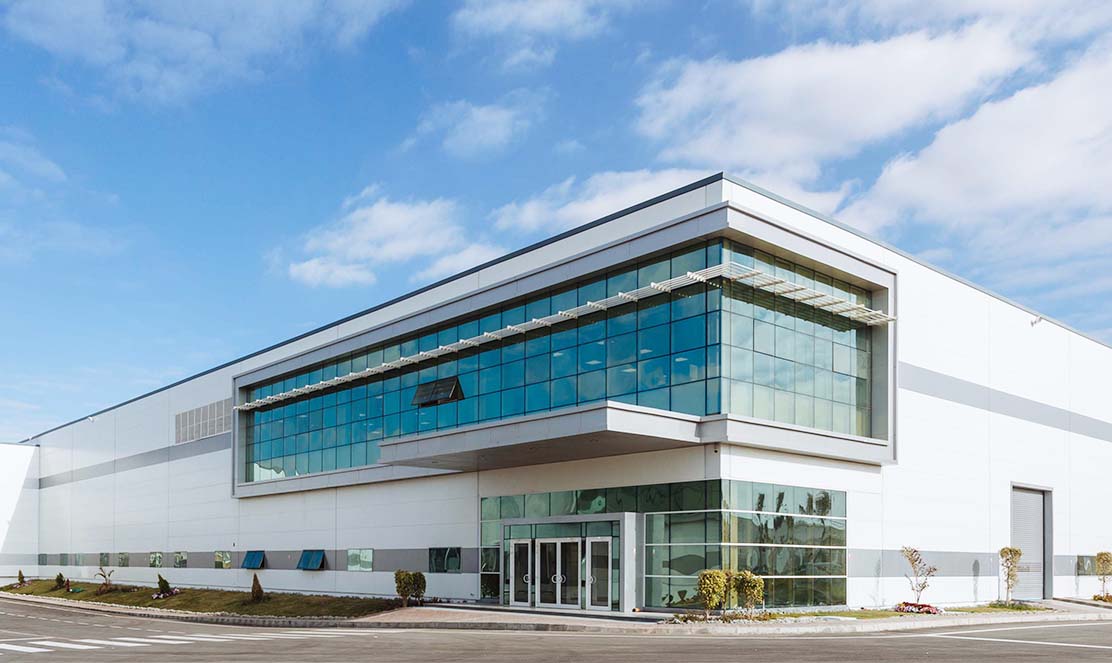
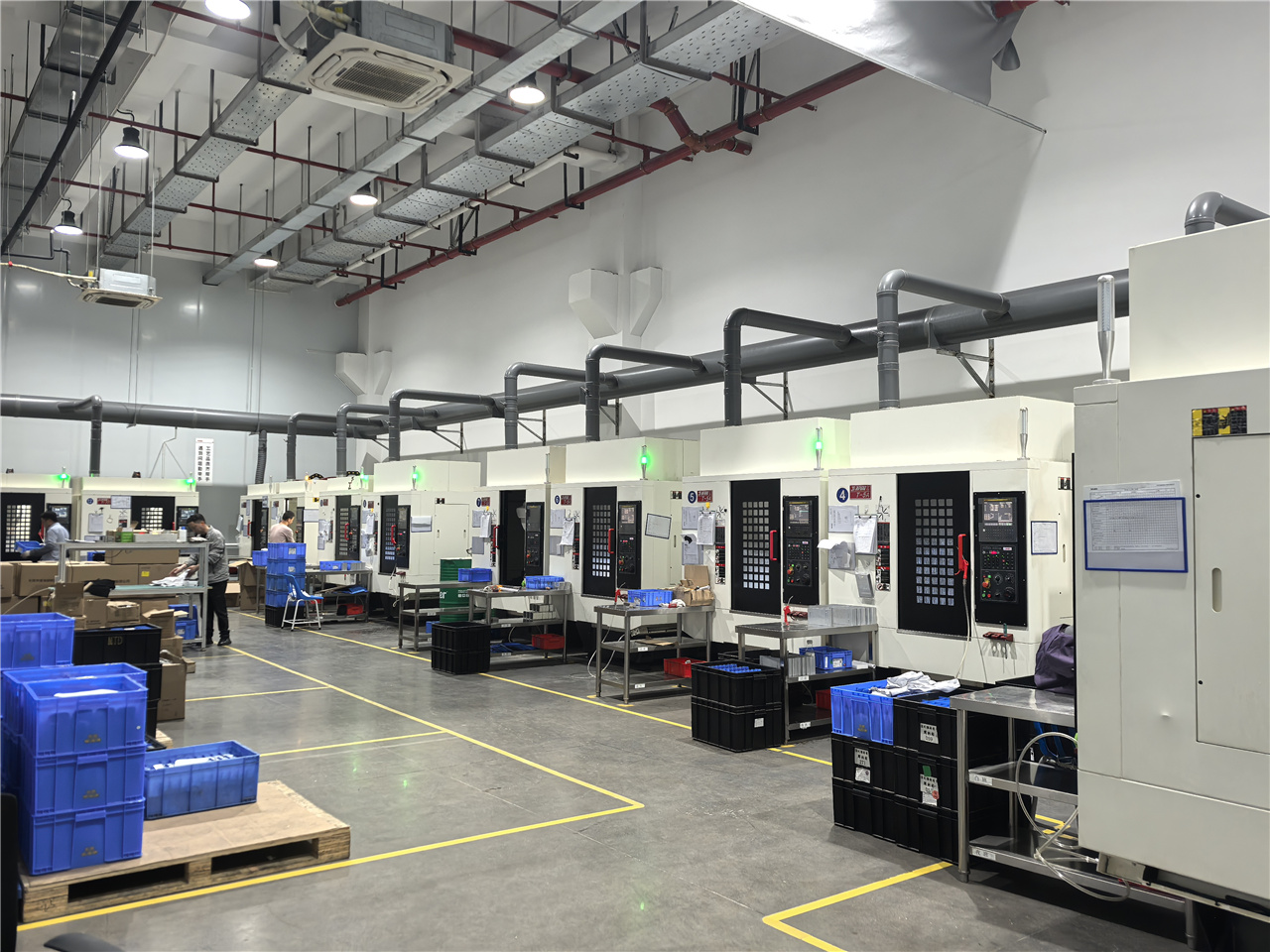
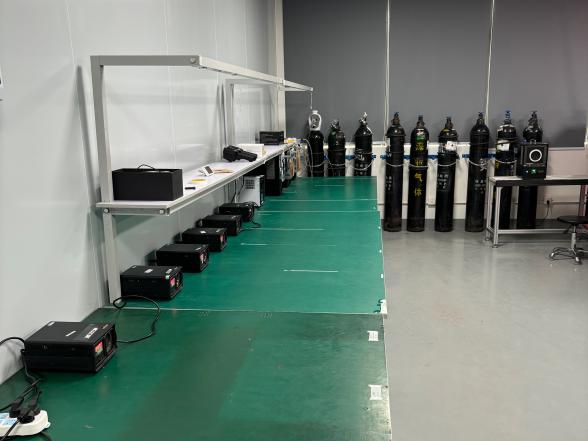
Detailed answers regarding factory customization, thermal detector specifications, MOQ, and international compliance.
Explore our full line of temperature measurement devices engineered for industrial, medical, and power maintenance sectors.
 Dianyang