Explore our high-precision infrared water detection cameras, microbolometer thermal cores, and smartphone diagnostics tools optimized for industrial B2B procurement.
How Advanced Long-Wave Infrared (LWIR) Thermal Technology is Redefining Moisture Diagnostics and Sub-surface Water Detection Across Industrial & Commercial Infrastructures.
In modern industrial diagnostics, building envelope maintenance, power utility management, and process automation, undetected water accumulation poses an unprecedented catastrophic threat. Water ingress into concrete structures, commercial roofing systems, buried utility conduits, and high-voltage power sub-stations leads to corrosion, structural fatigue, electrical short circuits, and micro-biological decay. Traditional pin-type moisture meters and electrical impedance sensors suffer from a core flaw: they are destructive, localized, and require physical contact with surfaces, making large-scale environmental and structural audits inefficient and cost-prohibitive.
As a leading Wholesale Infrared Water Sensor Exporter & Manufacturer, Shenzhen Dianyang Technology Co., Ltd. (a subsidiary of VHD Group) operates at the convergence of advanced optoelectronics and thermal dynamics. By leveraging high-sensitivity Uncooled Focal Plane Arrays (UFPA) and calibrated Long-Wave Infrared (LWIR) microbolometers, modern infrared water sensing systems track the subtle micro-thermal signatures produced by water evaporation and dynamic heat capacity differentials.
The physics underlying infrared water sensing rests upon two primary thermal dynamics: thermal capacitance (heat capacity) and evaporative cooling. Water possesses an extraordinarily high specific heat capacity (4,184 J/kg·K) compared to standard construction materials such as concrete (880 J/kg·K) or dry wood (1,200 J/kg·K). During diurnal temperature cycles (day-to-night thermal radiation shifts), water-saturated zones absorb heat significantly slower and retain stored thermal energy longer than dry ambient surroundings. Furthermore, when moisture evaporates from a surface, it extracts latent heat of vaporization (approx. 2,260 kJ/kg), generating a localized drop in surface temperature. High-performance thermal cameras map these subtle thermal anomalies with sub-millikelvin precision, rendering invisible moisture ingress instantly visible to facility managers and field engineers.
Deconstructing the Optoelectronic Components Driving High-Resolution Thermal and Moisture Diagnostics
Utilizing high-density Vanadium Oxide (VOx) or Amorphous Silicon (a-Si) uncooled microbolometers operating in the spectral band of 8 to 14 μm. These focal plane arrays deliver exceptional Thermal Sensitivity (NETD < 40mK or < 50mK), capturing minute thermal differentials created by microscopic moisture accumulation.
Infrared radiation cannot pass through standard optical glass. Our sensor packages integrate anti-reflective diamond-like carbon (DLC) coated Germanium lenses with low f-numbers (F/1.0 to F/1.2), maximizing light throughput and focusing accuracy across wide industrial operational temperatures.
Embedded Field Programmable Gate Arrays (FPGAs) dynamic signal processing units apply real-time Non-Uniformity Correction (NUC), dynamic range expansion, and moisture profile enhancement algorithms to convert raw IR radiation into quantifiable surface moisture thermal signatures.
Unlike basic qualitative thermal cameras, industrial-grade infrared water sensing requires strict radiometric calibration. Every single pixel in cameras like our DP-25DR or DP-38D series measures absolute surface temperature values ranging from -20°C up to +550°C. By correlating radiometric readings with atmospheric dew-point algorithms, the device calculates relative humidity gradients and alerts operators precisely when surface temperatures drop below the dew-point threshold, signaling localized condensation or active internal water leaks.
| Model Series | IR Thermal Resolution | Thermal Sensitivity (NETD) | Temperature Range | Primary Industrial Application |
|---|---|---|---|---|
| DP-09D Series | 96 × 96 Pixels | < 50 mK (@25°C) | -20°C to +550°C | Compact HVAC & Home Moisture Diagnostics |
| DP-12D / 12DV Series | 120 × 90 Pixels | < 50 mK (@25°C) | -20°C to +550°C | Building Envelope Inspection & Electrical Safety |
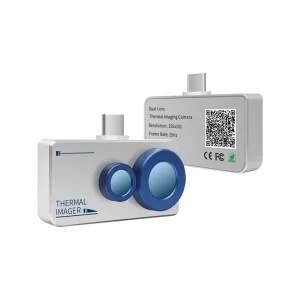
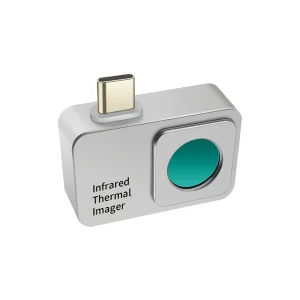
| H1FB / H2F6B Mobile Series | 160×120 / 256×192 | < 40 mK (@25°C) | -20°C to +400°C | Smartphone Plug-and-Play Field Inspections |
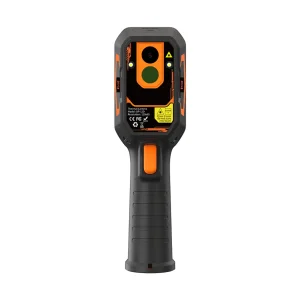
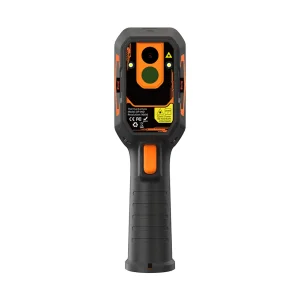
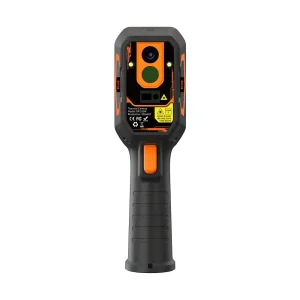
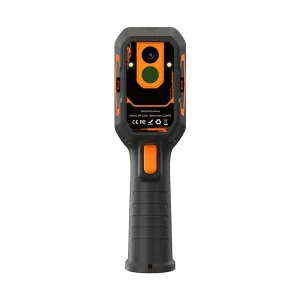
| DP-25DR Dual Light Series | 256 × 192 Pixels | < 40 mK (@25°C) | -20°C to +550°C | Sub-surface Water Ingress & Power Utilities NDT |
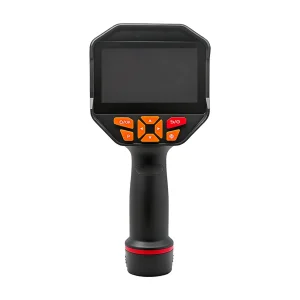
| DP-38D Pro Handheld Series | 384 × 288 Pixels (High Res) | < 35 mK (@25°C) | -20°C to +650°C | Heavy Industrial, Roofing Audits & R&D Analysis |
Navigating Direct Factory Sourcing, Total Cost of Ownership (TCO), Quality Guarantee Systems, and Custom Engineering Integration
For international buyers, original equipment distributors, and industrial brand owners, selecting a qualified Infrared Water Sensor Manufacturer involves far more than comparing baseline technical specs. Industrial thermal sensors require absolute long-term stability, minimal thermal drift, strict optical alignment tolerances, and reliable factory-direct technical support.
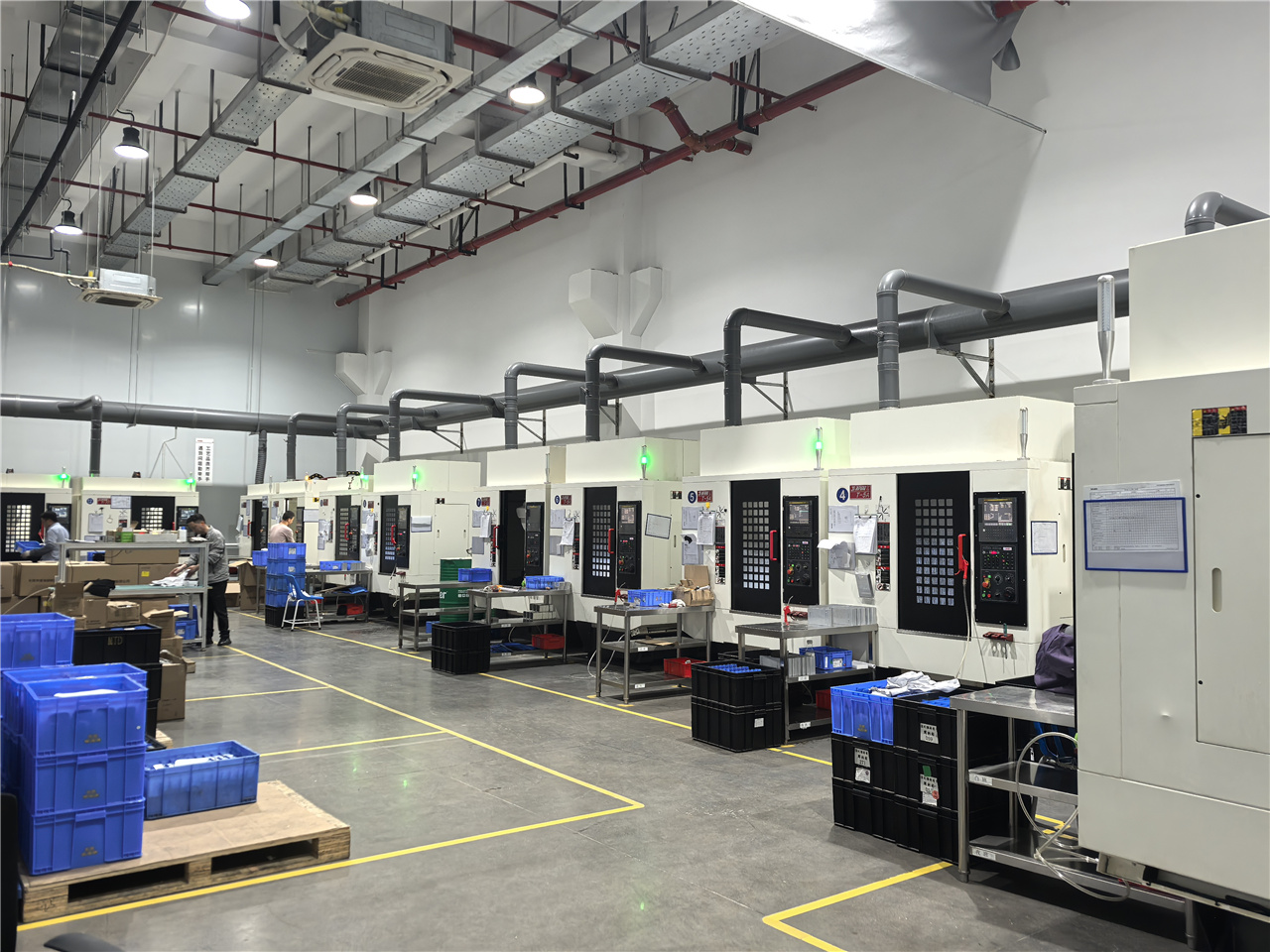
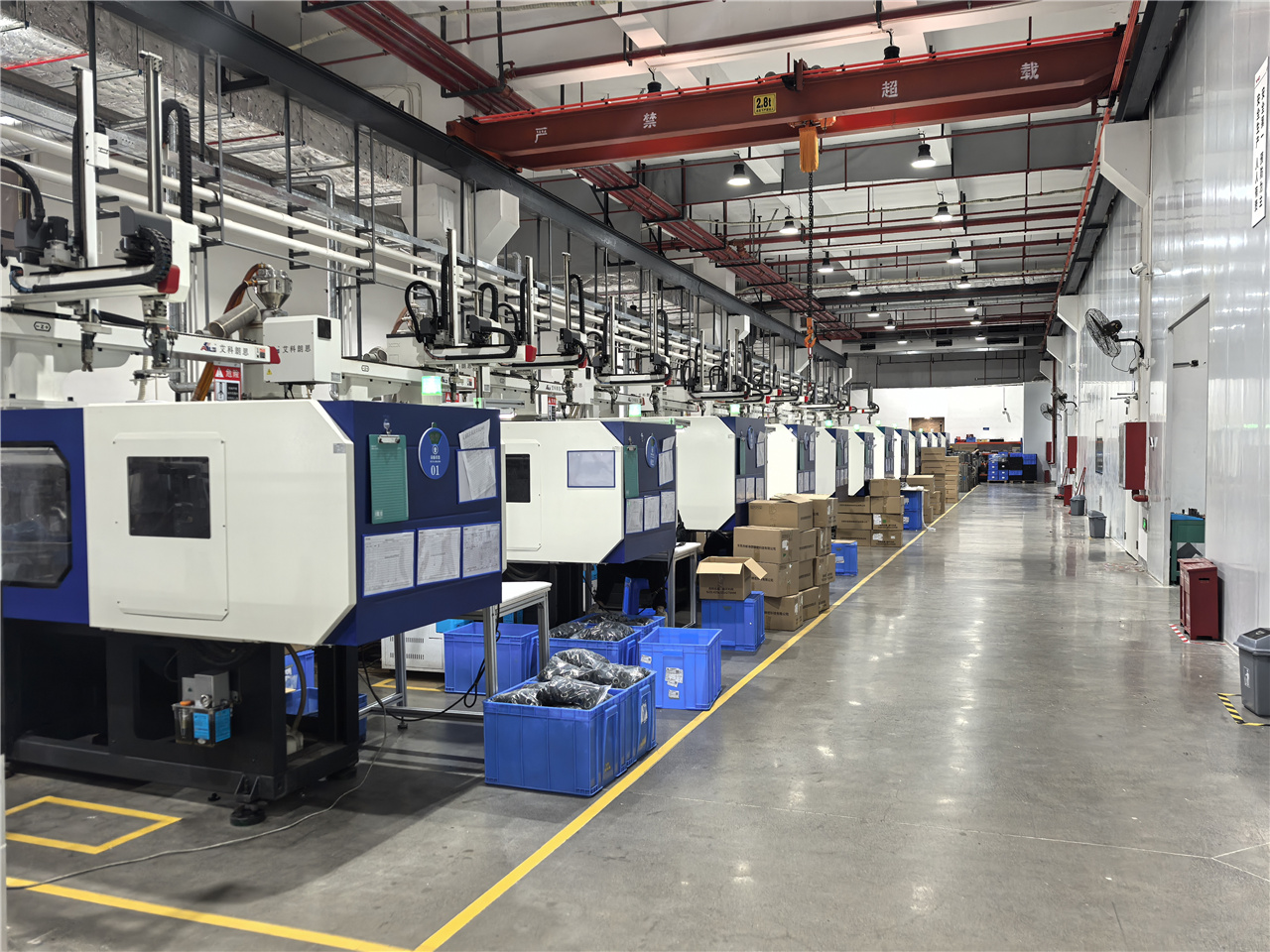
Every camera system undergoes DFM optimization from initial mechanical design to PCB layout, reducing potential assembly errors, optimizing heat dissipation around sensitive microbolometers, and ensuring scalable high-volume production output.
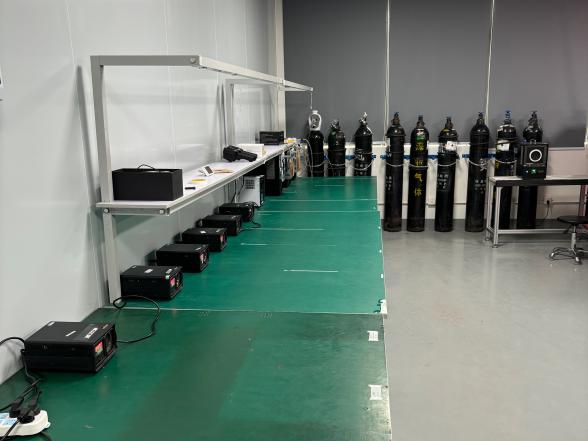
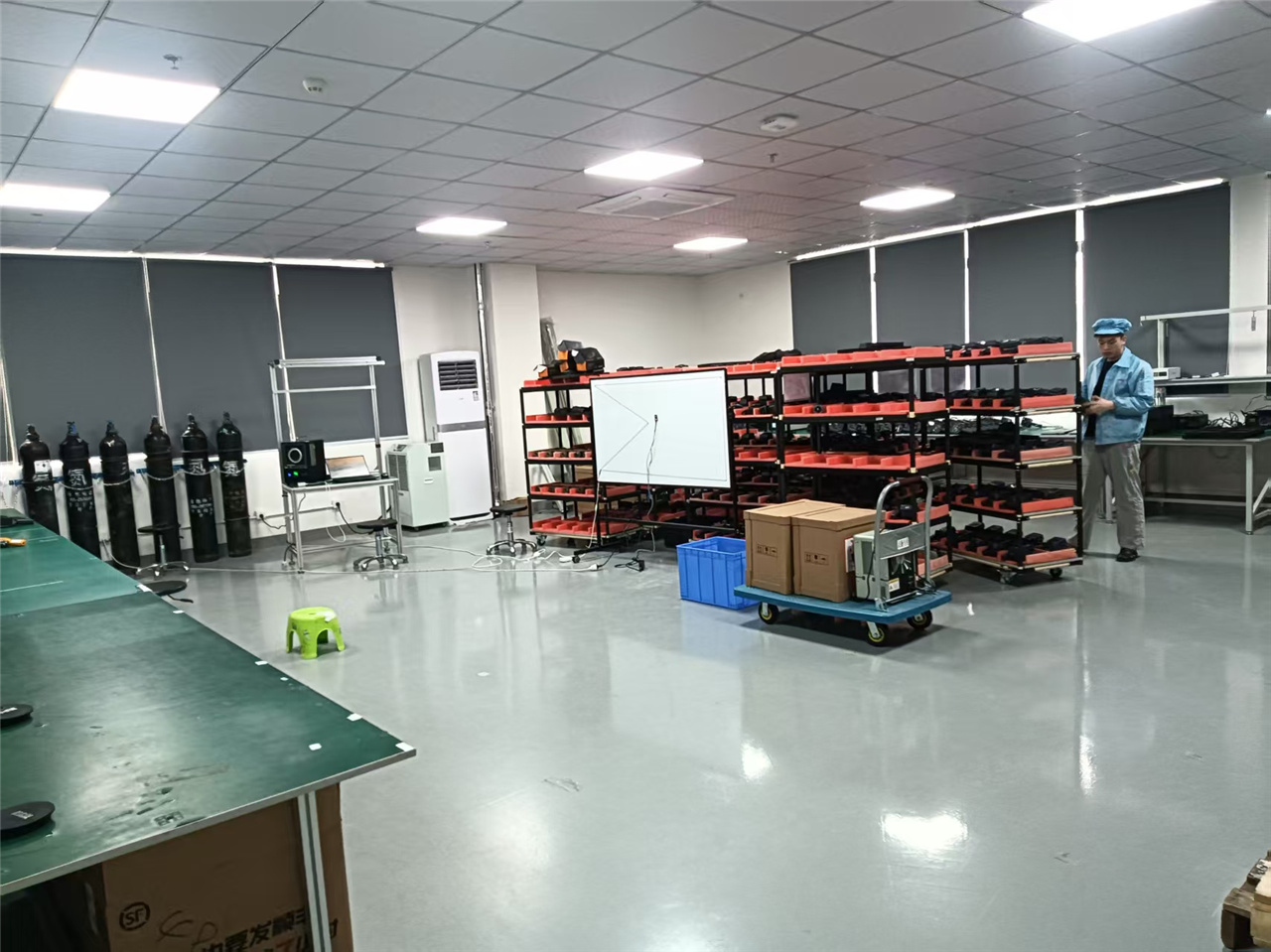
Integrated DFT workflows ensure 100% automated calibration during assembly. Systems are stress-tested inside temperature-controlled climate chambers to verify measurement repeatability from -20°C ambient to extreme working environments.
We provide full customization spanning optical lenses, custom form-factor industrial housing, tailored embedded firmware, mobile App SDKs (iOS/Android), custom color palettes, and private-label branding for international importers.
Global logistics and sourcing efficiency are critical for enterprise buyers. By leveraging direct mass-production facilities in Shenzhen's high-tech manufacturing hub, we offer wholesale procurement schedules with optimized Lead Times, comprehensive customs clearance document packages, and transparent pricing structures that maximize gross profit margins for international distributors.
How Modern Infrared Thermal Moisture Sensors Deliver Crucial ROI Across Major Economic Sectors
Water entering flat commercial roof membranes can cause millions of dollars in structural degradation. Thermal imagers like the DP-38D Professional Handheld identify trapped moisture beneath membrane layers after sunset, allowing targeted repairs instead of full roof replacements.
Locating hidden pipe leaks inside drywall, concrete slabs, or radiant floor heating networks traditionally meant breaking through surfaces. Infrared water sensors locate the exact origin of cool or warm fluid leaks by analyzing thermal gradients, saving time and structural destruction.
Rainwater seepage into high-voltage switchgears, underground transformer vaults, or sub-station control boxes leads to catastrophic flashovers and power grid blackouts. Dual-light IR cameras detect moisture paths and hot-spot anomalies simultaneously.
Micro-cracks in photovoltaic panels allow ambient water vapor to penetrate protective layers, leading to cell corrosion and reduced energy output. Radiometric thermal cameras quickly scan wide-area solar farms to isolate moisture-affected modules.
Monitoring field moisture content is critical for water conservation and crop yields. Airborne thermal imaging payloads on drones utilize our lightweight thermal cores to map soil saturation zones, optimizing irrigation schedules in real time.
Moisture trapped inside surface-mounted integrated circuits or multi-layer printed circuit boards causes popcorn cracking during high-temperature reflow soldering. Thermal analysis systems provide precise thermal distribution monitoring during baking cycles.
The Convergence of Edge Artificial Intelligence, Multispectral Imaging, and Sensor Miniaturization
The field of infrared moisture and thermal inspection is experiencing unprecedented technological acceleration. As industries demand higher precision, faster deployment, and automated predictive maintenance, the development roadmap for infrared water sensors focuses on three key pillars:
1. AI-Powered Pixel-Level Water Algorithm (AI-Thermal Fusion): Future thermal cameras will no longer rely solely on visual palette evaluation by technicians. Integrated AI chipsets running convolutional neural networks (CNNs) directly on the edge will evaluate relative humidity, surface emissivity, and ambient temperature in real time, automatically marking confirmed water ingress boundaries on-screen with statistical confidence levels.
2. Multispectral Co-Registration Sensors: By fusing SWIR (Short-Wave Infrared for active light absorption detection), LWIR (for thermal contrast), and RGB optical channels into a unified sensor core, next-generation instruments will eliminate false positives caused by surface thermal shadows, emissivity variations, or paint discoloration.
3. Ultra-Miniaturized Mobile Infrared Modules: Micro-scale thermal imagers with power consumption under 300mW will allow continuous integration into smartphone hardware, wearable inspector glasses, autonomous mobile robots (AMR), and unmanned aerial vehicles (UAVs) for continuous 24/7 moisture monitoring.
Shenzhen Dianyang Technology Co., Ltd. - Backed by Publicly Listed R&D Excellence and Strict Global Compliance
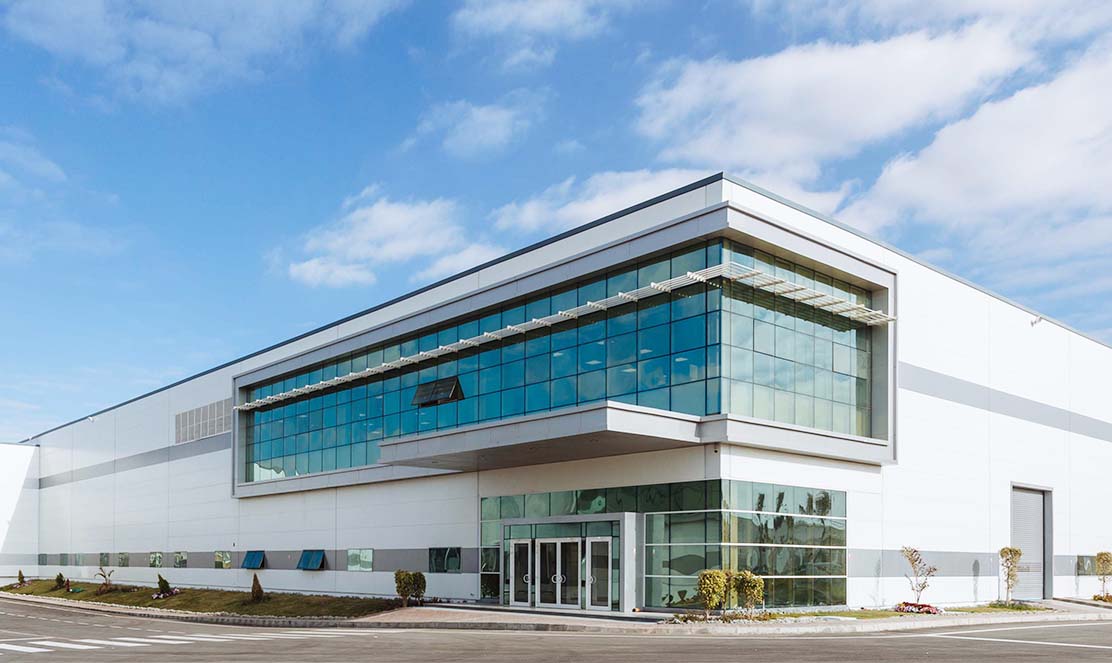
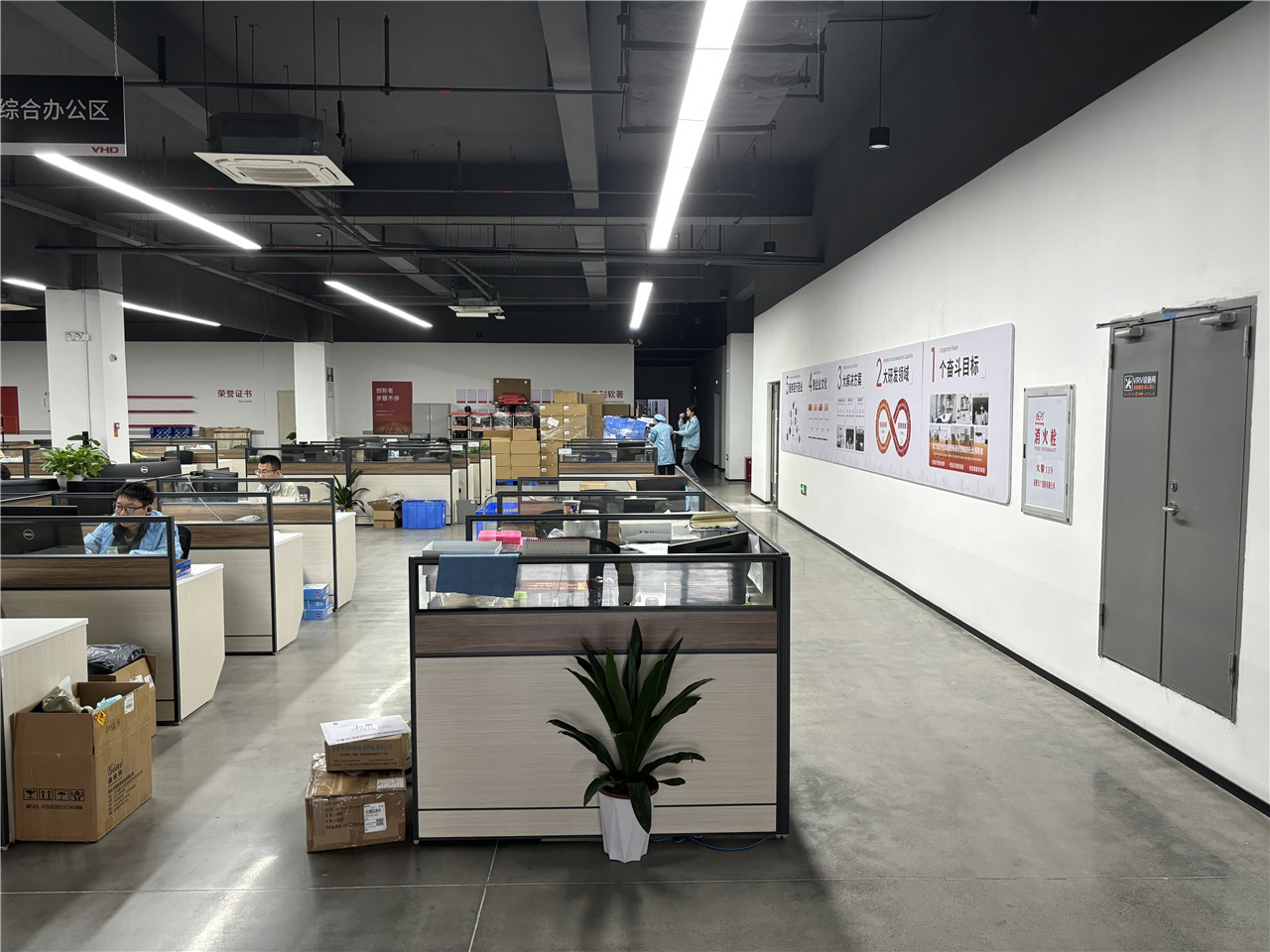
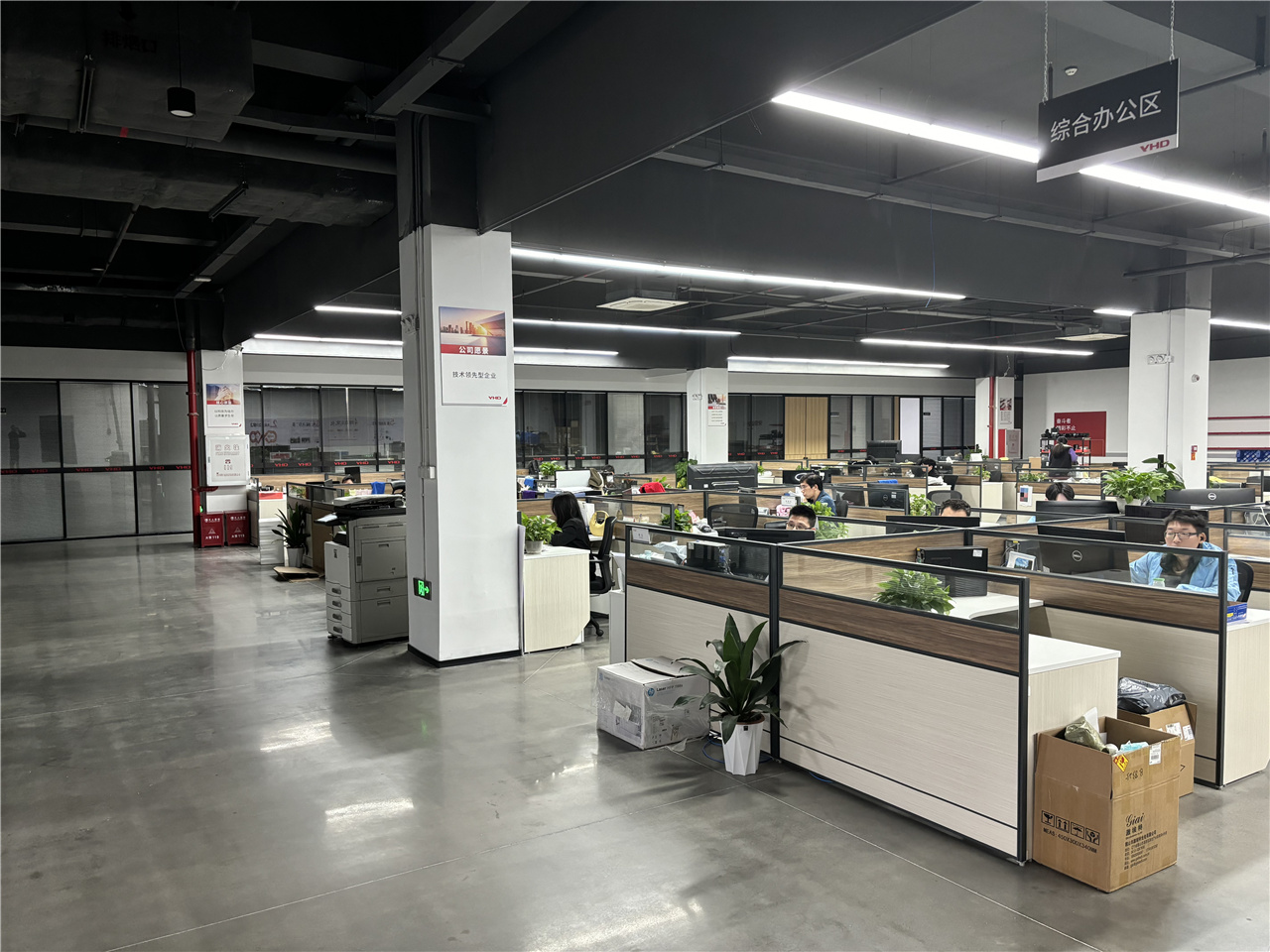
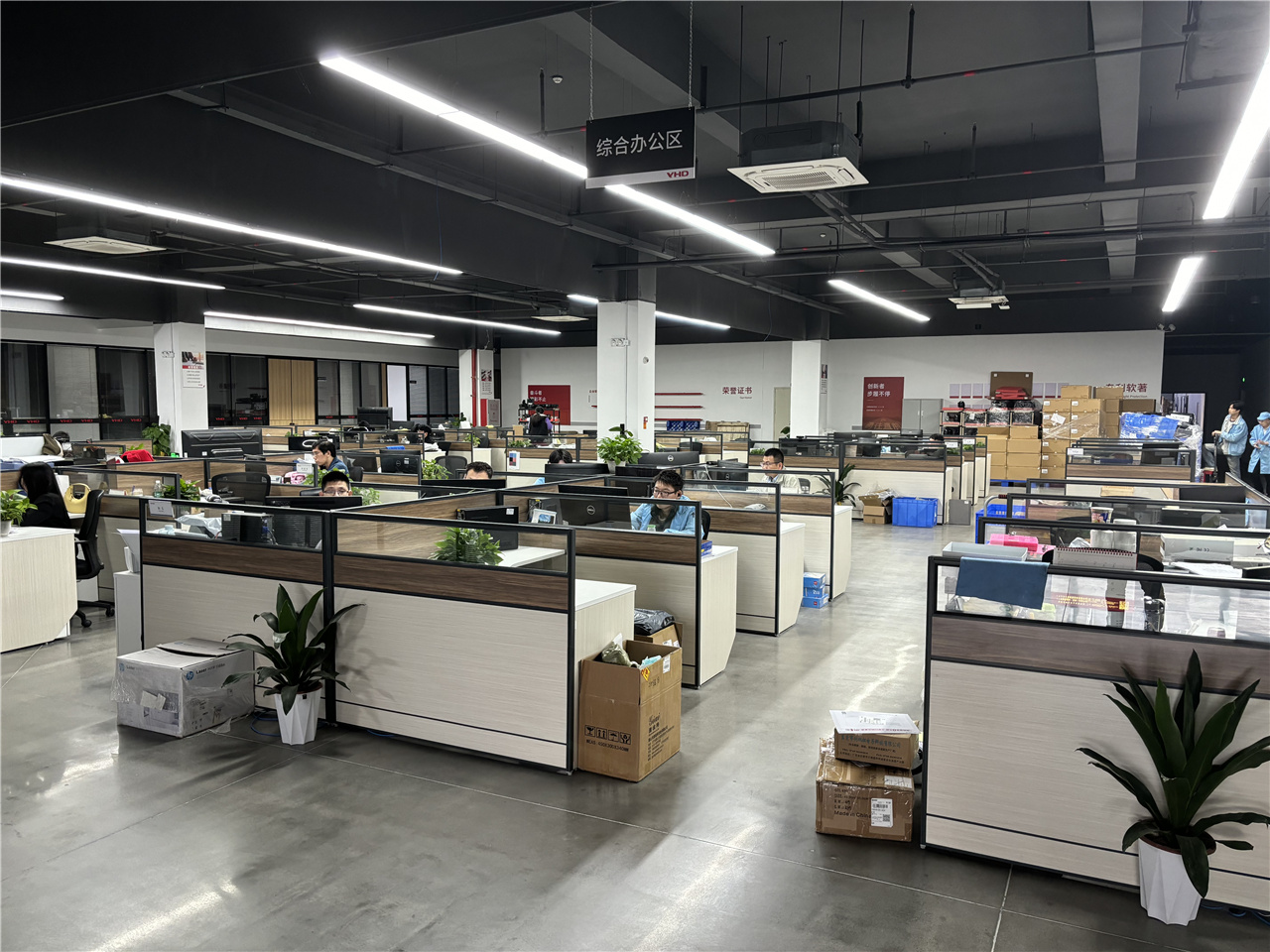
Shenzhen Dianyang Technology Co., Ltd. is a subsidiary of VHD (Shenzhen VHD Technology Co., Ltd.), a publicly listed company on the Shenzhen Stock Exchange. This strategic affiliation gives Dianyang unique access to VHD’s advanced R&D platforms, high-precision manufacturing systems, and rigorous quality management practices—enabling us to deliver thermal imaging products of higher reliability and consistency than typical ODMs.
We specialize in ODM/OEM services for infrared thermal imaging solutions, including handheld thermal imagers, smartphone-connected thermal cameras, thermal analyzers, and thermal imaging telescopes. Our products serve global customers in power inspection, building diagnostics, firefighting, industrial maintenance, and outdoor applications.
Our dedicated engineering team applies Design for Manufacturing (DFM), Design for Testability (DFT), thermal simulation, and EMC pre-compliance analysis to optimize performance and accelerate development. We also support clients in obtaining key international certifications such as CE, FCC, RoHS, REACH, CB, UKCA, KC, and PSE.
Assuring Seamless Market Entry for Importers Across Europe, North America, Asia-Pacific, and Latin America
Entering international procurement markets requires adherence to strict global safety, health, and radio frequency standards. Dianyang Technology provides full regulatory assistance, ensuring our wholesale partners receive turnkey products ready for immediate distribution.
All thermal imaging devices comply fully with the European Union Electromagnetic Compatibility (EMC) Directive 2014/30/EU and Low Voltage Directive (LVD), along with the UK Conformity Assessed standards.
Tested under FCC Part 15 Class B standards for low emissions, guaranteeing zero radio interference when deployed in complex commercial or industrial environments across North America.
Our complete manufacturing lifecycle eliminates hazardous substances, ensuring 100% compliance with EU RoHS 3 (Directive 2015/863) and SVHC REACH regulations for sustainable electronics.
We maintain full support for South Korean KC certification and Japan PSE safety marks, enabling direct distribution into high-precision Asian technology sectors.
Expert Answers to Critical Sourcing, Technical Performance, and Field Application Questions
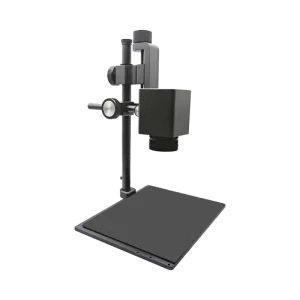
Review our specialized thermal diagnostic equipment, benchtop thermal analyzers, and mobile infrared attachments available for volume international export.
 Dianyang