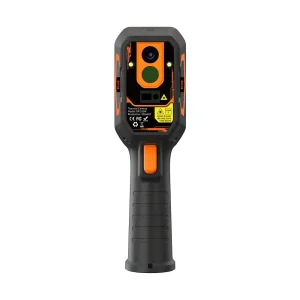
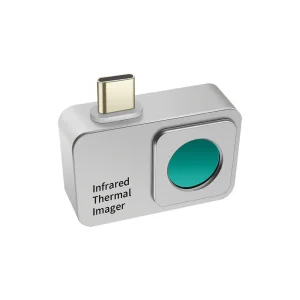
Industrial-grade, automotive-ready thermal imaging units engineered for extreme temperature ranges, high resolution, and dual-spectrum sensor fusion.
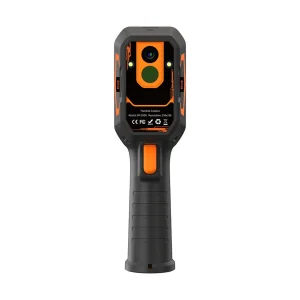
Key industry indicators driving wholesale adoption of thermal imaging technology across global Tier-1 suppliers and automotive OEMs.
Understanding the paradigm shift from passive visible spectrum sensors to uncooled Long-Wave Infrared (LWIR) thermal modules in modern mobility.
The global automotive industry is facing a critical bottleneck: traditional CMOS camera sensors and LiDAR systems experience massive degradation in target detection efficiency under adverse atmospheric conditions. Dense fog, heavy rain, snowstorms, solar glare, and total pitch-black environments present severe risks to Autonomous Vehicles (AV) and Advanced Driver Assistance Systems (ADAS).
Automotive long-wave thermal cameras operating within the 8μm to 14μm spectral range bypass the need for ambient light entirely. By detecting passive thermal radiation emitted by objects, thermal cameras provide reliable perception of pedestrians, large mammals, cyclists, and roadway obstacles at distances exceeding 300 meters—far beyond the illumination envelope of standard LED headlights.
With the exponential growth of Electric Vehicles (EVs), thermal safety has become a vital engineering priority. Automotive thermal imaging is no longer confined to vehicle-mounted night vision. It is now deeply embedded across the entire EV ecosystem.
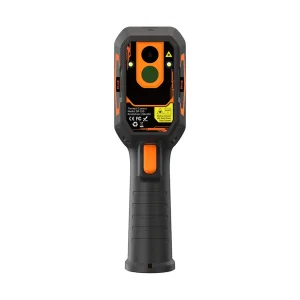
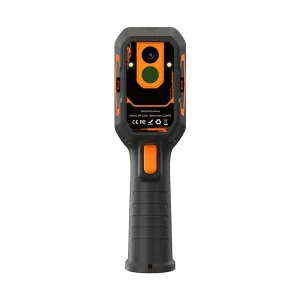
During high-rate DC fast charging (350kW+), localized overheating in lithium-ion battery modules, busbars, power distribution units (PDUs), and liquid cooling channels can lead to catastrophic thermal runaway. Fixed and handheld infrared cameras, such as the DP-25DV and DP-25DR series, enable automotive engineers and service technicians to perform real-time radiometric monitoring with temperature spans up to 550°C, diagnosing micro-level thermal anomalies before structural degradation occurs.
Why global procurement executives choose Shenzhen Dianyang Technology as their preferred thermal imaging ODM/OEM strategic partner.
Shenzhen Dianyang Technology Co., Ltd. operates as a dedicated subsidiary of VHD (Shenzhen VHD Technology Co., Ltd.), a publicly traded enterprise on the Shenzhen Stock Exchange. This strategic corporate alignment gives Dianyang unprecedented capital stability, centralized procurement power for raw microbolometer sensors, and shared access to state-of-the-art optical laboratory infrastructure.
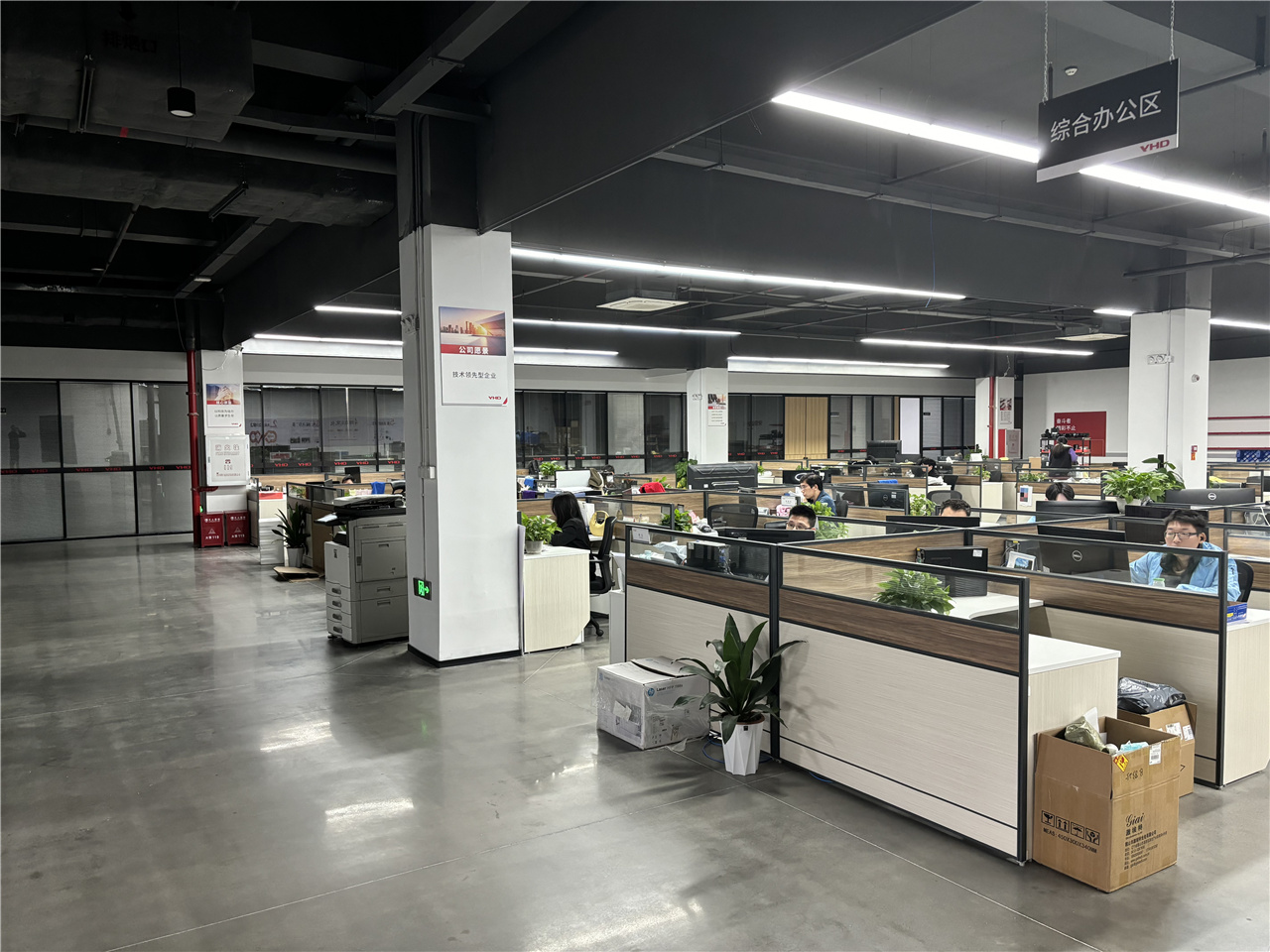
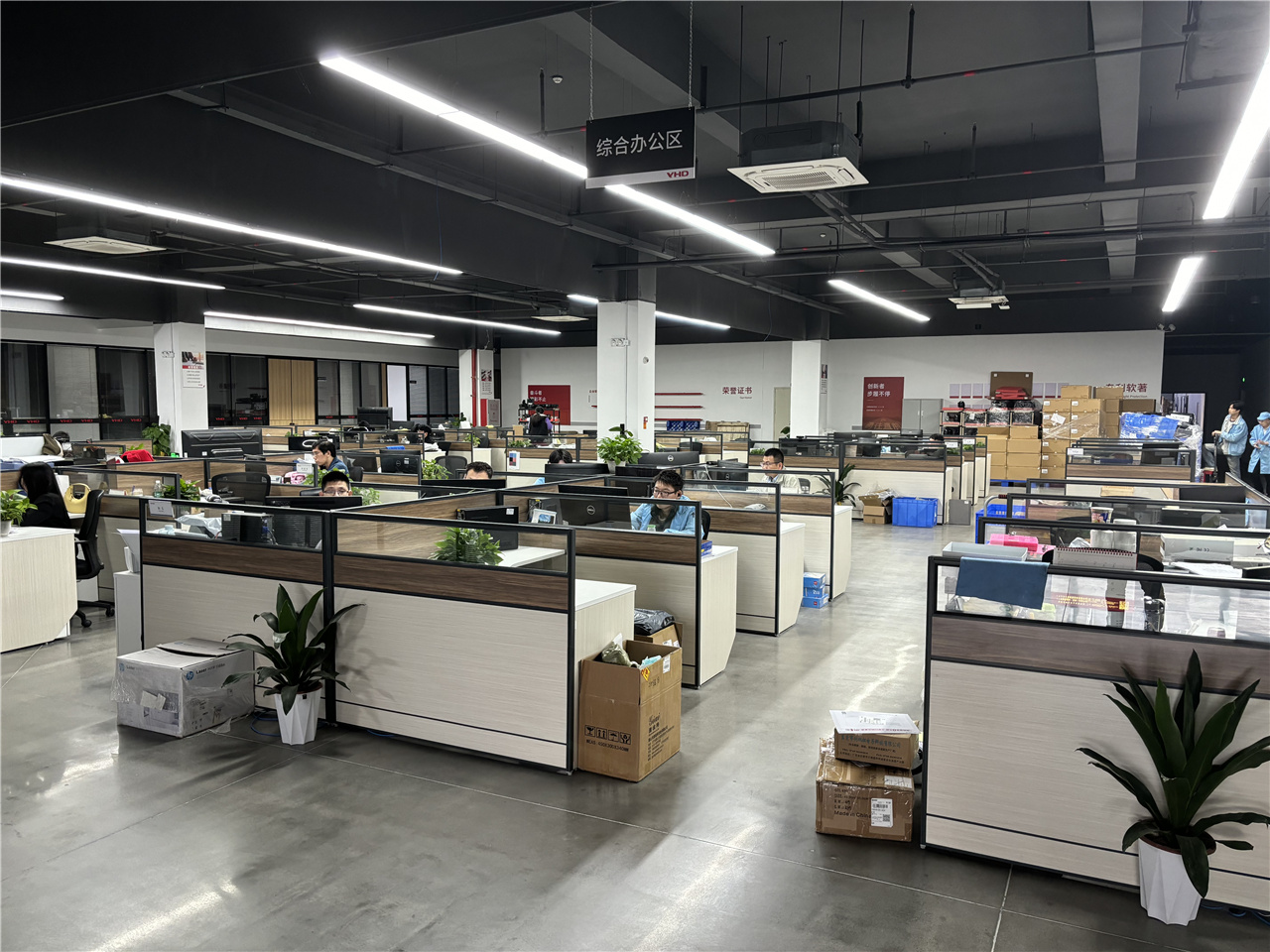
Our dedicated optical and electronics engineering team applies rigorous Design for Manufacturing (DFM) and Design for Testability (DFT) standards. By utilizing high-level thermal simulation, complex lens layout optimization, and pre-compliance Electromagnetic Compatibility (EMC) testing in-house, we reduce NRE development costs by up to 40% and compress time-to-market cycles for automotive OEM clients.
Navigating global regulatory barriers is effortless with Dianyang. Our wholesale export units and OEM thermal modules fully comply with stringent international safety and environmental regulations, maintaining full compliance certificates including CE, FCC, RoHS, REACH, CB, UKCA, KC, and PSE.
| Evaluation Parameter | Western OEM Manufacturers | Typical Assembly Trading Houses | Dianyang Tech (China Factory Direct) |
|---|---|---|---|
| Sensor Integration & Calibration | Proprietary High-Cost Arrays | Outsourced Third-Party Integration | In-House Wafer-Level Packaging (WLP/VOx) |
| NRE & Customization Speed | 9 - 14 Months Lead Time | Limited SDK Customization Only | Rapid Prototype in 4-8 Weeks (DFM/DFT) |
| Thermal Range Flexibility | Fixed Narrow Industrial Bands | Basic Low-Resolution Consumer Optics | -20°C to 550°C Wide Range Dual-Spectrum |
| Compliance & Quality Traceability | Full Certification (High Cost) | Fragmented / Non-Compliant Docs | Complete CE, FCC, RoHS, REACH, IATF-aligned |
Where thermal vision delivers mission-critical data: From assembly line quality control to real-time road safety.
Automotive LWIR thermal cores are directly mounted behind front radiator grilles or integrated into side-mirror housings. Combined with AI-driven object detection algorithms (CNN trained on thermal datasets), these cameras instantly segment living targets from inanimate background scenery, neutralizing hazards caused by blinded oncoming headlights or extreme shadows in mountain tunnels.
During OEM vehicle production, non-destructive thermal testing is essential. Handheld thermal devices (such as the H2F6B and DP-12DV) enable inspectors to verify clear windshield defroster grid heating lines, evaluate HVAC air conditioning cabin ducting uniform distribution, inspect engine block casting porosity, and audit automated robot weld seam integrity without stopping line flow.
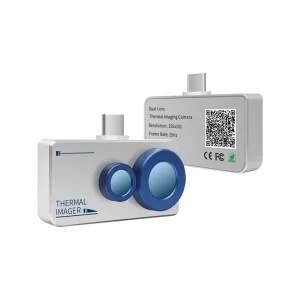
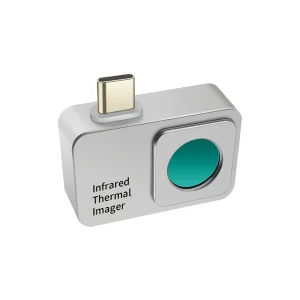
Off-highway haul trucks, agricultural combines, and defense logistics vehicles encounter dusty, extreme unpaved terrains. Compact smartphone-connected thermal modules allow field engineers to quickly spot drag-brake binding, bearing friction degradation, and electrical relay box overload prior to roadside system breakdowns.
High-voltage power lines feeding EV charging plazas require continuous thermal audit. The dual-light laser-assisted cameras enable maintenance teams to pin-point severe power loss and contact resistance overheating on overhead transformers from safe distance baselines.
How B2B procurement managers evaluate wholesale infrared factory capability for next-generation vehicle platforms.
Direct answers regarding custom OEM manufacturing, MOQs, engineering certifications, and hardware SDK integration.
A: VOx microbolometer sensors offer higher Temperature Coefficient of Resistance (TCR), resulting in superior thermal sensitivity (lower NETD values), lower spatial noise, and higher thermal stability across extreme automotive temperature ranges (-40°C to +85°C) compared to traditional a-Si alternatives.
A: Yes. As a direct factory backed by public entity resources, our engineering team provides complete optical lens customization (wide-angle, long-range telephoto, dual-spectrum combinations), custom PCB layout designs, and complete cross-platform SDKs (Android, iOS, Windows, Linux, ROS) for seamlessly feeding raw radiometric video into customer autonomous driving stacks.
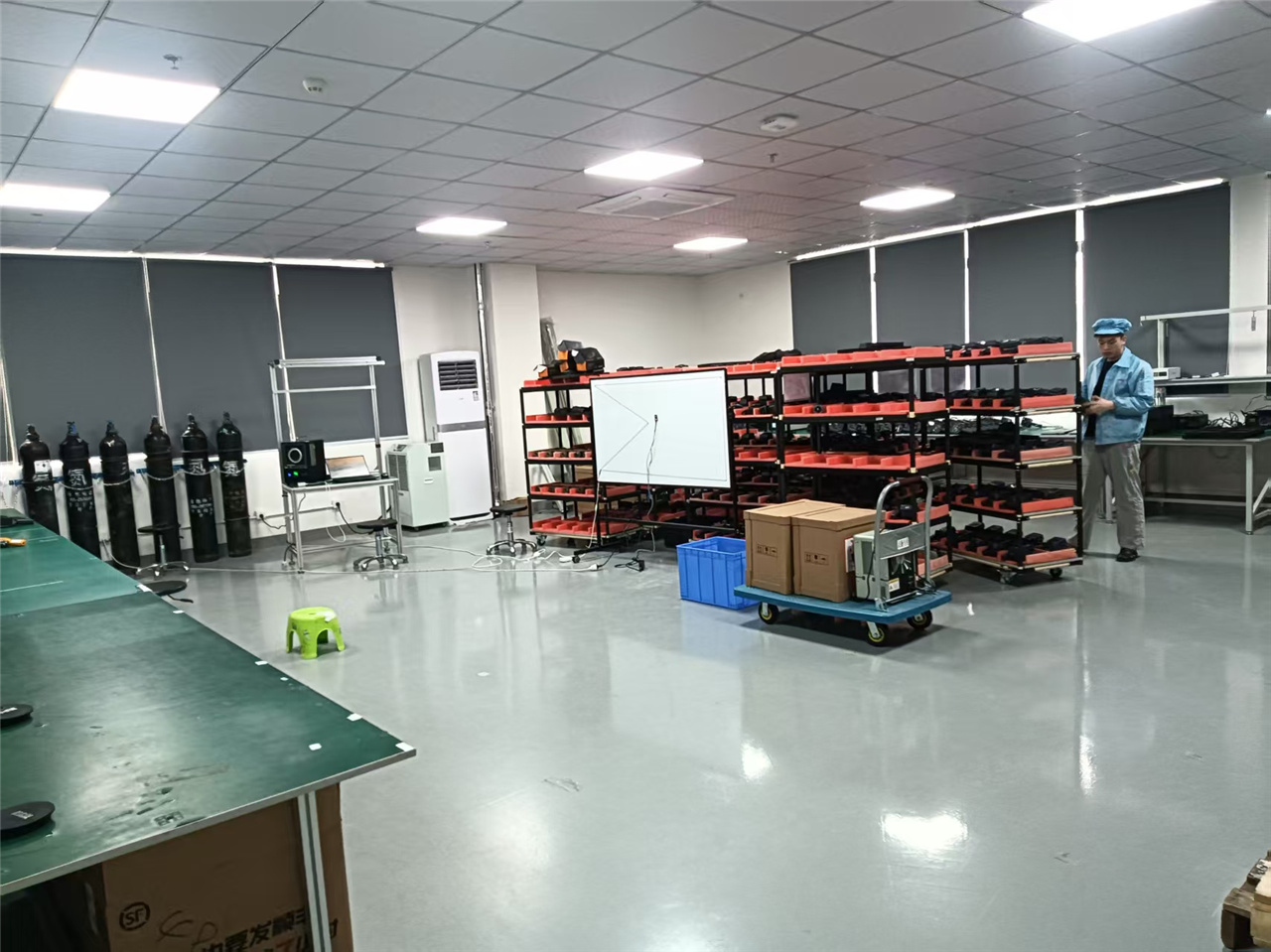
A: We enforce strict Design for Manufacturing (DFM) and Design for Testability (DFT) practices during development. Every unit undergoes automated blackbody calibration across multiple ambient temperature steps, high-frequency vibration testing, drop tests, thermal shock chamber cycles, and EMC pre-compliance verification before shipment.
A: Our full thermal camera family carries complete international compliance certificates, including CE, FCC, RoHS, REACH, CB, UKCA, KC, and PSE, ensuring smooth customs clearance and regulatory authorization across North America, Europe, Asia-Pacific, and the Middle East.
A: Standard stock wholesale product shipments take 3 to 7 business days. Custom OEM/ODM prototype hardware and housing development can be delivered within 4 to 8 weeks, significantly beating global industry averages.
Explore our versatile range of mobile smartphone attachments, high-precision thermal diagnostic tools, and custom camera units.
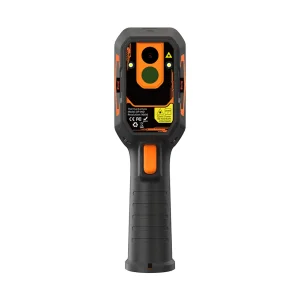
Publicly Backed Thermal Vision OEM/ODM Manufacturing Excellence
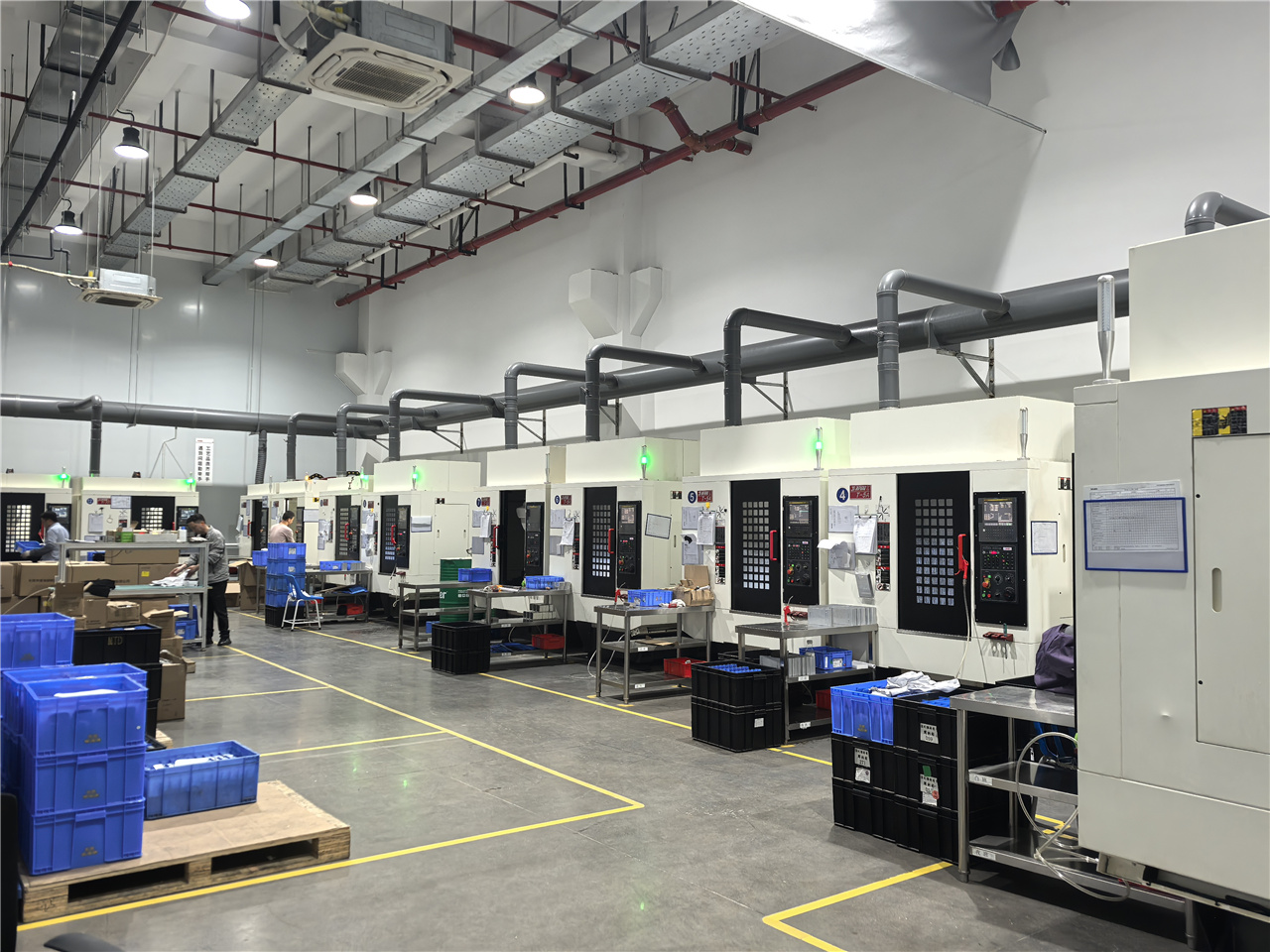
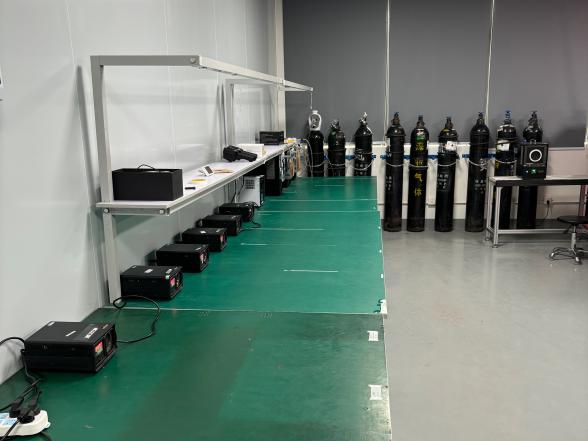
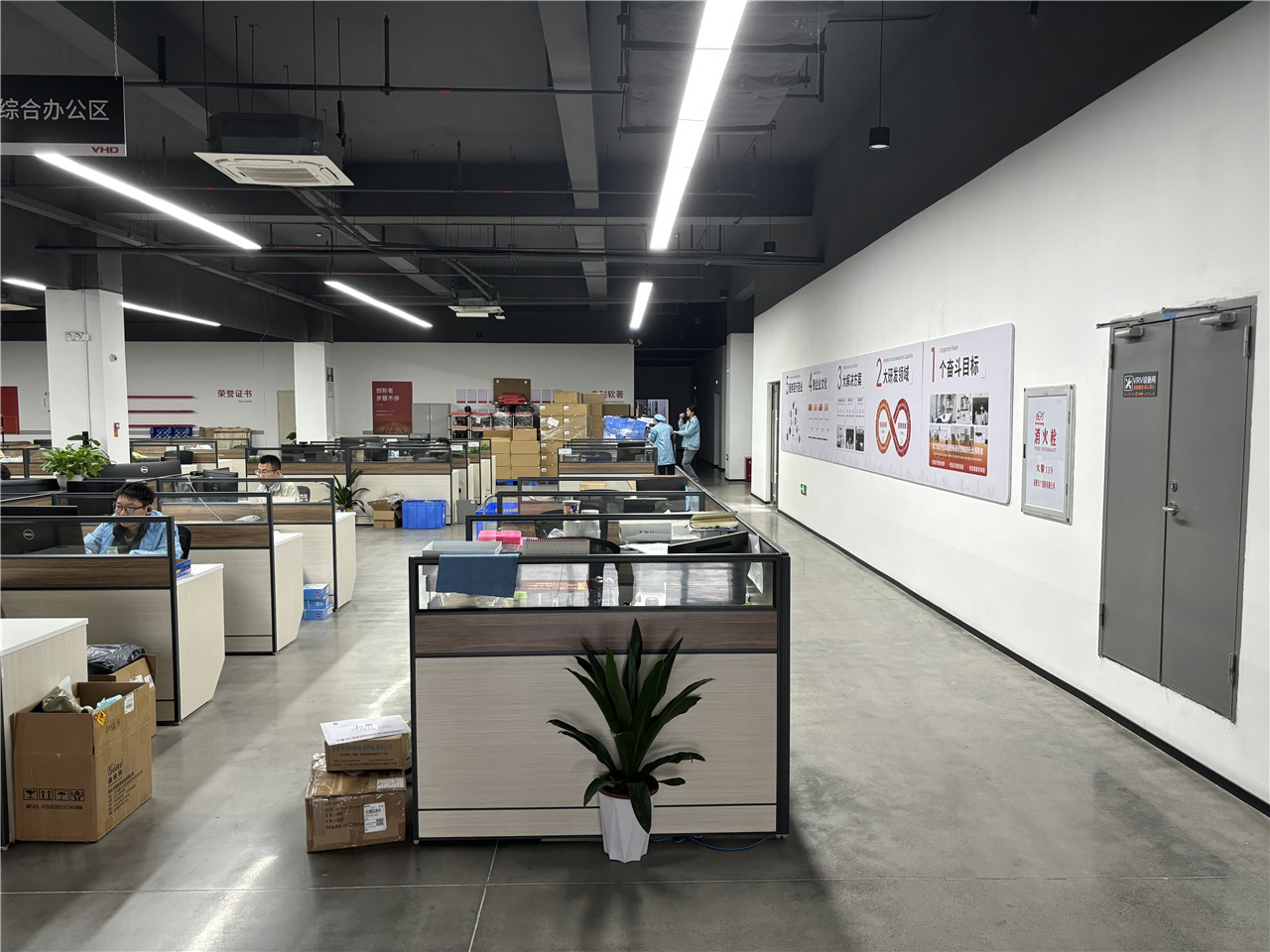
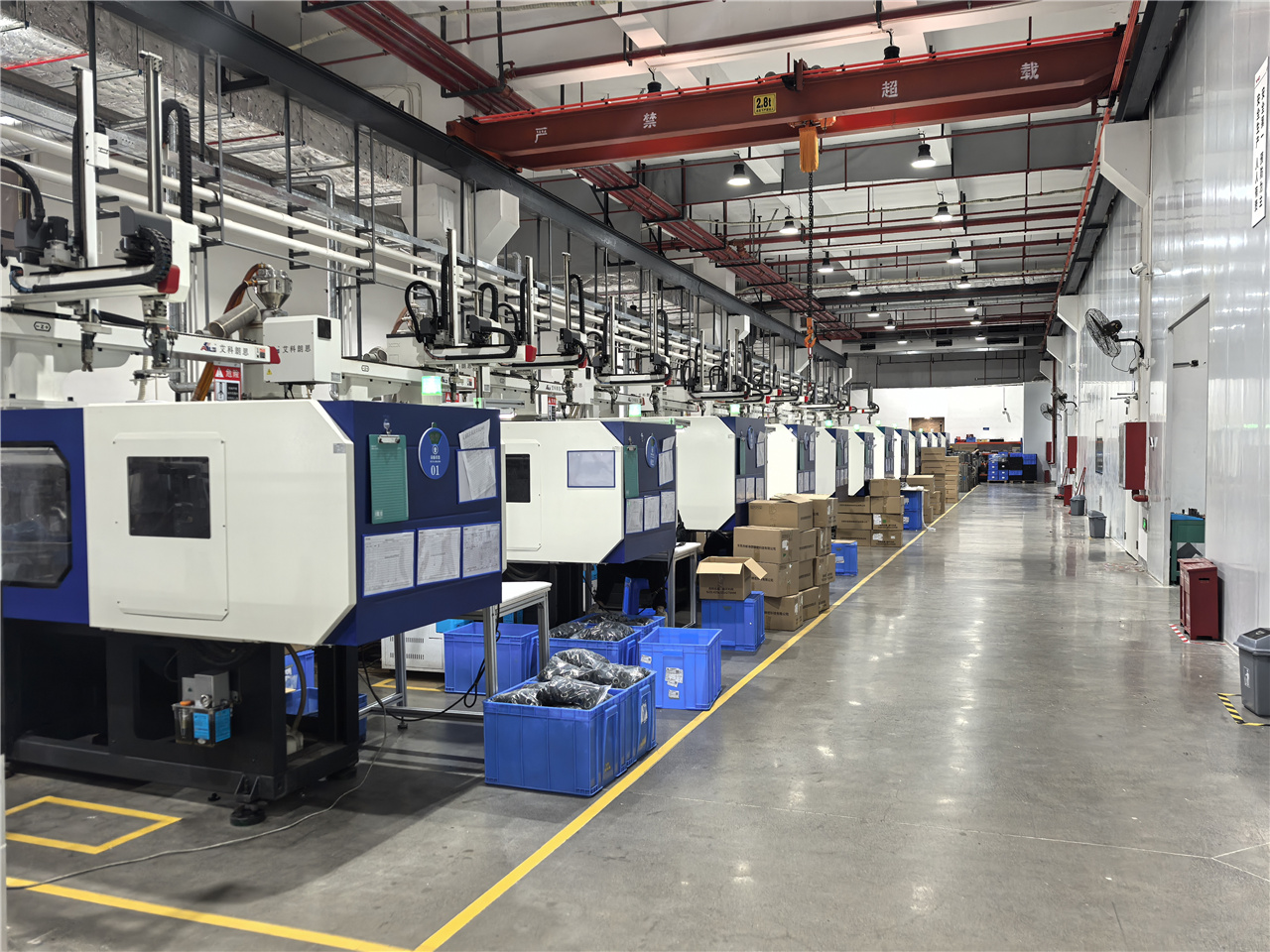
Shenzhen Dianyang Technology Co., Ltd. is a specialized subsidiary of VHD (Shenzhen VHD Technology Co., Ltd.), a publicly listed company on the Shenzhen Stock Exchange. This strategic affiliation gives Dianyang unique access to VHD’s advanced R&D platforms, high-precision manufacturing systems, and rigorous quality management practices—enabling us to deliver thermal imaging products of higher reliability and consistency than typical ODMs.
We specialize in ODM/OEM services for infrared thermal imaging solutions, including handheld thermal imagers, smartphone-connected thermal cameras, thermal analyzers, and thermal imaging telescopes. Our products serve global customers in power inspection, building diagnostics, firefighting, industrial maintenance, and outdoor applications.
High quality products “Go Out to Sea”. Our dedicated engineering team applies Design for Manufacturing (DFM), Design for Testability (DFT), thermal simulation, and EMC pre-compliance analysis to optimize performance and accelerate development. We also support clients in obtaining key certifications such as CE, FCC, RoHS, REACH, CB, UKCA, KC, and PSE.
 Dianyang