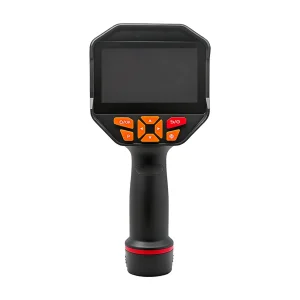
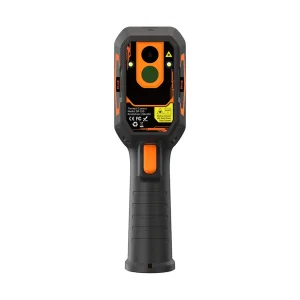
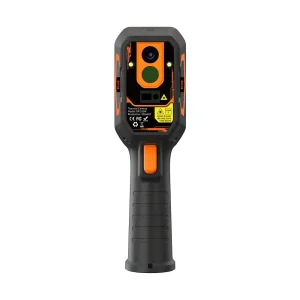
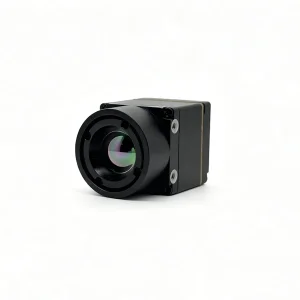
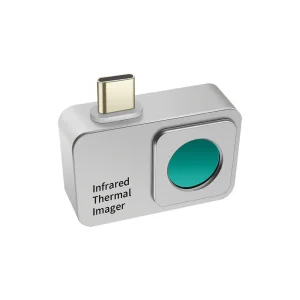
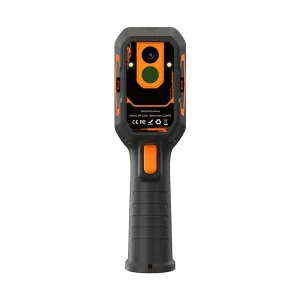
Explore our flagship high-resolution thermal cores, handheld diagnostic imagers, and smartphone plug-in infrared accessories engineered for international distribution and white-label custom integration.
Shenzhen Dianyang Technology Co., Ltd. stands as a premier global pioneer in precision optoelectronic measurement and infrared thermography engineering. As a core subsidiary of VHD (Shenzhen VHD Technology Co., Ltd.)—a publicly listed entity on the Shenzhen Stock Exchange—Dianyang Technology possesses a uniquely formidable institutional foundation. This strategic capital and technology affiliation grants Dianyang direct access to VHD’s state-of-the-art optical R&D laboratories, high-volume automated Surface-Mount Technology (SMT) production lines, cleanroom assembly suites, and world-class quality verification platforms.
Unlike generic Original Equipment Manufacturers (OEMs) or unverified trading vendors, Dianyang leverages structured engineering governance to manufacture thermal imaging products with extraordinary batch-to-batch consistency, ultra-low Noise Equivalent Temperature Difference (NETD < 40mK), and extended operational thermal stability. We specialize in end-to-end OEM/ODM customized thermal imaging solutions, encompassing high-definition handheld thermal imagers, ultra-compact smartphone plug-in thermal sensors, real-time online thermal analyzers, and ruggedized outdoor thermal imaging night vision monoculars and telescopes.
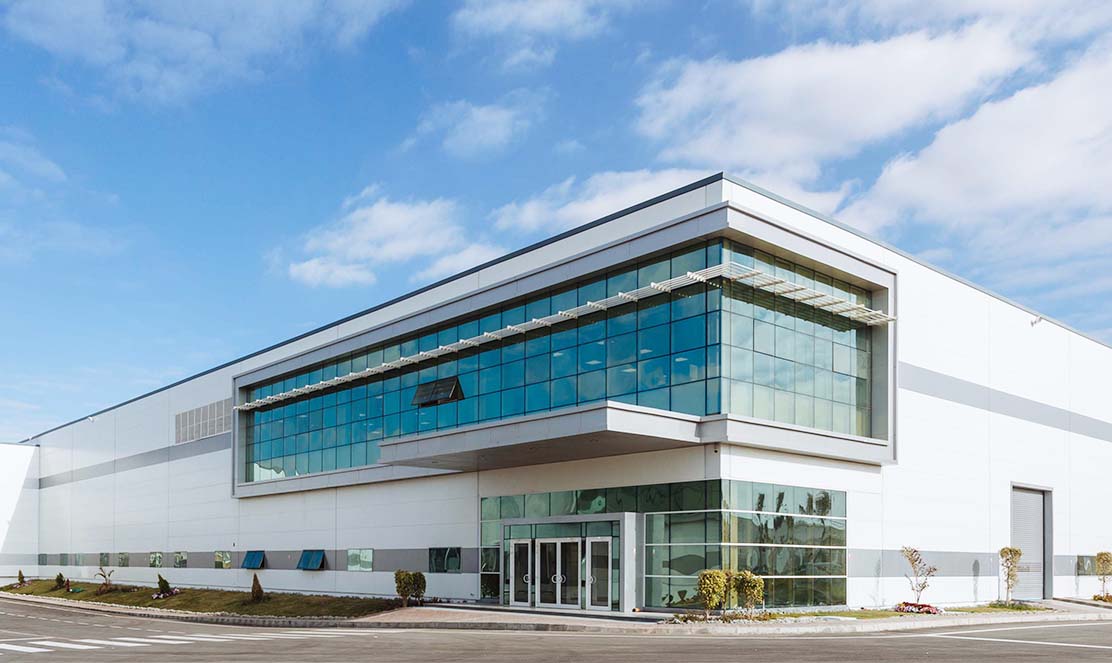
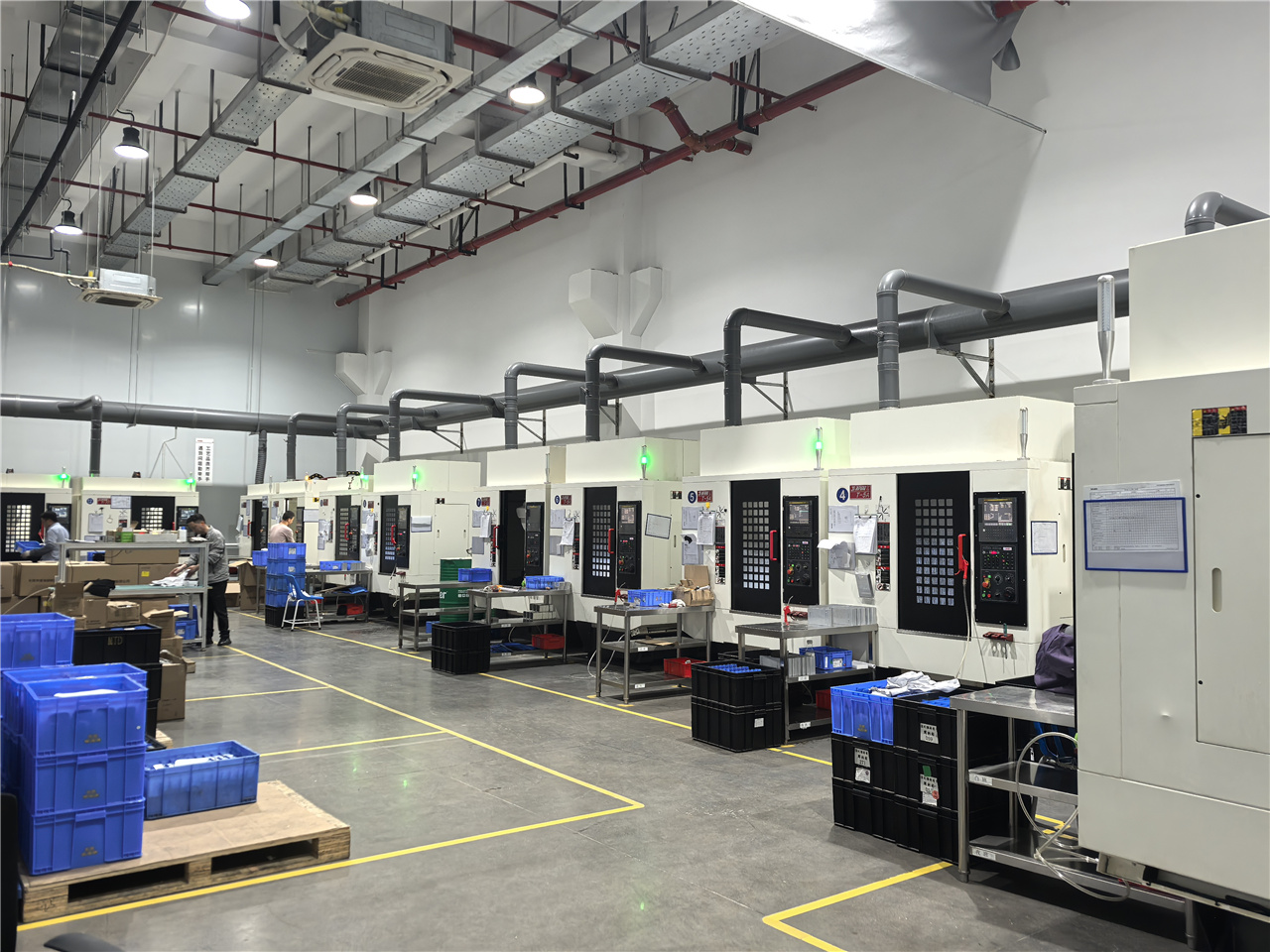
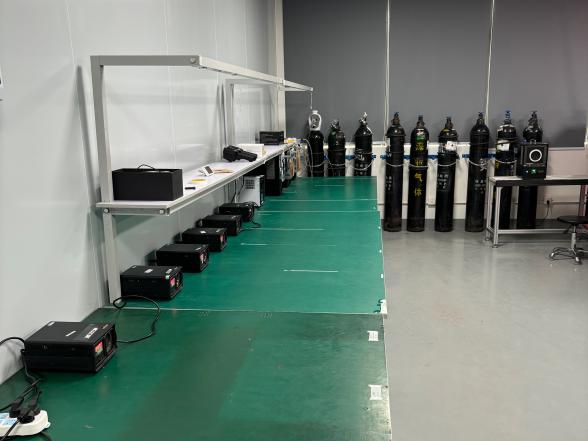
Our advanced manufacturing facility utilizes automated optical positioning, environmental climate chambers, and multi-point blackbody calibration systems to ensure every unit meets industrial thermography specifications.
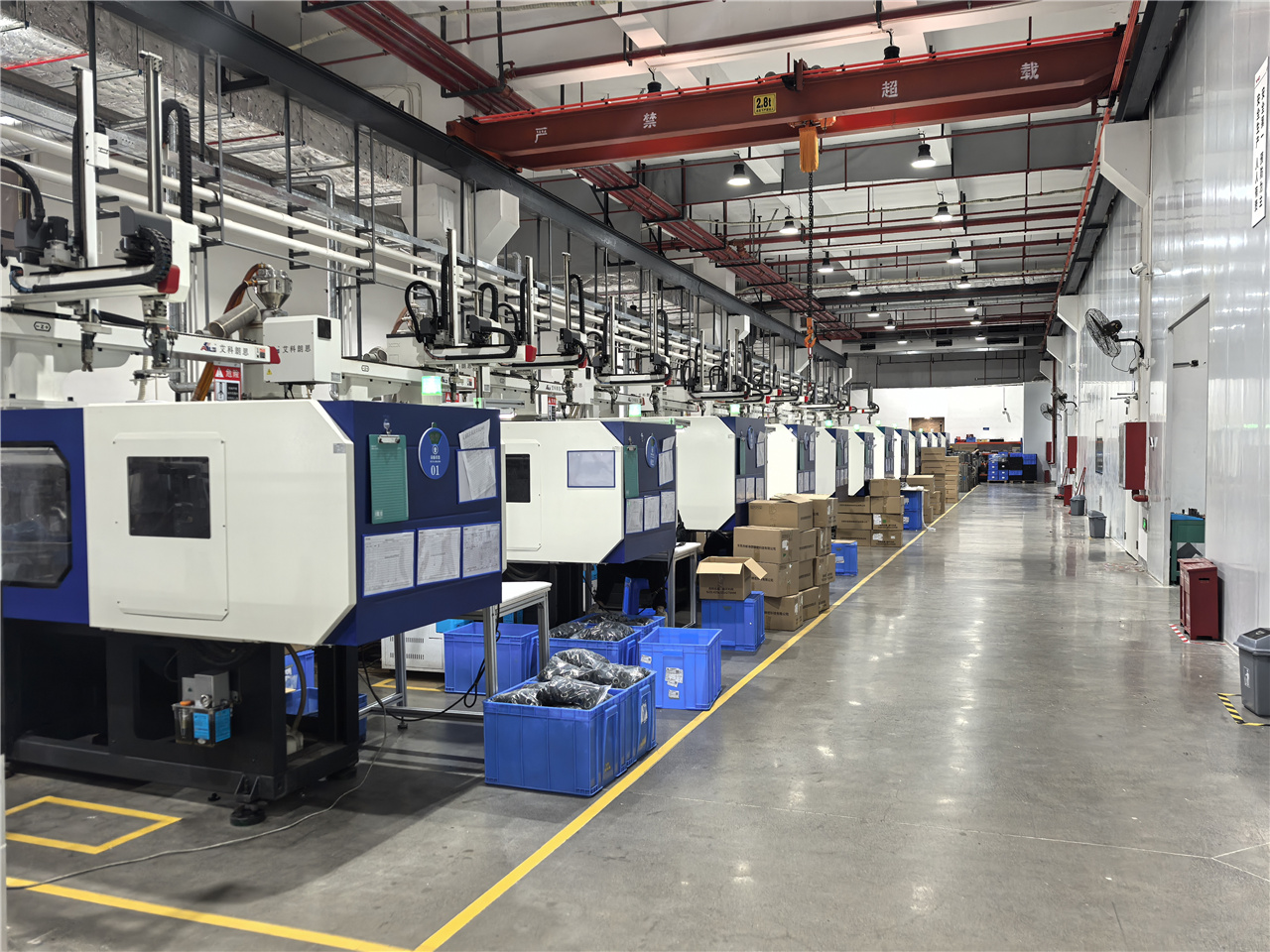
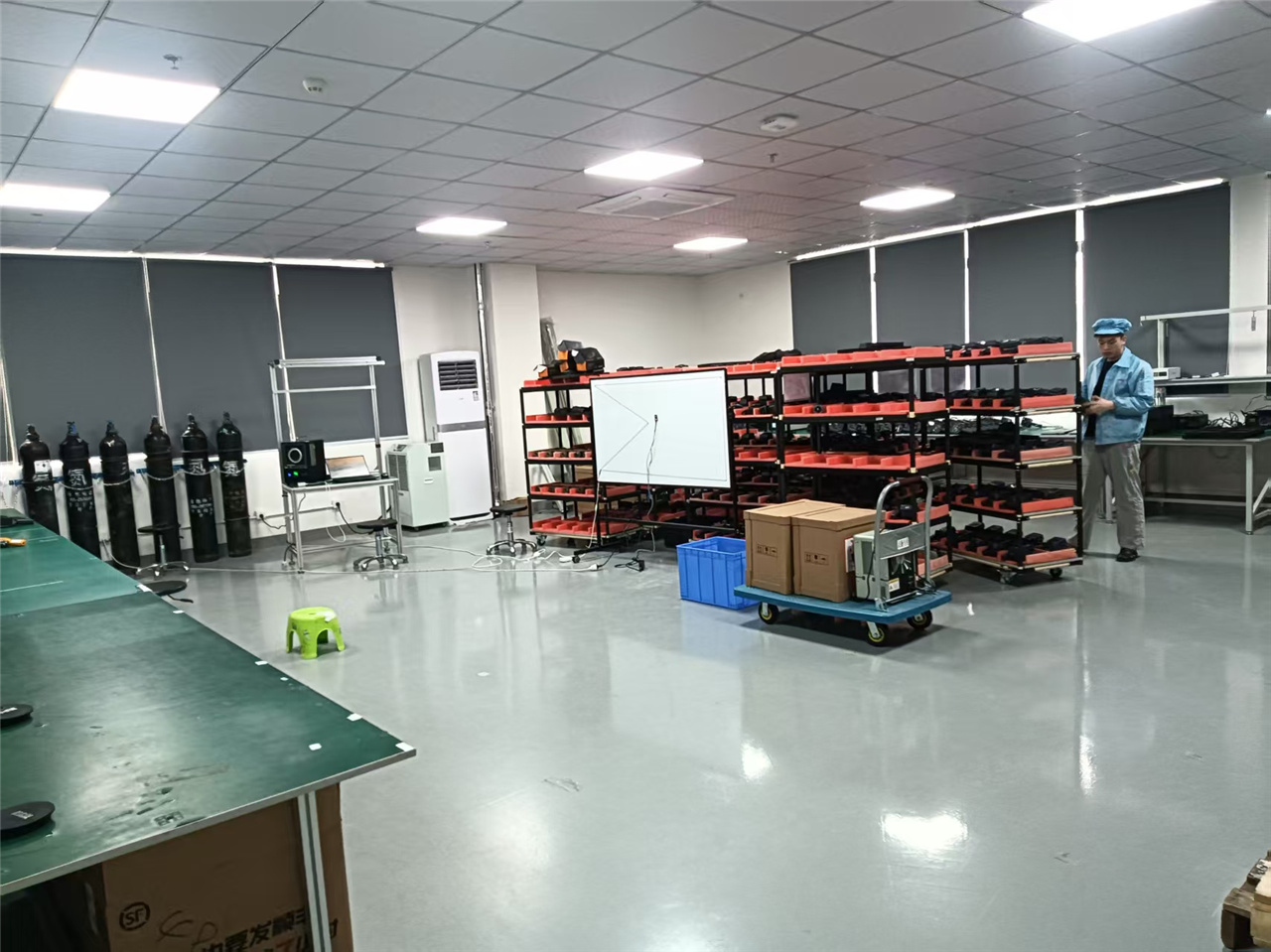
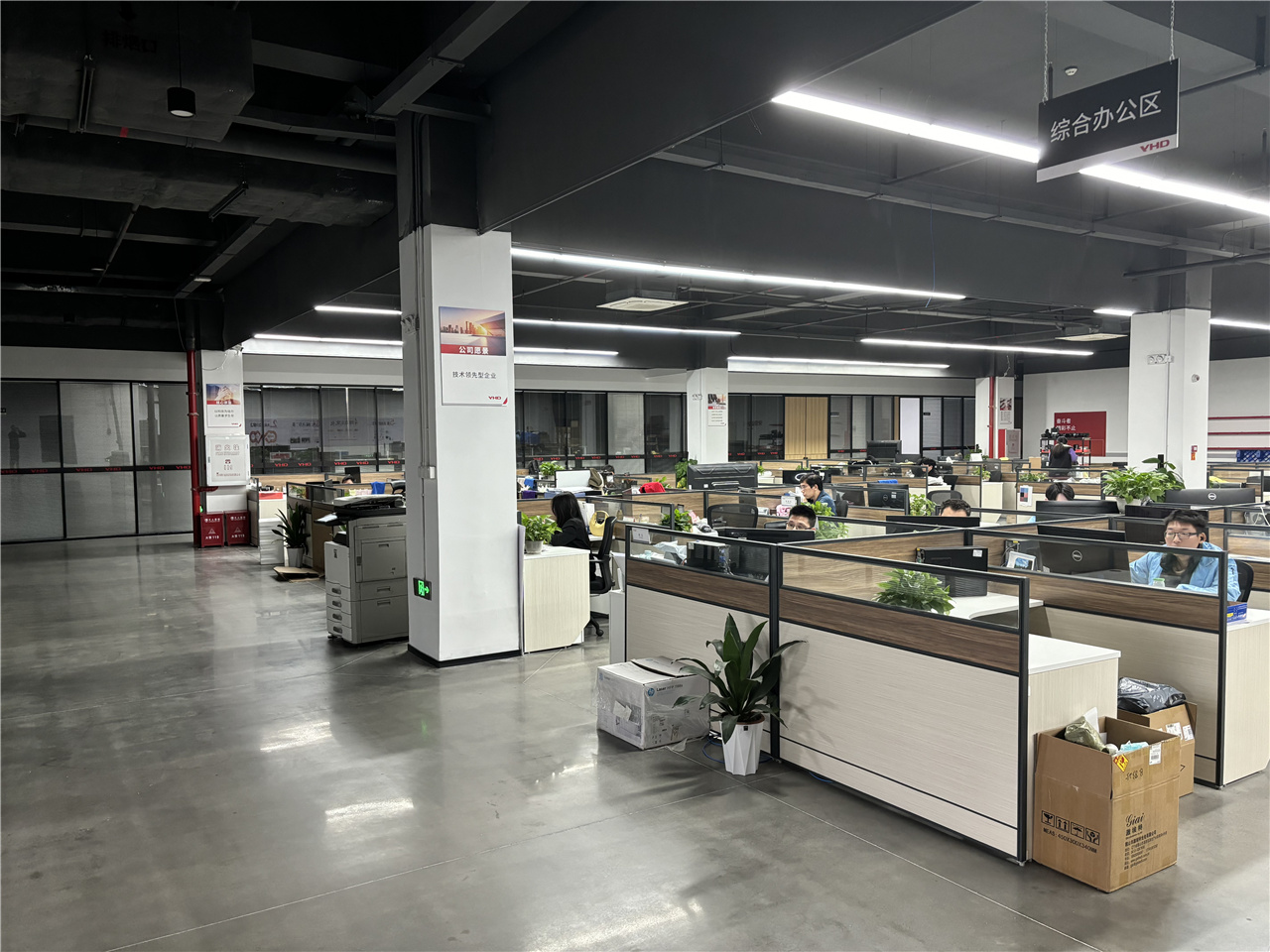
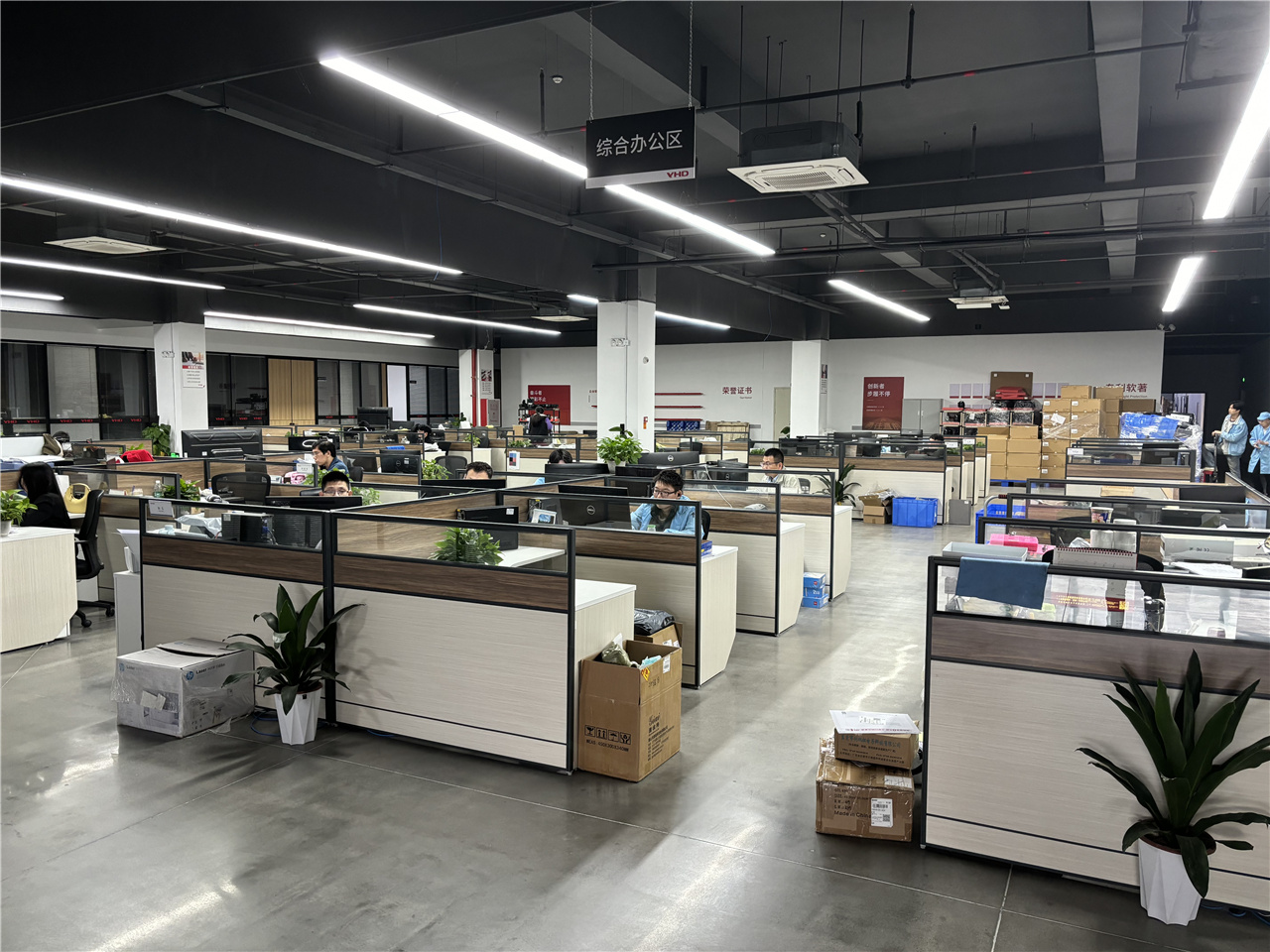
The global market for Long-Wave Infrared (LWIR) thermography and night vision systems is undergoing a rapid paradigm shift. Historically confined to high-budget military defense initiatives, thermal imaging has expanded exponentially into commercial, industrial, consumer diagnostics, and security ecosystems. Enterprise buyers seeking an OEM Thermal Imaging Night Vision Exporter are no longer merely looking for hardware resellers; they demand engineering partners capable of delivering miniaturized, high-resolution, low-power microbolometer cores integrated with artificial intelligence.
Transitioning from 17μm pitch sizes to 12μm vanadium oxide (VOx) focal plane arrays has allowed thermal core dimensions to shrink significantly while doubling pixel density. This reduces germanium lens costs while dramatically enhancing spatial resolution.
Modern thermal optics combine visible light sensors (CMOS) with thermal sensors (LWIR). Embedded neural networks perform edge-computed image fusion, automatic hot-spot detection, target classification, and thermal anomaly tracking in real time.
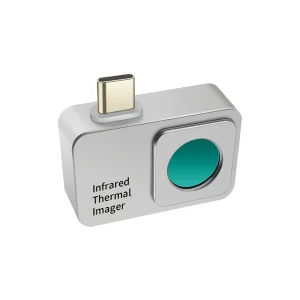
The surge in smartphone-connected thermal cameras (such as Dianyang’s H1FB and H2FB series) enables field technicians, HVAC inspectors, and electricians to transform mobile phones into professional thermal diagnostics units without carrying heavy equipment.
Through extensive search intent mining across international supply chain queries, we have mapped out the primary requirements of procurement officers, CTOs, and OEM product directors seeking thermal camera suppliers from China. Enterprise purchasing decisions hinge on technical precision, firmware flexibility, and supply chain auditability.
| Procurement Criteria | Standard Market Offerings | Dianyang Tech OEM / ODM Advantage |
|---|---|---|
| Detector Core Technology | Generic aSi (Amorphous Silicon) Sensors | High-Sensitivity VOx Microbolometer (640x512 / 256x192 / 120x90) |
| Thermal Sensitivity (NETD) | < 50mK to 60mK | < 40mK (@25°C, F#=1.0) for sub-degree thermal gradient recognition |
| Temperature Calibration Range | Standard -10°C to 300°C | Extended -20°C to 1200°C for industrial metallurgy & power grids |
| Firmware & SDK Support | Closed proprietary software | Open Linux / Android / Windows SDKs for custom software overlay |
| Design & Engineering Rigor | Basic component assembly | DFM, DFT, Thermal Simulation & EMC Pre-Compliance integrated |
| International Compliance | Self-declared basic CE | Certified CE, FCC, RoHS, REACH, CB, UKCA, KC, PSE global passports |
Delivering precision thermal imagers across international borders ("Go Out to Sea") requires rigorous engineering discipline long before a device enters mass production. Our dedicated engineering team applies a systematic four-pillar development methodology to ensure high operational yields, long mean time between failures (MTBF), and zero electromagnetic field friction.
Our DFM protocols optimize mechanical housing structures, PCB layouts, and optical alignment fixtures to eliminate assembly bottlenecks. By reducing internal cabling and implementing modular stack designs, we minimize physical stress points, improve heat dissipation, and maximize optical transmission efficiency.
Every circuit board design incorporates strategically placed test points and automated optical inspection (AOI) markers. This enables 100% automated circuit verification, high-frequency signal integrity analysis, and automated temperature correction table loading into non-volatile memory during production.
Thermal sensors generate self-heating, which can distort radiometric calculations. We run computational fluid dynamics (CFD) and finite element heat transfer simulations to engineer dedicated thermal conduction channels, isolating the microbolometer sensor from CPU/power management heat sources.
To prevent high-frequency processor noise from introducing vertical artifacts into thermal video streams, our designs undergo rigorous Electromagnetic Compatibility (EMC) pre-testing. We utilize multi-layer copper shielding and RF gaskets to meet stringent CE and FCC class B radiated emission standards.
Our thermal imaging products serve as critical sensory instruments across diverse commercial, industrial, and safety sectors worldwide. Below are key field implementations where Dianyang systems deliver measurable operational efficiency and risk mitigation.
Utilizing high-resolution models like the DP-64D (640x512), electrical utilities detect loose contacts, transformer overheating, unbalanced loads, and insulator arc risks from safe standoff distances before catastrophic failures occur.
Handheld cameras such as the DP-25D and DP-12DV identify hidden moisture ingress, insulation gaps, air infiltration leaks, and underfloor heating blockages without destructive physical wall teardowns.
By monitoring bearing friction, motor housing temperatures, pump alignment, and conveyor belt rollers, plant engineers execute condition-based maintenance, averting costly unplanned factory downtime.
The H1FB & H2FB Mobile Thermal Accessories convert smartphones into handheld thermal cameras, enabling HVAC technicians, solar panel maintenance crews, and home inspectors to generate quick report PDF reports on site.
Integrating OEM thermal imaging modules like the MD-64CA into surveillance gimbals, PTZ cameras, and handheld night vision scopes allows total darkness navigation, smoke penetration, and covert surveillance.
High thermal resistance housings and visual dual-light overlay assist firefighters in locating heat signatures through thick smoke, identifying fire origins, and tracking victims in zero-visibility environments.
Global trade requirements vary significantly across target markets. Shenzhen Dianyang Technology supports international B2B clients by securing full regulatory compliance, export documentation, and customized software localization to guarantee frictionless customs clearance and market insertion.
We maintain fully documented test reports and official certificates for major global economic zones:
We offer comprehensive white-labeling and localized tailoring for enterprise distributors:
As thermal imaging transitions into an indispensable sensor modality for smart cities, industrial IoT (IIoT), and autonomous mobility, Dianyang’s R&D team remains at the bleeding edge of electro-optical innovation. Our multi-year technology roadmap focuses on three primary technological vectors:
Next-generation microbolometer development aims to push thermal sensitivity below 30mK while reducing pixel pitch to 8μm. This advancement will allow ultra-compact thermal modules to achieve long-range target recognition with smaller optics.
Future Dianyang OEM modules will embed Neural Processing Units (NPUs) directly into the sensor board, running lightweight YOLO-v8 object identification models for autonomous perimeter defense and automated industrial anomaly detection.
Optimizing Size, Weight, Power, and Cost (SWaP-C) for unmanned aerial vehicles (UAVs), body-worn inspection tools, and battery-powered remote IoT thermal monitors with sleep-mode triggers and fast boot times (<1.5 seconds).
Find detailed technical, operational, and commercial answers regarding our thermal imaging OEM/ODM collaboration model.
Browse our full range of thermal cameras, high-precision repair imagers, and dual-light optical inspection cameras available for global distribution and custom manufacturing contracts.
 Dianyang