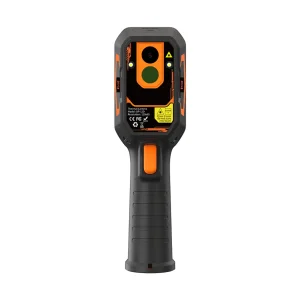
Explore high-precision OEM thermal hardware modules, smartphone attachments, and handheld diagnostic devices for industrial thermal inspection.
In modern industrial applications, Infrared Camera Heat Detection has evolved from a specialized military and defense diagnostic tool into an indispensable baseline technology for Industry 4.0, predictive maintenance (PdM), electrical power grid auditing, building envelopes diagnostics, and advanced PCB microelectronics analysis. Procurement executives, original equipment manufacturers (OEMs), and system integrators seeking accurate price quotes and manufacturing partnerships face a rapidly changing marketplace defined by miniaturization, thermal sensitivity advancements, AI edge integration, and shifting global manufacturing centers.
Navigating the complex landscape of thermal imaging OEM suppliers requires evaluating non-contact thermal accuracy, sensor architectural resolution, software SDK flexibility, and long-term manufacturing reliability. This comprehensive whitepaper serves as an industry roadmap, dissecting technical specifications, economic drivers, supply chain resilience factors, and real-world deployment frameworks necessary to execute high-ROI OEM procurement strategies.
Understanding heat detection optics begins with Planck’s Law of Blackbody Radiation and Wien’s Displacement Law. Infrared heat detection systems measure Long-Wave Infrared (LWIR) radiation operating predominantly in the 8 µm to 14 µm spectral band. Thermal energy emitted by physical assets is focused onto an Uncooled Focal Plane Array (UFPA) sensor constructed from microbolometers, translating thermal radiation into precise numerical temperature outputs.
VOx microbolometers demonstrate superior Temperature Coefficient of Resistance (TCR) and lower thermal noise compared to traditional a-Si alternatives. VOx sensors achieve lower Noise Equivalent Temperature Difference (NETD < 40mK or < 30mK), enabling ultra-clear thermal gradient resolution crucial for spotting subtle micro-friction heat buildups.
Modern OEM engines combine visible light sensors (e.g., 5MP visible cameras) with LWIR cores. Algorithms like spatial edge extraction and picture-in-picture overlay blend optical details with infrared heat maps, allowing field service engineers to immediately isolate phase lines and component labels.
Industrial thermal inspection requires wide dynamic ranges spanning from -20°C up to 1200°C (as demonstrated by industrial flagships like the DP-64D). Automated gain switching and multi-point radiometric calibration curves prevent sensor saturation in high-heat foundry or furnace inspections.
| Thermal Sensor Class | Typical Resolution | Pixel Pitch | Target Dynamic Range | Primary Industrial Application |
|---|---|---|---|---|
| Entry-Level Mobile (H1FB Series) | 160×120 / 120×90 | 17 µm | -20°C to 120°C | Smartphone diagnostics, basic HVAC leak detection, DIY inspection |
| Mid-Tier Professional (DP-25D / DP-25DV) | 256×192 | 12 µm | -20°C to 550°C | Building insulation audits, electrical panel routing, automotive repair |
| High-End Industrial (DP-64D / CA-60D) | 640×512 | 12 µm VOx | -20°C to 1200°C | Power substation grid monitoring, PCB thermal analysis, metallurgy |
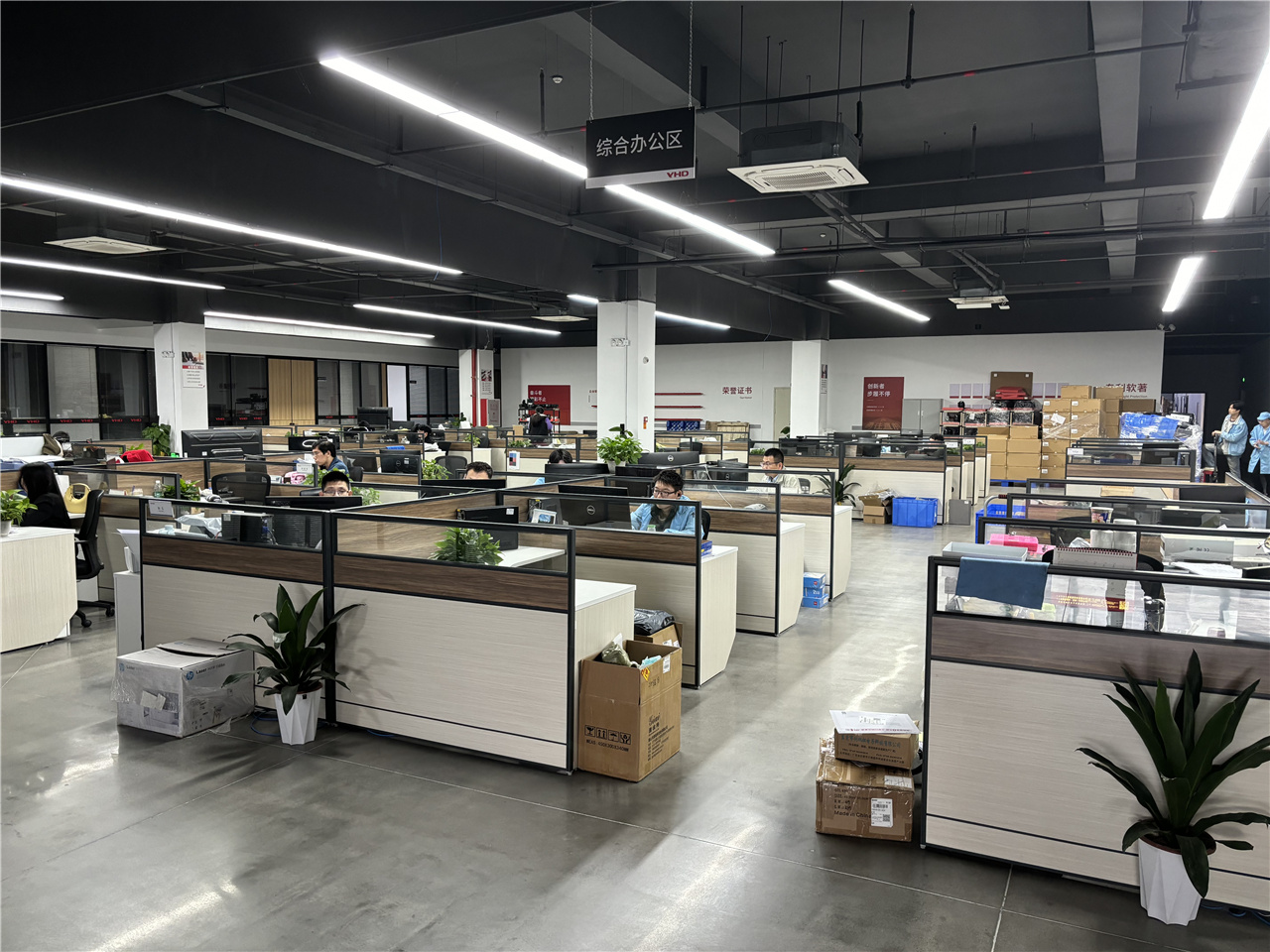
Shenzhen Dianyang Technology Co., Ltd. is a subsidiary of VHD (Shenzhen VHD Technology Co., Ltd.), a publicly listed company on the Shenzhen Stock Exchange. This strategic affiliation gives Dianyang unique access to VHD’s advanced R&D platforms, high-precision manufacturing systems, and rigorous quality management practices—enabling us to deliver thermal imaging products of higher reliability and consistency than typical ODMs.
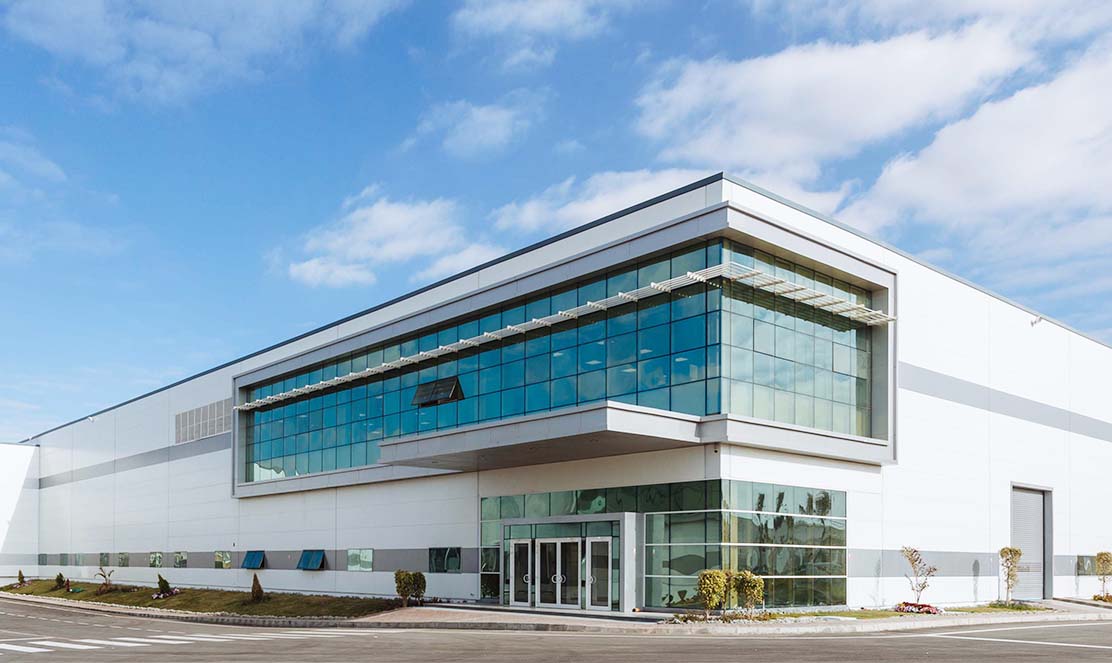
We specialize in ODM/OEM services for infrared thermal imaging solutions, including handheld thermal imagers, smartphone-connected thermal cameras, thermal analyzers, and thermal imaging telescopes. Our products serve global customers in power inspection, building diagnostics, firefighting, industrial maintenance, and outdoor applications.
Our dedicated engineering team applies Design for Manufacturing (DFM), Design for Testability (DFT), thermal simulation, and EMC pre-compliance analysis to optimize performance and accelerate development. We also support clients in obtaining key certifications such as CE, FCC, RoHS, REACH, CB, UKCA, KC, and PSE.
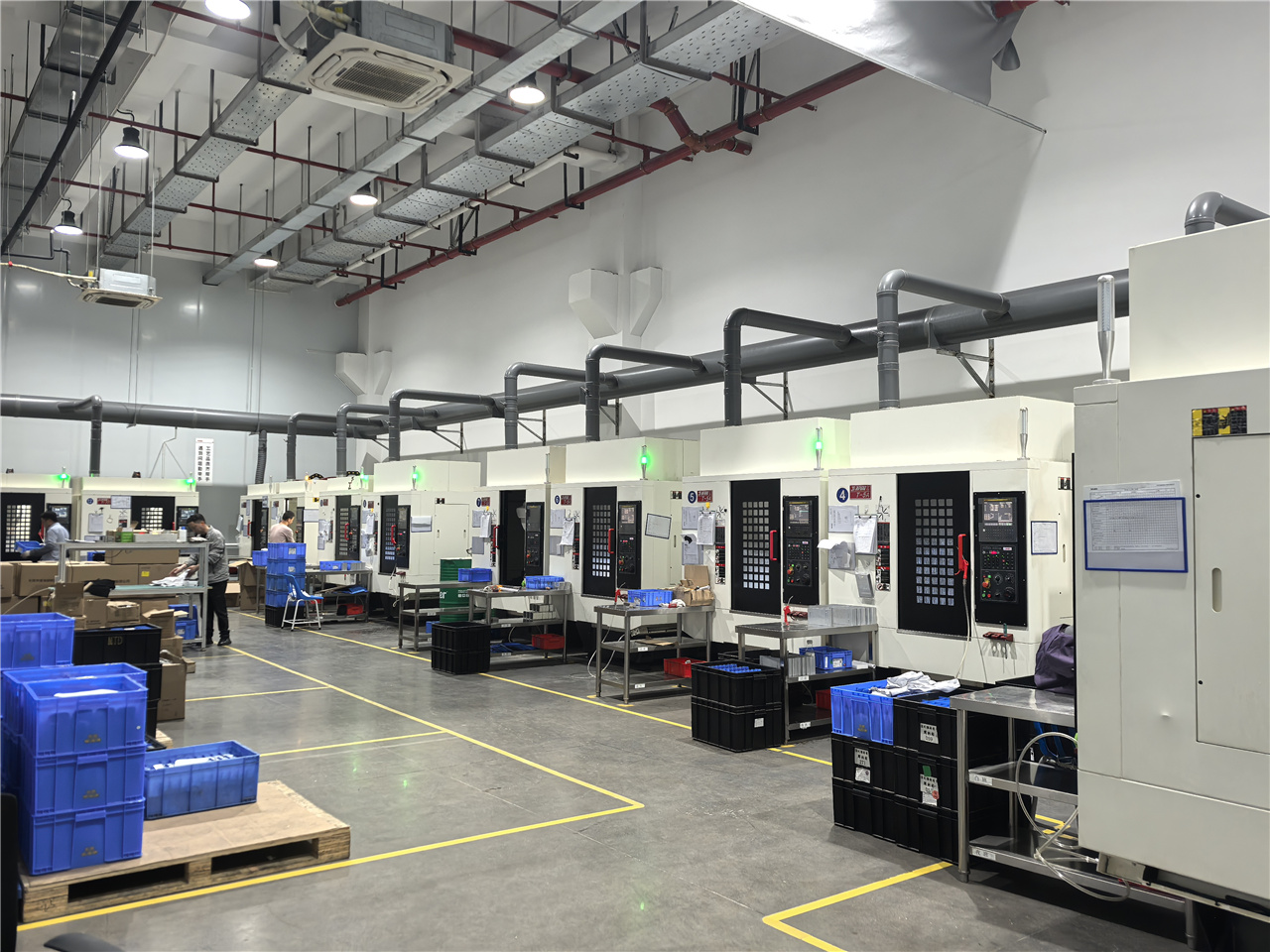
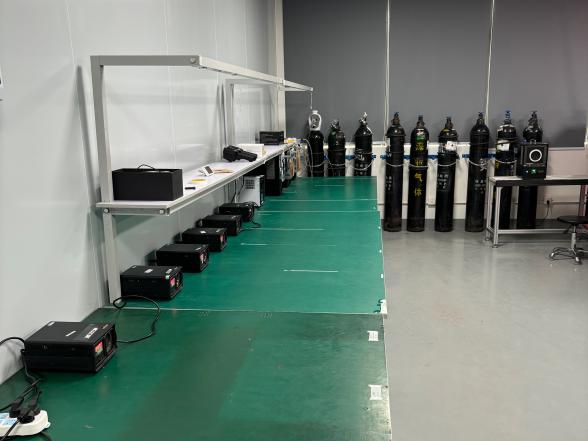
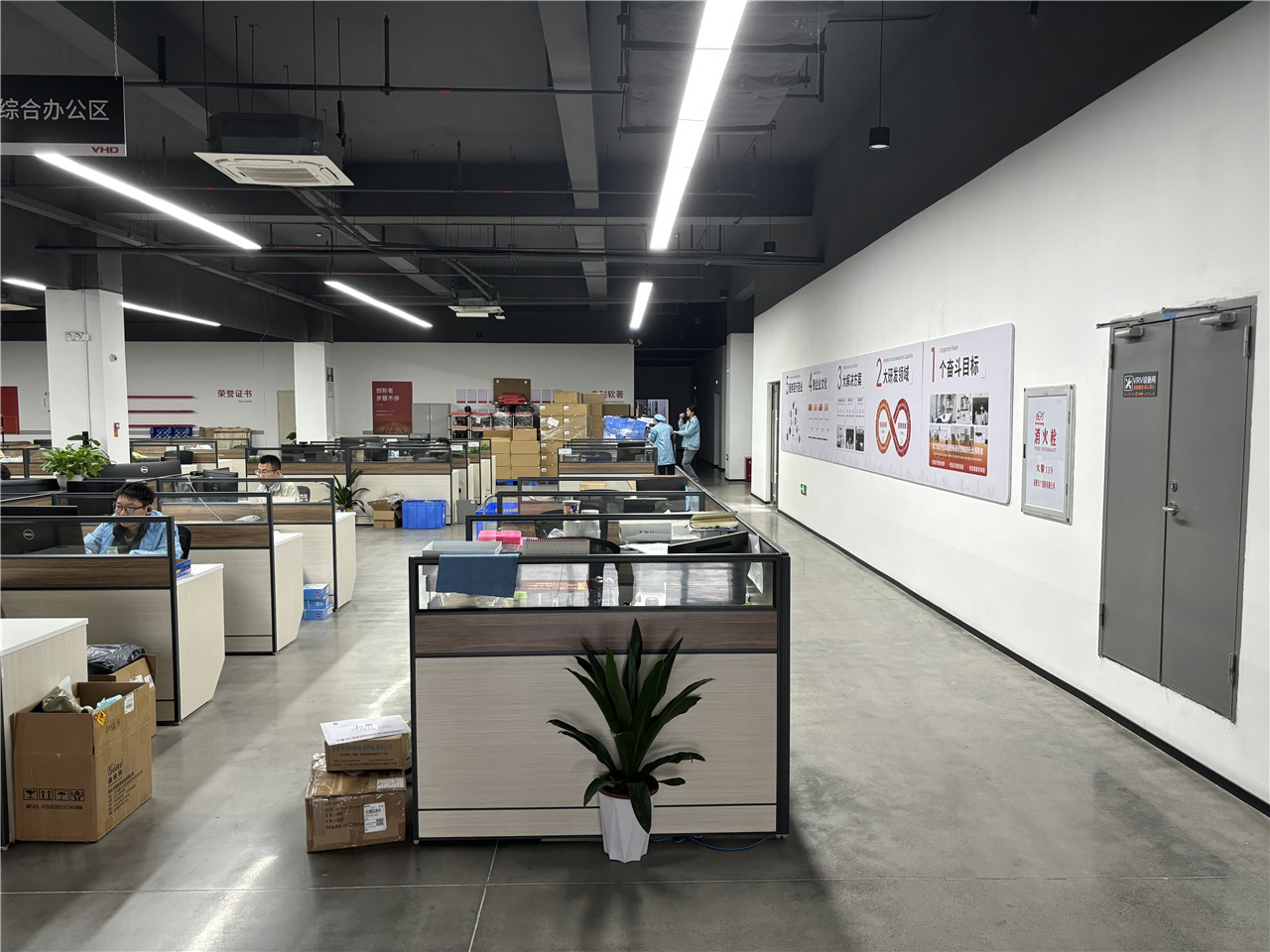
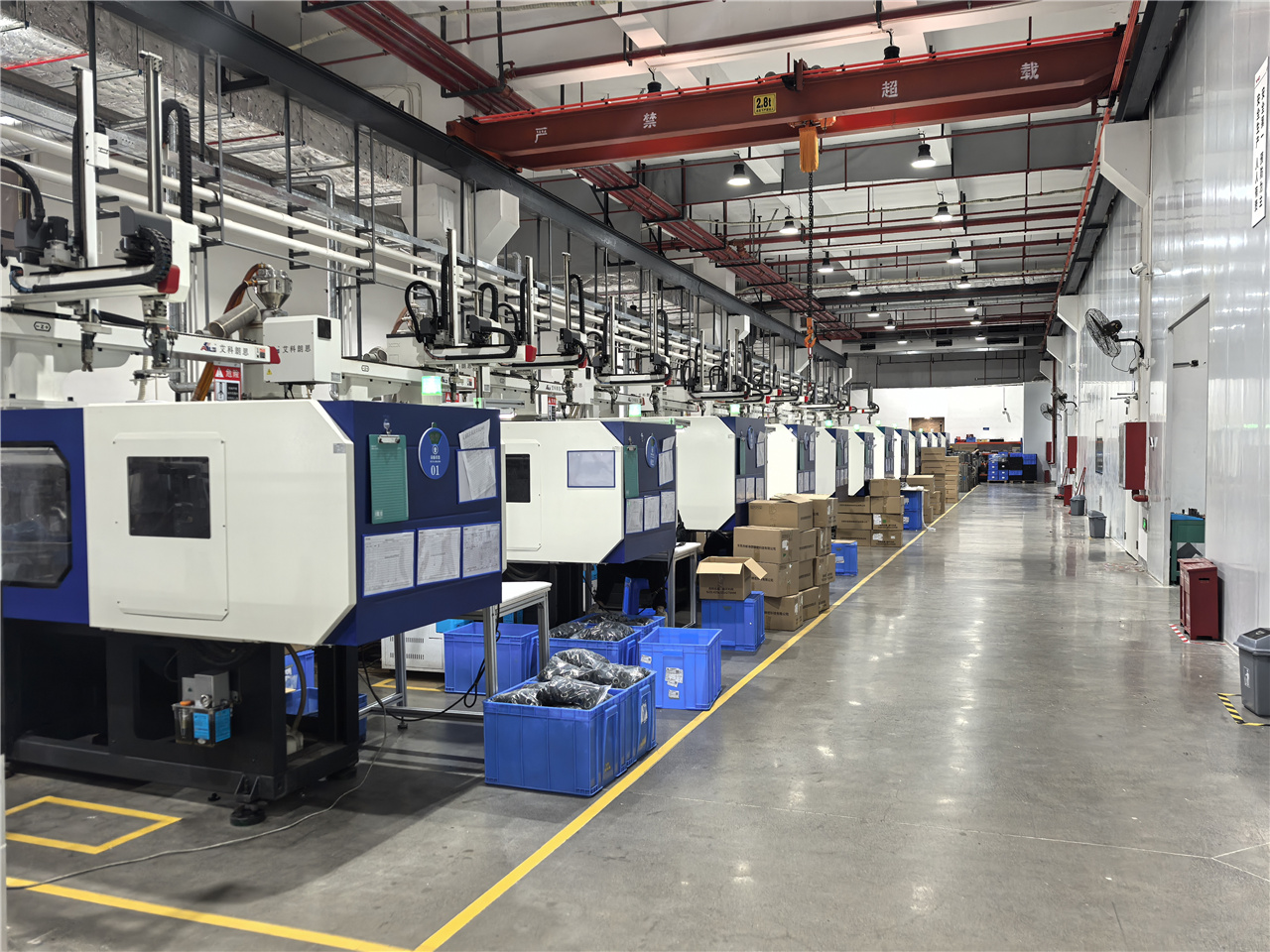
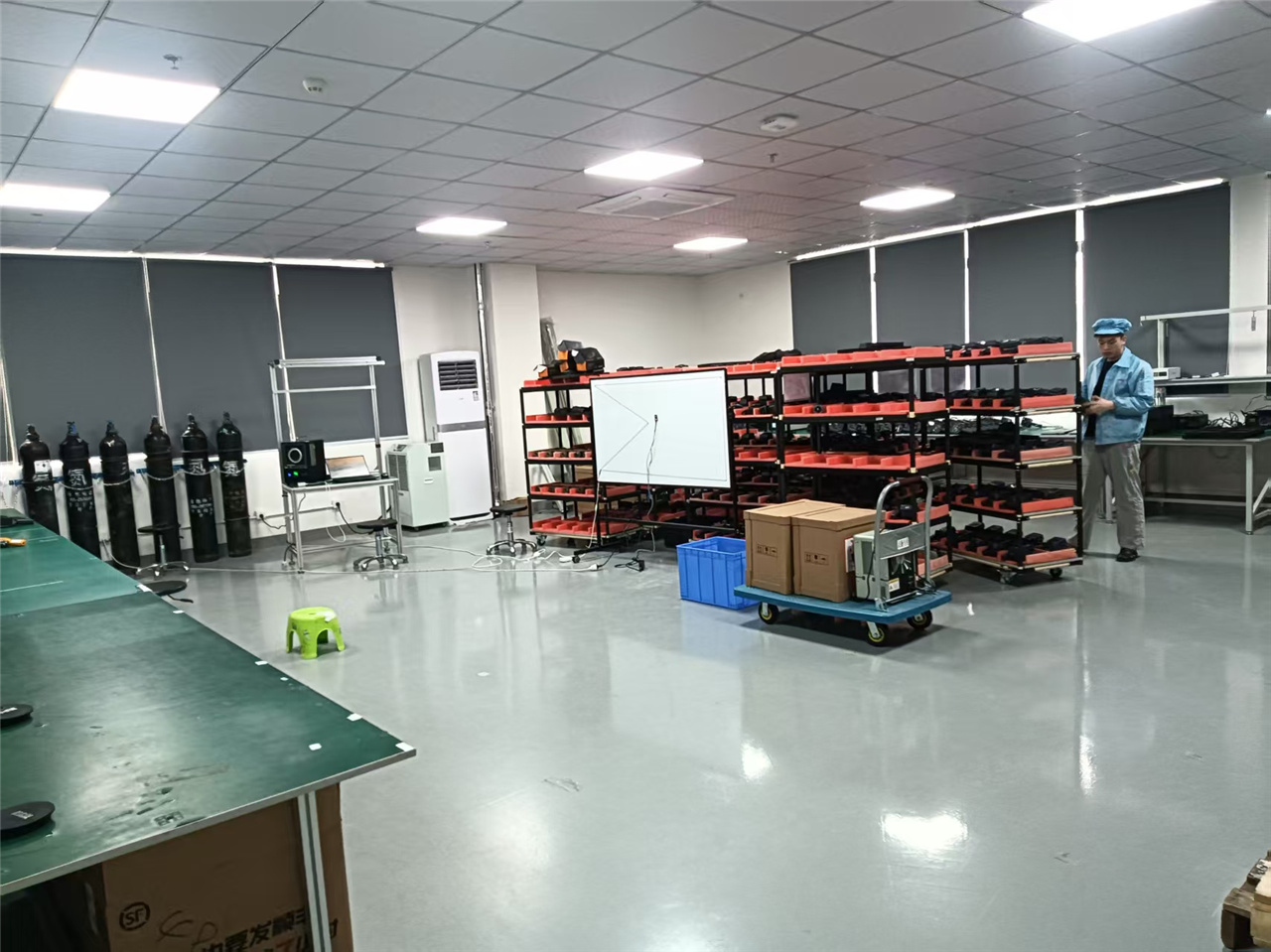
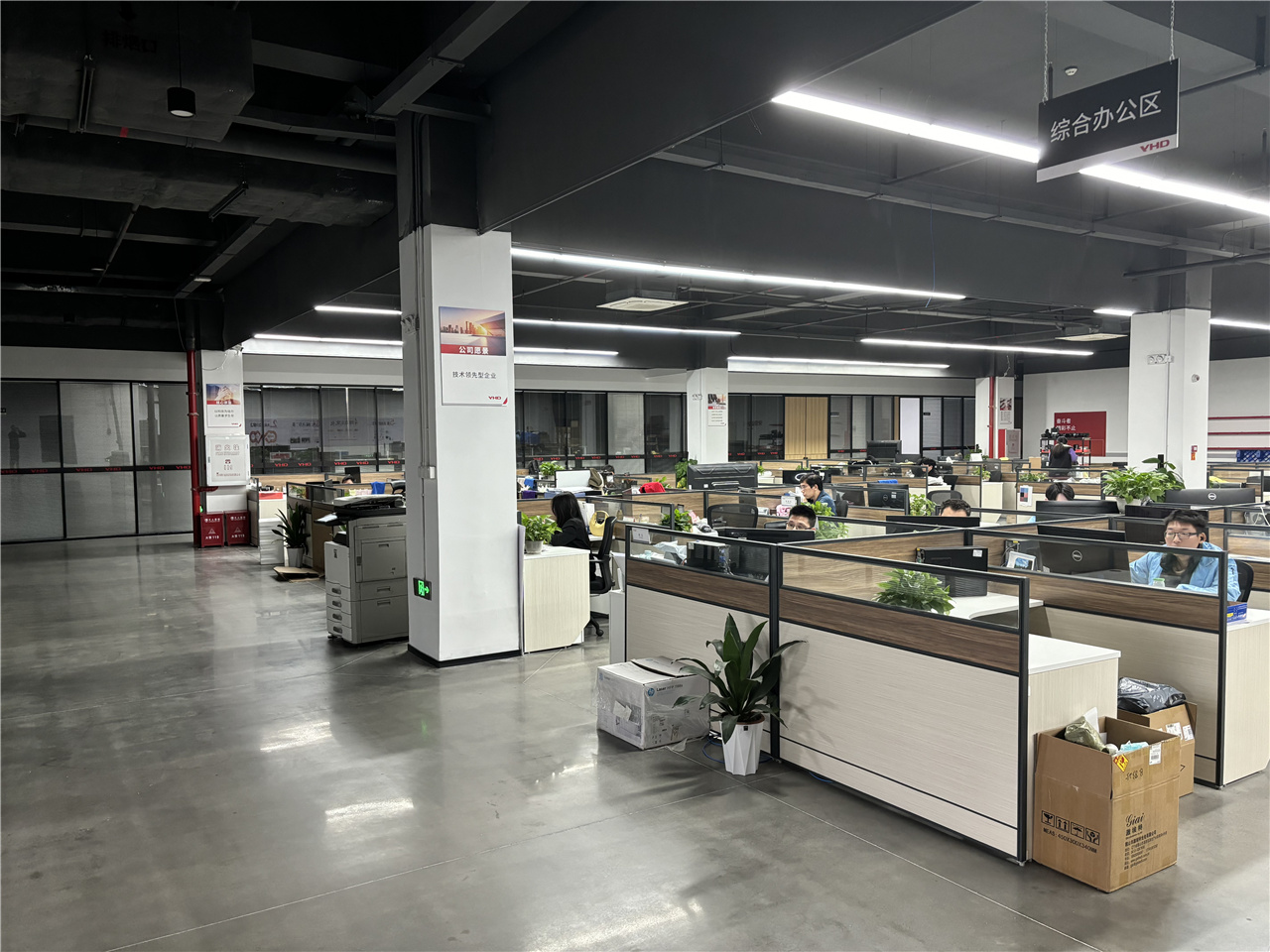
Infrared heat detection thermal cameras perform critical diagnostic tasks across localized municipal, commercial, and high-tech operational environments. Custom OEM configurations allow hardware modification for localized climatic extremes, localized compliance requirements, and specific field service workflows.
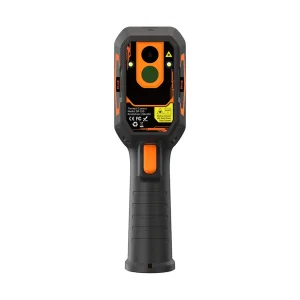
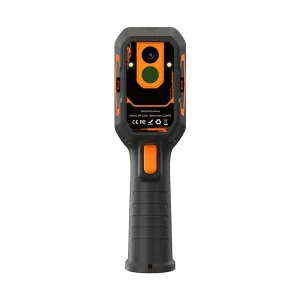
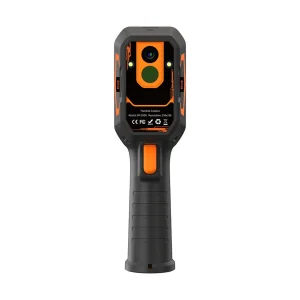
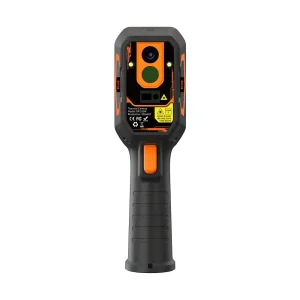
High-voltage switchgears, transformers, and distribution lines experience resistive heating prior to catastrophic failure. Using 640×512 high-resolution handheld imagers like the DP-64D, utility technicians detect micro-ohm contact resistance anomalies from safe standoff distances, eliminating thermal hazards in electrical substations.
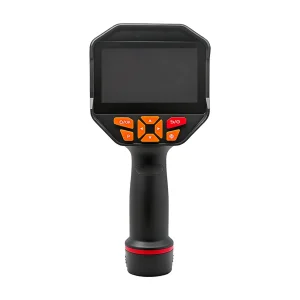
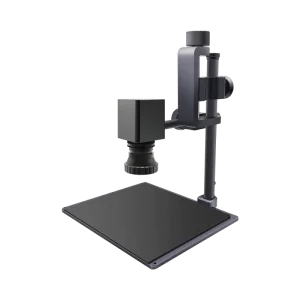
In microelectronics manufacturing, heat dissipation directly dictates component lifespan. Devices like the CA-60D Desktop Thermal Analyzer provide high-density temperature mapping of circuit board components, identifying short circuits, thermal runaway, and suboptimal heatsink thermal interface material (TIM) placement down to millimeter precision.
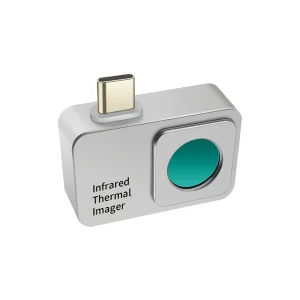
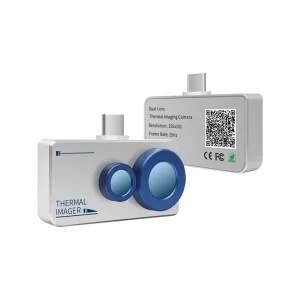
Ultra-compact dongle imagers (such as the H1FB and H2F6B mobile series) transform standard iOS and Android smartphones into thermal field inspection suites. Contractors detect thermal bridging, moisture ingress under roofing membranes, and air duct leaks without carrying bulky traditional diagnostic equipment.
The global optic-electronic sector relies heavily on the Greater Shenzhen electronics manufacturing hub for microbolometer packaging, Germanium lens grinding, and rapid prototyping. Dianyang leverages its deep integration within this ecosystem to deliver structural cost savings, high throughput scale, and reduced NRE (Non-Recurring Engineering) overhead for international B2B OEM partners.
By conducting automated thermal chamber calibration, blackbody ambient temperature reference tuning, and full-spectrum EMC pre-compliance internally, Dianyang drastically shortens time-to-market for global brands launching branded thermal imaging lines.
Transitioning from metal-can and ceramic packages to Wafer-Level Packaging drastically reduces physical footprint and optics production costs, paving the way for thermal heat sensors embedded natively in consumer electronics and commercial IoT nodes.
Next-generation thermal cores integrate neural network accelerators directly onto the camera PCB. Local AI models process thermal video streams in real-time, instantly identifying hotspots, electrical arcing risks, and flame signatures without requiring external cloud bandwidth.
Optimized ASIC readout integrated circuits (ROIC) enable battery-powered thermal cameras to operate continuously for over 12 hours on a single charge, ideal for extended field missions and continuous security perimeter surveillance.
When requesting quotes for OEM infrared camera heat detection projects, pricing structure varies based on hardware specifications, optical elements, software licensing, and order volume. Partners can request customizations across several core engineering tiers:
Review our complete lineup of certified thermal cameras, thermal analyzers, and high-precision radiometric instruments available for global export.
 Dianyang