High-precision uncooled LWIR microbolometer modules designed for rapid OEM/ODM deployment across mobile and handheld diagnostics.
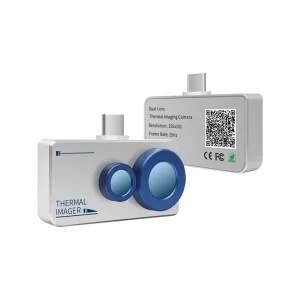
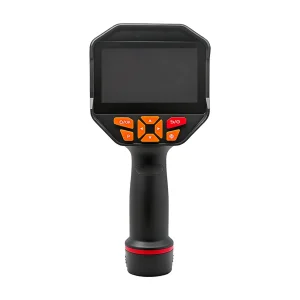
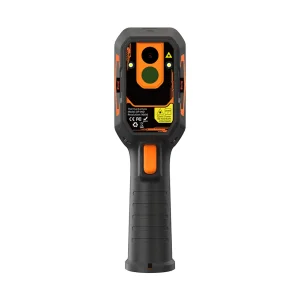
Understanding the technological shift from off-the-shelf procurement to custom engineering in Long-Wave Infrared (LWIR) sensing ecosystems.
In modern industrial and commercial sensing markets, the term ODM (Original Design Manufacturing) Thermal Imaging Camera refers to a strategic partnership model where an advanced hardware manufacturer conceives, designs, calibrates, and fabricates thermal imaging instruments according to core technical specifications, while allowing customer organizations to customize, brand, and integrate these solutions into their proprietary product portfolios.
Unlike standard OEM (Original Equipment Manufacturing) where a factory simply builds products based on client-provided blueprints, ODM in thermography requires deep multi-disciplinary expertise. It encompasses microbolometer optical engine integration, custom readout integrated circuit (ROIC) driver programming, high-precision radiometric temperature calculation algorithms, mechanical enclosure thermal isolation, and specialized software API/SDK creation.
The manufacturer controls the underlying microbolometer design, thermal algorithm, and core PCB engineering. Enterprise clients gain full private-label ownership, tailored software SDKs, and custom housing configurations without heavy R&D overhead.
The buyer delivers explicit schematic designs, optical stack requirements, and firmware binaries. The manufacturer functions purely as a high-precision assembly plant operating under strict process controls and DFM principles.
Original Brand Manufacturing where standard thermal cameras are sold directly under the factory’s brand. Offers zero architectural customization, fixed firmware, and standardized optical configurations.
When specifying an ODM thermal imaging platform, the choice of microbolometer sensor material dictates thermal sensitivity (NETD). VOx detectors yield lower noise equivalent temperature differences (<40mK) and higher thermal stability across wide operating ambient ranges (-20°C to +550°C), making them the preferred architecture for professional-grade ODM cameras such as the Dianyang DP and H2 series.
Backed by public capital market stability, advanced R&D labs, and stringent quality assurance workflows.
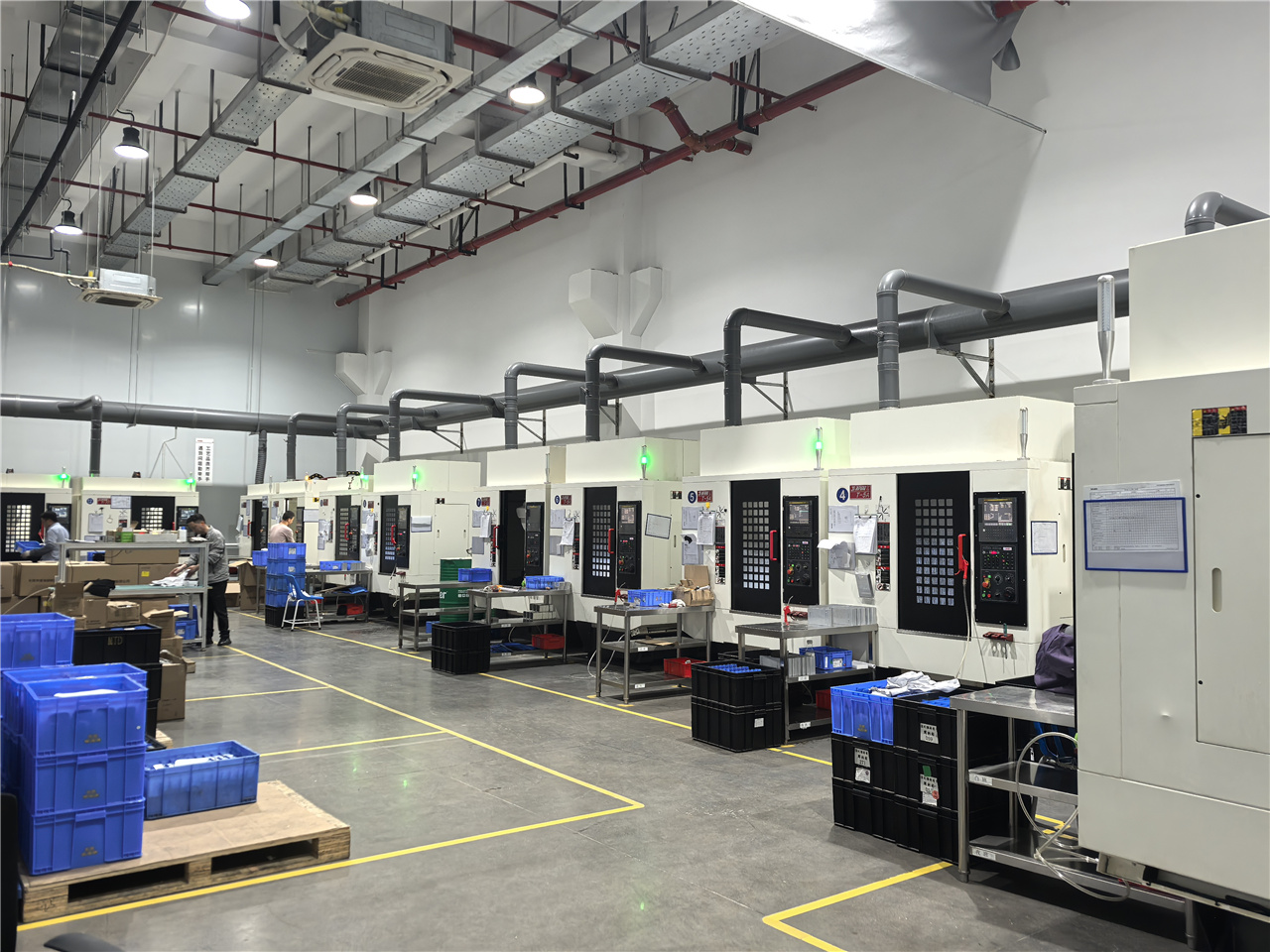
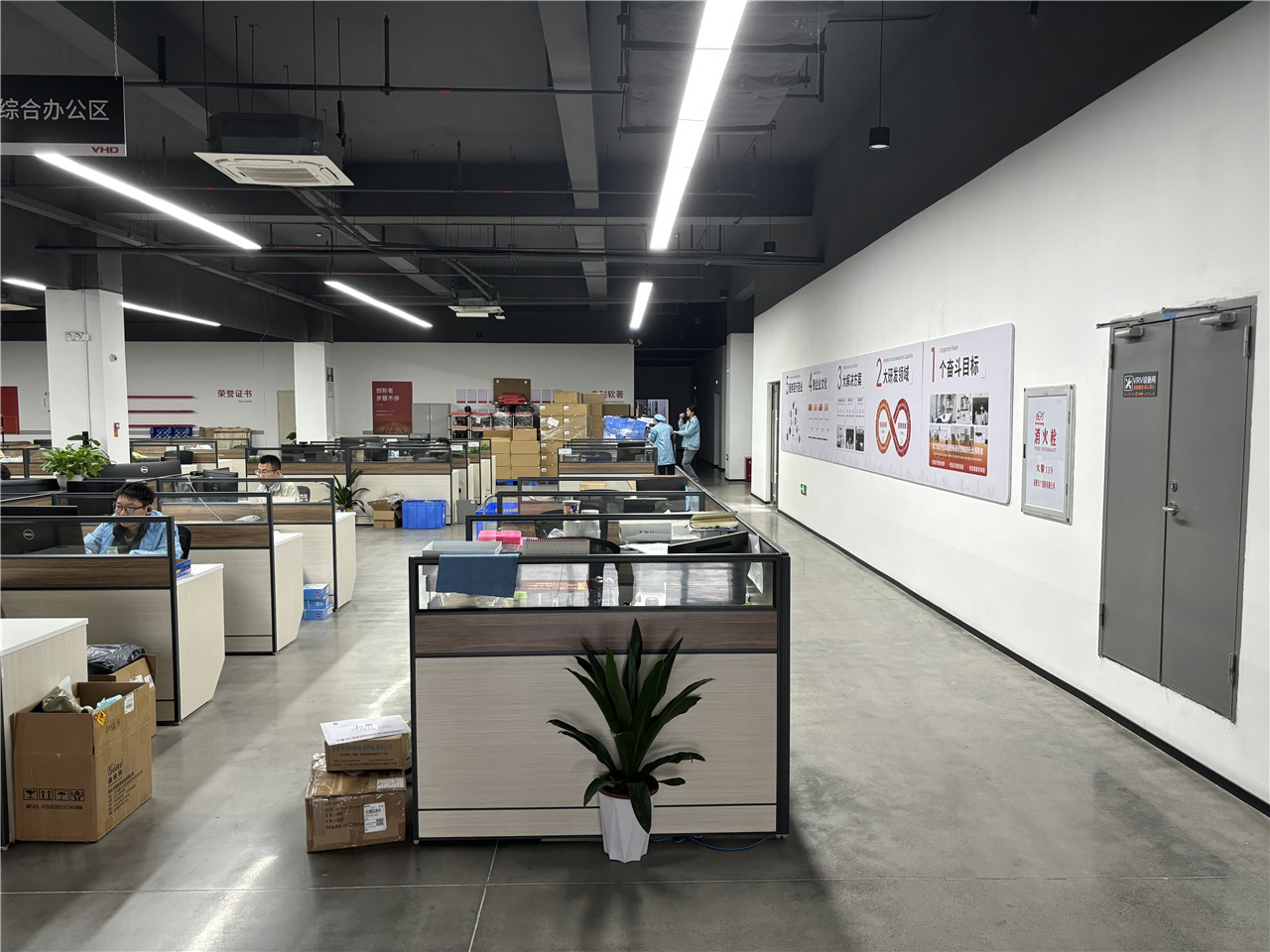
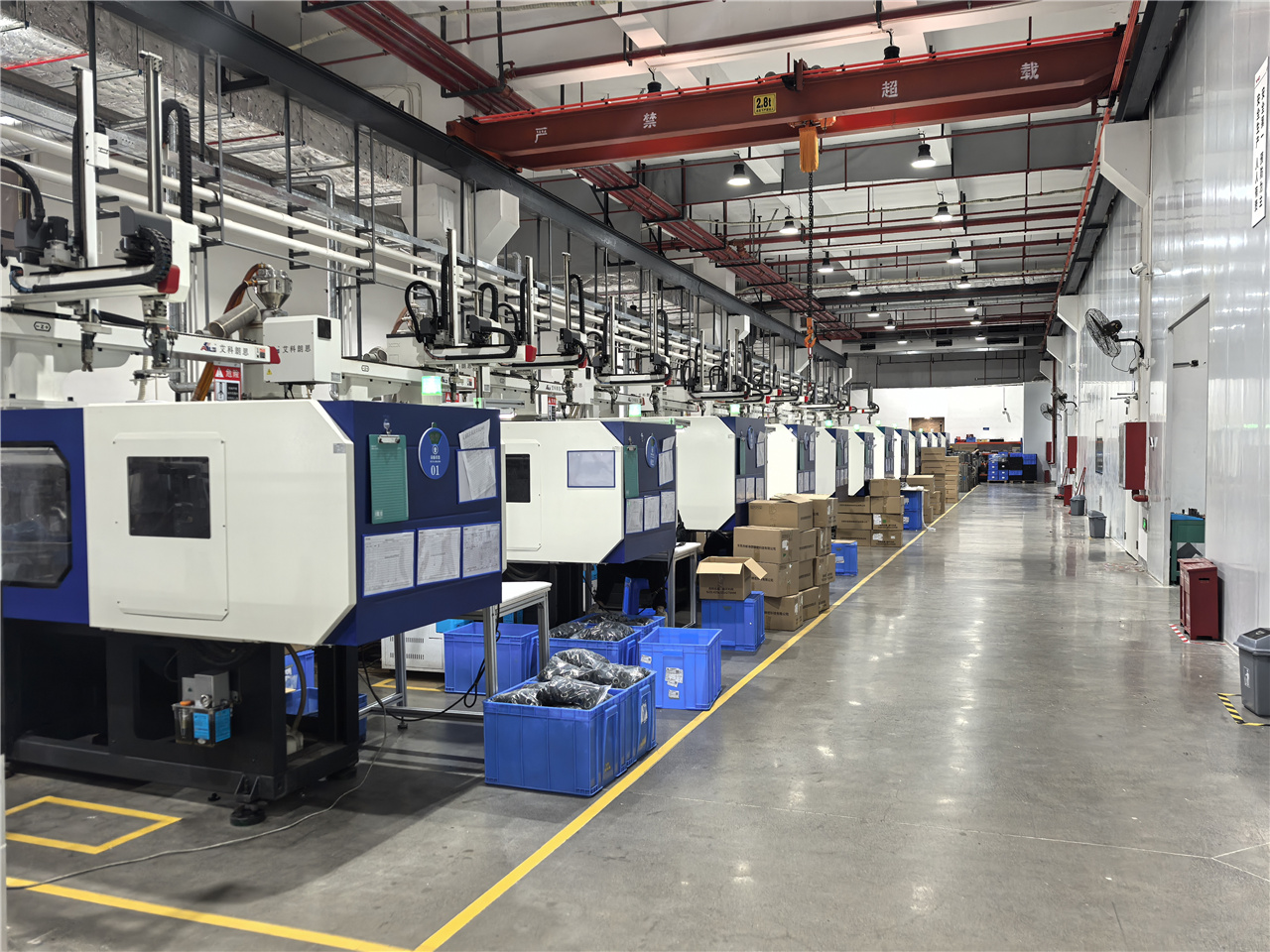
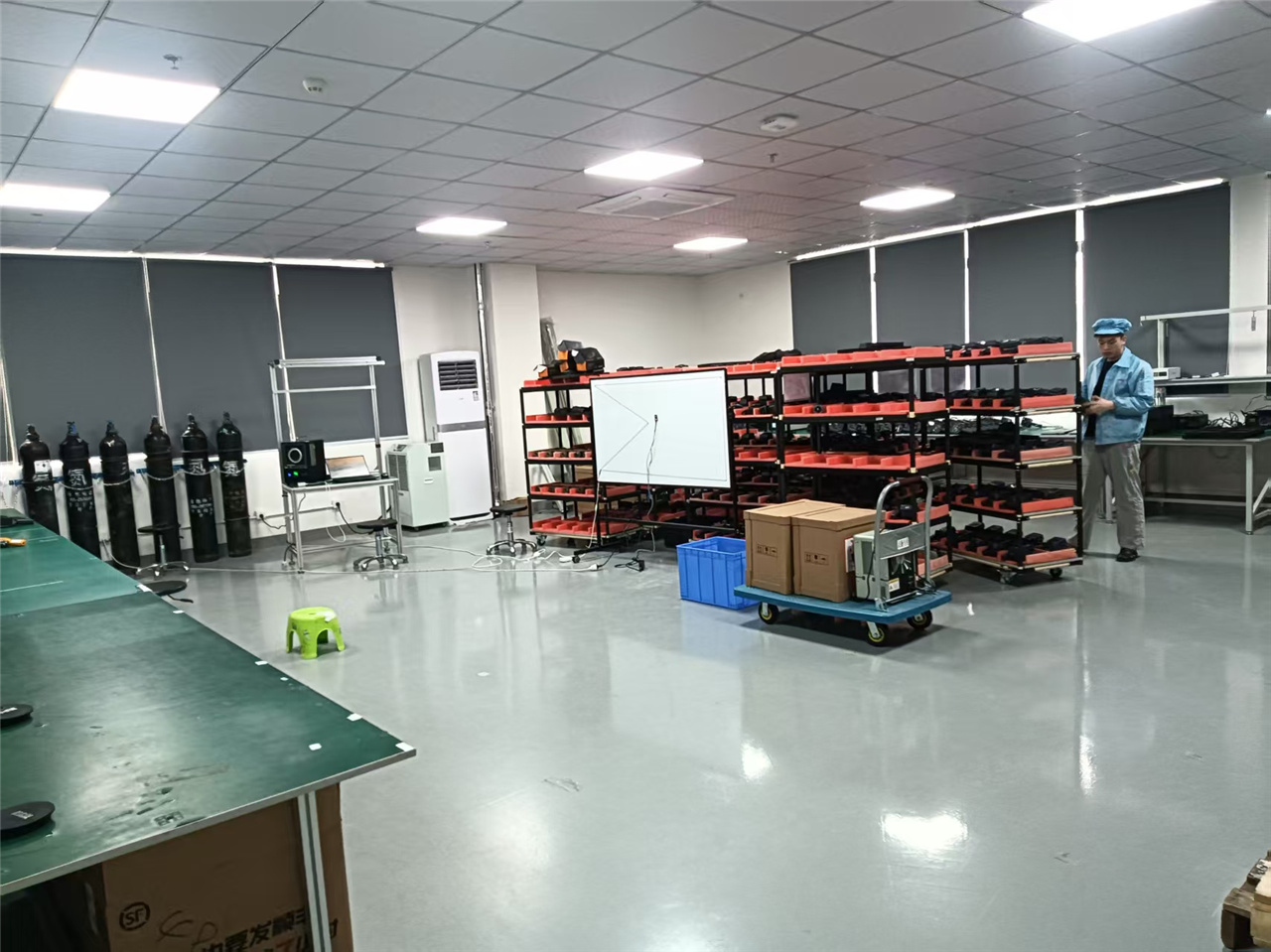
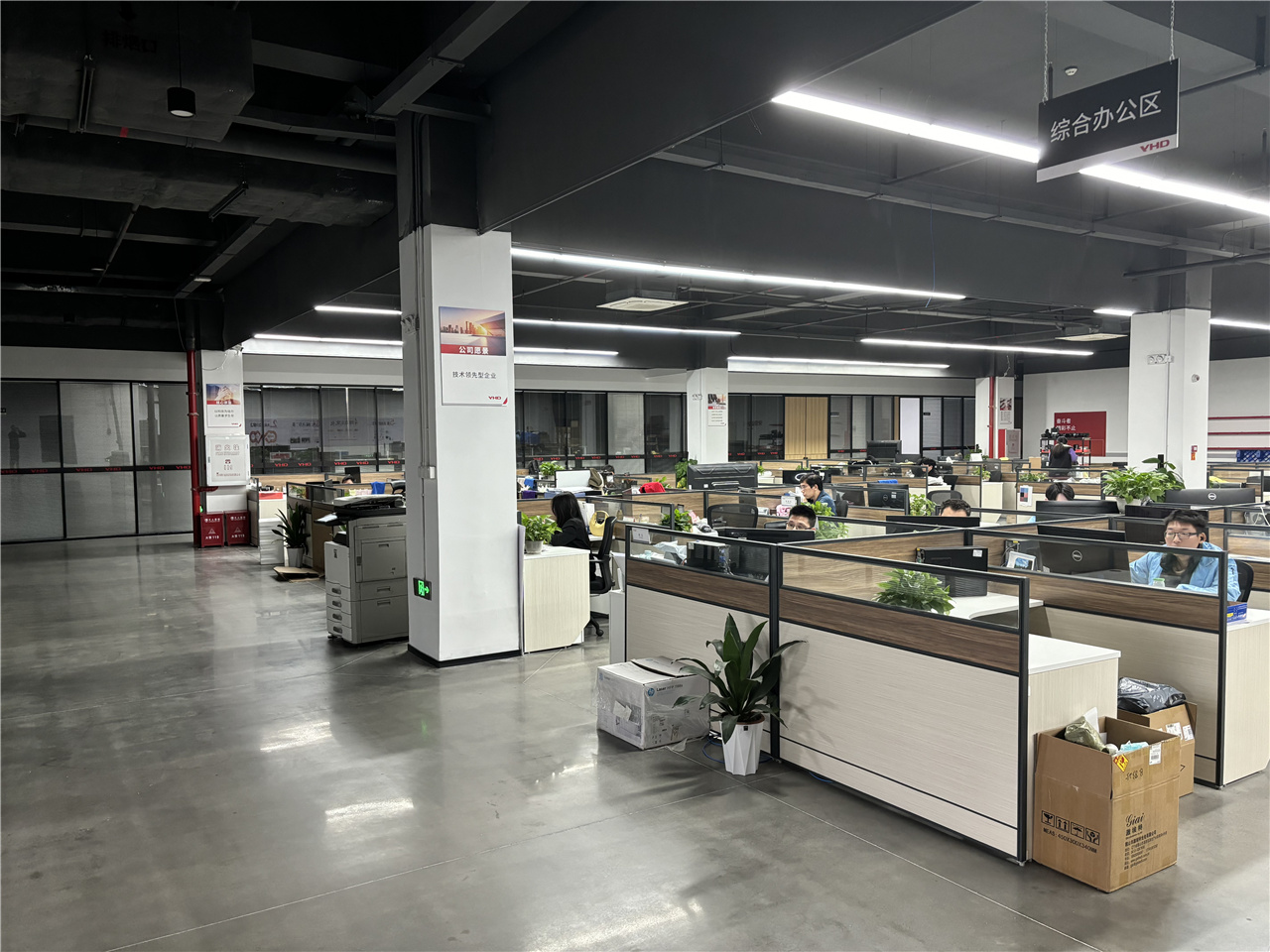
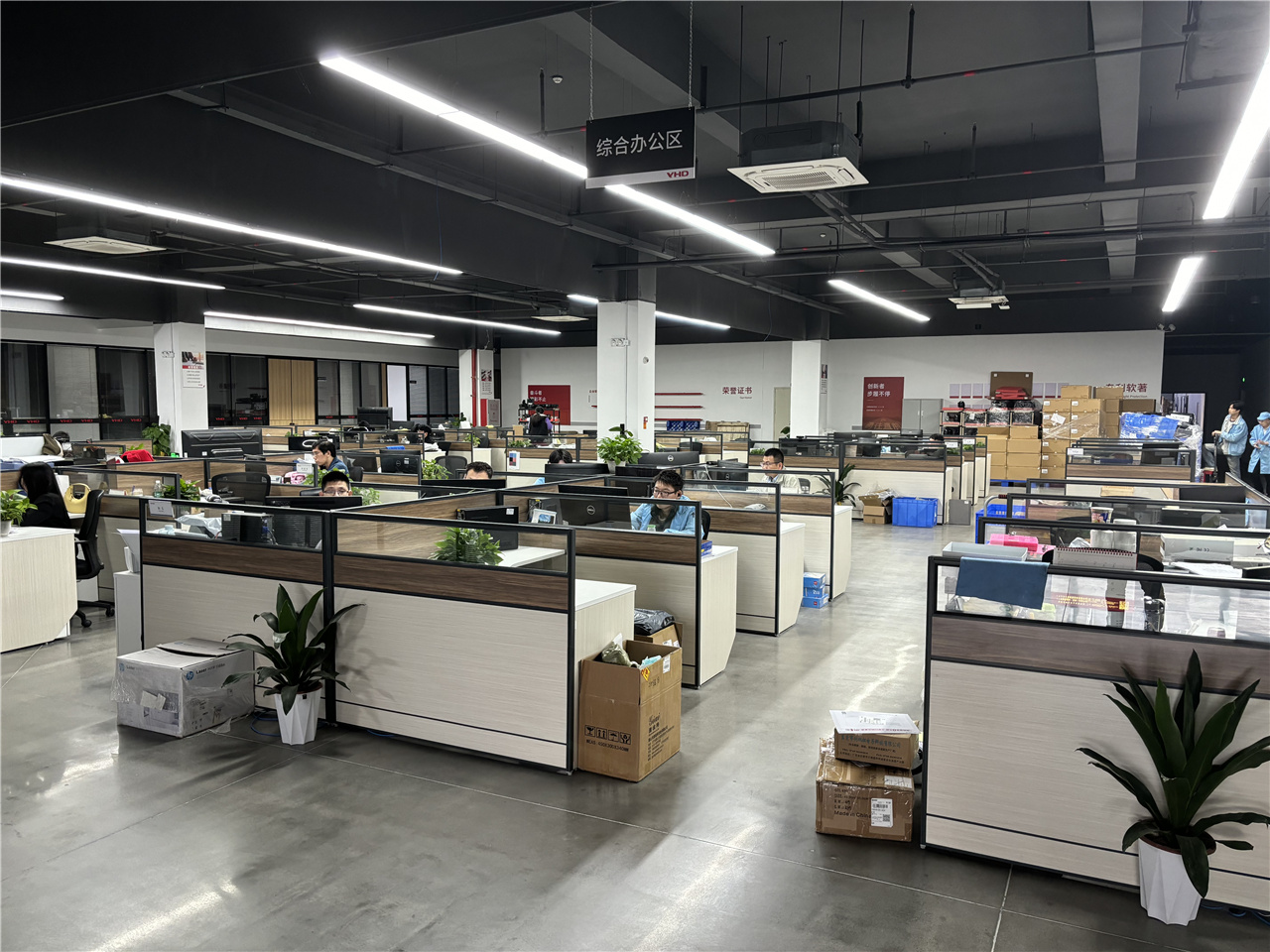
Shenzhen Dianyang Technology Co., Ltd. is a subsidiary of VHD (Shenzhen VHD Technology Co., Ltd.), a publicly listed company on the Shenzhen Stock Exchange. This strategic affiliation gives Dianyang unique access to VHD’s advanced R&D platforms, high-precision manufacturing systems, and rigorous quality management practices—enabling us to deliver thermal imaging products of higher reliability and consistency than typical ODMs.
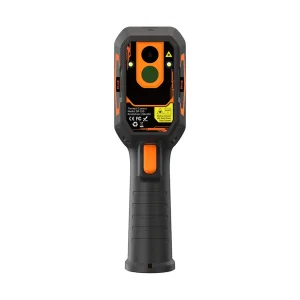
We specialize in ODM/OEM services for infrared thermal imaging solutions, including handheld thermal imagers, smartphone-connected thermal cameras, thermal analyzers, and thermal imaging telescopes. Our products serve global customers in power inspection, building diagnostics, firefighting, industrial maintenance, and outdoor applications.
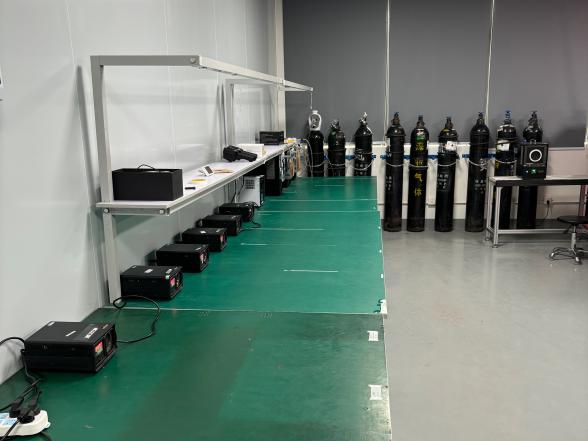
Our dedicated engineering team applies Design for Manufacturing (DFM), Design for Testability (DFT), thermal simulation, and EMC pre-compliance analysis to optimize performance and accelerate development. We also support clients in obtaining key certifications such as CE, FCC, RoHS, REACH, CB, UKCA, KC, and PSE.
A transparent guide to OEM/ODM pricing tiers, hardware cost breakdowns, and NRE engineering investments.
Understanding the pricing structure of ODM thermal cameras requires analyzing five core hardware and software components. Unlike visible spectrum CMOS cameras where sensors cost a few dollars, uncooled Long-Wave Infrared (LWIR) focal plane arrays (FPAs) constitute between 40% and 60% of total bill-of-materials (BOM) cost.
| Thermal Sensor Resolution | Typical Pixel Pitch | Temperature Range | Target Applications | ODM Volume Cost Bracket (USD)* |
|---|---|---|---|---|
| 96 × 96 (Entry Level) | 12µm VOx | -20°C to 550°C | Basic HVAC, Home Inspection (DP-09D) | $45 - $75 |
| 120 × 90 (Mid-Low) | 17µm VOx / a-Si | -20°C to 550°C | Industrial Maintenance (DP-12D) | $70 - $110 |
| 160 × 120 (Compact Mobile) | 12µm VOx | -15°C to 150°C / 550°C | Mobile Attachments (H1FB Series) | $90 - $140 |
| 256 × 192 (Professional Standard) | 12µm VOx | -20°C to 550°C | Power Grid inspection, Smartphones (H2FB / DP-25D) | $130 - $210 |
| 384 × 288 / 640 × 512 (High-End R&D) | 12µm VOx | -20°C to 650°C+ | PCB Thermal Analysis, Firefighting, Gas Leak Detection | $350 - $900+ |
*Note: Prices represent estimated OEM/ODM enterprise volume tier pricing. Final quotations depend on customized SDK licensing, housing materials, optical germanium lens specs, and order MOQ.
LWIR radiation cannot pass through optical glass. Lenses must be machined from monocrystalline Germanium (Ge) or Chalcogenide glass. Germanium purity directly impacts transmittance and device price.
High-precision thermography requires multi-point temperature calibration across automated blackbody furnaces. Factory calibration routines add significant value and precision to ODM hardware.
Thermal cameras running at >9Hz (e.g., 25Hz or 50Hz) are subject to dual-use export control regulations (Wassenaar Arrangement). 9Hz models offer simplified international customs clearance.
Deploying customized infrared imaging systems across high-value industrial sectors.
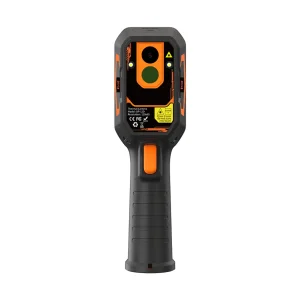
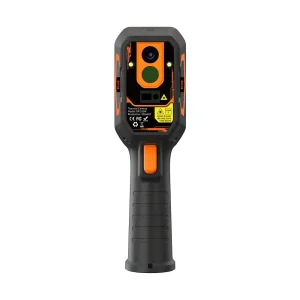
Preventive diagnostics of high-voltage transformers, switchgears, and distribution lines. Handheld ODM cameras like the DP-25DV allow utility technicians to detect abnormal resistance hot-spots before catastrophic failures occur.
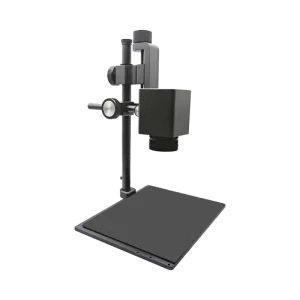
Desktop thermal analyzers such as the CA-30D enable electronics engineers to visualize power distribution, component heat dissipation, and short circuits down to micro-ampere leakage levels during R&D prototyping.
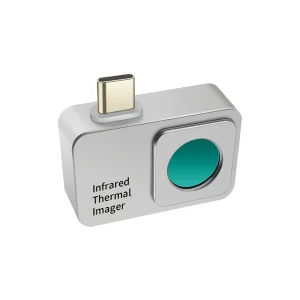
Identifying thermal bridges, air leakage, HVAC duct losses, and hidden moisture ingress under flooring. Smartphone-connected imagers (H1FB/H2FB) turn standard mobile devices into professional audit tools.
Ensuring friction-free global distribution with robust regulatory compliance and international quality standards.
Entering international markets demands strict adherence to regulatory standards across target regions. Dianyang Technology provides complete compliance management during the ODM development cycle, executing pre-compliance testing and securing official market certifications prior to mass shipment.
Full compliance with European and UK Electromagnetic Compatibility (EMC) and Low Voltage Directives for seamless sale across European markets.
Rigorous Class A and Class B digital device testing ensuring zero radio frequency interference in North American industrial and consumer setups.
Strict hazardous substance screening across all internal solder alloys, optical housings, and printed circuit board assemblies.
Dedicated certification pathways for South Korea (KC), Japan (PSE), and international IEC standards (CB) for global safety acceptance.
Next-generation advancements shaping the future of uncooled infrared thermal imaging hardware.
Moving from current 12µm microbolometer detectors down to 8µm pixel pitch allows smaller optical dimensions, lighter germanium lenses, and significantly reduced module costs without sacrificing spatial resolution.
Integrating neural processing units (NPUs) directly into camera ASIC boards enables real-time AI spatial upscaling, automated target classification, and instant hotspot anomaly alerts without reliance on mobile app processing power.
Combining visible light, LWIR, and ambient sensors into unified streams linked to cloud analytics platforms, enabling predictive maintenance schedules for enterprise industrial plants.
Expert responses to critical enterprise engineering and sourcing inquiries.
Explore our full OEM/ODM product catalog designed for high-precision thermographic maintenance and engineering diagnostics.
 Dianyang