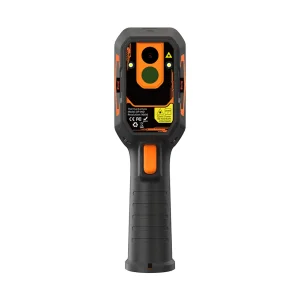
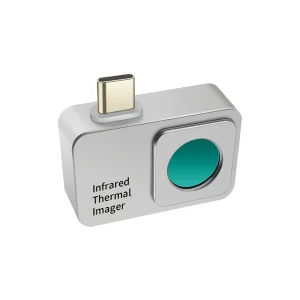
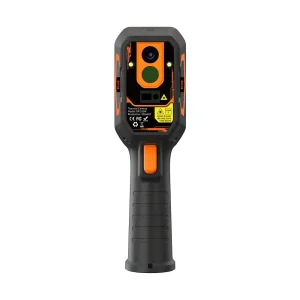
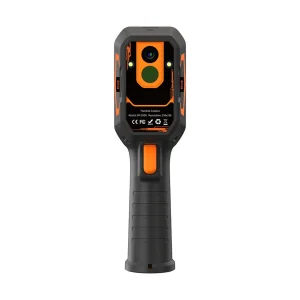
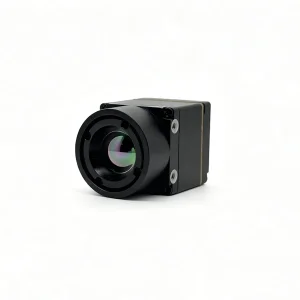
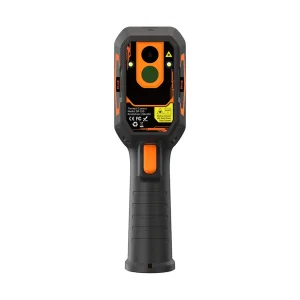
Infrared thermography has evolved from a specialized military asset into an essential non-destructive testing (NDT) methodology across global industrial infrastructure. As a world-leading ODM IR Inspection Camera Exporter & Supplier, Shenzhen Dianyang Technology delivers enterprise-grade solutions built around uncooled Vanadium Oxide (VOx) and Silicon Diodes microbolometer focal plane arrays (FPA). Operable in the Long-Wave Infrared (LWIR) spectrum spanning 8 to 14 micrometers (μm), our inspection systems capture invisible thermal radiation emitted by objects and translate it into high-fidelity radiometric imagery.
The core advantage of partnering with an experienced ODM manufacturer lies in optical architecture flexibility. Thermal camera performance is governed by the interplay between sensor pitch (e.g., 12μm vs 17μm), spatial resolution (ranging from 120x90 to 640x512 pixels), lens focal length, and dynamic measurement ranges spanning -20°C up to +550°C (with ultra-high temperature extensions available up to 1500°C for metallurgical applications).
Electrical power grids suffer from resistive heating caused by loose connections, load imbalances, or insulator breakdown. Our ODM thermal cameras feature narrow-angle telephoto options and high-resolution radiometry to detect phase anomalies from safe standoff distances, eliminating arc-flash hazards.
Energy loss, moisture intrusion behind drywall, and air leakage in HVAC ducts cause immense operational expenditures. Equipped with isotherm color mapping and dual-light fusion (visible overlay), our handheld and smartphone-connected models pinpoint structural thermal bridges with absolute clarity.
In microelectronics engineering, rapid heat dissipation is paramount. Integrating macro lenses into our thermal modules enables hardware engineers to inspect individual SMD components, IC chips, and trace short circuits down to 50-micrometer spatial resolution during continuous load testing.
Rotating machinery, motor bearings, gearbox friction, and pump cavitation manifest anomalous surface temperature increases long before catastrophic mechanical failure. Our rugged inspection cameras support dynamic trending analysis for automated factory preventive maintenance.
Zero-visibility, smoke-filled environments require high-dynamic-range thermal vision. Our specialized thermal imaging cores provide instant target contrast, identifying structural hotspots and personnel locations through thick smoke and complete darkness.
Solar panel cell degradation, bypass diode short-circuits, and lithium-ion battery thermal runaway present significant fire risks. Thermal aerial payloads and handheld inspection units instantly detect hot-spots across vast photovoltaic arrays and battery pack assemblies.
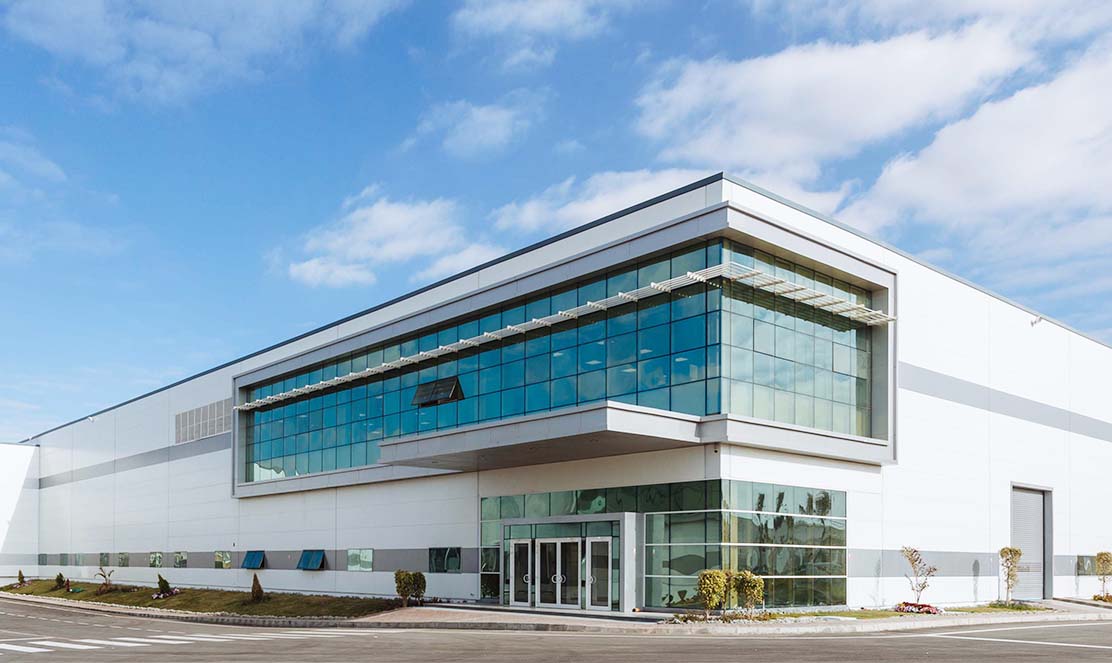
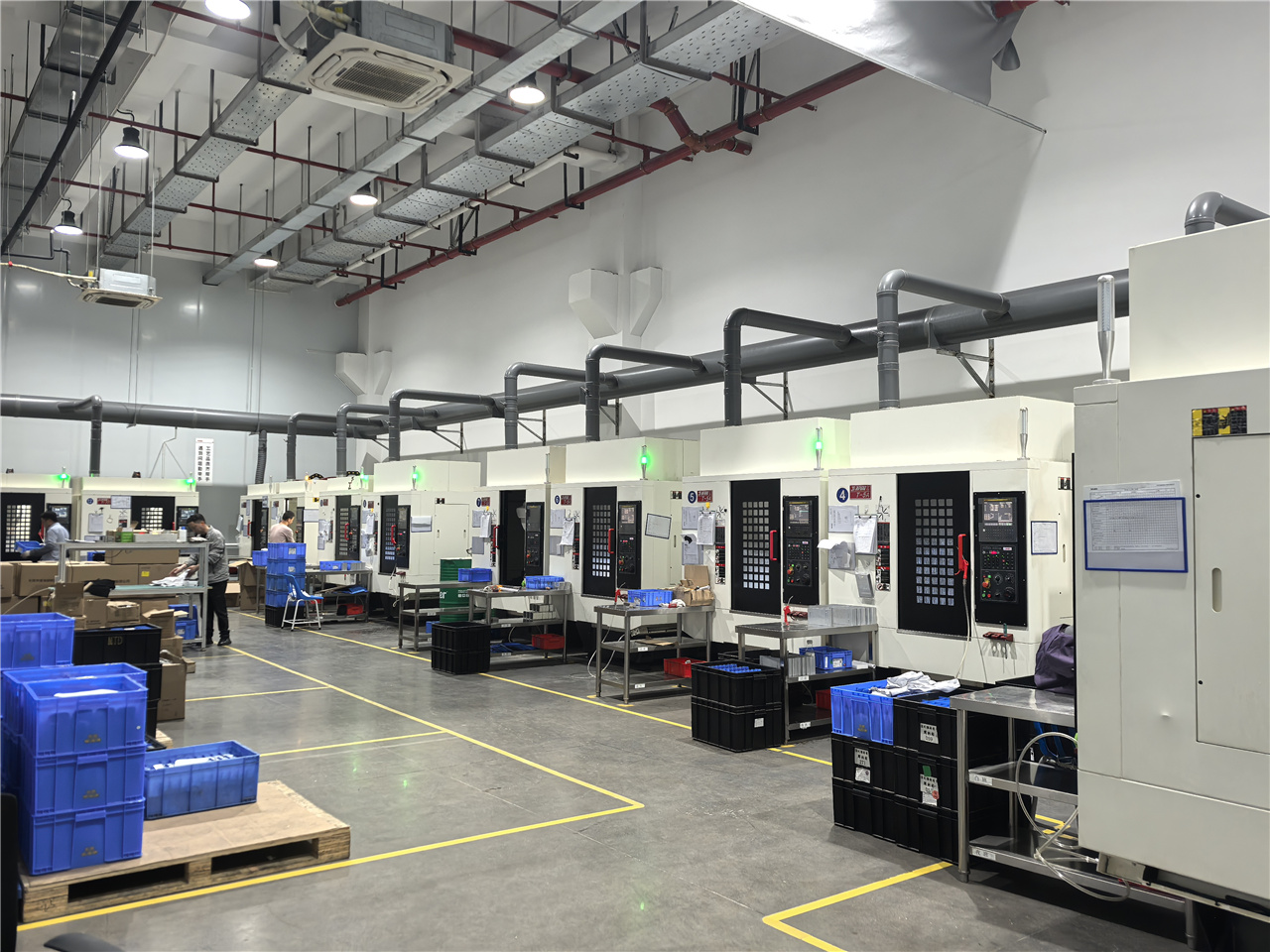
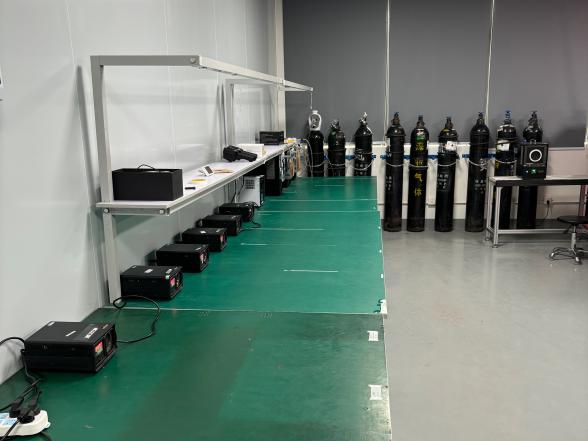
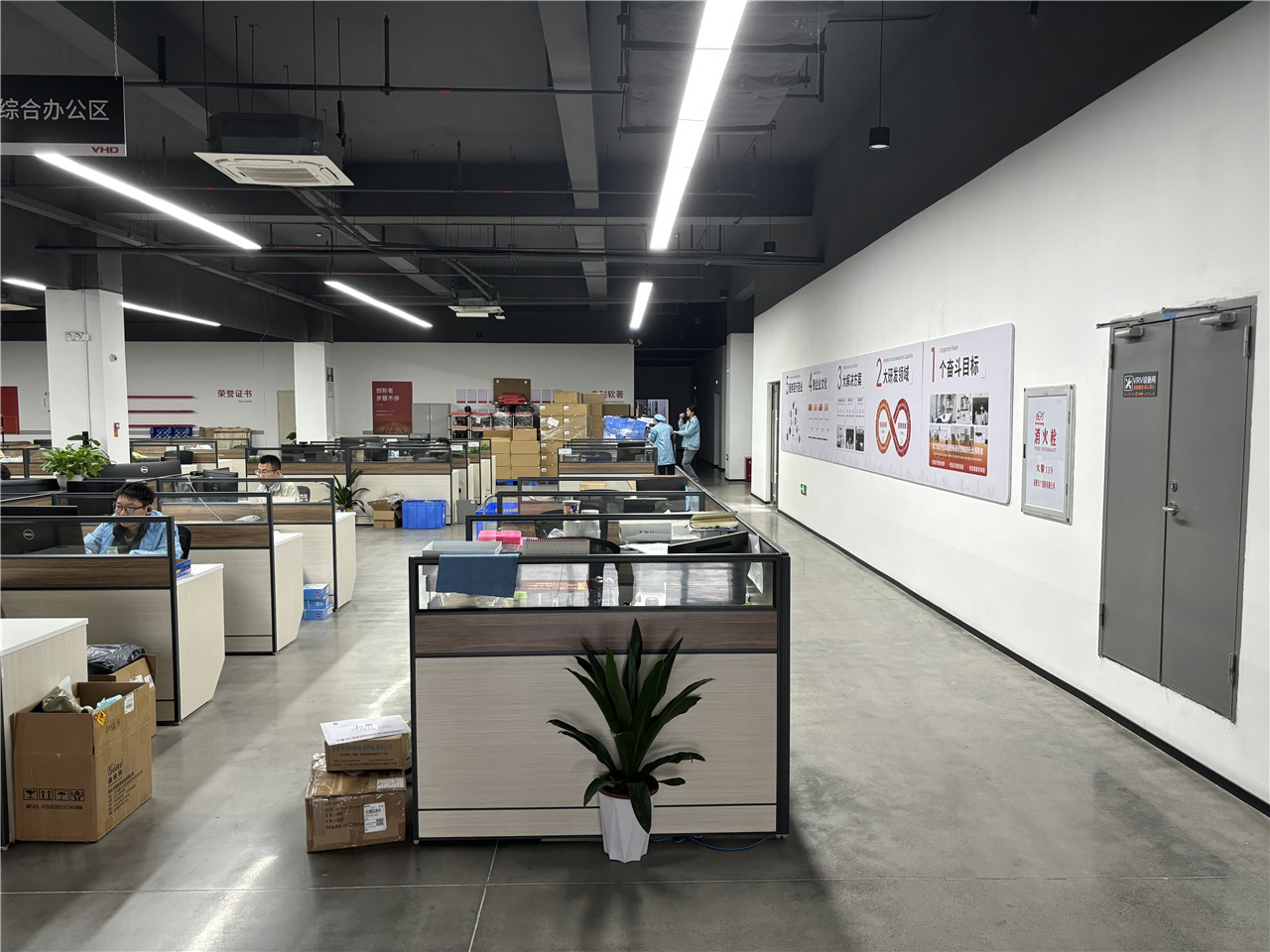
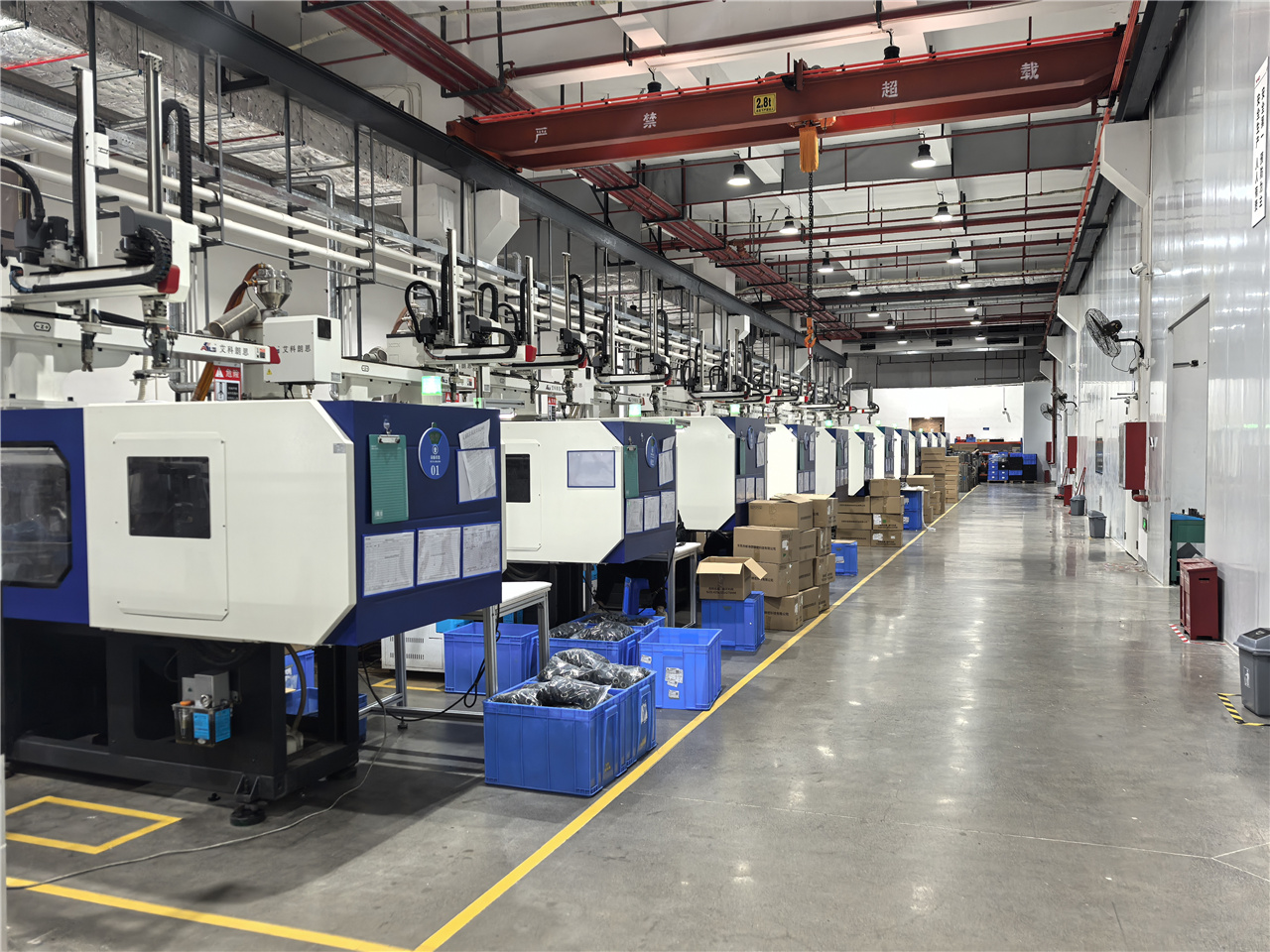
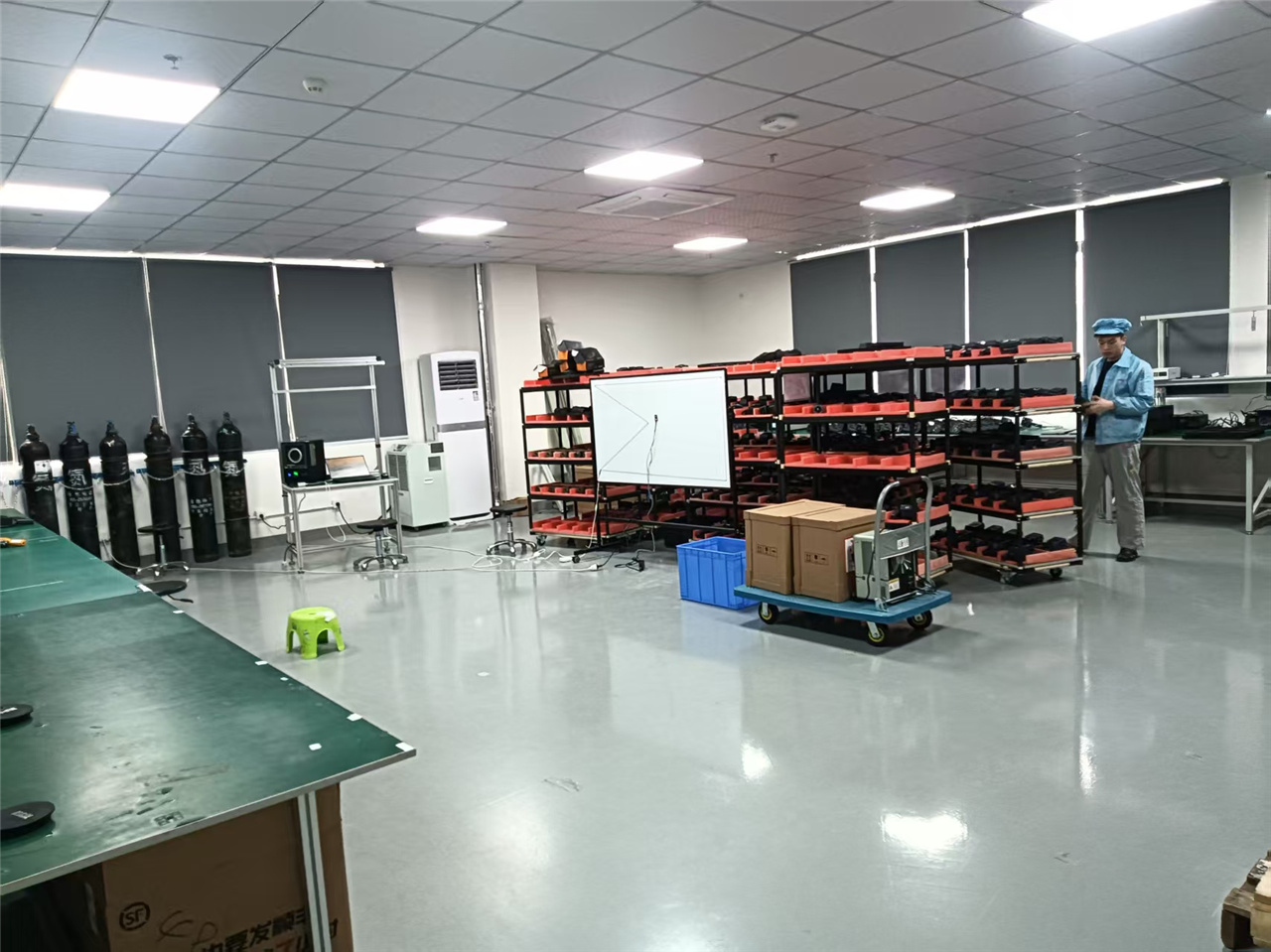
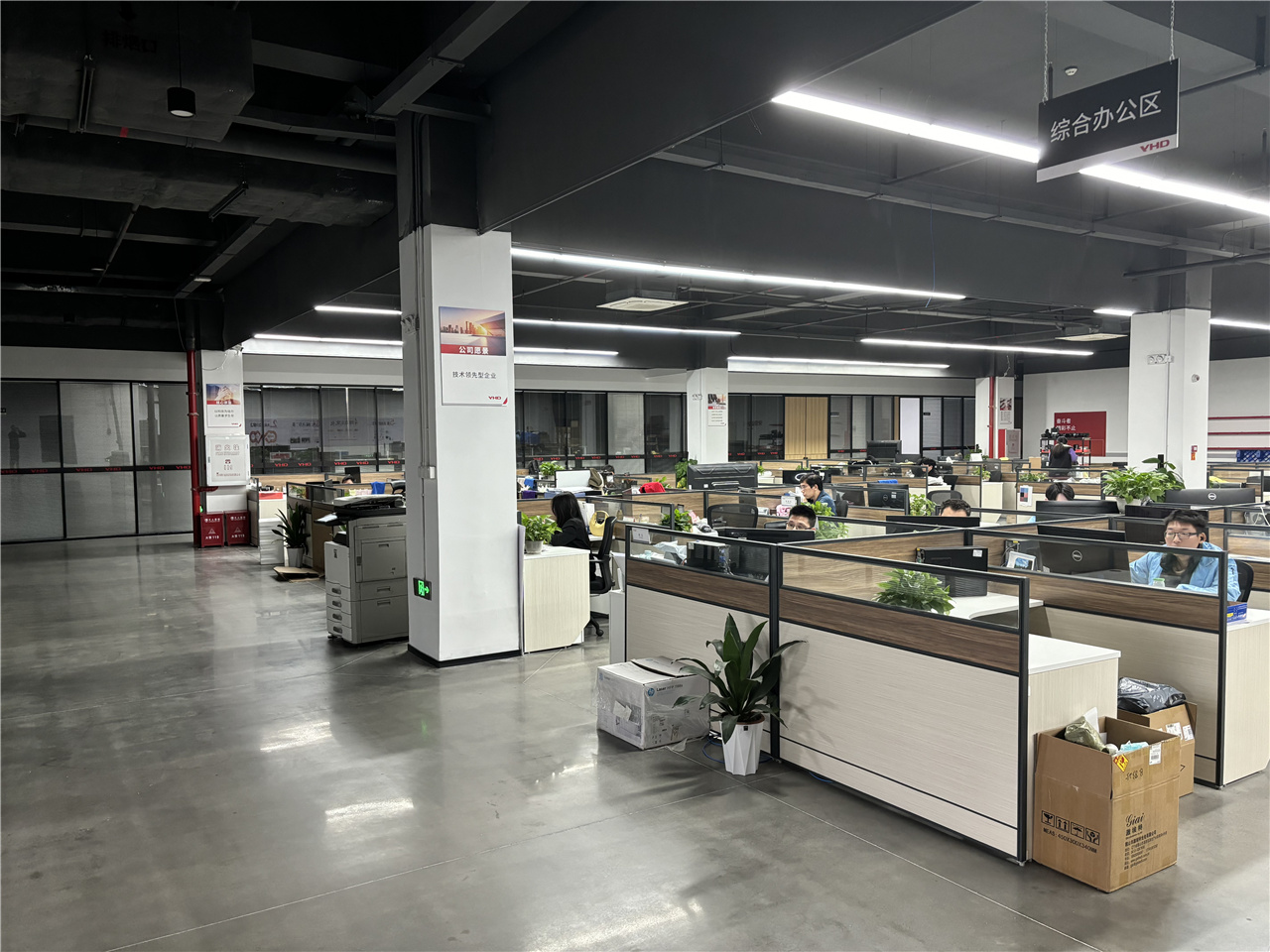
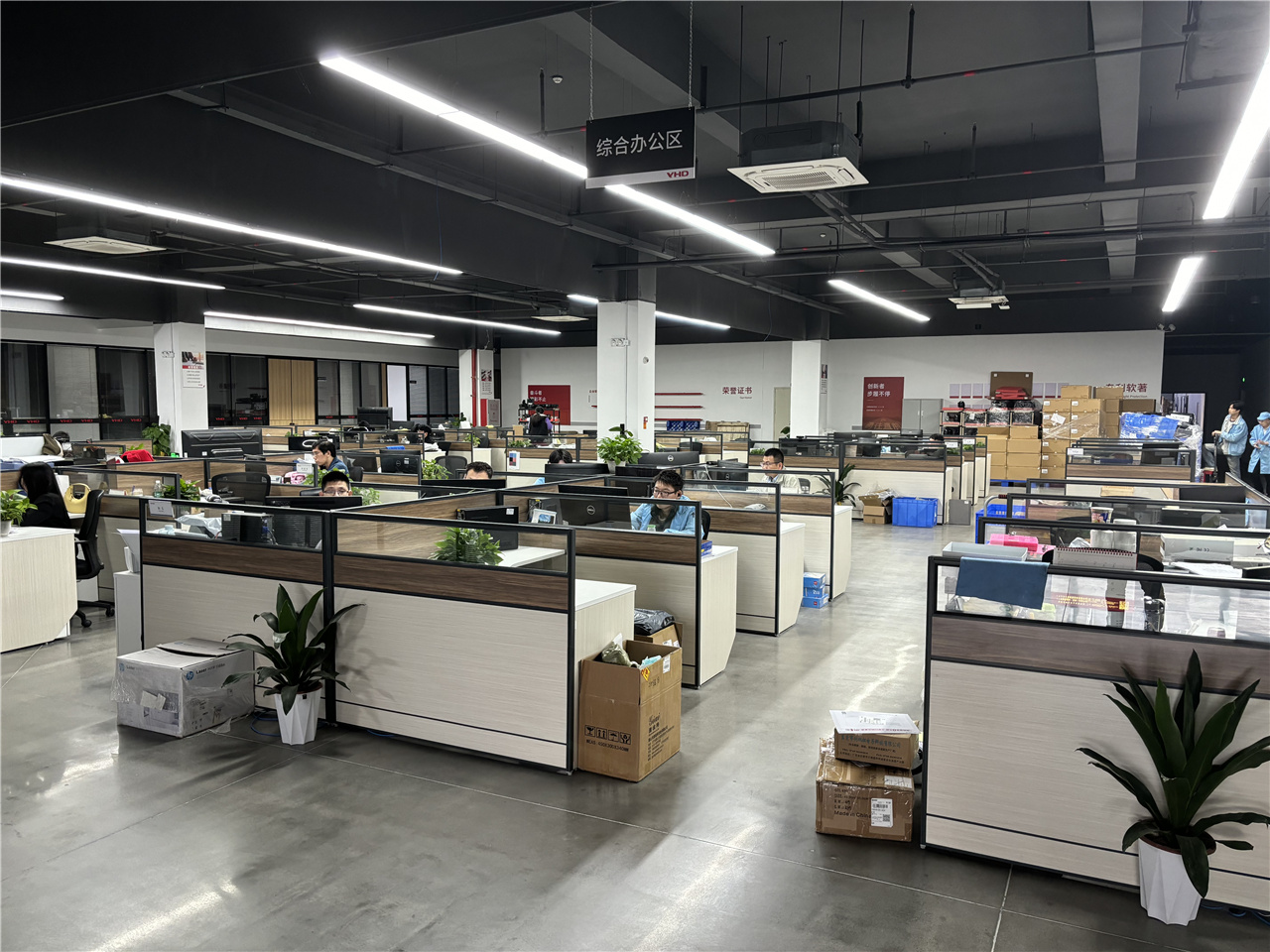
Shenzhen Dianyang Technology Co., Ltd. is a specialized subsidiary of VHD (Shenzhen VHD Technology Co., Ltd.), a publicly listed enterprise on the Shenzhen Stock Exchange. This strategic affiliation grants Dianyang direct access to VHD’s state-of-the-art optical R&D platforms, ultra-clean assembly cleanrooms, automated SMT lines, and rigorous enterprise quality management systems.
Compared to standard ODM vendors, Dianyang leverages world-class manufacturing scale to deliver thermal imagers of exceptional consistency, long-term stability, and stringent optical calibration. We specialize in end-to-end ODM/OEM services including custom PCB layouts, sensor engine integration, firmware engineering, and ergonomic industrial design.
Our dedicated engineering team applies Design for Manufacturing (DFM), Design for Testability (DFT), complex thermal dissipation simulation, and EMC pre-compliance analysis to optimize hardware performance and accelerate time-to-market. We seamlessly support global enterprise clients in acquiring mandatory international certifications, including CE, FCC, RoHS, REACH, CB, UKCA, KC, and PSE.
Transitioning standard metal and ceramic detector packaging to WLP, radically reducing module size, weight, power consumption (SWaP), and bill-of-materials cost for OEM integration.
Embedding neural network vision models directly into camera DSP hardware to provide real-time target recognition, auto-categorization of electrical faults, and automatic report generation.
Harmonizing long-wave infrared sensors with optical gas imaging (OGI) filtered sensors, allowing simultaneous thermographic inspection and fugitive hydrocarbon/gas leak detection.
Establishing IoT-enabled thermal sensor grids connected to enterprise cloud backends for automated continuous monitoring of power grids and critical industrial machinery.
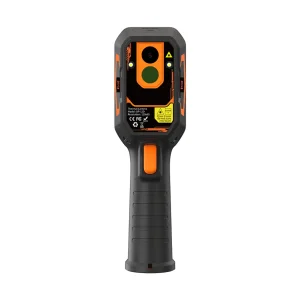
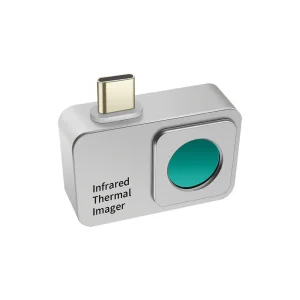
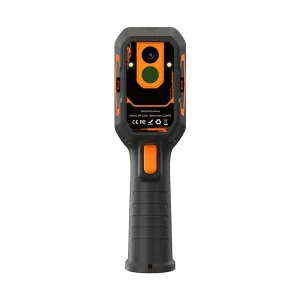
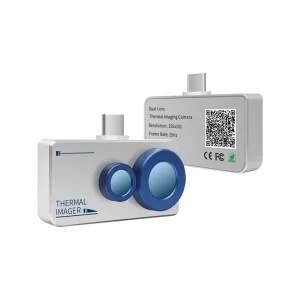
From ergonomic handheld inspection shells with IP65/IP67 ingress protection and 2-meter drop resistance to ultra-compact mobile accessories and lightweight UAV drone payloads.
Customization of Germanium (Ge) single-foil or multi-element lenses, offering manual or auto-focus, variable fields of view (FOV), and wide radiometric temperature calibration spans.
Complete mobile software white-labeling (iOS/Android), desktop analysis software, cross-platform SDKs (C++, Python, Java), custom color palettes, and real-time radiometric raw data streaming.
Navigating international market clearance requires strict adherence to regional safety, electromagnetic, and environmental directives. As a listed-backed exporter, Shenzhen Dianyang ensures all exported ODM thermal devices undergo rigorous pre-compliance evaluations:
Furthermore, our global logistics infrastructure provides robust warranty support, technical RMA servicing, firmware remote updating, and dedicated engineering consultation across North America, Europe, Asia-Pacific, and Latin America.
Vanadium Oxide (VOx) microbolometers generally exhibit a lower Temperature Coefficient of Resistance (TCR) noise floor and superior thermal stability compared to Amorphous Silicon (a-Si). This yields enhanced Noise Equivalent Temperature Difference (NETD < 40mK), providing sharper image contrast, cleaner thermal edges, and superior low-contrast thermal anomaly detection in industrial diagnostics.
Every camera unit undergoes multi-point automated blackbody calibration across ambient temperature spectrums during manufacturing. Internal compensation algorithms dynamically adjust for lens temperature variations, ambient humidity, distance coefficients, and target emissivity settings to maintain precise temperature readings.
Yes. We supply robust Software Development Kits (SDKs) and Application Programming Interfaces (APIs) supporting Windows C#, C++, Android Java, and iOS Swift. Developers can extract raw temperature arrays (16-bit radiometric data) or live visual streams directly into their own specialized predictive maintenance software.
Standard OEM logo branding and customized software packaging feature low MOQs starting at 100 units with a 2-to-3-week lead time. Full-custom ODM projects involving new housing molds, custom optical assemblies, or specialized PCB engineering typically require 8 to 12 weeks from initial concept freeze to pilot mass production.
Dual-Light Fusion overlays sharp visible-spectrum geometric contours onto the thermal infrared image. This allows inspectors to immediately read serial labels, identify component boundaries, and locate exact heating spots without losing critical thermal context.
 Dianyang