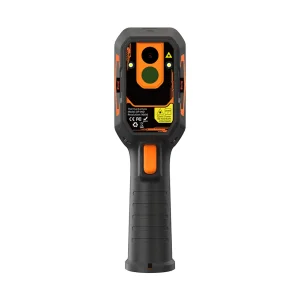
Explore our flagship handheld thermal imagers, dual-spectrum surveillance engines, and mobile infrared attachments engineered for critical applications.
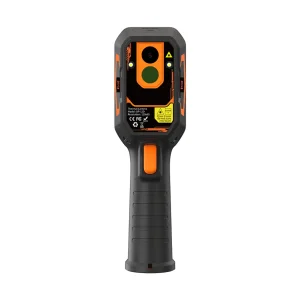
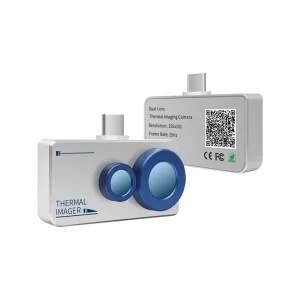
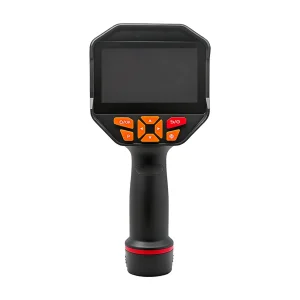
In the modern security landscape, traditional optical surveillance systems suffer from inherent limitations. Adverse environmental conditions such as absolute darkness, dense fog, atmospheric haze, heavy smoke, and blinding glare severely impair visual spectrum cameras. Thermal vision security camera systems represent a critical technological breakthrough, shifting the paradigm from passive optical recording to proactive, heat-signature-based perimeter threat detection and thermographic analysis.
Operating primarily within the Long-Wave Infrared (LWIR) spectrum (8μm to 14μm), uncooled microbolometer sensor arrays detect invisible infrared radiation naturally emitted by all objects above absolute zero. Because thermal imaging relies entirely on radiated thermal energy rather than reflected visible light, these systems provide 24/7 unhindered surveillance capabilities regardless of lighting conditions, solar blindness, or weather suppression.
Key Takeaway for B2B Procurement Directors: Integrating thermal imaging with modern Deep Learning Edge AI reduces false alarm rates by up to 95% compared to conventional motion-detection optical security systems, making thermal security cameras the gold standard for high-security critical infrastructure protection.
When evaluating quotes and suppliers for thermal vision cameras, industrial security buyers require precise technical metrics rather than vague marketing claims. Value-added thermal camera selection involves analyzing key engineering parameters including Noise Equivalent Temperature Difference (NETD), Focal Plane Array (FPA) resolution, field of view (FOV) optics, thermal contrast optimization algorithms, and dual-spectrum fusion protocols.
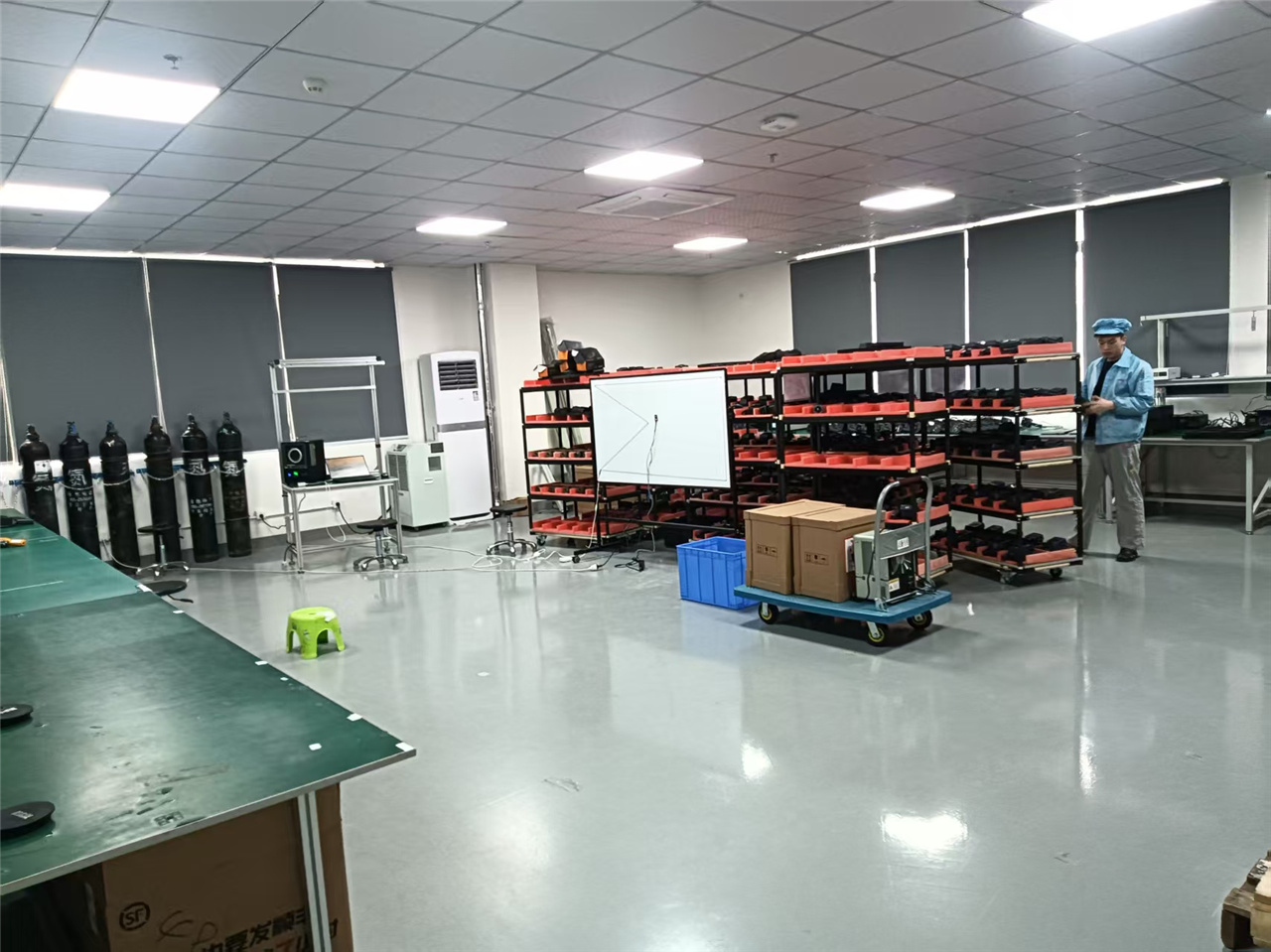
Leveraging deep industrial cluster integration, automated OEM/ODM engineering, and capital alignment with publicly listed tech enterprises.
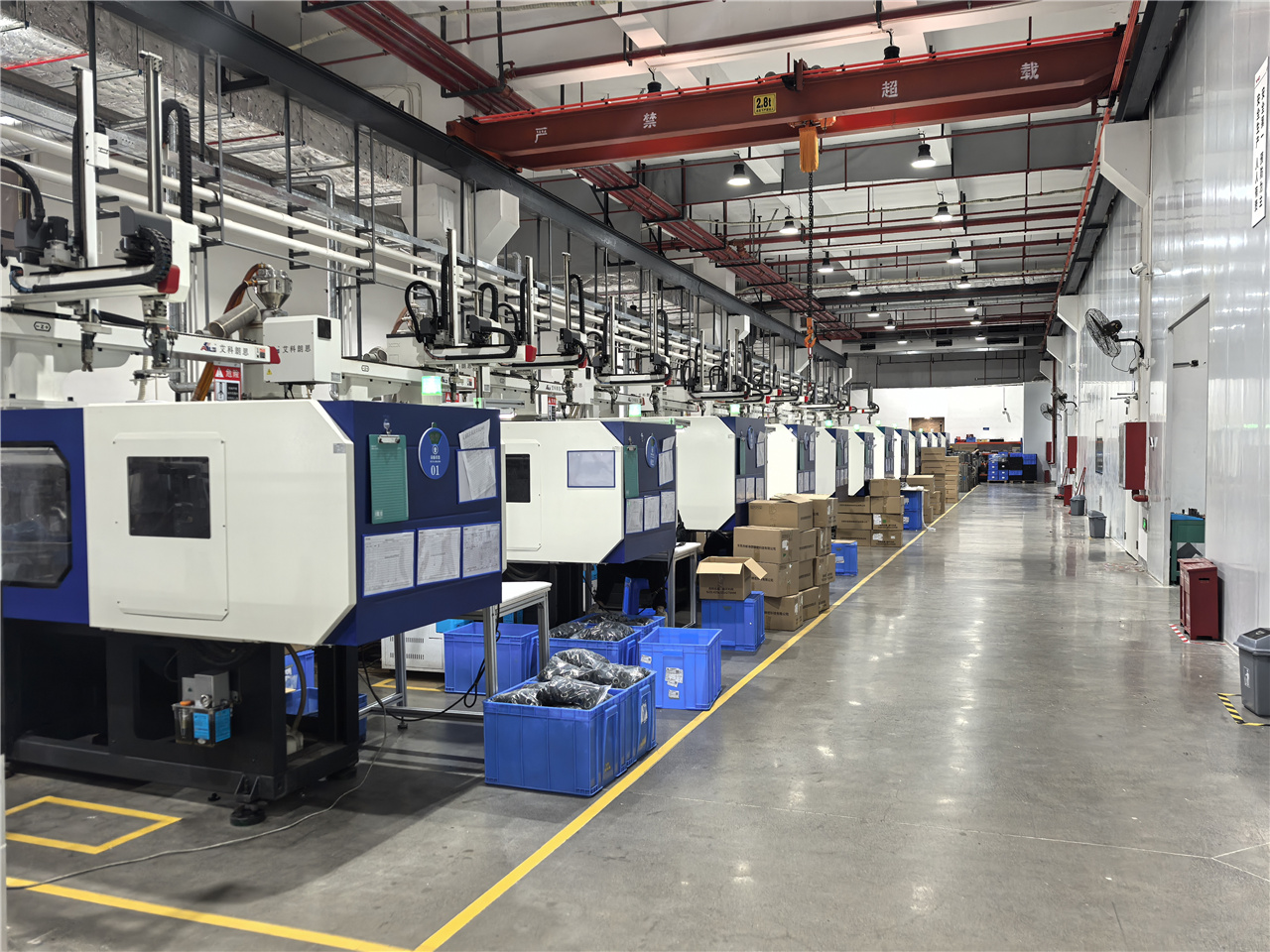
From raw germanium lens polishing and microbolometer packaging to SMT PCB surface mounting and custom housing mold fabrication, Shenzhen offers an uninterrupted supply chain that reduces NPI (New Product Introduction) cycles by over 60%.
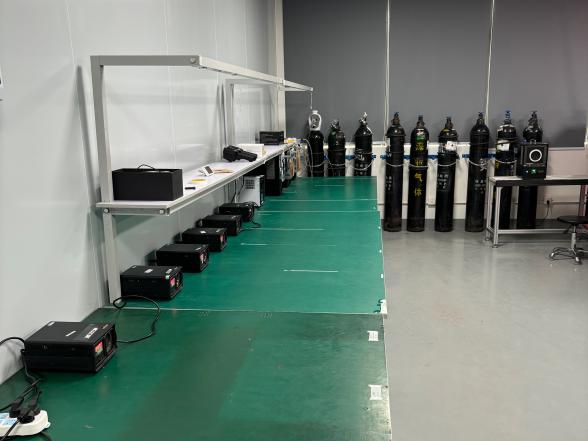
Every camera engineering design undergoes strict Design for Manufacturing (DFM) and Design for Testability (DFT) validation, backed by automated optical calibration, environmental chamber stress testing, and EMC pre-compliance verification.
Mass procurement of uncooled VOx sensors coupled with high-volume automated production lines enables China manufacturers to offer competitive quotes while maintaining uncompromised product reliability and zero-defect quality control.
Comparing infrared resolution tiers to assist system integrators in selecting the exact specification for target detection distances and thermal sensitivity requirements.
| Resolution Spec | Sensor Matrix | Thermal Sensitivity (NETD) | Optimal Detection Range | Primary Industrial Target Application |
|---|---|---|---|---|
| Entry / Portable | 120×90 / 160×120 | <50mK @ 25°C | 10m – 50m | HVAC Diagnostics, Smartphone Attachments, Electrical Panels |
| Mid-Tier Professional | 256×192 / 384×288 | <40mK @ 25°C | 50m – 300m | Substation Inspection, Building Diagnostics, Commercial Security |
| High-Resolution Flagship | 640×512 HD | <30mK @ 25°C | 300m – 1500m+ | Perimeter Security, Border Surveillance, Industrial Fire Prevention |
The industry is rapidly standardizing on dual-light (Bi-Spectrum) imaging. By combining a visible light sensor (e.g., 4K CMOS) with an uncooled thermal sensor into a unified optical module, intelligent algorithms perform pixel-level image fusion. Users gain the detail of high-definition optical imagery merged with the thermal heat mapping of infrared vision.
Concurrently, Edge-AI neural networks deployed directly onto thermal camera DSPs process real-time thermal arrays to execute precise object classification. This eliminates false alarms caused by moving foliage, wind, rain, or small animals while instantly alerting security teams to human intruders, vehicles, or anomalous temperature spikes exceeding pre-configured safety thresholds (-20°C to +550°C / up to 1200°C).
Delivering high-reliability thermal analytics across critical enterprise infrastructure and hazardous industrial environments.
Continuous automated temperature scanning of high-voltage transformers, switchgears, and transmission lines detects electrical resistance hot-spots before equipment failure or fire ignition occurs.
Zero-light intrusion detection for airport boundaries, military facilities, power plants, and seaport terminals, generating immediate alarms upon unauthorized boundary crossings.
Continuous monitoring of chemical storage tanks, coal yards, and hazardous waste facilities to identify spontaneous combustion risks before visible smoke or flames manifest.
Tailored infrared solutions with full SDK integration, modular optics customization, and turnkey international compliance certification.
Collaborative definition of sensor resolution, thermal sensitivity target (NETD), lens focal length, thermal color palettes (Rainbow, Ironbow, White Hot, Black Hot), and enclosure IP rating (IP66/IP67).
Custom PCB design, thermal radiator layout optimization, optical lens alignment, and firmware tailoring supporting ONVIF, RTSP, and custom REST API / SDK integration for iOS, Android, and Windows.
Full support for international regulatory certifications including CE, FCC, RoHS, REACH, CB, UKCA, KC, and PSE. ISO-compliant burn-in testing and blackbody calibration guarantee product longevity.
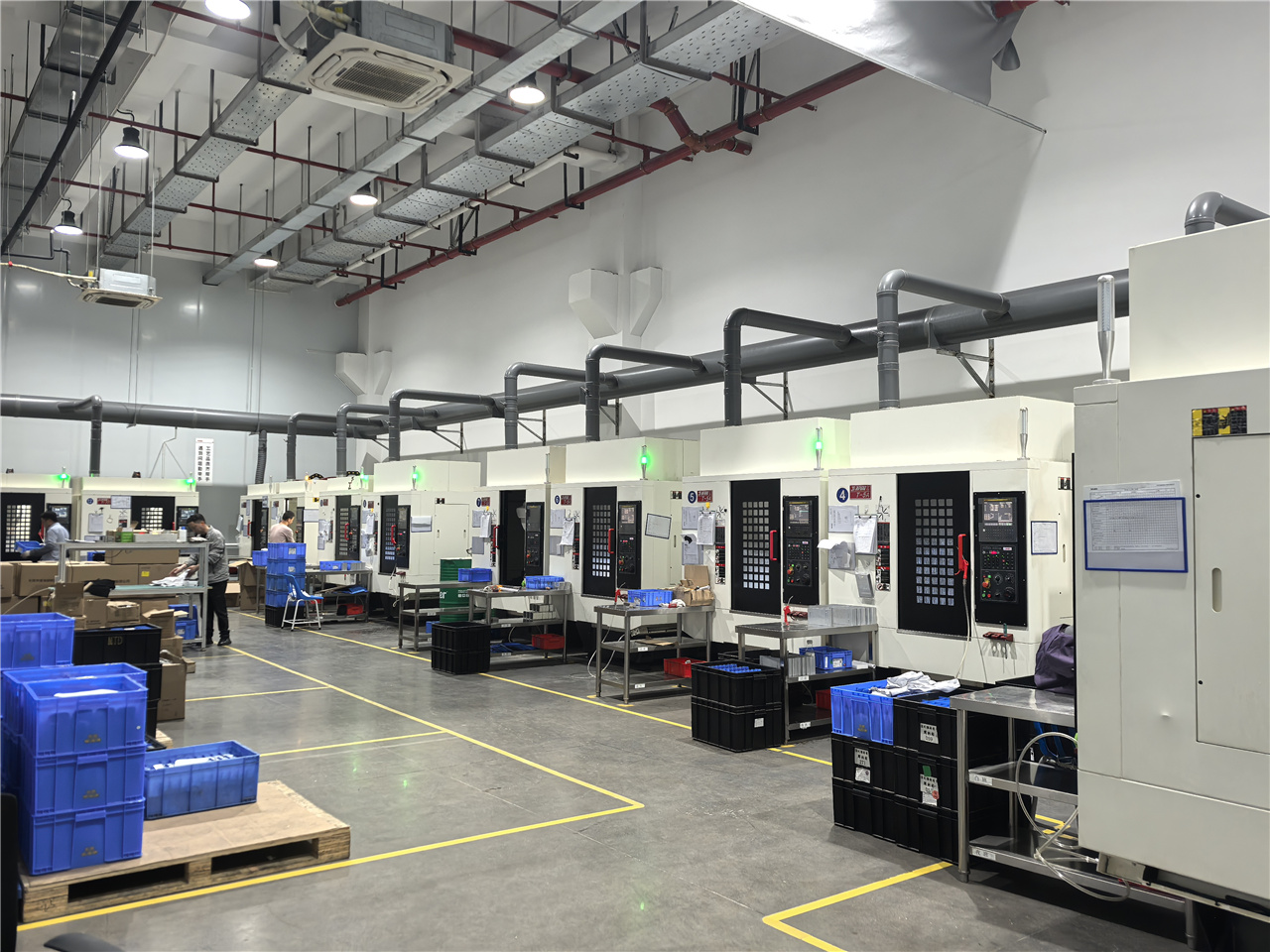
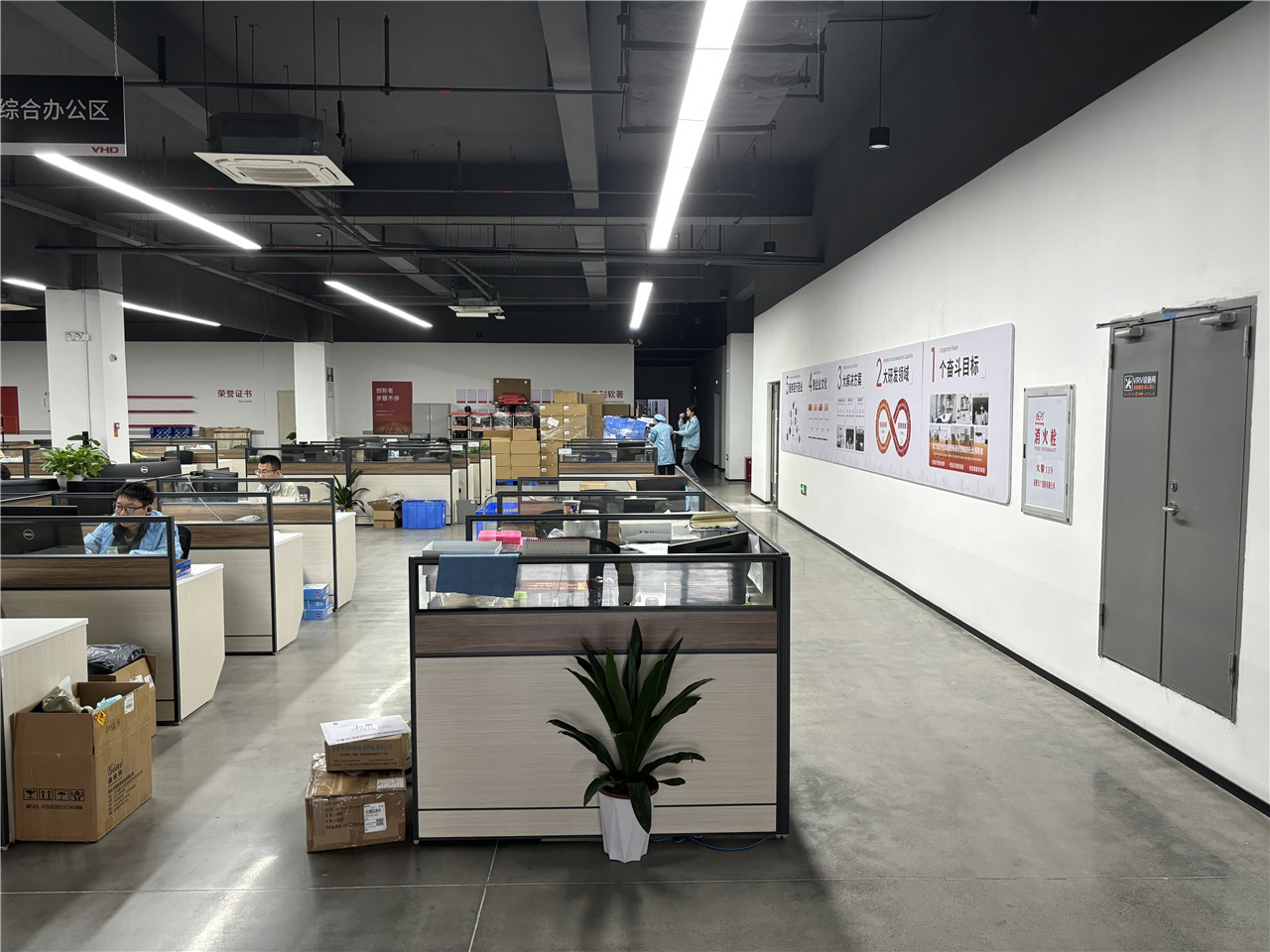
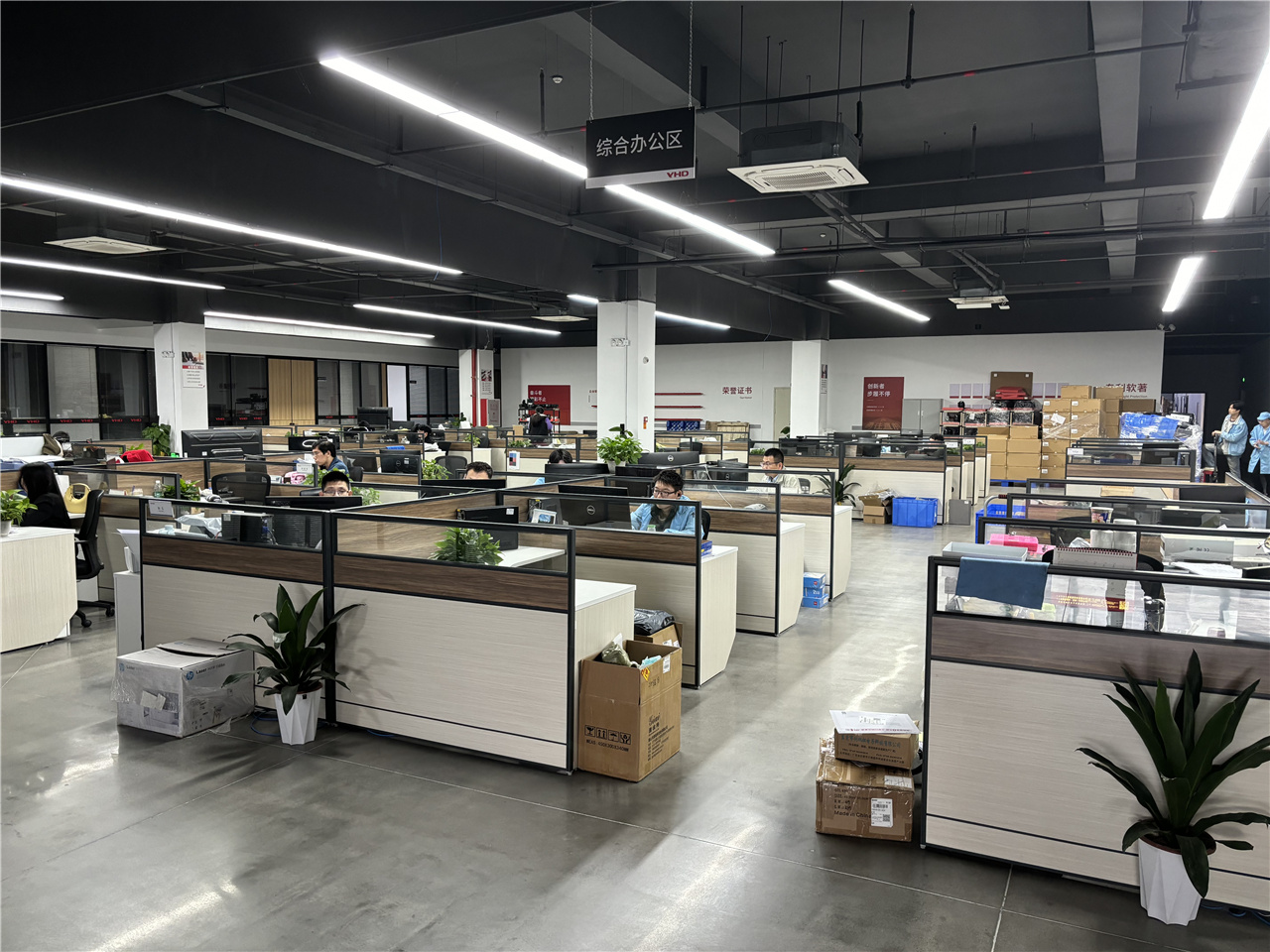
Shenzhen Dianyang Technology Co., Ltd. is a subsidiary of VHD (Shenzhen VHD Technology Co., Ltd.), a publicly listed company on the Shenzhen Stock Exchange. This strategic affiliation gives Dianyang unique access to VHD’s advanced R&D platforms, high-precision manufacturing systems, and rigorous quality management practices—enabling us to deliver thermal imaging products of higher reliability and consistency than typical ODMs.
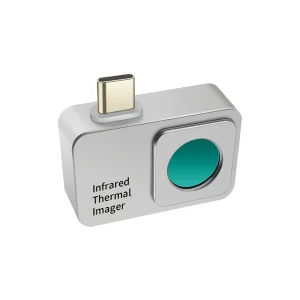
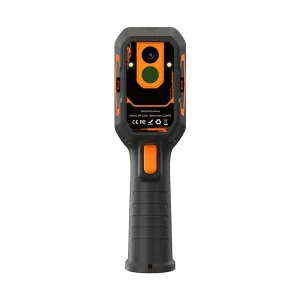
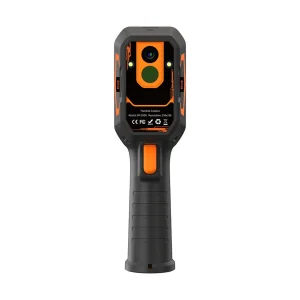
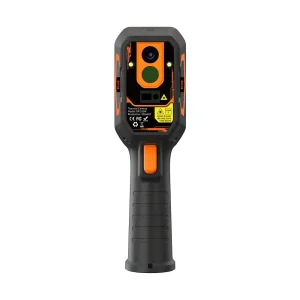
We specialize in ODM/OEM services for infrared thermal imaging solutions, including handheld thermal imagers, smartphone-connected thermal cameras, thermal analyzers, and thermal imaging telescopes. Our products serve global customers in power inspection, building diagnostics, firefighting, industrial maintenance, and outdoor applications.
Our dedicated engineering team applies Design for Manufacturing (DFM), Design for Testability (DFT), thermal simulation, and EMC pre-compliance analysis to optimize performance and accelerate development. We also support clients in obtaining key certifications such as CE, FCC, RoHS, REACH, CB, UKCA, KC, and PSE.

Address common technical, manufacturing, and commercial inquiries regarding thermal vision security systems.
Quotes for thermal vision cameras depend on uncooled microbolometer detector resolution (e.g., 120x90 vs 256x192 vs 640x512), thermal sensitivity (NETD rating), optical lens configuration (germanium lens focal length and aperture), dual-spectrum integration capabilities, embedded AI processing power, and customized protective IP housing ratings. Factory-direct procurement from manufacturers like Dianyang provides significant cost advantages by eliminating intermediary markup.
Vanadium Oxide (VOx) uncooled microbolometer sensors offer superior thermal stability, lower Noise Equivalent Temperature Difference (NETD < 35mK–40mK), smaller pixel pitch (down to 12μm), and extended operating lifespans compared to amorphous Silicon (a-Si) alternatives. This guarantees sharper thermal contrast, wider dynamic range, and accurate temperature measurement over long distances.
Yes. Dianyang provides comprehensive software development kits (SDKs) and APIs compatible with major Video Management Systems (VMS) via standardized ONVIF and RTSP protocols. We also supply native mobile SDKs for Android and iOS for mobile-connected thermal imagers, enabling seamless third-party software integration.
Our entire thermal imaging product catalog complies with international market access requirements. Products carry CE, FCC, RoHS, REACH, CB, UKCA, KC, and PSE certifications, ensuring hassle-free clearance and deployment across North America, Europe, East Asia, and global markets.
Select from our comprehensive lineup of OEM/ODM thermal inspection cameras and mobile thermographic tools.
 Dianyang