Explore our flagship high-precision thermal imagers, dual-spectrum network modules, and mobile infrared attachments engineered for critical diagnostics and perimeter security.
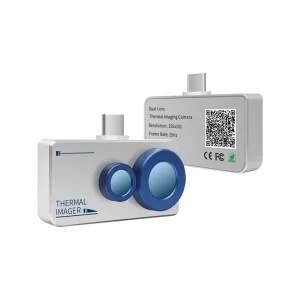
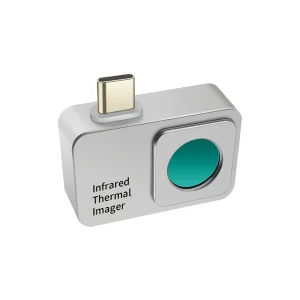
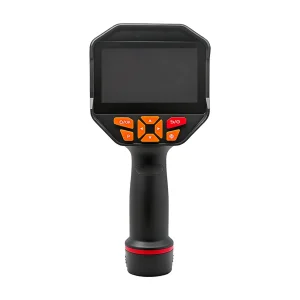
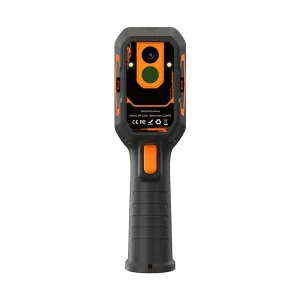
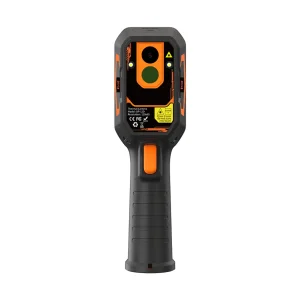
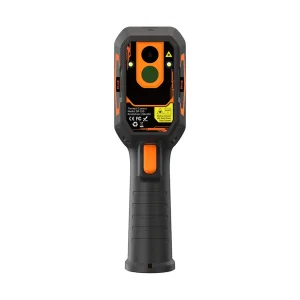
Analyzing the technological transition from conventional optical surveillance to radiometric thermal network ecosystems in smart infrastructure and modern industrial manufacturing.
In contemporary security architectures, industrial process automation, and critical infrastructure monitoring, standard optical video surveillance faces inherent physical limitations—including extreme weather conditions, zero-lux illumination environments, smoke, heavy fog, and optical camouflage. Thermal Imaging IP Cameras solve these obstacles by detecting long-wave infrared (LWIR) radiation emitted by all objects above absolute zero (0 Kelvin), transforming heat signatures into high-definition real-time spatial thermal maps.
Leading global engineering teams and OEM/ODM buyers now demand thermal IP cameras that serve dual functions: continuous 24/7 non-contact security monitoring and high-accuracy radiometric thermal diagnostics. Modern thermal IP network cameras leverage advanced Vanadium Oxide (VOx) uncooled microbolometers, offering pixel pitches down to 12µm and Noise Equivalent Temperature Difference (NETD) ratings under 30mK. This technical evolution ensures that early thermal anomalies—such as overheating electrical transformers, friction wear in heavy mechanical drive units, or structural insulation failures—are identified long before physical damage, fire outbreaks, or system downtime occur.
Backed by publicly listed technology leaders, Shenzhen Dianyang Technology Co., Ltd. sets global standards for precision infrared innovation and custom hardware engineering.
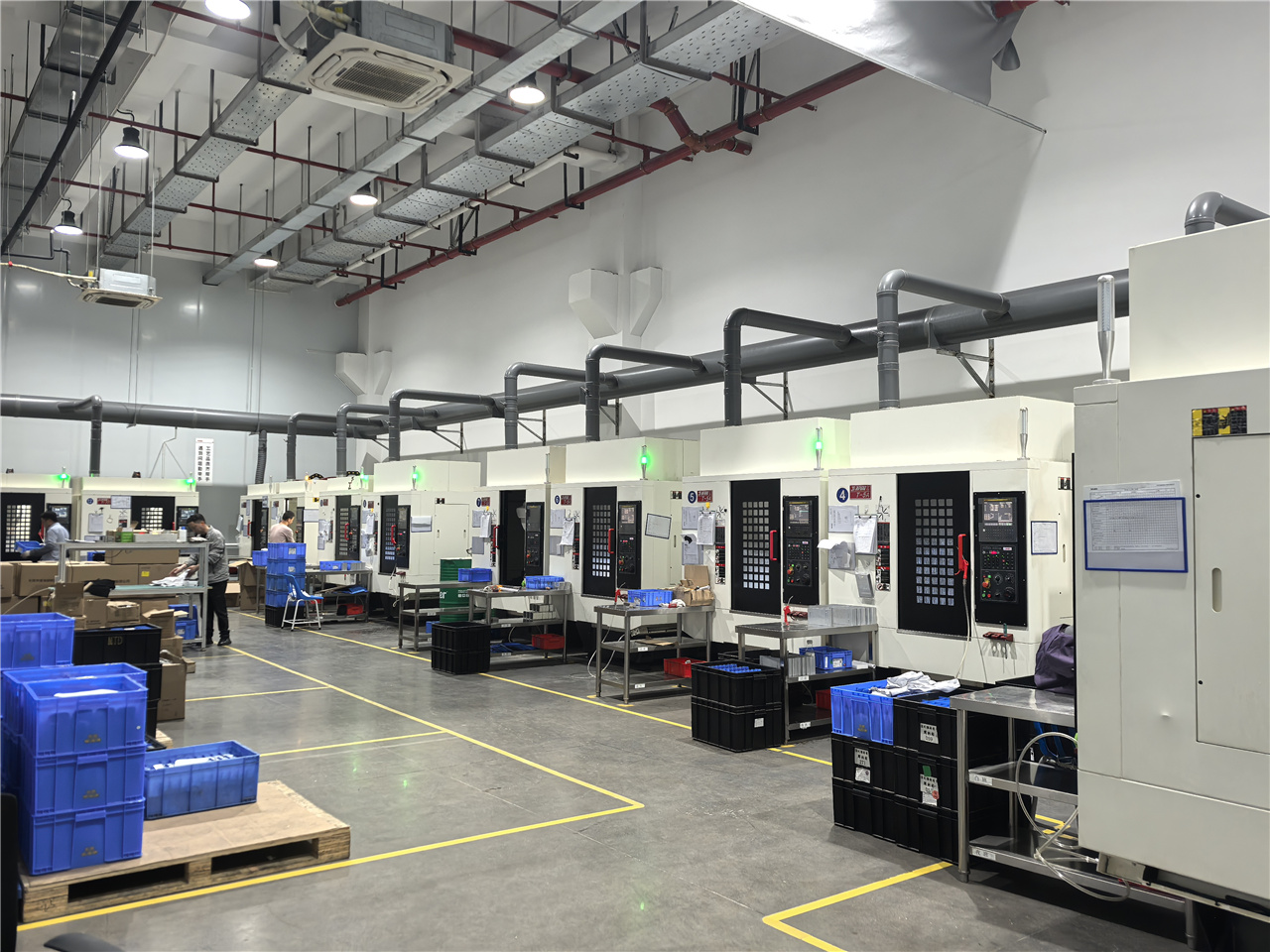
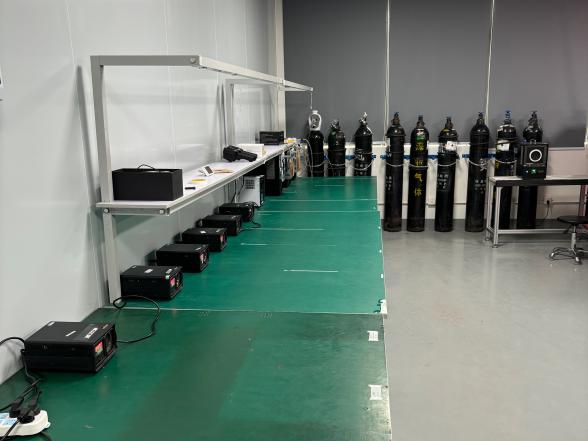
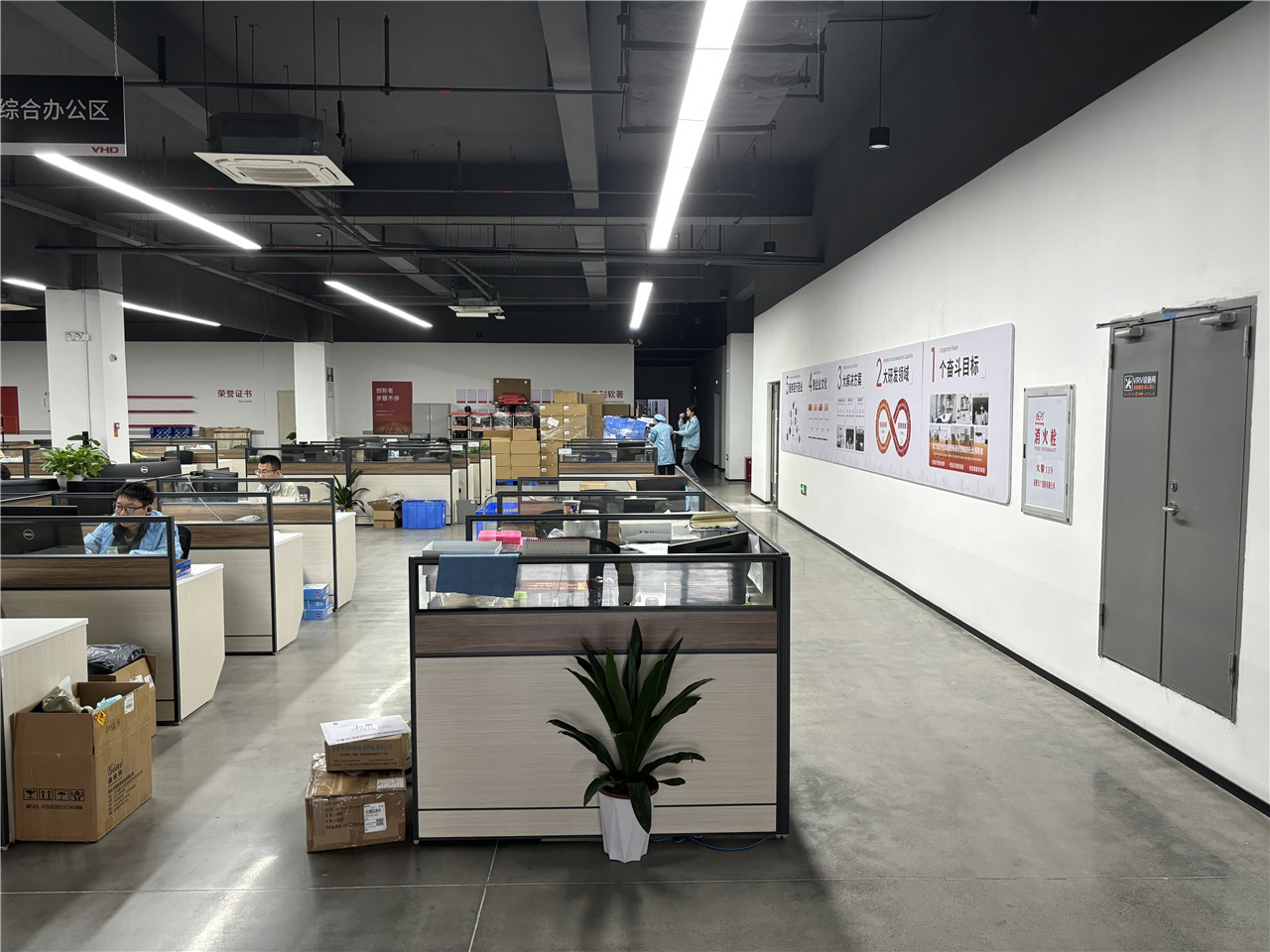
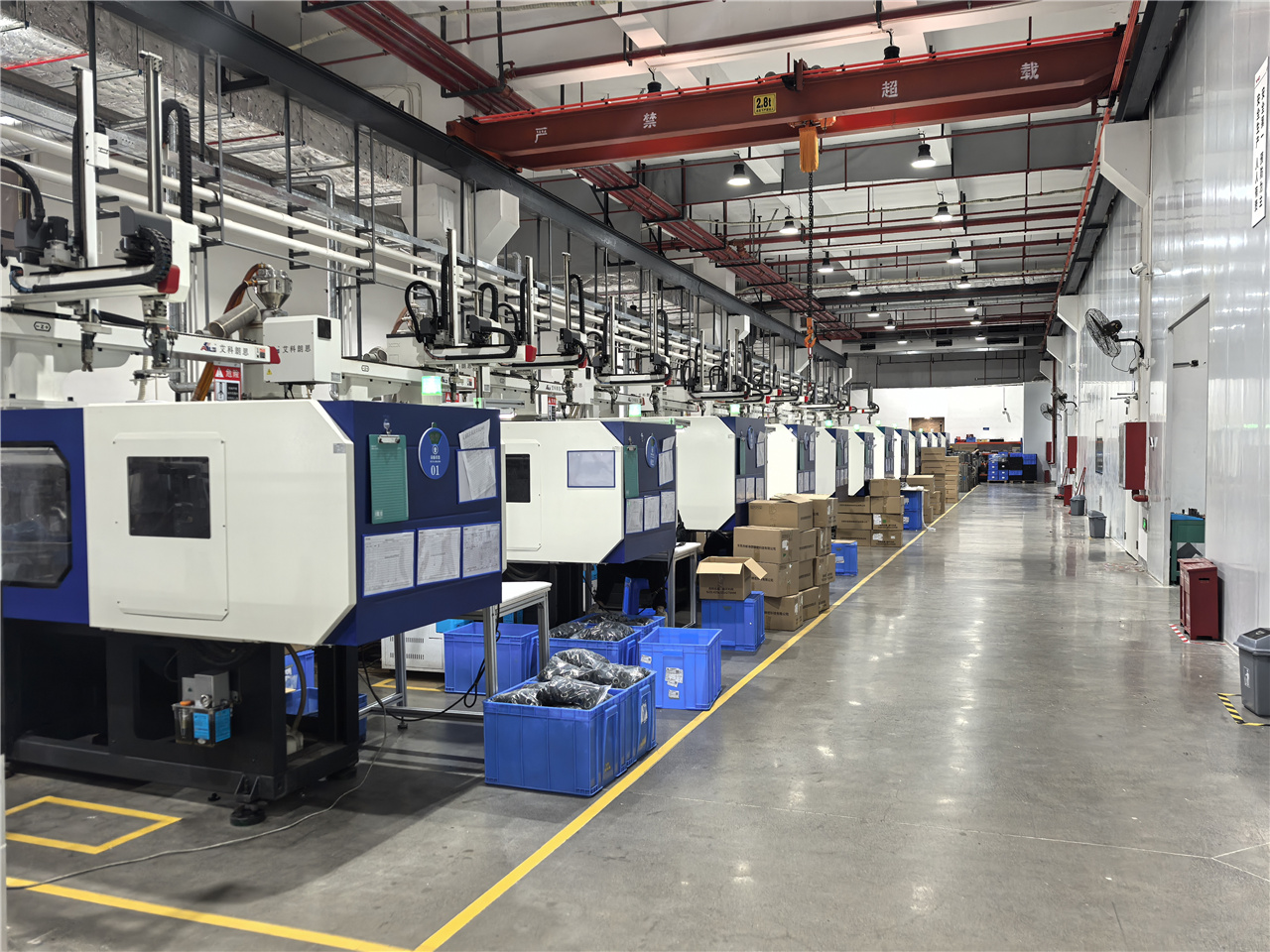
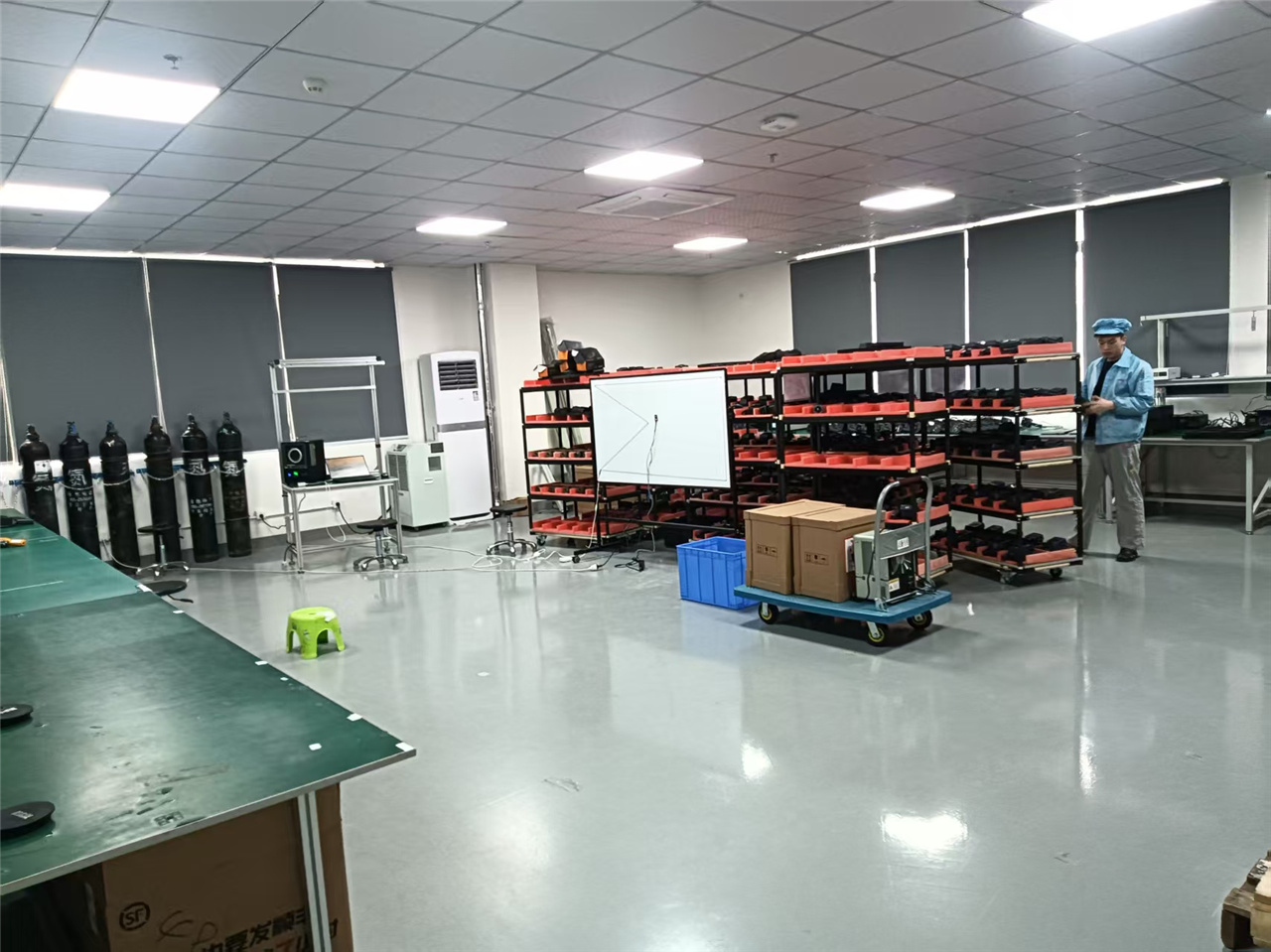
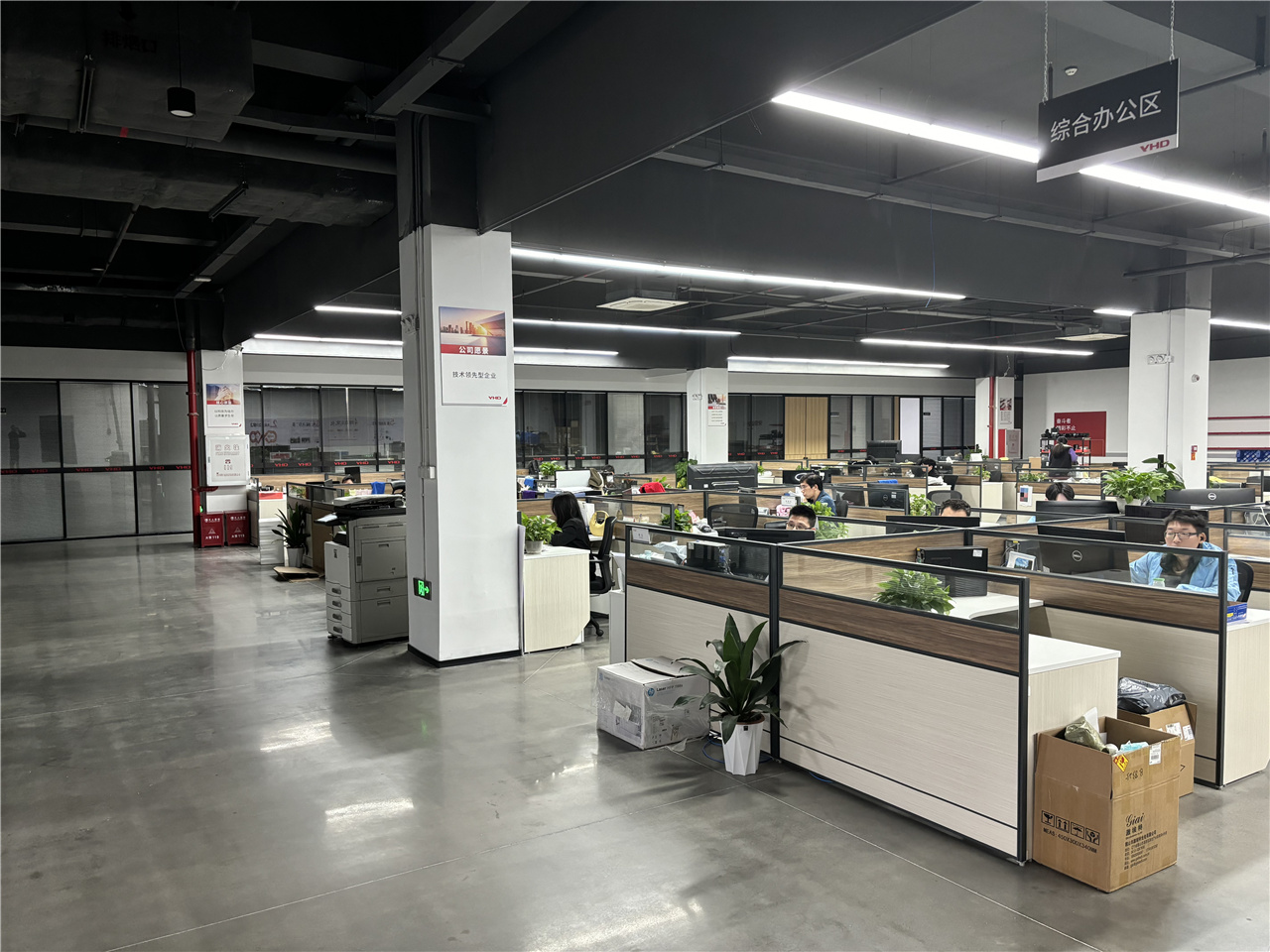
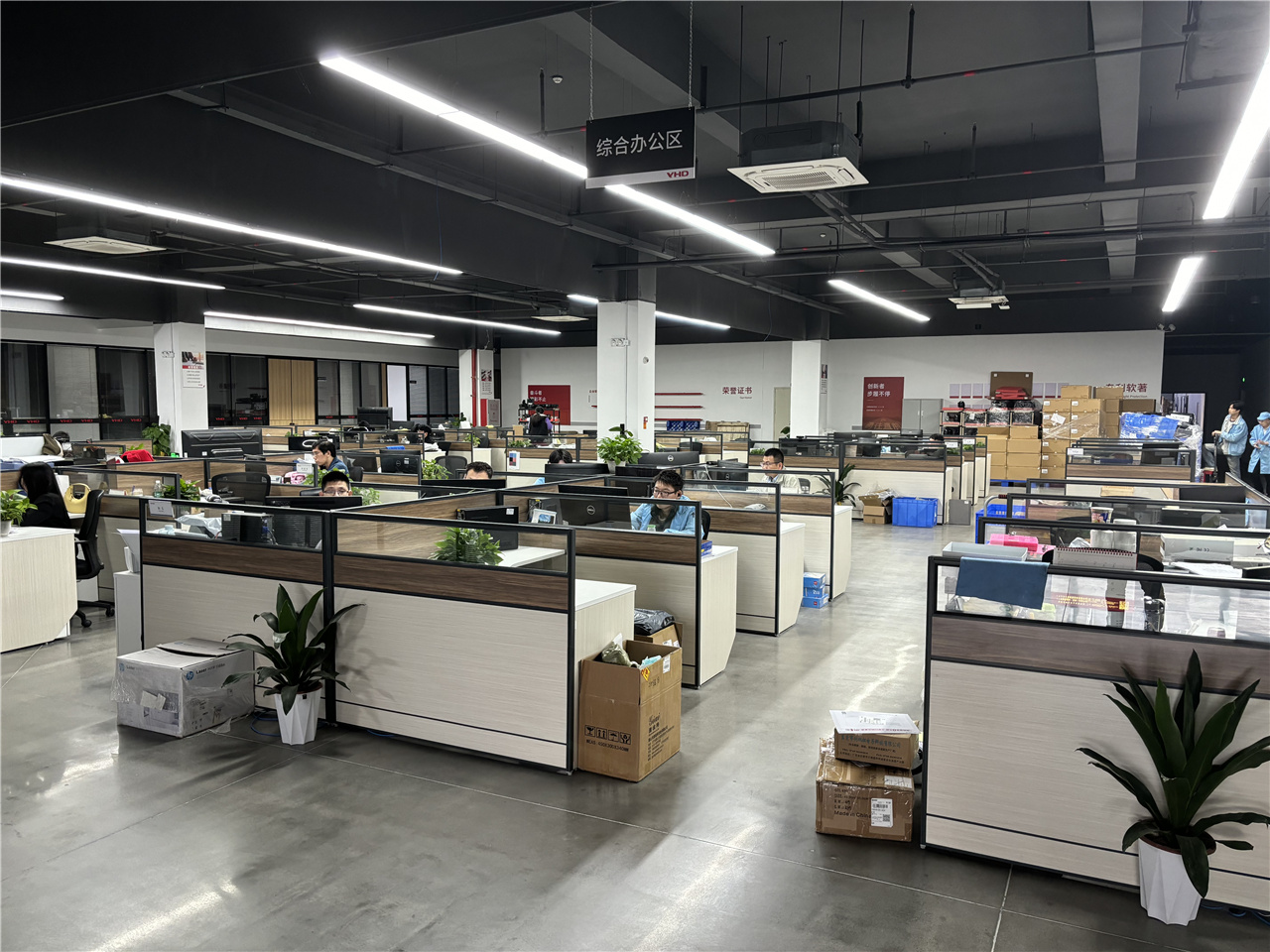
Shenzhen Dianyang Technology Co., Ltd. is a specialized subsidiary of VHD (Shenzhen VHD Technology Co., Ltd.), a publicly listed enterprise on the Shenzhen Stock Exchange. This strategic corporate affiliation grants Dianyang direct access to VHD’s state-of-the-art multi-million-dollar R&D platforms, ultra-clean assembly environments, high-precision surface mount technology (SMT) lines, and automated optical calibration chambers.
Unlike standard unverified original design manufacturers (ODMs), Dianyang operates under stringent automotive- and industrial-grade quality control systems. Our core competency lies in delivering high-volume, enterprise-grade OEM/ODM services across a broad spectrum of infrared thermal imaging products. Our portfolio spans handheld thermal imagers, smartphone-connected thermal cameras, online thermal network analyzers, and high-performance thermal imaging telescopes.
Our engineered systems empower international clientele across utility power inspection, building physics diagnostics, municipal firefighting, preventative industrial maintenance, automated PCB analysis, and outdoor thermal observation.
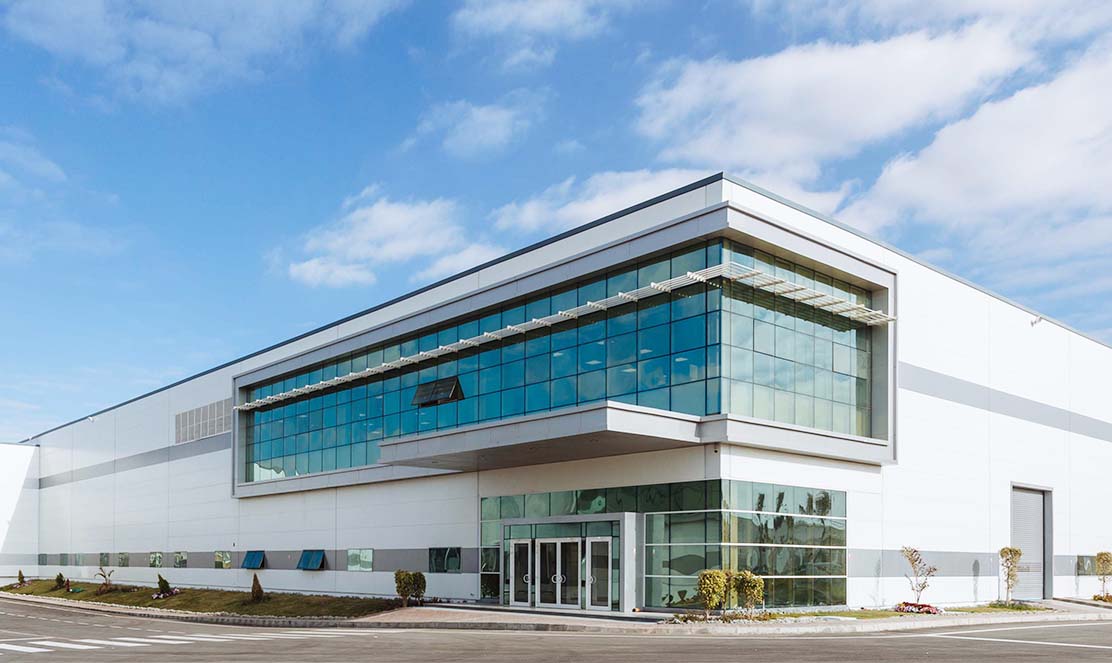
Shenzhen Dianyang Technology Co., Ltd. Headquarters & Advanced R&D Hub
Our dedicated engineering group integrates comprehensive thermal design methodologies long before hardware prototypes reach the assembly line. Utilizing advanced multi-physics simulation software, our development pipeline incorporates:
Optimizes optical, housing, and electronic component layouts to eliminate assembly bottlenecks, ensuring high yield rates during mass production.
Embeds hardware test points and automated calibration routines directly onto micro-PCBs for precise radiometric verification.
Simulates heat dissipation patterns to keep microbolometers thermally stable while completing pre-compliance electromagnetic testing.
A rigorous breakdown of hardware components, sensor resolutions, optical choices, and software integration options for enterprise procurement directors.
| Performance Parameter | Standard Entry-Level Specifications | Industrial Grade / Mid-Range | Enterprise Flagship / High-Precision |
|---|---|---|---|
| Microbolometer Detector | Uncooled VOx / 96×96 or 120×90 pixels | Uncooled VOx / 256×192 pixels | Uncooled VOx / 384×288 or 640×512 pixels |
| Pixel Pitch | 17 µm | 12 µm | 12 µm high-density focal plane array |
| Thermal Sensitivity (NETD) | < 50 mK @ f/1.0 | < 40 mK @ f/1.0 | < 30 mK ultra-sensitive detector |
| Spectral Response Range | 8 µm – 14 µm (LWIR) | 8 µm – 14 µm (LWIR) | 8 µm – 14 µm optimized LWIR optics |
| Temperature Calibration Range | -20°C to +150°C | -20°C to +550°C | -20°C to +1200°C (High-Temp OEM Module) |
| Measurement Accuracy | ±3°C or ±3% of reading | ±2°C or ±2% of reading | ±1.5°C precise radiometric output |
| Network Protocols & API | RTSP, HTTP, ONVIF Profile S | ONVIF Profile S/G/T, SDK Available | Full Radiometric SDK, MQTT, ONVIF Profile T, Restful API |
Enterprise thermal IP cameras combine an optical visible-light camera sensor (up to 4K resolution) alongside the LWIR microbolometer. Through proprietary spatial alignment algorithms, pixel-level bi-spectrum image fusion merges optical details onto the thermal heat map. This allows system operators to immediately identify equipment labels and visual structures without sacrificing accurate thermal reading data.
Unlike analog thermal cameras, advanced network cameras transmit full radiometric raw matrix data embedded within every video frame. Built-in neural processing units (NPUs) run edge AI computer vision models directly on the camera hardware. Features include automated human/vehicle target classification, flame and spark detection, hot-spot tracking, and multi-zone temperature rule enforcement.
Because standard optical glass blocks long-wave infrared signals, thermal IP cameras utilize precision-ground high-purity Germanium (Ge) lenses. Housed within IP67-rated weather-proof and IK10 vandal-proof enclosures, our camera systems withstand extreme field environments ranging from arctic temperatures (-40°C) to intense desert heat (+70°C).
How global industries implement Dianyang’s OEM/ODM thermal IP camera systems and portable thermal diagnostics to mitigate operational risks.
Continuous monitoring of sub-station transformers, busbars, electrical disconnect switches, and capacitor banks. Thermal IP cameras automatically detect abnormal localized heating caused by contact resistance or dielectric breakdown, alerting engineers long before flashovers occur.
Perimeter protection across solar farms, airports, defense facilities, and maritime ports. Unaffected by complete darkness, glare, or adverse weather, thermal IP cameras identify human intrusions at distances exceeding 1.5 kilometers using integrated analytics.
Fixed-mount thermal network cameras and high-resolution handheld units (such as the DP-64D series) deliver real-time spatial heat mapping for active PCB testing, battery pack thermal management research, injection molding quality control, and metal forging.
Smartphone thermal attachments (such as the H2F6B and H2FB micro-modules) allow HVAC technicians and energy auditors to quickly pinpoint concealed insulation voids, moisture intrusion behind drywall, radiant floor heating clogs, and envelope air leakage.
Ensuring seamless market entry for international brands with comprehensive global certification standards and regional engineering support.
Navigating global regulatory landscapes is critical for B2B brands expanding their thermal surveillance portfolios. Shenzhen Dianyang Technology provides comprehensive compliance engineering, ensuring that all OEM/ODM thermal imaging IP camera hardware and handheld thermal imagers possess verified certification marks required for immediate distribution across major international markets.
Full compliance with Electromagnetic Compatibility (EMC Directive 2014/30/EU), Low Voltage Directive (LVD), and heavy metal environmental standard restrictions for seamless distribution across all EU member states.
FCC Part 15 Class A and Class B certified micro-electronics ensuring zero radio interference in commercial and industrial installations. Architectures engineered to support NDAA-compliant supply chain options.
Complete international certification packages including UKCA (United Kingdom), KC (South Korea), PSE (Japan), and IECEE CB Scheme reports for effortless local regulatory approval.
Pioneering advancements in wafer-level packaging, multispectral optical fusion, and cloud-native thermal analytics.
By transitioning microbolometer manufacturing to Wafer-Level Packaging (WLP), production costs are reduced while optical sensor dimensions shrink dramatically. This enables thermal IP cameras to be integrated into ultra-compact form factors, including security domes, body-worn cameras, and lightweight commercial drone payloads.
Next-generation thermal cores achieve thermal sensitivities under 20mK, capturing ultra-fine temperature variations that were previously invisible. Coupled with high-speed 60Hz/90Hz thermal sensor readouts, fast-moving thermal anomalies—such as high-speed automated machinery friction—can be diagnosed without motion blur.
Future thermal IP camera deployments will shift from reactive alerts to predictive machine learning maintenance models. By continuously uploading pixel-level radiometric trends to local edge servers or private clouds, AI algorithms predict exact mechanical failure timelines before physical breakdown occurs.
A structured, transparent engineering partnership model designed to turn custom hardware ideas into mass-manufactured thermal products.
Define thermal detector resolution (96x96 up to 640x512), field of view (FOV) optics, thermal sensitivity targets (NETD), and temperature measurement bands based on specific operational requirements.
Engineering teams perform DFM and DFT evaluations, execute thermal housing heat dissipation modeling, and design custom PCB layouts matching desired form factors (fixed dome, bullet, PTZ, handheld).
Develop tailored Linux-based IP camera firmware, customize web user interfaces, embed custom AI analytics algorithms, and integrate open RTSP/ONVIF Profile S/G/T protocol compliance.
Execute precise multi-point temperature calibration in blackbody radiation chambers, complete CE/FCC/RoHS compliance testing, and scale up automated SMT mass manufacturing.
Addressing core technical questions from B2B buyers, integration engineers, and security procurement specialists.
Standard optical IP cameras rely on visible light reflecting off objects to render images, rendering them ineffective in pitch darkness, fog, or smoke. Standard non-radiometric thermal cameras simply generate a visual heat map. In contrast, Radiometric Thermal IP Cameras measure the exact absolute temperature of every pixel across the image frame. This enables automated network alarms whenever specific temperature limits are exceeded, making them essential for predictive fire prevention and industrial monitoring.
NETD is the standard metric used to measure a thermal sensor’s signal-to-noise ratio and thermal sensitivity, expressed in millikelvins (mK). A lower NETD value (such as < 30mK vs < 50mK) signifies that the thermal camera can resolve minute temperature differences between adjacent objects. For industrial diagnostic applications and long-range perimeter detection during harsh weather, lower NETD values produce significantly clearer images with fewer noise artifacts.
Thermal microbolometers are naturally sensitive to ambient temperature shifts inside the camera housing. Dianyang mitigates this using multi-point temperature calibration algorithms executed within precision blackbody chambers during production. Furthermore, our hardware incorporates internal ambient temperature sensors and automated mechanical shutter refresh cycles (NUC - Non-Uniformity Correction) to eliminate thermal drift across ambient ranges from -20°C to +550°C (and up to 1200°C on high-temp models).
Yes. All Dianyang thermal IP network solutions support standard open protocols including ONVIF (Profile S, G, and T), RTSP streaming, HTTP, and MQTT. We also provide comprehensive C/C++ and Python SDKs alongside RESTful APIs, enabling seamless software integration into enterprise VMS platforms like Milestone, Genetec, Avigilon, or custom proprietary IoT cloud dashboards.
We offer full-stack OEM/ODM customization: from choosing thermal detector resolution (96x96, 120x90, 256x192, 384x288, 640x512) and optical focal lengths to custom PCB form factors, customized optical Germanium lenses, enclosure IP ratings, custom silk-screen branding, custom web UI styling, and specialized edge AI analytics algorithm development.
As a key subsidiary of publicly listed VHD (Shenzhen Stock Exchange), Dianyang operates under stringent corporate governance, high financial stability, and advanced manufacturing standards. Access to VHD’s massive R&D infrastructure allows us to invest heavily in Design for Manufacturing (DFM), Design for Testability (DFT), and automated test suites that far exceed the capabilities of unlisted ODM factories.
Select from our complete range of professional-grade handheld imagers, modular smartphone attachments, and high-resolution industrial inspection cameras.
 Dianyang