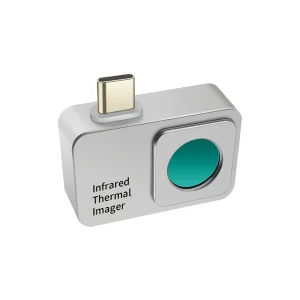
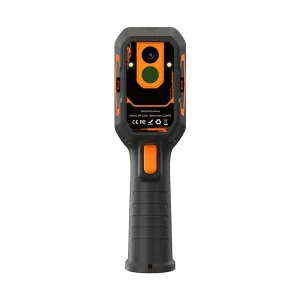
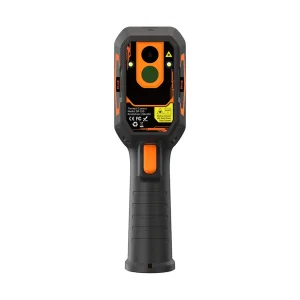
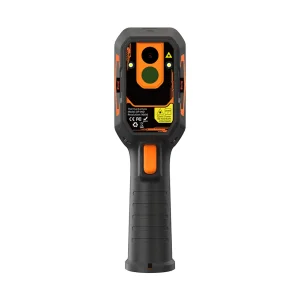
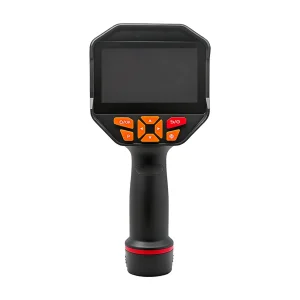
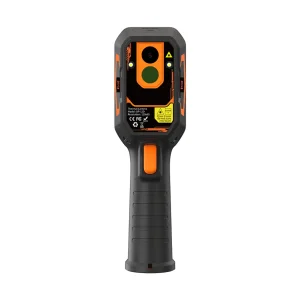
Explore our high-precision uncooled focal plane thermal cameras and radiometric analyzers engineered for proactive fire prevention, electrical predictive maintenance, and industrial monitoring.
Traditional fire detection architectures rely heavily on reactive sensors—such as optical smoke detectors, ionized particle sensors, and ambient linear heat detection cables. While effective for localized combustion, these systems share a fundamental vulnerability: they require physical contact with thermal convective plumes or smoke particles before an alarm is triggered. In large volumetric environments—such as high-ceiling logistics warehouses, chemical bulk storage yards, battery energy storage systems (BESS), and outdoor waste recycling plants—smoke dilution and thermal stratification often delay alarm activation until catastrophic combustion is already underway.
Modern industrial asset protection demands a paradigm shift toward Infrared Thermal Fire Detection Systems. Utilizing high-resolution uncooled Focal Plane Arrays (FPAs) calibrated for absolute temperature measurement (radiometry), these advanced electro-optical systems detect fire during its pre-combustion phase (incipient heating). By continuous real-time spatial analysis of non-contact infrared radiation, radiometric thermal systems identify thermal anomalies (hotspots) months, hours, or seconds before visible smoke or flames emerge.
All physical matter above absolute zero emits Long-Wave Infrared (LWIR) radiation governed by the Stefan-Boltzmann law ($E = \epsilon \sigma T^4$). Infrared detectors isolate heat spikes without depending on optical air movement.
Noise Equivalent Temperature Difference (NETD) under 40 mK allows system optics to discern subtle fractional temperature rises (+0.5°C variations) across vast open distances under zero ambient illumination.
By combining radiometric thermal imaging with dual-spectrum optical cameras and edge-AI machine learning models, system intelligence filters out glare, hot exhaust gases, reflective metallic solar reflections, and vehicle headlights.
To understand the architectural superiority of industrial-grade thermal systems, enterprise procurement managers must evaluate the core sensor, optical assembly, firmware analytics, and system integration layers. Shenzhen Dianyang Technology Co., Ltd. builds systems that bridge hardware stability with intelligent edge software processing.
At the heart of modern radiometric detection is the Vanadium Oxide (VOx) uncooled microbolometer FPA. Resolutions range from entry-level inspection nodes (96x96 and 120x90) up to mid-range workhorses (256x192) and high-definition enterprise surveillance nodes (384x288 and 640x512). Higher pixel density directly correlates with extended spatial resolution ($IFOV$), allowing thermal cameras to detect small ignition sources at distances exceeding 100 meters.
| Detector Resolution | Spectral Range | Spatial Resolution (IFOV) | Effective Thermal Detection Range | Primary Industrial Use Case |
|---|---|---|---|---|
| 96x96 / 120x90 (Entry Level) | 8~14 μm (LWIR) | 3.1 mrad | 1 to 15 Meters | Electrical cabinet monitoring, localized spot inspections, HVAC duct audits. |
| 256x192 (Standard OEM Core) | 8~14 μm (LWIR) | 1.8 mrad | 10 to 45 Meters | Lithium battery storage bays, conveyor belts, small warehouse aisles. |
| 384x288 / 640x512 (High Resolution) | 8~14 μm (LWIR) | 0.68 mrad | 40 to 150+ Meters | Substation transformers, hazardous chemical tanks, forest perimeters, biomass piles. |
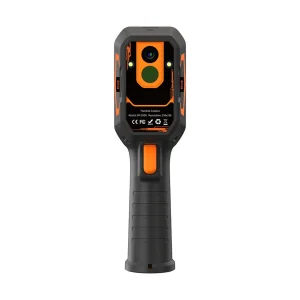
Stand-alone thermal images present heat gradients effectively but lack high-contrast contextual detail. Advanced systems—such as the DP-25DR Dual-Light Thermal Camera—integrate both an infrared radiometric core and a high-resolution visible RGB CMOS sensor. Through hardware-level bi-spectrum image fusion (picture-in-picture, spectral detail enhancement), system operators receive thermal overlay maps matched pixel-for-pixel over real-world optical imagery.
Modern fire prevention hardware offloads image processing to embedded neural network chips running localized deep learning inference models. The system evaluates:
Thermal fire detection requirements vary significantly across different industrial sectors. Sourcing decision-makers must deploy targeted technical solutions optimized for specific environmental challenges.
Thermal runaway in Li-ion battery racks produces off-gassing and rapid localized heat buildup minutes before explosive combustion occurs. Continuous non-contact radiometric monitoring of cell modules triggers immediate automated isolation valves and nitrogen suppression before thermal propagation cascades.
Overloaded circuit breakers, corroded busbars, and deteriorating transformer bushings display clear thermal anomalies. Continuous panning radiometric thermal cameras identify contact resistance hotspots, preventing catastrophic arc flashes and high-voltage grid fires.
Densely stacked cardboard pallets, lithium-powered AGVs, and high-speed robotic sorters create high fire risks. Wall-mounted thermal camera nodes scan high-bay storage racks 24/7, linking with automated sprinkler matrix zones to suppress fires precisely at the affected rack location.
Internal decomposition in deep waste piles creates self-heating hot pockets that ignite unexpectedly. High-resolution radiometric cameras monitor surface thermal emissions and alert crane operators to extract sub-surface smoldering materials before open flames break out.
Global procurement teams require hardware manufacturers with rigorous quality assurance systems, scalable production capacities, and strong engineering support. Shenzhen Dianyang Technology Co., Ltd. stands as a premier thermal OEM/ODM supplier backed by deep industrial infrastructure.
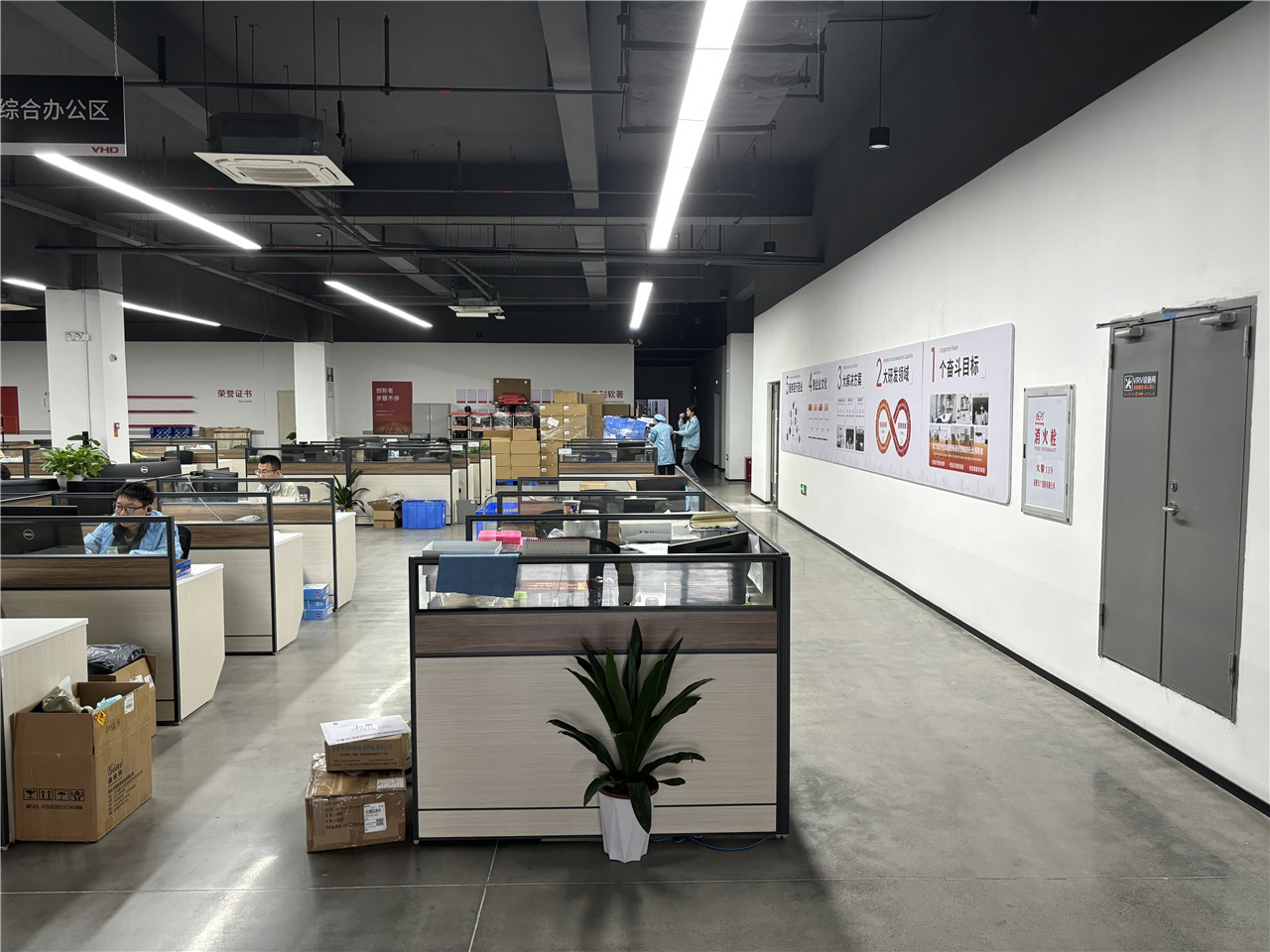
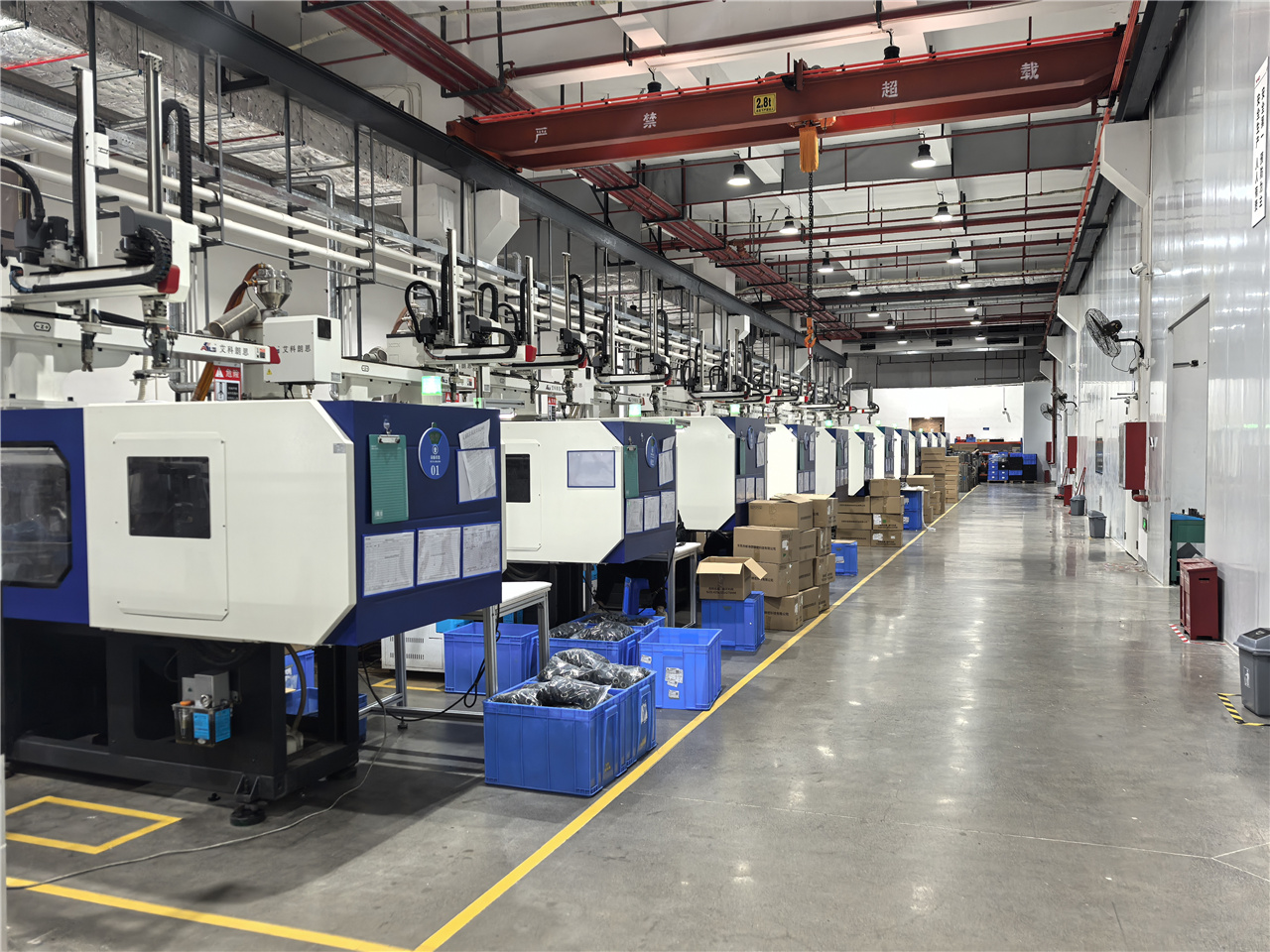
Dianyang Technology operates as a key subsidiary of VHD (Shenzhen VHD Technology Co., Ltd.), a publicly listed company on the Shenzhen Stock Exchange. This strategic corporate structure provides Dianyang with unique access to VHD’s capital strength, advanced R&D platforms, high-precision automated SMT manufacturing lines, and standardized optical calibration laboratories. Compared to standard unlisted assembly vendors, Dianyang delivers superior consistency, component traceability, and product reliability.
Our dedicated engineering team applies Design for Manufacturing (DFM) and Design for Testability (DFT) protocols right from early PCB layout design. Every thermal core undergoes thermal expansion modeling, structural strain analysis, and high-frequency noise decoupling to maximize product operating life.
To operate reliably in harsh industrial facilities with high electromagnetic interference (EMI), Dianyang thermal hardware is refined through advanced ANSYS software simulations and tested in in-house EMC pre-compliance chambers prior to international certification submission.
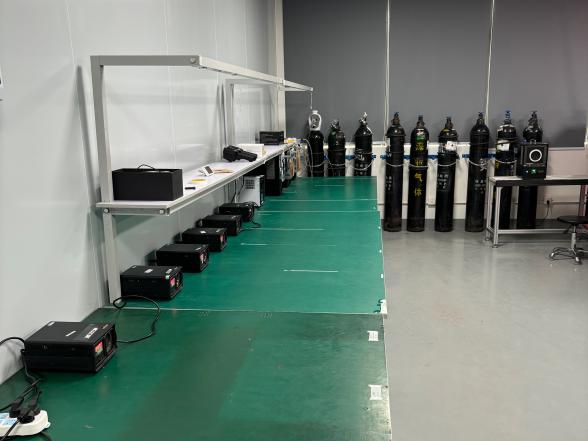
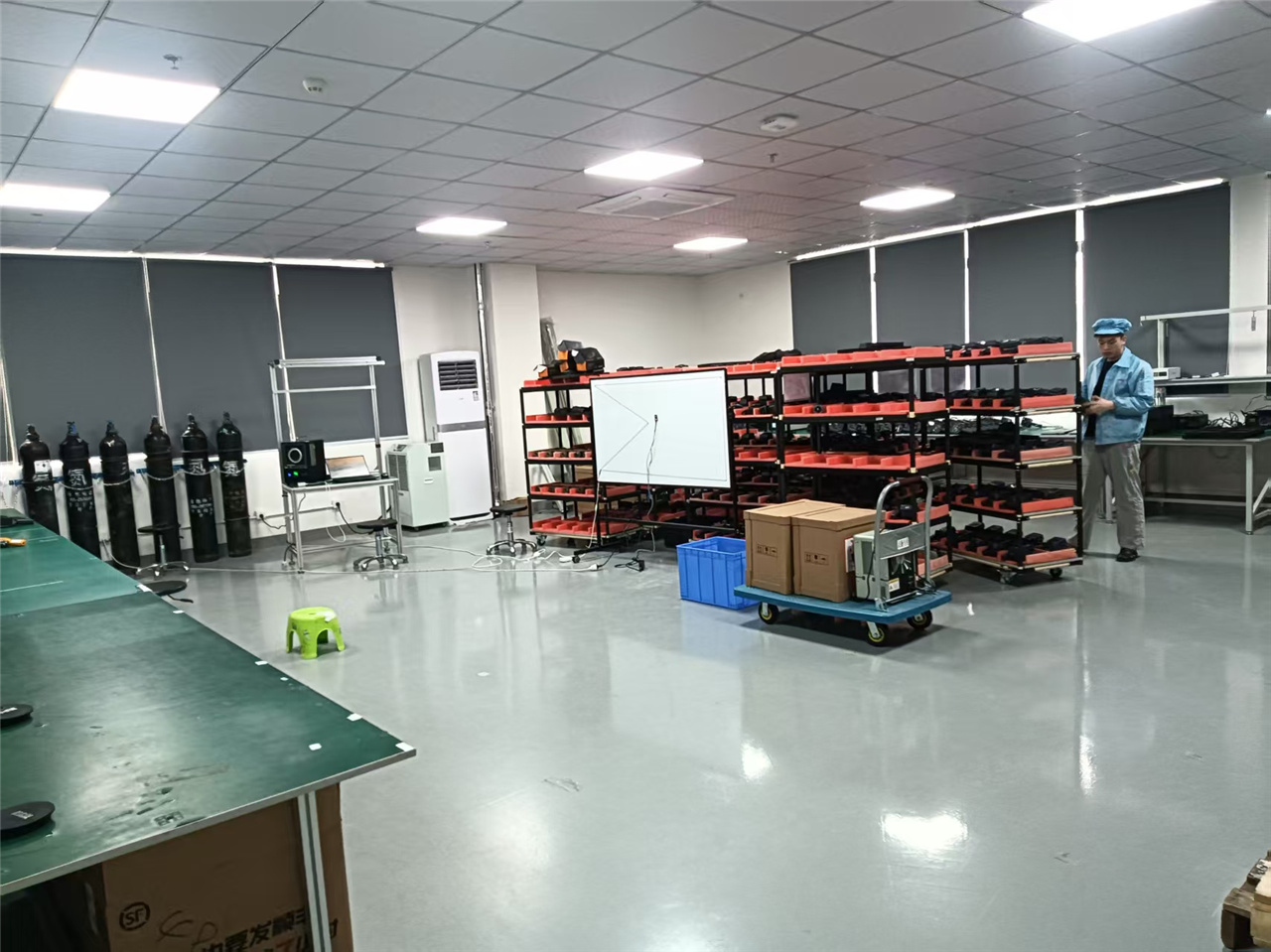
Radiometric measurement accuracy requires rigorous sensor calibration. Every Dianyang thermal imager is individually calibrated across multi-point temperature curves using automated precision blackbody furnaces to guarantee radiometric accuracy up to ±2°C or ±2% of reading.
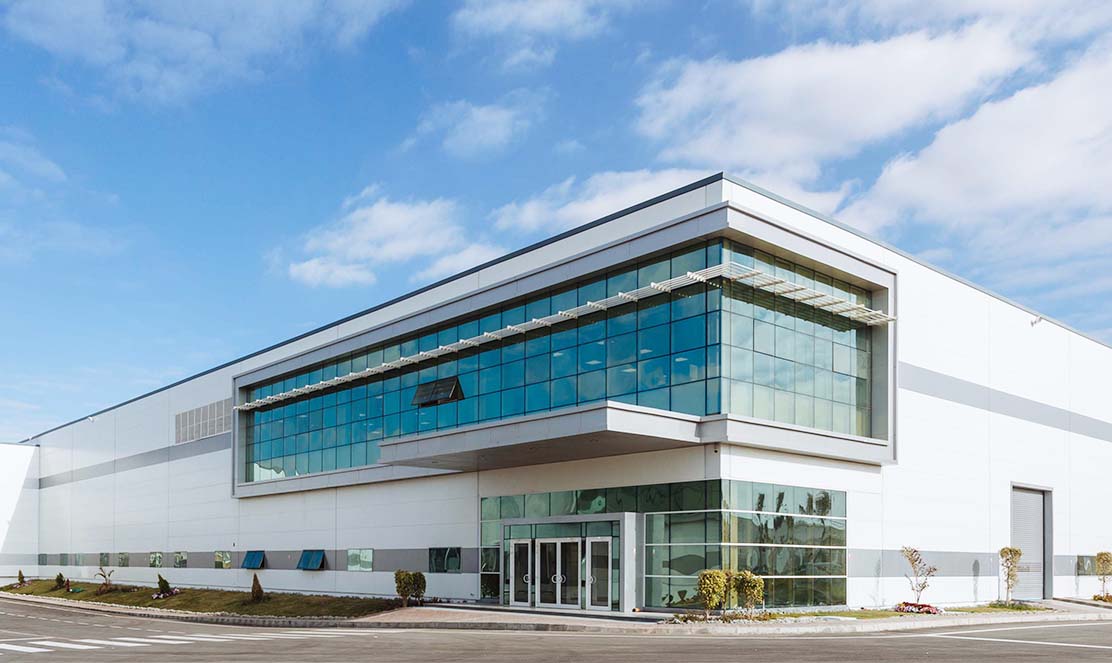
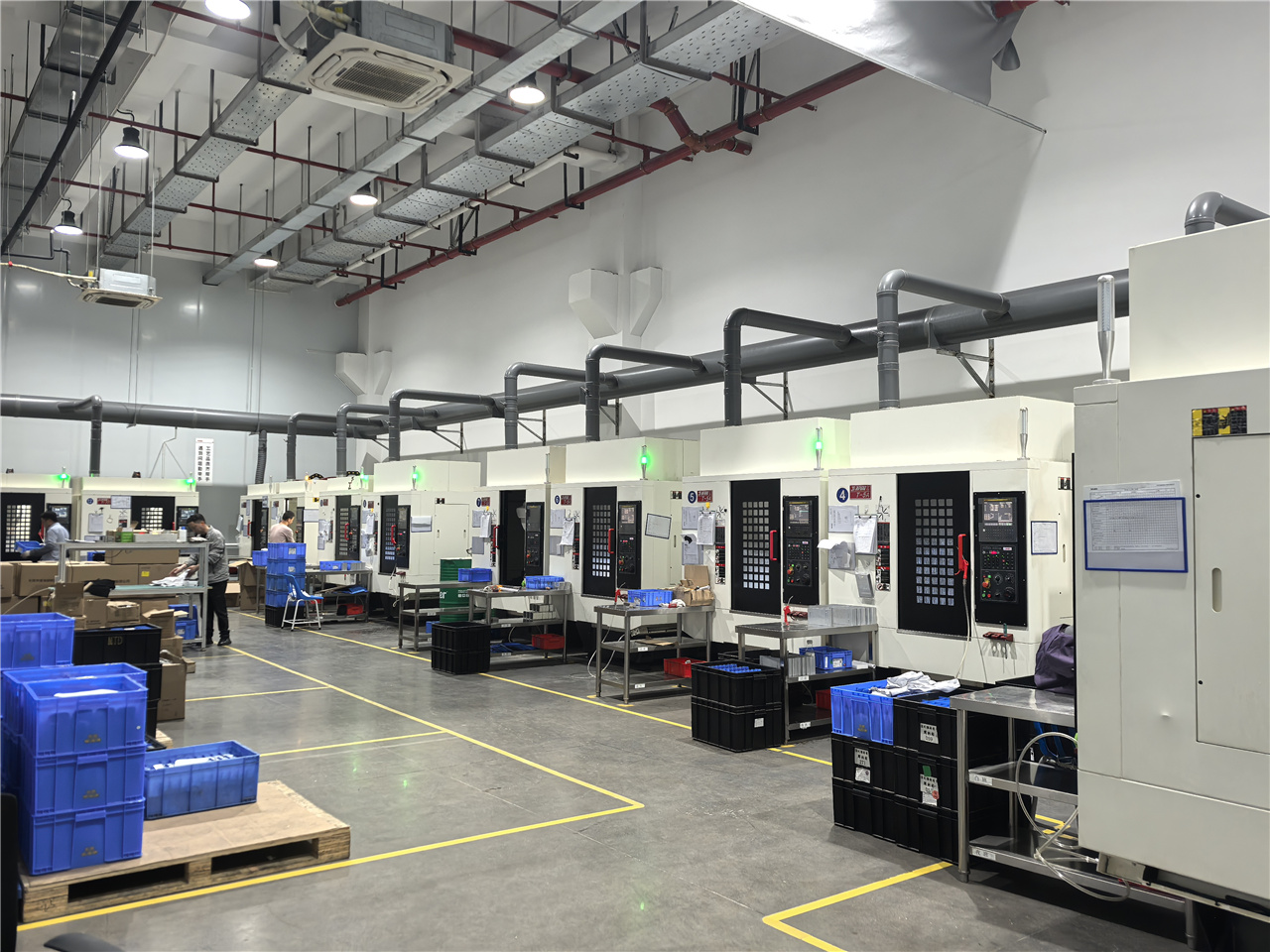
A glimpse into Shenzhen Dianyang Technology’s high-precision R&D labs, optical cleanrooms, and modern manufacturing infrastructure:
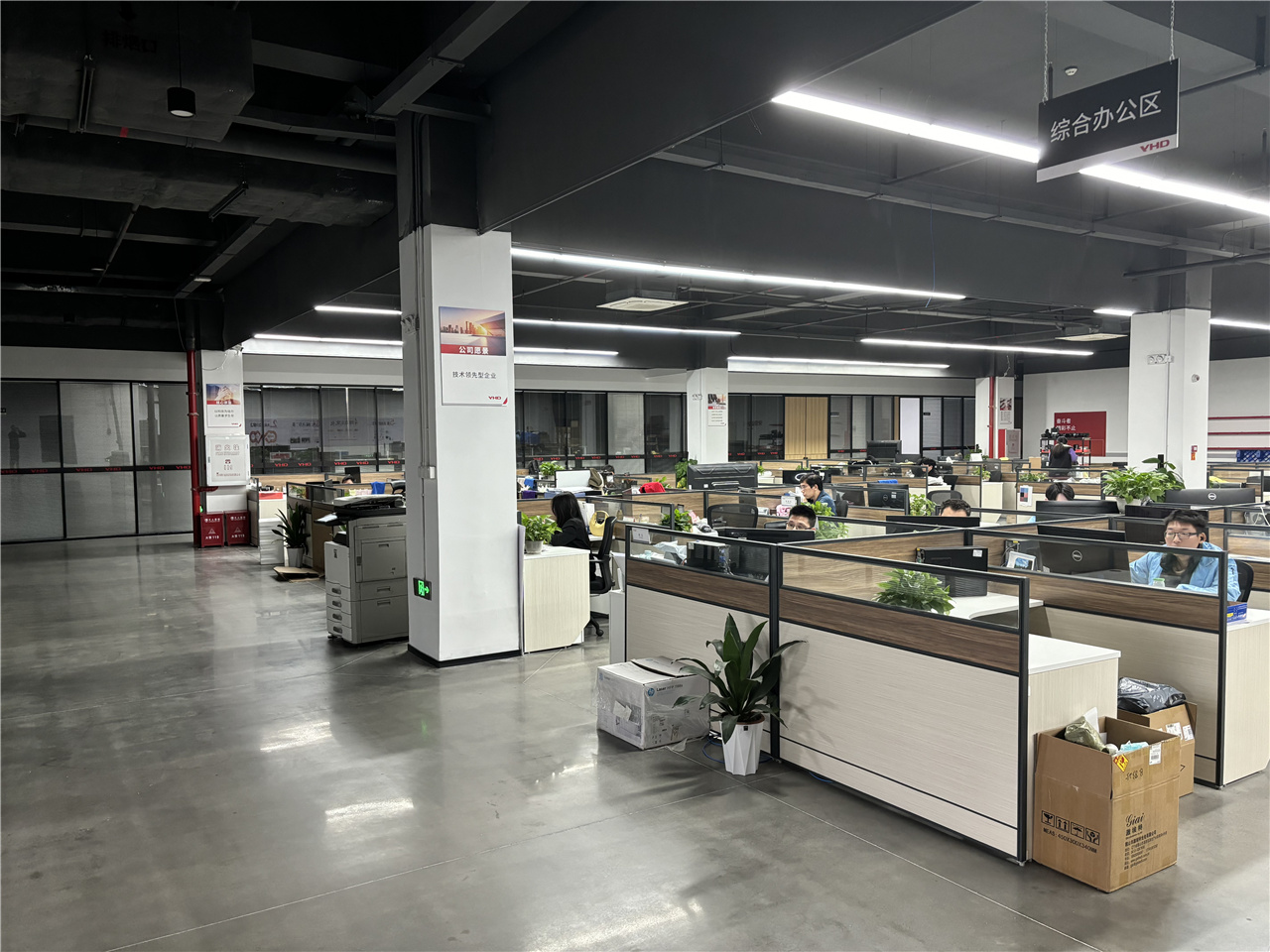
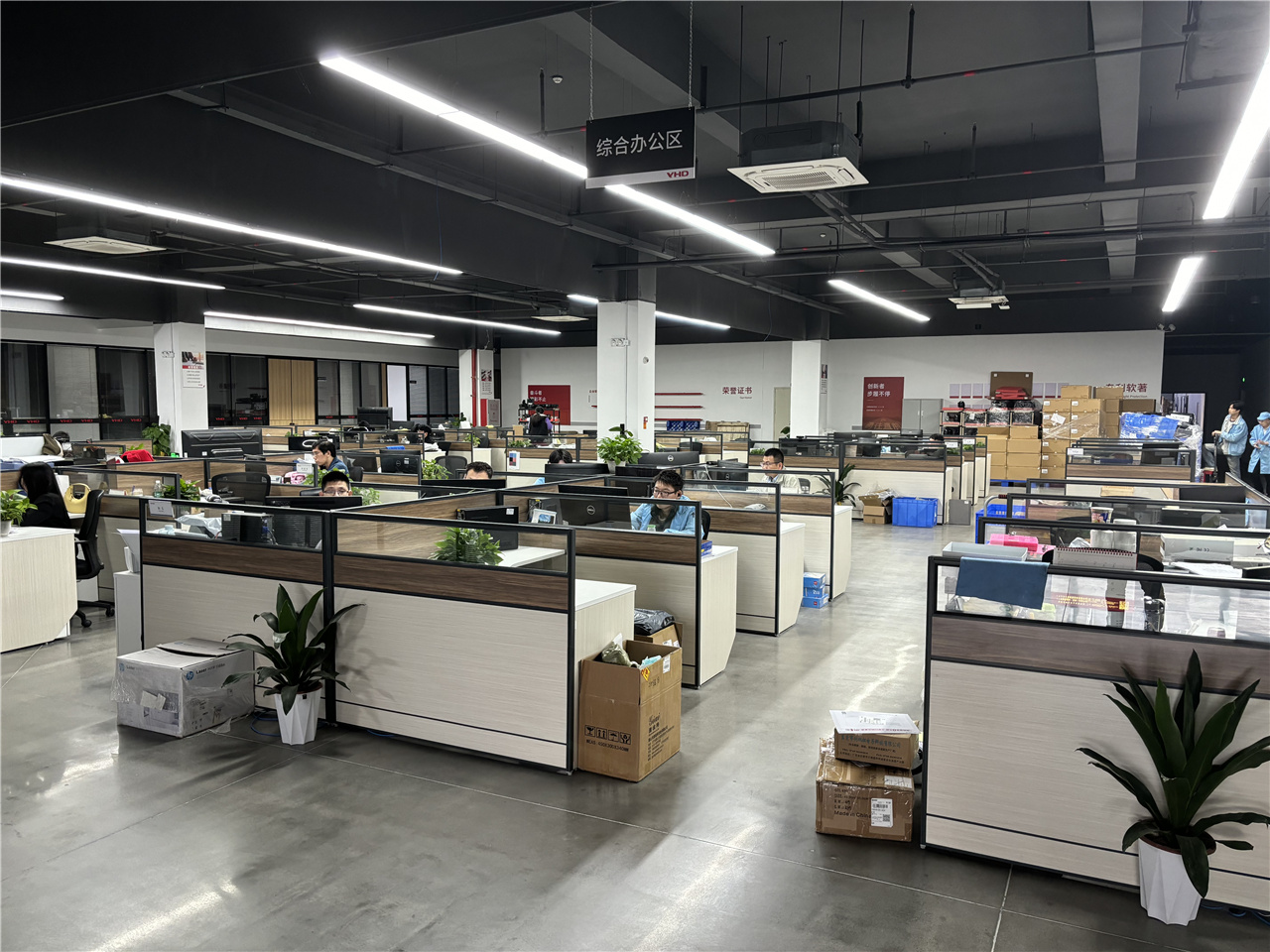
Exporting advanced radiometric devices globally requires strict adherence to international electrical, environmental, and fire safety regulations. Dianyang supports international clients with a complete compliance framework that simplifies regional certification.
All standard models carry direct CE, FCC, RoHS, and REACH compliance. Electronics are engineered to pass EN 55032 Class A radiated emissions and EN 50130-4 industrial immunity benchmarks needed for commercial fire control integration.
To facilitate frictionless market entry into key global regions, Dianyang assists OEM partners with customized filings for UKCA (United Kingdom), KC (Korea Certification), PSE (Japan), and CB scheme global safety reports.
For deployment in harsh environments, systems feature IP66 and IP67 ruggedized aluminum alloy housings, nitrogen-purged enclosures, and optional ATEX / IECEx certified housings for hazardous Zone 1 and Zone 2 gas/dust environments.
When requesting factory direct quotes for infrared fire detection systems, B2B procurement managers should evaluate commercial costs against key technical variables. Pricing for industrial thermal imaging systems typically depends on detector resolution, optics, enclosure class, and firmware features.
Definition of spatial resolution, target FOV, temperature measurement range (-20°C to 550°C), thermal sensitivity, spectral optics, and communication interface (Ethernet, USB, Modbus, Wi-Fi).
3D mechanical modeling, PCB layout routing, thermal dissipation simulation, and assembly of preliminary engineering validation samples (EVP).
Multi-point temperature calibration across environmental chambers, EMC testing, final housing seal verification, and scalable batch assembly.
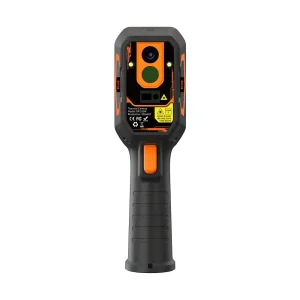
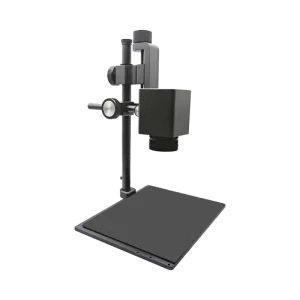
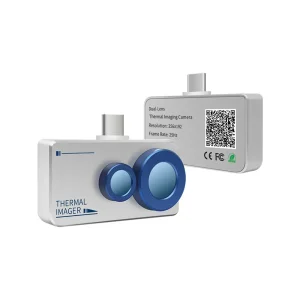
Review our full range of professional handheld, compact laser-assisted, and enterprise high-resolution thermal imagers certified for global distribution.
 Dianyang