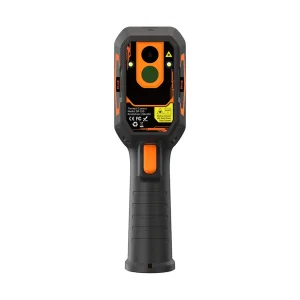
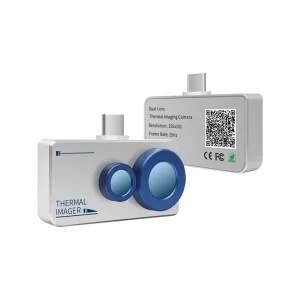
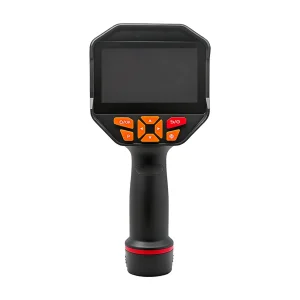
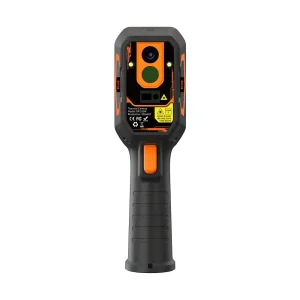
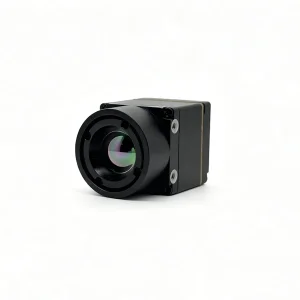
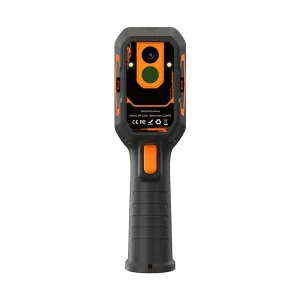
Explore our top-tier, CE-certified handheld thermal imagers, smartphone attachments, and thermal inspection camera systems.
Thermal imaging technology has crossed the threshold from high-cost military defense instrumentation into an indispensable component of global commercial, civil, and industrial operations. Driven by relentless breakthroughs in uncooled microbolometer sensor fabrication—specifically Vanadium Oxide (VOx) and Amorphous Silicon (a-Si) focal plane arrays (FPA)—the cost curve of thermal camera technology has dropped significantly while imaging resolution and thermal sensitivity (NETD <40mK) have improved exponentially.
Today's international enterprise procurement teams no longer view thermal imaging solely as a passive diagnostic device. Instead, infrared cameras are actively deployed across automated production lines, electrical grid maintenance units, HVAC diagnostic suites, building envelope energy auditors, and outdoor search-and-rescue outfits. The capability to detect non-contact surface temperature anomalies spanning from -20°C to extreme industrial environments reaching +1200°C allows asset managers to prevent catastrophic electrical fires, minimize unscheduled manufacturing downtime, and eliminate structural heat leakage.
As global energy regulations tighten under ESG (Environmental, Social, and Governance) mandates, thermal inspection has become a core standard operating procedure. This demand has spurred global businesses to seek reliable OEM/ODM manufacturing partners capable of delivering highly accurate, durable, and cost-effective thermal imaging instruments accompanied by wholesale pricelists, custom software development kits (SDKs), and comprehensive post-sale calibration services.
Information Gain Insights: Modern microbolometers with a 12μm pixel pitch enable high-density array designs (up to 640x512 pixels) in compact form factors, reducing lens optical costs while delivering superior Spatial Resolution (IFOV) for distant electrical line inspections.
Strategic Publicly Listed Affiliation & Manufacturing Superiority
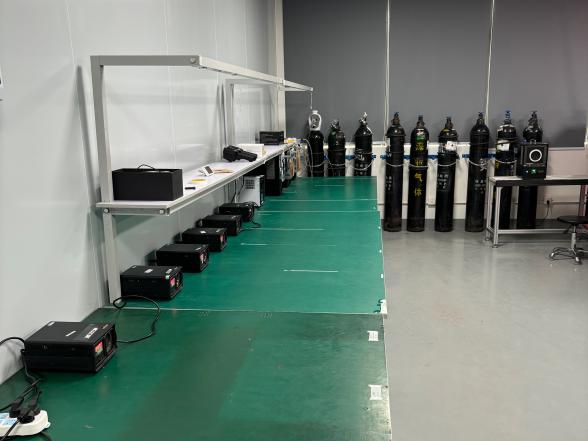
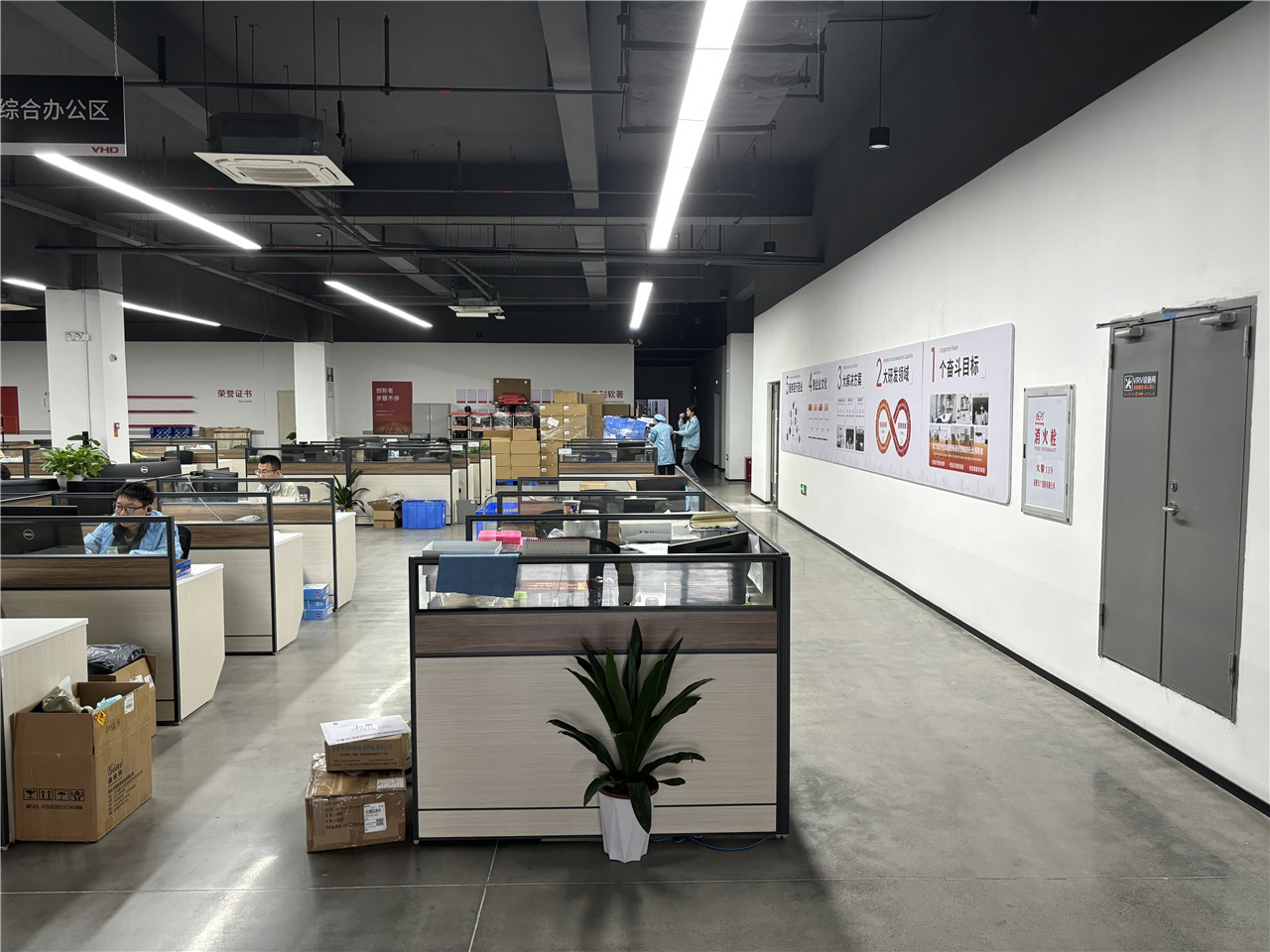
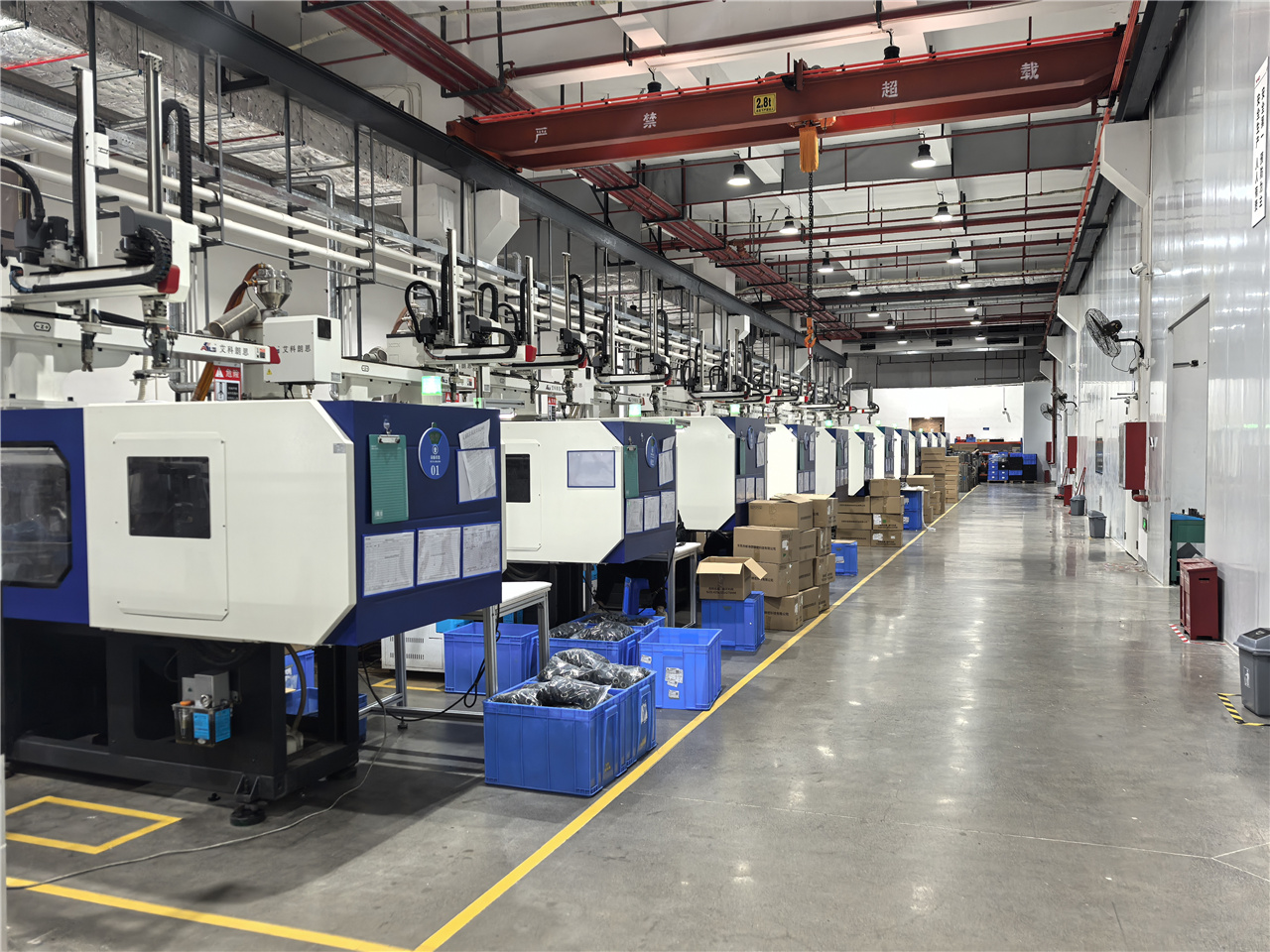
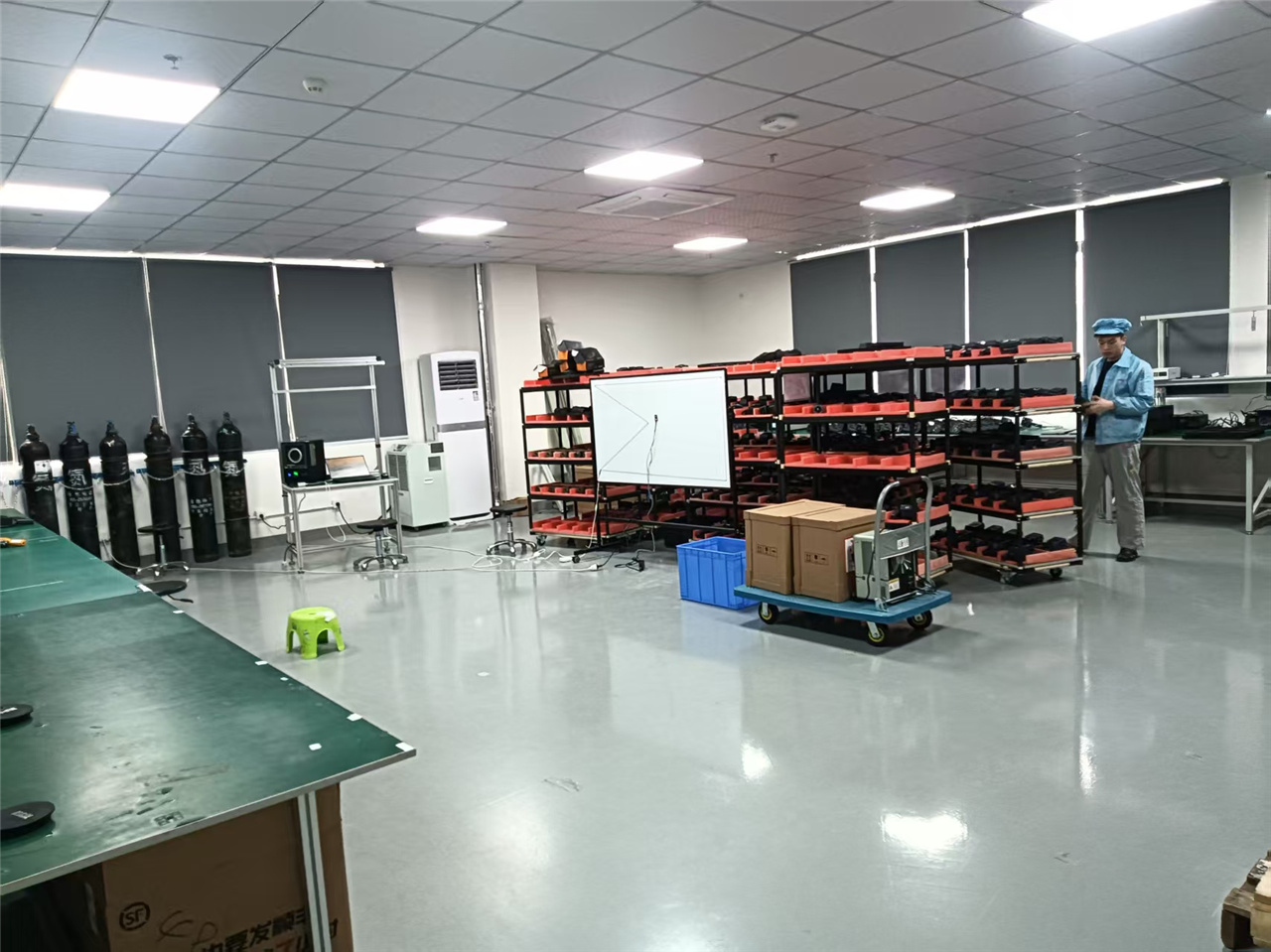
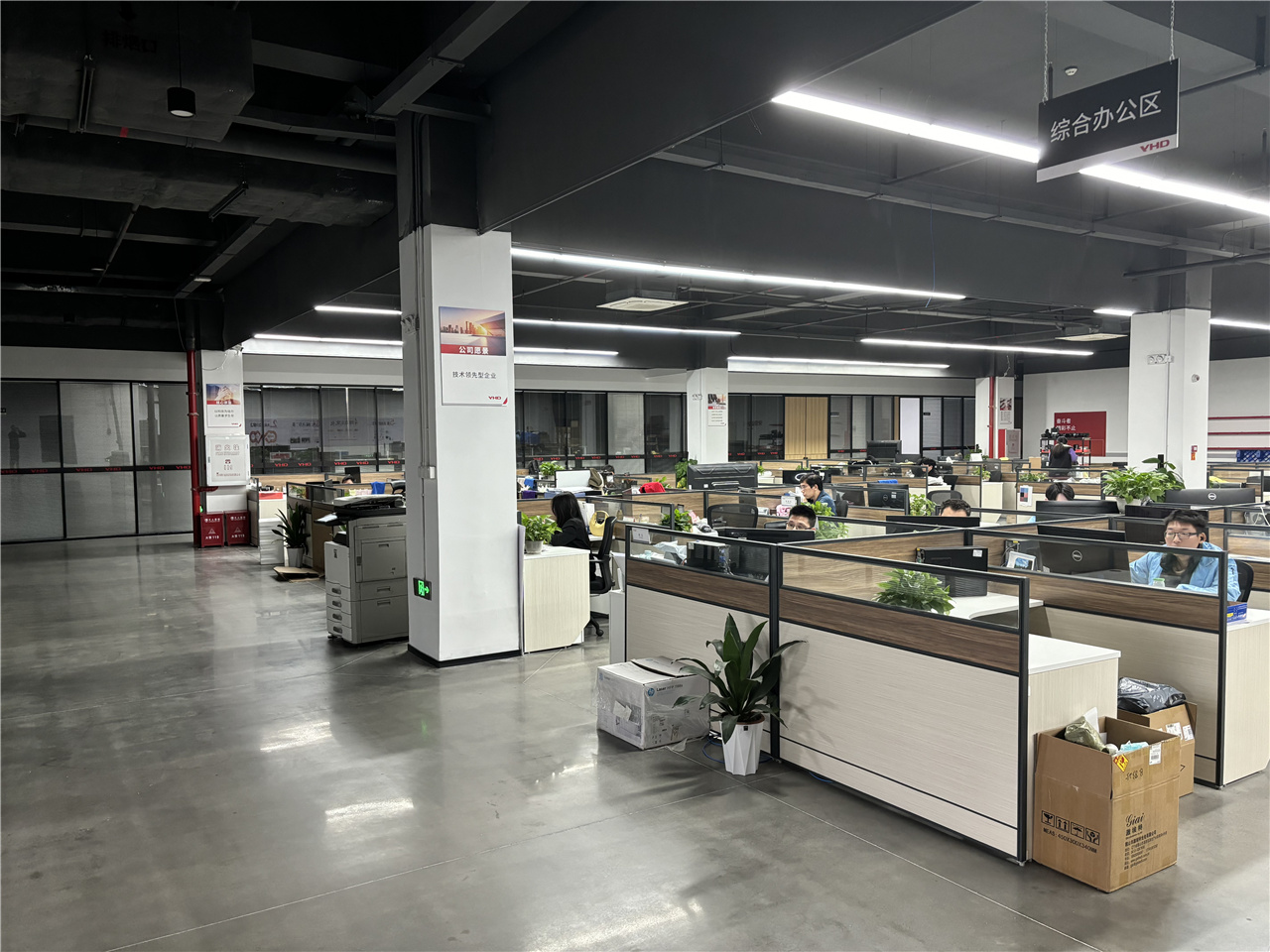
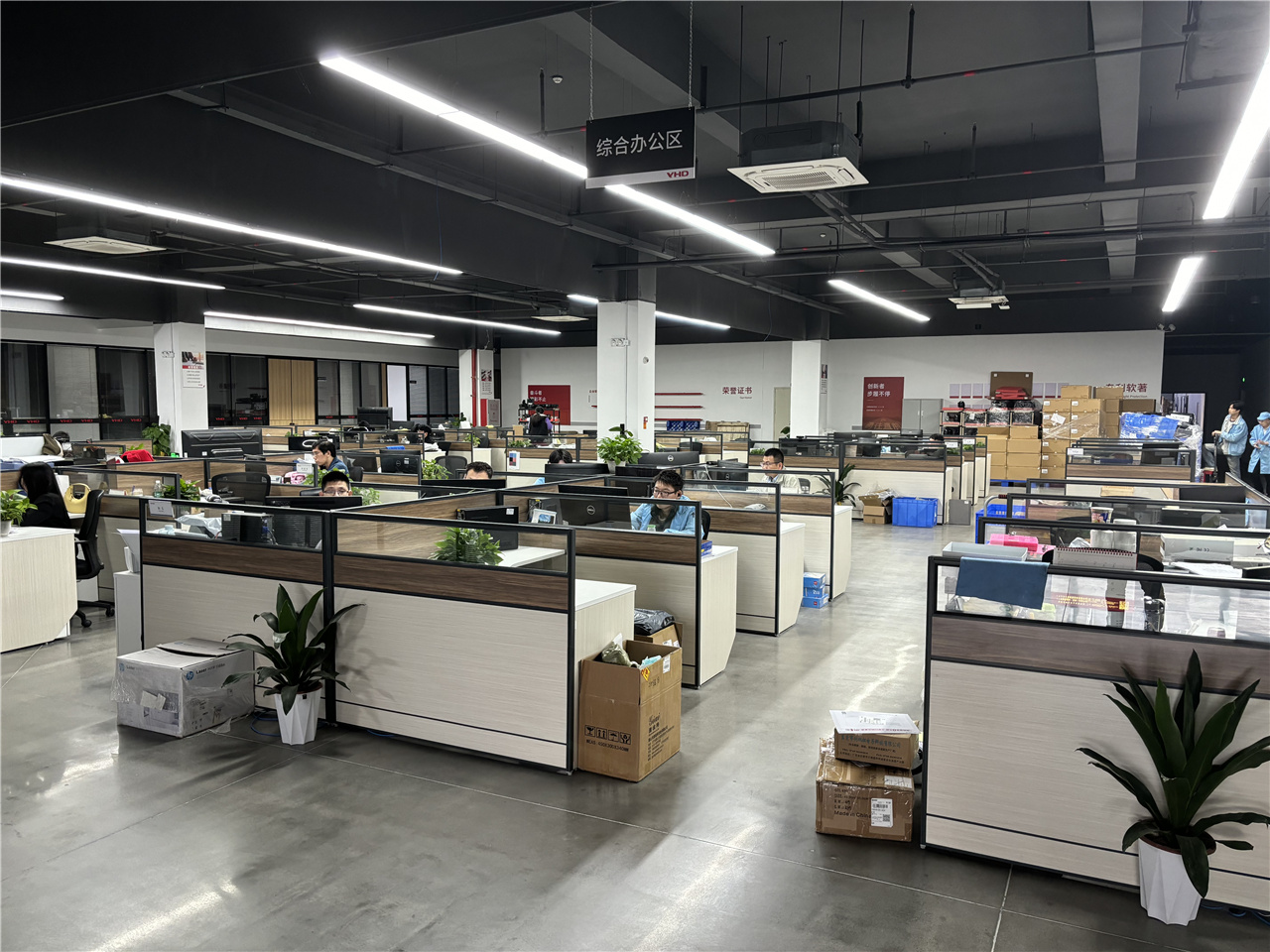
Shenzhen Dianyang Technology Co., Ltd. is a subsidiary of VHD (Shenzhen VHD Technology Co., Ltd.), a publicly listed company on the Shenzhen Stock Exchange. This strategic affiliation gives Dianyang unique access to VHD’s advanced R&D platforms, high-precision manufacturing systems, and rigorous quality management practices—enabling us to deliver thermal imaging products of higher reliability and consistency than typical ODMs.
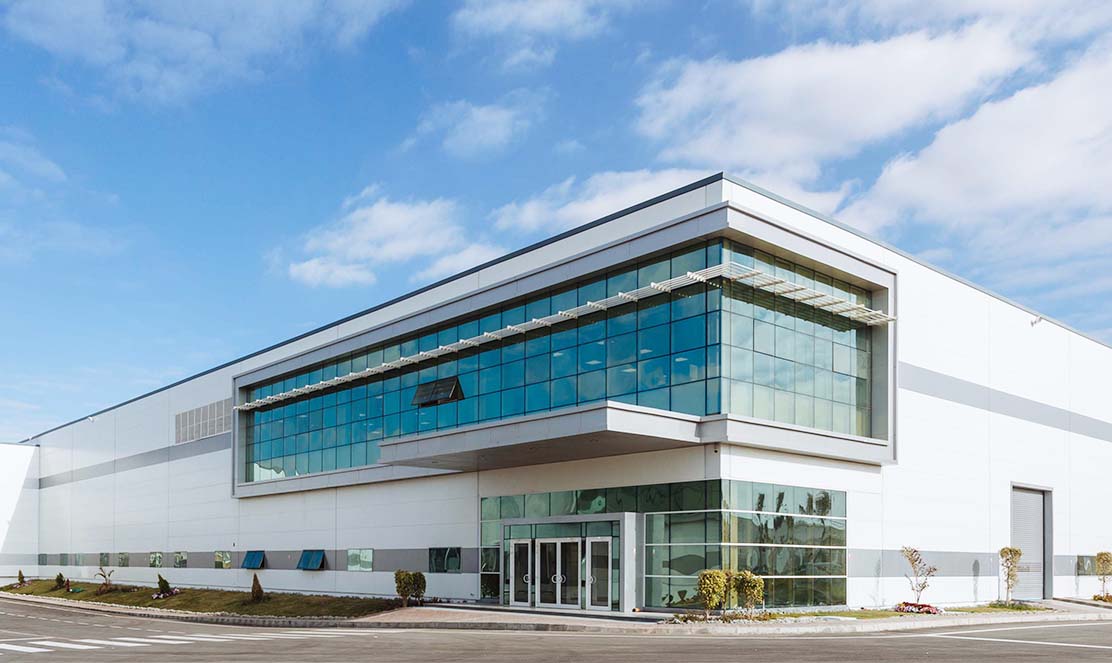
We specialize in ODM/OEM services for infrared thermal imaging solutions, including handheld thermal imagers, smartphone-connected thermal cameras, thermal analyzers, and thermal imaging telescopes. Our products serve global customers in power inspection, building diagnostics, firefighting, industrial maintenance, and outdoor applications.
Our dedicated engineering team applies Design for Manufacturing (DFM), Design for Testability (DFT), thermal simulation, and EMC pre-compliance analysis to optimize performance and accelerate development. We also support clients in obtaining key certifications such as CE, FCC, RoHS, REACH, CB, UKCA, KC, and PSE.
Compare core hardware parameters, resolution tiers, and temperature evaluation ranges across our enterprise lineup.
| Model Category | Sensor Resolution | Spectral Range | Temperature Range | Thermal Sensitivity (NETD) | Primary Commercial Application |
|---|---|---|---|---|---|
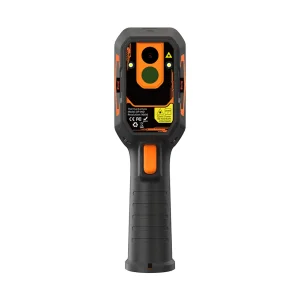
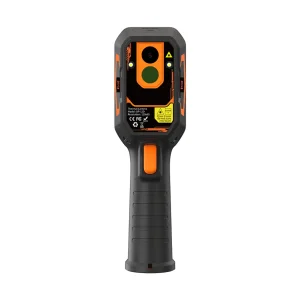
| Compact Handheld (DP-09D) | 96 × 96 pixels | 8 – 14 μm | -10°C to 300°C | < 50 mK | HVAC quick checks, home inspection, basic electrical work |
| Professional Dual-Light (DP-12D/DV) | 120 × 90 pixels | 8 – 14 μm | -20°C to 400°C | < 45 mK | Facility management, dual visual-thermal fusion, building audits |
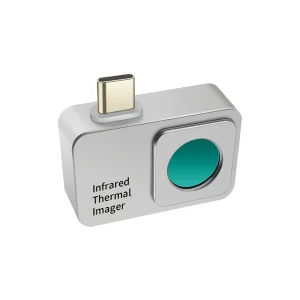
| Mobile Smartphone Attachment (H1FB/H2FB) | 160 × 120 / 256 × 192 | 8 – 14 μm | -20°C to 550°C | < 40 mK | Ultra-portable field inspections, mobile app analysis, automotive repair |
| Industrial High-Res OEM (DP-25D / DP-25DR) | 256 × 192 pixels | 8 – 14 μm | -20°C to 550°C | < 40 mK | Industrial automation, power distribution panels, high-precision thermography |
| High-Temperature Professional (DP-38D) | 384 × 288 pixels | 8 – 14 μm | -20°C to 650°C | < 35 mK | Petrochemical plants, high-voltage transformers, continuous monitoring |
| Ultra-Precision Extreme (DP-64D / MD-64CA) | 640 × 512 pixels | 8 – 14 μm | -20°C to 1200°C | < 30 mK | Foundry inspection, extreme temp research, custom drone integration |
Discover how Dianyang’s infrared thermography solutions provide actionable intelligence across critical verticals.
The thermal imaging sector is experiencing a rapid technological shift driven by AI, cloud connectivity, and advanced micro-optics:
When evaluating a thermal camera supplier or OEM partner, unit cost is only one factor. Enterprise procurement officers must weigh long-term Total Cost of Ownership (TCO) against hardware durability and software adaptability:
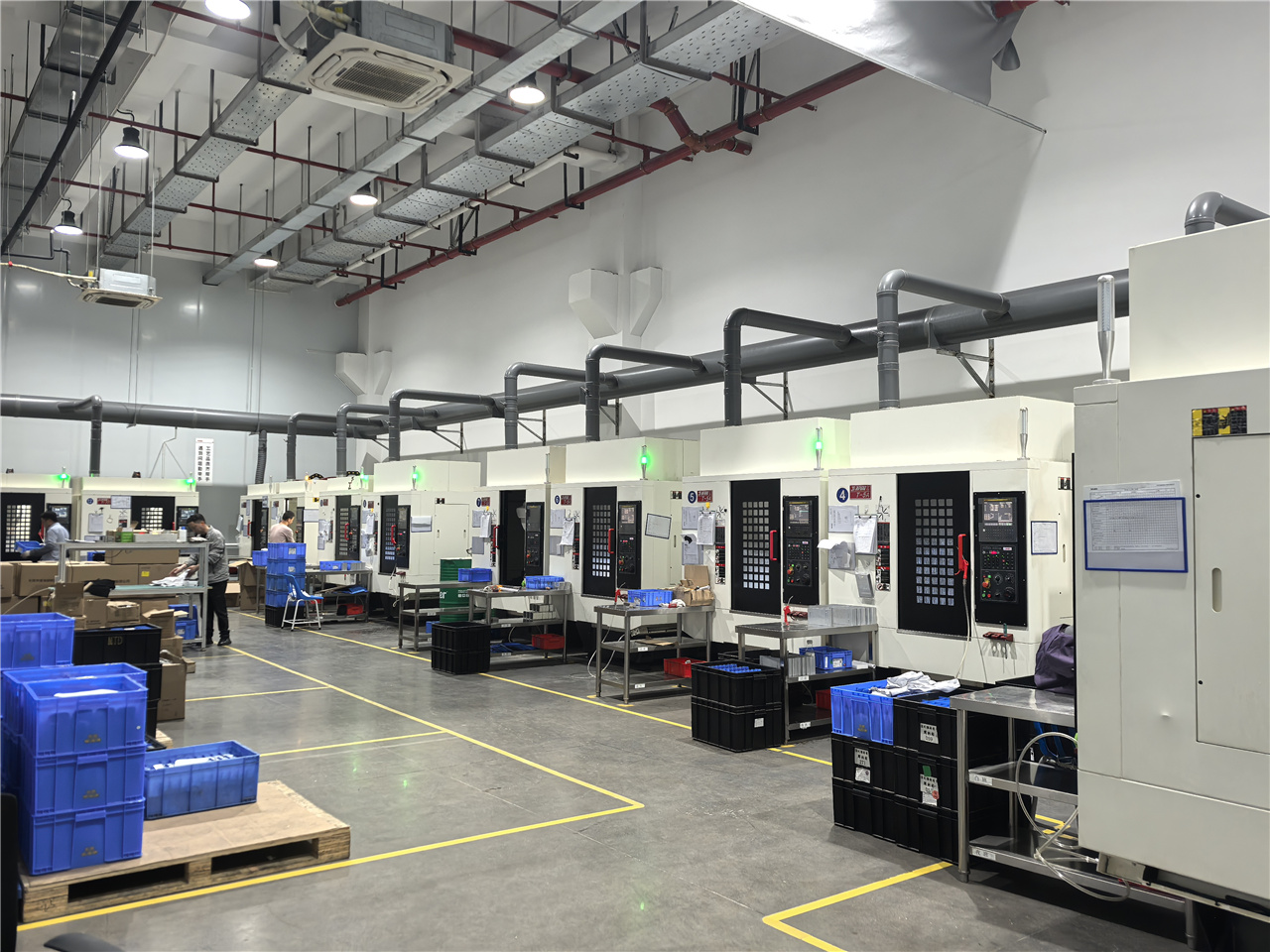
Factory-Direct Scaling Tiers: By leveraging our parent company VHD’s high-capacity surface-mount tech (SMT) lines, Dianyang Tech provides substantial tier-based pricing discounts for high-volume orders. Customized branding, bespoke enclosure molds, and targeted firmware modifications are available for original equipment manufacturers (OEMs) and original design manufacturers (ODMs).
Answers to common commercial, engineering, and procurement queries regarding our thermal imaging technology.
Explore additional specialized thermal analyzers, mobile phone attachments, and high-resolution imaging modules.
 Dianyang