Explore high-performance thermal imaging devices engineered for seamless hardware-software integration across industrial, electrical, and commercial applications.
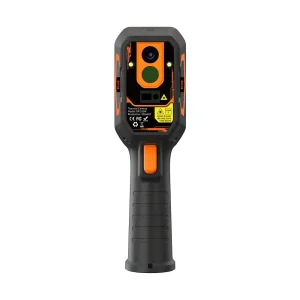
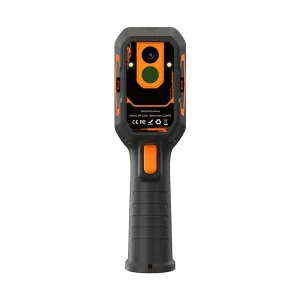
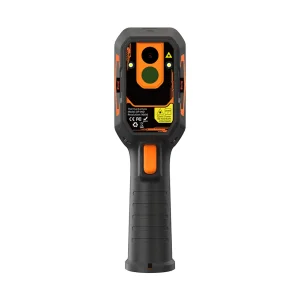
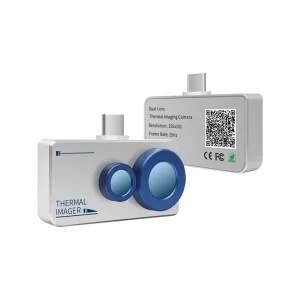
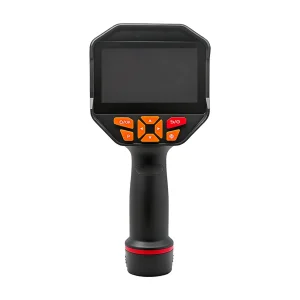
Understanding the hardware-software synergy in thermal imaging: How cost-effective software solutions drive industrial automation, predictive maintenance, and international competitiveness.
The global demand for non-contact temperature measurement and infrared thermal thermography has undergone a paradigm shift. Historically, infrared (IR) cameras were viewed primarily as hardware tools—heavy-duty optical instruments built around specialized Focal Plane Array (FPA) sensors. However, in the modern industrial landscape, software has emerged as the definitive value multiplier. Procurement officers and engineering directors globally are no longer searching merely for uncooled Vox microbolometer cores; they are seeking complete end-to-end hardware-software ecosystems offered by reliable discount IR camera software exporters and service providers.
The rationale behind this shift is driven by the imperative of digital transformation (Industry 4.0). Raw thermal pixel data is virtually useless to automated industrial pipelines without robust analytical software. Modern IR camera software must process full radiometric frame data in real time, apply dynamic emissivity corrections, compute spot/line/area temperature profiles, trigger automated alarm protocols, and export structured data into cloud-native enterprise resource planning (ERP) frameworks. Suppliers who provide competitive OEM/ODM software licensing along with high-precision optical hardware offer a decisive Total Cost of Ownership (TCO) advantage to international buyers.
Architected for precision radiometric analysis, low-latency edge computing, and modular platform integration.
Captures individual pixel temperature metadata rather than simple color maps. Enables post-inspection temperature analysis, custom color palette mapping (Ironbow, Rainbow, White Hot), and detailed historical trending.
Embedded machine learning models filter out solar reflections and environmental noise, automatically highlighting critical hot spots on circuit boards, high-voltage transformers, and mechanical bearings.
Fuses visible light optical streams with long-wave infrared (LWIR) channels in real time (e.g., dual-light imaging models like DP-25DR). Provides clear spatial outlines over heat maps for rapid physical pinpointing.
Seamless connectivity via USB-C, Wi-Fi, or Ethernet. Native mobile apps (Android/iOS) turn commercial smartphones into portable thermographic tools with instant PDF report generation.
Advanced math models compensate for atmospheric humidity, reflection temperature, target distance (up to 40m+ on distance-enabled units), and material-specific emissivity coefficient tables.
Complete export packages allowing global OEMs to brand thermal software interfaces with custom logos, localized language packages, tailored GUI layouts, and cloud database connectors.
Why international enterprises choose Shenzhen-based OEM/ODM partners for cost-effective, world-class thermal solutions.
The global thermal imaging sector has shifted away from isolated manufacturing models toward integrated technology hubs. Shenzhen, China, stands at the epicenter of this transformation, providing an unmatched hardware manufacturing infrastructure coupled with a rapidly maturing software engineering talent pool. Companies operating in this region benefit from immediate proximity to optical sensor suppliers, surface-mount technology (SMT) lines, precision CNC machining, and specialized software testing labs.
This localized concentration of capabilities translates into major strategic advantages for international buyers seeking discount IR camera software and exported hardware services:
Traditional western R&D cycles for custom thermal software firmware can stretch over 12 to 18 months. Shenzhen's integrated engineering workflows allow for rapid prototyping, hardware-firmware debugging, and customer-specific SDK customization within weeks. Engineering processes such as Design for Manufacturing (DFM) and Design for Testability (DFT) are applied from day one, guaranteeing that customized software aligns flawlessly with factory-floor assembly lines.
By leveraging mass volume manufacturing and unified software platforms across diverse model lines—ranging from compact 96x96 handheld entry tools (DP-09D series) to ultra-high 640x512 resolution industrial inspection units (DP-64D series)—exporters can drastically reduce software overhead costs. These savings are directly passed on to global buyers as competitive factory-direct quotes, without sacrificing stringent quality control or radiometric measurement accuracy.
Modern Chinese exporters operate under strict quality management frameworks, ensuring products and bundled analysis software adhere to global safety and interoperability standards. Key certifications including CE, FCC, RoHS, REACH, CB, UKCA, KC, and PSE ensure that hardware units equipped with proprietary thermal software can be seamlessly imported and deployed across European, North American, and Asian-Pacific markets.
Versatile software and thermal hardware combinations engineered for demanding real-world environments.
High-resolution thermal cameras paired with automated reporting software allow power line inspectors to scan high-voltage switches, transformers, and busbars from safe distances, identifying micro-ohm resistance heat anomalies before catastrophic failures occur.
Benchtop thermal analyzers utilize high-sensitivity microbolometer software to track dynamic temperature gradients across circuit components during R&D stress tests, identifying short circuits, power leakage, and inadequate heat sinking instantly.
Dual-light optical-thermal overlay software enables energy auditors to detect hidden insulation voids, moisture ingress behind drywall, structural thermal bridging, and leaking underfloor heating pipes with precise visual reporting.
Embedded thermal imaging modules integrated into factory IoT networks utilize automated threshold alerts to monitor motor bearings, gearboxes, and chemical kilns continuously, avoiding costly unscheduled production line shutdowns.
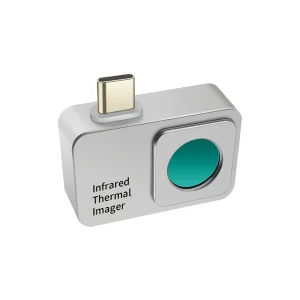
Compact smartphone-connected imagers (such as the H2F6B and H1FB series) leverage mobile software apps to provide technicians with portable thermographic power in their pockets, enabling instant cloud sharing of thermal field findings.
High-refresh-rate thermal algorithms process scene dynamic range in high-heat or zero-light environments, giving emergency responders and outdoor operators clear visibility through smoke, fog, and dense foliage.
The roadmap toward cloud thermography, edge neural networks, and unified multi-sensor telemetry.
As sensor technology reaches physical miniaturization limits, the frontier of innovation in thermal imaging has shifted decidedly toward intelligent software logic. Leading global export partners are investing heavily in software R&D to deliver scalable, future-proof thermal infrastructure. Key industry trends defining the next decade include:
Future thermal camera systems are moving beyond basic static threshold alarms. Next-generation software incorporates lightweight convolutional neural networks (CNNs) directly onto handheld camera DSPs or fixed-mount camera edge processors. This enables the camera software to differentiate dynamically between normal operational heat cycles (such as a motor warming up under expected load) and genuine mechanical friction anomalies, drastically reducing false alarm rates.
Enterprise clients managing thousands of electrical assets across multiple geographical regions require centralized thermal telemetry. Exporters are offering software suites with direct AWS/Azure cloud synchronization. Field technicians capturing thermal images via handheld units or smartphone attachments can upload radiometric files instantaneously. Cloud engines then auto-generate standardized, multi-page thermographic inspection reports compliant with ISO 18436-7 thermographer guidelines.
Thermal sensors are rapidly becoming standard inputs for smart city security, industrial perimeter defense, and automated fire prevention in battery recycling facilities. Modern thermal software platforms now provide standard MQTT, RTSP, and RESTful APIs, allowing third-party software developers to aggregate live thermal data streams into master SCADA or VMS (Video Management Software) dashboards effortlessly.
Backed by public listed company R&D platforms, delivering world-class infrared thermal OEM/ODM services globally.
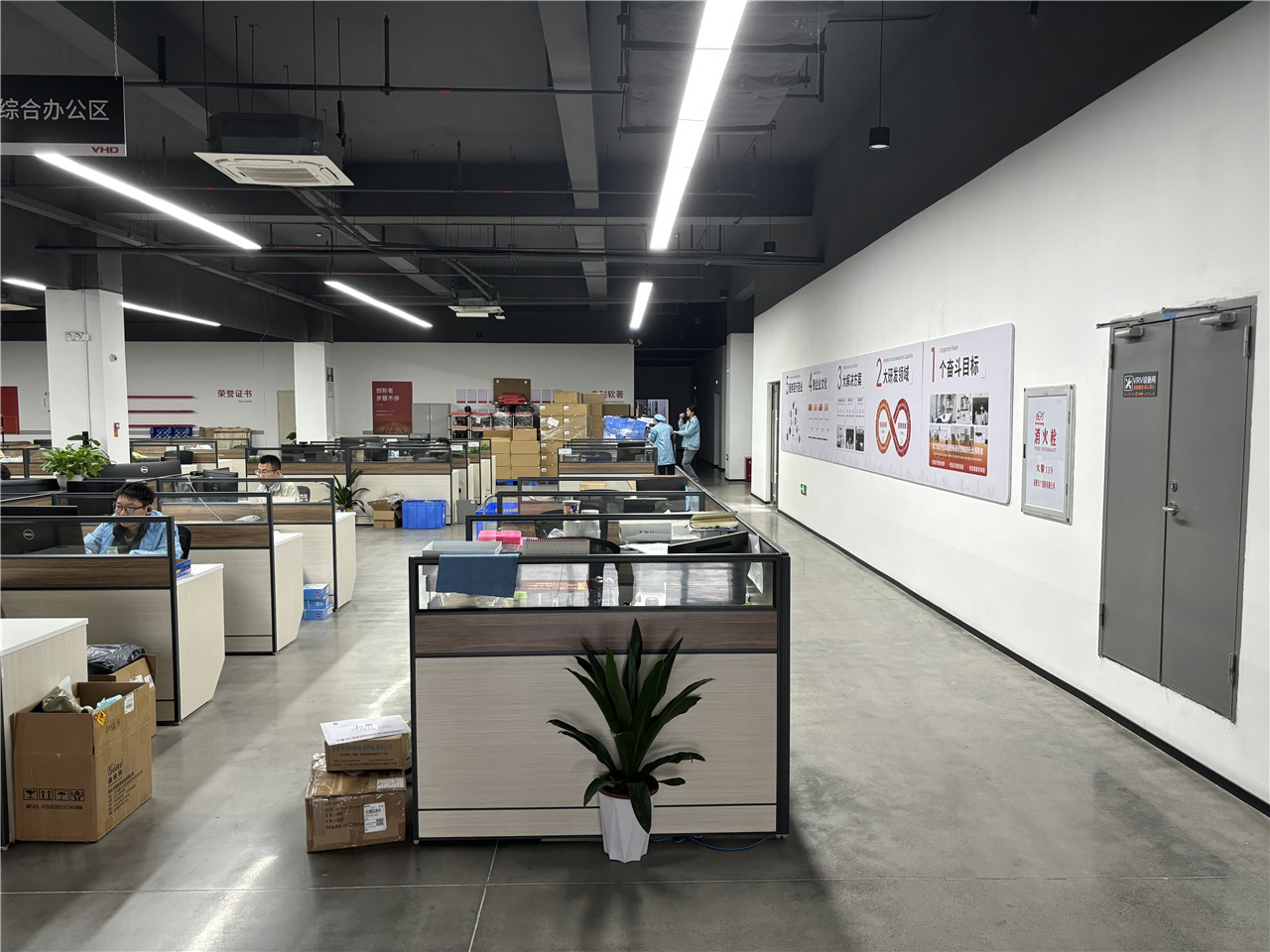
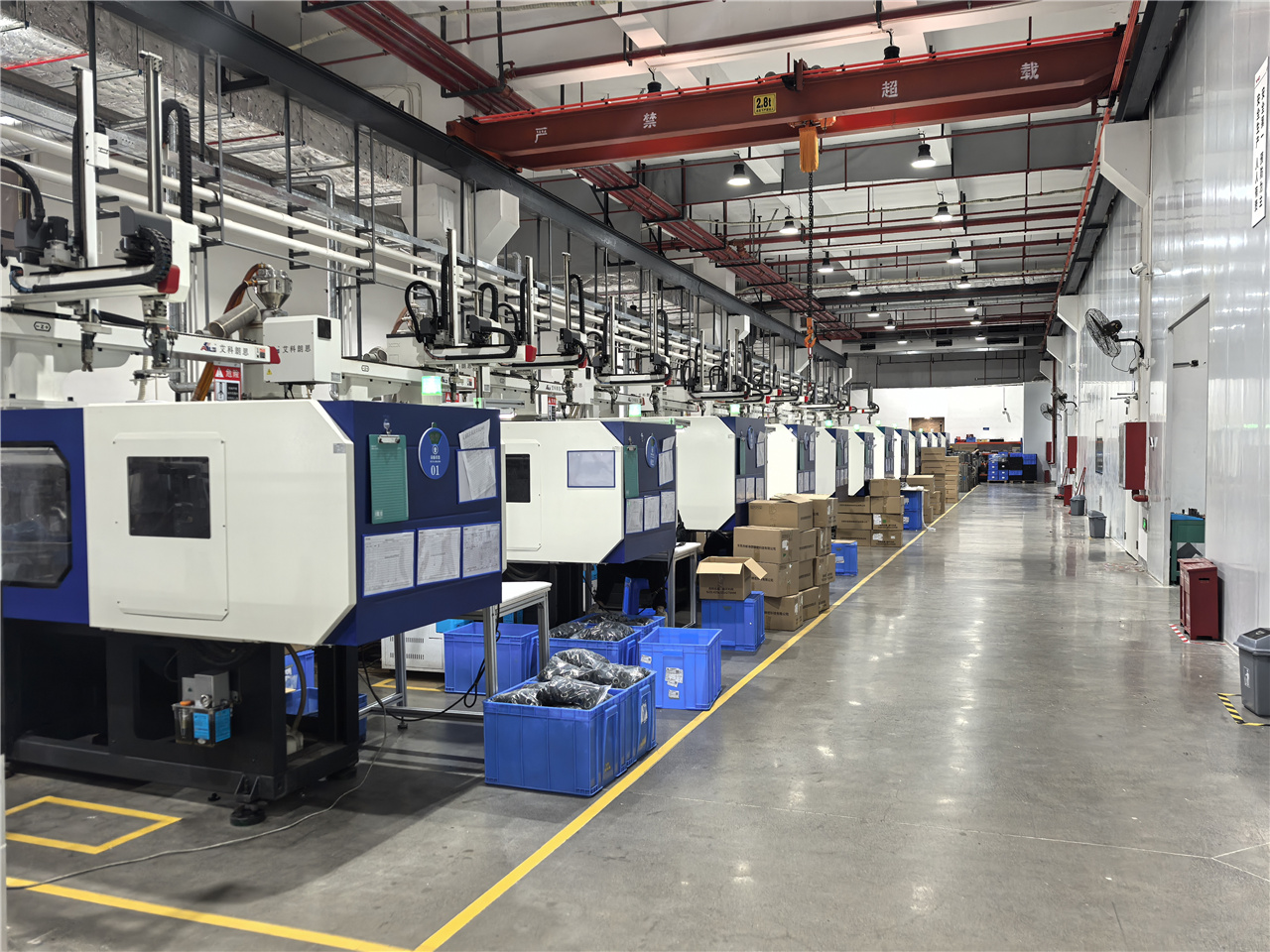
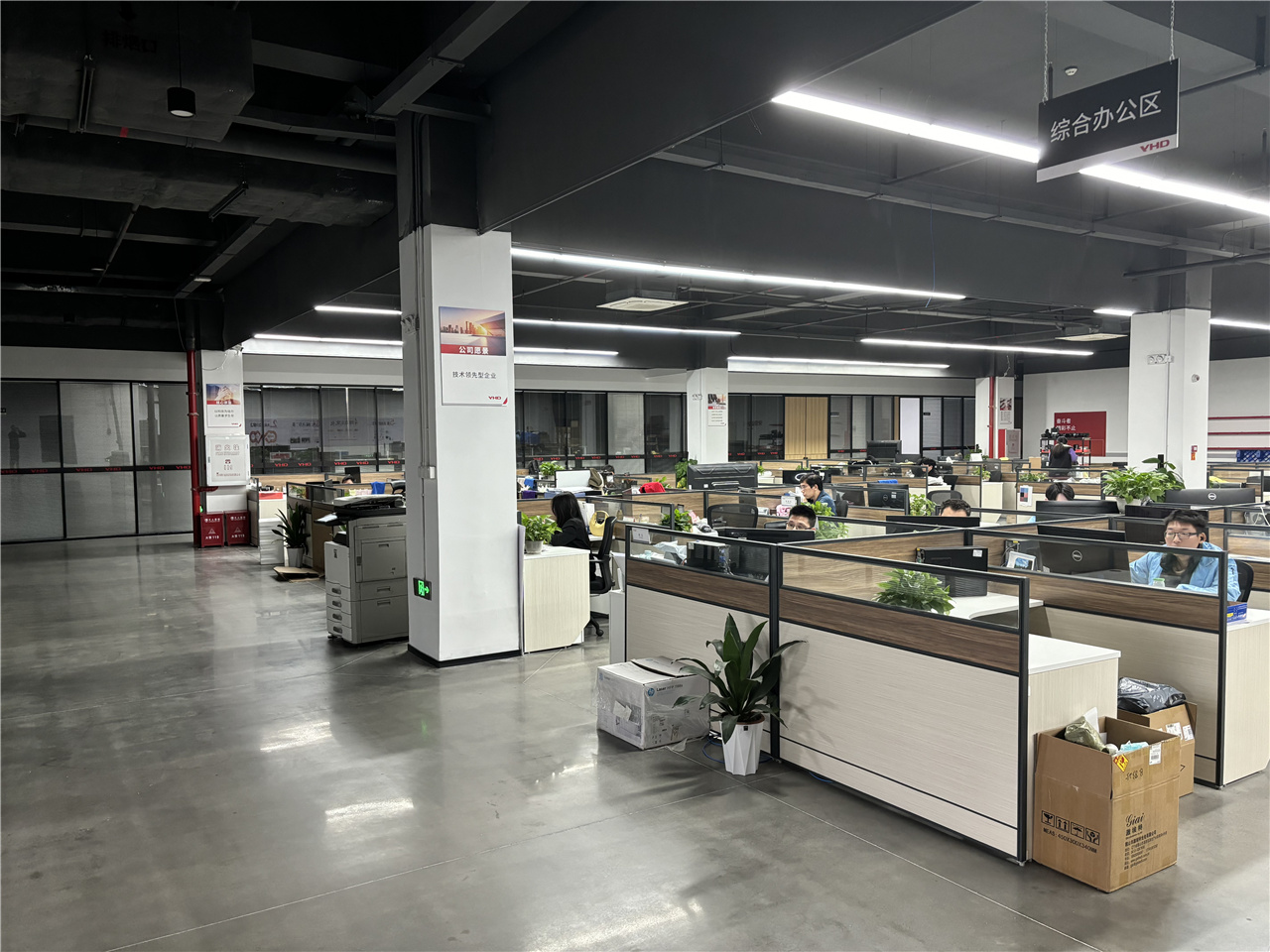
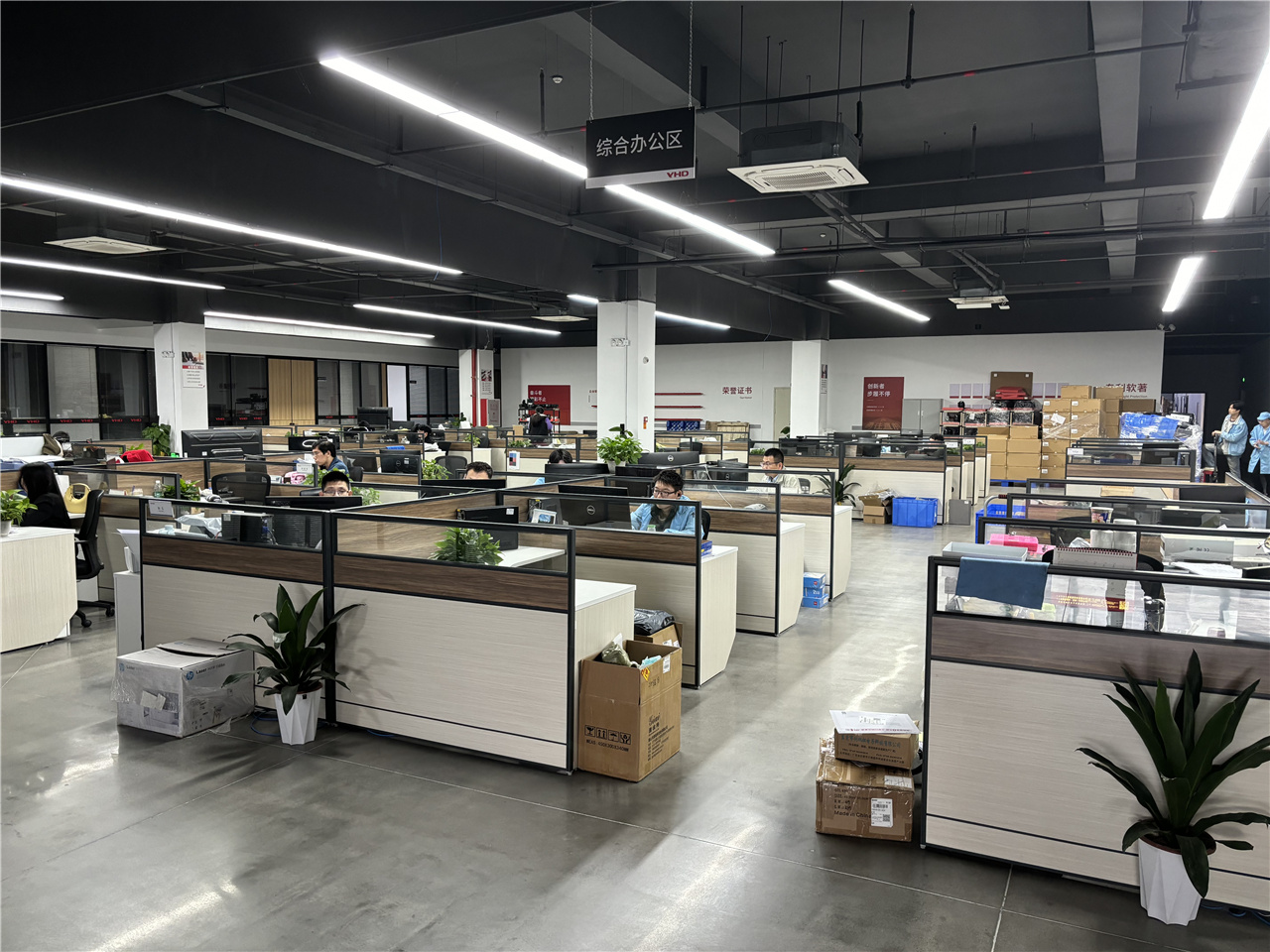
Shenzhen Dianyang Technology Co., Ltd. is a subsidiary of VHD (Shenzhen VHD Technology Co., Ltd.), a publicly listed company on the Shenzhen Stock Exchange. This strategic affiliation gives Dianyang unique access to VHD’s advanced R&D platforms, high-precision manufacturing systems, and rigorous quality management practices—enabling us to deliver thermal imaging products of higher reliability and consistency than typical ODMs.
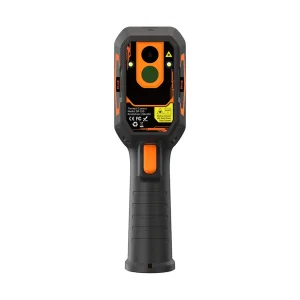
We specialize in ODM/OEM services for infrared thermal imaging solutions, including handheld thermal imagers, smartphone-connected thermal cameras, thermal analyzers, and thermal imaging telescopes. Our products serve global customers in power inspection, building diagnostics, firefighting, industrial maintenance, and outdoor applications.
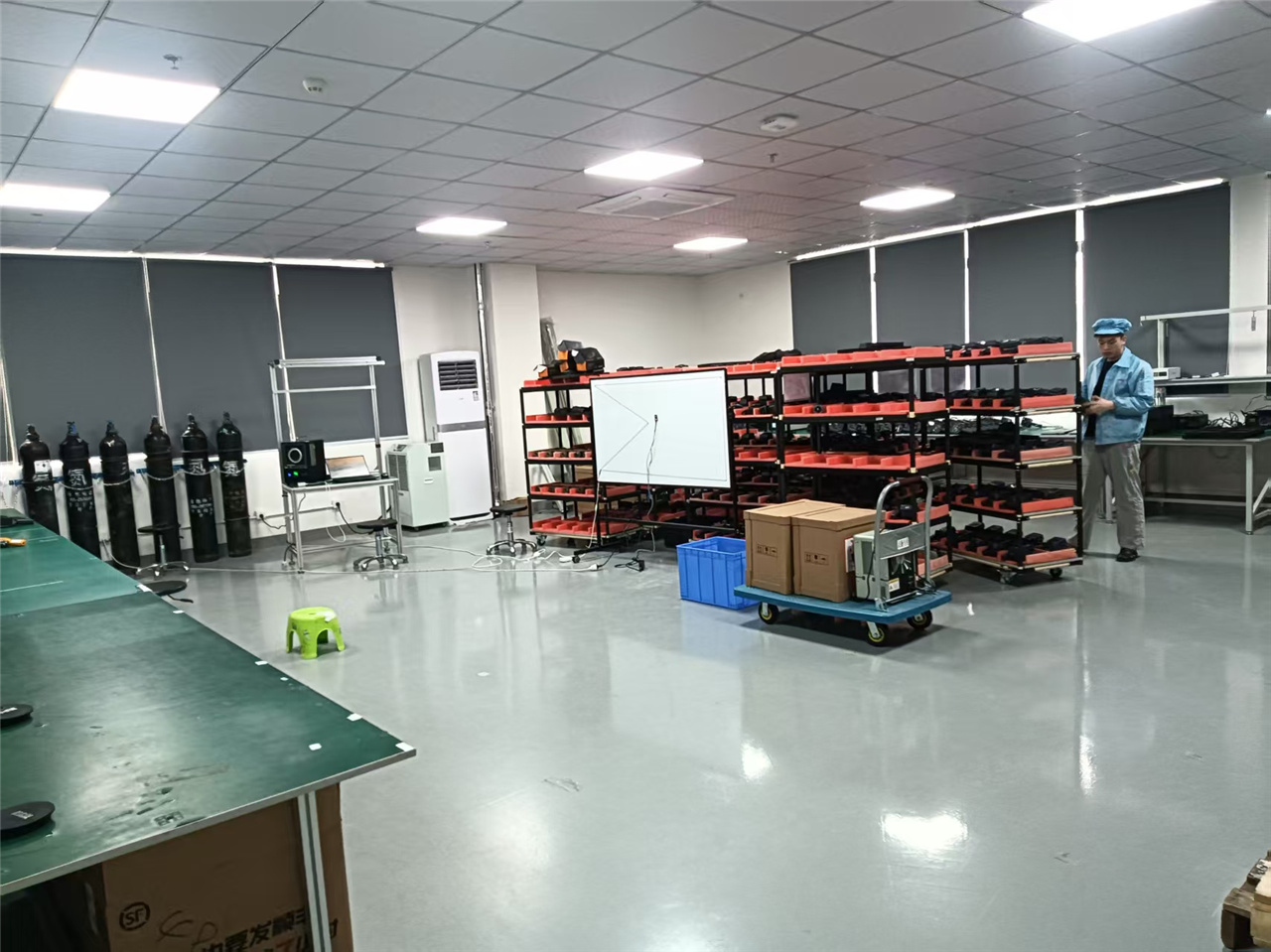
Our dedicated engineering team applies Design for Manufacturing (DFM), Design for Testability (DFT), thermal simulation, and EMC pre-compliance analysis to optimize performance and accelerate development. We also support clients in obtaining key international certifications such as CE, FCC, RoHS, REACH, CB, UKCA, KC, and PSE.
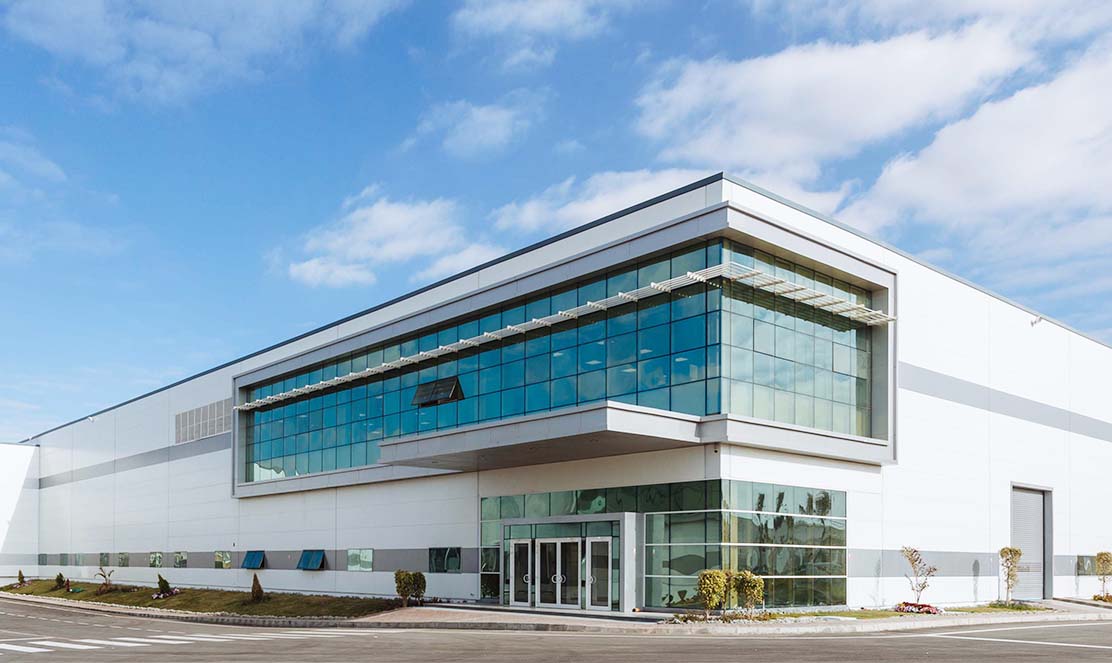
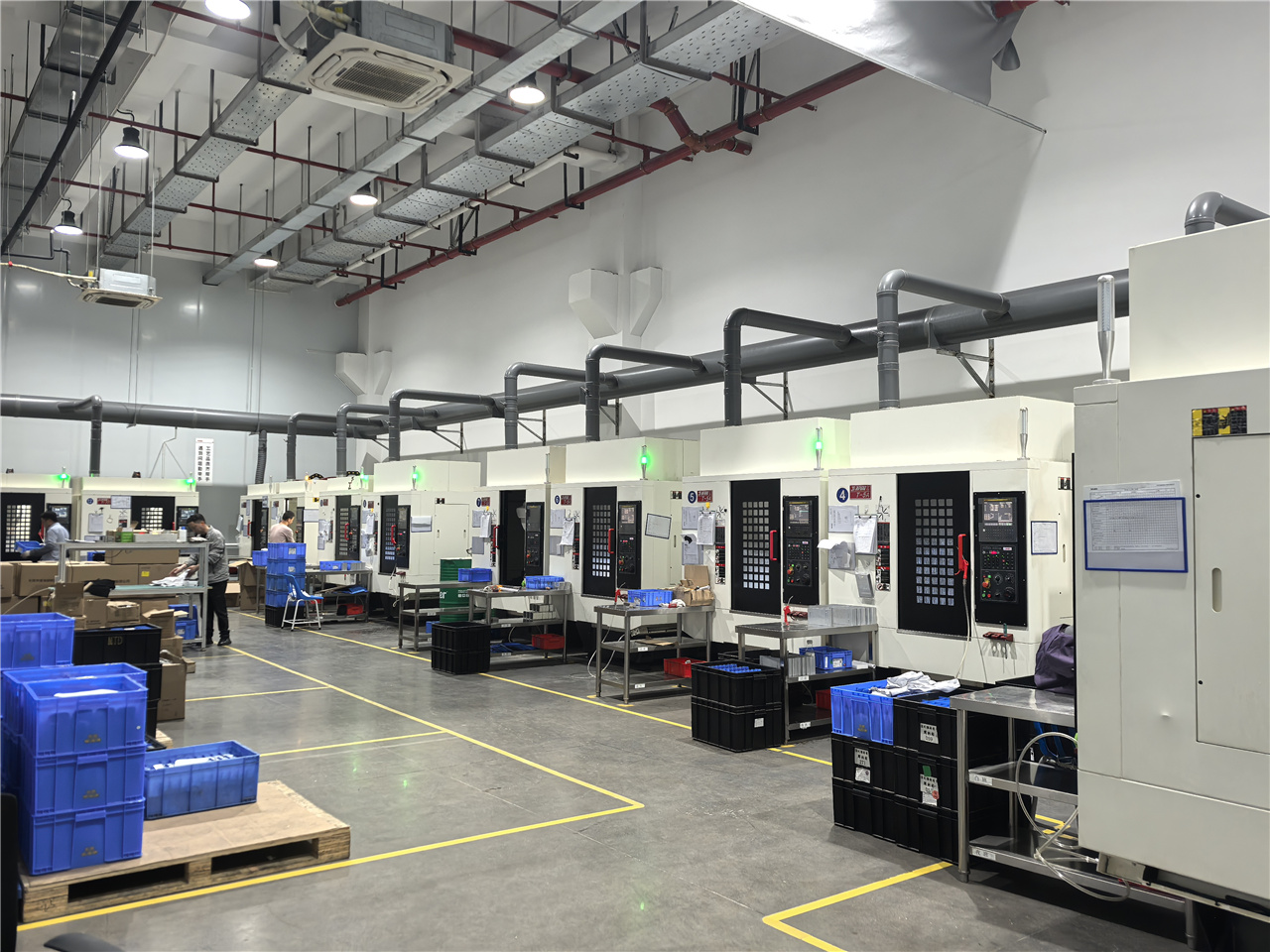
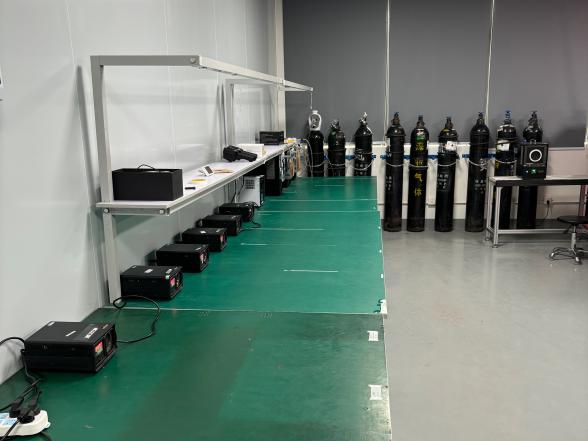
Key factors to evaluate when sourcing software-integrated thermal imaging systems from international exporters.
When enterprise buyers, industrial distributors, and OEM brands evaluate overseas thermal camera exporters, focusing exclusively on unit hardware pricing often leads to hidden integration bottlenecks down the line. A holistic procurement strategy evaluates software capabilities, OEM customization fees, ongoing SDK maintenance support, and hardware durability side by side.
Ensure the manufacturer supplies complete, un-docked SDKs supporting your required operating environment (Windows C#/.NET, Linux C++, Android Java/NDK, iOS Swift). Confirm whether software licensing requires ongoing monthly seat subscriptions or offers lifetime perpetual royalty-free deployment for exported devices.
Verify that the thermal software includes multi-point temperature calibration algorithms calibrated across blackbody radiation sources. High-grade software must offer adjustable emissivity matrix settings, environmental compensation factors, and guaranteed measuring error limits within ±2°C or ±2% of reading.
A reliable exporter should provide turn-key customization of PC software and mobile apps, including customized installer packages, multi-language translation (English, Spanish, German, Japanese, Korean, French, etc.), custom corporate palette schemes, and customized report PDF header formats.
Sourcing from exporters backed by publicly traded parent entities (such as Dianyang's affiliation with Shenzhen VHD Technology Co., Ltd.) mitigates long-term supply chain risk, guaranteeing ongoing software maintenance updates, continuous firmware security patches, and multi-year hardware component availability.
Expert answers regarding IR camera software export, OEM customization, and technical services.
Our exported IR camera systems come bundled with comprehensive radiometric analysis software suites for Windows PC and dedicated mobile applications for iOS and Android. Key features include real-time thermal video streaming, dynamic point/line/area temperature measurement, multi-palette changing, thermal-optical image fusion, emissivity adjustment, and automated thermographic inspection PDF report generation.
Yes. We provide complete Software Development Kits (SDKs) and APIs for Windows (C++, C#), Android (Java/NDK), Linux, and iOS. Enterprise clients can easily integrate raw thermal video streams and radiometric temperature calculations into their own proprietary inspection software, drone ground stations, or industrial automation platforms.
Absolutely. As a dedicated OEM/ODM thermal imaging solution provider, Shenzhen Dianyang offers full white-label software customization services. This includes changing app icons, corporate branding, interface color schemes, splash screens, domain links, and customized report layouts to match your brand identity.
As a subsidiary of VHD (listed on the Shenzhen Stock Exchange), we benefit from massive centralized component sourcing, automated SMT production facilities, and an established R&D platform. Shared infrastructure reduces R&D amortization overhead per unit, enabling us to export high-performance IR software and hardware at discount direct-factory rates.
Our products and associated electronics are fully certified for international export across all major economic zones, carrying CE, FCC, RoHS, REACH, CB, UKCA, KC (Korea), and PSE (Japan) certifications, guaranteeing compliant and hassle-free market entry globally.
Our software architecture natively scales across our full product spectrum—from ultra-compact 96x96 entry sensors (DP-09D series), 120x90 mid-range units (DP-12DV), 160x120 and 256x192 mainstream models (DP-25D, H2F6B, H2FB), up to 384x288 and 640x512 high-resolution professional thermal imagers (DP-38D, DP-64D, MD-64CA module).
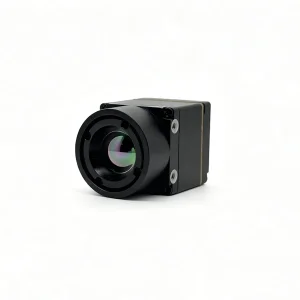
Complete your deployment with factory-direct thermal imaging devices, mobile thermal accessories, and embedded OEM modules.
 Dianyang