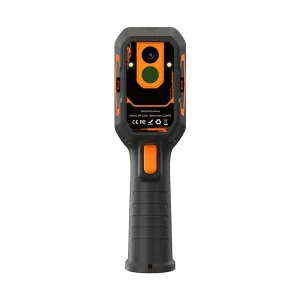
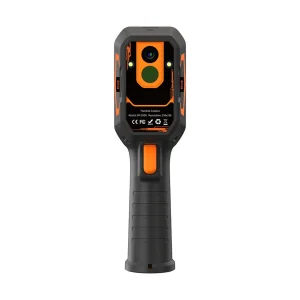
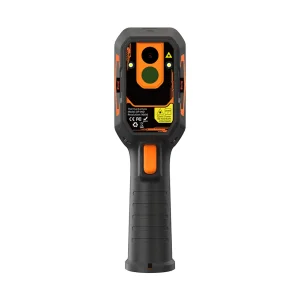
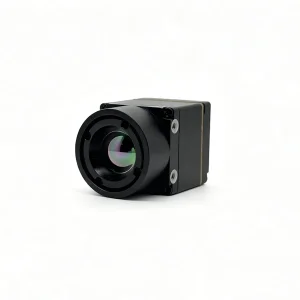
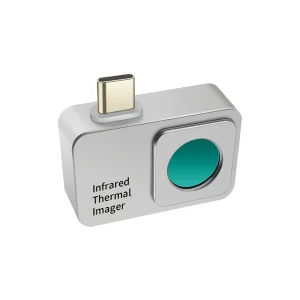
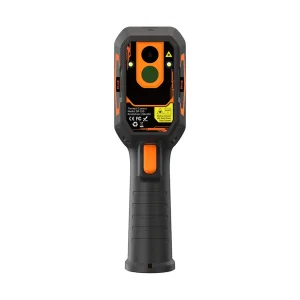
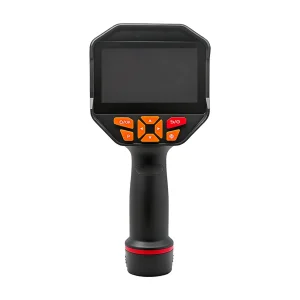
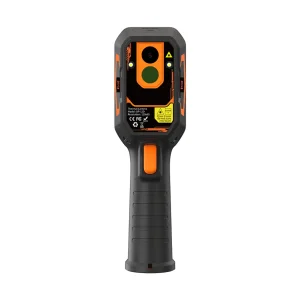
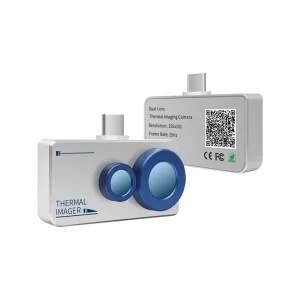
Precision infrared thermal imaging modules and handheld devices deployed in utility-scale industrial energy storage battery monitoring, preventing thermal runaway and maximizing asset performance.
The global transition toward carbon neutrality has accelerated the adoption of Battery Energy Storage Systems (BESS) across commercial and industrial (C&I) sectors. Industrial energy storage batteries serve as the critical linchpin for grid stabilization, peak shaving, load leveling, and seamless renewable energy integration (solar PV and wind power). Sourcing directly from a high-tier discount industrial energy storage battery factory gives enterprises and system integrators a decisive competitive cost advantage without compromising structural integrity or cycle lifecycle performance.
Commercial facilities face escalating demand charges and strict grid interconnection mandates. High-capacity Lithium Iron Phosphate (LiFePO4) systems manufactured by tier-1 factory partners deliver robust thermal stability, superior safety profiles, and an economical cost per kilowatt-hour ($/kWh) over multi-decade deployments. Understanding the holistic ecosystem—from raw cathode processing to automated module assembly and embedded thermal diagnostic surveillance—is essential for enterprise procurement teams seeking optimized factory pricing.
The technological evolution of industrial energy storage systems is driven by energy density enhancement, structural modularity, and early-stage fault diagnostics. Below is a comprehensive engineering breakdown of current and upcoming energy storage battery chemistries and monitoring architectures:
Current Industry Standard: High thermal runaway threshold (~270°C), exceptional cycle life (6,000 to 10,000 cycles), zero cobalt requirement. LFP remains the undisputed leader for stationary industrial energy storage due to its unbeatable safety index and decreasing $/kWh cost trajectory.
Emerging Alternative: Utilizing abundant sodium resources, Na-Ion provides superior low-temperature performance (-40°C operation) and high discharge rate capabilities. Ideal for cold-climate industrial microgrids and back-up power systems where raw material cost stability is paramount.
Next-Generation Horizon: Solid electrolytes eliminate flammable organic solvents, virtually neutralizing fire risks. Coupled with high volumetric density, solid-state technology will redefine dense urban industrial battery energy storage installations by 2030.
| Technology Architecture | Energy Density (Wh/kg) | Cycle Life (80% DoD) | Thermal Runaway Temp (°C) | Integrated IR Diagnostic Compatibility |
|---|---|---|---|---|
| Standard Pack LFP (3.2V Cells) | 160 - 185 | 6,000 - 8,000 | ~270°C | High (Radiometric Imaging Modules) |
| High-Density Sodium-Ion | 130 - 160 | 4,000 - 5,000 | ~290°C | Native Support for Modular Imagers |
| Semi-Solid State Industrial | 260 - 320 | 10,000+ | >400°C | Integrated Optical & Thermal Arrays |
| Flow Battery (Vanadium) | 25 - 45 | 20,000+ | Non-Flammable | External Fluid Thermal Telemetry |
China commands over 75% of the global lithium-ion manufacturing capacity, offering unprecedented supply chain resilience, rapid scaling, and optimized production costs for enterprise BESS buyers. Chinese industrial energy storage battery factories benefit from a localized ecosystem encompassing lithium mining refining, cathode manufacturing, dynamic cell winding, intelligent pack assembly, and embedded quality control diagnostics.
By collocating battery cell manufacturing with precision circuit board, BMS (Battery Management System), and thermal sensor production, factories in regional high-tech clusters eliminate multi-tiered logistics markups. This vertical integration allows enterprise customers to secure contract pricing at substantial discounts while maintaining stringent MIL-STD quality standards.
Leading manufacturing lines deploy automated optical inspection (AOI), 3D X-ray CT scan verification, and online infrared radiometric imaging (utilizing thermal cameras like the MD-64CA and DP series) to detect microscopic tab welding faults, internal short risks, and enclosure seal defects before shipment.
Industrial energy storage battery packs and containerized energy storage units are engineered to operate across diverse, harsh environmental conditions. Modern factory solutions are tailored for localized deployment patterns:
Automated discharge during peak tariff grid hours reduces peak demand charges for manufacturing plants, hyperscale data centers, and commercial complexes, yielding measurable ROI within 24–36 months.
Combining solar PV arrays with industrial storage stabilizes isolated island grids, mining facilities, and off-grid agricultural operations against voltage fluctuations and frequency drift.
Provides instantaneous sub-millisecond transfer times for critical manufacturing processes, semiconductor fabrication facilities, and medical hubs during unexpected grid outages.
Buffer storage installations mitigate local transformer overload when high-power DC fast-charging stations draw rapid surge power from municipal grid lines.
Safety is the single most critical parameter in utility-scale industrial energy storage. Thermal runaway occurs when an internal cell short circuit or external abuse generates excessive heat, propagating rapidly to adjacent cells. Standard thermocouple wire networks often fail to detect localized hotspots until flame generation occurs.
Integrating continuous infrared thermal imaging with the primary Battery Management System (BMS) allows automated isolation valves, aerosol fire suppression systems, and HVAC liquid cooling loops to trigger long before thermal runaway thresholds are breached. This dual-layer strategy represents the gold standard in industrial BESS engineering.
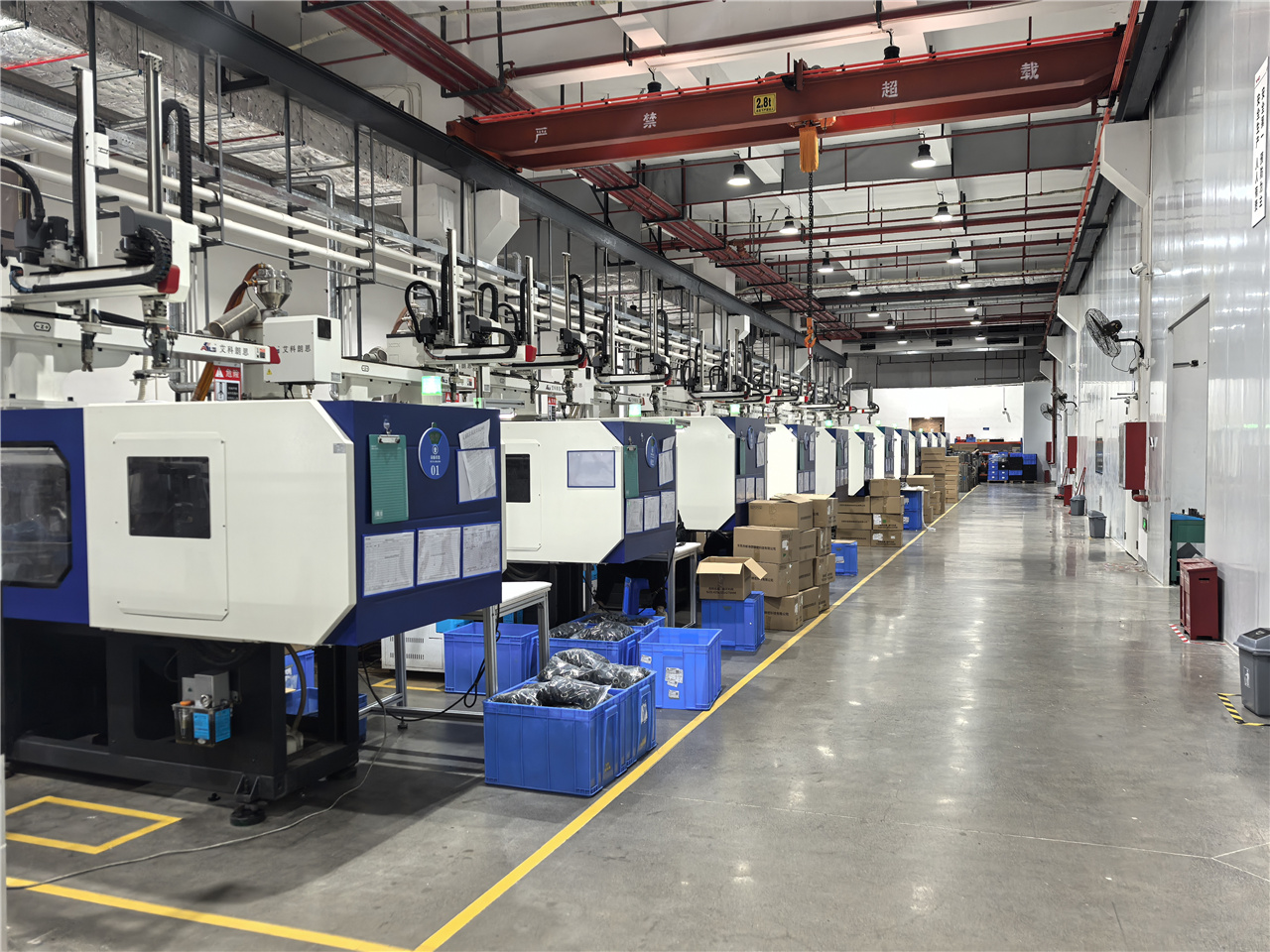
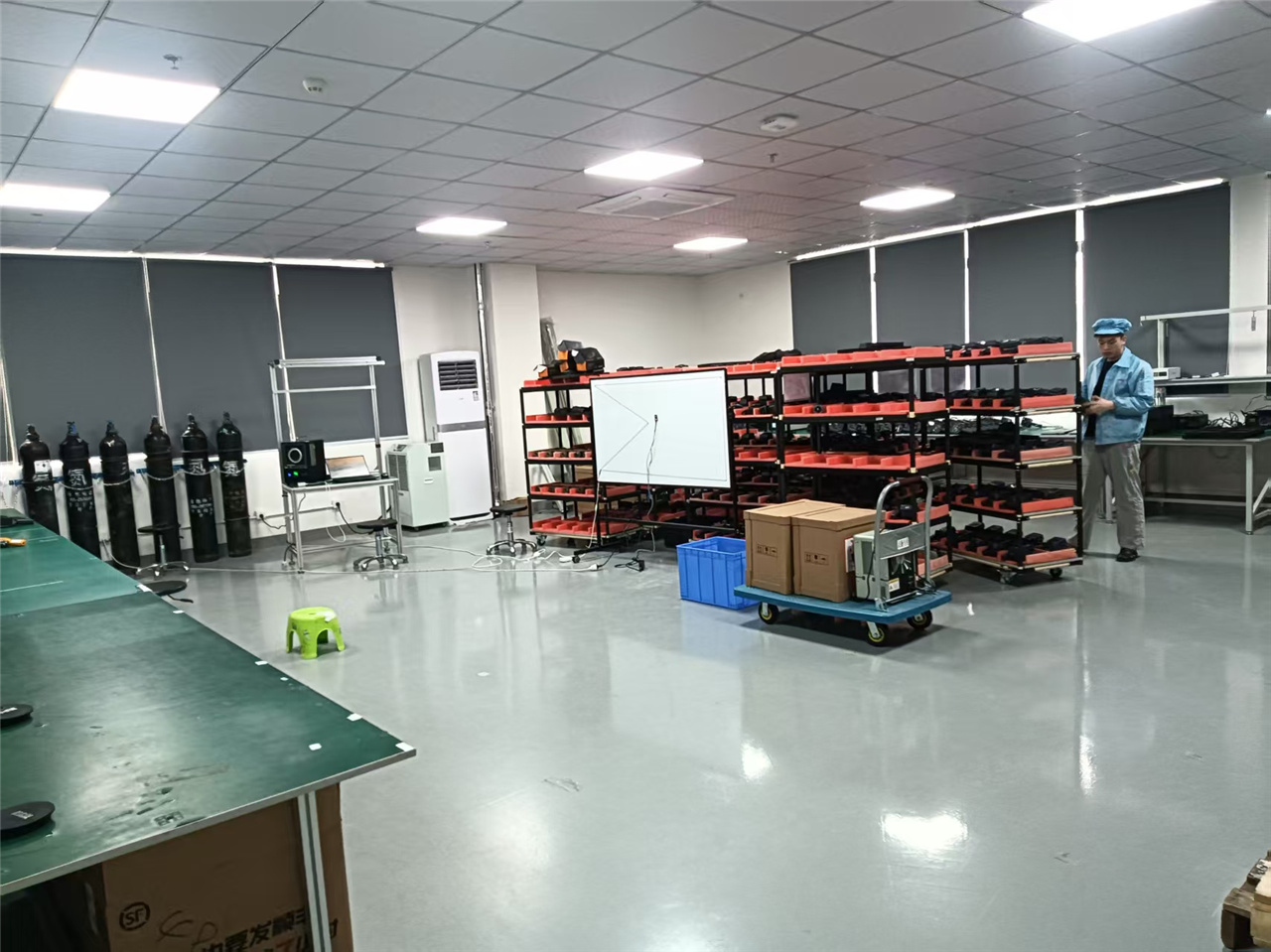
Shenzhen Dianyang Technology Co., Ltd. is a subsidiary of VHD (Shenzhen VHD Technology Co., Ltd.), a publicly listed company on the Shenzhen Stock Exchange. This strategic affiliation gives Dianyang unique access to VHD’s advanced R&D platforms, high-precision manufacturing systems, and rigorous quality management practices—enabling us to deliver thermal imaging products of higher reliability and consistency than typical ODMs.

We specialize in ODM/OEM services for infrared thermal imaging solutions, including handheld thermal imagers, smartphone-connected thermal cameras, thermal analyzers, and thermal imaging telescopes. Our products serve global customers in power inspection, building diagnostics, firefighting, industrial maintenance, energy storage monitoring, and outdoor applications.
Our dedicated engineering team applies Design for Manufacturing (DFM), Design for Testability (DFT), thermal simulation, and EMC pre-compliance analysis to optimize performance and accelerate development. We also support clients in obtaining key certifications such as CE, FCC, RoHS, REACH, CB, UKCA, KC, and PSE.
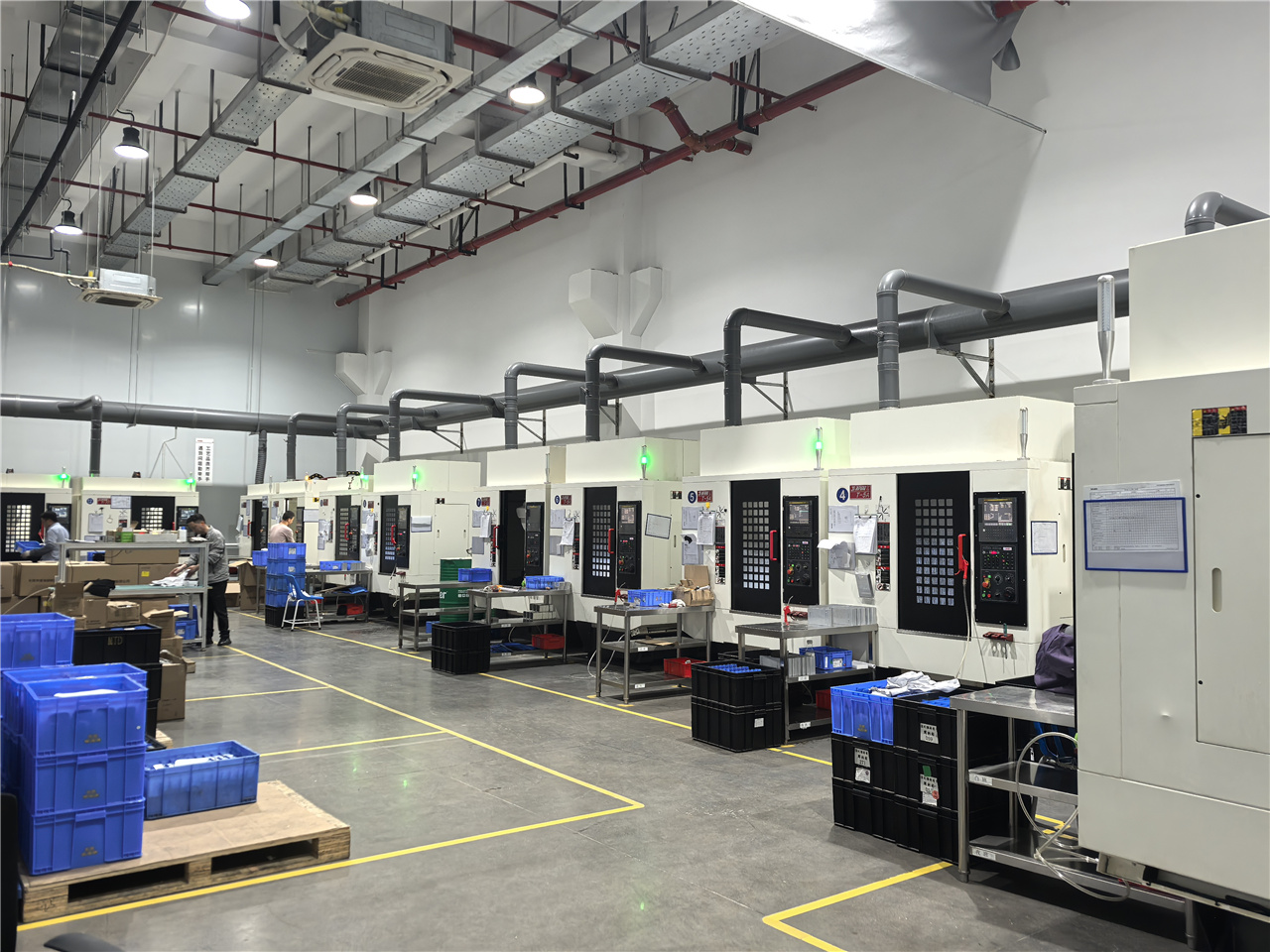
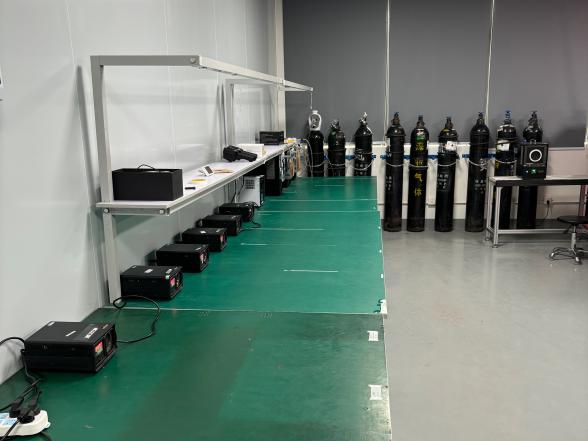
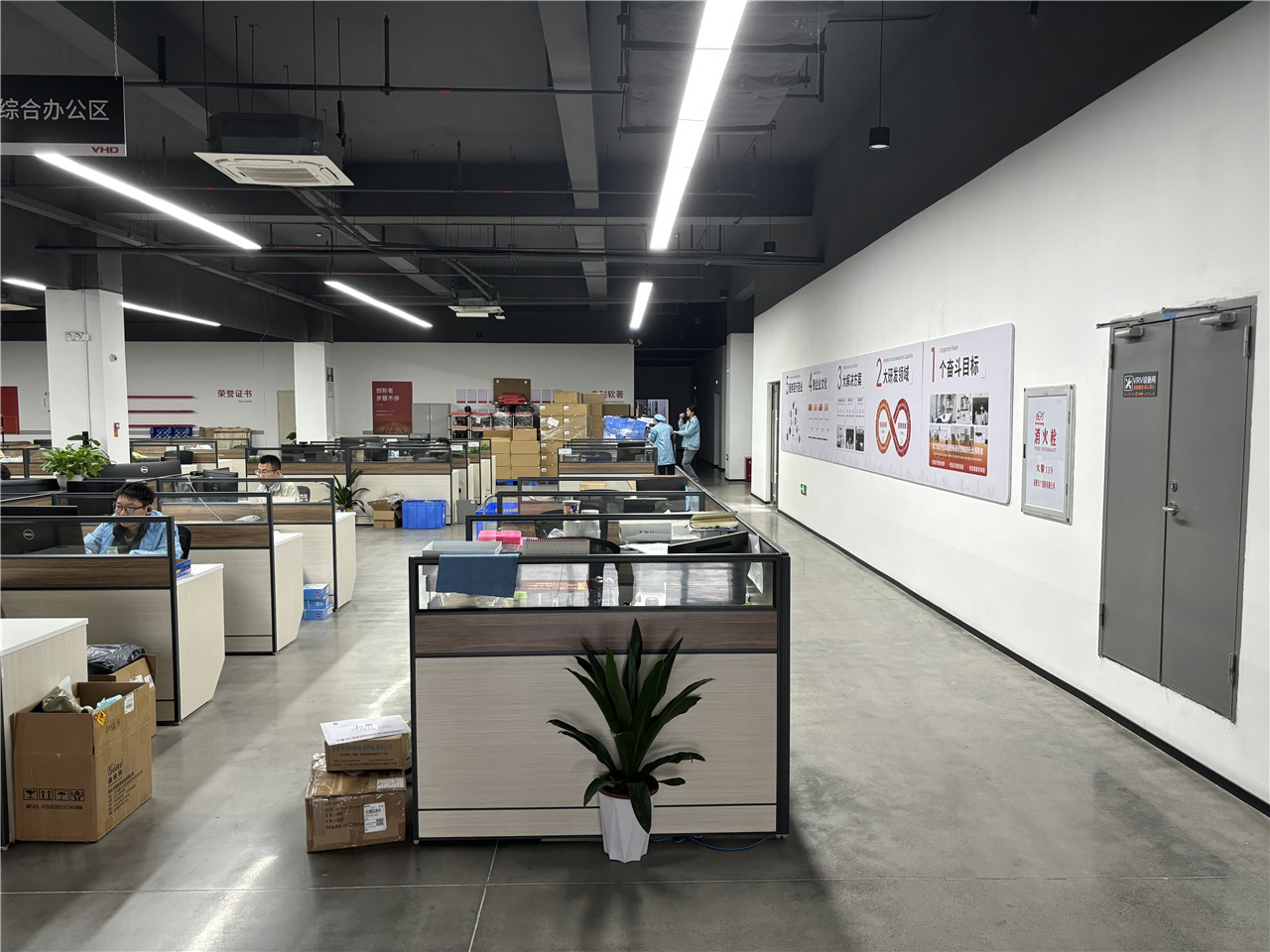


Navigating international regulatory frameworks is imperative when importing industrial energy storage batteries and thermal monitoring hardware. Our direct-from-factory solutions strictly comply with global safety and transport standards:
Fully compliant with UN 38.3 (transport safety), UL 1973 (stationary battery packs), UL 9540A (large-scale fire testing), IEC 62619, and CE/EMC directives ensuring fast customs clearance and grid interconnection approval.
We provide turnkey OEM engineering consultation, onsite thermal commissioning, remote telemetry setup, and 24/7 dedicated engineering support for worldwide project implementations.
Backed by multi-year performance guarantees, automated firmware updates, and local component dispatch centers to ensure zero operational downtime for industrial installations.
By procuring directly from top-tier Chinese manufacturing facilities, companies bypass multiple distribution layers and branding markups. Furthermore, high cycle-life LFP cells combined with active thermal monitoring minimize system degradation, extending effective operational lifespan beyond 15 years.
Infrared thermal imaging captures real-time temperature differentials across battery modules. Unlike traditional sensors that measure ambient air temperature, thermal cameras detect localized cell heating instantly, preventing thermal runaway long before smoke or open fire occurs.
Key requirements include UN 38.3 for transport, IEC 62619, CE, and RoHS for Europe, alongside UL 1973, UL 9540, and UL 9540A fire propagation testing for North American commercial deployments.
Yes. Modules such as the MD-64CA export radiometric temperature data over standard industrial communication protocols (Modbus, CAN-bus, Ethernet/IP), enabling direct integration with BMS controllers for automated emergency shutdown.
Explore our complete range of high-precision thermal imaging solutions engineered for industrial battery maintenance, diagnostic scanning, and automated system integration.
 Dianyang