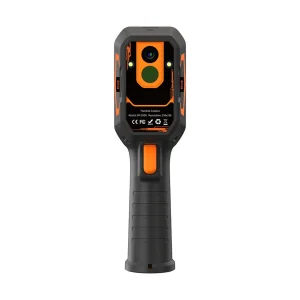
Factory-direct precision thermography equipment engineered for petrochemical monitoring, electrical diagnostics, and specialized OEM integration.
The global energy sector, petrochemical processing plants, and heavy manufacturing facilities operate under increasingly rigorous environmental regulations and operational safety demands. Industrial flare systems—critical safety devices used to burn off waste gases—require 24/7 unyielding monitoring to ensure complete combustion, prevent unburned hydrocarbon venting, and maintain regulatory compliance (such as US EPA 40 CFR Part 60/63 rules). As a premier Discount Flare Thermal Imaging Exporter & Supplier, Shenzhen Dianyang Technology Co., Ltd. provides advanced radiometric thermography solutions engineered to replace traditional, failure-prone thermocouples and optical flame sensors.
Conventional contact sensors mounted on flare stacks suffer from extreme thermal stress, rapid degradation, and high maintenance costs associated with elevated flare tip access. Modern uncooled focal plane array (FPA) infrared imaging systems offer remote, continuous, non-contact thermal monitoring. By tracking infrared signatures within the 8–14 μm spectral band, Dianyang's thermal cameras deliver quantitative radiometric data capable of verifying flame presence, measuring combustion temperature profiles, detecting steam injection imbalances, and triggering automated gas-assist controls.
Factory-direct OEM pricing combined with rugged uncooled detector reliability drastically cuts total cost of ownership compared to expensive cooled MWIR systems.
Automated alarm outputs for pilot light extinction, smoke formation warning, and flare plume disruption ensure immediate environmental compliance.
Seamless integration with existing SCADA systems via Modbus, ONVIF thermal streams, and customizable SDKs for real-time telemetry.
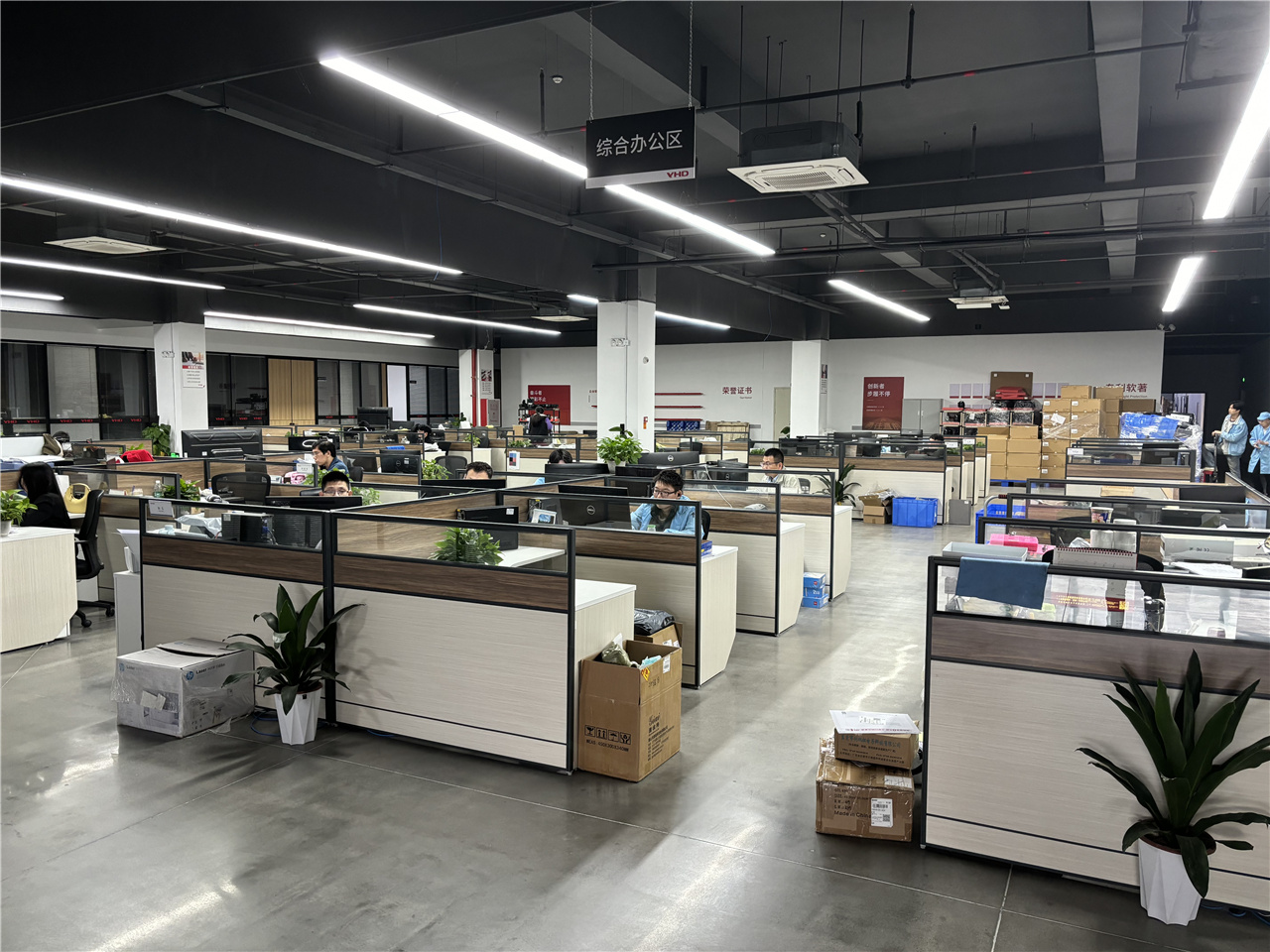
Underpinned by parent company VHD (Shenzhen Stock Exchange Listed), Dianyang Technology incorporates industrial-grade optoelectronic engineering into every thermal core.
Our infrared hardware uses high-density Vanadium Oxide (VOx) or Amorphous Silicon (a-Si) uncooled microbolometers. Operating in the long-wave infrared (LWIR) band (8 to 14 μm), these arrays achieve Noise Equivalent Temperature Differences (NETD) of <30mK to <40mK. This high thermal sensitivity enables accurate discrimination between subtle flame turbulence, background atmospheric radiation, and structural steel reflections.
During the design phase, our engineering team executes multi-physics thermal simulation, Design for Manufacturing (DFM), and Design for Testability (DFT). Each optical engine undergoes rigorous radiometric calibration across broad target ranges (-20°C to +550°C), employing dynamic polynomial curve fitting to eliminate ambient drift in harsh desert or offshore marine deployments.
Thermal imagery in outdoor industrial environments presents severe dynamic range challenges. Flame cores reach temperatures exceeding 1000°C, while ambient background structural elements remain near 25°C. Dianyang thermal imagers incorporate proprietary spatial-domain adaptive detail enhancement (DDE) and dynamic histogram equalization.
This computational thermography pipeline preserves highlight flame structures without saturating surrounding target zones, allowing operators to simultaneously monitor flare flame geometry and detect structural overheating on adjacent guy wires and stack shields.
| Model Series | Detector Resolution | Spectral Range | NETD Sensitivity | Temperature Measurement Range | Primary Application Matrix |
|---|---|---|---|---|---|
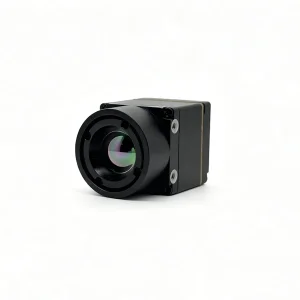
| DP-64D / MD-64CA | 640 × 512 VOx microbolometer | 8 ~ 14 μm | <30 mK @ f/1.0 | -20°C to +550°C (Ext. high option) | Flare stack monitoring, refinery gas leakage, grid thermography |
| DP-38D Series | 384 × 288 VOx array | 8 ~ 14 μm | <35 mK @ f/1.0 | -20°C to +550°C | Plant predictive maintenance, HVAC audit, electrical inspection |
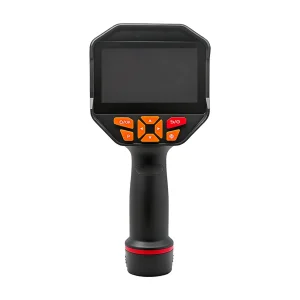
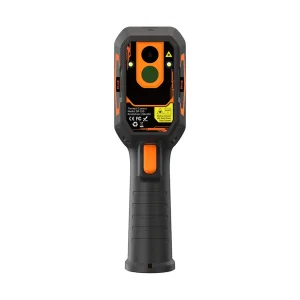
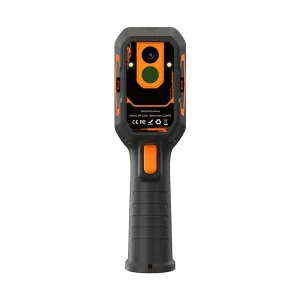
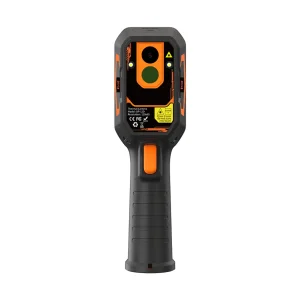
| DP-25D / DP-25DV | 256 × 192 FPA | 8 ~ 14 μm | <40 mK | -20°C to +550°C | Handheld industrial troubleshooting, building insulation audit |
| DP-12D / DP-12DV | 120 × 90 Micro-array | 8 ~ 14 μm | <50 mK | -20°C to +550°C | Compact electrical testing, contractor entry-level diagnostic tool |
| DP-09D Series | 96 × 96 Ultra-compact core | 8 ~ 14 μm | <50 mK | Spot thermography | Embedded automated machinery thermal monitoring |
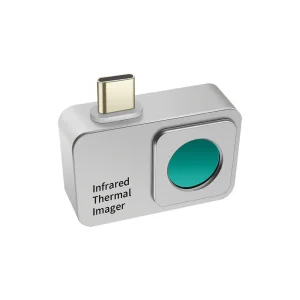
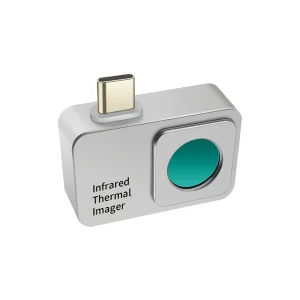
| H1FB / H2FB Mobile | 160x120 / 256x192 Smartphone plug-in | 8 ~ 14 μm | <40 mK | -20°C to +350°C | Mobile field diagnostics, HVAC technician fast-check, field survey |
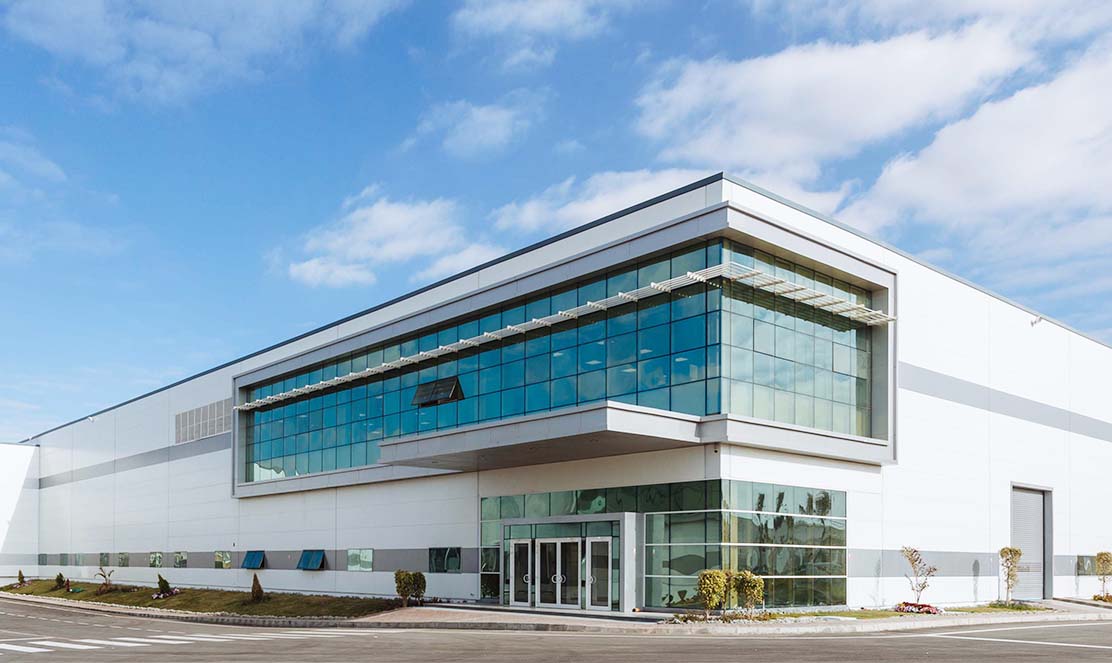
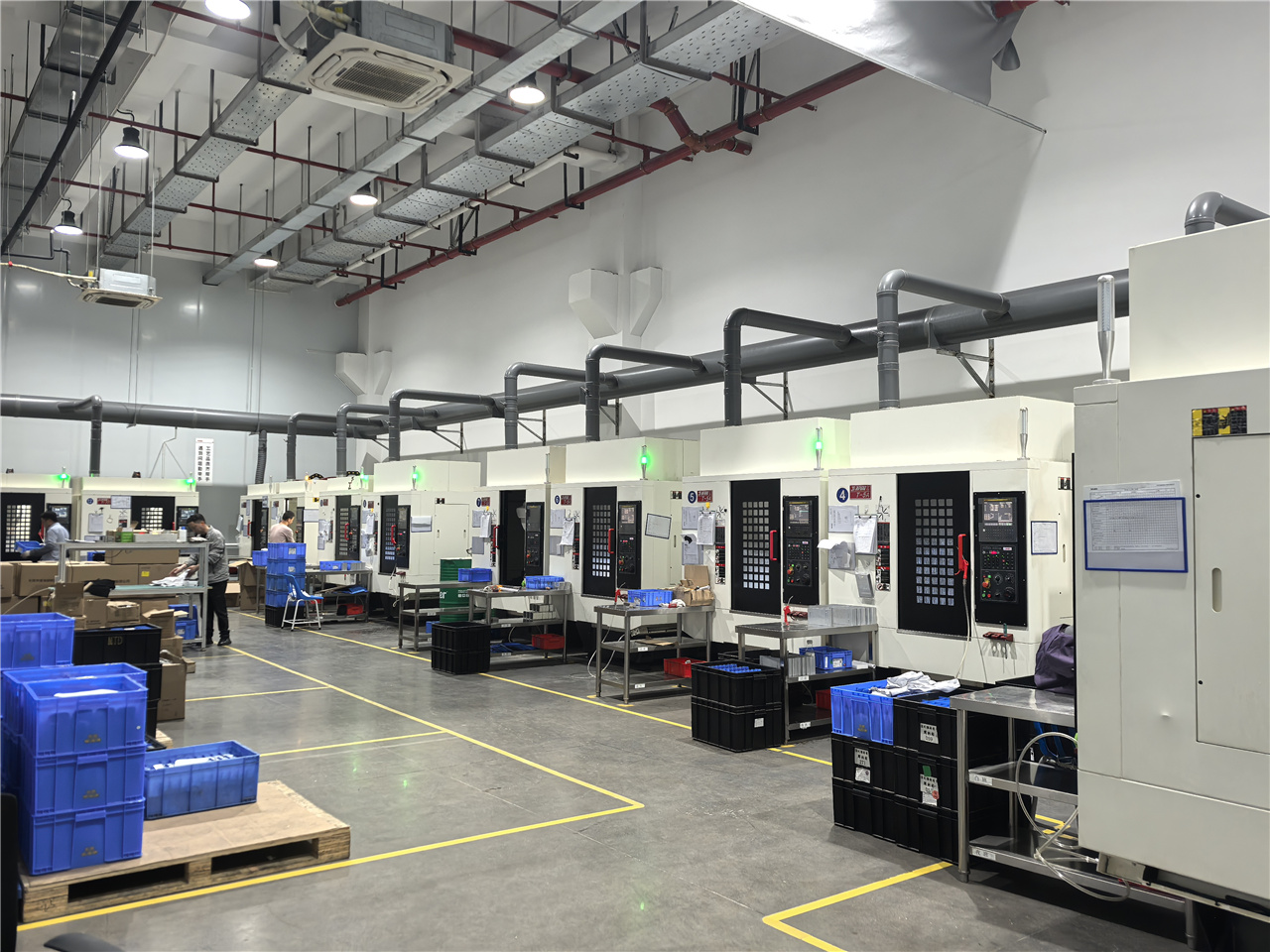
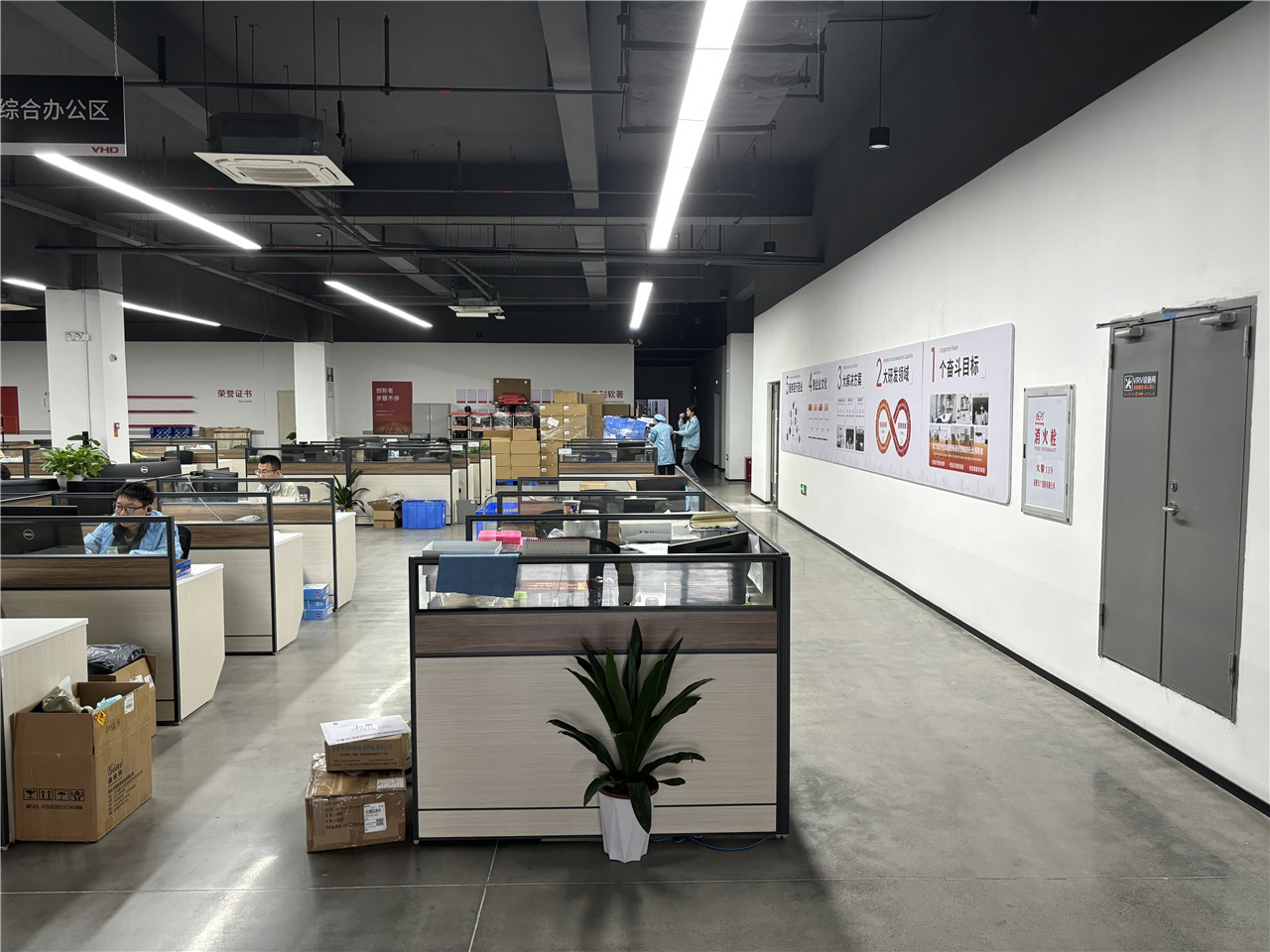
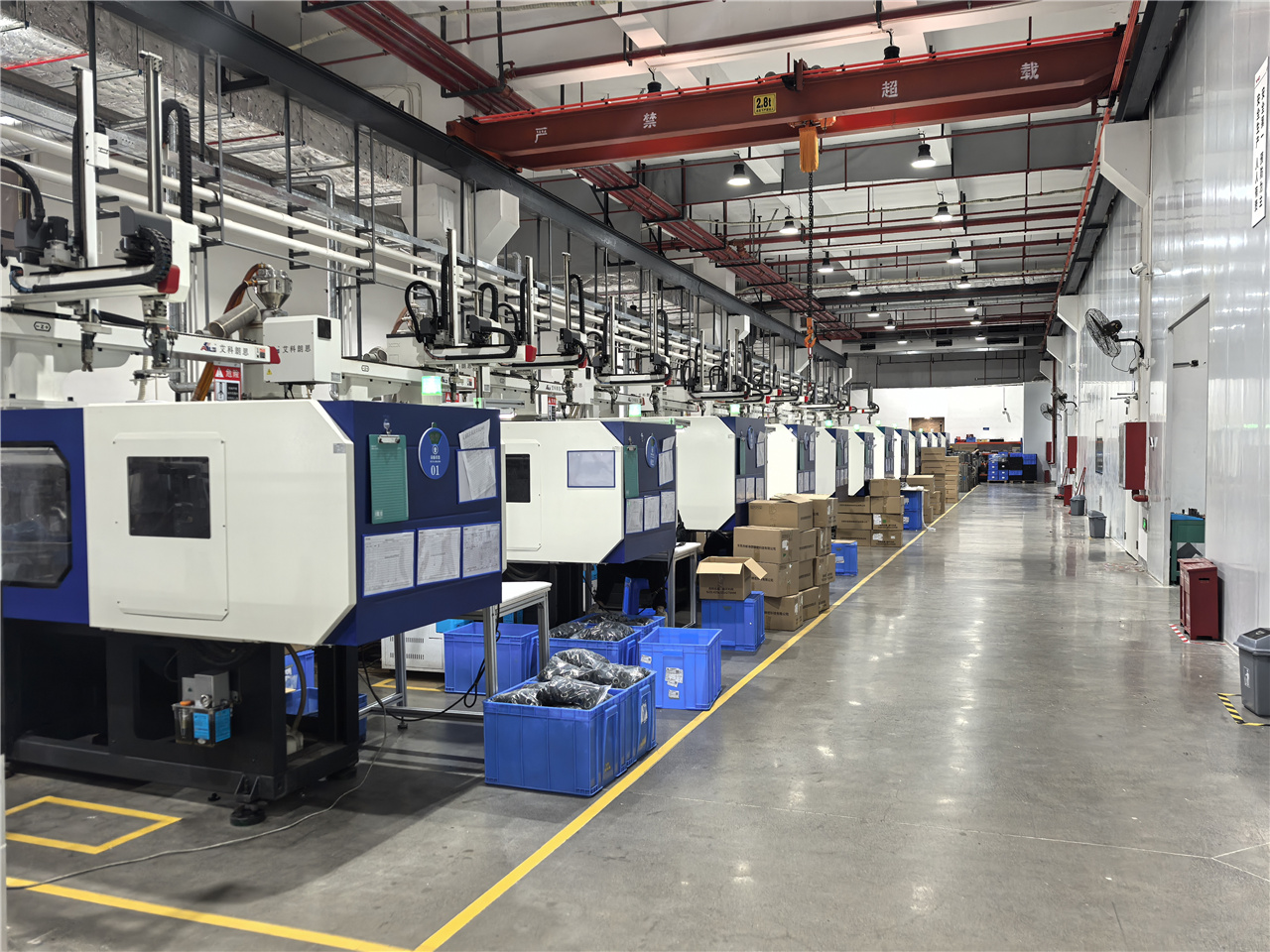
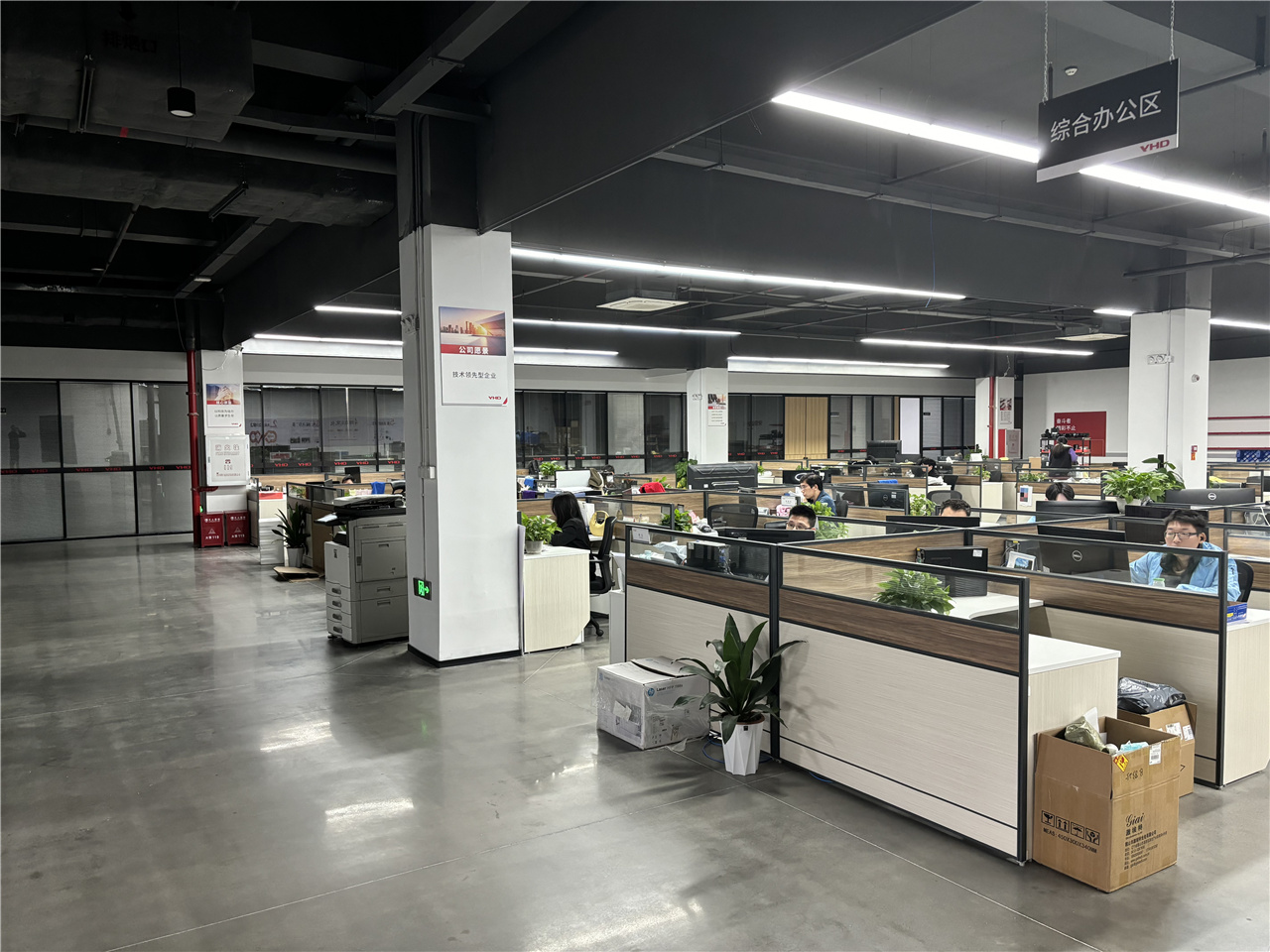
Combining listed company capital strength, state-of-the-art SMT lines, and responsive international trade logistics to deliver discounted direct pricing without compromise.
As a core subsidiary of VHD (listed on the Shenzhen Stock Exchange), Dianyang leverages centralized raw material procurement, sharing scale discounts for optical germanium lenses, sensor dies, and PCBAs with global distributors.
We provide customized housing design, tailored optical lens configurations (narrow FOV for long-distance flare stacks or wide FOV for indoor panels), private-label firmware branding, and custom SDK integration.
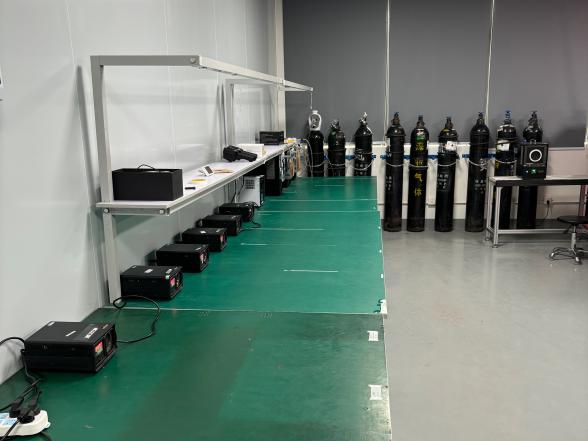
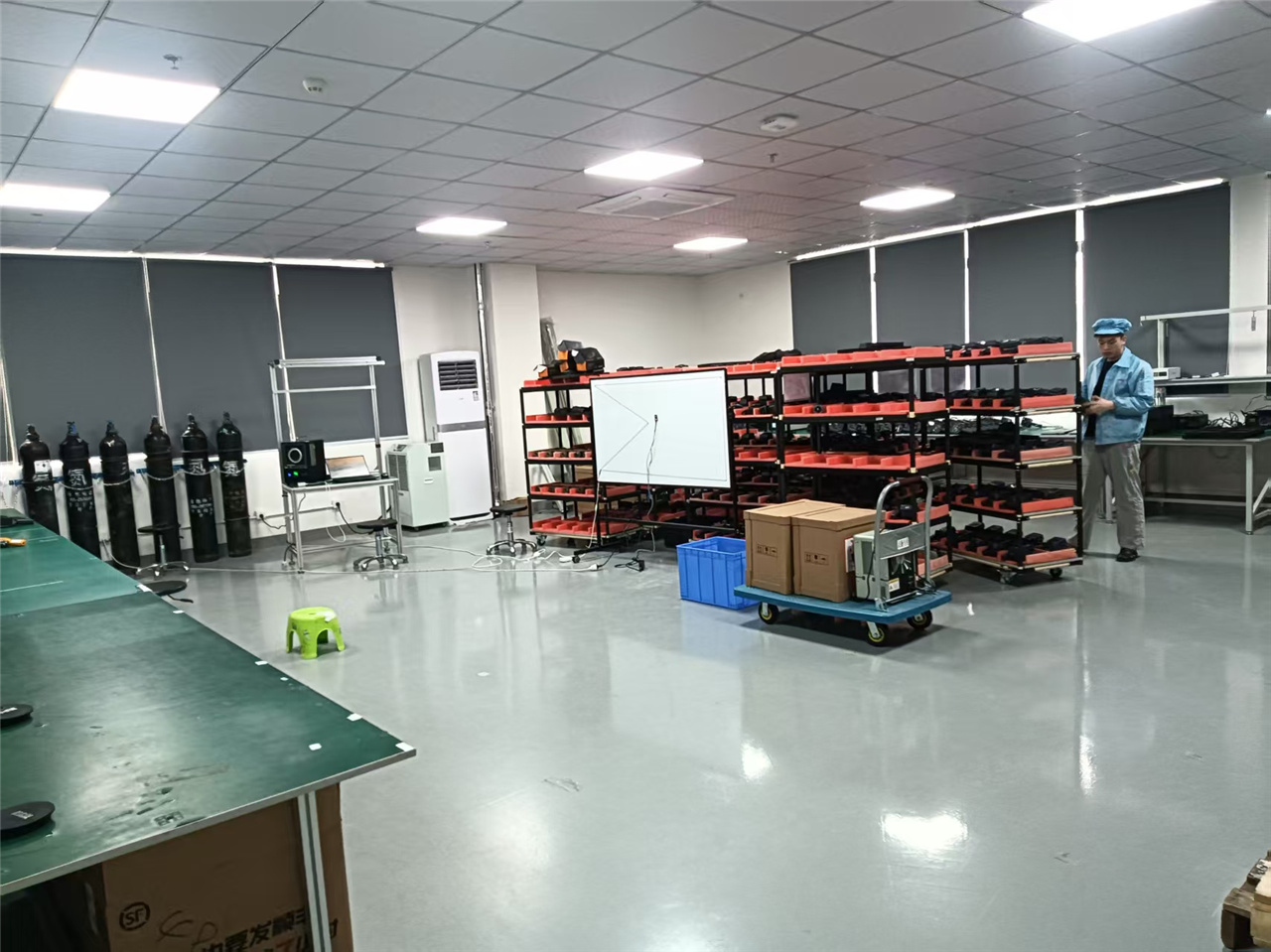
Our in-house EMC pre-compliance lab, automated blackbody calibration tunnels, and environmental stress chambers ensure swift production ramp-up with minimal defect rates.
From remote refinery flare towers in North America to electrical grids in Southeast Asia, Dianyang thermal imagers drive operational continuity.
In high-wind offshore platforms and refinery sites, flare pilots can flame out silently under severe weather. Optical visual cameras fail at night or during heavy fog, while thermocouples break down under continuous 1000°C exposure. Installing the MD-64CA or DP-64D core inside explosion-proof enclosures allows continuous distant tracking of pilot flames and main flare plumes. Automatic thermal threshold triggers instantly notify control rooms if pilot flames flicker or extinguish, preventing catastrophic unburnt methane release.
Overheated busbars, loose terminal lugs, transformer cooling fin clogs, and high-voltage breaker contact degradation emit clear thermal signatures prior to electrical flashovers. Maintenance technicians equipped with the DP-38D or DP-25D thermal cameras perform rapid thermographic sweeps across energized substations, identifying micro-Kelvin temperature anomalies long before physical component failure occurs.
Modern semiconductor density demands meticulous thermal management. Using Dianyang thermal analyzers and high-resolution modules, electronics engineers inspect printed circuit boards (PCBs) under operating load to locate micro-short circuits, unoptimized power IC heat sinks, and thermal stress point concentrations during prototype development cycles.
Facility managers and energy auditors leverage the portable H1FB / H2FB smartphone-connected thermal imagers or handheld DP series to detect thermal bridging, moisture ingress beneath roofing membranes, air infiltration around facade sealing, and HVAC ductwork leaks—delivering actionable energy conservation reports.
Shenzhen Dianyang Technology Co., Ltd. applies standard Design for Manufacturing (DFM), Design for Testability (DFT), thermal simulation, and EMC pre-compliance analysis. We support clients in acquiring crucial international certifications including CE, FCC, RoHS, REACH, CB, UKCA, KC, and PSE.
Exploring the convergence of Edge AI, Multi-Spectral Fusion, and IoT Cloud Telemetry in industrial thermal sensing.
Embedding Convolutional Neural Networks (CNNs) directly onto handheld and modular thermal hardware. This enables autonomous classification of gas leaks versus flare flame variations in real-time on the edge device without cloud latency.
Fusing visible light high-definition video with LWIR thermal pixels at frame level. Sub-pixel spatial alignment allows pinpoint visual localization of micro thermal hot spots under challenging ambient lighting conditions.
Developing lightweight, low-power thermal camera payloads integrated with aerial unmanned aerial vehicles (UAVs) and 5G gateways for automated refinery stack inspections and remote power grid auditing.
In-depth technical answers addressing industrial purchasing decisions, flare stack thermography physics, and supplier integration.
Thermocouples mounted on flare tips degrade quickly due to extreme continuous temperatures (>1000°C) and corrosive exhaust gases, requiring expensive scaffolding or drone maintenance for replacement. Visual cameras fail to see clear non-luminous gas flames or differentiate flame heat signatures against bright sunlight or dense smoke. Thermal imaging operates in the long-wave infrared spectrum, capturing raw heat signatures 24/7 regardless of lighting or fog conditions, providing contact-free, reliable pilot flame verification.
Noise Equivalent Temperature Difference (NETD) quantifies the smallest temperature variation the thermal detector can distinguish from electronic noise. An NETD of <30mK indicates ultra-high sensitivity, allowing the camera to resolve tiny thermal gradients (0.03°C difference). This is critical when analyzing low-contrast targets, detecting subtle moisture accumulation under insulation (CUI), or inspecting PCB micro-traces under minimal thermal load.
As a subsidiary of Shenzhen VHD Technology Co., Ltd. (listed on the Shenzhen Stock Exchange), Dianyang adheres to tier-1 manufacturing standards. We utilize enterprise-grade Design for Manufacturing (DFM), Design for Testability (DFT), thermal simulation modeling, and in-house EMC pre-compliance validation. Every thermal imager undergoes multi-stage automated blackbody calibration to guarantee accurate quantitative readings before shipment.
Yes. Modules like the MD-64CA series offer ultra-compact form factors with standardized USB, MIPI, Ethernet, or digital video interface outputs. We supply comprehensive SDKs (C++, Python, Android), Linux drivers, and customized optical lens mounts (germanium lenses ranging from wide-angle 6.5mm to long-range telephoto 50mm) for seamless hardware and software integration.
Standard electrical substation and building envelope inspections generally operate within -20°C to +150°C. Flare tip combustion and heavy industrial furnace inspections require extended range calibration up to +550°C or optional high-temperature filters up to +1500°C. Dianyang thermal imagers support selectable auto-switching gain modes to preserve high sensitivity in ambient low-temp ranges while accommodating extreme elevated thermal targets without image saturation.
Emissivity (ε) measures a surface's efficiency in emitting thermal radiation relative to a theoretical blackbody. Low emissivity materials like polished aluminum or clean copper busbars reflect ambient radiation, causing false temperature readings. Dianyang thermal imager firmware includes adjustable emissivity compensation tables (0.01 to 1.00), reflected background temperature correction, and atmospheric transmission distance calculations to deliver true radiometric measurement accuracy.
Our complete line of handheld cameras, mobile thermal attachments, and OEM cores comply with major international regulatory bodies. We hold CE, FCC, RoHS, REACH, CB, UKCA, KC, and PSE certifications, ensuring hassle-free customs clearance and localized compliance across North America, Europe, Asia-Pacific, and the Middle East.
Factory-direct OEM & ODM thermal imaging solutions engineered for global commercial and industrial applications.
 Dianyang