Precision-engineered radiometric devices deployed globally for home energy audits, HVAC diagnostics, and electrical power system inspections.
Analyzing thermal imaging adoption across residential construction, retrofit decarbonization, HVAC diagnostics, and industrial safety compliance.
The global market for home thermal imaging cameras has evolved from a niche industrial tool into an essential pillar of smart building diagnostics, energy auditing, and preventative residential maintenance. Driven by net-zero building regulations, stringent European Union EPBD (Energy Performance of Buildings Directive) mandates, and North American IRA (Inflation Reduction Act) rebates for weatherization, property owners and building contractors require sub-millikelvin thermal sensitivity to detect thermal bridging, air leakages, envelope insulation voids, and hidden structural moisture dynamics.
As micro-bolometer focal plane array (FPA) manufacturing yields have scaled dramatically, custom home thermal imaging factories are bridging the gap between ultra-expensive military/industrial equipment and consumer-grade diagnostic tools. Modern handheld units and smartphone-connected thermal dongles now deliver 256x192 and 640x512 spatial resolutions at price points that democratize thermal inspection across global markets.
From extreme sub-zero weather envelope audits to tropical HVAC condensation mapping, modern home thermal imagers adapt to localized environments.
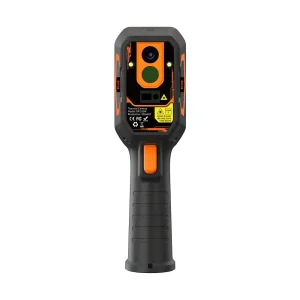
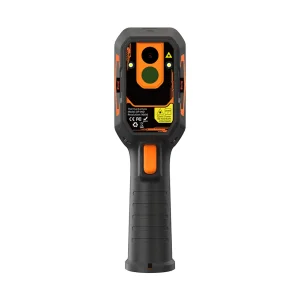
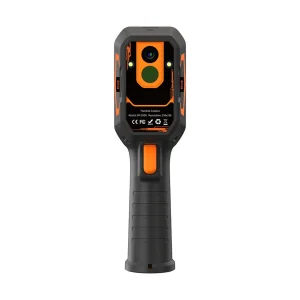
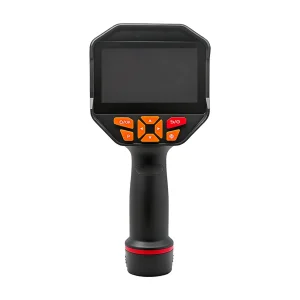
In cold-climate regions (Nordics, North America, Northern China), insulation gaps lead to massive convective heat loss and structural moisture accumulation. Using thermal cameras like the DP-25DR or DP-25DV, auditors rapidly identify exfiltration paths around window frames, joists, and attic access hatches through differential surface temperature color gradients.
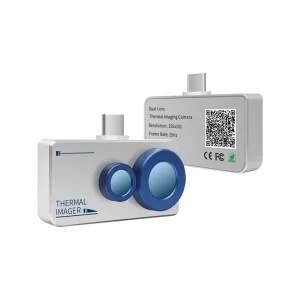
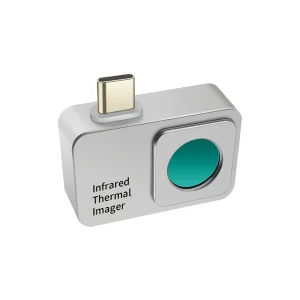
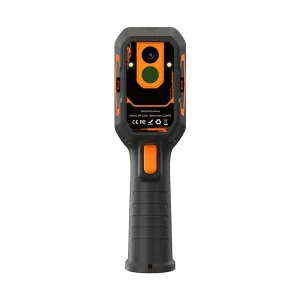
Overloaded circuit breakers, high-resistance loose terminal screws, and failing solar inverter connections pose severe fire hazards. Thermography reveals micro-joule heating signatures invisible to the naked eye. Portable units plug directly into smartphones (H2F6B / H2FB) for instant, rapid contractor diagnostics on site.
Underfloor heating tube blockages and sub-slab water pipe ruptures present major repair challenges if destructive digging is required. High-resolution radiometric cameras precisely trace thermal conduction profiles through tile, hardwood, and concrete, pinning down sub-surface water movement with millimeter accuracy.
Unsealed HVAC ductwork in unconditioned attics or crawlspaces can waste up to 30% of a home's cooling/heating energy. Dual-spectrum thermal cameras visualize air leaks, missing register boots, and evaporator coil temperature differentials in real-time, validating system balancing.
Sustained dampness behind drywall or flat roof insulation leads to toxic mold growth (Stachybotrys chartarum). Because wet insulation retains heat differently than dry insulation during nocturnal cooling cycles, thermal imagers easily isolate damp zones for targeted remediation.
Residential rooftop solar installations require periodic thermal scanning to identify cell delamination, bypassed diodes, and hot spots caused by micro-cracking or bird dropping soiling. Early detection prevents thermal runaway and catastrophic PV panel failure.
From raw Uncooled Vanadium Oxide (VOx) sensors to advanced AI-assisted radiometric software pipelines.
Transitioning from legacy 17µm pixel pitch to 12µm uncooled VOx focal plane arrays, reducing optical aperture requirements while increasing thermal spatial resolution and lowering energy consumption.
Hardware-level optical overlay combining visible light cameras (up to 5MP) with LWIR thermal sensors. Features MSX-style edge detection to overlay sharp outline contours onto thermal heatmaps.
Real-time pixel-by-pixel temperature calculation algorithms with automatic emissivity correction tables (0.01 to 1.00), ambient temperature compensation, and distance ratio tuning.
Neural network classifiers operating directly on mobile app SDKs to automatically categorize energy loss points, generate professional PDF compliance reports, and push analytics to cloud portals.
| Specification Class | Entry DIY Series (DP-09D) | Professional Handheld (DP-25DV/DR) | Industrial Grade (DP-38D / DP-64D) | Mobile Dongle (H2FB / H2F6B) |
|---|---|---|---|---|
| Detector Resolution | 96 × 96 pixels | 256 × 192 pixels | 384 × 288 / 640 × 512 pixels | 256 × 192 pixels |
| Pixel Pitch & Material | 17µm VOx Uncooled | 12µm VOx Microbolometer | 12µm High-Sensitivity VOx | 12µm Ultra-Compact VOx |
| Thermal Sensitivity (NETD) | <60mK @ 25°C | <40mK @ 25°C | <35mK @ 25°C | <50mK @ 25°C |
| Spectral Range | 8 to 14µm (LWIR) | 8 to 14µm (LWIR) | 8 to 14µm (LWIR) | 8 to 14µm (LWIR) |
| Temperature Range | -20°C to 550°C | -20°C to 550°C | -20°C to 650°C (Ext. 1500°C) | -15°C to 600°C |
| Frame Rate | 25Hz Smooth Video | 25Hz Smooth Video | 25Hz / 50Hz Real-Time | 25Hz Real-Time |
| Target Applications | Home DIY, Basic HVAC | Building Audits, Electricians | Power Grid, High-Tech R&D | Mobile Technicians, DIYers |
How Shenzhen's Optics Infrastructure Delivers World-Class Reliability and Speed to Market.
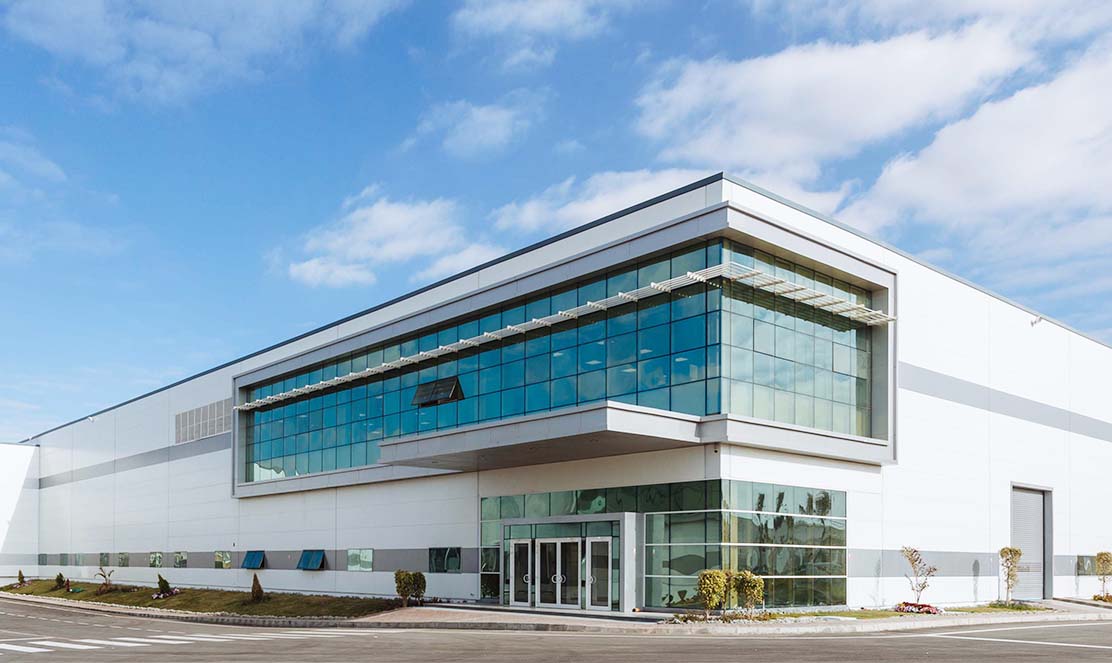
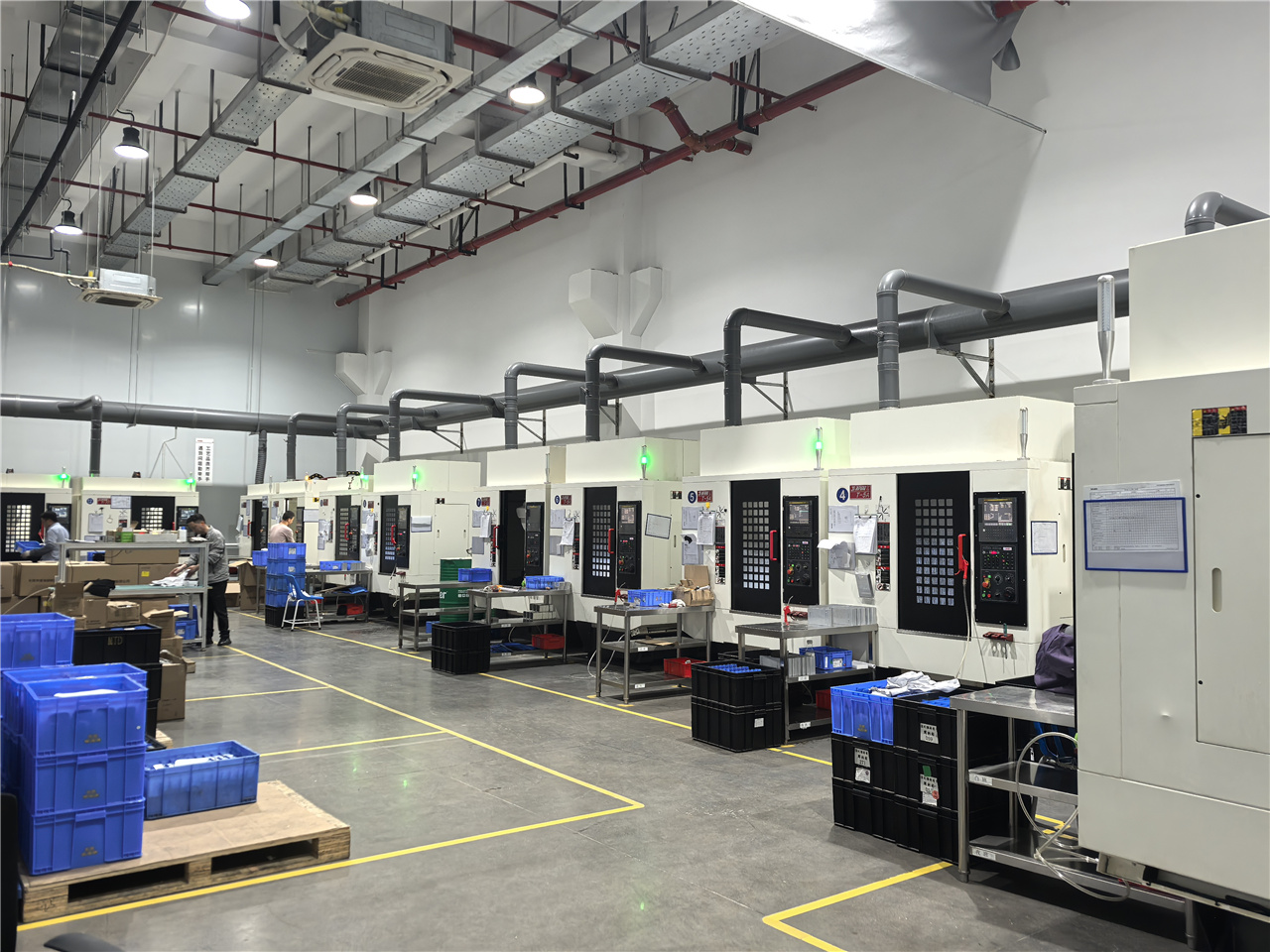
China's Pearl River Delta, anchored by Shenzhen, stands as the global epicenter for precision optoelectronics, surface mount technology (SMT), and semiconductor packaging. For international brand owners, hardware importers, and industrial B2B clients, partnering with an established Chinese custom thermal imaging factory unlocks unparalleled efficiency advantages:
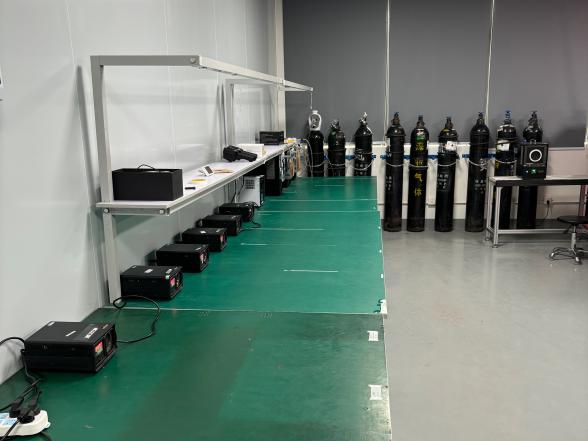
100% automated calibration across 16 temperature matrix points to guarantee ±2°C or ±2% high accuracy.
Thermal shock chamber cycling (-40°C to +70°C), vibration resistance testing, and IP54/IP67 ingress protection validation.
In-house electromagnetic compatibility (EMC) testing ensuring smooth CE, FCC, and UKCA certification clearance.
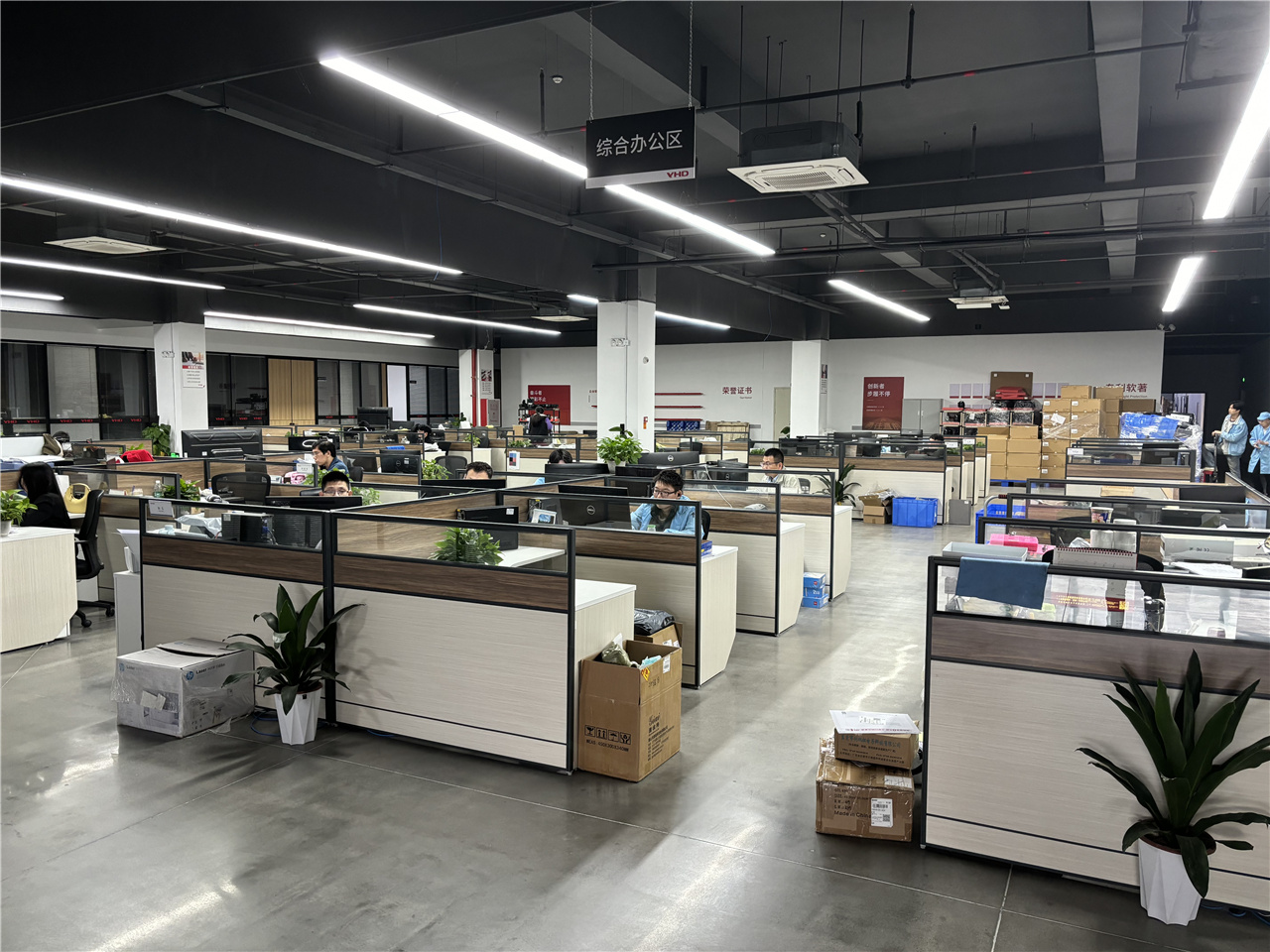
Shenzhen Dianyang Technology Co., Ltd. is a subsidiary of VHD (Shenzhen VHD Technology Co., Ltd.), a publicly listed company on the Shenzhen Stock Exchange. This strategic affiliation gives Dianyang unique access to VHD’s advanced R&D platforms, high-precision manufacturing systems, and rigorous quality management practices—enabling us to deliver thermal imaging products of higher reliability and consistency than typical ODMs.
We specialize in ODM/OEM services for infrared thermal imaging solutions, including handheld thermal imagers, smartphone-connected thermal cameras, thermal analyzers, and thermal imaging telescopes. Our products serve global customers in power inspection, building diagnostics, firefighting, industrial maintenance, and outdoor applications.
Our dedicated engineering team applies Design for Manufacturing (DFM), Design for Testability (DFT), thermal simulation, and EMC pre-compliance analysis to optimize performance and accelerate development. We also support clients in obtaining key certifications such as CE, FCC, RoHS, REACH, CB, UKCA, KC, and PSE.
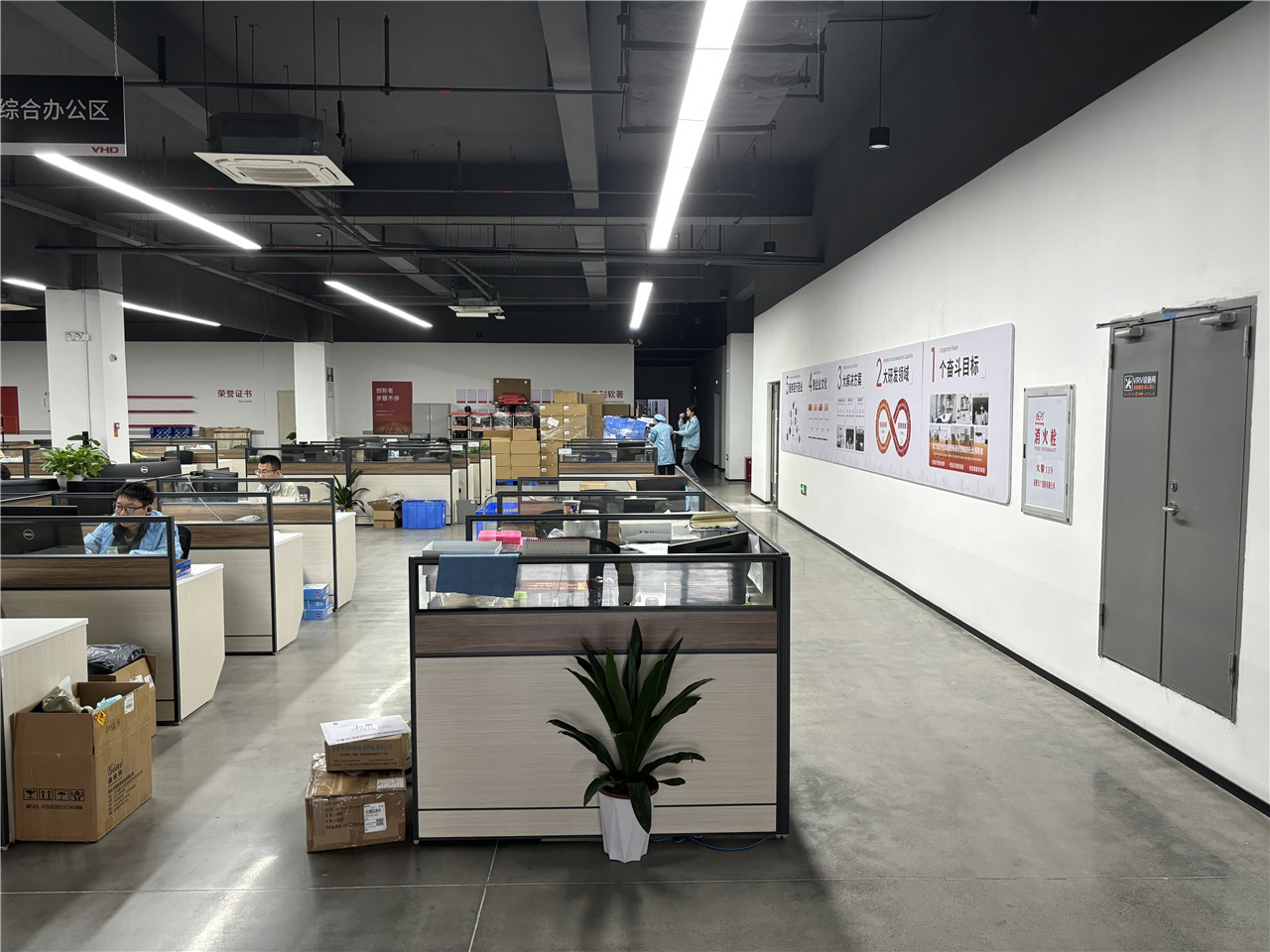
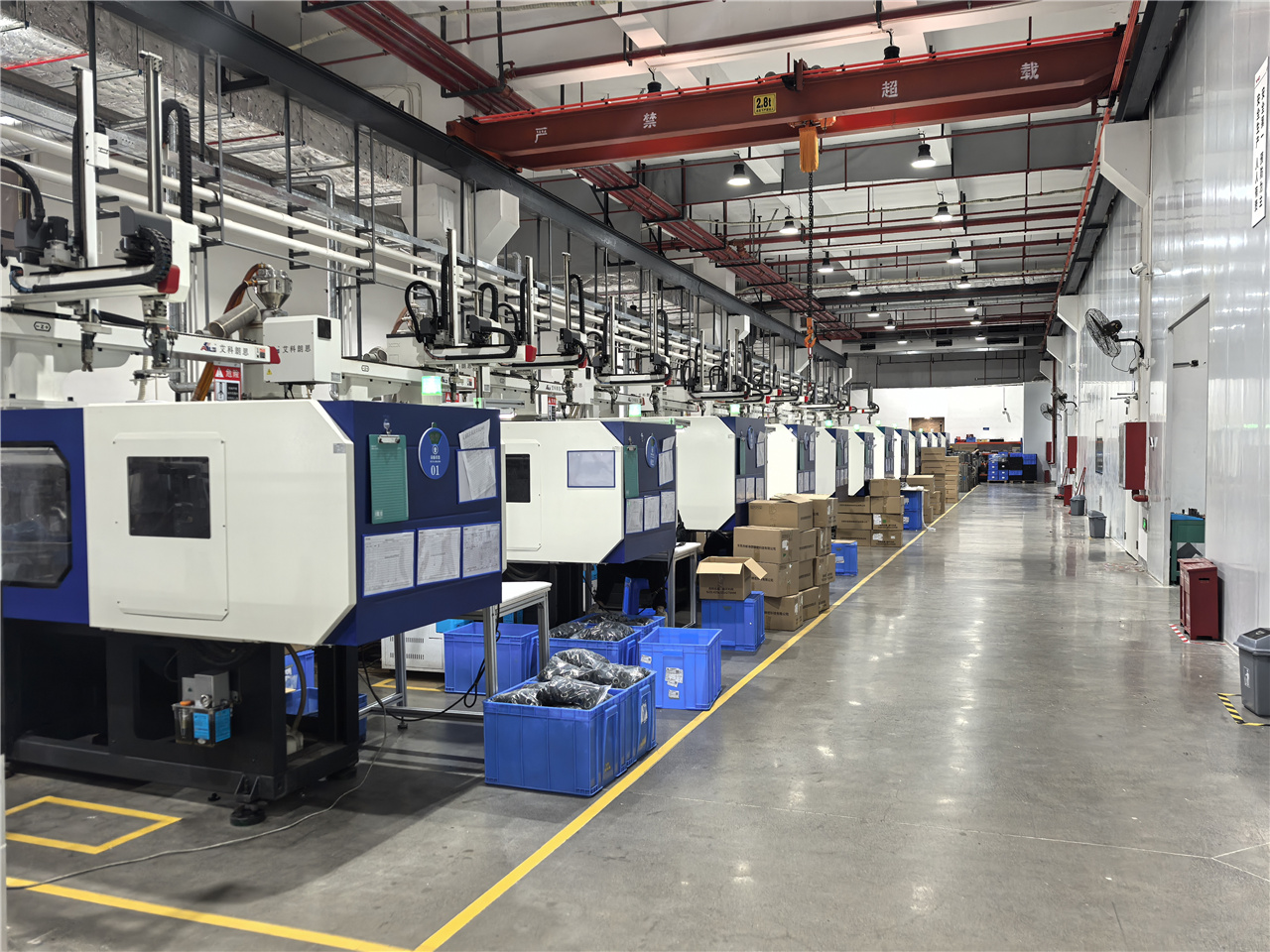
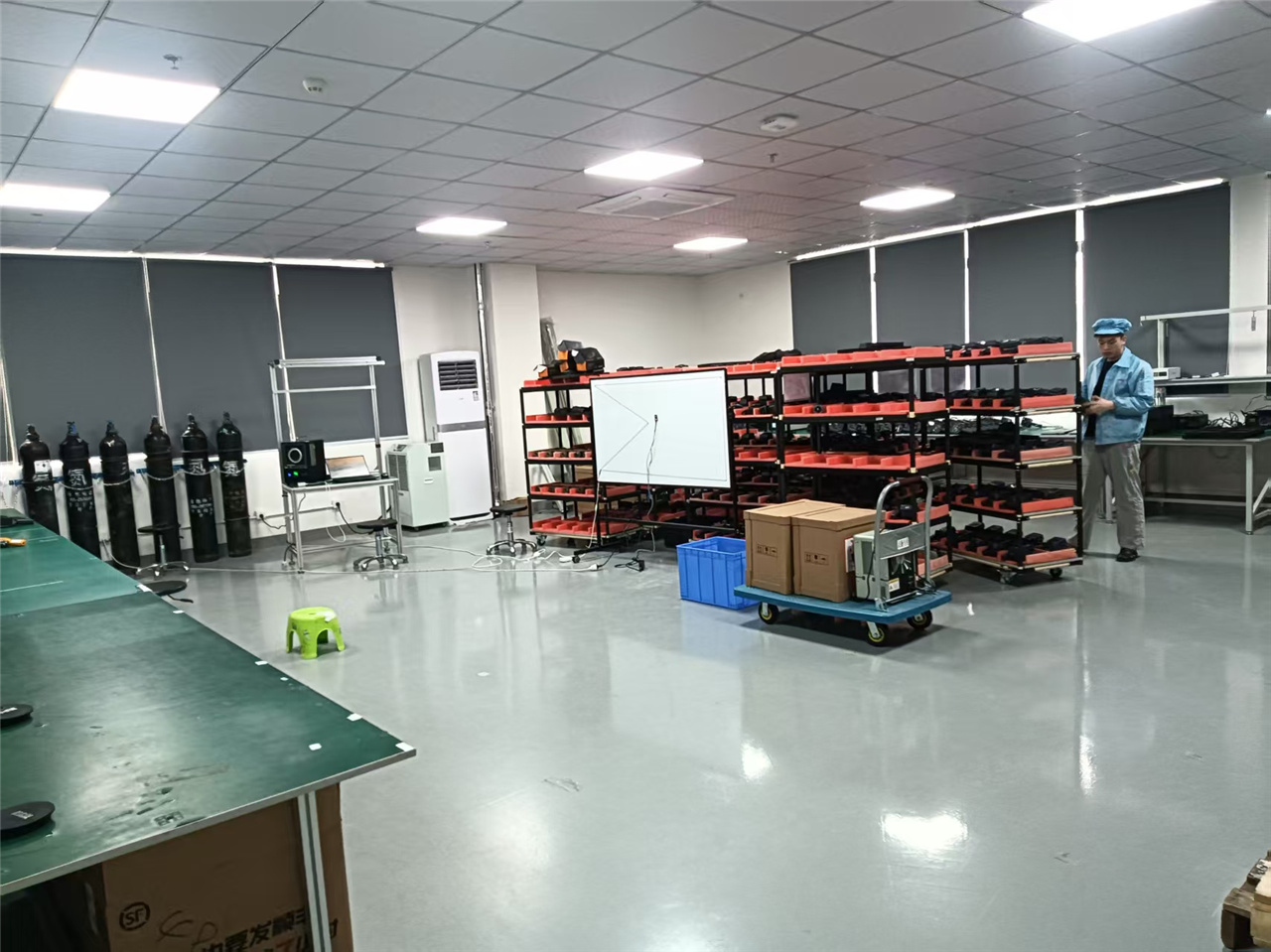
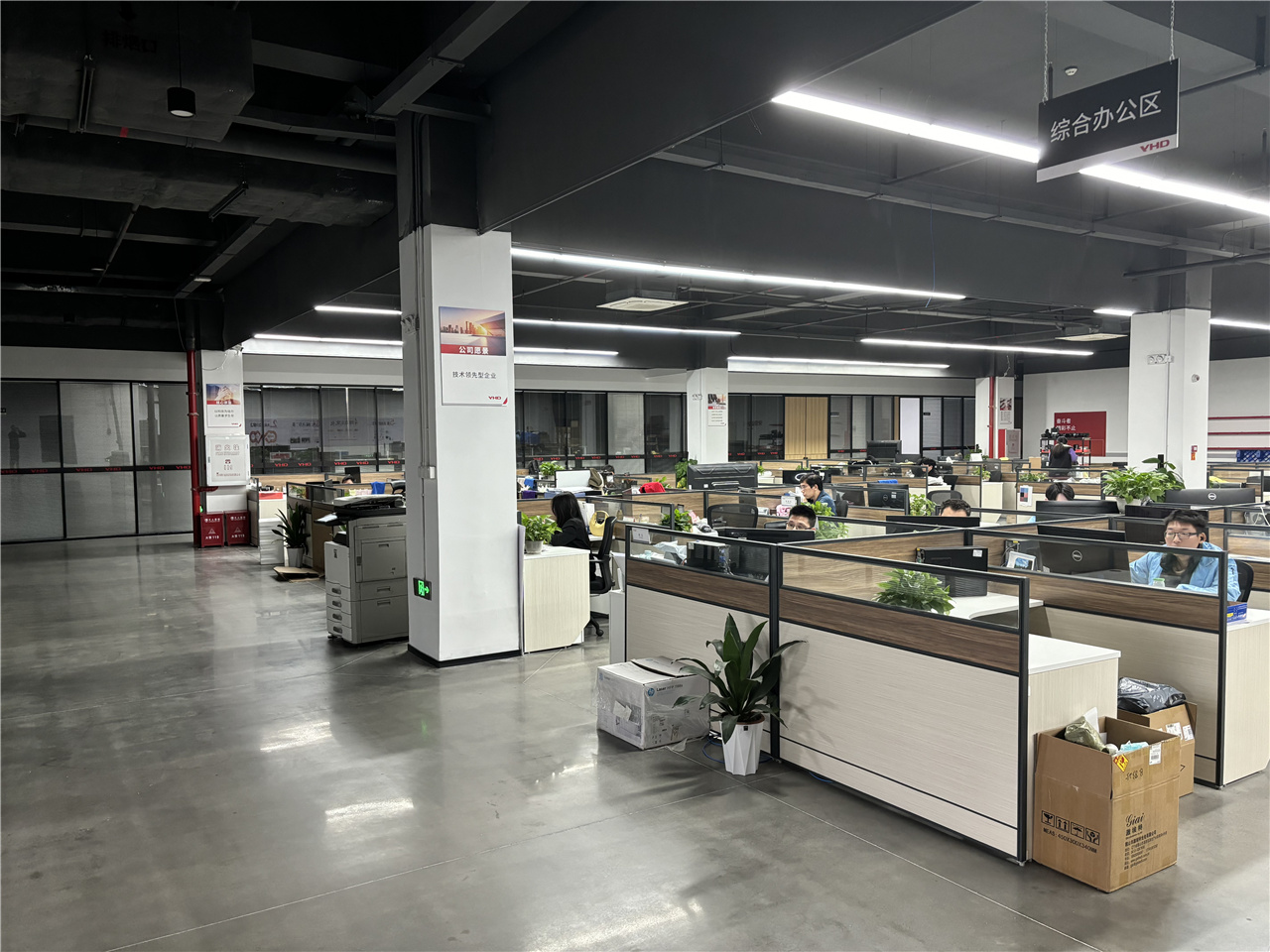
Empowering overseas exporters, distributors, and OEMs with tailored firmware, multi-lingual software packages, and international certification pipelines.
Full technical dossiers and compliance reports for CE, FCC, RoHS, REACH, CB, UKCA, KC, and PSE. All units undergo mandatory EMC testing and ESD protection checks for smooth global customs clearance and local market entry.
Custom mobile applications (iOS/Android) and desktop PC analysis tools localized into 18+ languages, including English, German, French, Spanish, Japanese, Korean, and Arabic. Features custom logo branding and localized measurement units (°C/°F/K).
White-label packaging design, private-label branding, customized silicone protection boots, carrying cases, and tailored accessory bundles engineered to elevate your brand's market presence.
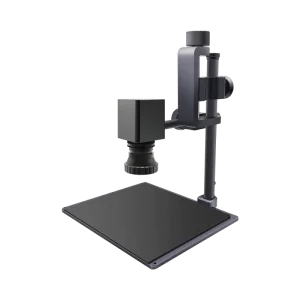
High-precision radiometric devices for PCB thermal analysis, power grid sub-station inspections, and medical research.
Expert answers to common engineering, procurement, and thermal calibration queries for global OEM partners.
Vanadium Oxide (VOx) sensors generally offer superior thermal sensitivity (lower NETD, often <35mK to <40mK) and better temperature stability over changing ambient conditions compared to Amorphous Silicon (a-Si) detectors. Dianyang utilizes advanced uncooled VOx focal plane arrays across our DP series and smartphone models to deliver clearer thermal images with lower spatial noise and sharper contrast during subtle thermal bridge audits.
Pure long-wave infrared (LWIR) images can sometimes lack structural detail, making it challenging to identify specific wall studs, electrical labels, or small pipe joints. Dual-spectrum fusion (found in DP-25DV and DP-12DV) overlays high-definition visible edge lines onto the thermal heatmap, providing contractors and home inspectors with immediate spatial context without sacrificing radiometric data accuracy.
As a publicly backed engineering manufacturer, Dianyang provides comprehensive white-label services including custom housing color molds, laser-engraved logos, tailor-made GUI firmware, custom startup boot screens, specialized optical lens focal lengths, and full iOS/Android app SDK re-skinning to match your corporate brand identity.
Affiliation with Shenzhen VHD Technology Co., Ltd. guarantees strict financial stability, transparent supply chain management, compliance with international labor and environmental laws, robust intellectual property protection, and investment in state-of-the-art SMT lines and testing laboratories that unlisted small-scale suppliers cannot match.
Yes, 100% of our thermal cameras undergo multi-point automated calibration using standard blackbody radiation targets before leaving our factory. All professional models support adjustable emissivity, reflection temperature, and distance compensation settings to achieve high measurement precision within ±2°C or ±2% of reading.
 Dianyang