High-precision thermal measurement devices engineered for seamless integration with industrial thermal imaging windows, electrical switchgears, and predictive maintenance protocols.
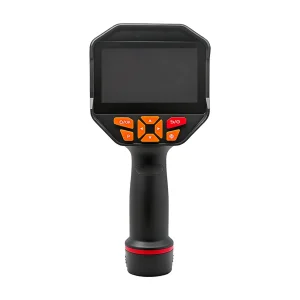
Deconstructing cost drivers vs. uncompromised arc flash safety compliance in industrial infrared inspection windows.
In high-voltage electrical asset management, the term "cheap thermal imaging windows" is frequently searched by procurement officers, utility compliance managers, and reliability engineers seeking cost-effective preventative maintenance hardware. However, in enterprise settings, "cheap" must never translate to compromised safety or optical degradation. It represents the optimization of total cost of ownership (TCO) through standardized crystal manufacturing, efficient housing design, and direct OEM/ODM factory sourcing.
Infrared (IR) inspection windows—also known as IR sight glasses or thermal imaging ports—allow thermographers to inspect energized electrical switchgears, transformers, and motor control centers (MCCs) without opening panel doors. According to NFPA 70E and IEEE guidelines, opening live electrical cabinets exposes technicians to catastrophic arc flash hazards. Installing durable thermal imaging windows eliminates the requirement for hazardous cabinet opening, thereby lowering PPE requirements and dramatically accelerating inspection cycles.
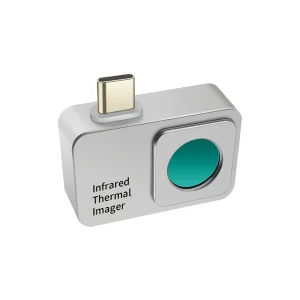
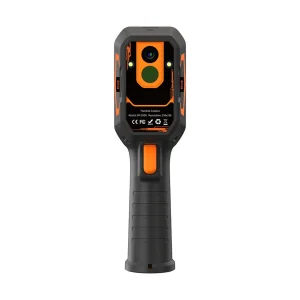
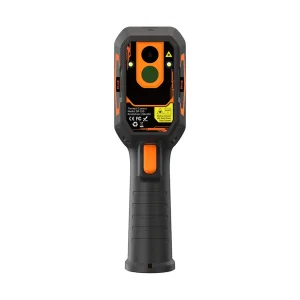
When paired with high-performance handheld or smartphone-connected thermal cameras (such as the Shenzhen Dianyang DP Series and H1FB/H2F6B models), thermal imaging windows provide a transparent optical pathway for Long-Wave Infrared (LWIR) radiometry. This comprehensive whitepaper evaluates the engineering fundamentals, material science choices, global supplier pricing structures, and implementation frameworks necessary to secure high-quality thermal inspection infrastructure at factory-direct pricing.
Understanding optical transmissive properties: Fluoride crystals, Germanium, and Optical Polymers.
The primary element governing the unit cost and optical efficiency of a thermal imaging window is its substrate material. Infrared radiation behaves differently from visible light; standard glass blocks thermal wavelengths (8μm to 14μm). Therefore, specialized IR-transmissive crystals or optics are mandated.
Delivers exceptional broadband transmission across UV, Visible, MWIR, and LWIR spectrums. Ideal for dual-vision thermography systems (visual + thermal). Provides high mechanical strength at low cost.
Offers superior resistance to thermal shocks and high environmental temperatures. Used in heavy industrial applications such as metal smelters and continuous casting monitors.
Cost-effective reinforced polymer optics designed for extreme impact resistance. Ideal for budget-conscious commercial infrastructure projects requiring robust mechanical durability.
No optical window is 100% transmissive. Typically, high-grade crystalline windows transmit 85% to 92% of IR energy. Advanced thermography inspection tools (such as Dianyang's DP-38D and DP-64D series) incorporate customizable transmission offset coefficients. By calibrating camera emissivity ($\epsilon$) and transmittance ($\tau$), engineers obtain accurate real-time temperature readings without removing protective barriers.
| Substrate Material | Spectral Range (μm) | Transmission Rate | Environmental Durability | Relative Cost Factor |
|---|---|---|---|---|
| Calcium Fluoride ($CaF_2$) | 0.15 to 9.5 μm | ~90% | High (Moisture Resistant) | Medium (Best TCO Value) |
| Germanium (Ge) + DLC | 2.0 to 14.0 μm | ~95% (AR Coated) | Extreme (Diamond-Like Carbon) | High (Premium Industrial) |
| Zinc Selenide (ZnSe) | 0.6 to 16.0 μm | ~88% | Moderate (Acid Sensitive) | High (Specialized Optics) |
| IR-Transmissive Polymer | 7.5 to 14.0 μm | ~75% - 82% | Impact Resistant / Flex | Low (Economical Sourcing) |
Integrating direct optical access windows with mobile & fixed thermal inspection fleets.
Industrial power distribution relies on low-voltage, medium-voltage, and high-voltage switchgear cabinets. Contact degradation, loose busbar bolts, unbalanced phase loads, and insulation oxidation cause thermal runaway. Left unmonitored, these anomalies result in catastrophic explosive failures.
Deploying permanent thermal windows on transformer connection boxes allows safely checking secondary bushings and tap changers without de-energizing high-voltage lines.
Class I Div 2 hazardous locations require sealed cabinets. Thermal windows maintain enclosure integrity while allowing routine thermal scanning via explosion-proof thermal cameras.
Continuous uptime demands zero power interruptions. Routine non-destructive thermography via optical ports prevents unpredicted PDU circuit trips.
By pairing affordable thermal imaging ports with high-resolution handheld equipment—such as the DP-64D (640x512 resolution) or the DP-38D (384x288 resolution)—maintenance teams achieve precise spatial resolution. This allows small busbar connection points to be clearly resolved through 2-inch to 4-inch inspection ports without spatial resolution degradation.
Leveraging Shenzhen Dianyang & VHD Group’s enterprise supply chain advantage.
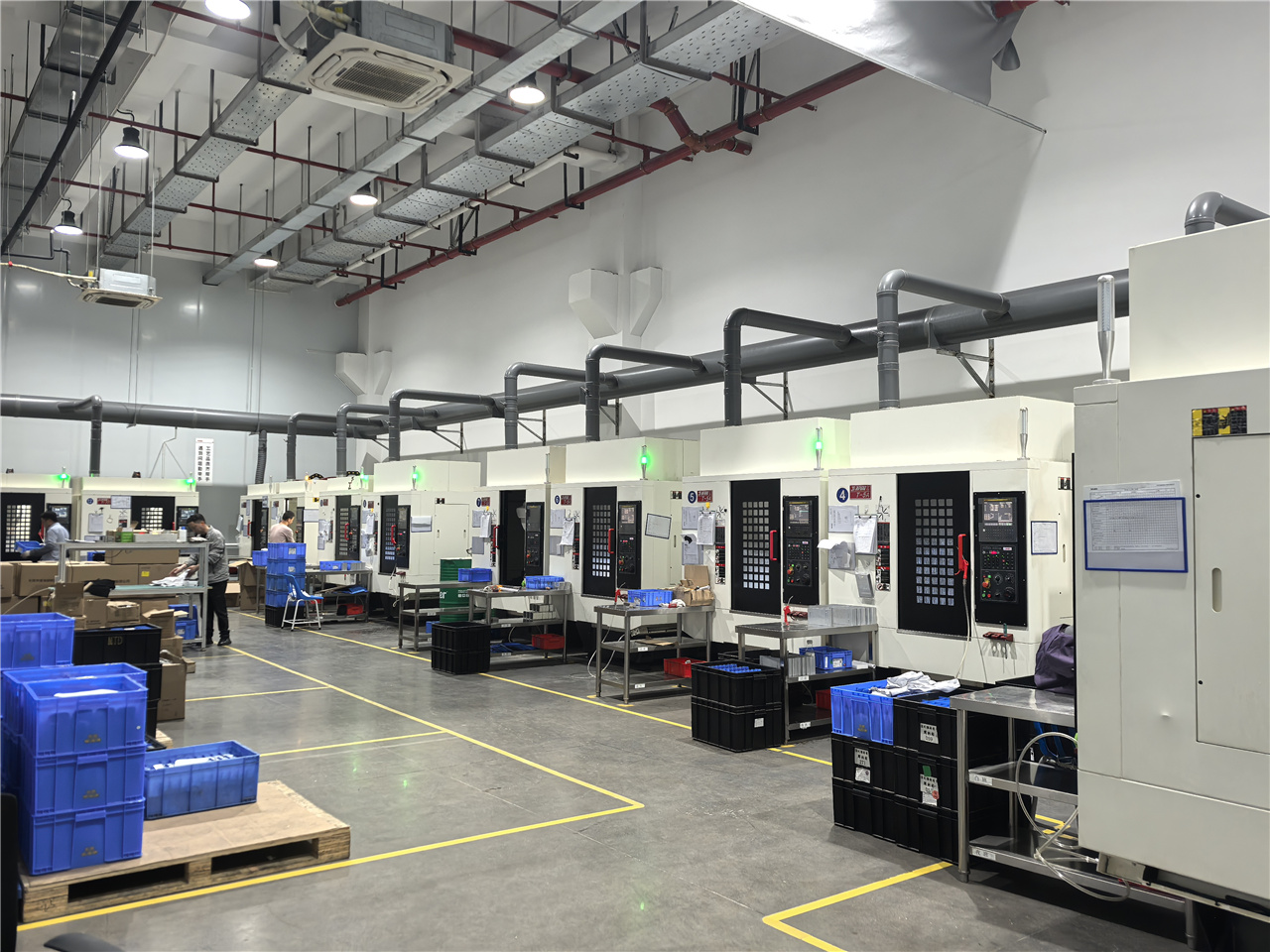
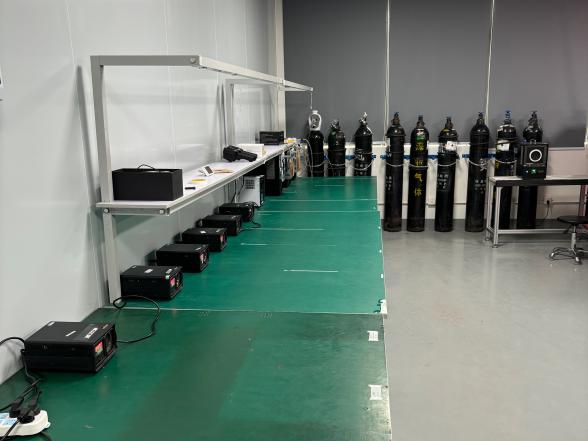
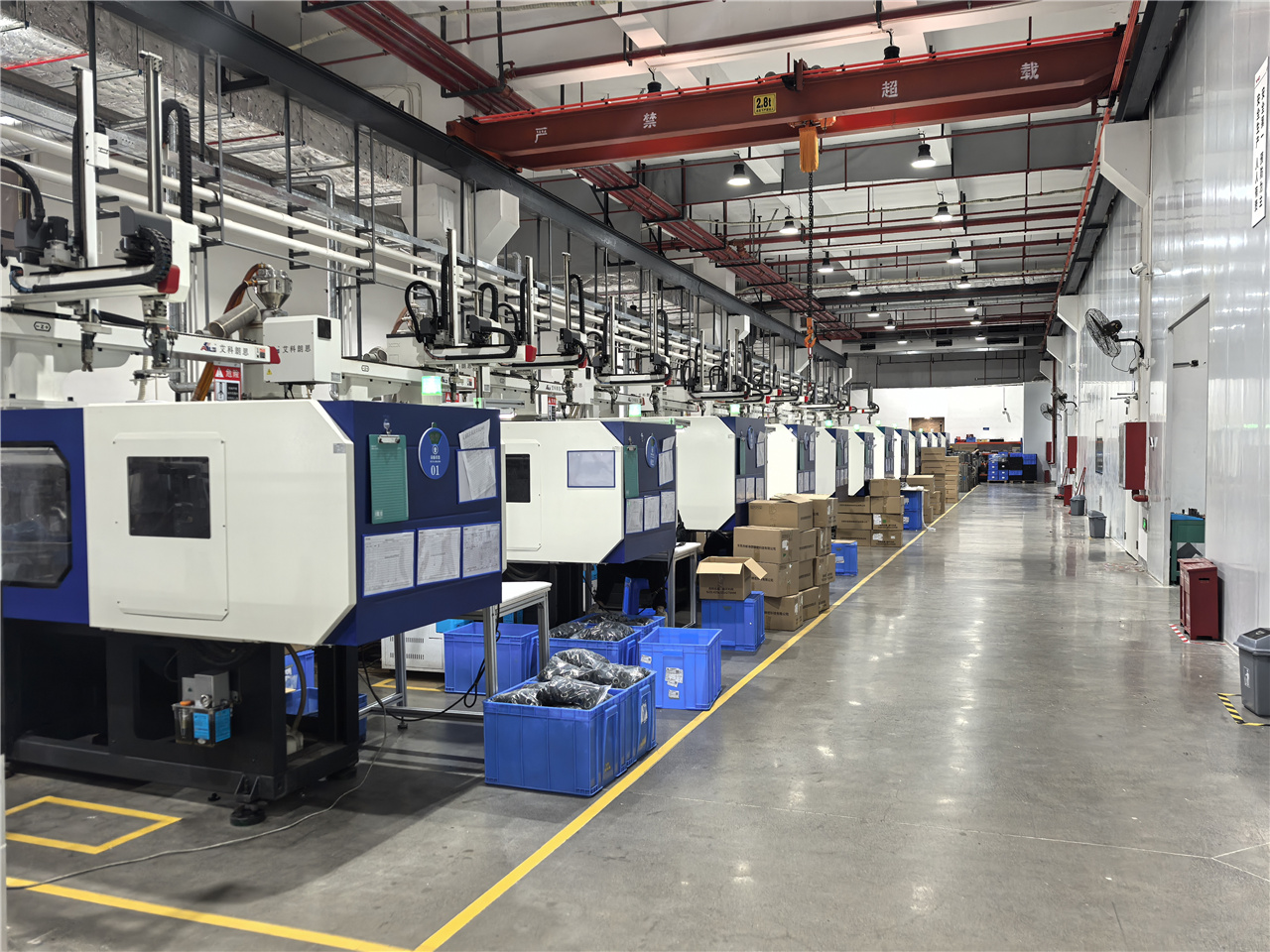
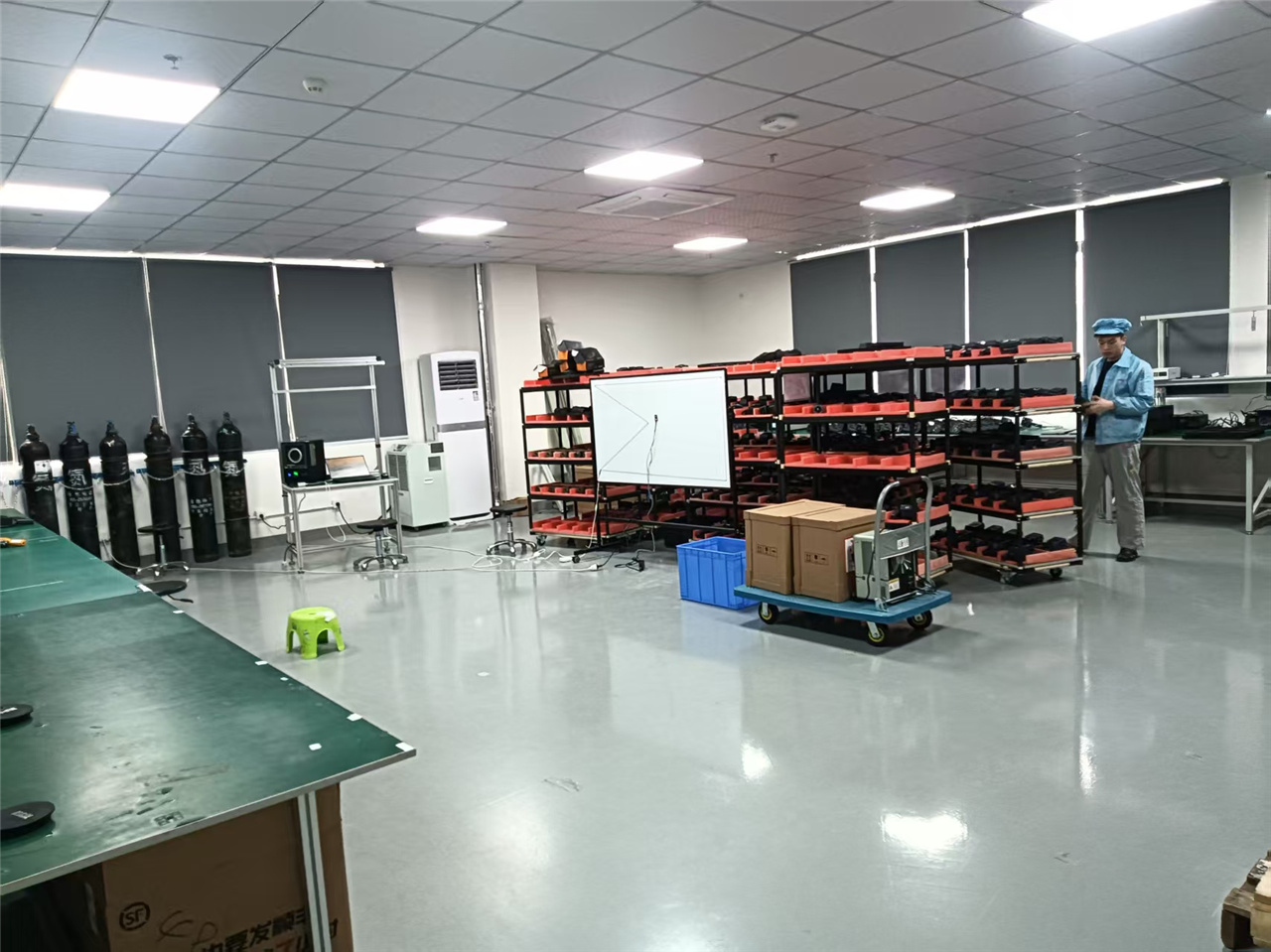
Shenzhen Dianyang Technology Co., Ltd. operates as a strategic subsidiary of VHD (Shenzhen VHD Technology Co., Ltd.), a publicly listed company on the Shenzhen Stock Exchange. This corporate backing equips Dianyang with state-of-the-art optical laboratory facilities, automated SMT lines, cleanroom optical assembly halls, and rigorous reliability testing equipment.
Every thermal camera module and custom housing design undergoes rigorous DFM simulation to guarantee maximum assembly yield and reduce per-unit production costs for enterprise OEM buyers.
Automated optical alignment and multi-point radiometric temperature calibration ensure zero optical drift across extreme working temperature ranges (-20°C to 1200°C).
Pre-compliance electromagnetic compatibility (EMC) testing and drop/vibration simulations ensure compliance with rugged industrial field environments worldwide.
Meeting international quality, environmental, and electro-safety standards.
Exporting thermal imaging equipment and window hardware requires strict adherence to regional regulatory frameworks. Shenzhen Dianyang supports OEM clients worldwide by delivering products fully certified with key international marks:
Full compliance with Low Voltage Directive (LVD), Electromagnetic Compatibility (EMC), and hazardous substance restrictions for seamless EU import.
FCC Part 15 Class B emissions compliance and adherence to UL 50V switchgear safety window construction criteria.
Comprehensive IEC/CB scheme test reports facilitating rapid local registration in the UK, South Korea, Japan, and Australia.
The evolution from periodic handheld scanning to intelligent automated thermal telemetry.
The industrial thermal imaging market is undergoing a structural paradigm shift. The next decade will bridge the gap between static thermal inspection ports and automated continuous IoT thermography networks:
Integration of neural network microcontrollers directly inside thermal cameras (e.g., Dianyang DP-25DV series) for automatic defect recognition, suppressing false positives caused by environmental reflections through optical windows.
Development of self-powered optical windows integrated with micro-IR sensor arrays that wirelessly transmit thermal gradient alerts to centralized SCADA systems via LoRaWAN or 5G RedCap.
Transition from standard 160x120 resolutions to cost-optimized 640x512 uncooled vanadium oxide (VOx) focal plane arrays, enabling microscopic PCB thermal analysis (as seen in our PCB Thermal Analyzer line).
Addressing critical buyer inquiries regarding thermal window selection, calibration, and OEM customization.
Factory direct pricing, certified precision performance, and global supply capabilities.
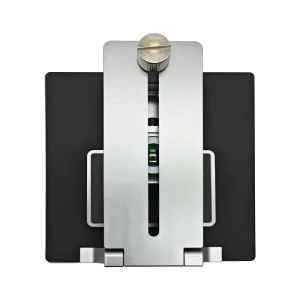
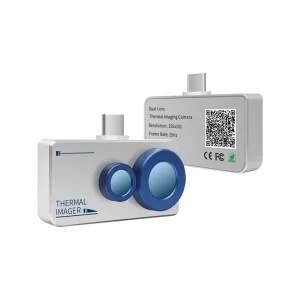
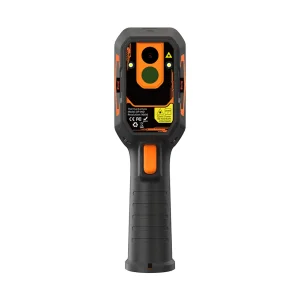
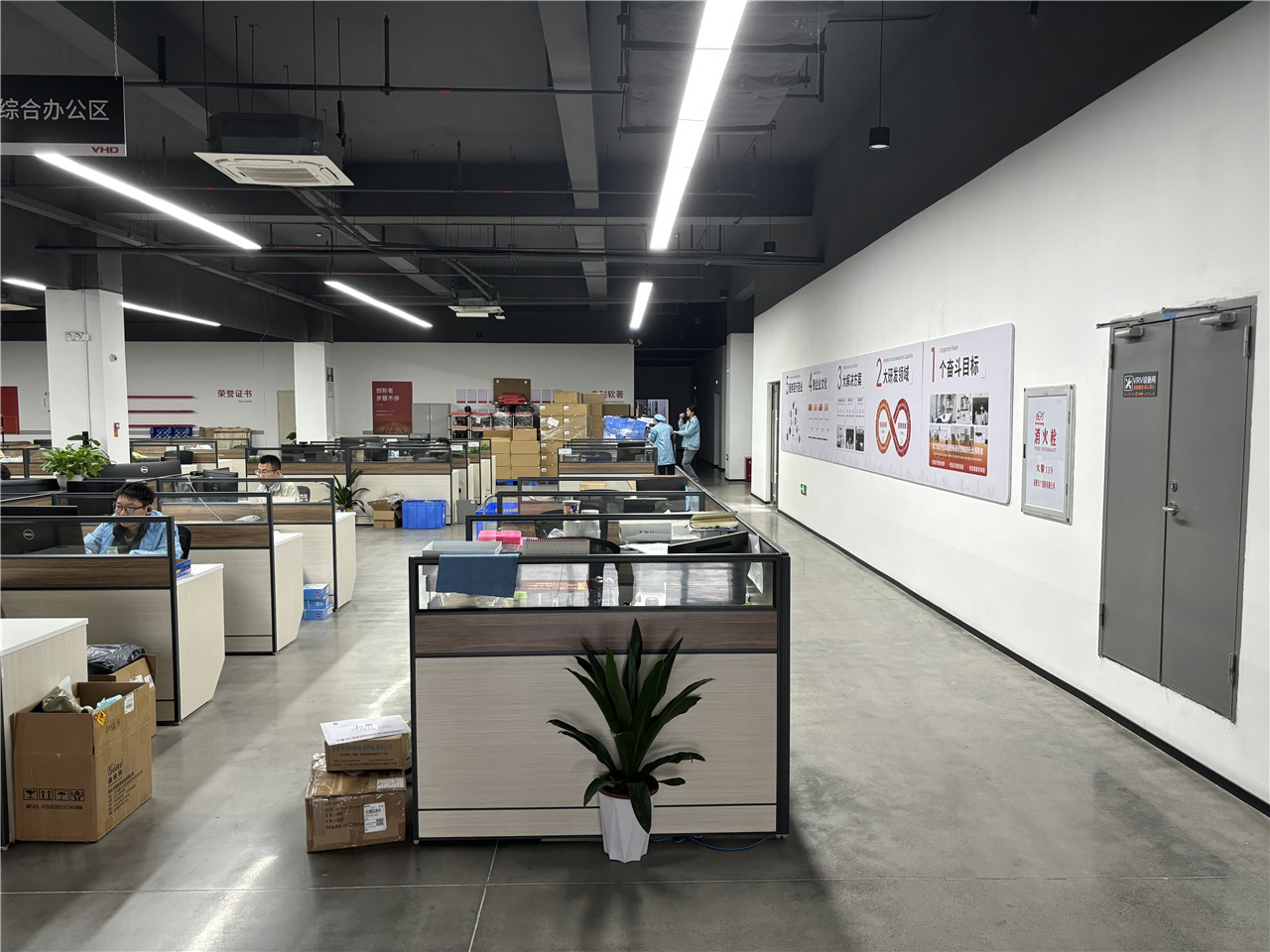
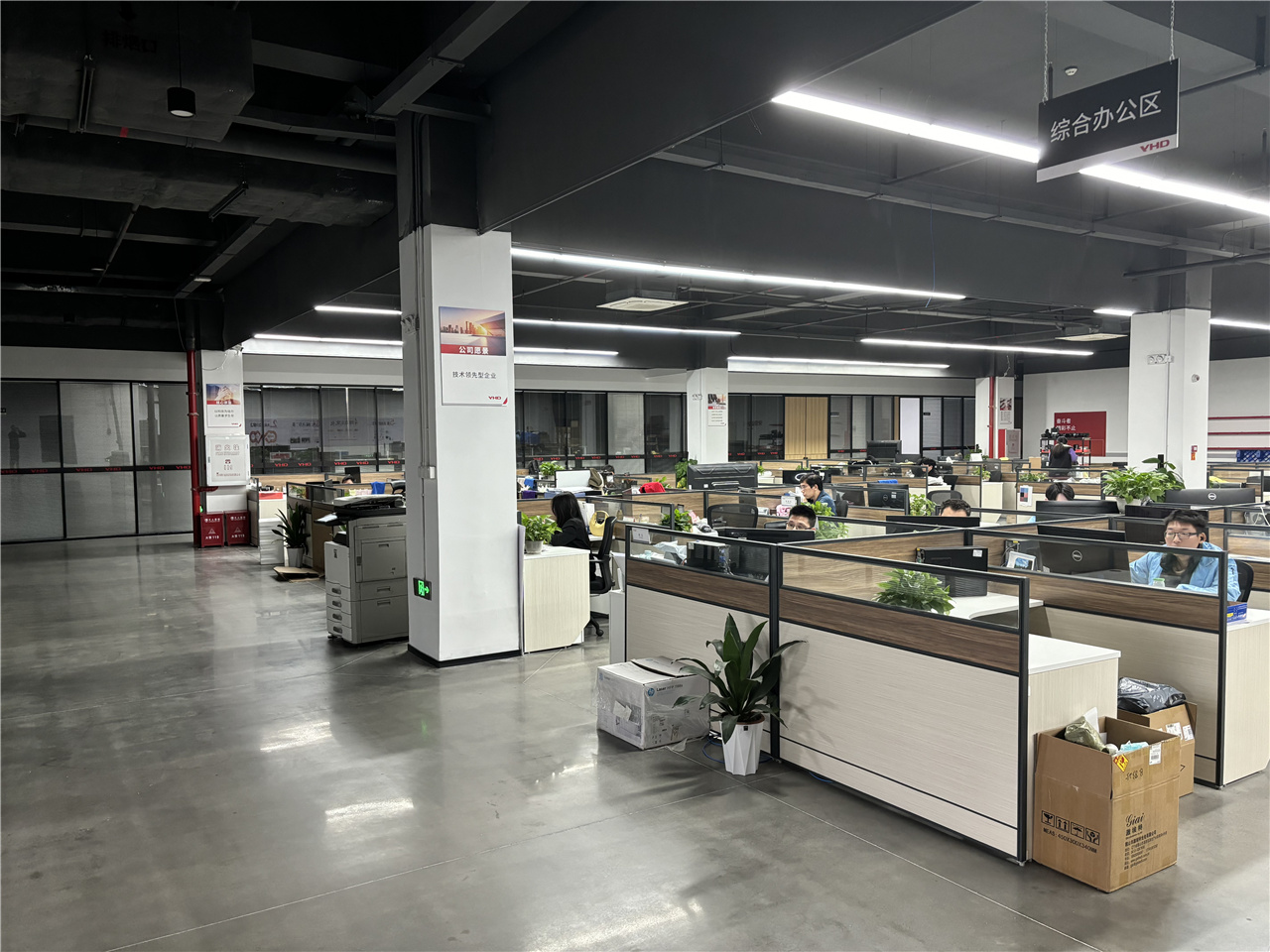
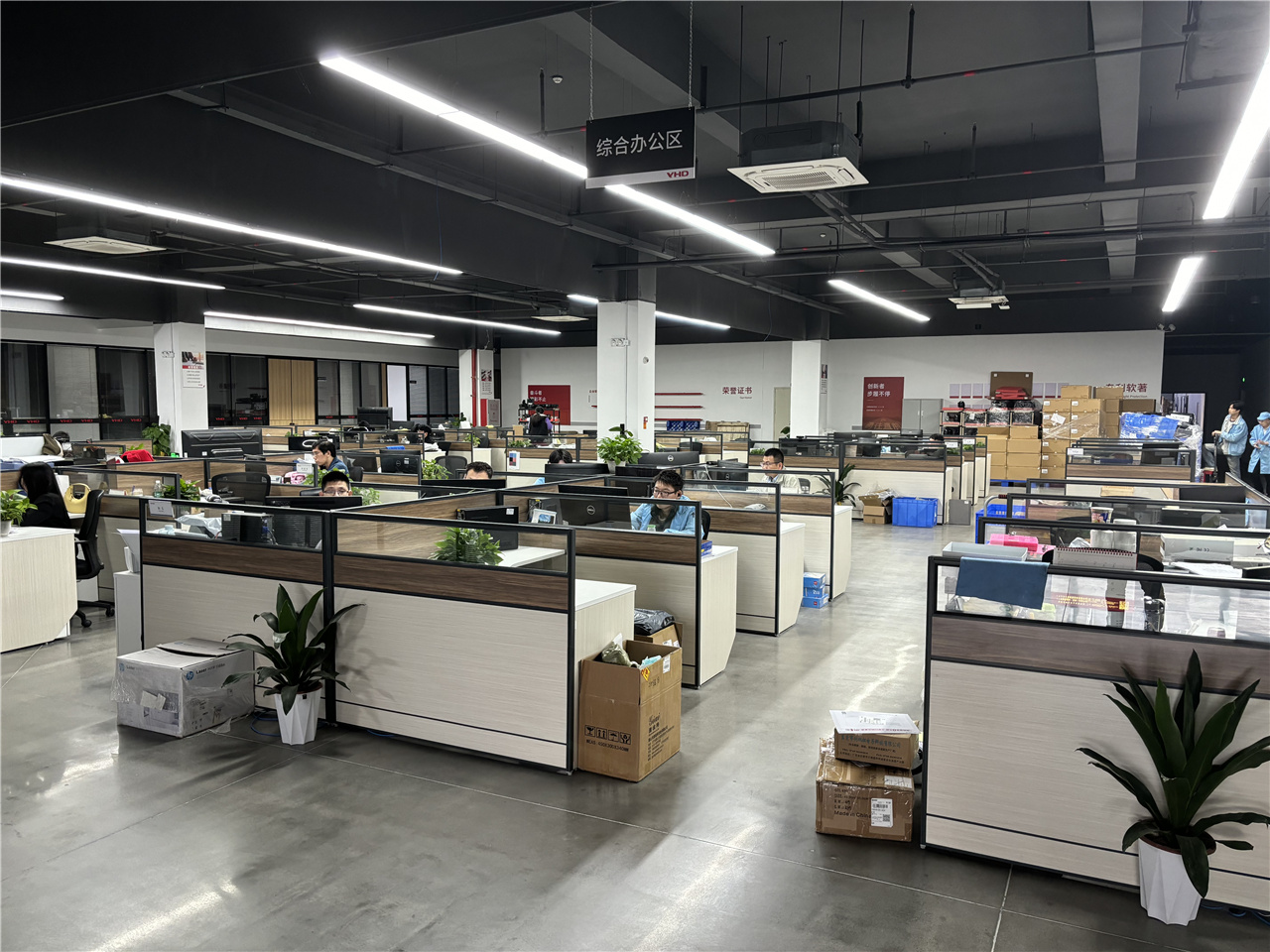
Shenzhen Dianyang Technology Co., Ltd. is a subsidiary of VHD (Shenzhen VHD Technology Co., Ltd.), a publicly listed company on the Shenzhen Stock Exchange. This strategic affiliation gives Dianyang unique access to VHD’s advanced R&D platforms, high-precision manufacturing systems, and rigorous quality management practices—enabling us to deliver thermal imaging products of higher reliability and consistency than typical ODMs.
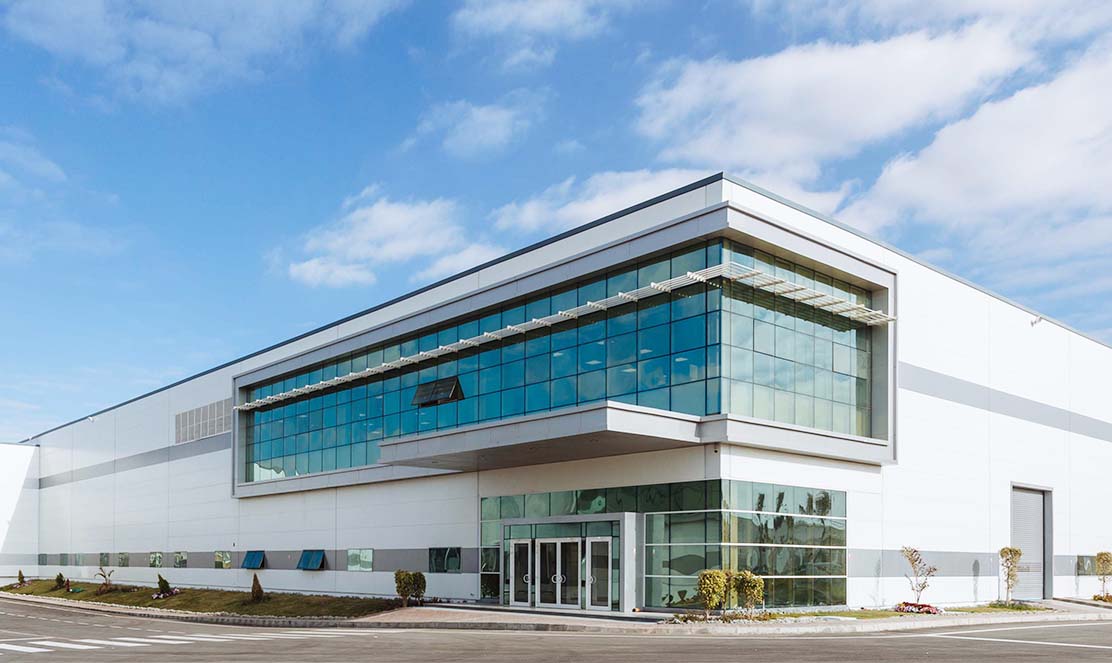
We specialize in ODM/OEM services for infrared thermal imaging solutions, including handheld thermal imagers, smartphone-connected thermal cameras, thermal analyzers, and thermal imaging telescopes. Our products serve global customers in power inspection, building diagnostics, firefighting, industrial maintenance, and outdoor applications.
Our dedicated engineering team applies Design for Manufacturing (DFM), Design for Testability (DFT), thermal simulation, and EMC pre-compliance analysis to optimize performance and accelerate development. We also support clients in obtaining key certifications such as CE, FCC, RoHS, REACH, CB, UKCA, KC, and PSE.
 Dianyang