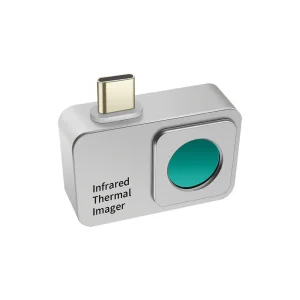
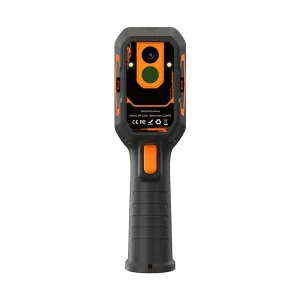
Explore our top-tier precision-calibrated thermal cameras and compact mobile infrared modules exported worldwide.
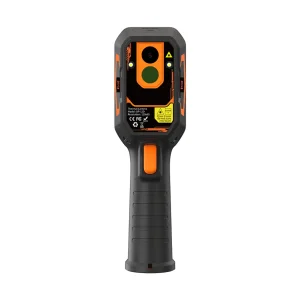
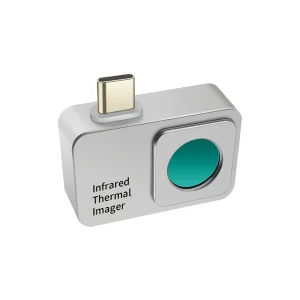
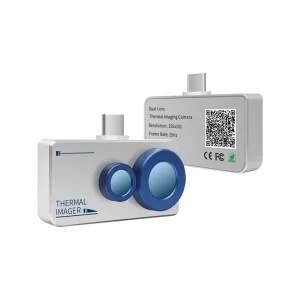
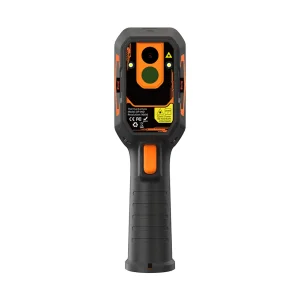
Understanding the economic shift toward high-performance, cost-effective uncooled infrared imaging platforms in industrial ecosystems.
In modern industrial and commercial operations, non-contact temperature measurement has evolved from an expensive niche luxury into an indispensable operational safety requirement. The demand for cheap thermal detection system exporters and suppliers has surged globally, driven by stringent workplace safety protocols, predictive maintenance needs in smart manufacturing, and the rapid expansion of renewable energy infrastructures such as solar photovoltaic farms and battery energy storage systems (BESS).
Historically, high-resolution infrared cameras were constrained by prohibitive hardware costs and specialized export compliance hurdles. However, technological breakthroughs in Vanadium Oxide (VOx) and Amorphous Silicon (a-Si) uncooled Focal Plane Array (FPA) microbolometers have drastically lowered production costs while enhancing thermal sensitivity. Modern thermal detection export markets now provide enterprise buyers access to sub-40mK Noise Equivalent Temperature Difference (NETD) resolution systems at a fraction of historic price points.
SEO Information Gain Insight: Selecting a budget-friendly thermal camera supplier does not require sacrificing optical performance or calibration accuracy. Enterprise procurement models must evaluate Total Cost of Ownership (TCO), Mean Time Between Failures (MTBF), and software suite interoperability alongside raw hardware purchase prices.
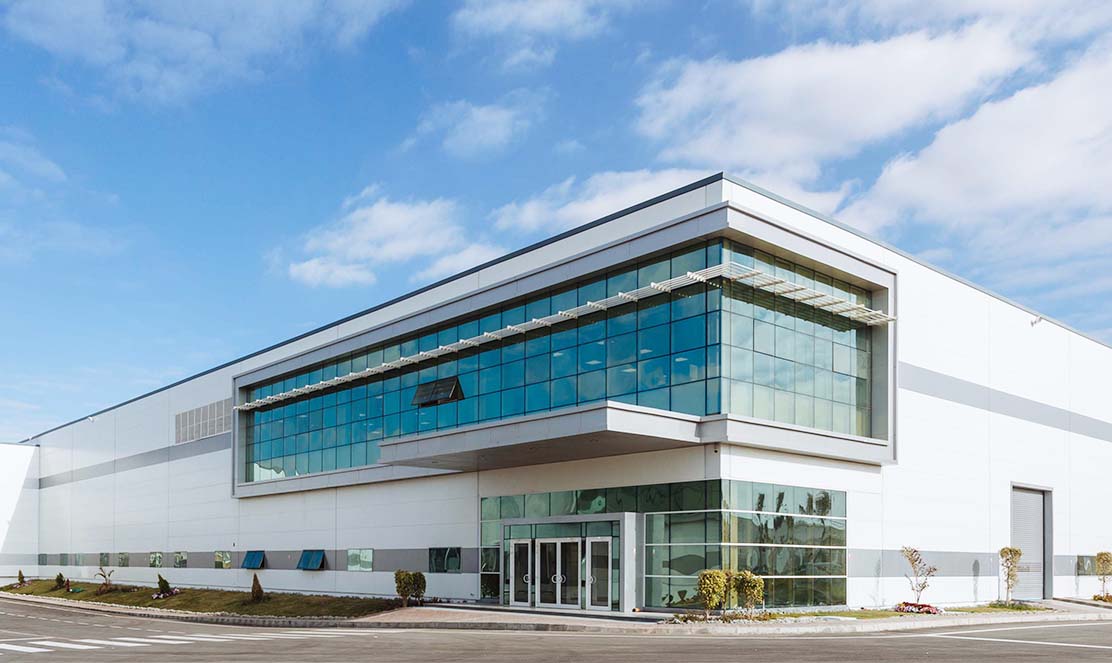
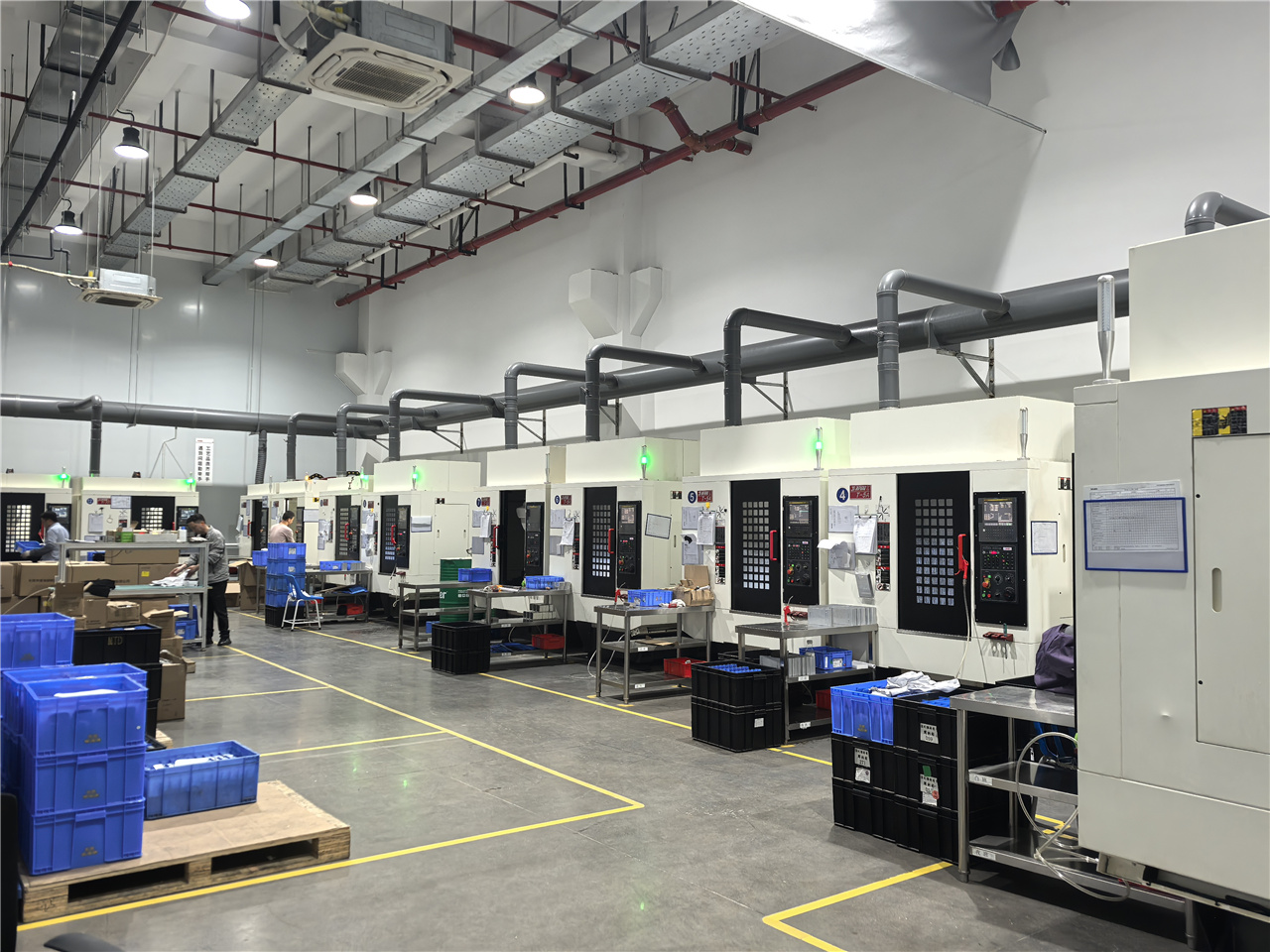
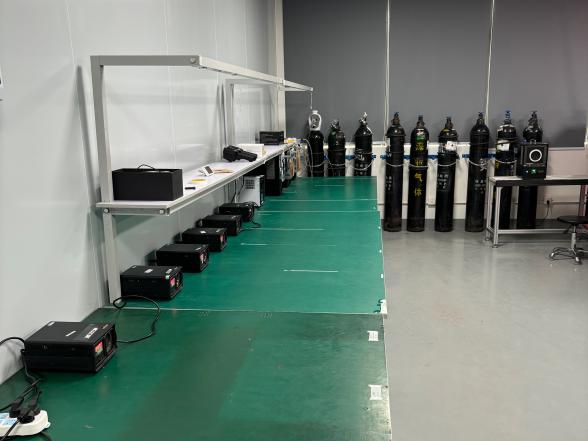
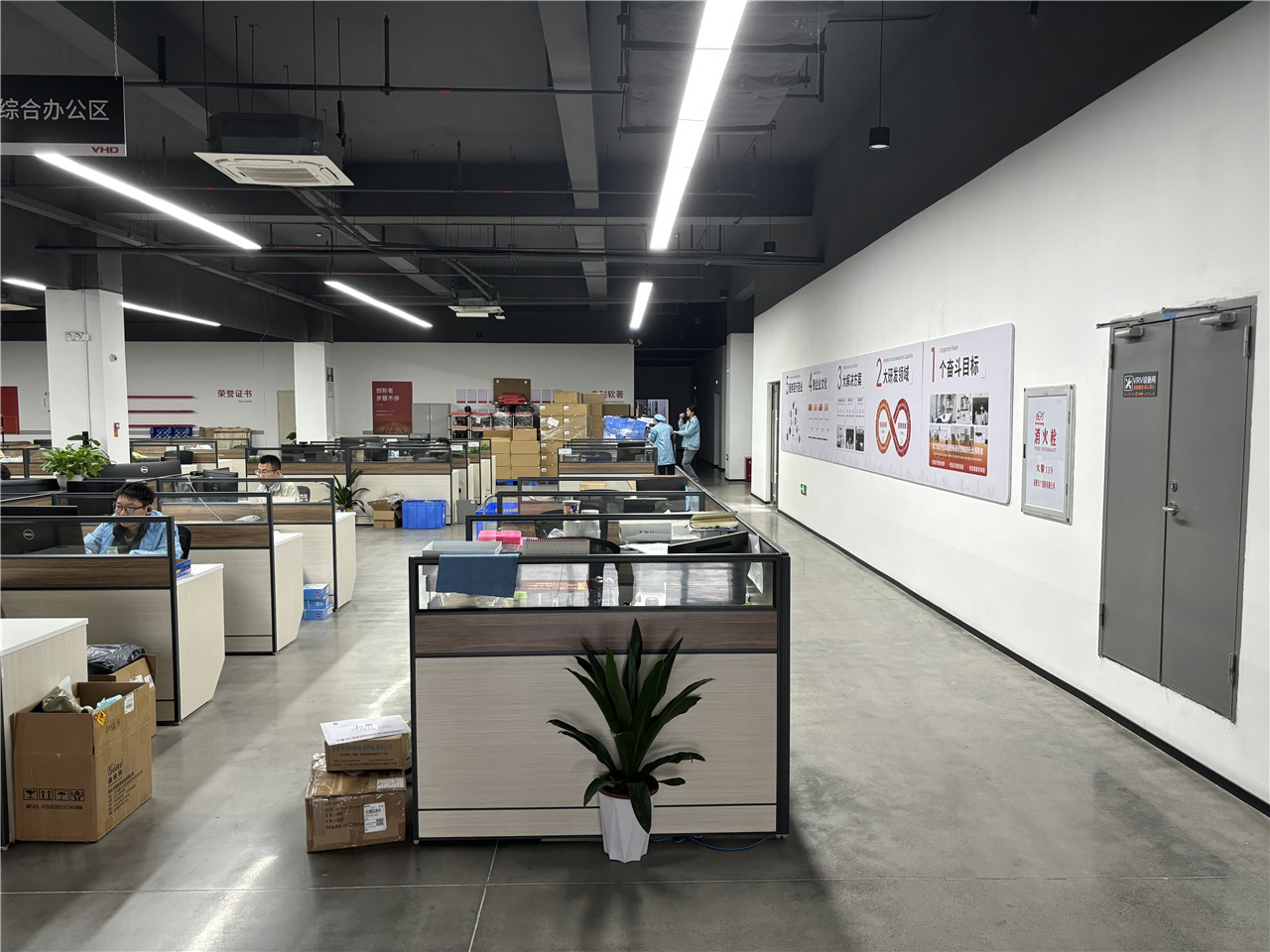
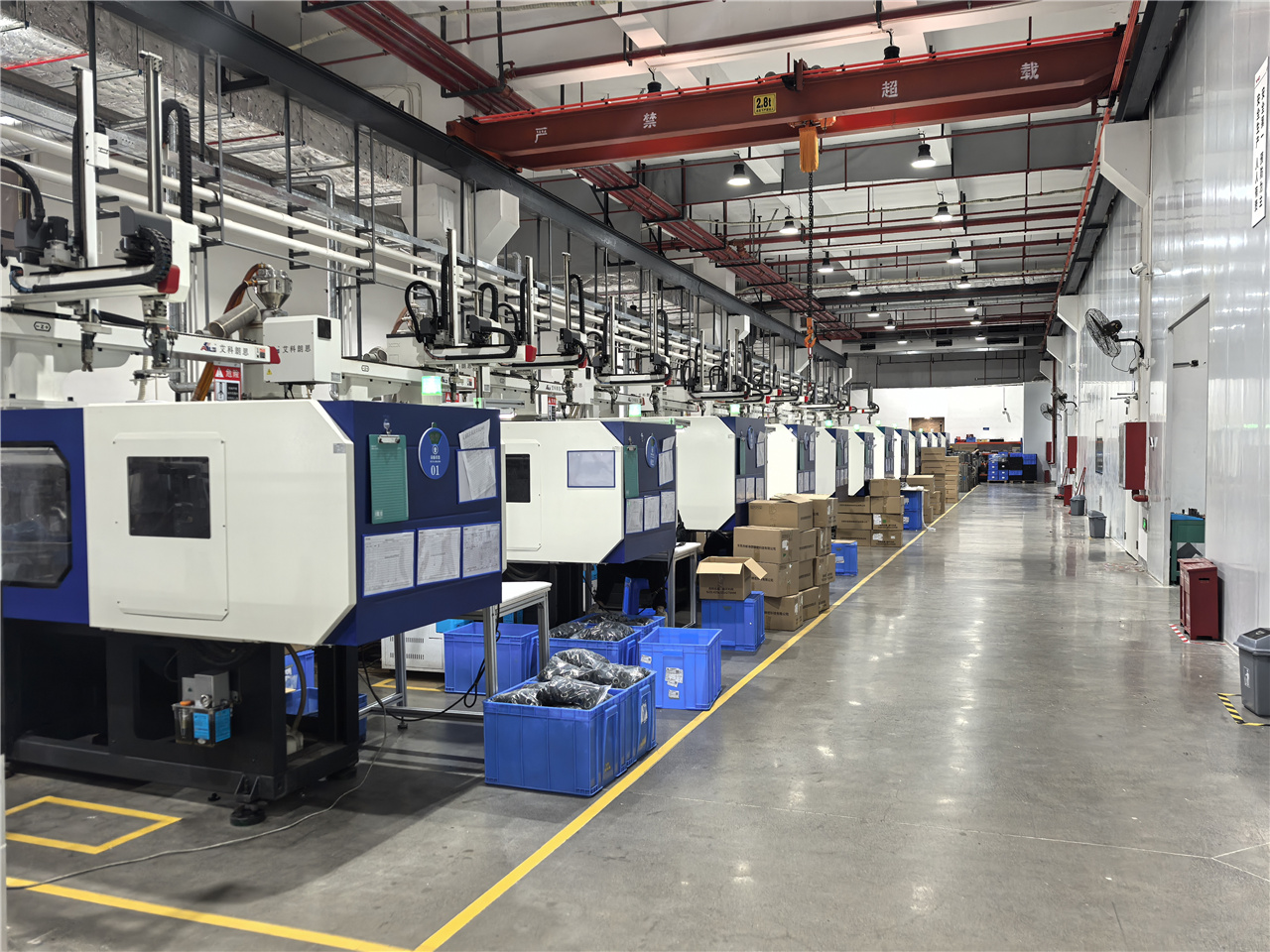
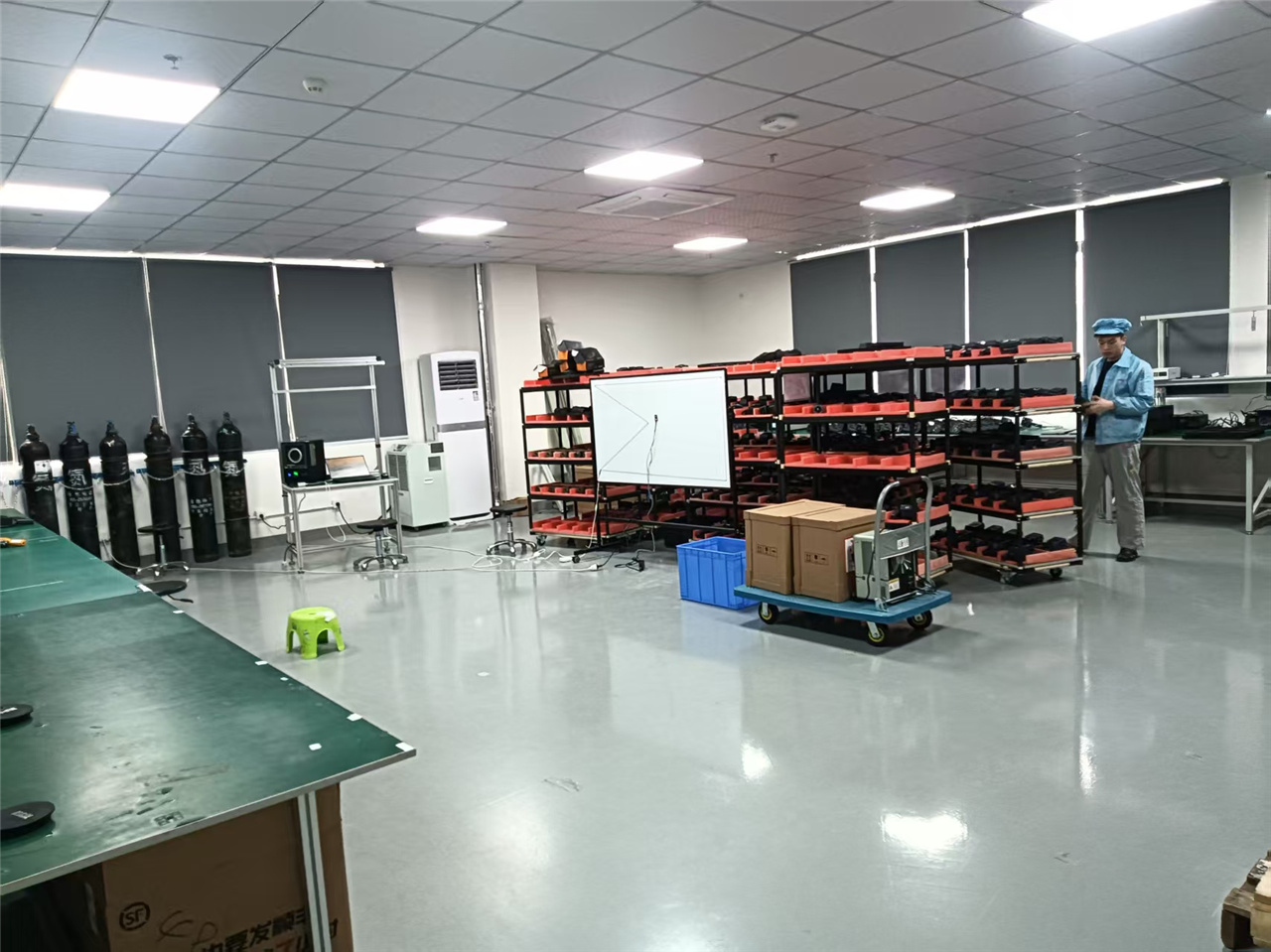
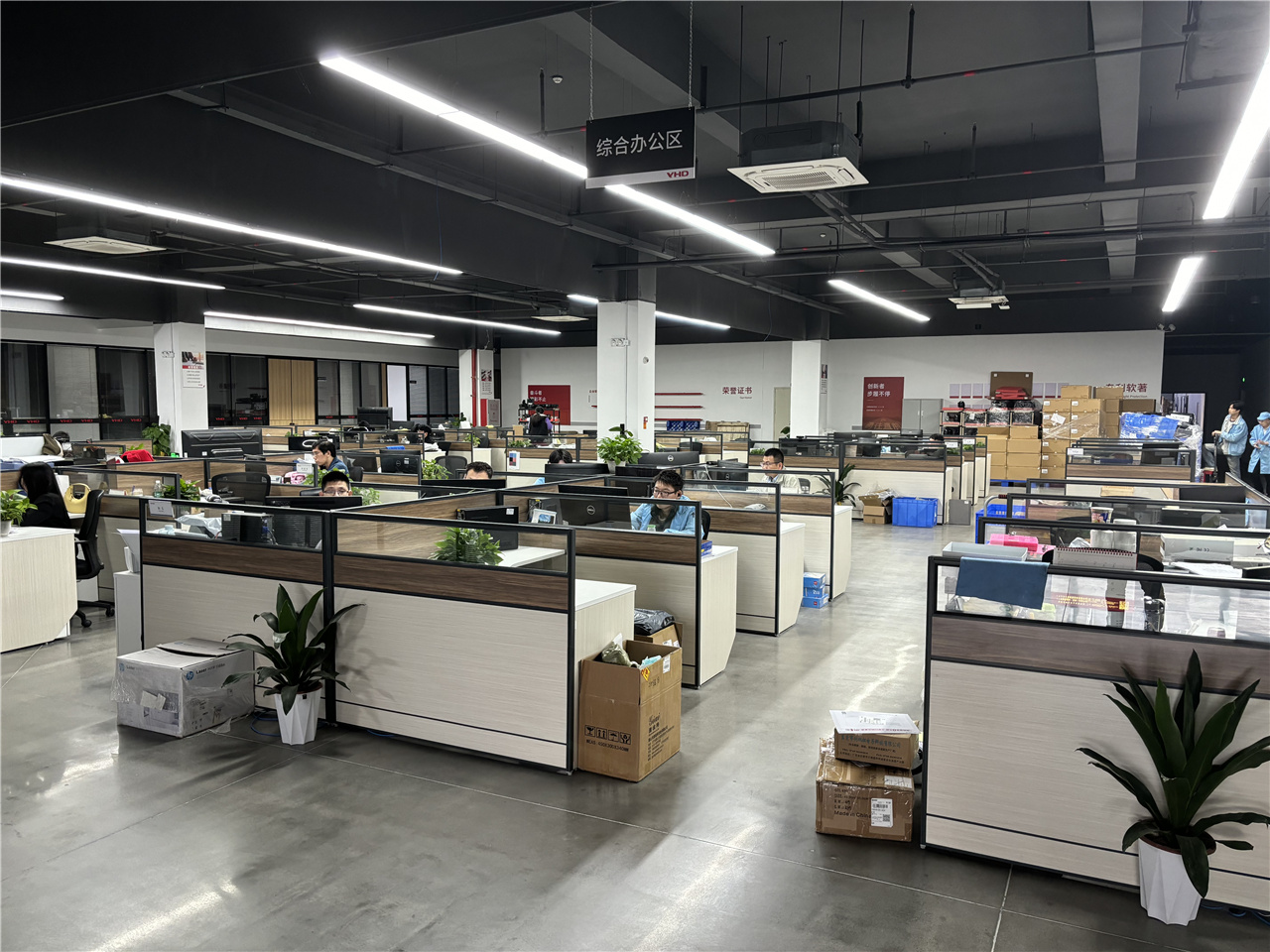
Shenzhen Dianyang Technology Co., Ltd. is a subsidiary of VHD (Shenzhen VHD Technology Co., Ltd.), a publicly listed company on the Shenzhen Stock Exchange. This strategic affiliation gives Dianyang unique access to VHD’s advanced R&D platforms, high-precision manufacturing systems, and rigorous quality management practices—enabling us to deliver thermal imaging products of higher reliability and consistency than typical ODMs.
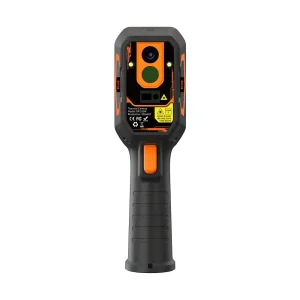
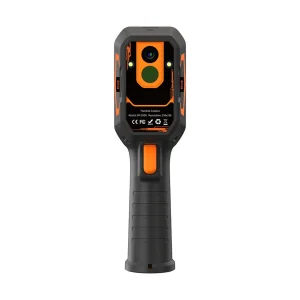
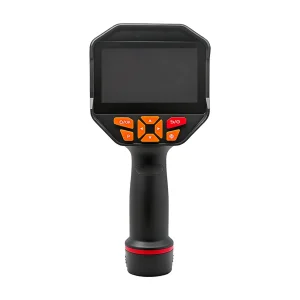
We specialize in ODM/OEM services for infrared thermal imaging solutions, including handheld thermal imagers, smartphone-connected thermal cameras, thermal analyzers, and thermal imaging telescopes. Our products serve global customers in power inspection, building diagnostics, firefighting, industrial maintenance, and outdoor applications.
Our dedicated engineering team applies Design for Manufacturing (DFM), Design for Testability (DFT), thermal simulation, and EMC pre-compliance analysis to optimize performance and accelerate development. We fully support global export clients in obtaining key certifications: CE, FCC, RoHS, REACH, CB, UKCA, KC, and PSE.

A detailed comparison of sensor array matrix specifications for industrial B2B procurement choices.
Ideal for rapid electrical spot-checks, HVAC diagnostic troubleshooting, and smartphone attachments (e.g., DP-12D and H1FB series). Offers low power draw, high portability, and cost-effective maintenance screening.
Balances budget constraints with high-definition spatial resolution. Suitable for dual-light thermal fusion systems (e.g., DP-25DR, DP-25DV, DP-38D), facilitating building insulation audits and mechanical bearing monitoring.
Designed for complex power grid substations, high-voltage transformers, and continuous thermal research (e.g., DP-64D series). Provides exceptional Instantaneous Field of View (IFOV) and long-distance detection capability.
When selecting affordable infrared equipment from direct China manufacturers, buyers must evaluate technical parameters against operational requirements:
Deploying OEM thermal detection hardware across key commercial sectors to prevent equipment downtime and enhance safety.
Loose electrical connections, overloaded circuit breakers, and phase imbalance generate localized resistive heat. Handheld units like the DP-38D or DP-64D enable thermographers to scan switchgears from safe standoff distances.
Identify missing insulation, thermal bridging, roof moisture entrapment, and air leakage points. Utilizing dual-light imagers like the DP-25DR allows civil engineers to document thermal efficiency compliant with building codes.
Field technicians equipped with smartphone thermal attachments (H1FB & H2F6B series) transform iOS and Android mobile phones into instant diagnostic tools, dramatically lowering equipment outlay for distributed workforces.
Compact desk-mounted thermal analyzers pinpoint microscopic thermal anomalies on printed circuit board assemblies (PCBAs), assisting electronics design engineers during hardware debugging and thermal dissipation testing.
Pioneering next-generation thermal sensing through artificial intelligence and edge computing integration.
Embedding Neural Processing Units (NPUs) directly into handheld and modular thermal hardware. Real-time automatic target recognition (ATR) identifies hot spots and flags mechanical anomalies without requiring external processing.
Adopting 12µm and sub-10µm pixel pitch microbolometers with Wafer-Level Packaging. This manufacturing approach lowers raw component costs by up to 35% while yielding smaller optical assemblies.
Combining LWIR thermal sensors with acoustic imaging and optical gas imaging (OGI) technology onto unified inspection platforms for simultaneous thermal, gas leak, and ultrasonic partial discharge detection.
Transitioning standalone inspection cameras into cloud-native IoT endpoints. Automated uploads, automated report generation via generative AI models, and continuous fleet telemetry integration for enterprise asset management (EAM).
Navigating direct-from-factory sourcing to maximize ROI while controlling equipment lifecycle costs.
When sourcing "cheap" thermal detection systems from global suppliers, enterprise procurement teams must look beyond initial unit pricing. Low-cost hardware without proper calibration, thermal stability software, or factory support can lead to false readings, costly unrecorded downtime, and safety hazards.
Ensure suppliers perform multi-point blackbody temperature calibration across the entire operating thermal envelope (-20°C to 550°C), preventing measurement drift across seasonal ambient shifts.
Industrial deployment demands ruggedization. Prioritize units rated at IP54 or higher with drop-test certification (1.5m to 2m drop resistance) to withstand demanding field conditions.
Hardware utility is limited without intuitive analysis software. Evaluate supplier offerings for offline radiometry analysis, customized PDF report generation, and mobile application support.
Answers to common B2B sourcing, technical specification, and OEM customization queries.
Select from our complete range of certified thermal cameras, dual-light systems, and compact mobile imaging devices.
 Dianyang