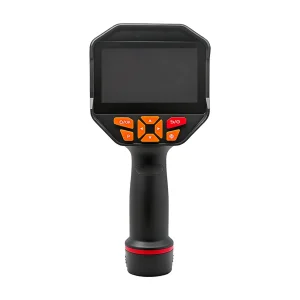
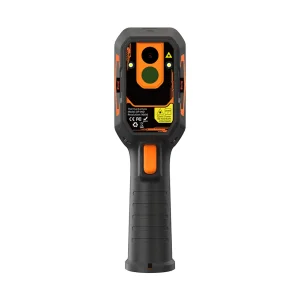
High-resolution, factory-direct thermal imaging devices designed for precise gas leak detection, predictive electrical inspection, and industrial preventative maintenance.
Understanding the transition from traditional contact sensors to cost-effective Optical Gas Imaging (OGI) and thermal absorption technologies across global energy markets.
Industrial facility managers often search for cheap infrared gas detection companies and suppliers not to lower safety standards, but to solve severe CapEx bottlenecks. Traditional cooled MWIR OGI cameras cost upwards of $80,000 per unit, limiting widespread deployment. Modern uncooled microbolometer technologies and smartphone-integrated thermal sensors drastically reduce hardware investment while delivering high thermal sensitivity (NETD < 40mK).
Global environmental mandates—such as EPA Rule OOOOa/OOOOb Leak Detection and Repair (LDAR) standards, EU Methane Emissions Regulations, and ISO 14064 GHG accounting—require continuous, non-contact monitoring of volatile organic compounds (VOCs), methane ($CH_4$), and sulfur hexafluoride ($SF_6$). Sourcing affordable, certified thermal gas detection systems enables full fleet rollout for field operators.
Traditional "sniffing" probes require technicians to manually sample each valve joint, exposing personnel to toxic environments while suffering from extremely low spatial throughput. Optical gas imaging and handheld thermal cameras allow technicians to scan hundreds of connections per hour from a safe distance, visualizing gas plumes in real time as absorption contrasts against background infrared signatures.
A deep dive into infrared absorption spectroscopy, narrow spectral bandpass filters, and focal plane array engineering.
Infrared gas detection and Optical Gas Imaging (OGI) leverage the intrinsic physics of molecular absorption within specific infrared bandwidths. Most organic gases, hydrocarbons, and industrial refrigerants possess signature vibrational-rotational absorption bands in the Mid-Wave Infrared (MWIR, 3 µm – 5 µm) and Long-Wave Infrared (LWIR, 7 µm – 14 µm) spectrums.
The mathematical governing principle of OGI systems relies on the Beer-Lambert Law, which defines light transmission through a gaseous medium:
Where I(λ) is the measured infrared intensity reaching the sensor detector, I_0(λ) is the thermal radiance emitted by the background scene, α(λ) is the gas mass absorption coefficient at wavelength λ, C represents gas concentration, and L is the physical path length of the gas cloud plume. When a gas leak occurs, the cloud absorbs background IR radiation at its characteristic absorption wavelength, appearing as a dark or colored visual plume on the thermal sensor screen.
| Target Gas Species | Spectral Absorption Range (µm) | Optimal Infrared Core / Technology | Primary Industrial Field |
|---|---|---|---|
| Methane ($CH_4$) & Hydrocarbons | 3.2 μm – 3.4 μm (MWIR) / 7.7 μm (LWIR) | Filtered Cooled InSb / Uncooled Microbolometer | Oil & Gas Upstream, Midstream Pipelines, Biogas |
| Sulfur Hexafluoride ($SF_6$) | 10.5 μm – 10.6 μm (LWIR) | Uncooled VOx Microbolometer + Bandpass Filter | High-Voltage Electrical Substations, GIS Switchgear |
| Refrigerants (Freon, R-134a, R-410a) | 8.0 μm – 11.0 μm (LWIR) | High-Resolution Uncooled Focal Plane Array (FPA) | HVAC/R Manufacturing, Cold Chain Logistics |
| Carbon Monoxide ($CO$) / $CO_2$ | 4.2 μm – 4.7 μm (MWIR) | Cooled Quantum Well / Filtered Microbolometer | Combustion Analysis, Flare Monitoring, Steel Mills |
Backed by Listed Parent Enterprise Expertise, Driving Precision Thermal Engineering Global Exports.
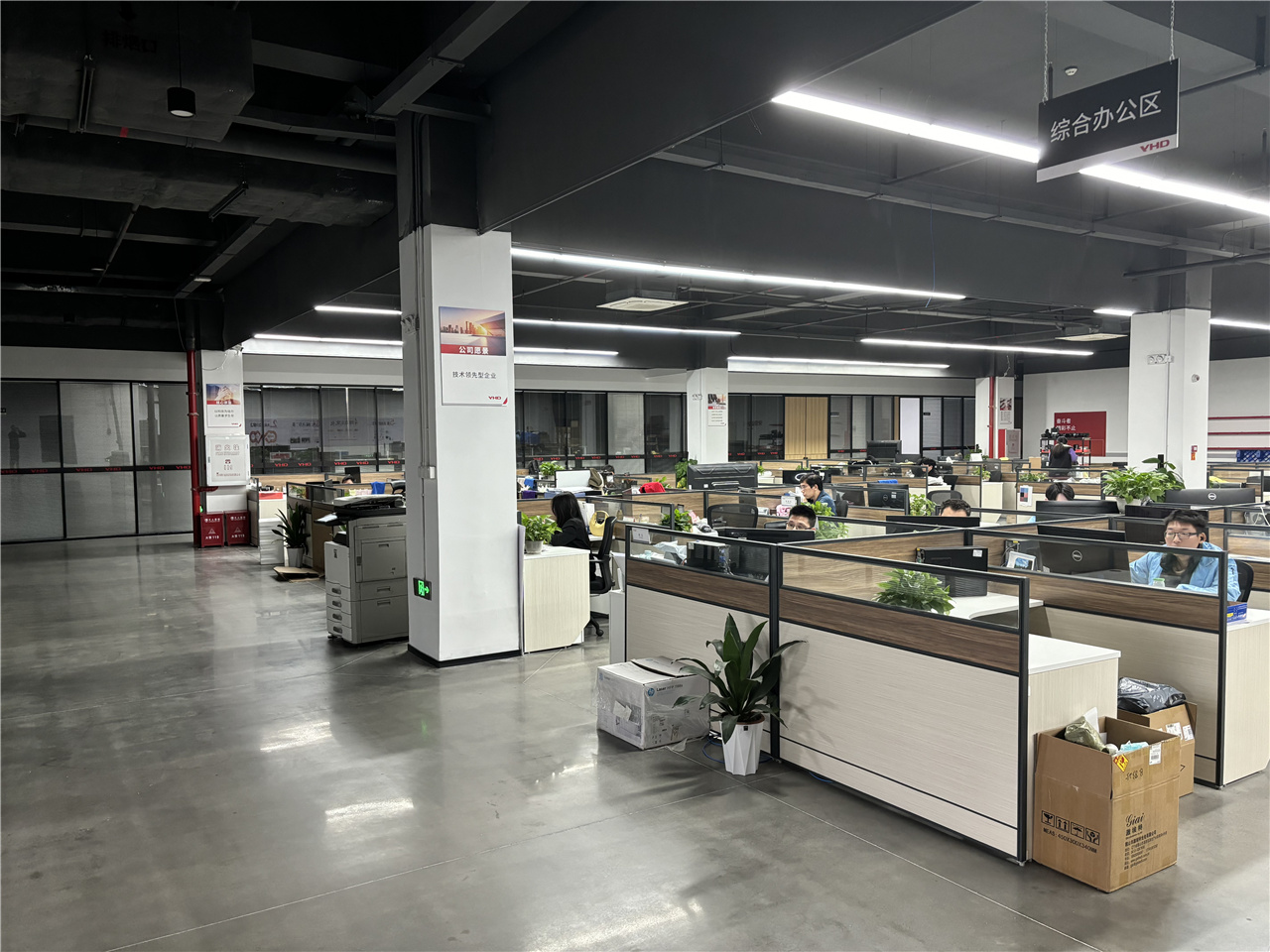
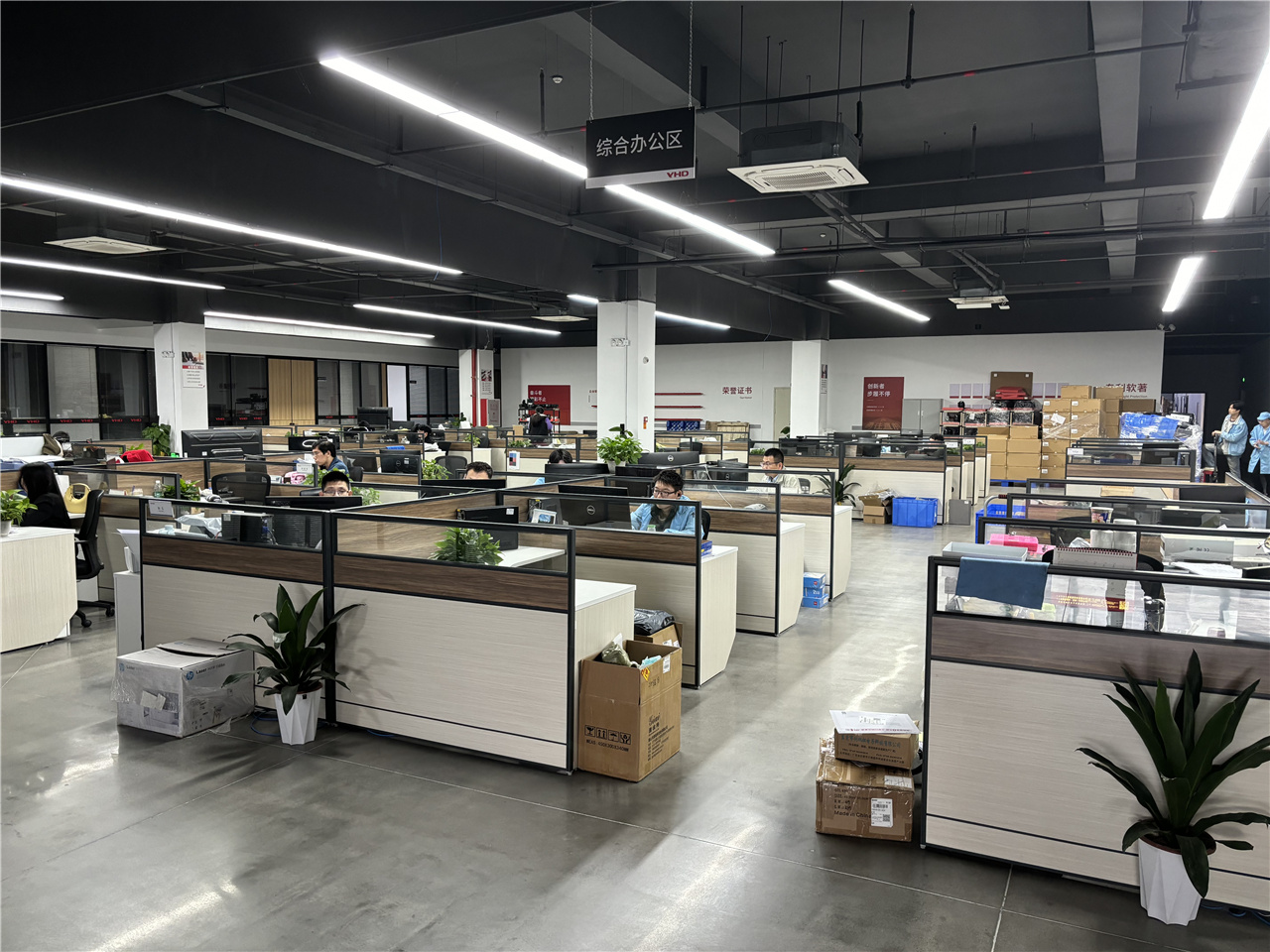
Shenzhen Dianyang Technology Co., Ltd. is a subsidiary of VHD (Shenzhen VHD Technology Co., Ltd.), a publicly listed company on the Shenzhen Stock Exchange. This strategic affiliation gives Dianyang unique access to VHD’s advanced R&D platforms, high-precision manufacturing systems, and rigorous quality management practices—enabling us to deliver thermal imaging products of higher reliability and consistency than typical ODMs.
We specialize in ODM/OEM services for infrared thermal imaging solutions, including handheld thermal imagers, smartphone-connected thermal cameras, thermal analyzers, and thermal imaging telescopes. Our products serve global customers in power inspection, building diagnostics, firefighting, industrial maintenance, and outdoor applications.
Our dedicated engineering team applies Design for Manufacturing (DFM), Design for Testability (DFT), thermal simulation, and EMC pre-compliance analysis to optimize performance and accelerate development. We also support clients in obtaining key certifications such as CE, FCC, RoHS, REACH, CB, UKCA, KC, and PSE.
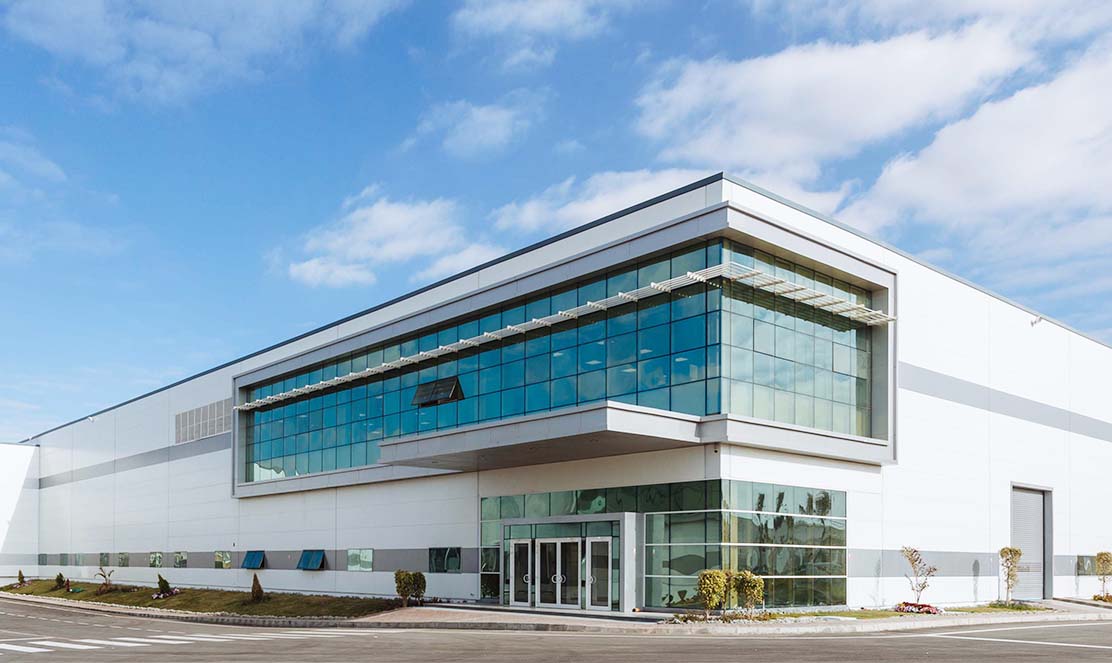
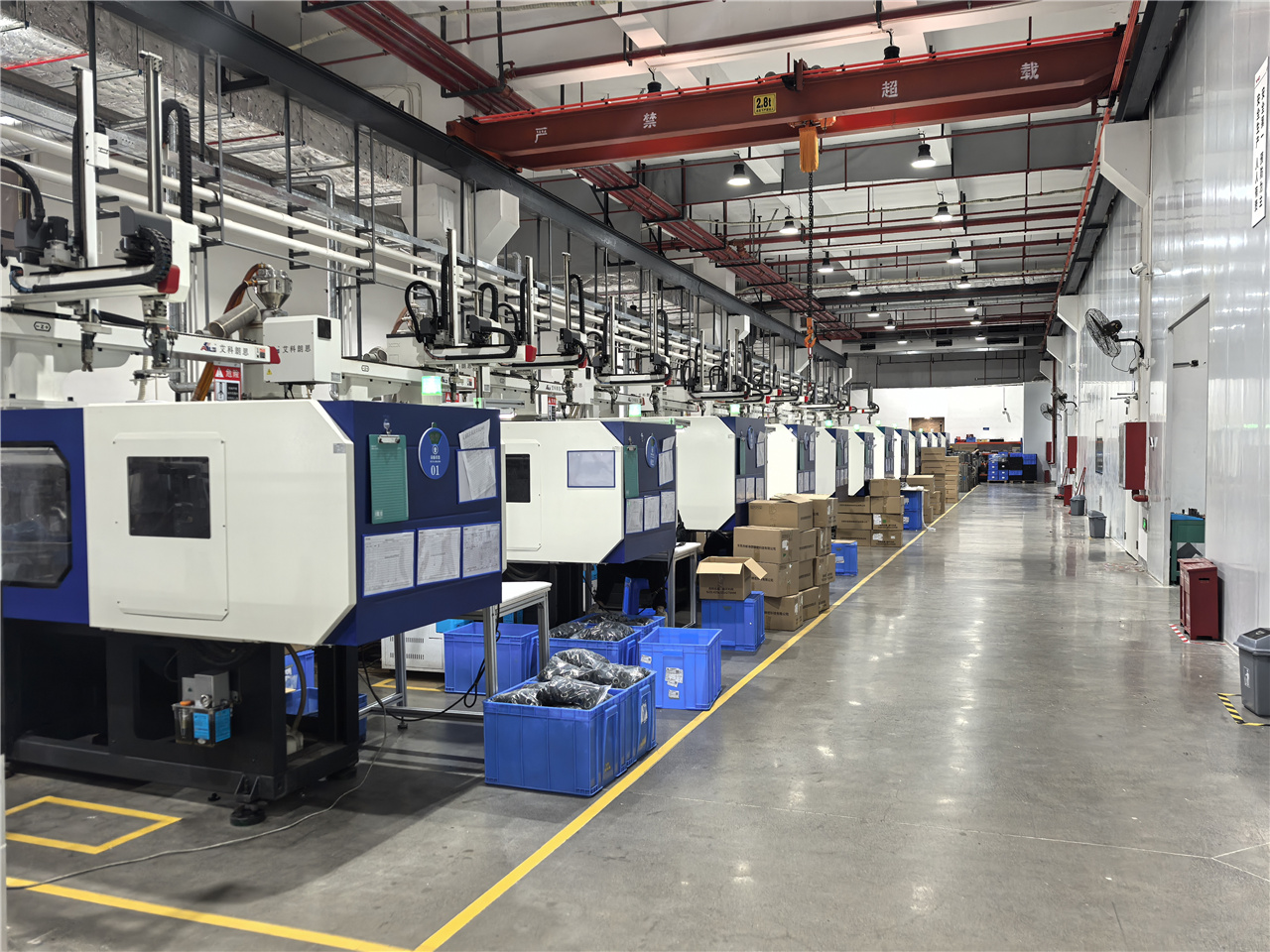
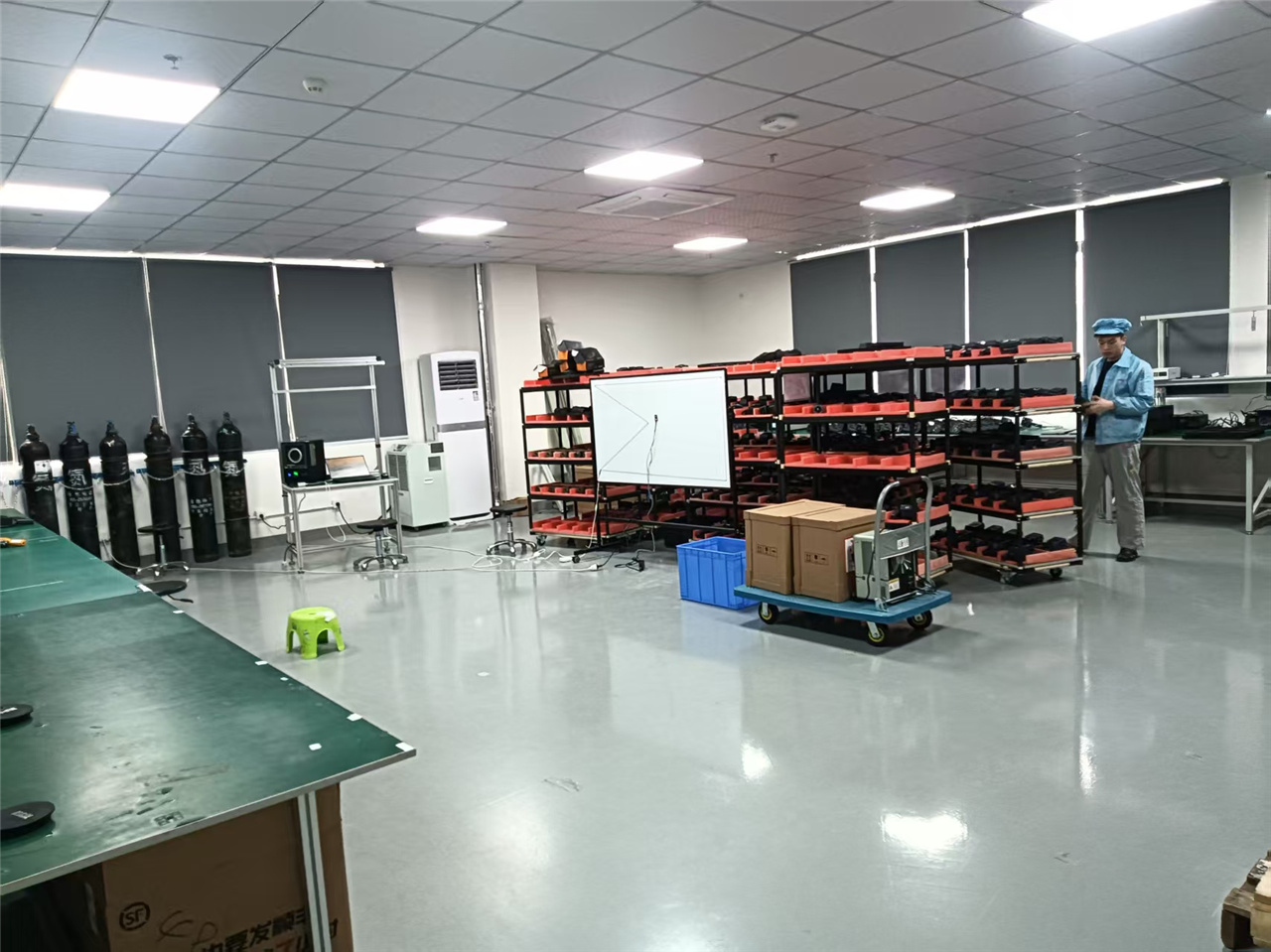
Our state-of-the-art manufacturing plant features cleanroom optical alignment, automated thermal calibration chambers, and drop-test simulation equipment ensuring enterprise reliability.
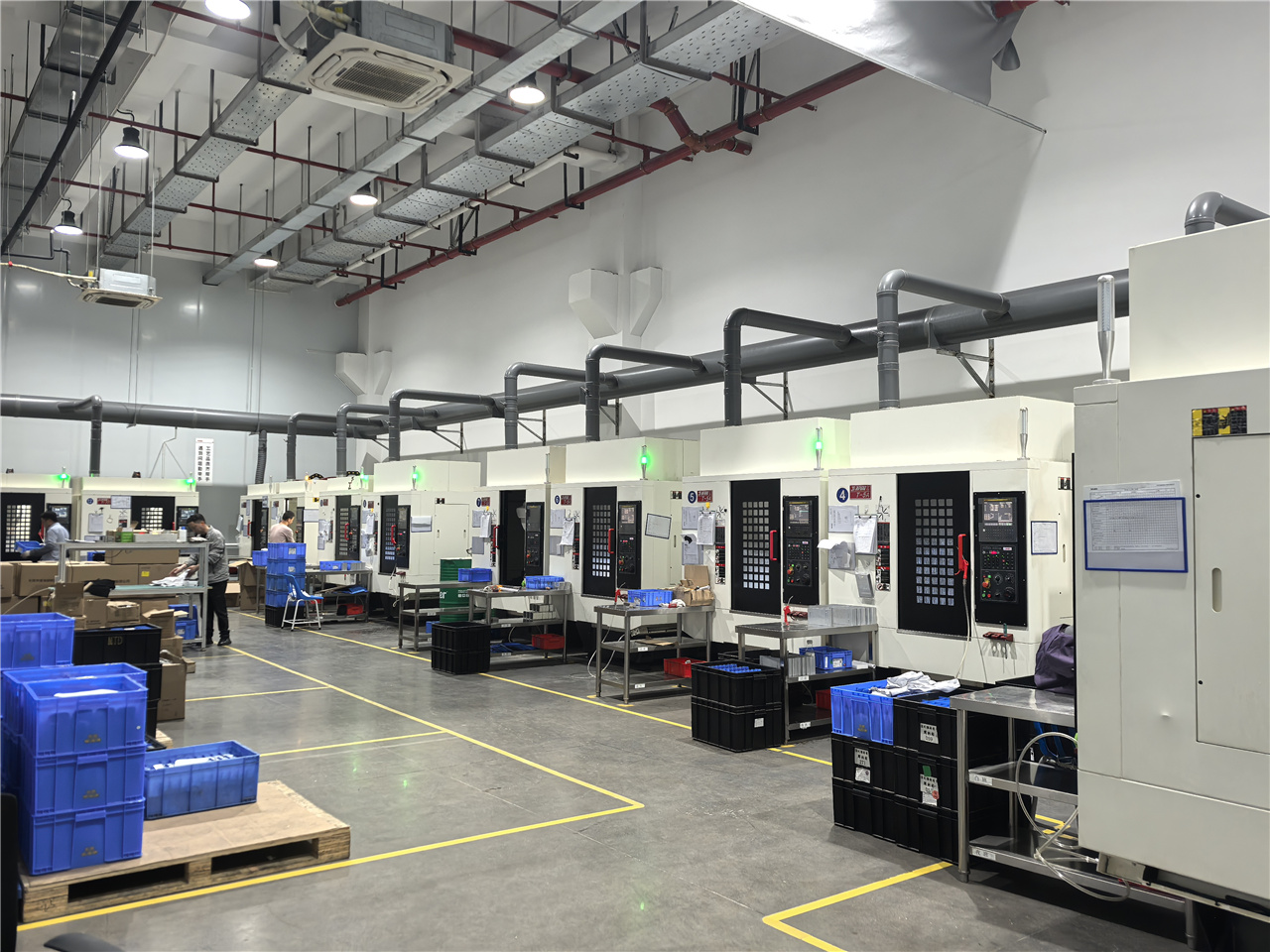
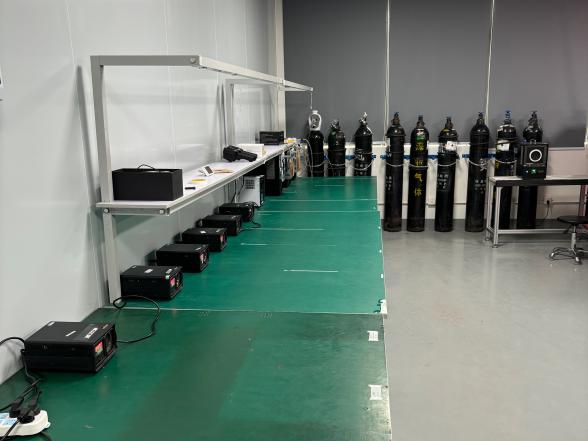
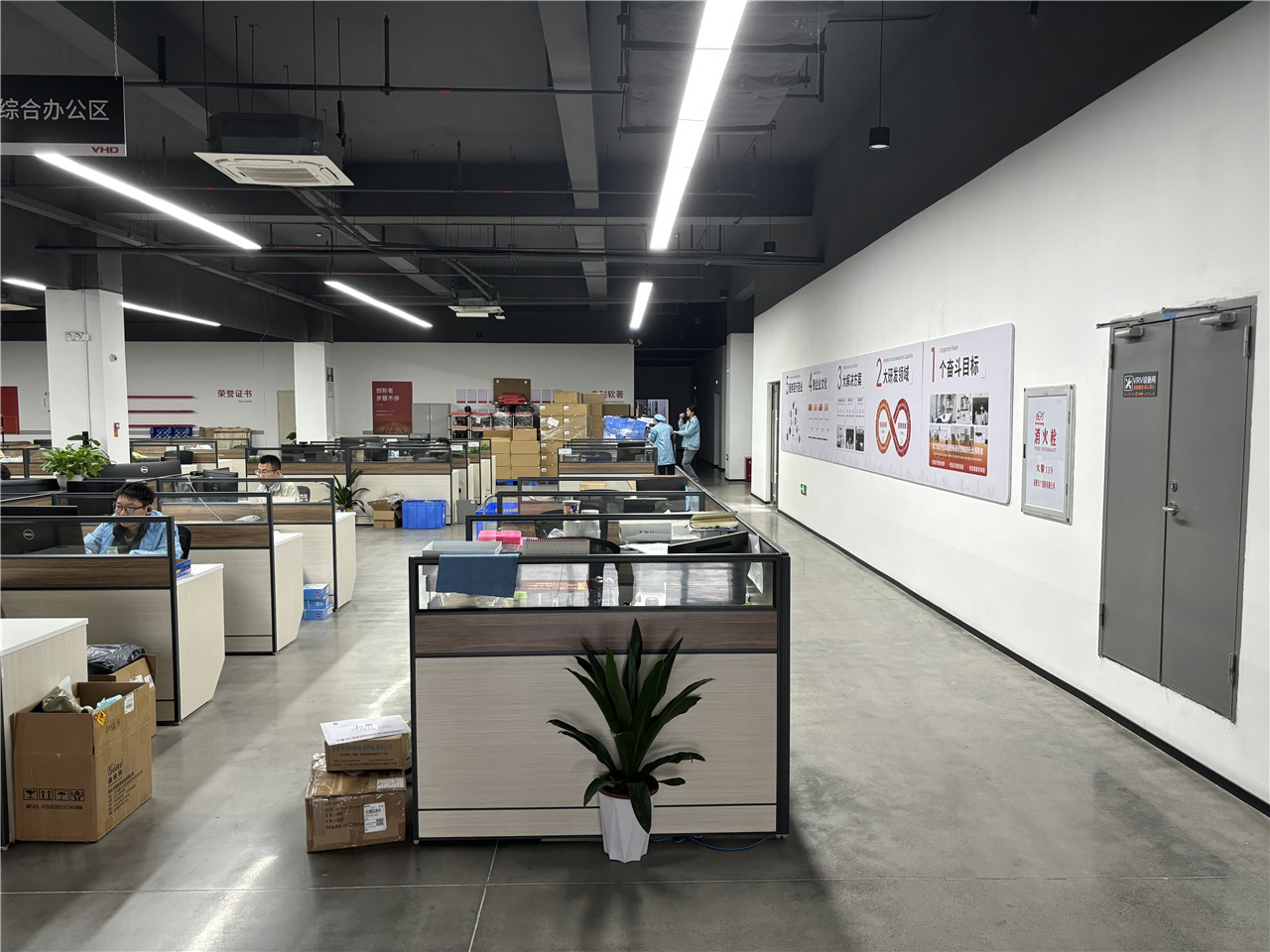
How China's premier OEM/ODM direct suppliers disrupt high-cost thermal imaging monopolies through scale engineering and advanced modular design.
Historically, optical gas imaging relied heavily on Stirling-cooled detectors operating at liquid nitrogen temperatures (-196°C), resulting in high failure rates, periodic maintenance costs, and original price tags over $50,000. By optimizing high-sensitivity uncooled Vanadium Oxide (VOx) microbolometer cores (e.g., 256x192, 384x288, and 512x384 resolutions), Dianyang reduces sensor hardware costs by over 70% while maintaining crisp imaging.
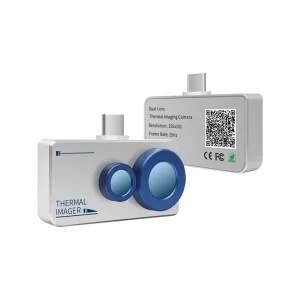
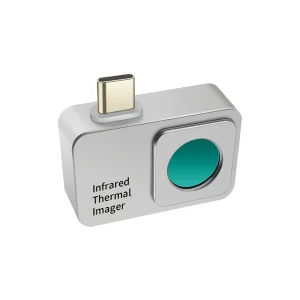
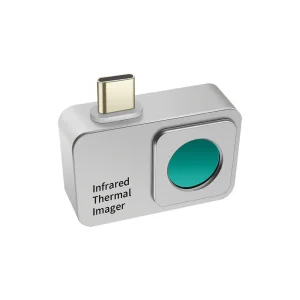
Our mobile phone thermal imaging attachments (such as the H2F6B and H1FB series) eliminate the need for expensive dedicated displays, embedded OS processors, and heavy battery packs. By harnessing smartphone computing power and high-resolution touchscreen displays via USB Type-C or Lightning connectors, end-users receive professional-grade thermal diagnostics at entry-level budget points.
Being backed by listed parent entity VHD provides Shenzhen Dianyang direct purchasing leverage for optical Germanium lenses, silicon wafer focal plane arrays, and precision SMT assembly processes. Eliminating multiple layers of intermediary distributors allows enterprise buyers, OEM partners, and international brand owners to source factory-direct equipment at minimal margins.
Deploying cost-effective infrared gas detection across demanding mission-critical sector environments.
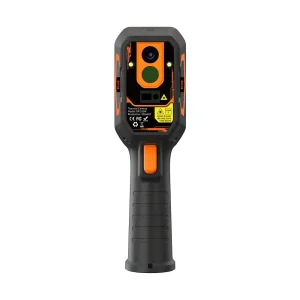
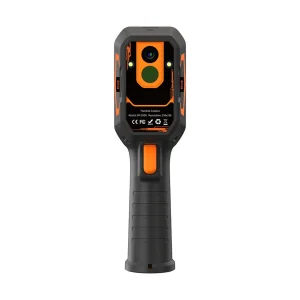
Fugitive methane releases not only represent severe environmental penalties but also present catastrophic explosion risks. Handheld devices like the DP-25DR (512x384) and DP-38D (384x288 with laser ranging) allow maintenance crews to pinpoint invisible fugitive emissions around valves, flanges, storage tanks, and thief hatches without halting continuous production routines.
Sulfur Hexafluoride ($SF_6$) is an indispensable insulating gas used in high-voltage circuit breakers, but its Global Warming Potential (GWP) is 23,500 times higher than $CO_2$. Using uncooled high-resolution thermal imagers, power utility teams can inspect high-voltage equipment enclosures for micro-leaks safely outside the arc-flash zone boundary.
Improperly sealed HVAC cooling systems result in massive energy waste and greenhouse refrigerant venting. Smartphone modules like the H1FB (160x120) enable field contractors to combine thermal insulation leak identification with refrigerant gas tracing in one compact, budget-friendly handheld setup.
Chemical processing complexes handling volatile organic compounds (VOCs), benzene, ethanol, and ammonia mandate immediate detection of pinhole joint leaks. Handheld imagers equipped with customizable color palettes assist operators in isolating localized gas density variations during routine safety sweeps.
Next-generation advancements driving AI quantitative gas leak analysis and miniaturized multispectral sensor integration.
Future optical gas imagers will transition from simple qualitative visualization ("seeing the gas cloud") to automated real-time volumetric leak rate quantification ($g/hr$). Embedded Edge AI algorithms analyze plume velocity, pixel expansion density, and background thermal contrast directly on-device without requiring external cloud post-processing.
Emerging sensor research focuses on dual-band uncooled microbolometers capable of switching spectral bandpass filters electronically. This allows a single affordable handheld thermal imager to toggle between hydrocarbon mode ($3.3 \mu m$), $SF_6$ mode ($10.5 \mu m$), and general thermal inspection mode ($8-14 \mu m$).
As sensor payloads become lighter and more power-efficient, integration with autonomous inspection drones and quadruped robots will dominate offshore oil platforms and remote cross-country natural gas pipelines, performing zero-human-intervention safety patrols.
Ensuring seamless international deployment across North America, Europe, Asia-Pacific, and Latin America.
Entering international B2B procurement contracts requires adherence to rigorous regional regulatory compliance. Shenzhen Dianyang Technology provides comprehensive ODM/OEM support, helping clients seamlessly pass localized safety and technical audits.
Full compliance with European Union and United Kingdom electromagnetic compatibility and safety standards.
Rigorous radio frequency and digital device emission testing for North American commercial sales.
Strict verification of environmentally safe raw materials, free of hazardous chemical substances.
Tailored certification alignment for East Asian electronic product imports across South Korea and Japan.
Addressing common technical, procurement, and field application queries for enterprise buyers and engineers.
Explore our full line of budget-friendly, high-precision thermal imaging solutions tailored for global distributors and factory suppliers.
 Dianyang