Explore our top-tier precision instruments engineered for warehouse lithium-ion thermal safety monitoring, preventative maintenance, and quality control.
Analyzing the massive paradigm shift from traditional lead-acid traction cells to high-density CE-certified lithium-ion (LiFePO4) power systems in smart logistics.
Modern material handling environments are undergoing an aggressive technological overhaul. Driven by e-commerce velocity and 24/7 automated operations, industrial electric forklifts, reach trucks, Automated Guided Vehicles (AGVs), and Autonomous Mobile Robots (AMRs) require power units that deliver consistent voltage, zero maintenance downtime, and absolute operational reliability. Transitioning to high-performance Lithium Iron Phosphate (LiFePO4) battery architectures has transitioned from a competitive option to a core industrial imperative.
Deploying energy storage and motive power within the European Economic Area (EEA) and global markets mandates strict adherence to European Conformity (CE) benchmarks. Equipment buyers and plant managers cannot afford non-compliant battery assets. CE certification guarantees compliance with essential safety, health, and environmental protection requirements, encompassing stringent testing under EN 62619 standards for industrial lithium cells, as well as mandatory Electromagnetic Compatibility (EMC) regulations.
Understanding the multi-tier engineering requirements, mandatory tests, and safety protocols necessary for CE compliance certification.
| Standard / Directive | Technical Scope | Mandatory Test Parameters | Critical Procurement Metric |
|---|---|---|---|
| EN IEC 62619 | Safety requirements for secondary lithium cells and batteries in industrial applications | Thermal abuse, external short circuit, impact test, drop test, overcharge safety, forced discharge | Zero thermal runaway propagation under localized cell failure condition. |
| 2014/30/EU (EMC Directive) | Electromagnetic Compatibility for smart Battery Management Systems (BMS) | Radiated emissions, immunity to RF fields, ESD breakdown resilience (EN 61000-6-2 / EN 61000-6-4) | No BMS control logic disruption from external industrial electromagnetic interference. |
| 2014/35/EU (LVD Directive) | Low Voltage Electrical Safety for industrial battery assemblies (50V to 1000V AC / 75V to 1500V DC) | Creepage & clearance distances, insulation resistance testing, dielectric withstand voltage | Complete electrical shock isolation protection for warehouse operator maintenance. |
| UN 38.3 (Transport Directive) | Dangerous goods transport qualification (Prerequisite for global CE shipping) | Altitude simulation, thermal shock cycles, vibration spectrum, 50G mechanical shock rating | Certified structural stability during long-distance multimodal transport. |
A CE-compliant warehouse equipment battery must incorporate a smart BMS featuring hardware redundant protection circuits. Continuous thermal telemetry monitors every parallel module, disabling charge/discharge MOS switches before cell temperature thresholds cross critical limits.
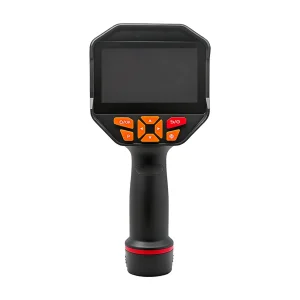
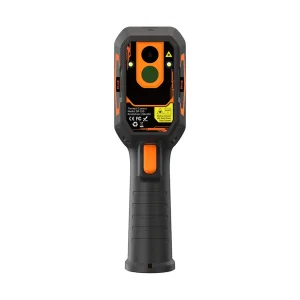
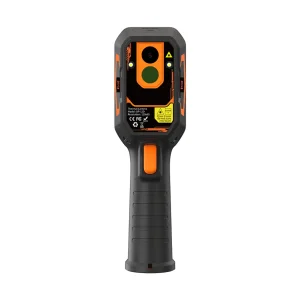
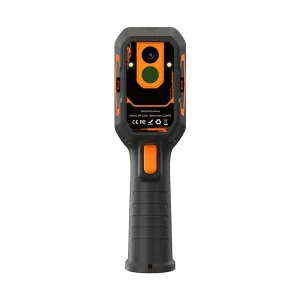
High-intensity warehouse usage generates localized Joule heating at terminal lugs and internal busbars. Utilizing advanced infrared thermal imaging cameras (such as the DP-64D and DP-38D series) during CE compliance audits allows engineers to detect abnormal heat distribution patterns long before cell breakdown occurs.
Modern CE guidelines emphasize smart integration. Standardized CAN-bus telemetry (CANopen, J1939) bridges the battery status to the warehouse vehicle's main controller, continuously reporting State of Charge (SOC), State of Health (SOH), and cell-level voltage variance.
How Chinese precision manufacturing ecosystems drive down unit cost while raising quality control standards for industrial battery packs and inspection hardware.
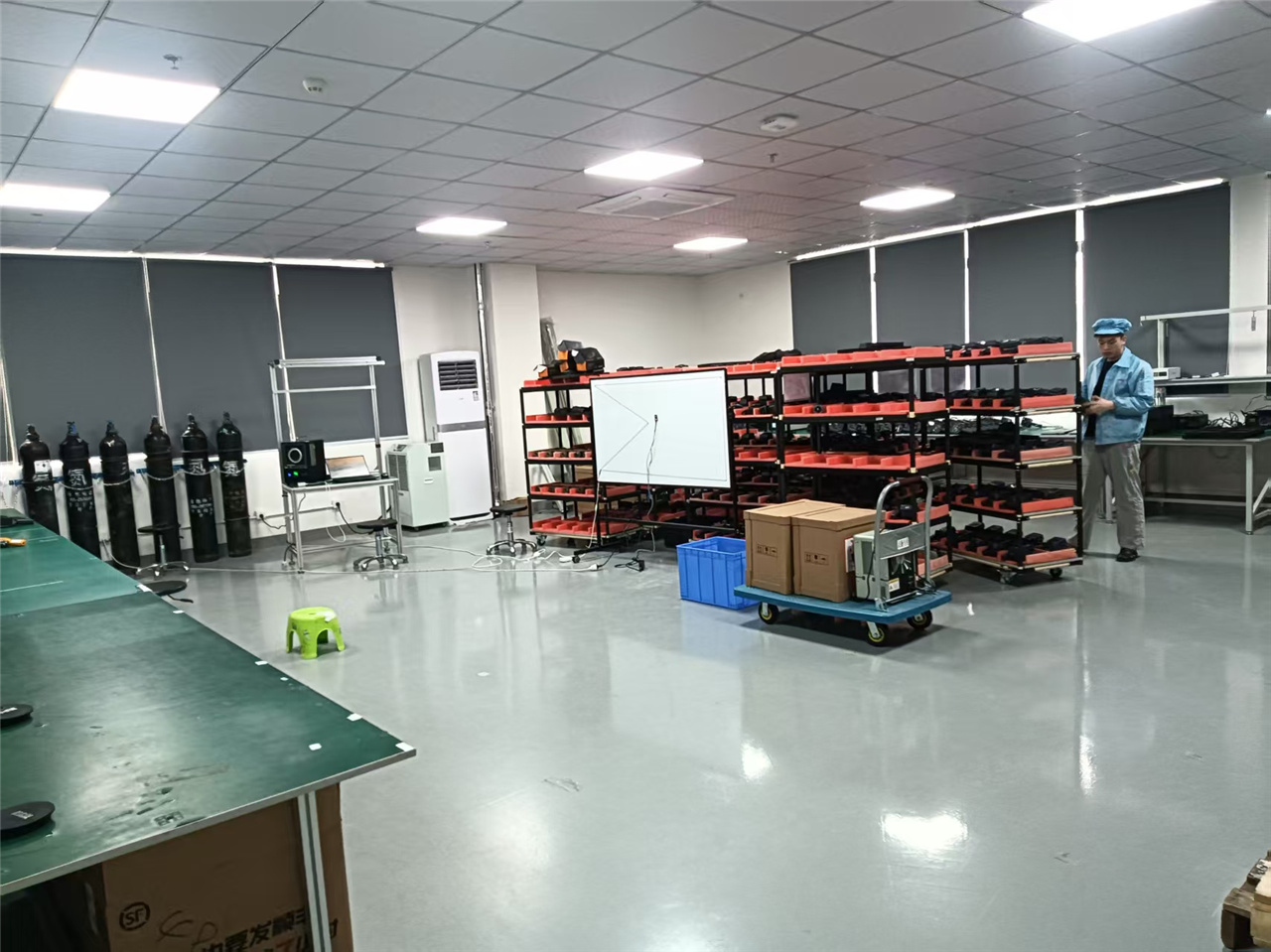
China's lithium industrial cluster offers unmatched vertical integration. From precursor chemical refining and A-grade LiFePO4 cell production to automated laser-welded pack assembly and smart BMS development, every component is manufactured within localized geographic nodes, eliminating lead time bottlenecks.
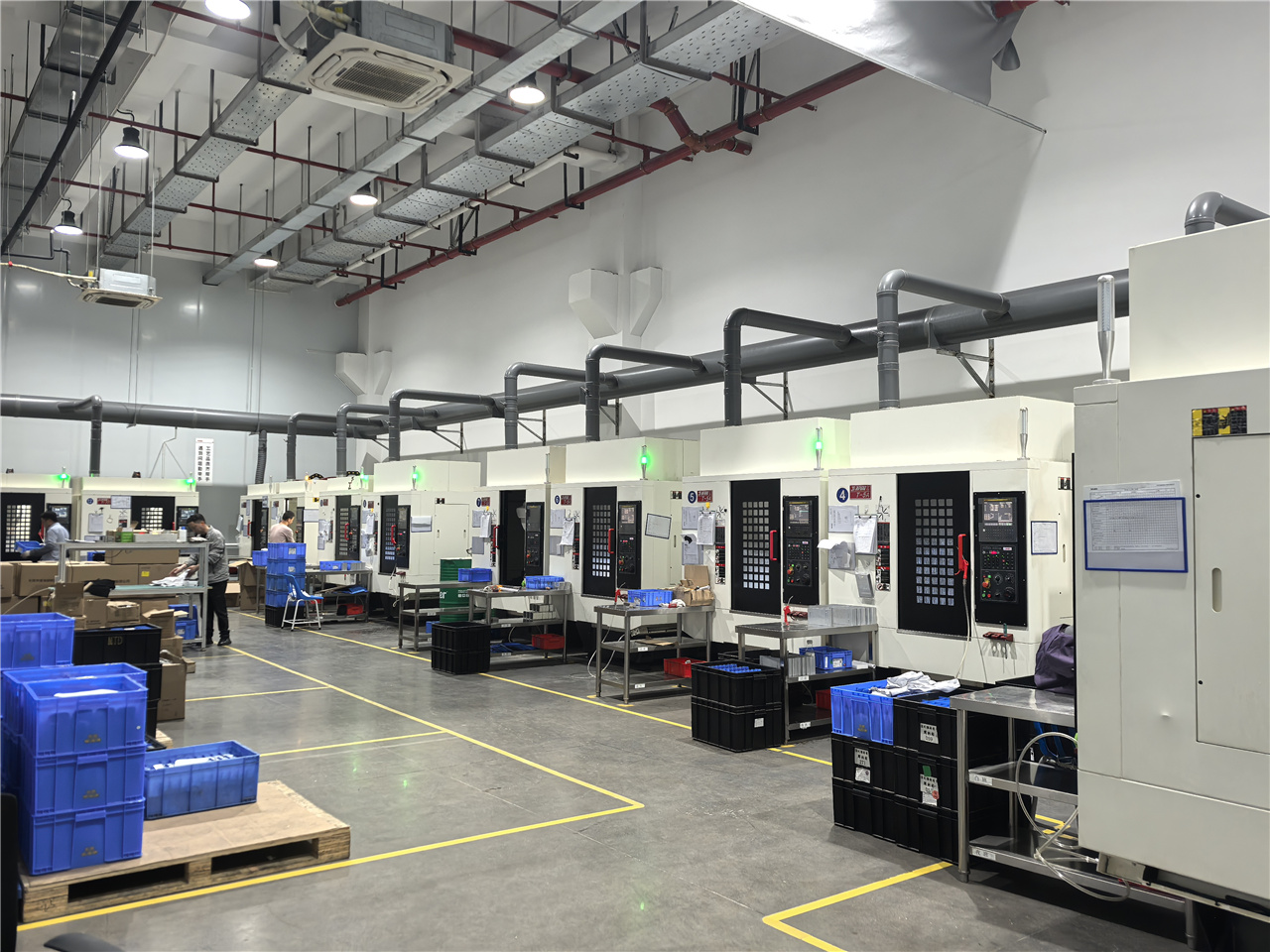
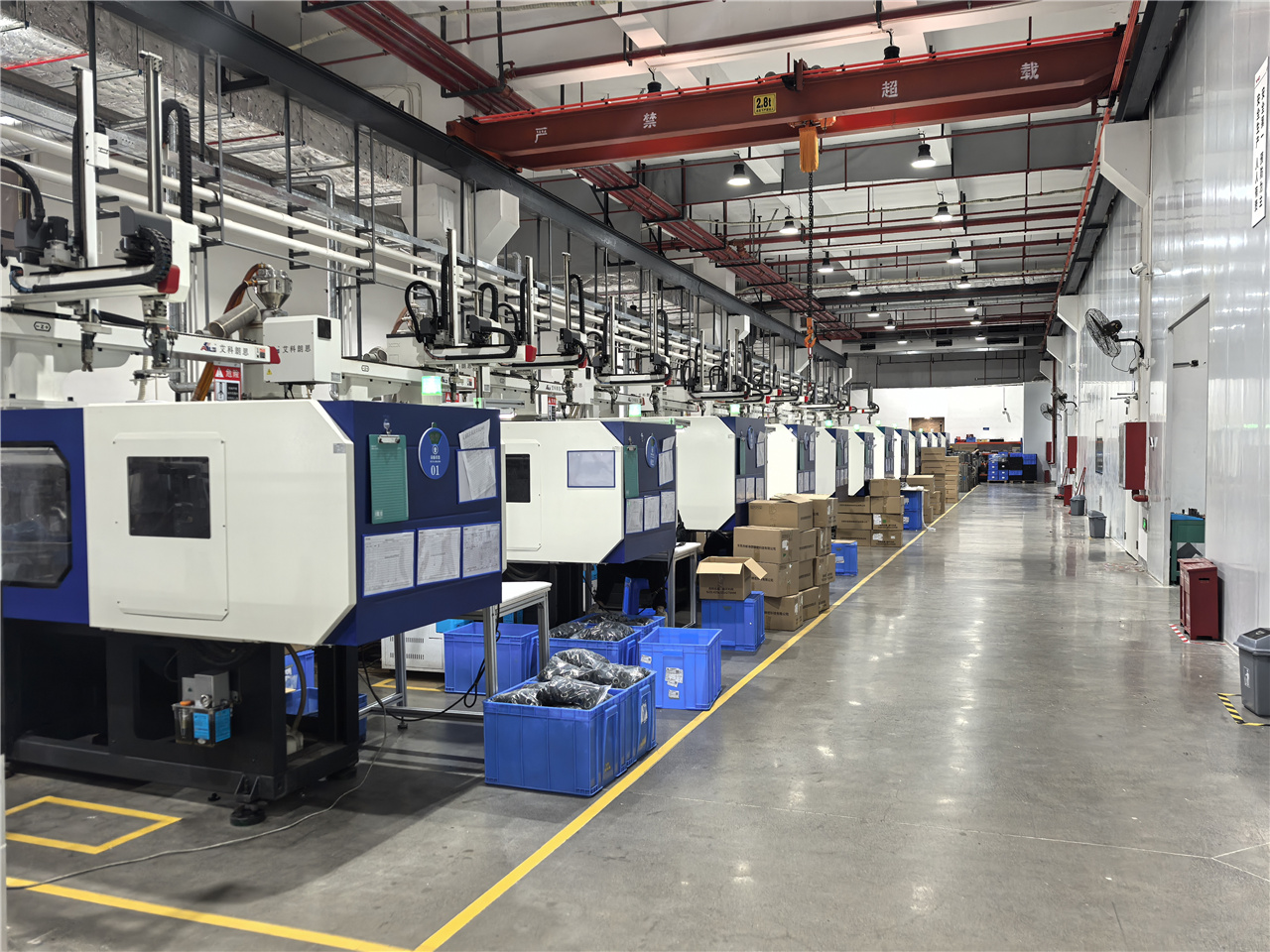
Leading Chinese factories employ Design for Manufacturing (DFM) and Design for Testability (DFT) protocols. Automated robotic cell sorting, ultrasonic wire bonding, and 100% automated optical inspection (AOI) guarantee that every module matches identical technical tolerances.
Unrivaled production volume enables Chinese OEMs to offer factory-direct quotes that provide 35% to 50% cost advantages over Western assemblers without sacrificing quality. Direct sourcing allows warehouse fleets to achieve rapid Return on Investment (ROI) cycles.
Tailored power and monitoring strategies optimized for diverse warehouse operating environments and operational demands.
Traditional lead-acid batteries lose up to 50% capacity in cold storage facilities. CE-certified cold-chain LiFePO4 batteries integrate active internal warming film elements managed by the BMS. Combined with handheld infrared cameras (such as the DP-25D or DP-12D), technicians can inspect battery thermal heating jackets without breaching thermal insulation rooms.
For busy logistics fulfillment centers operating across 3 continuous shifts, opportunity charging during 15-minute breaks is essential. Fast-charging CE-certified packs handle high C-rate inputs (0.5C to 1C charging speed). Routine thermal imaging scanning prevents high-current socket connection overheating during rapid fast-charge cycles.
Automated micro-fulfillment robots require precise, low-profile custom battery packs. OEM/ODM custom battery configurations fit tight chassis spaces while utilizing CAN communication protocols to feed accurate diagnostic data directly into Central Warehouse Management Systems (WMS).
The convergence of smart energy storage and infrared predictive diagnostic tools is changing how fleet operations prevent failure and optimize equipment lifespans.
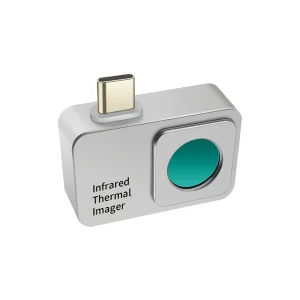
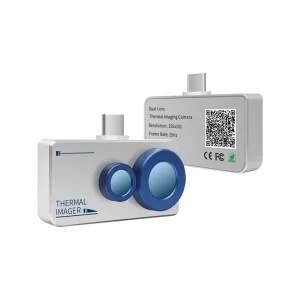
Instead of relying solely on post-failure warning codes, leading logistics fleets use mobile phone infrared imagers (like the H2FB and H1FB series) and high-resolution handheld units (DP-64D) to conduct daily spot checks. Loose busbar bolts, degrading cell connections, and cooling port obstructions present clear thermal anomalies that can be spotted before electrical failures occur.
As global ESG mandates tighten, CE-certified warehouse batteries are designed with end-of-life repurposing in mind. Modules that reach 70% SOH after 3,500 forklift shift cycles can be easily disassembled and redeployed into stationary solar energy storage units, giving battery investments a long secondary lifecycle.
How enterprise procurement teams can evaluate factory quotes, calculate Total Cost of Ownership (TCO), and specify custom OEM/ODM parameters.
While initial lithium battery quotes exceed lead-acid prices, total cost calculations show significant savings. LiFePO4 batteries eliminate battery swapping labor, water replenishment costs, dedicated charging room ventilation needs, and electricity losses—delivering complete payback within 14 to 18 months.
When submitting an RFQ to China suppliers, ensure specs include: nominal voltage (24V, 36V, 48V, 80V), Ah capacity at C/2 discharge, physical tray dimensions, counterweight requirements, CAN communication protocol, IP rating, and CE / EN IEC 62619 compliance certificate copies.
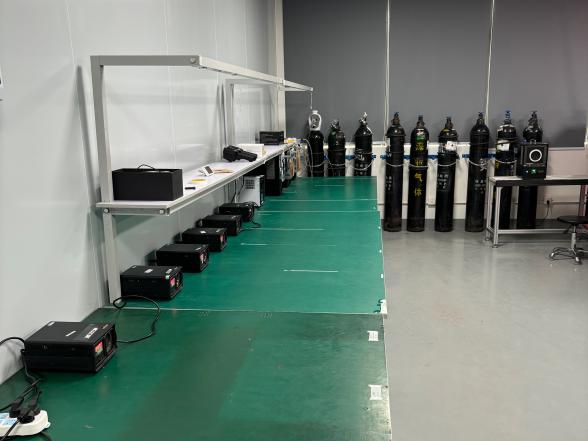
Before committing to bulk fleet purchases, request a prototype evaluation pack along with thermal inspection test reports. Utilizing precision infrared equipment ensures that cell temperature variance remains under 3°C across all modules during peak discharge tests.
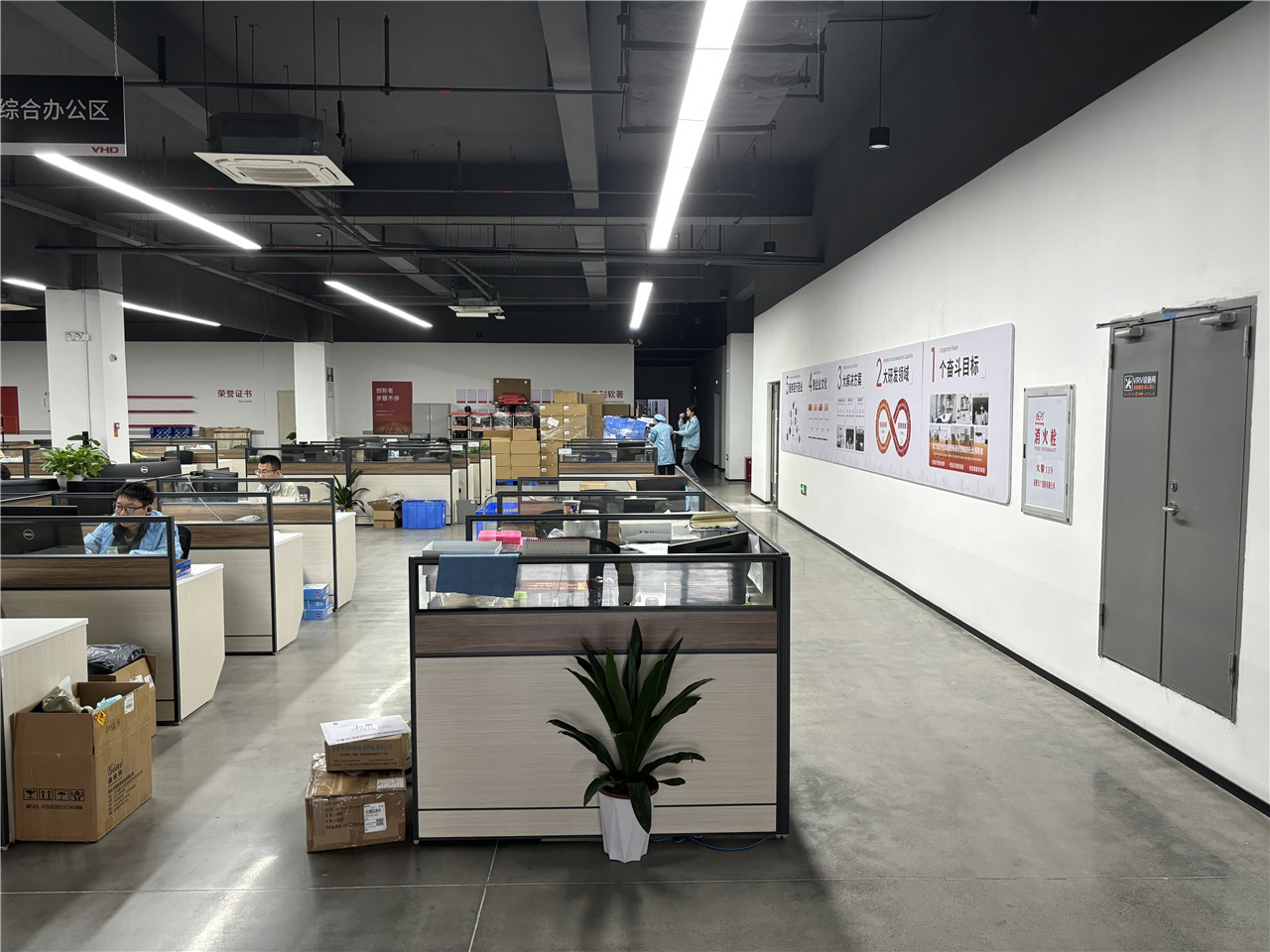
Shenzhen Dianyang Technology Co., Ltd. is a subsidiary of VHD (Shenzhen VHD Technology Co., Ltd.), a publicly listed company on the Shenzhen Stock Exchange. This strategic affiliation gives Dianyang unique access to VHD’s advanced R&D platforms, high-precision manufacturing systems, and rigorous quality management practices—enabling us to deliver thermal imaging products and thermal diagnostic technologies of higher reliability and consistency than typical ODMs.
We specialize in ODM/OEM services for infrared thermal imaging solutions, including handheld thermal imagers, smartphone-connected thermal cameras, thermal analyzers, and specialized diagnostic instrumentation. Our products serve global customers in power inspection, building diagnostics, industrial maintenance, warehouse safety, and electrical thermal management.
Our dedicated engineering team applies Design for Manufacturing (DFM), Design for Testability (DFT), thermal simulation, and EMC pre-compliance analysis to optimize performance and accelerate development. We support international clients in acquiring mandatory regional certifications including CE, FCC, RoHS, REACH, CB, UKCA, KC, and PSE.
Detailed technical and commercial answers to assist enterprise procurement officers, maintenance engineers, and facility directors.
High-precision compact imagers, OEM cameras, and specialized inspection tools designed for electrical maintenance technicians.
 Dianyang