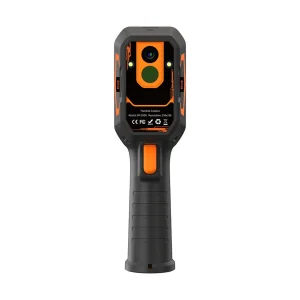
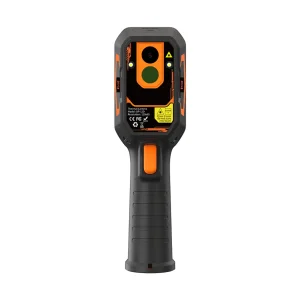
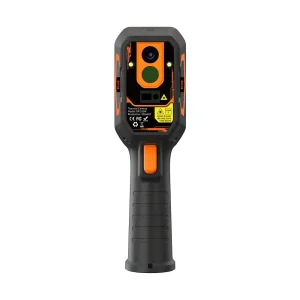
Explore our flagship industrial, handheld, dual-light, and mobile infrared thermal imagers engineered for global compliance, precision thermography, and commercial reliability.
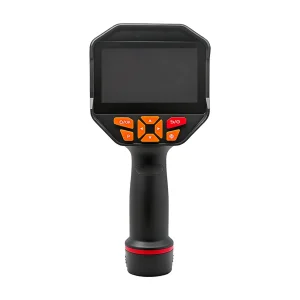
The global infrared thermal imaging market has entered a transformative phase, shifting rapidly from niche defense applications toward broad-scale industrial, commercial, and consumer adoption. Valued at over USD 6.5 Billion globally and expanding at a compound annual growth rate (CAGR) exceeding 7.8%, the market demand is anchored by rigorous quality standards, smart city electrification, industrial predictive maintenance (PdM), building energy diagnostics, and high-precision electronic manufacturing. Within this expanding sector, compliance with the European Conformity (CE) mark has emerged as an absolute prerequisite for global trade, guaranteeing that optical, electronic, and thermal sensing instrumentation satisfies strict Electromagnetic Compatibility (EMC), Radio Equipment Directive (RED), and Low Voltage Directive (LVD) mandates.
Driven by industrial automation, HVAC diagnostics, and power grid monitoring.
State-of-the-art uncooled focal plane micro-bolometer performance standards.
Mandatory safety, radio, and electromagnetic standards for European market penetration.
Optimal pixel density for handheld and mobile-connected thermal inspection.
Achieving genuine CE Certification for infrared thermal imaging systems requires comprehensive technical alignment with European Union harmonized standards. Thermal cameras integrate complex optoelectronic systems, high-frequency digital signal processors, uncooled focal plane array (UFPA) sensors, and wireless transmission modules (Bluetooth/Wi-Fi). Therefore, certification spans multiple technical domains:
Thermal imagers must operate flawlessly without causing electromagnetic interference in industrial environments, nor be susceptible to external electrostatic discharges (ESD) or RF radiation. Compliance requires passing EN 61326-1 (Electrical equipment for measurement, control, and laboratory use) and EN 55032 Class B emission thresholds.
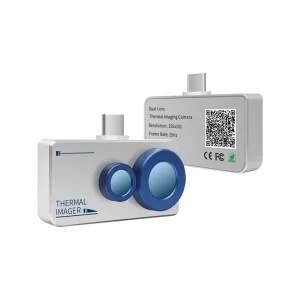
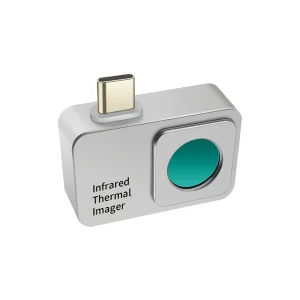
For smartphone-connected thermal cameras (such as the H2F6B and H1FB series) and wireless handheld models, the Radio Equipment Directive governs RF spectrum utilization, specific absorption rates (SAR), and RF immunity to ensure seamless integration with mobile software ecosystems.
Strict restriction of hazardous substances (RoHS 2.0 2011/65/EU and Amendment 2015/863) ensures that all optical lenses (including Germanium components), PCB assemblies, solders, and housing plastics are free from lead, cadmium, mercury, and polybrominated diphenyl ethers.
| Thermal Imager Category | Typical Resolution | NETD Sensitivity | Target Temperature Range | CE Certification Directives | Primary Industrial Use Case |
|---|---|---|---|---|---|
| Smartphone Plug-In (e.g., H2F6B) | 256 × 192 HD | < 40 mK @ 25°C | -20°C to 550°C | CE RED, EMC, RoHS, REACH | HVAC Diagnostics, Electrical Auditing |
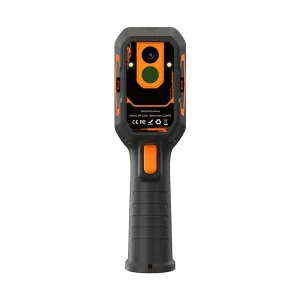
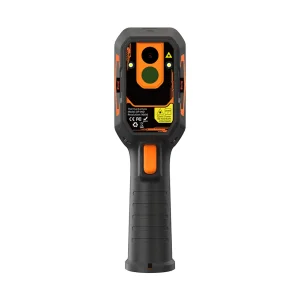
| Handheld Dual-Light (e.g., DP-25DR) | 256 × 192 + Visible | < 50 mK | -20°C to 550°C | CE EMC, LVD, EN 61326-1, Laser Class 2 | Power Grid Inspection, Building Enclosure |
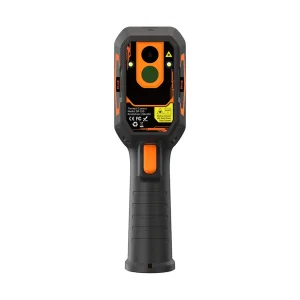
| Compact Handheld (e.g., DP-12DV / DP-09D) | 120×90 / 96×96 | < 60 mK | -20°C to 550°C | CE EMC, RoHS, UKCA, FCC | Facility Maintenance, Automotive Repair |
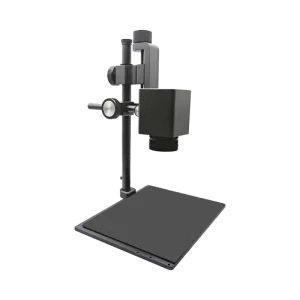
| Professional Analyzer (e.g., CA-30D) | Benchtop High-Res | < 30 mK Ultra-Sensitive | -20°C to 300°C (PC Software) | CE EMC, LVD, ISO 9001 Factory Audit | PCB Thermal Simulation, R&D Electronics |
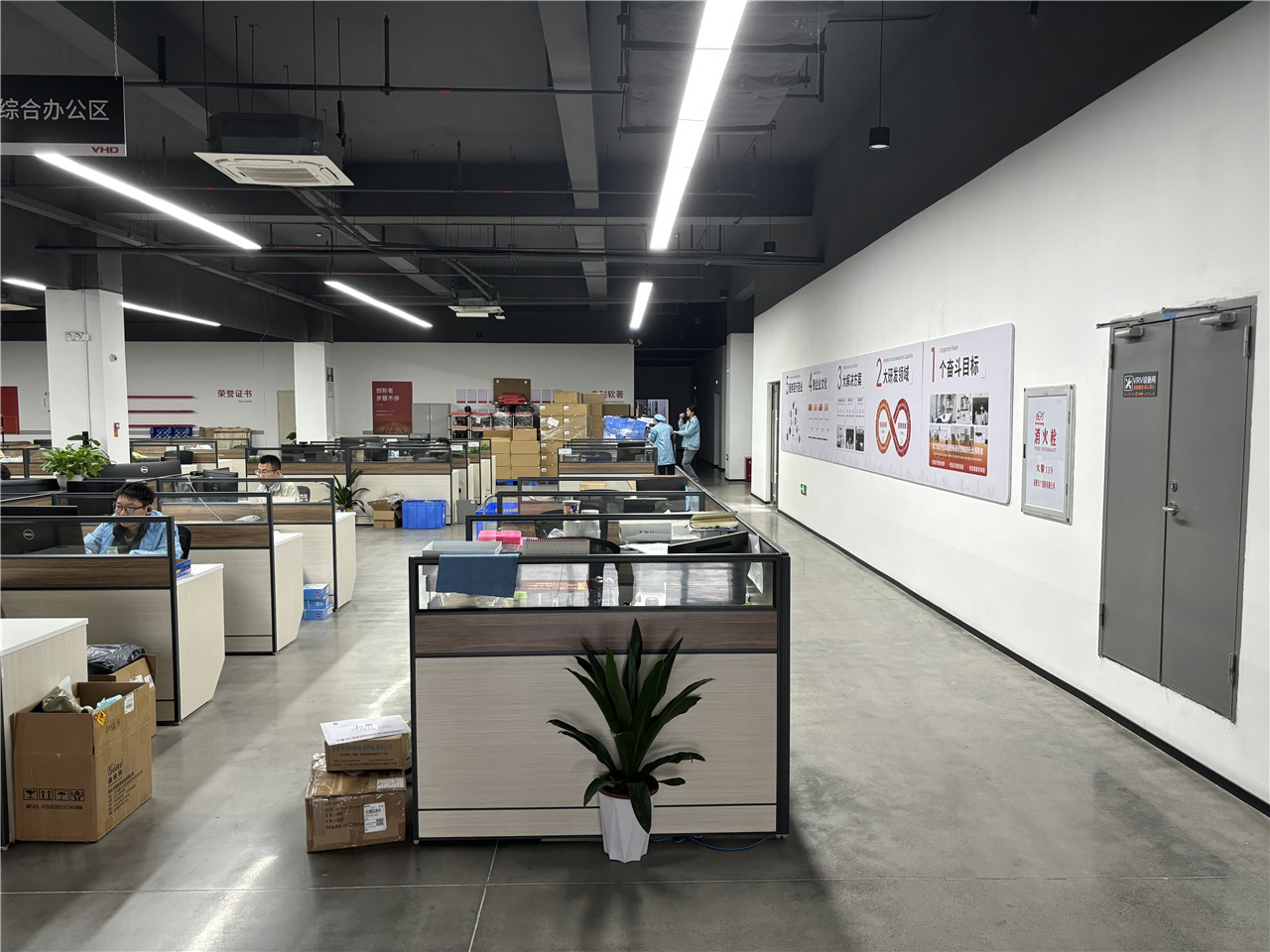
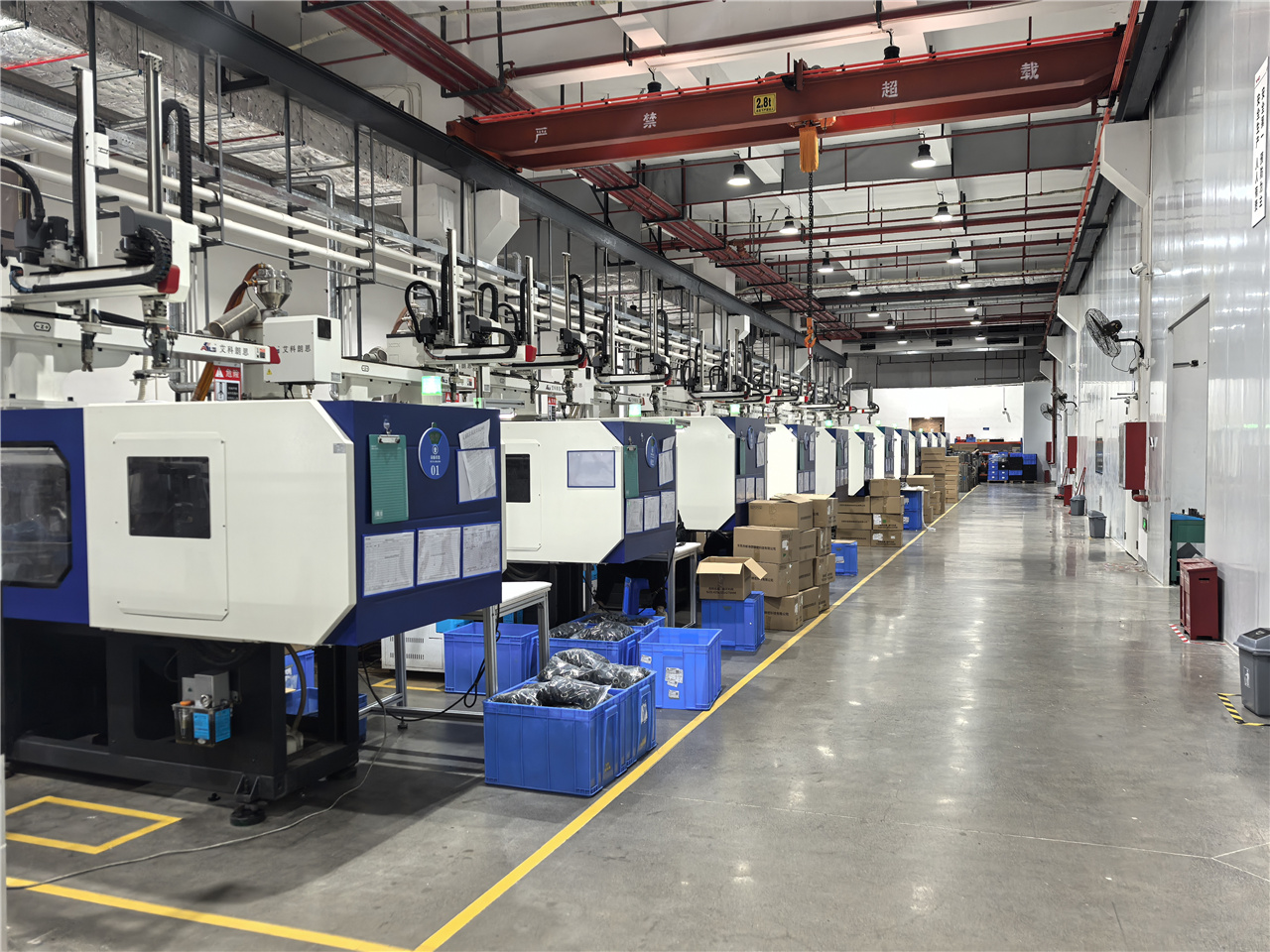
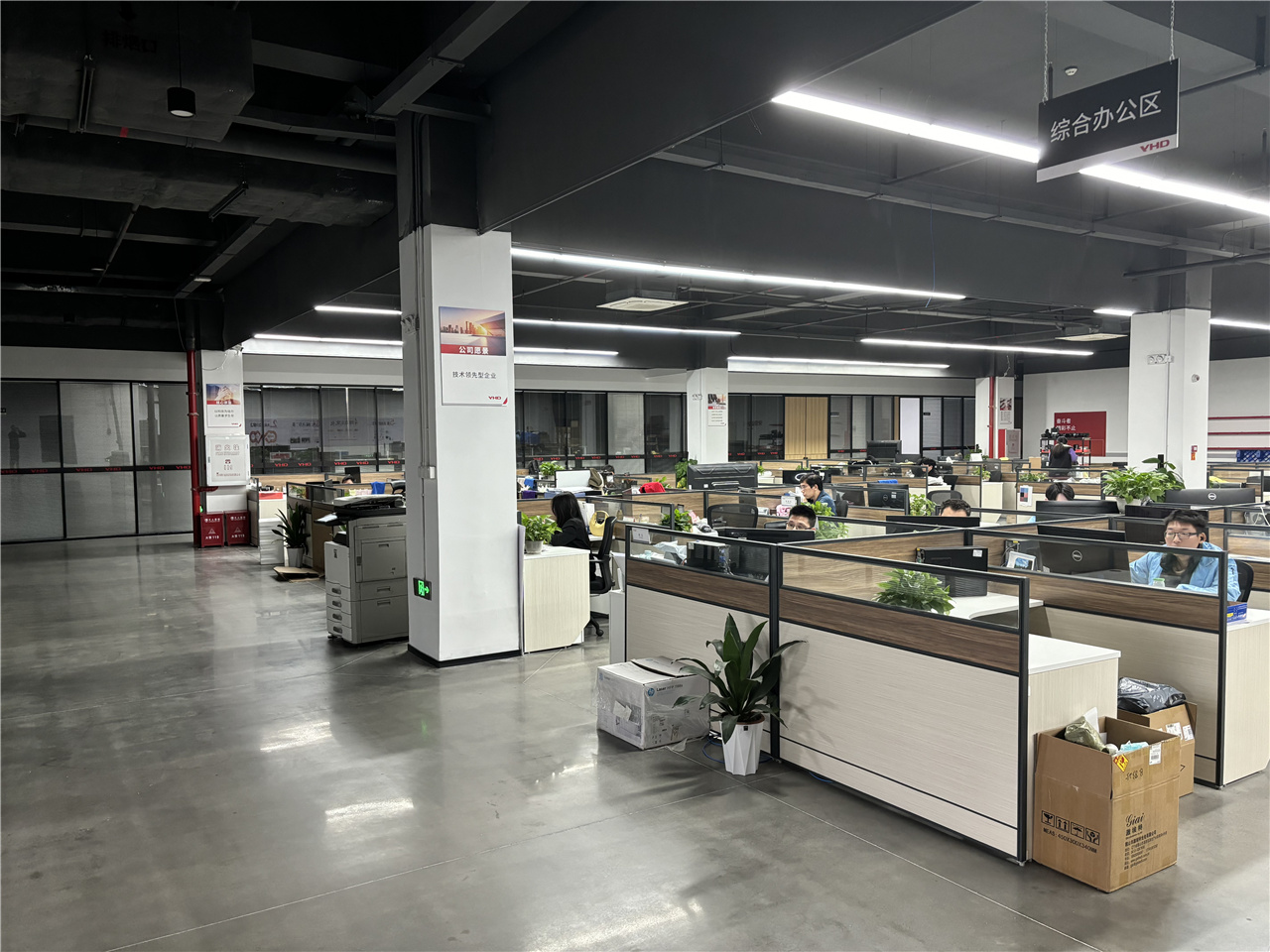
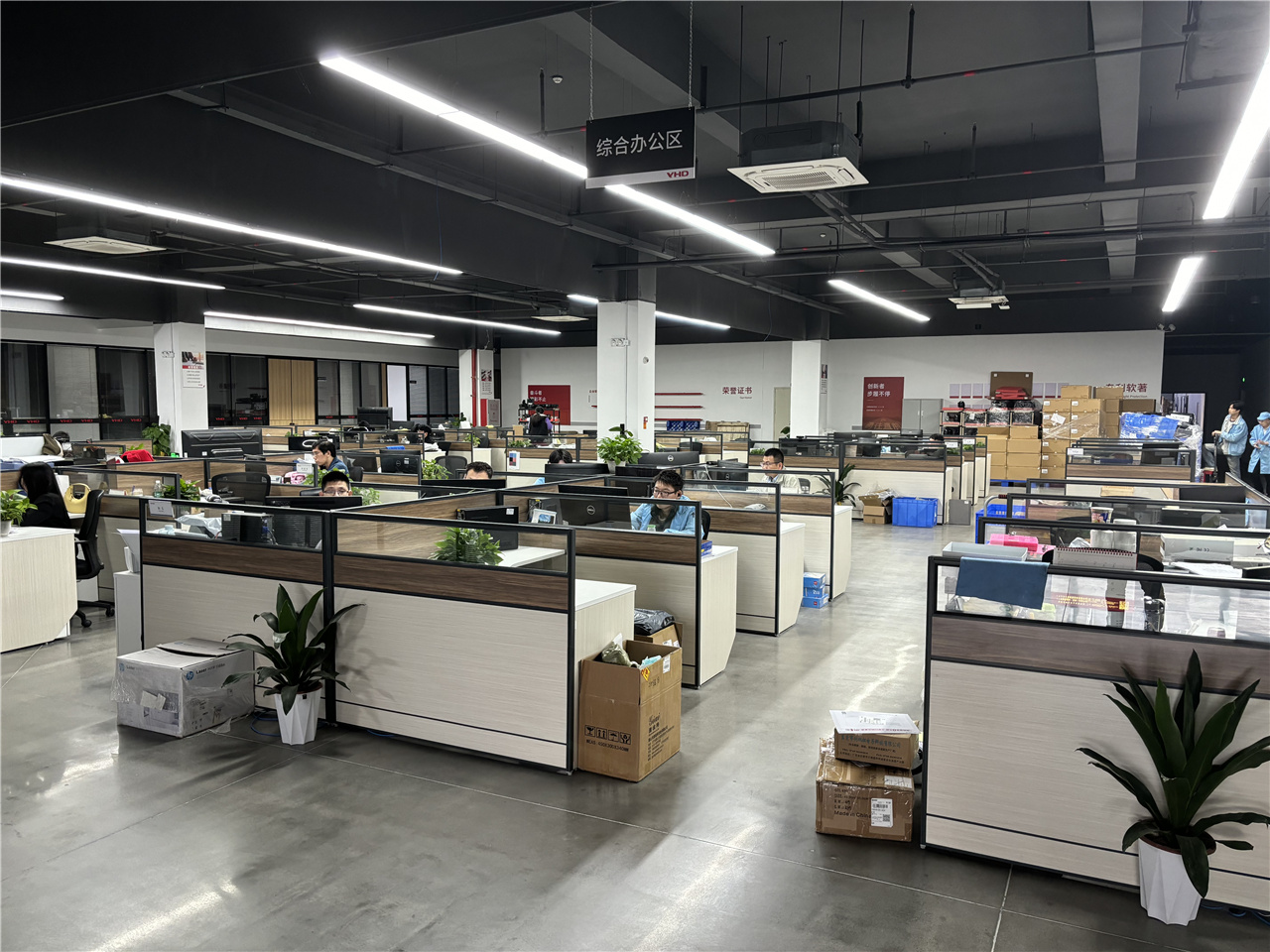
Shenzhen Dianyang Technology Co., Ltd. is a subsidiary of VHD (Shenzhen VHD Technology Co., Ltd.), a publicly listed company on the Shenzhen Stock Exchange. This strategic affiliation gives Dianyang unique access to VHD’s advanced R&D platforms, high-precision manufacturing systems, and rigorous quality management practices—enabling us to deliver thermal imaging products of higher reliability and consistency than typical ODMs.
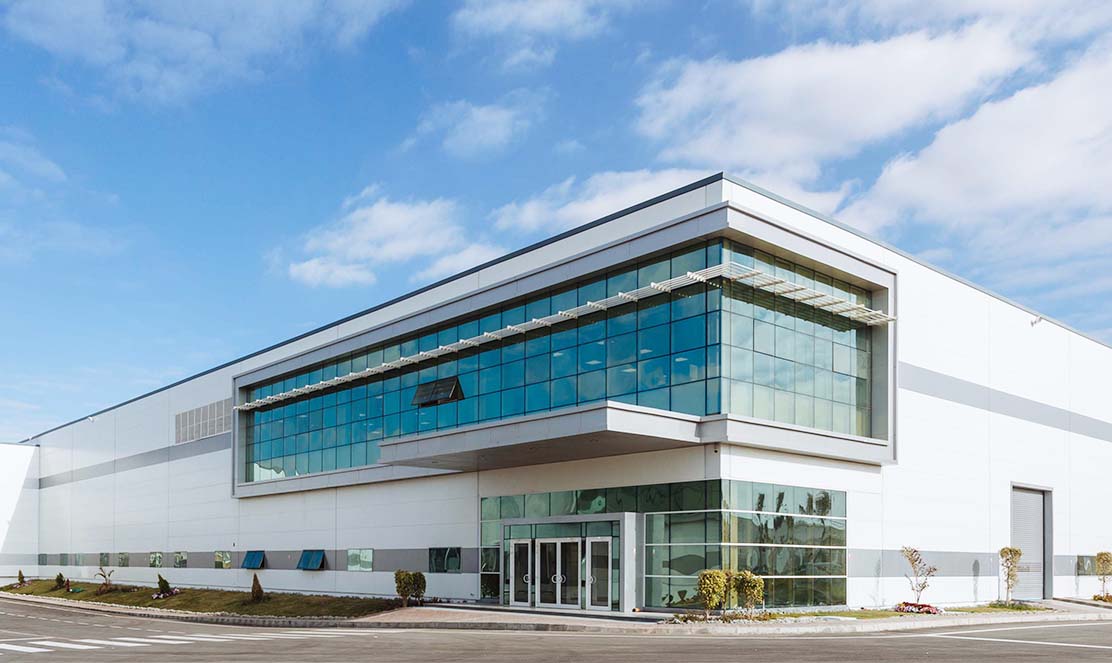
We specialize in custom ODM/OEM services for infrared thermal imaging solutions, including handheld thermal imagers, smartphone-connected thermal cameras, thermal analyzers, and thermal imaging telescopes. Our products serve global customers in power inspection, building diagnostics, firefighting, industrial maintenance, and outdoor applications.
Our dedicated engineering team applies Design for Manufacturing (DFM), Design for Testability (DFT), thermal simulation, and EMC pre-compliance analysis to optimize performance and accelerate development. We also support clients in obtaining key international certifications such as CE, FCC, RoHS, REACH, CB, UKCA, KC, and PSE.
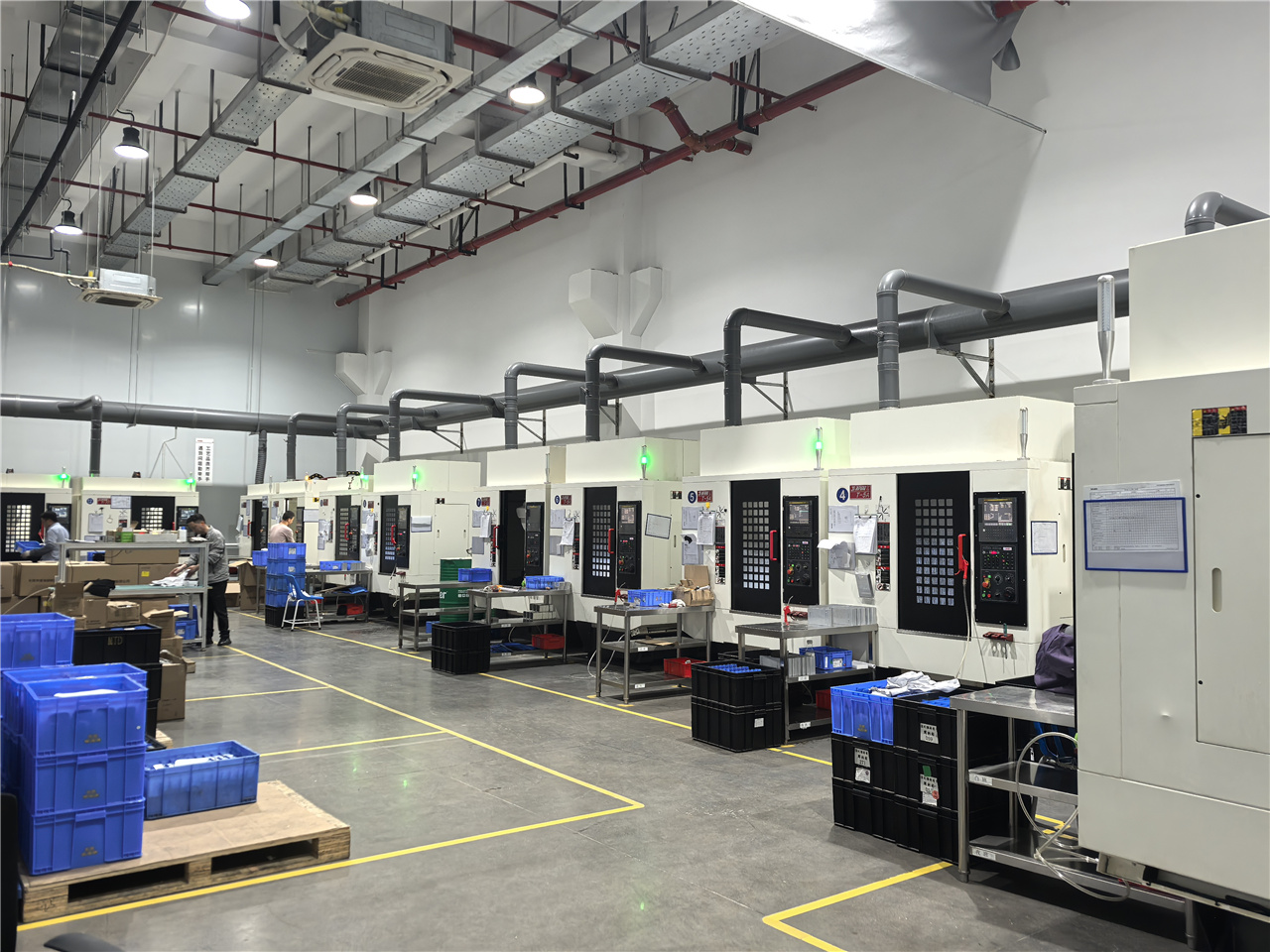
Overseas industrial buyers, OEM distributors, and enterprise procurement officers face distinct challenges when sourcing thermal imaging hardware from international manufacturers. Modern procurement criteria extend beyond basic price-per-pixel calculations to encompass holistic lifecycle costs, regulatory compliance, software SDK availability, and local warranty support.
Overheated switchgears, loose busbar connections, and overloaded transformers represent critical fire hazards. High-resolution handheld imagers like the DP-38D and DP-25DR provide non-contact distance thermography, featuring real-time radiometric recording, emissivity control, and center-point / hot-spot tracking to prevent costly power outages.
With global energy efficiency directives taking effect, building inspectors utilize CE-marked plug-in imagers (such as the H2F6B and H1FB) to locate thermal bridging, air leakage, moisture ingress, and missing insulation. Smart mobile apps enable instant export of PDF thermal audit reports on site.
Compact circuit boards in consumer electronics and automotive ECU modules suffer from extreme thermal density. Dedicated thermal analyzers (e.g., CA-30D) deliver 3D thermal mapping, component-level temperature plotting, and continuous thermal strain analysis during prototype validation stages.
Leveraging the manufacturing capability and corporate oversight of listed parent company VHD, Shenzhen Dianyang Technology offers unmatched supply chain integrity. For global brands seeking reliable OEM/ODM partnerships, we guarantee seamless market adaptation through localized engineering support:
We offer full SDK integration for Android, iOS, and Windows platforms. Our software suite supports over 15 languages, custom color palettes (Rainbow, Ironbow, White Hot, Black Hot, High-Contrast), customized branding logos, and API hooks for automated industrial monitoring systems.
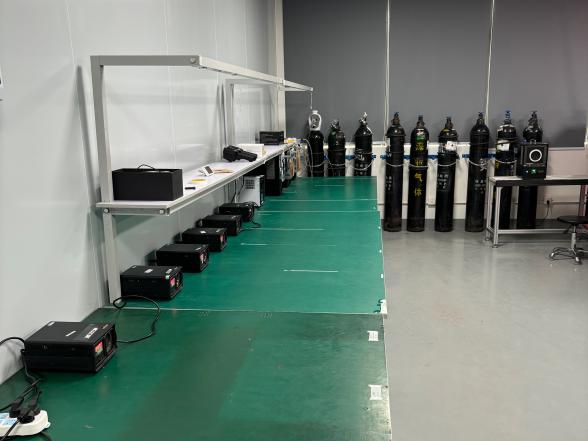
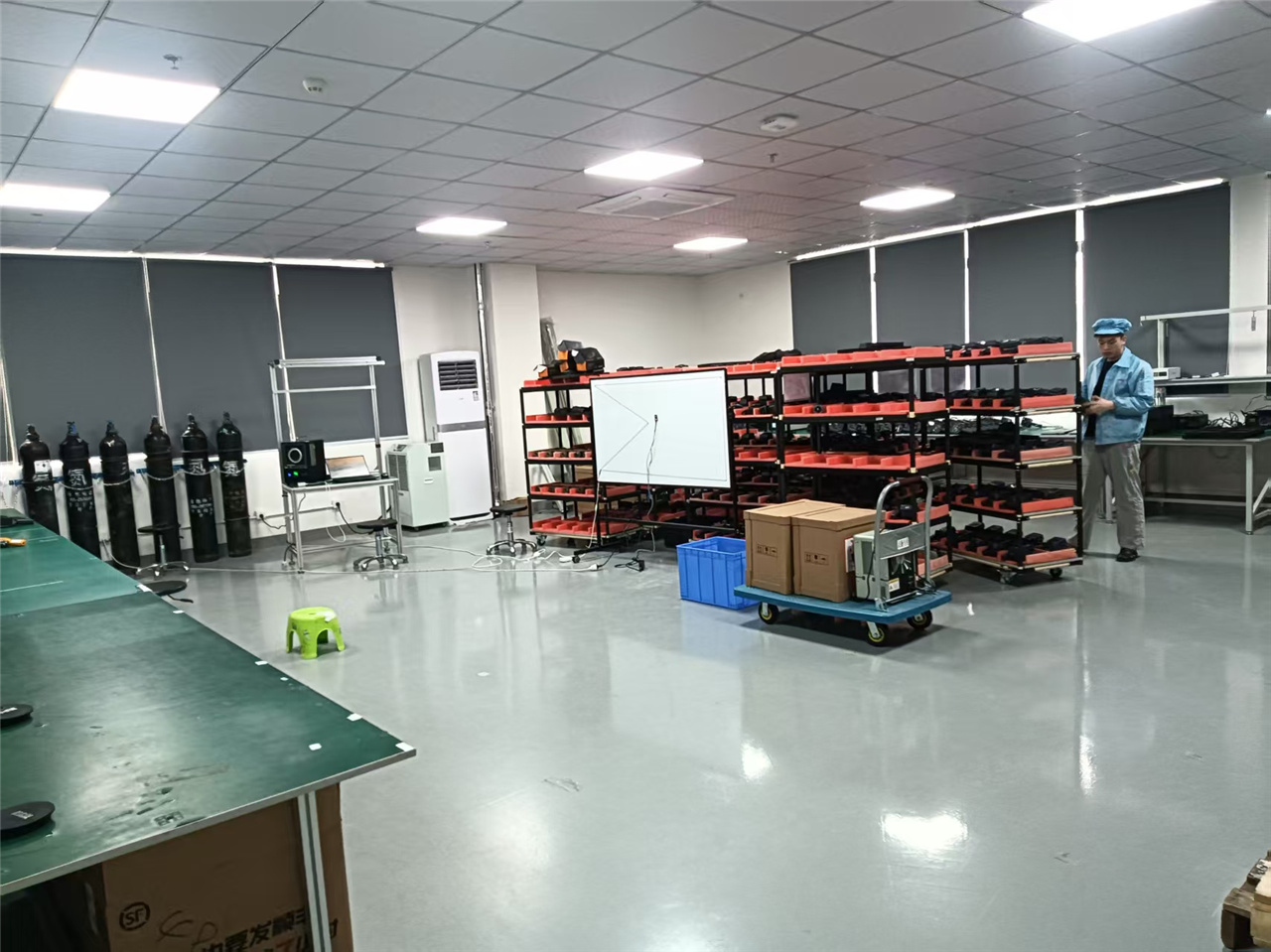
Every hardware platform undergoes rigorous environmental testing, including 2-meter drop protection tests, IP65 ingress protection validation, vibration resistance, and thermal chamber cycling from -20°C to +60°C. High-precision blackbody calibration arrays ensure accuracy within ±2°C or ±2% of reading.
As thermal sensor technology advances, Dianyang Technology remains at the forefront of optoelectronic research. Our technical roadmap highlights key strategic directions for 2025 and beyond:
Transitioning to 12μm pixel pitch micro-bolometers with wafer-level vacuum packaging significantly reduces sensor dimensions while boosting thermal sensitivity (NETD < 30mK), paving the way for ultra-compact smartphone attachments.
Integrating neural network processing units (NPU) into thermal hardware enables real-time AI anomaly detection, automated target classification, and instant equipment fault prognosis without requiring cloud computing.
Advancing spatial alignment algorithms for dual-light cameras (visible + thermal infrared) guarantees pixel-accurate overlay, allowing operators to locate physical defects under challenging lighting conditions.
Discover our comprehensive collection of mobile phone thermal imagers, dual-light optical systems, and high-precision handheld thermal cameras.
 Dianyang