Precision Non-Destructive Testing (NDT) Thermal Systems, High-Resolution VOx Microbolometer Sensors & Full OEM/ODM Customization Solutions for Global Industrial Diagnostics
High-sensitivity infrared radiometric devices compliant with CE, FCC, and RoHS standards for rapid leak identification and electrical inspection.
Analysis of international market adoption, regulatory drivers, and the imperative for CE-certified thermal imaging devices across modern infrastructure.
Industrial facility managers and commercial building inspectors face increasing pressure under strict European Green Deal directives and international ESG (Environmental, Social, and Governance) compliance. Thermal leakage in HVAC systems, compressed air lines, and building envelopes accounts for up to 30% of wasted operational energy. High-sensitivity thermal imagers serve as indispensable primary tools for non-destructive heat loss and fluid leak mapping.
For European and global importers, importing thermal imagers without legitimate CE Certification (EMC Directive 2014/30/EU & LVD Directive 2014/35/EU) leads to immediate customs seizures, legal non-compliance penalties, and liability risks. Sourcing directly from verified exporters with established laboratory test credentials ensures effortless clearance and customer trust.
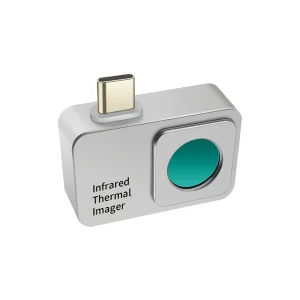
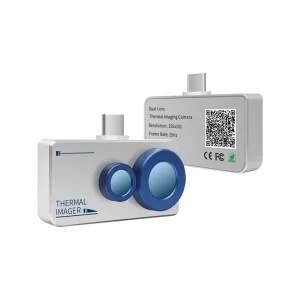
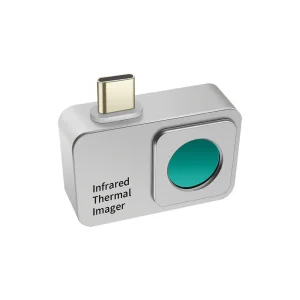
The rapid democratization of infrared thermography has accelerated demand for mobile-connected thermal dongles (such as the H2FB and H1FB series). Offering plug-and-play USB-C connectivity, high radiometric accuracy, and ultra-compact form factors, these devices convert smartphones into professional-grade leak detection units for field technicians and HVAC contractors.
Exporters and OEM/ODM companies must adhere to rigorous technical safety and electromagnetic standards to operate legally in international territories.
To successfully market infrared leak detection imagers within the European Economic Area (EEA), products must carry the **Conformité Européenne (CE)** marking. Shenzhen Dianyang Technology enforces complete compliance engineering at the board level during Design for Manufacturing (DFM) and Design for Testability (DFT), guaranteeing that every batch delivered to enterprise customers passes strict accredited laboratory evaluations.
| Directive / Standard | Technical Scope | Compliance Mandate for Thermal Imagers | Global Equivalents |
|---|---|---|---|
| EMC Directive 2014/30/EU | EN 61326-1 / EN 55032 | Ensures high thermal sensor stability against electromagnetic interference and prevents RF noise emission during high-frequency microbolometer processing. | FCC Part 15 Class B (USA), ICES-003 (Canada) |
| LVD Directive 2014/35/EU | EN 61010-1 Safety Requirements | Guarantees electrical safety for internal lithium-ion battery management systems, charging circuits, and high-voltage isolation during power line checks. | UL 61010-1, CB Scheme Certificate |
| RoHS Directive 2011/65/EU & (EU)2015/863 | Hazardous Substances Restriction | Strict restriction of Lead (Pb), Mercury (Hg), Cadmium (Cd), and phthalates across optical lenses, PCB soldering, and thermal enclosure plastics. | China RoHS 2.0, California Prop 65 |
| RED 2014/53/EU (Optional Wireless Models) | ETSI EN 300 328 / EN 301 489 | Mandatory for thermal cameras equipped with Wi-Fi / Bluetooth live streaming capabilities to mobile iOS/Android applications. | Telec (Japan), KC (South Korea) |
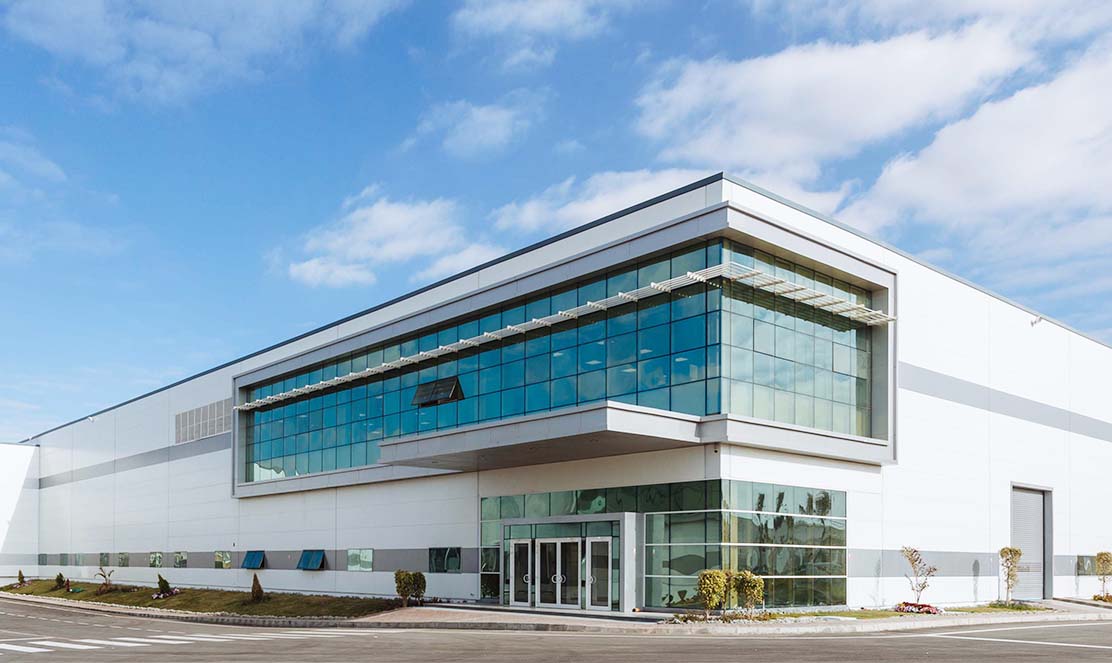
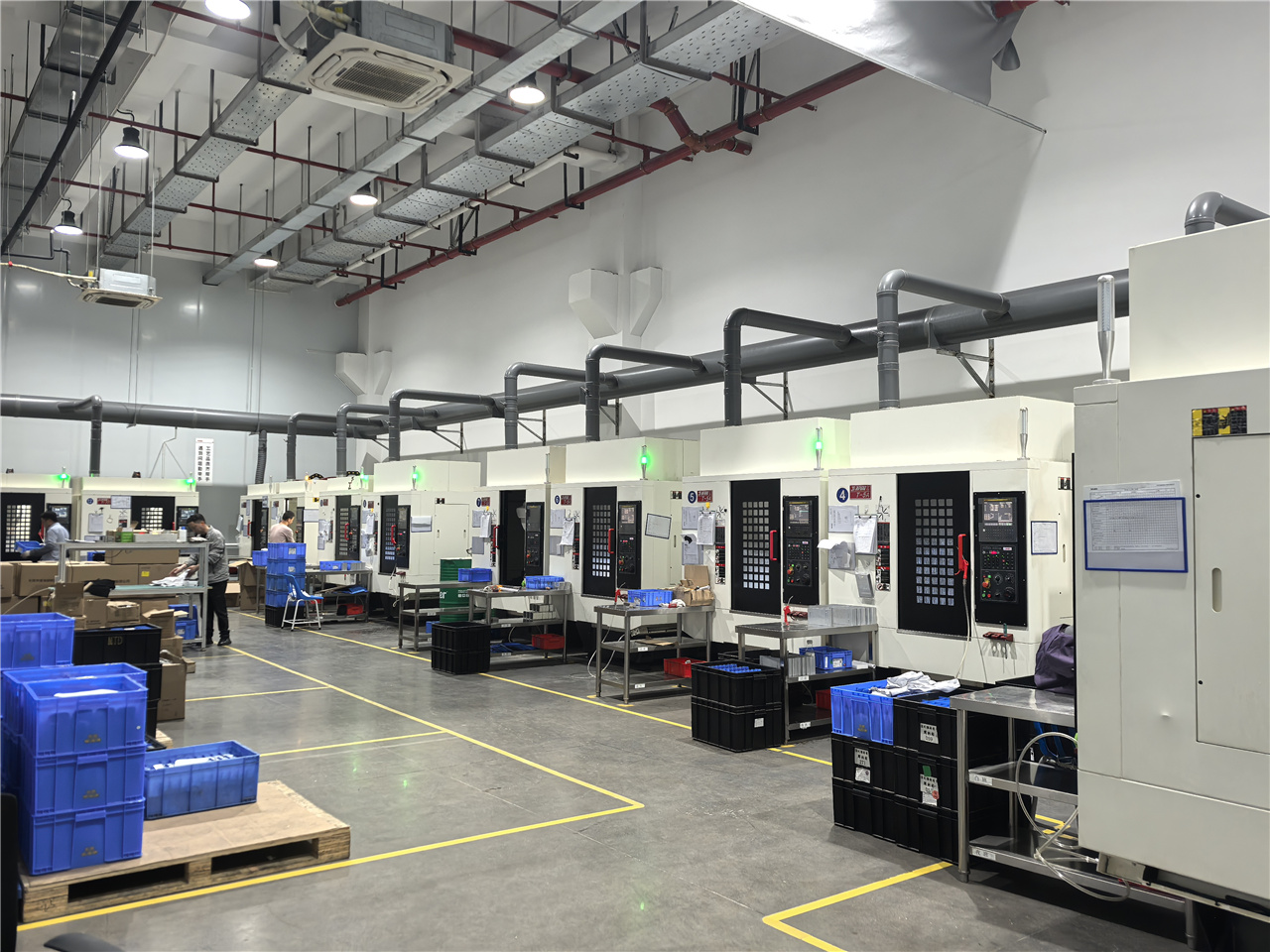
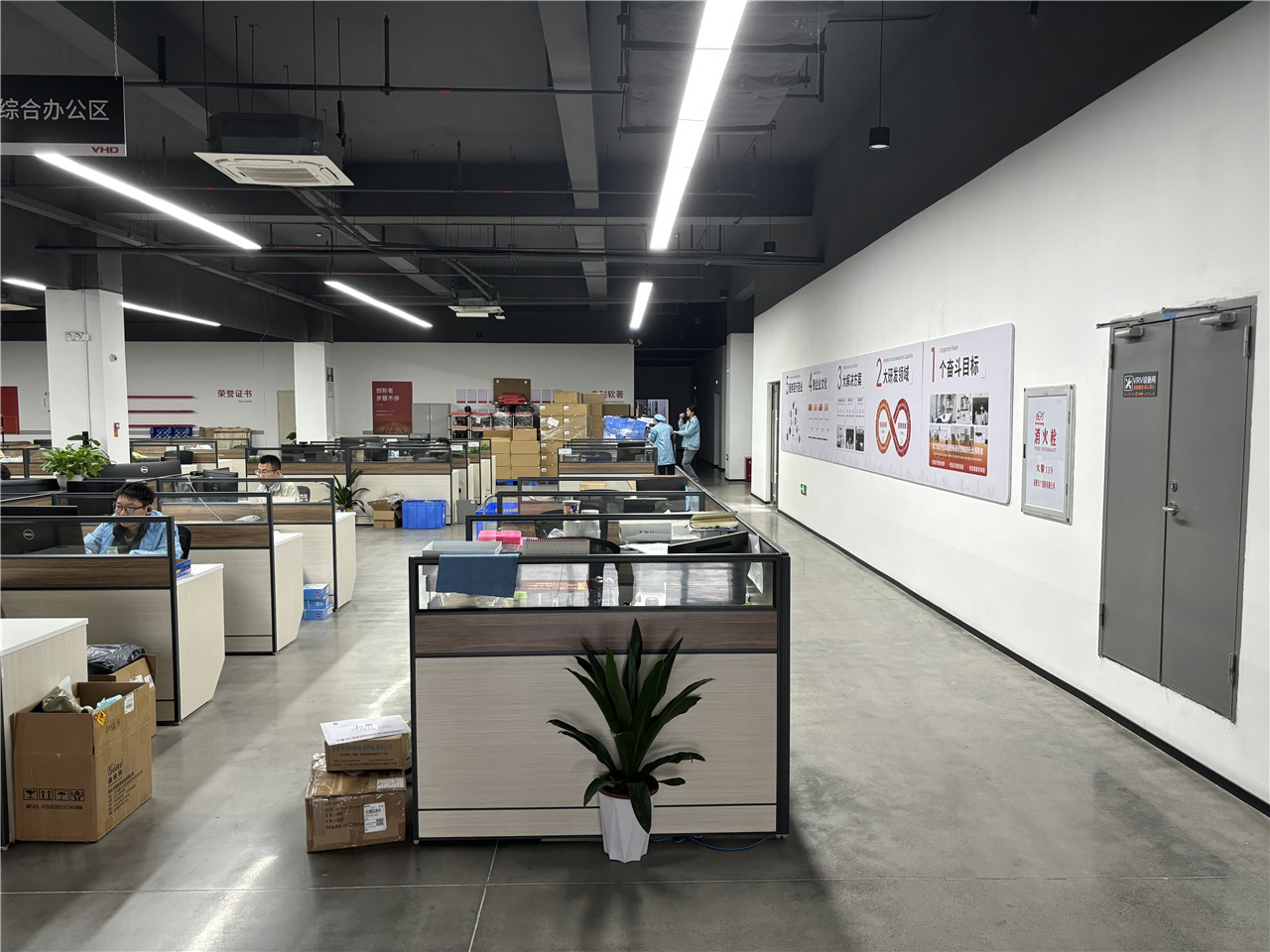
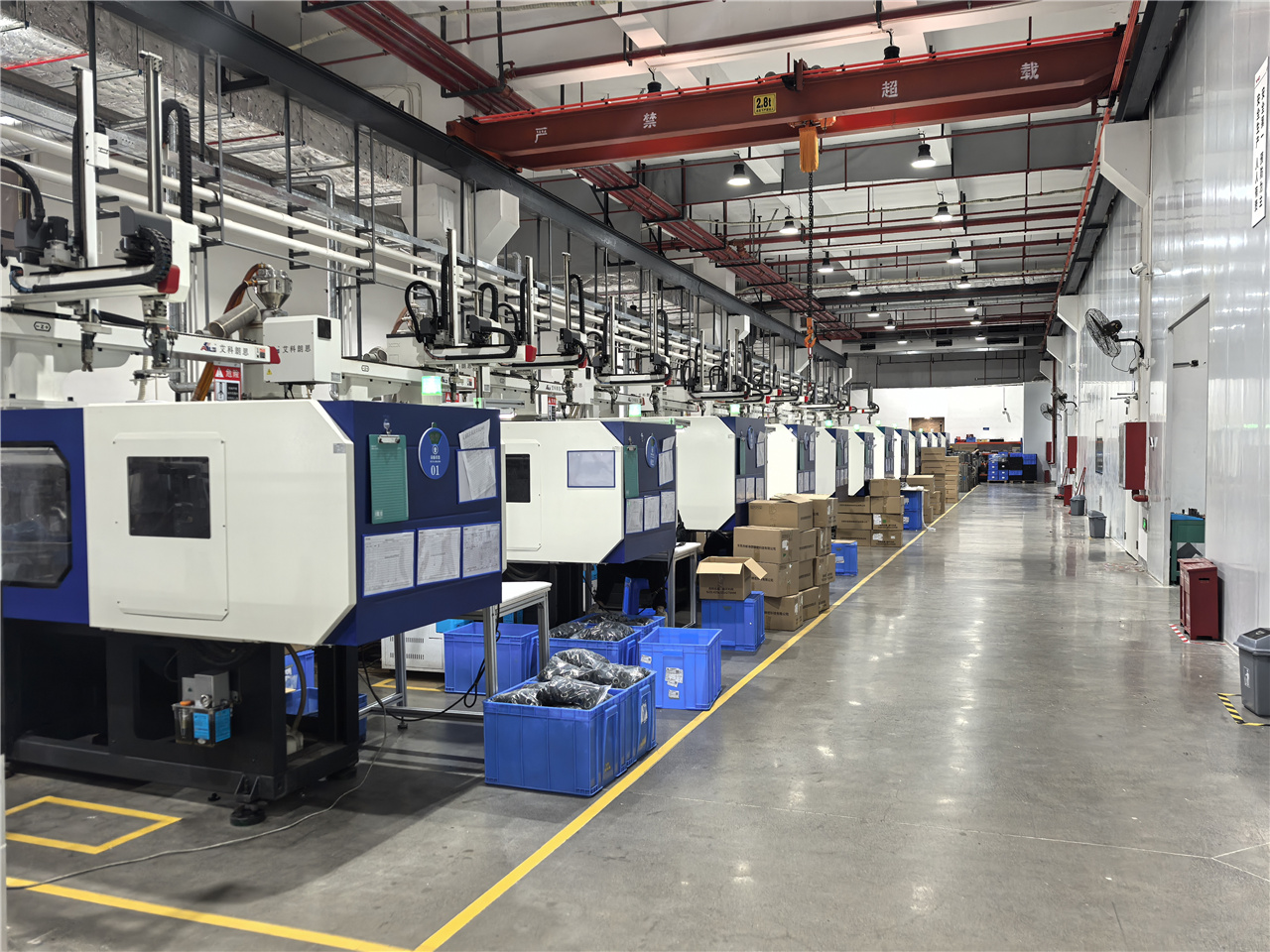
Shenzhen Dianyang Technology Co., Ltd. is a specialized subsidiary of VHD (Shenzhen VHD Technology Co., Ltd.), a publicly listed enterprise on the Shenzhen Stock Exchange. This strategic affiliation grants Dianyang direct access to VHD’s state-of-the-art optical engineering platforms, precision robotic assembly lines, and rigorous enterprise-level quality control.
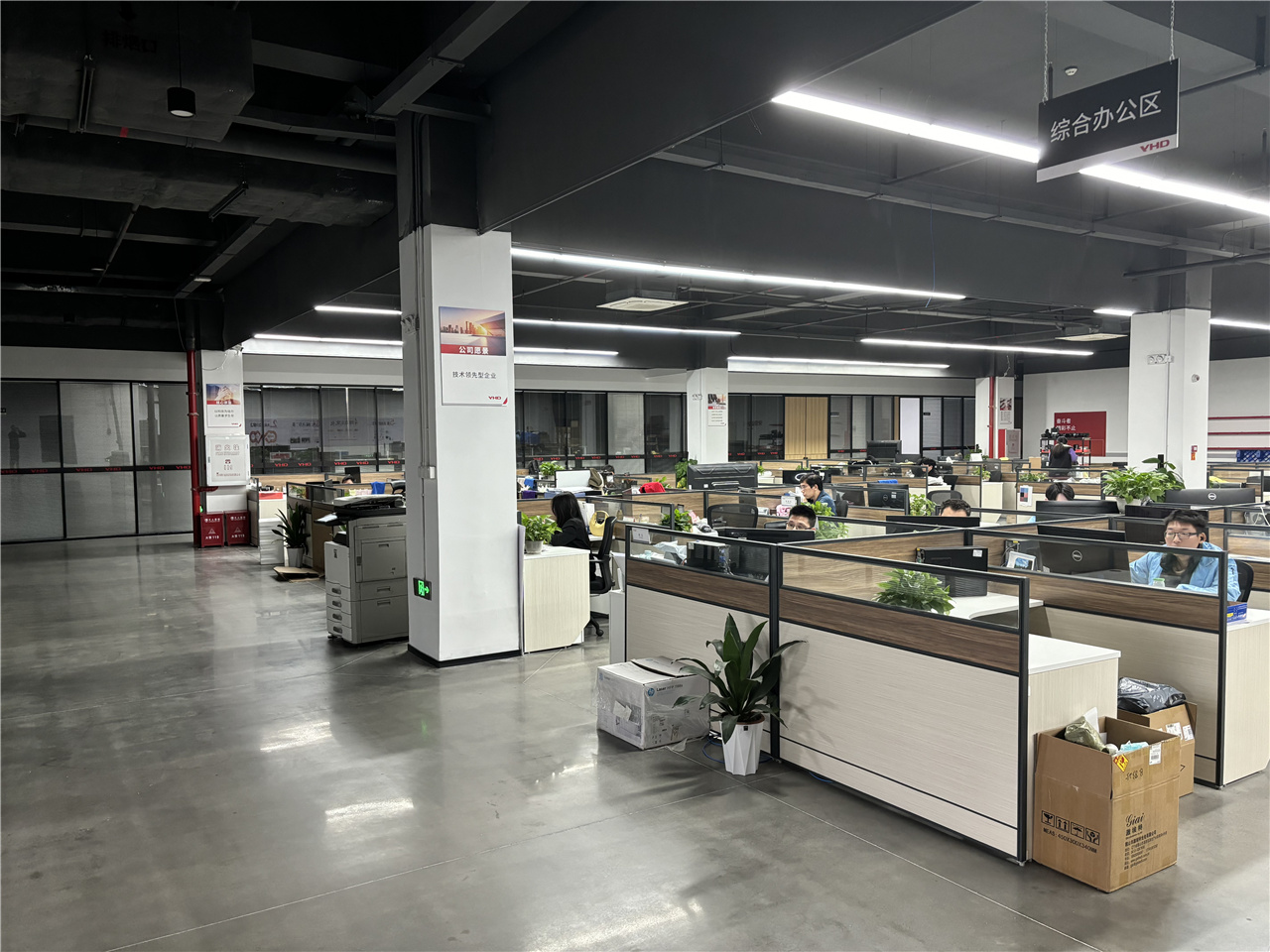
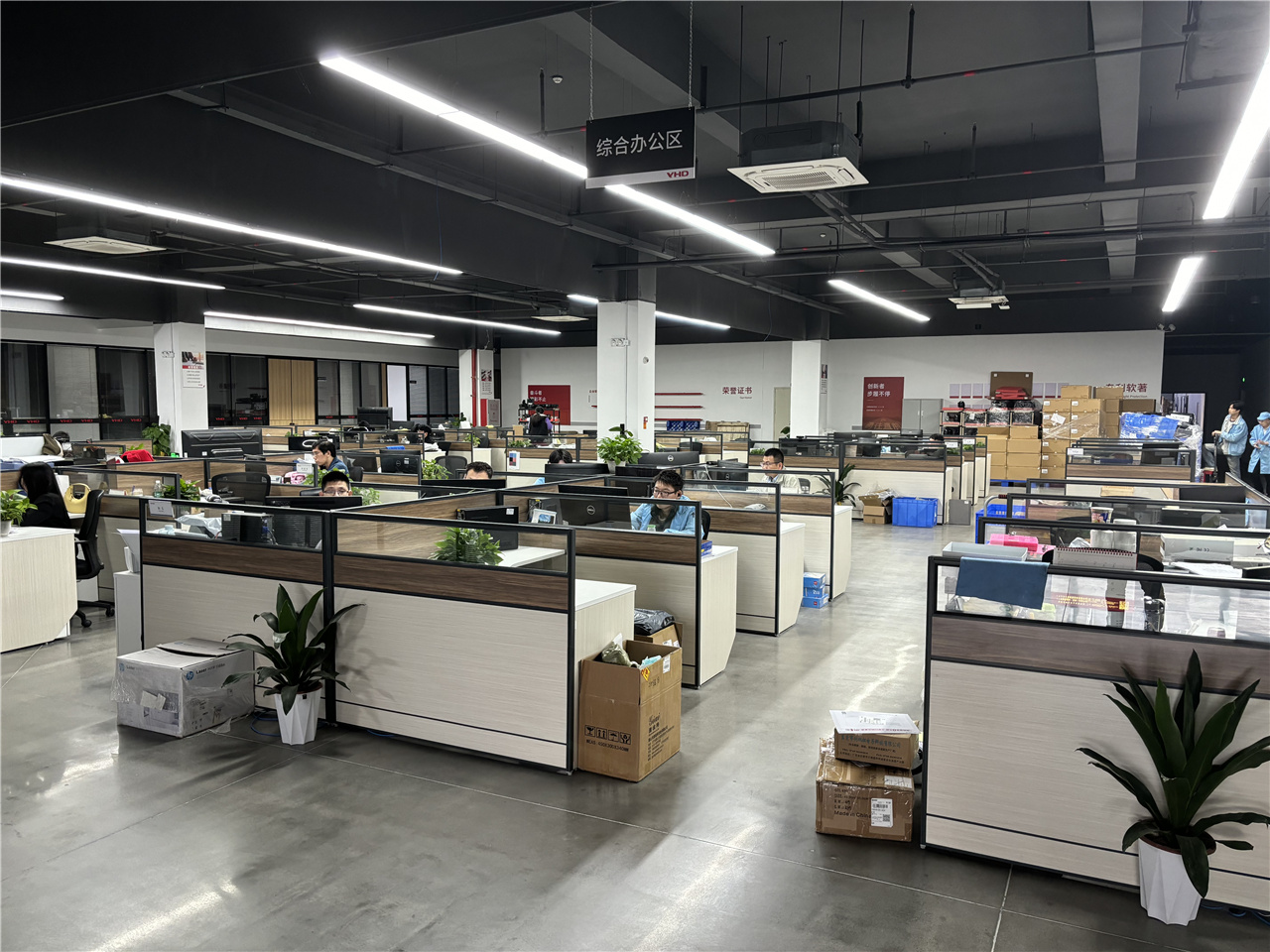
Our dedicated engineering staff applies advanced Design for Manufacturing (DFM), Design for Testability (DFT), finite element thermal simulation, and pre-compliance EMC analysis to optimize thermographic optics. We empower international clients with fully customized OEM/ODM turnkey production, backed by official certifications including CE, FCC, RoHS, REACH, CB, UKCA, KC, and PSE.
Discover how Dianyang thermal imaging systems resolve real-world diagnostic challenges across diverse industrial and commercial sectors.
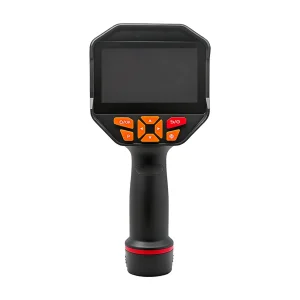
High-resolution models like the DP-12DV and DP-38D detect anomalous resistance spikes, loose terminal connections, and transformer overload points before catastrophic failure occurs. Dual-spectrum visual-infrared fusion allows inspectors to quickly correlate thermal signatures with physical components in high-voltage switchyards.
Hidden water pipe bursts inside sub-floor heating systems or behind drywall create distinct evaporative cooling signatures. Using smartphone thermal imagers such as the H2FB (256x192), plumbers and building auditors localize subterranean fluid leaks non-destructively, saving thousands of dollars in invasive excavation costs.
In commercial HVAC ductwork, micro-fissures and improper insulation seams release conditioned air into ceiling voids. Thermal cameras provide real-time surface temperature gradients, identifying air leakage spots rapidly and aiding green building certification compliance under BREEAM and LEED guidelines.
During electronics assembly and micro-repair, short-circuited capacitors or overloaded IC micro-controllers exhibit abnormal localized overheating. Dianyang’s high-precision thermal analyzers pinpoint sub-millimeter hot spots on printed circuit boards with fast radiometric response speeds.
Thermal imagers (such as the DP-12DV) monitor subcutaneous blood flow changes and inflammation non-invasively. Widely adopted in veterinary clinics for joint injury detection in horses and small animals, as well as triage body temperature screening.
Chemical processing plants require strict thermal boundary management to prevent hazardous gas condensation or pipeline freezing. Thermal imagers verify insulation integrity and trace steam pipe blockage without opening pressurized conduit jacketings.
Strategic development trends shaping the next decade of infrared thermal sensing and automated diagnostic technology.
Future leak detection units will incorporate micro NPU (Neural Processing Unit) chips directly onto thermal camera PCBs. By leveraging deep learning algorithms trained on thousands of thermal leak signatures, imagers will automatically outline and tag fluid leaks, electrical arc hazards, and structural heat loss zones in real-time, eliminating human false positives.
By shifting to 12μm and 10μm microbolometer pixel pitch technology, thermal cores achieve higher resolution in dramatically smaller physical dimensions. Mobile-attached devices like the H series will draw less than 0.2W from the host smartphone USB-C port, extending continuous field operation to over 6 hours.
Next-generation handheld systems are transitioning from purely thermal radiation detectors to multispectral diagnostic hubs. Integrating narrow-band infrared filters enables the visual identification of invisible fugitive VOC (Volatile Organic Compound) methane and refrigerant gas leaks alongside standard thermal thermography.
Seamless IoT synchronization enables field thermographers to instantly upload raw 3D radiometric matrix data to cloud platforms. Automatic report generation engines compile thermal isotherms, ambient temperature compensation graphs, and CE/ISO diagnostic verification sheets ready for client distribution.
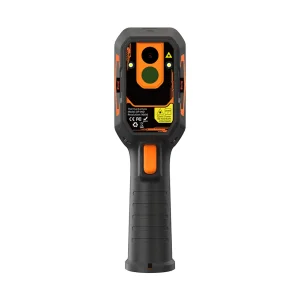
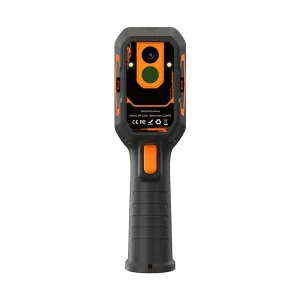
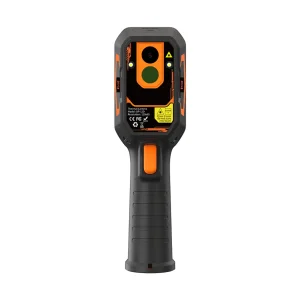
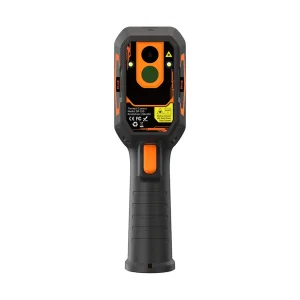
Explore our full line of standalone thermographic cameras optimized for high-temperature ranges up to 550°C and rigorous field durability.
From optical simulation to CE lab test validation: how Dianyang delivers bespoke thermal imaging products for international brands.
Collaborative definition of sensor resolution (96x96 up to 256x192), temperature span limits, lens focal length, and housing IP ratings (IP54 to IP67). Initial Design for Manufacturing (DFM) check.
3D enclosure prototyping, internal heat dissipation modeling, and optical alignment. Custom PCBA layout optimized for low EMC radiation and minimum power consumption.
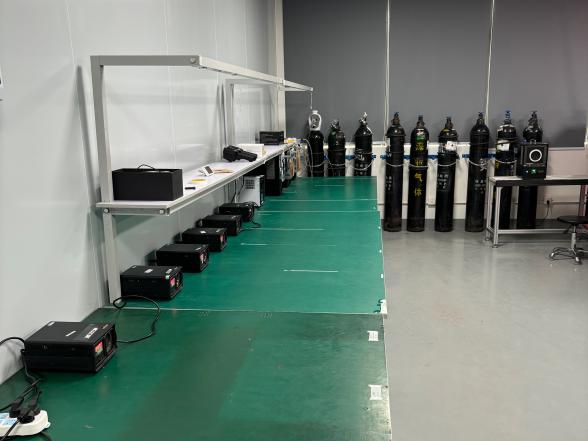
Pre-compliance testing for EMC, LVD, and RoHS in accredited laboratories. Guidance and technical file assembly for effortless European customs clearance.
Tailored Android/iOS software branding, custom color palettes (Ironbow, Rainbow, Black Hot), multi-language localized UI, and private cloud integration.
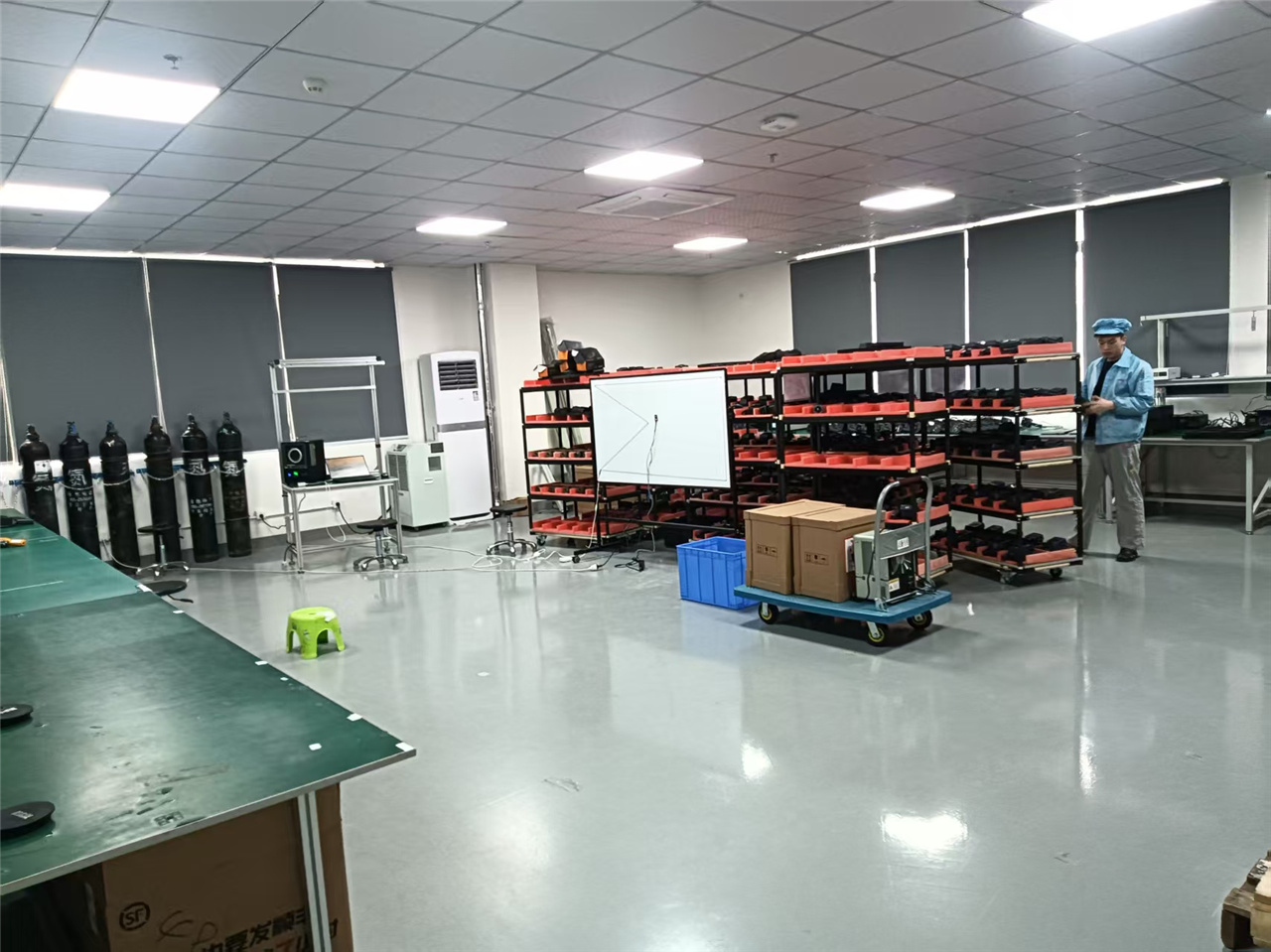
Automated robotic assembly supported by high-precision multi-point blackbody temperature calibration chambers to ensure ±2°C or ±2% accuracy.
Secure export packaging, complete MSDS certification for integrated lithium batteries, and fast air/sea logistics options for international B2B clients.
Expert answers to key technical questions regarding CE certification, thermal imager selection, and OEM partnership requirements.
CE Certification verifies that the thermal imager meets mandatory European safety and health directives—specifically EMC (Electromagnetic Compatibility) and LVD (Low Voltage Directive). Without valid CE marks and Declarations of Conformity (DoC), customs authorities within EU countries will seize shipments, and sellers risk severe fines under non-compliance consumer safety laws.
Resolution determines the pixel density of the uncooled VOx detector core. A 96x96 imager provides 9,216 temperature measurement points (ideal for basic spot checks), 120x90 offers 10,800 points (great for general electrical checks), while a 256x192 sensor yields 49,152 measurement points. Higher resolutions reveal significantly finer thermal gradients and detect smaller fluid/air leaks from greater distances.
NETD measures the smallest temperature variance the infrared detector can distinguish. A lower NETD value (e.g., <40mK @ 25°C) indicates high thermal sensitivity, allowing the camera to capture subtle moisture evaporative cooling patterns or minor gas temperature shifts that higher NETD sensors (e.g., >70mK) completely miss.
Yes. Smartphone thermal imagers share the exact same high-grade uncooled VOx microbolometer cores and optical calibration standards as standalone handheld devices. By offloading processing power and display requirements to modern smartphone hardware, mobile imagers achieve compact portability and cost efficiency without sacrificing radiometric measurement precision.
Absolutely. Dianyang offers full software customization services, including white-label iOS and Android applications, custom color scheme integration, localized UI translation, and software development kits (SDKs) allowing enterprise customers to embed thermal imaging functions into their proprietary software ecosystems.
In addition to CE certification for European markets, Dianyang thermal imagers hold official FCC certificates for North America, RoHS and REACH compliance for environmental safety, as well as KC (Korea) and PSE (Japan) certifications for Asian distribution networks.
 Dianyang