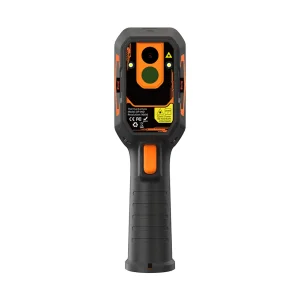
Explore our high-performance radiometric handheld cameras, phone-connected sensors, and specialized diagnostic instruments direct from our certified manufacturing facility.
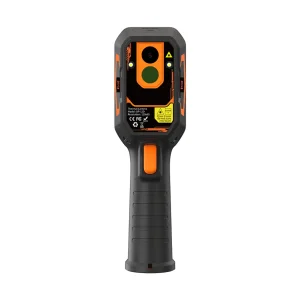
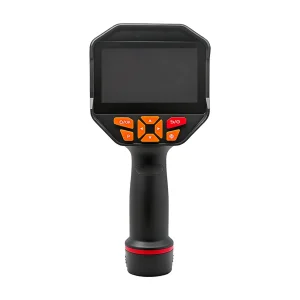
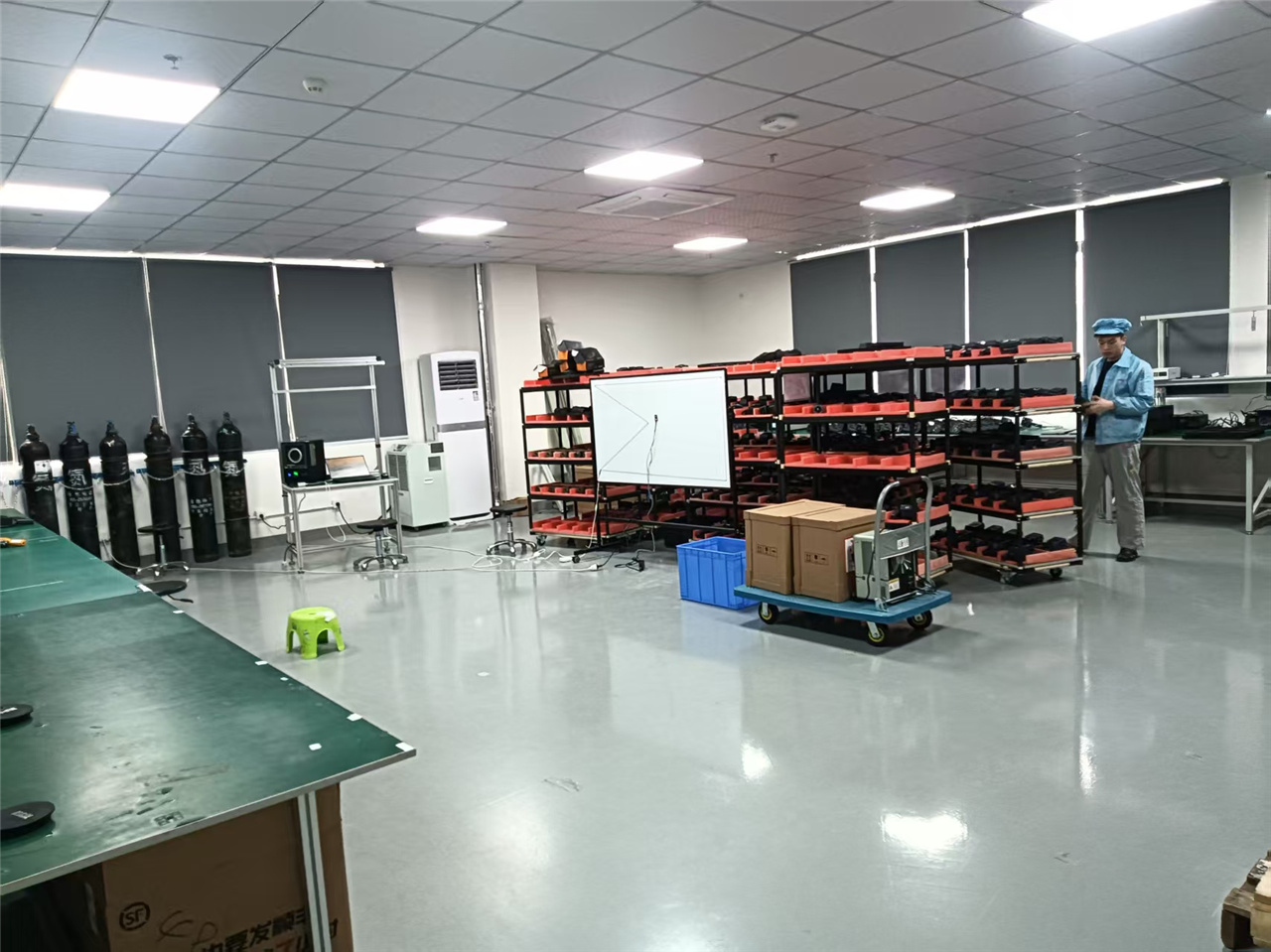
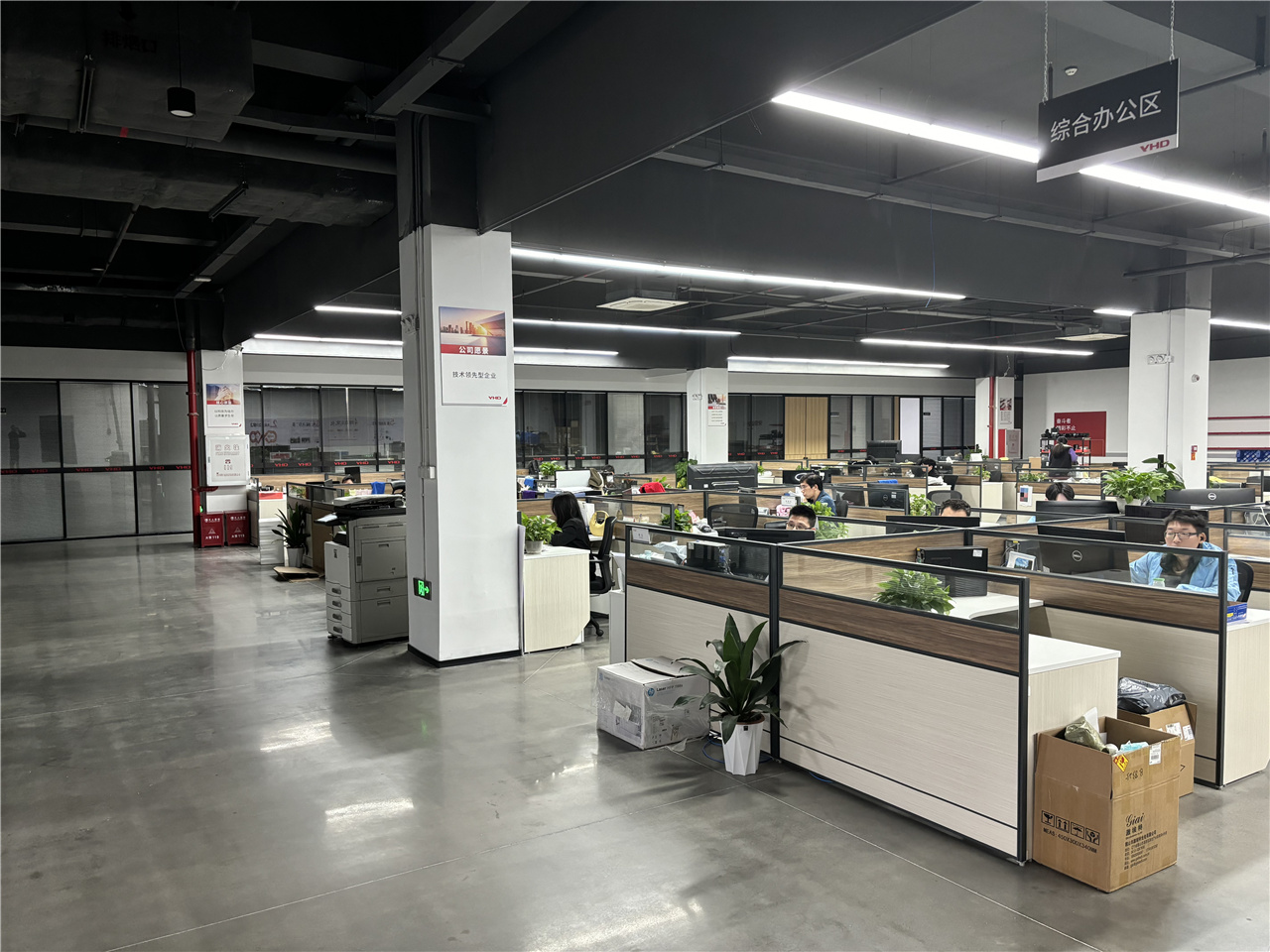
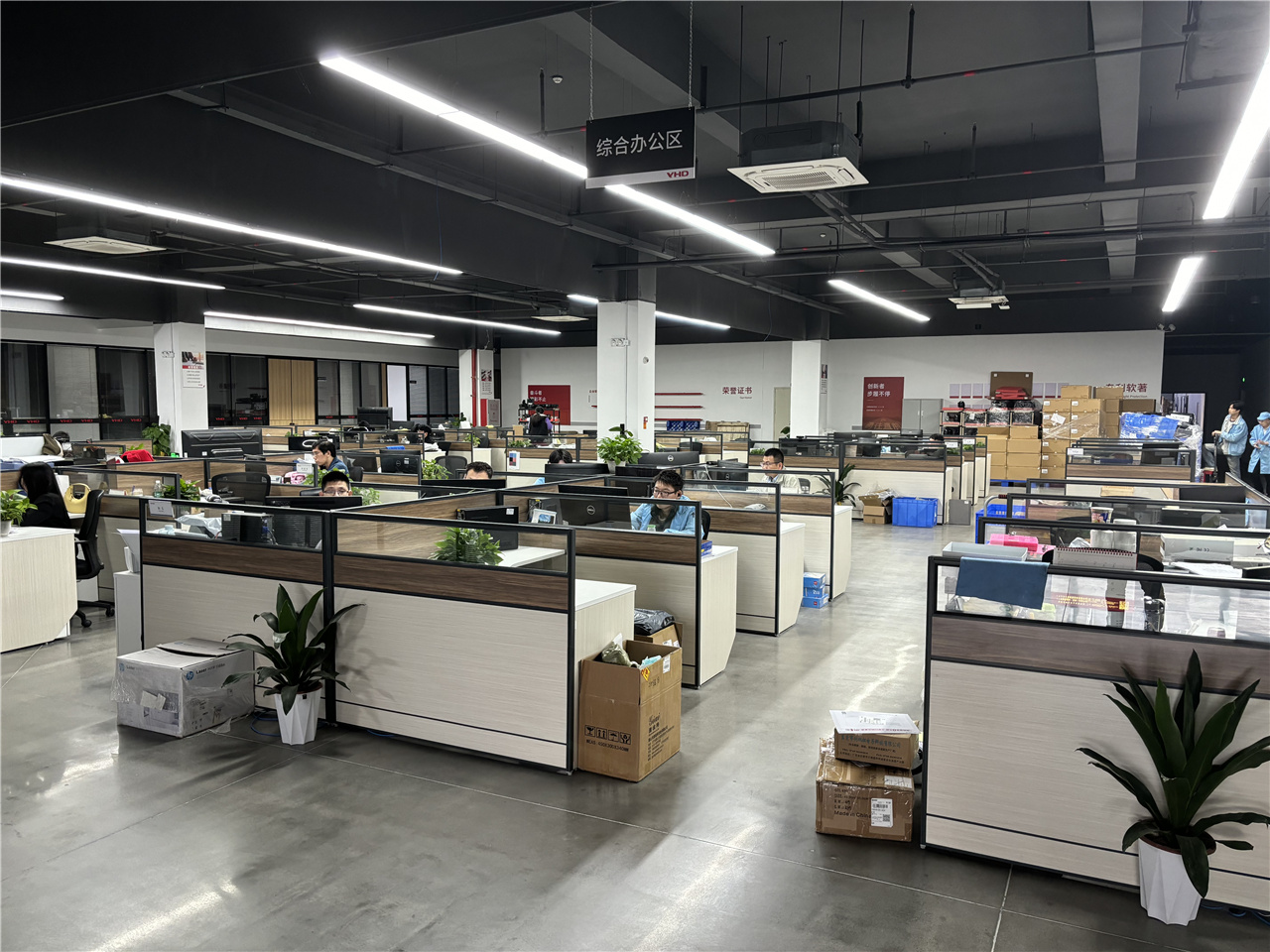
Shenzhen Dianyang Technology Co., Ltd. is a specialized subsidiary of VHD (Shenzhen VHD Technology Co., Ltd.), a publicly listed enterprise on the Shenzhen Stock Exchange. This strategic affiliation provides Dianyang with direct access to VHD's world-class R&D platforms, precision SMT assembly capabilities, and elite quality control frameworks.
Unlike standard market ODMs, Dianyang leverages institutional capital and advanced optical engineering resources to deliver thermal cameras characterized by superior Noise Equivalent Temperature Difference (NETD), exceptionally stable thermal calibration, and rugged durability across demanding environments.
Understanding the internal optics, focal plane arrays (FPA), and digital processing pipelines that define modern industrial and commercial infrared imaging systems.
At the core of Dianyang’s cameras is a high-sensitivity Vanadium Oxide (VOx) uncooled sensor operating in the 8 to 14 μm Long-Wave Infrared (LWIR) spectrum. Available resolutions range from 96x96 and 120x90 to 256x192 and 384x288 pixels, delivering rich spatial detail for critical inspection jobs.
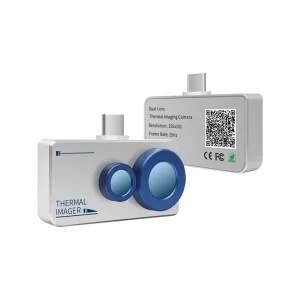
Our dual-light imager function blends visual-light camera details with thermal radiometric overlays in real time. This spatial fusion allows engineers to immediately identify textual markers, equipment labels, and structural details right alongside thermal heat anomalies.
Engineered with auto-switching gain states, our thermal sensors accurately measure thermal differentials from deep freezing sub-zero conditions up to extreme high-temperature industrial furnaces reaching 1200°C, maintaining high accuracy (±2°C or ±2%).
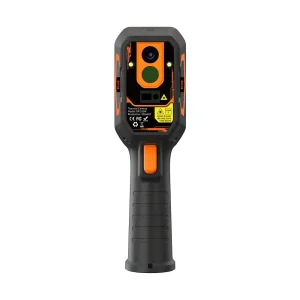
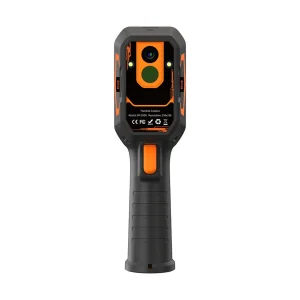
To eliminate diagnostic guesswork, models such as the DP-12D and DP-25DR feature target-aligned laser distance markers. The built-in software dynamically calculates target emissivity based on distance inputs, generating precise surface temperatures.
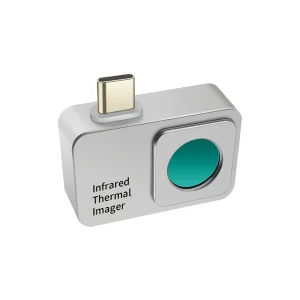
The H1FB, H2FB, and H2F6B mobile thermal attachments convert standard Android or iOS smartphones into professional-grade thermal inspection stations. Utilizing low-power microcontrollers, they stream real-time 25Hz radiometric video directly into user-friendly apps.
Every handheld and mobile sensor is supported by a comprehensive PC/Mobile software ecosystem. Users can extract raw pixel temperature values, adjust palettes (Ironbow, Rainbow, White Hot, Black Hot), configure isotherm alarms, and generate professional PDF inspection reports.
Why international enterprise buyers choose Shenzhen Dianyang for custom thermal imaging production and OEM/ODM system integrations.
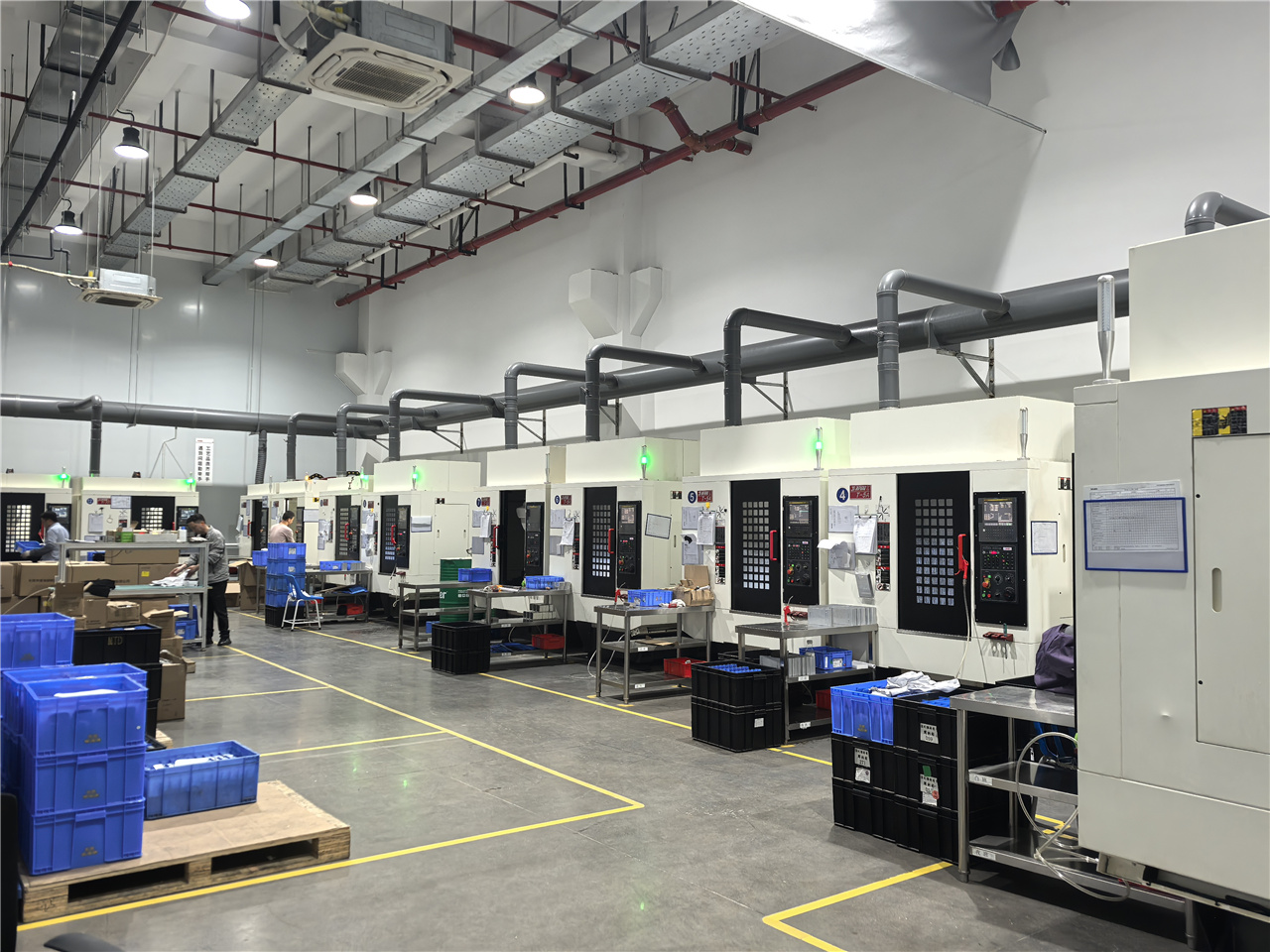
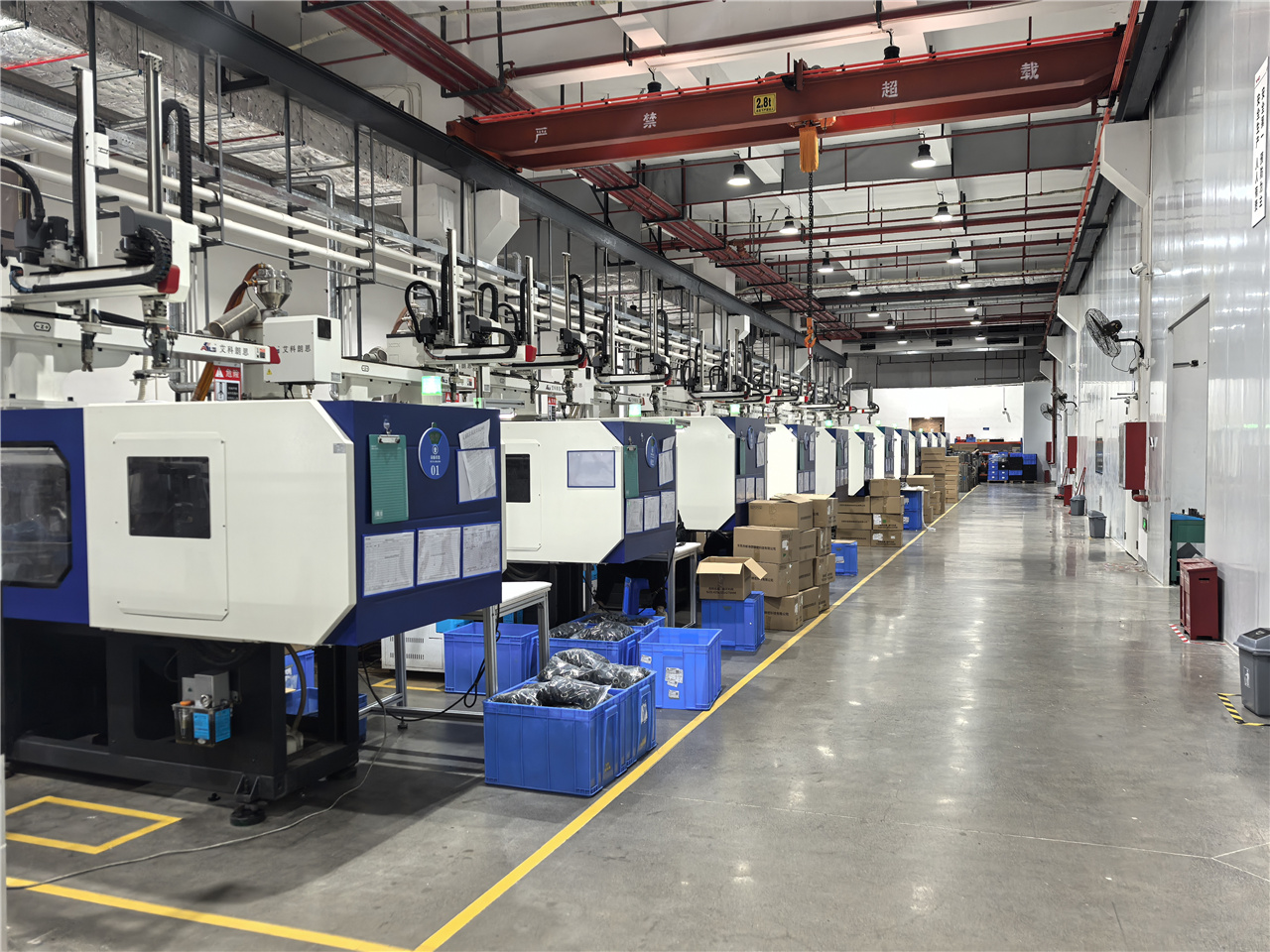
In thermal optic design, sourcing directly from a China thermal imaging camera function factory provides an unmatched balance of technological innovation, production speed, and unit cost efficiency. Located in Shenzhen—the central node of global hardware electronics—Shenzhen Dianyang seamlessly integrates optic lens grinding, germanium window assembly, SMT circuit placement, and automated temperature calibration under a single quality control standard.
Our strategic alignment with parent company VHD gives us leverage in procuring microbolometer chips and optical-grade raw materials, ensuring continuous component supply even during market bottlenecks. Every product line undergoes extensive environmental stress screening, drop testing, thermal shock validation, and electromagnetic interference tuning.
Certified for strict electromagnetic compatibility and safety in European and North American commercial markets.
Built with non-hazardous eco-friendly materials compliant with global chemical safety directives.
Fully compliant with regional market entry standards across the UK, South Korea, and Japan.
Design for Manufacturing and Testability ensures near-zero defect rate during mass production assembly.
Delivering high-precision radiometric measurements across critical operational domains world-wide.
Identifies high-resistance thermal hotspots in electrical switchgear, busbars, power transformers, and transmission towers before catastrophic equipment failures occur, ensuring continuous power grid uptime.
Detects hidden insulation voids, moisture ingress under roofing membranes, air infiltration leaks around window frames, and sub-floor heating loop blockages without invasive demolition.
Monitors heavy rotating machinery, motor bearings, pump housings, and conveyor belts for friction-induced heating, preventing unpredicted factory downtime and costly machinery rebuilds.
Using macro optics and high spatial thermal resolution, electronics designers pinpoint short circuits, trace overloading, and component thermal throttling on compact printed circuit board assemblies.
Provides critical visibility in complete darkness, thick fog, or heavy smoke, empowering search teams, wildlife researchers, and security personnel to locate living heat signatures instantly.
Navigates through smoke-filled rooms to locate remaining structural embers, pinpoint origins of hidden fires inside walls, and safeguard first responders from sudden flashovers.
Next-generation thermal camera engineering shifts toward intelligent edge computing, micro-miniaturization, and cloud data convergence.
Modern thermal cameras are moving beyond static temperature measurement. Integrated Neural Network Accelerators (NPU) right at the sensor edge allow cameras to automatically recognize equipment types (e.g., distinguishing an insulator from a breaker) and flag thermal anomalies autonomously without human operator bias.
As sensor pitch shrinks to 12μm and 10μm microbolometers, thermal modules are becoming sufficiently light and energy-efficient to be integrated directly into rugged smartphones, field tablets, wearable safety helmets, and lightweight inspection drones.
Fixed-mount industrial thermal sensors now connect directly via MQTT, Modbus, or 5G wireless pipelines directly to enterprise AWS or Azure platforms. This enables automated machine-learning models to analyze long-term thermal trends, forecasting bearing degradation months before hardware failure.
Explore our wide selection of mobile phone modules, budget-friendly diagnostic thermal cameras, and specialized high-temperature imagers.
In-depth insights into thermal imaging camera parameters, factory customization, and enterprise procurement options.
NETD (Noise Equivalent Temperature Difference) measures the smallest temperature distinction a thermal sensor can resolve. Measured in millikelvins (mK), lower values indicate higher sensitivity. Dianyang's thermal cameras feature an NETD of <40mK, allowing technicians to detect microscopic thermal differentials even under low-contrast ambient conditions.
We provide full-stack ODM engineering services including custom housing design, specialized optical lens choices (various FOVs), PCB design for custom form factors, customized firmware branding, software SDK integration for Android/iOS/Windows, and specific temperature range tuning up to 1200°C.
Thermal images alone can sometimes lack physical context, making it hard to identify specific electrical breakers or structural points. Dual-spectrum fusion aligns a high-resolution visual camera outline over the thermal image, rendering crisp edge details and labels directly over heat gradients.
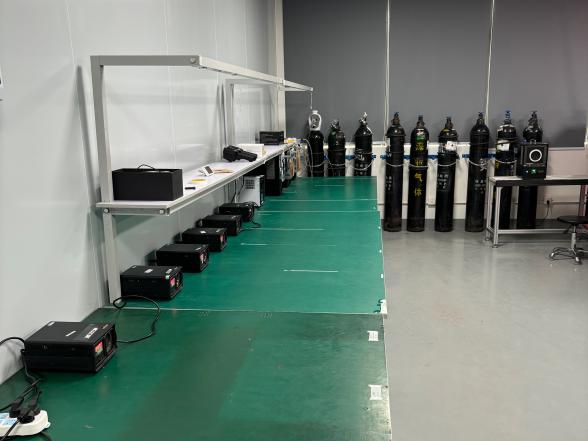
Yes. Every single camera undergoes automated radiometric temperature calibration using blackbody radiation targets across multi-point temperature curves before leaving our factory. We also provide user-calibration tools within our software suites for field adjustment.
Uncooled VOx microbolometers operate without cryogenic cooling units, making them compact, highly energy-efficient, durable, and cost-effective for 95% of commercial industrial inspections. Cooled sensors are primarily used for extreme long-range military applications due to their high cost and maintenance footprint.
 Dianyang