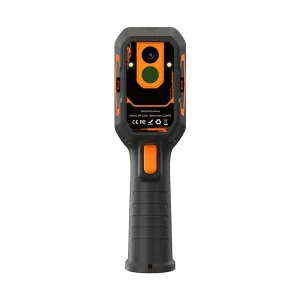
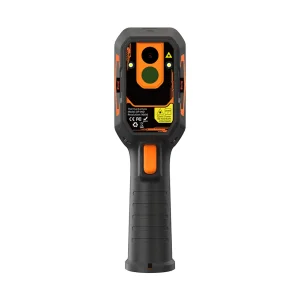
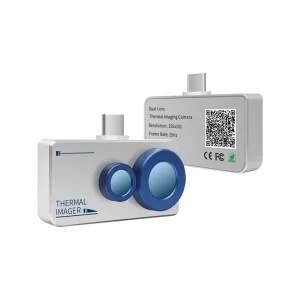
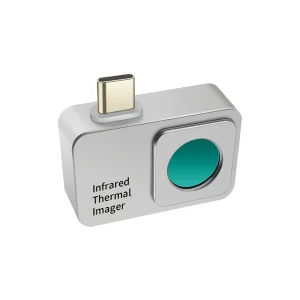
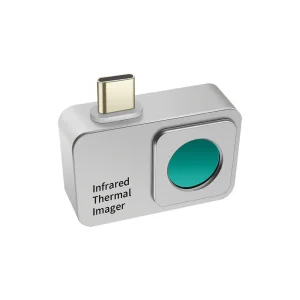
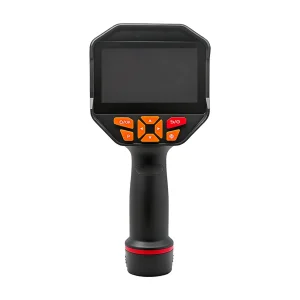
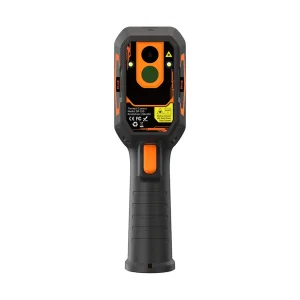
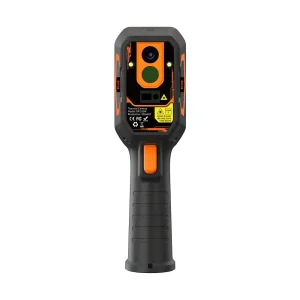
Precision thermal imaging systems engineered to inspect cell consistency, track thermal runaway vectors, evaluate BMS safety, and optimize battery pack assembly production lines.
The global transition toward electrification, commercial energy storage systems (ESS), electric mobility (EVs), and mission-critical industrial backup power has elevated the strategic importance of high-grade Lithium Battery Packs. As enterprise buyers search to buy lithium battery pack pricelists from vetted companies, navigating the vendor matrix requires a granular understanding of chemistry shifts, raw material supply chains, structural pack designs, and rigorous safety inspection protocols.
In 2025, the market is characterized by a definitive move toward Lithium Iron Phosphate (LiFePO4/LFP) for stationary and high-cycle industrial uses, while Nickel Manganese Cobalt (NMC/NCA) maintains its role in weight-sensitive aerospace and high-energy-density automotive applications. Understanding volumetric efficiency, levelized cost of storage (LCOS), thermal management architectures, and manufacturing quality control forms the basis of effective enterprise procurement.
Below is an engineered breakdown of enterprise-grade Lithium Battery Pack pricing tiers based on volume procurement, chemical formulation, application class, and technical attributes. Sourcing managers can utilize this table to validate factory quotations and balance initial capital expenditures (CAPEX) against total cost of ownership (TCO).
| Battery Pack Class / Application | Cell Chemistry | Nominal Voltage & Capacity | Estimated Price Range (USD / Pack) | Tier 1 Volume Price ($/kWh) | Key OEM / ODM Technical Focus |
|---|---|---|---|---|---|
| Commercial & Industrial ESS | LiFePO4 (LFP) | 51.2V 200Ah (10.24 kWh) | $1,250 - $1,650 | $122 - $140 / kWh | High-cycle rack design, liquid cooling, CAN/RS485 BMS integration |
| Telecom Backup Power Racks | LiFePO4 (LFP) | 48V 100Ah (4.8 kWh) | $550 - $780 | $115 - $135 / kWh | Standard 19-inch rack mount, hot-swappable, passive cooling |
| Light Electric Mobility & Golf Carts | NMC / LFP | 72V 100Ah (7.2 kWh) | $980 - $1,350 | $135 - $165 / kWh | High peak discharge (3C-5C), IP67 waterproof enclosure, rugged shock absorption |
| Solar Energy Storage (Residential Wall) | LiFePO4 (LFP) | 51.2V 100Ah (5.12 kWh) | $680 - $920 | $130 - $155 / kWh | Wall-mountable, integrated LCD display, multi-inverter protocol compatibility |
| Heavy Industrial AGV / Robotics | High-Rate LFP | 24V 200Ah (4.8 kWh) | $750 - $1,100 | $145 - $185 / kWh | Ultra-fast charging capability (1C-2C continuous), vibration-proof laser welding |
| Custom High-Voltage Battery Systems | Solid-State / NMC | 384V 100Ah (38.4 kWh) | $6,500 - $9,200 | $170 - $220 / kWh | Advanced thermal runaway prevention, active liquid heating/cooling, high energy density |
* Note: Prices reflect market indicators for bulk B2B procurement (MOQ ≥ 50 units). Ex-factory shipping terms, customized BMS protocols, and specific international certification extensions (e.g., UL1973, IEC62619) may influence final unit pricing.
A premium Lithium Battery Pack is far more than a collection of electrochemical cells connected in series and parallel. The true differentiator among manufacturing companies lies in structural engineering, smart Battery Management Systems (BMS), thermal simulation, and rigorous quality control methodologies.
By implementing DFM principles during early CAD and mechanical layout stages, leading manufacturers ensure uniform busbar connection spacing, automated laser welding compatibility, and reduced structural fail points. DFM drastically decreases unit production defects while maximizing internal energy density.
Integrated test points across every cell parallel group enable full automated optical inspection (AOI) and end-of-line (EOL) electrical testing. DFT guarantees 100% telemetry coverage for voltage balance, internal resistance (IR), and real-time thermistor calibration prior to pack sealing.
Thermal imaging and Computational Fluid Dynamics (CFD) modeling identify localized micro-hotspots under continuous 1C-2C discharge regimes. Early detection of temperature anomalies prevents thermal runaway propagation and extends battery life cycles by over 30%.
When evaluating companies to buy lithium battery packs from, global procurement officers must execute a multi-tiered factory audit. Beyond initial price quotes, long-term commercial success hinges on vendor financial stability, raw material cell grading, manufacturing automation levels, and compliance guarantees.
Ensure the manufacturer utilizes Tier-1 Grade A cells (CATL, BYD, EVE, Panasonic, or equivalent) with full QR-code traceability. Lower-tier or refurbished cells significantly increase early capacity fade and safety failure risks.
Verify that the built-in BMS supports multi-protocol communication (CANbus, RS485, Modbus, Bluetooth), active balancing (1A-2A balance current), over-charge/discharge, short-circuit, and dual-layer thermal protections.
Industrial applications require heavy-duty cold-rolled steel or aluminum alloy cases with IP65 to IP67 sealing ratings, structural anti-vibration damping, and integrated explosion-proof pressure relief valves.
Demand clear warranty parameters (e.g., 5 to 10 years linear capacity retention guarantee at specific temperature ranges) along with explicit RMA (Return Merchandise Authorization) pathways.
Lithium Battery Packs serve as the core energy engine across multiple vital sectors. Sourcing the optimal configuration requires matching cell chemical characteristics with operational duty cycles.
High-voltage battery cabinets (300V - 800V DC) integrated with liquid-cooled micro-channel cold plates. Designed for peak shaving, demand response, and solar-plus-storage microgrids in industrial parks.
Standardized 48V/51.2V rack-mounted lithium modules providing seamless UPS battery fallback. Features high rate discharge capabilities and zero maintenance overhead compared to legacy VRLA batteries.
Ruggedized battery systems for electric forklifts, AGVs, underground mining equipment, and harbor tugs. Engineered to withstand continuous shocks up to 50G and sub-zero charge profiles via active heating sheets.
Navigating international trade laws, environmental regulations, and safety mandates is crucial when importing lithium battery packs worldwide. Certified manufacturers maintain comprehensive documentation portfolios to streamline customs clearance and local electrical grid compliance.
| Certification / Mandate | Target Region / Authority | Primary Safety & Environmental Focus | Enterprise Sourcing Priority |
|---|---|---|---|
| UN38.3 + MSDS | Global Air & Maritime (ICAO / IMO) | Transport safety: altitude simulation, thermal shock, vibration, impact, overcharge | Mandatory for Logistics |
| UL 1973 / UL 9540A | North America (ANSI / CSA) | Safety standard for stationary energy storage; unit-level thermal runaway fire testing | Mandatory for US Grid/C&I |
| IEC 62619 / IEC 62620 | Europe & International (CB Scheme) | Safety requirements for secondary lithium cells and batteries in industrial applications | Global Standard Baseline |
| CE / RoHS / REACH | European Union (EU) | Electromagnetic compatibility (EMC), hazardous substance restrictions, chemical control | Mandatory for EU Import |
| UKCA / KC / PSE | UK, South Korea, Japan | National electrical appliance safety conformity and local grid interconnection safety | Regional Market Compliance |
The energy storage landscape is evolving rapidly. Sourcing strategy must account for technological shifts over the next decade to avoid asset obsolescence and maintain competitive advantage.
Transitioning from volatile liquid electrolytes to non-flammable solid-state matrices pushes energy density past 400 Wh/kg while eliminating thermal runaway risks under extreme mechanical puncture.
Next-generation BMS algorithms utilize cloud edge computing and digital twins to predict cell health degradation, auto-balance individual cell impedances, and prevent internal short circuits days before manifestation.
New battery passports and EU battery regulations require direct hydrometallurgical recycling paths, enforcing minimum recycled content ratios (Cobalt, Lithium, Nickel) in newly manufactured packs.
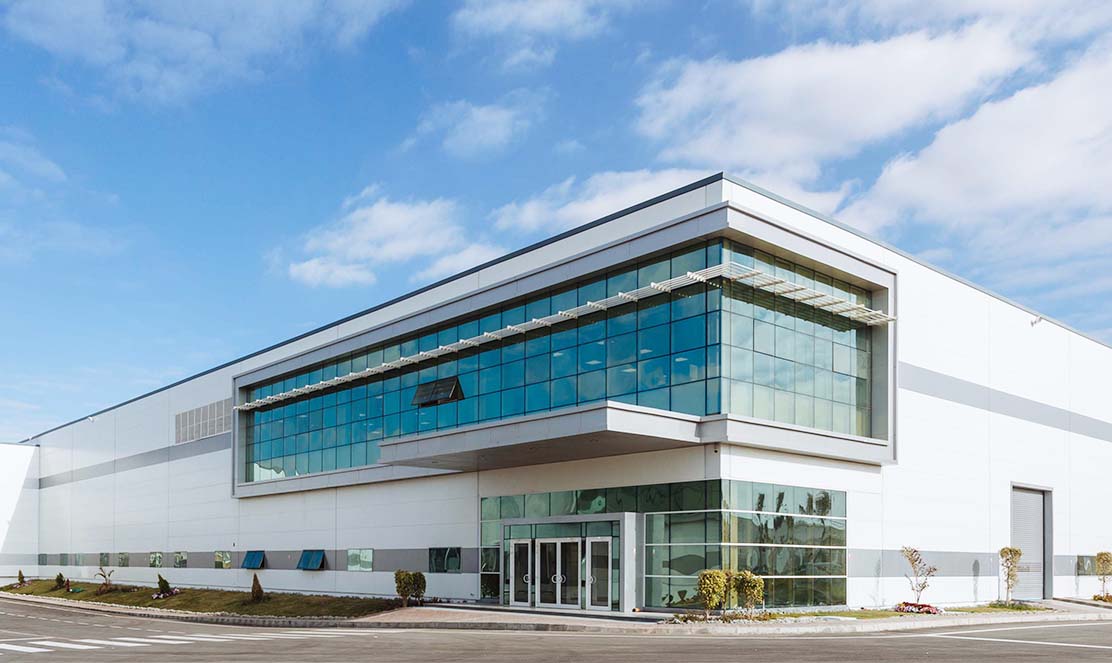
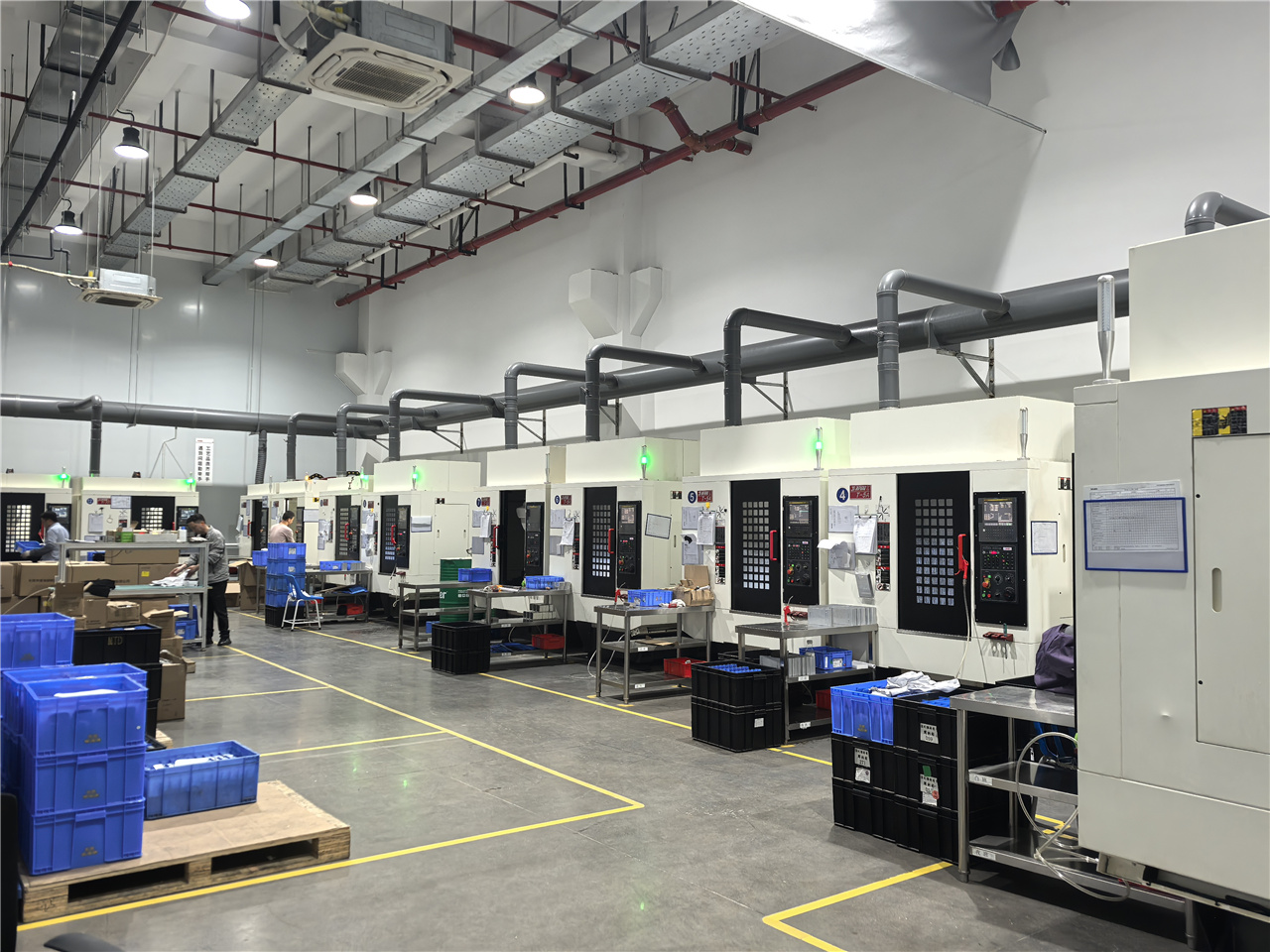
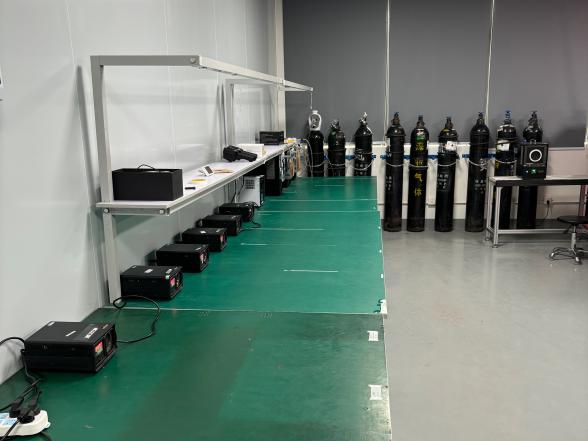
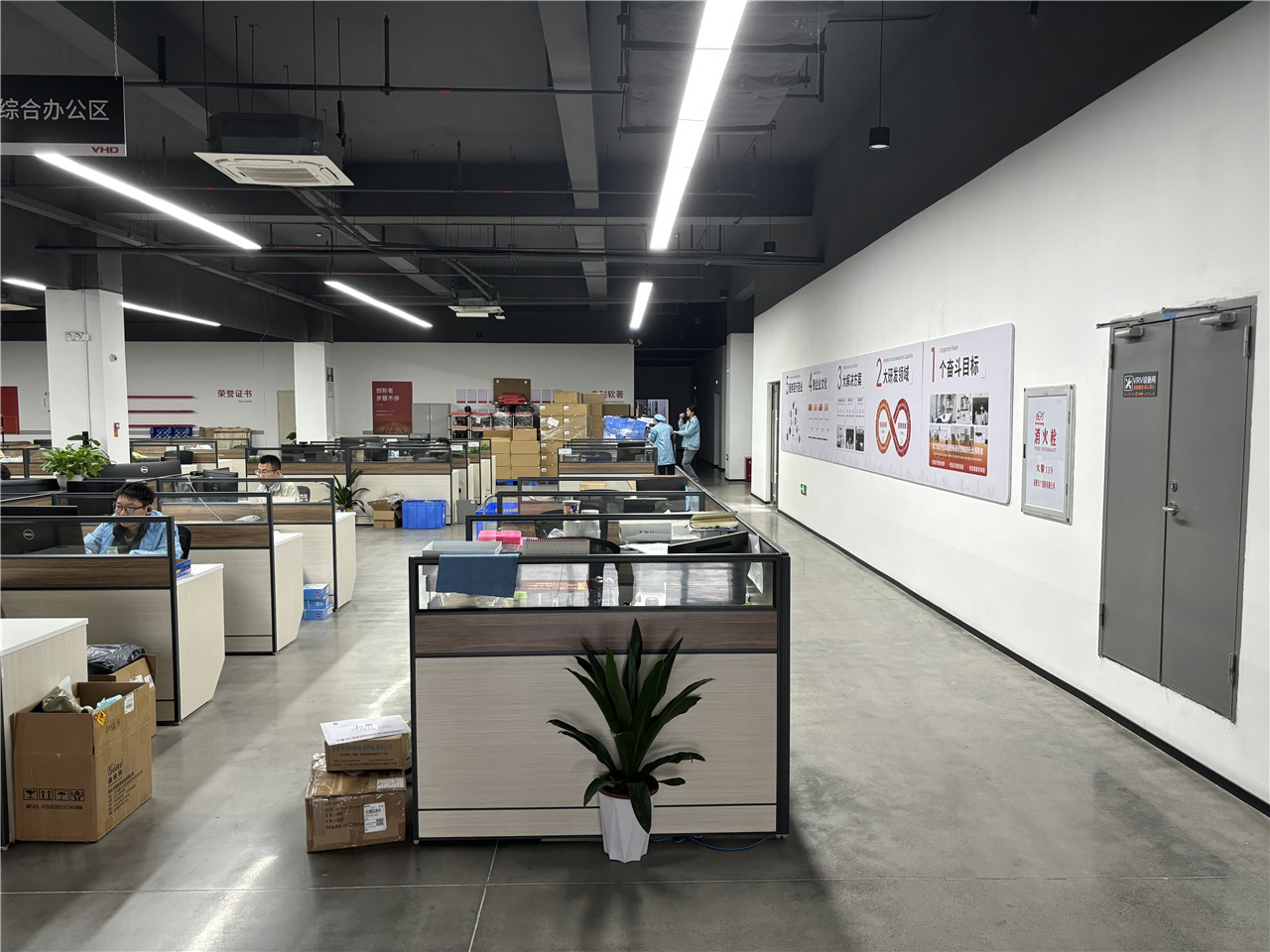
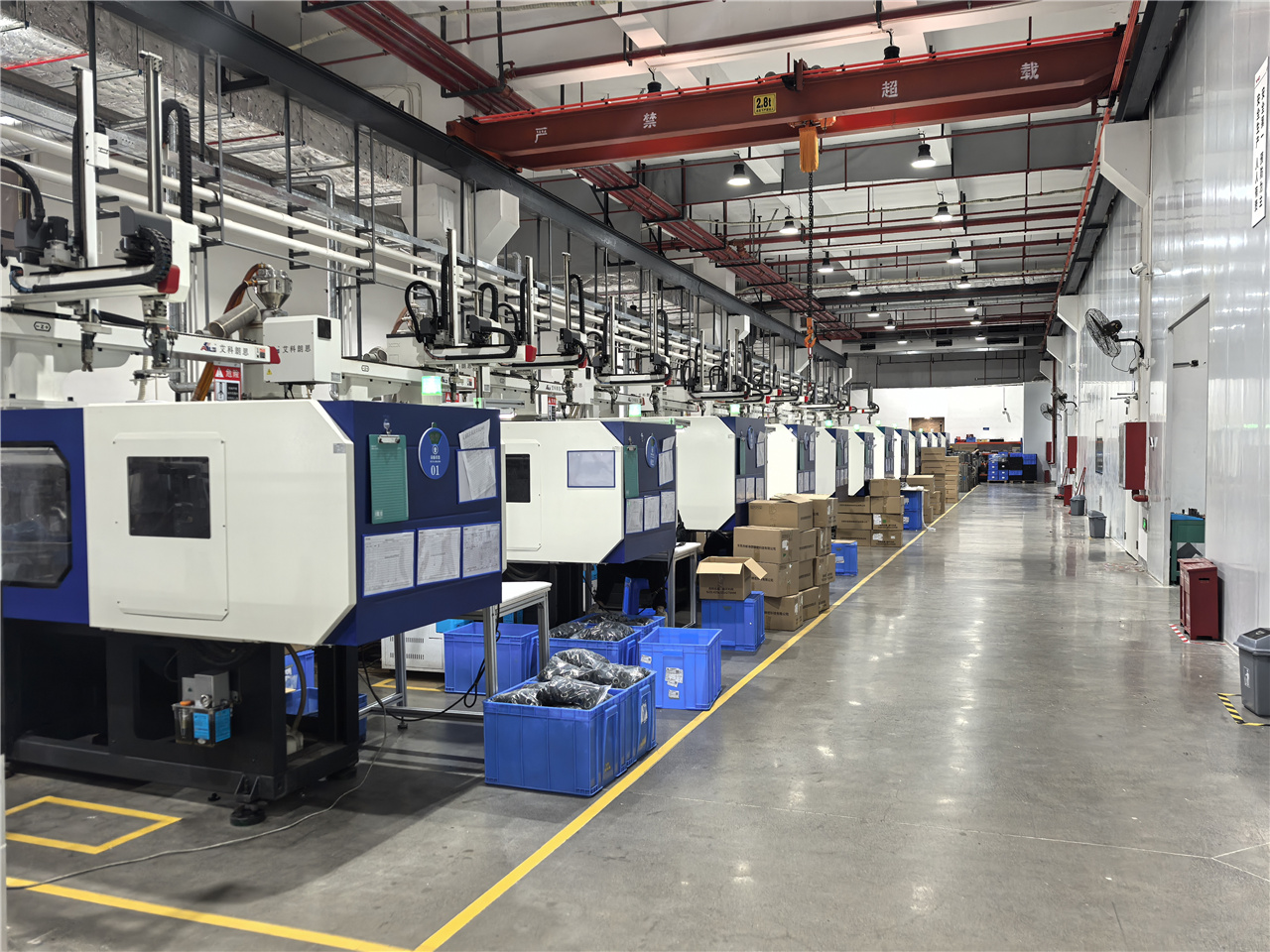
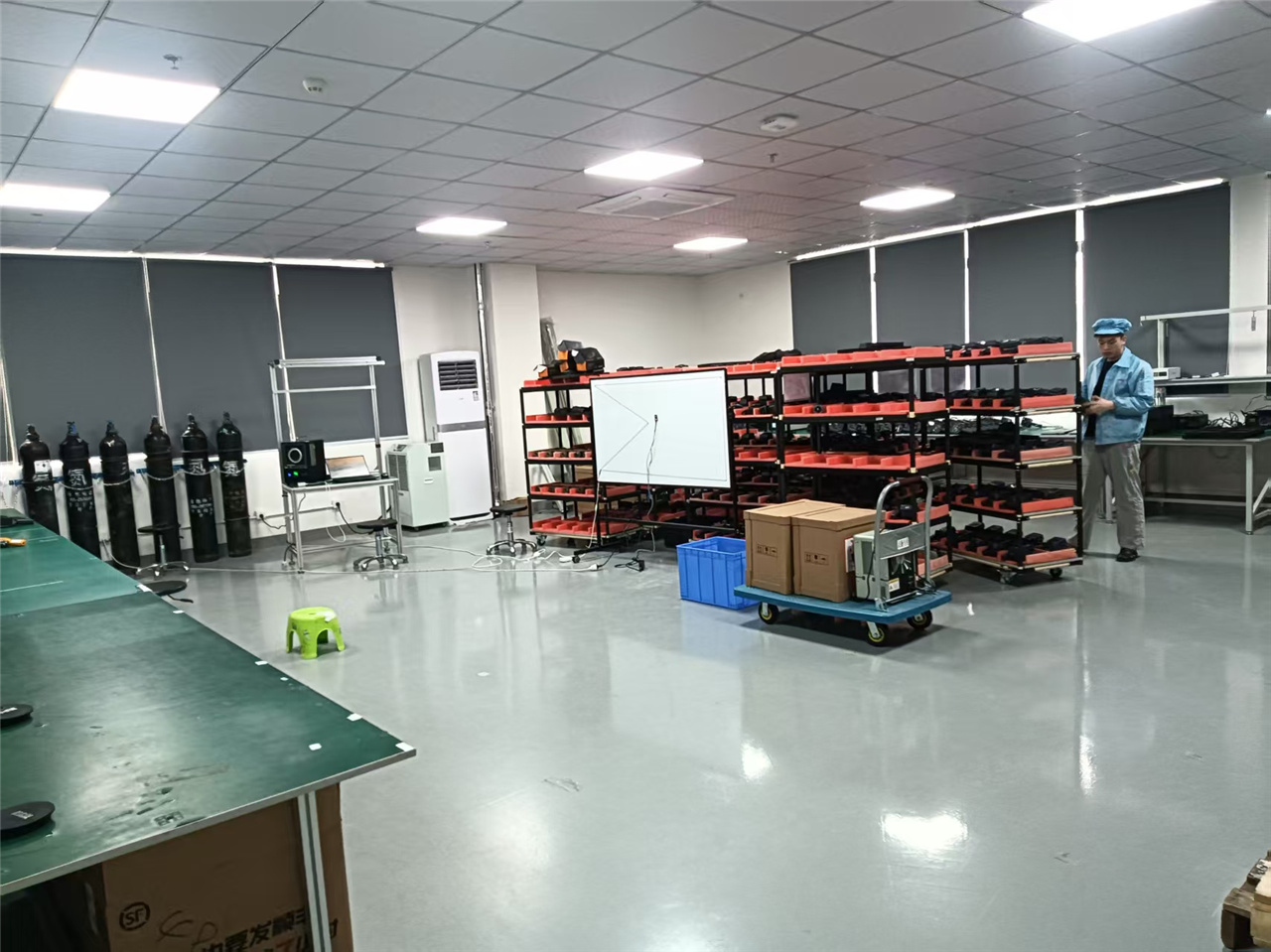
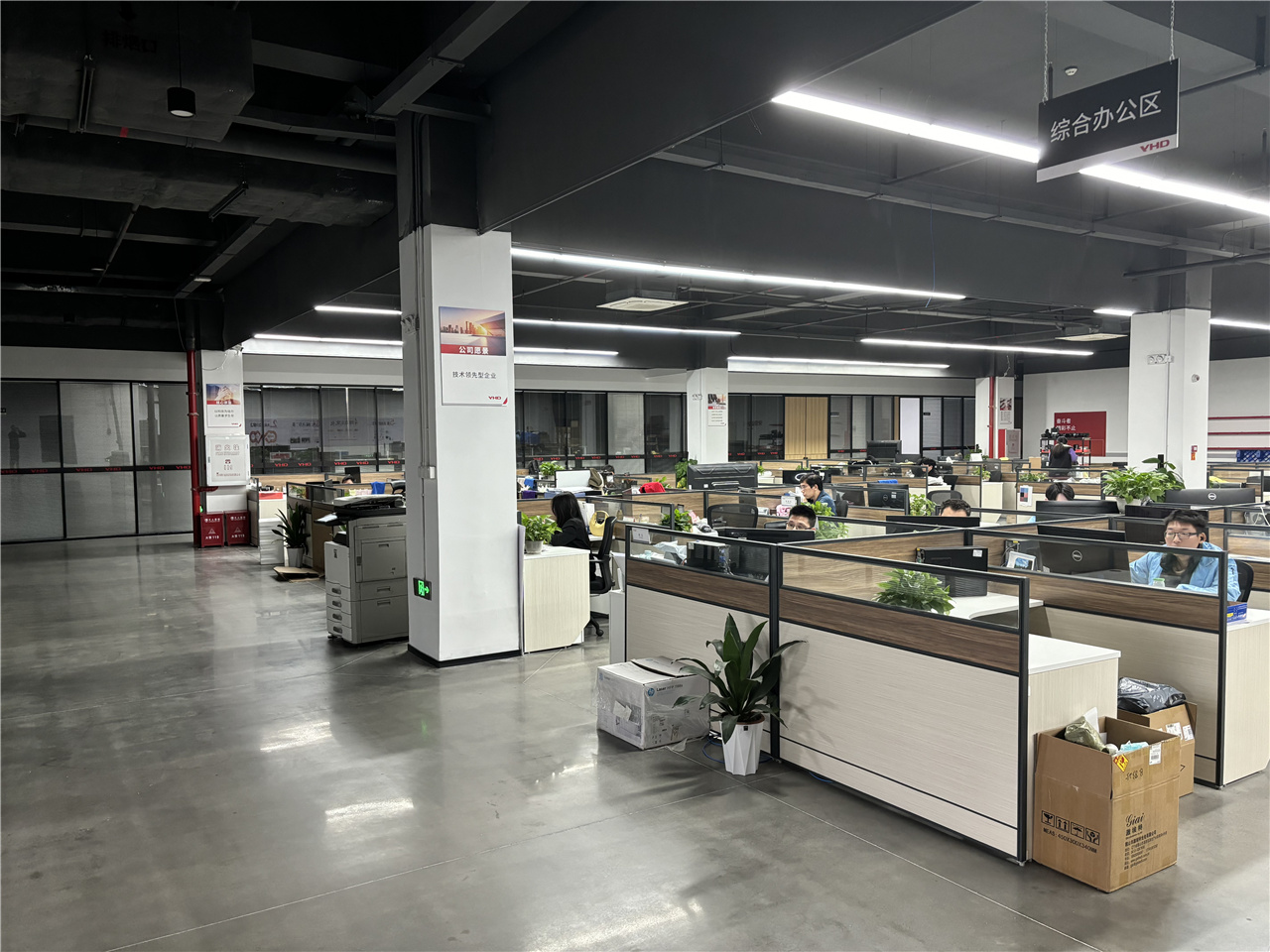
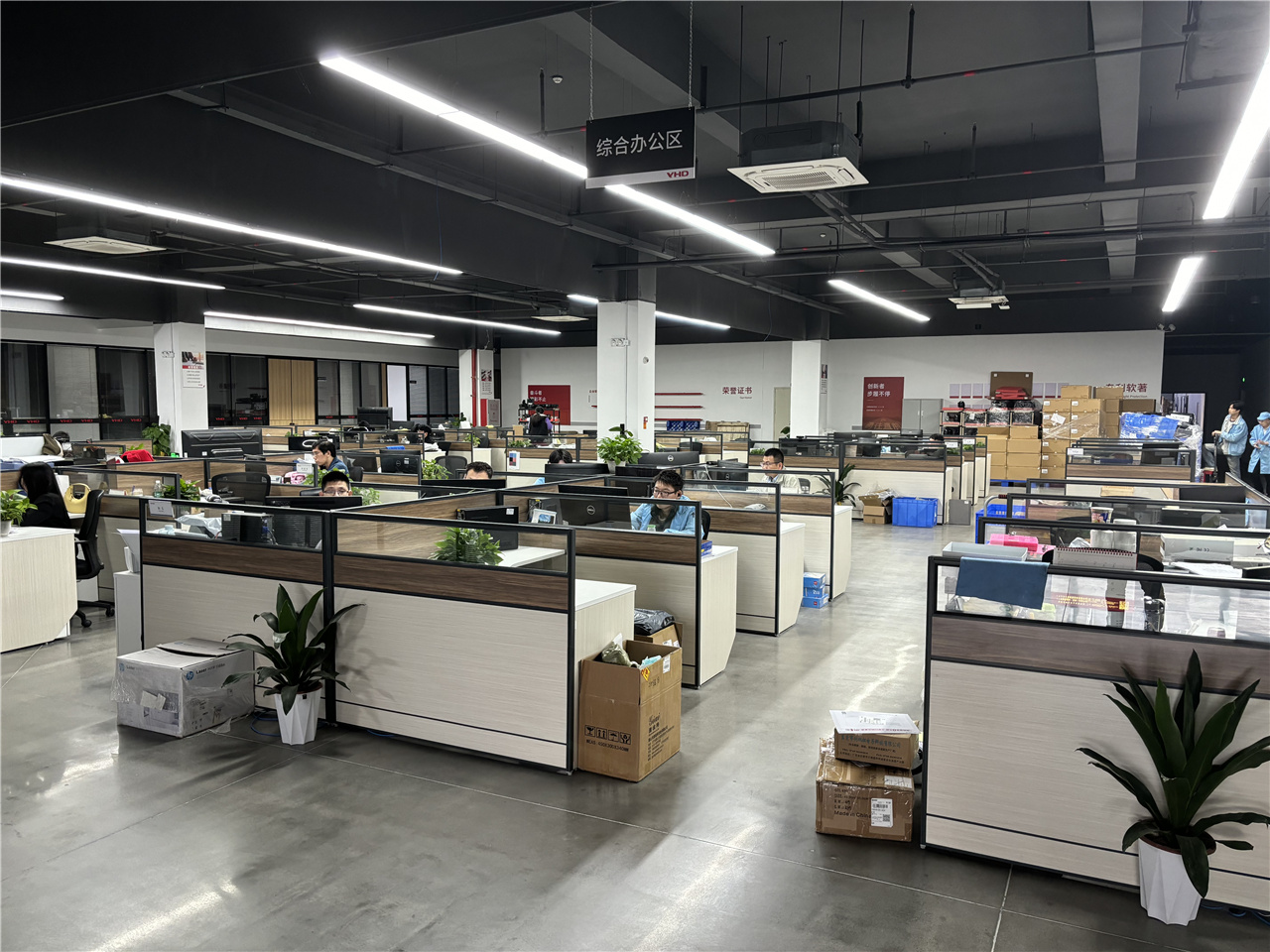
Shenzhen Dianyang Technology Co., Ltd. is a specialized subsidiary of VHD (Shenzhen VHD Technology Co., Ltd.), a publicly listed company on the Shenzhen Stock Exchange. This strategic affiliation gives Dianyang unique access to VHD’s advanced R&D platforms, high-precision manufacturing systems, and rigorous quality management practices—enabling us to deliver thermal imaging inspection systems and custom energy hardware of higher reliability and consistency than typical ODMs.
We specialize in ODM/OEM services for infrared thermal imaging solutions, including handheld thermal imagers, smartphone-connected thermal cameras, thermal analyzers, and high-precision monitoring devices. Our engineering team applies Design for Manufacturing (DFM), Design for Testability (DFT), thermal simulation, and EMC pre-compliance analysis to optimize performance and accelerate product deployment. We fully support global enterprise clients in obtaining key international certifications such as CE, FCC, RoHS, REACH, CB, UKCA, KC, and PSE.
To receive an exact ex-factory pricelist, provide the manufacturer with your key technical specifications: required voltage (V), total capacity (Ah or kWh), continuous/peak discharge currents (A), dimensions, ingress protection level (IP rating), communication protocol (CAN/RS485), and target annual volume. Established ODMs will deliver a modular cost breakdown based on cell selection and custom tooling.
LiFePO4 battery packs are generally 15% to 25% lower in cost per kWh compared to high-nickel NMC packs, largely due to the absence of expensive Cobalt and Nickel raw materials. LFP also offers superior thermal stability and 2 to 3 times longer cycle life (3,000 to 6,000+ cycles), making it the preferred solution for stationary energy storage systems and heavy equipment.
Thermal imaging during load testing detects subtle imbalances in internal cell resistance, bad laser welding joints on busbars, and localized transistor overheating on the BMS board. Identifying these defects prevents post-installation field failures, thermal runaway events, and expensive product recalls.
For international shipping, UN38.3 and MSDS are mandatory. For European compliance, CE, RoHS, REACH, and IEC 62619 are required. For North American installation, UL 1973 (for stationary storage) or UL 2580 (for EV applications) are required by local building codes and AHJ (Authority Having Jurisdiction) inspections.
Passive balancing burns off excess energy as heat through resistors from higher-charged cells, which is slow and limited to small currents (~50mA-200mA). Active balancing transfers charge from higher-energy cells to lower-energy cells using capacitive or inductive DC-DC converters at currents up to 1A-5A, dramatically improving pack capacity utilization and lifetime energy throughput in packs larger than 5 kWh.
Standard prototype sample creation with existing cell tooling takes 3 to 4 weeks. Fully customized enclosures with DFM/DFT analysis, custom BMS board design, and safety certification testing (UL/IEC) typically require 8 to 12 weeks. Mass production runs generally ship within 4 to 6 weeks post-deposit confirmation.
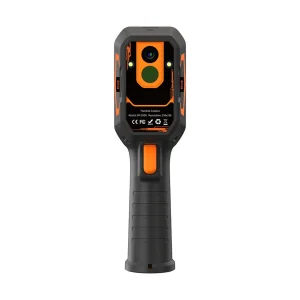
Explore our complete range of high-resolution handheld devices, smartphone thermal modules, and specialized optical tools designed for electrical maintenance and battery manufacturing diagnostics.
 Dianyang