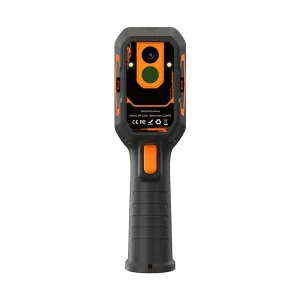
Explore our foundational thermal sensor engines engineered for integration into Australian industrial automation, defense robotics, HVAC diagnostics, and electrical grid safety monitors.
Greater Sydney stands as Australia's economic and technological powerhouse. From the rapid infrastructure developments across the Western Sydney Aerotropolis to the critical logistics hubs surrounding Port Botany, the demand for precision thermal imaging sensor modules has reached unprecedented levels. As New South Wales (NSW) accelerates its digital transformation, industrial automation systems integrators require uncooled Long-Wave Infrared (LWIR) modules that deliver operational uptime under extreme environmental conditions.
In Australia’s electrical distribution networks—managed by utilities such as Endeavour Energy and Ausgrid—thermal hot-spot detection is mandatory under strict preventative maintenance schedules. High-voltage switchgears, transformers, and distribution lines require continuous or periodic thermographic inspection to comply with AS/NZS 3000 Electrical Installations standards. Furthermore, Sydney’s expanding commercial property sector relies heavily on energy audit thermal imaging to meet NABERS (National Australian Built Environment Rating System) guidelines, demanding microbolometer cores capable of resolving micro-Kelvin thermal differentials (< 30mK NETD).
Additionally, Australia's vulnerability to bushfires and ambient thermal surges demands robust perimeter security and early fire suppression infrastructure. Commercial facility managers across Sydney are increasingly retrofitting fixed dual-spectrum thermal camera systems integrated with AI analytics to detect micro-incidents before open flames emerge. Partnering directly with a high-capacity thermal imaging module factory guarantees access to OEM/ODM custom optics, radiometric SWaP (Size, Weight, Power, and Cost) optimization, and long-term hardware support.
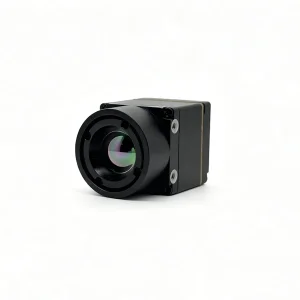
High-resolution radiometric thermal modules integrated into fixed monitoring rigs across Sydney electrical sub-stations ensure early identification of phase imbalance and contact corrosion.
Advanced OEM thermal core integration for autonomous mobile robots (AMRs) operating in logistics networks across Western Sydney's industrial corridors.
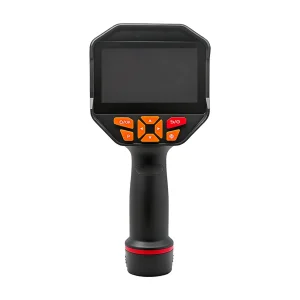
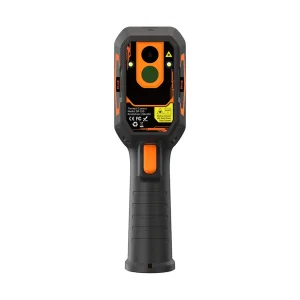
Providing high-sensitivity handheld and plug-and-play mobile thermal tools for building diagnostic inspectors verifying insulation and HVAC efficiency in Sydney CBD skyscrapers.
At Shenzhen Dianyang Technology Co., Ltd., our engineering philosophy centers around maximizing thermal resolution, radiometric accuracy, and platform interoperability. Designed specifically for OEM system integrators, our thermal imaging cores leverage vanadium oxide (VOx) uncooled focal plane arrays (FPA) with micro-pitch architecture (down to 12μm pixel pitch). This provides higher spatial resolution within smaller mechanical footprints.
Unlike basic qualitative imaging engines, Dianyang radiometric thermal cores output pixel-by-pixel temperature data across broad measurement brackets (-20°C up to +550°C). Utilizing sophisticated temperature compensation algorithms, our modules maintain consistent calibration stability despite dramatic ambient shifts common to Sydney’s coastal climate.
Our thermal modules (such as the MD-64CA series) are engineered with minimal SWaP envelope dimensions. They feature modular signal interfaces including DVP, MIPI, USB 2.0/3.0, and Ethernet (RTSP/ONVIF), enabling direct plug-and-play connectivity with Linux, Android, Windows, and ROS (Robot Operating System) architectures.
Featuring Noise Equivalent Temperature Difference (NETD) ratings of < 30mK to < 40mK, Dianyang sensors capture subtle micro-thermal variances. This sensitivity allows Sydney engineers to spot early phase anomalies in electrical switchgear or minor thermal leaks in cryogenic logistics installations.
We offer customizable Germanium optical lenses spanning fixed focal lengths from 2.0mm wide-angle lenses to long-range telephoto optics. Hard Carbon or DLC (Diamond-Like Carbon) outer lens coatings provide scratch and corrosion resistance required for harsh marine atmosphere operations in coastal Sydney.
Dianyang’s manufacturing prowess backed by publicly listed parent infrastructure.
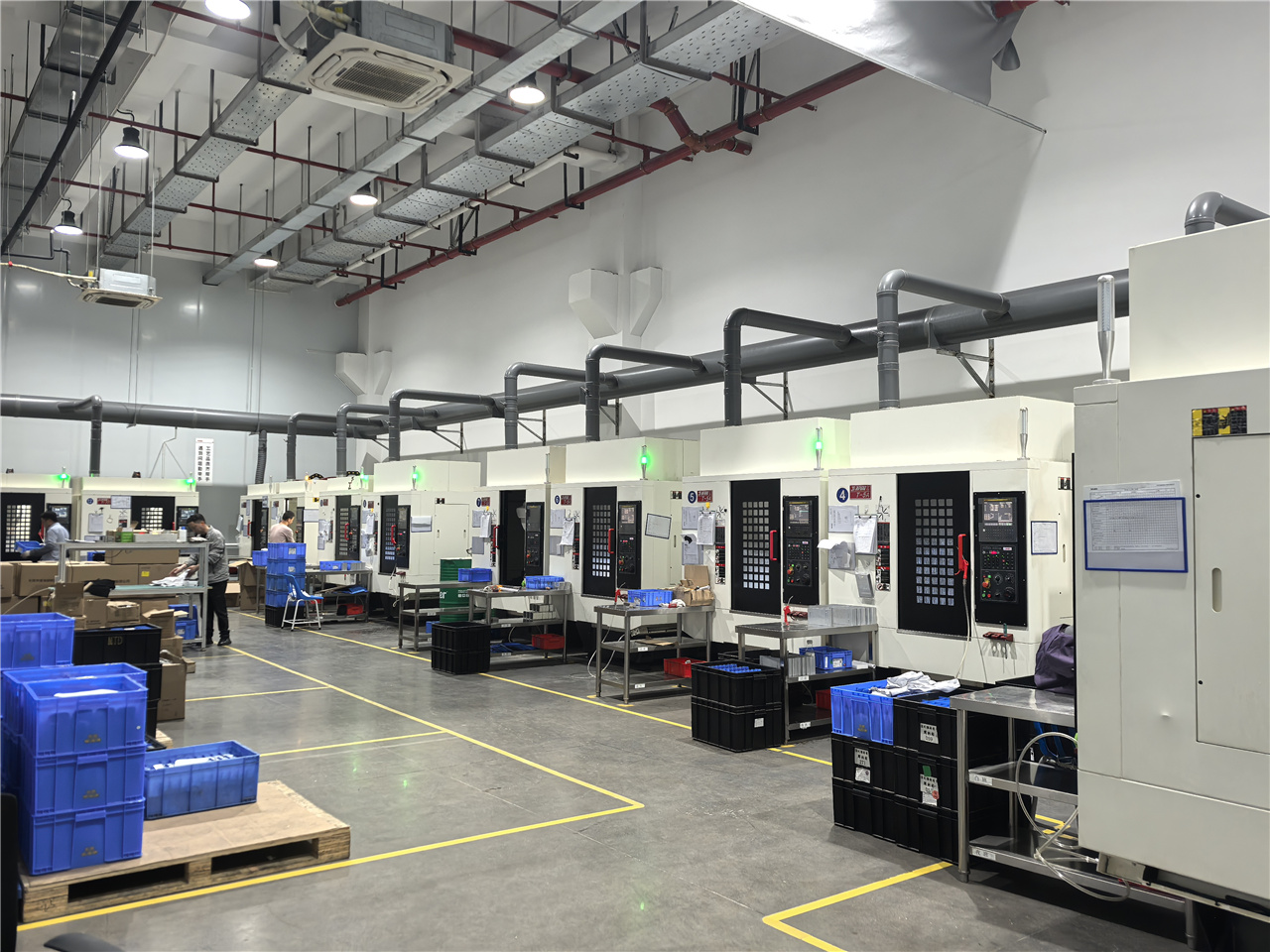
Shenzhen Dianyang Technology Co., Ltd. is a subsidiary of VHD (Shenzhen VHD Technology Co., Ltd.), a publicly listed company on the Shenzhen Stock Exchange. This strategic affiliation gives Dianyang unique access to VHD’s advanced R&D platforms, high-precision manufacturing systems, and rigorous quality management practices—enabling us to deliver thermal imaging products of higher reliability and consistency than typical ODMs.
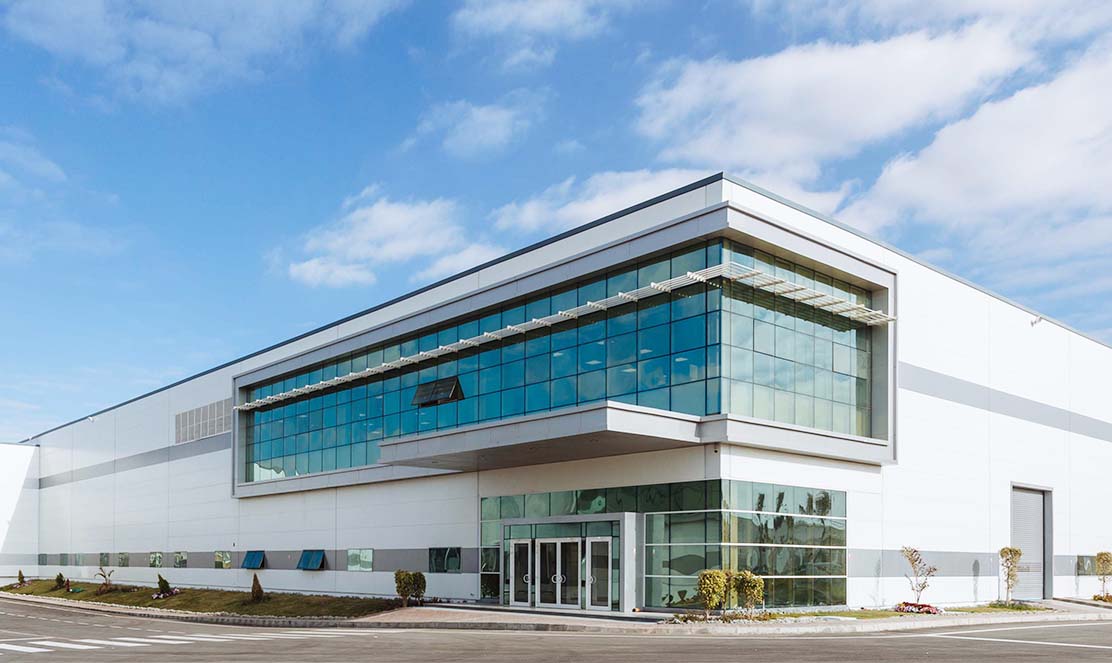
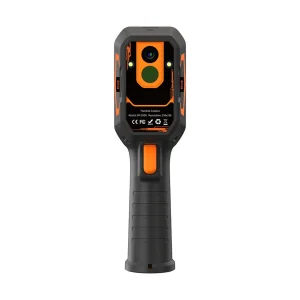
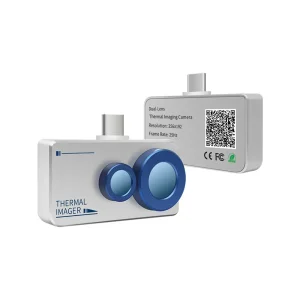
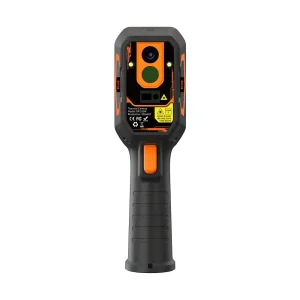
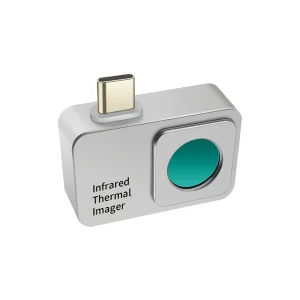
We specialize in ODM/OEM services for infrared thermal imaging solutions, including handheld thermal imagers, smartphone-connected thermal cameras, thermal analyzers, and thermal imaging telescopes. Our products serve global customers in power inspection, building diagnostics, firefighting, industrial maintenance, and outdoor applications.
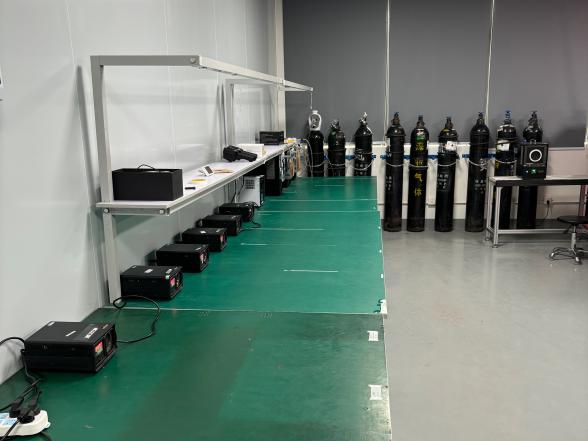
Our dedicated engineering team applies Design for Manufacturing (DFM), Design for Testability (DFT), thermal simulation, and EMC pre-compliance analysis to optimize performance and accelerate development. We also support clients in obtaining key certifications such as CE, FCC, RoHS, REACH, CB, UKCA, KC, and PSE.
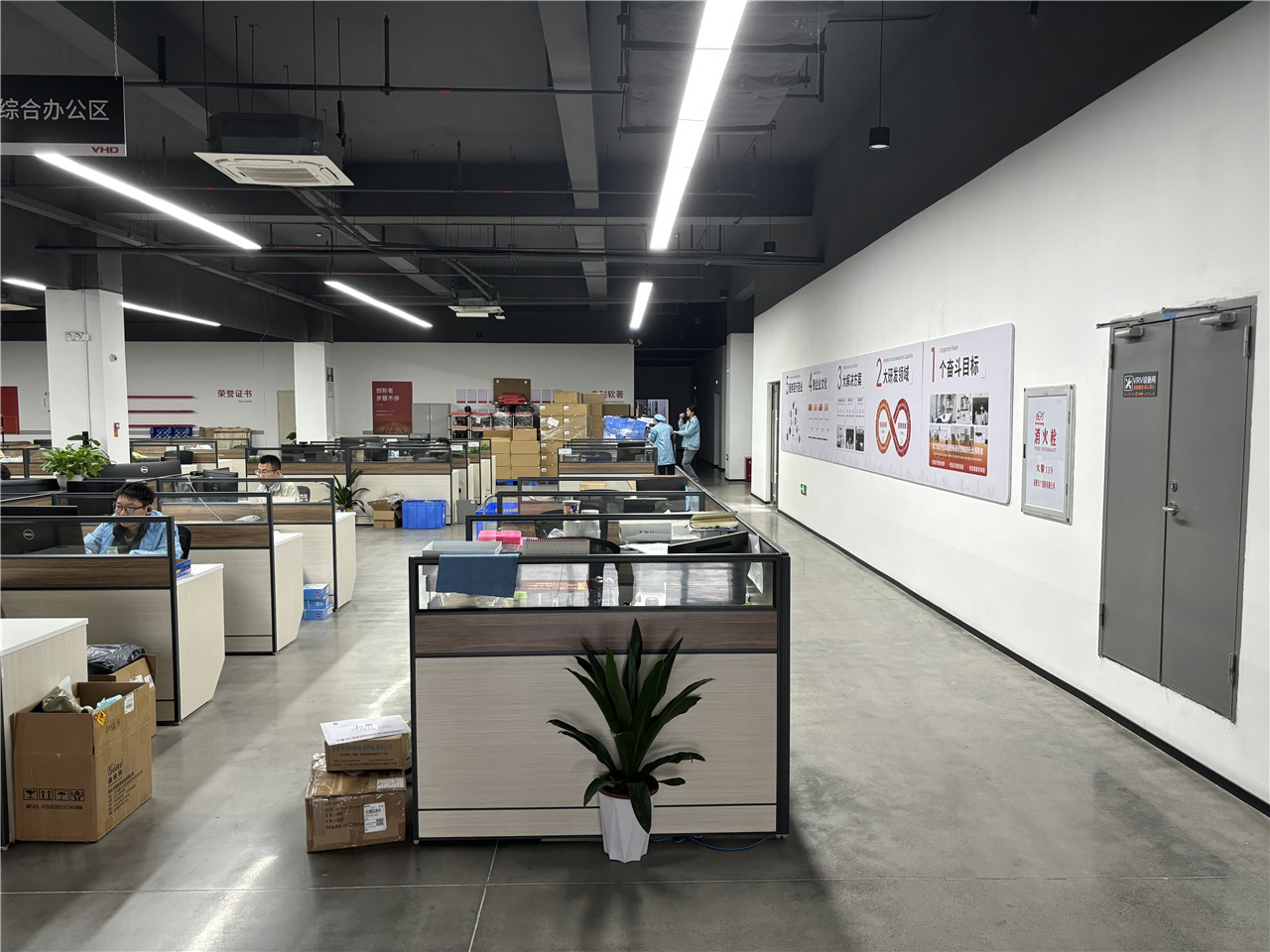
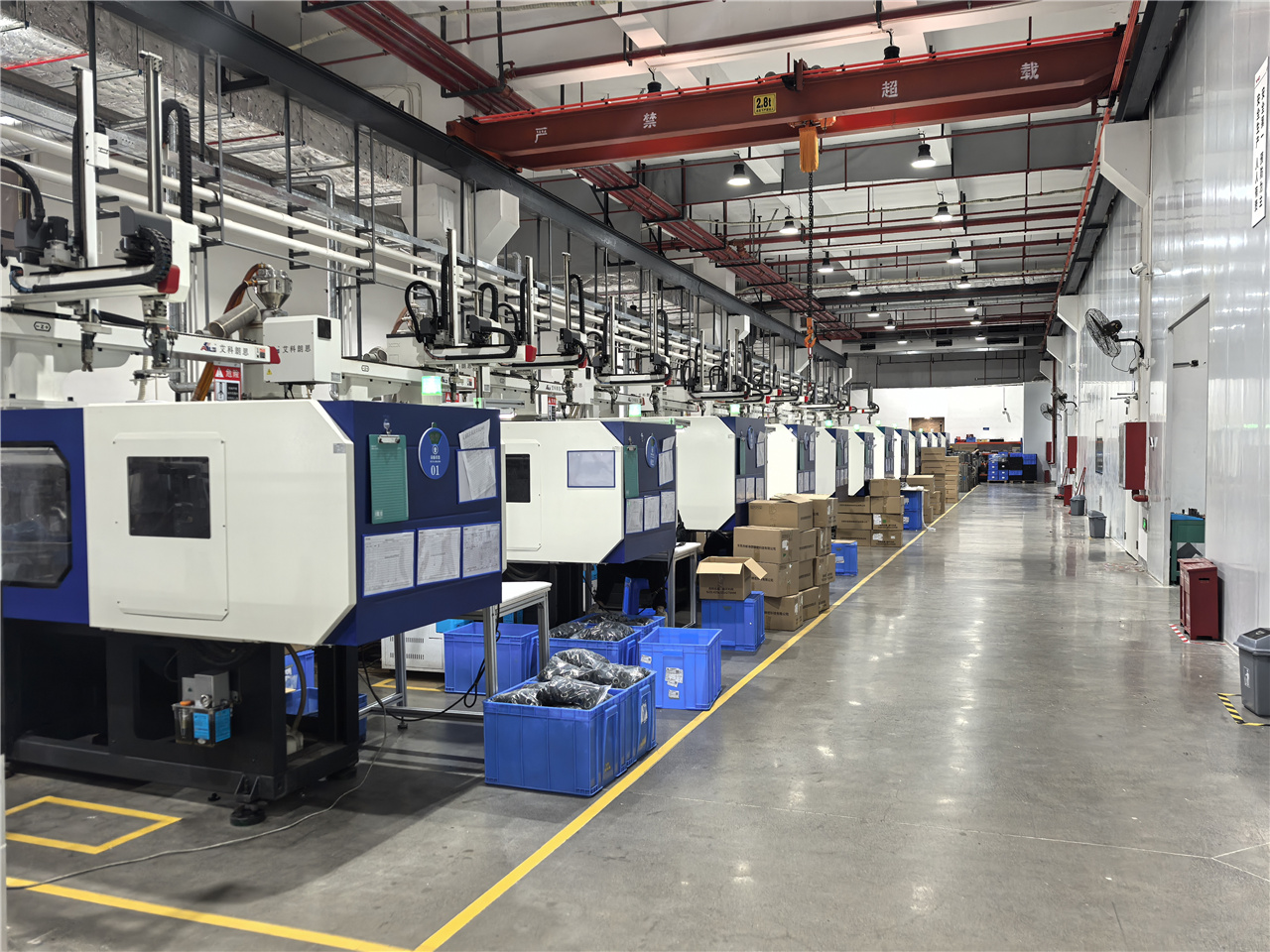
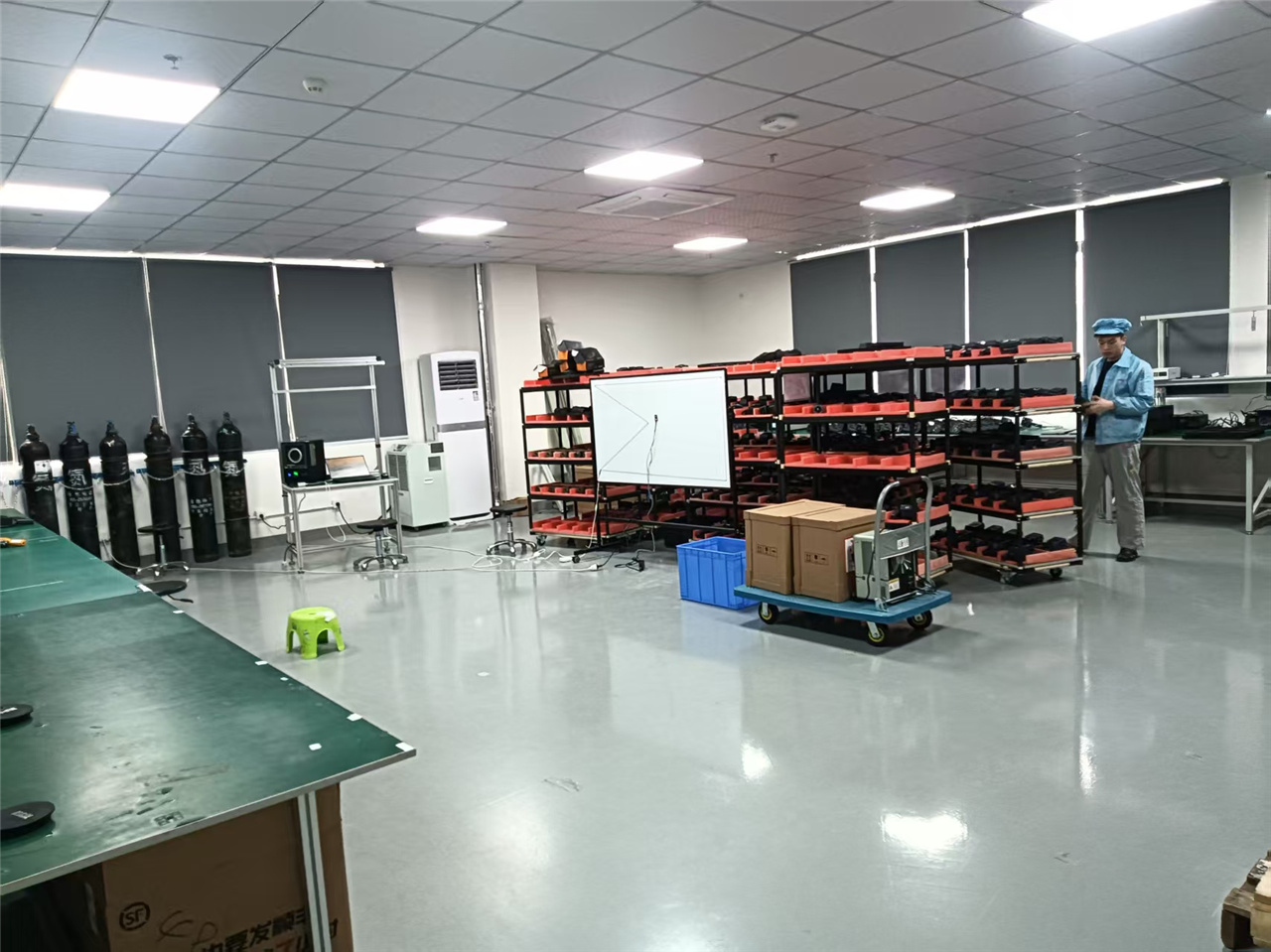
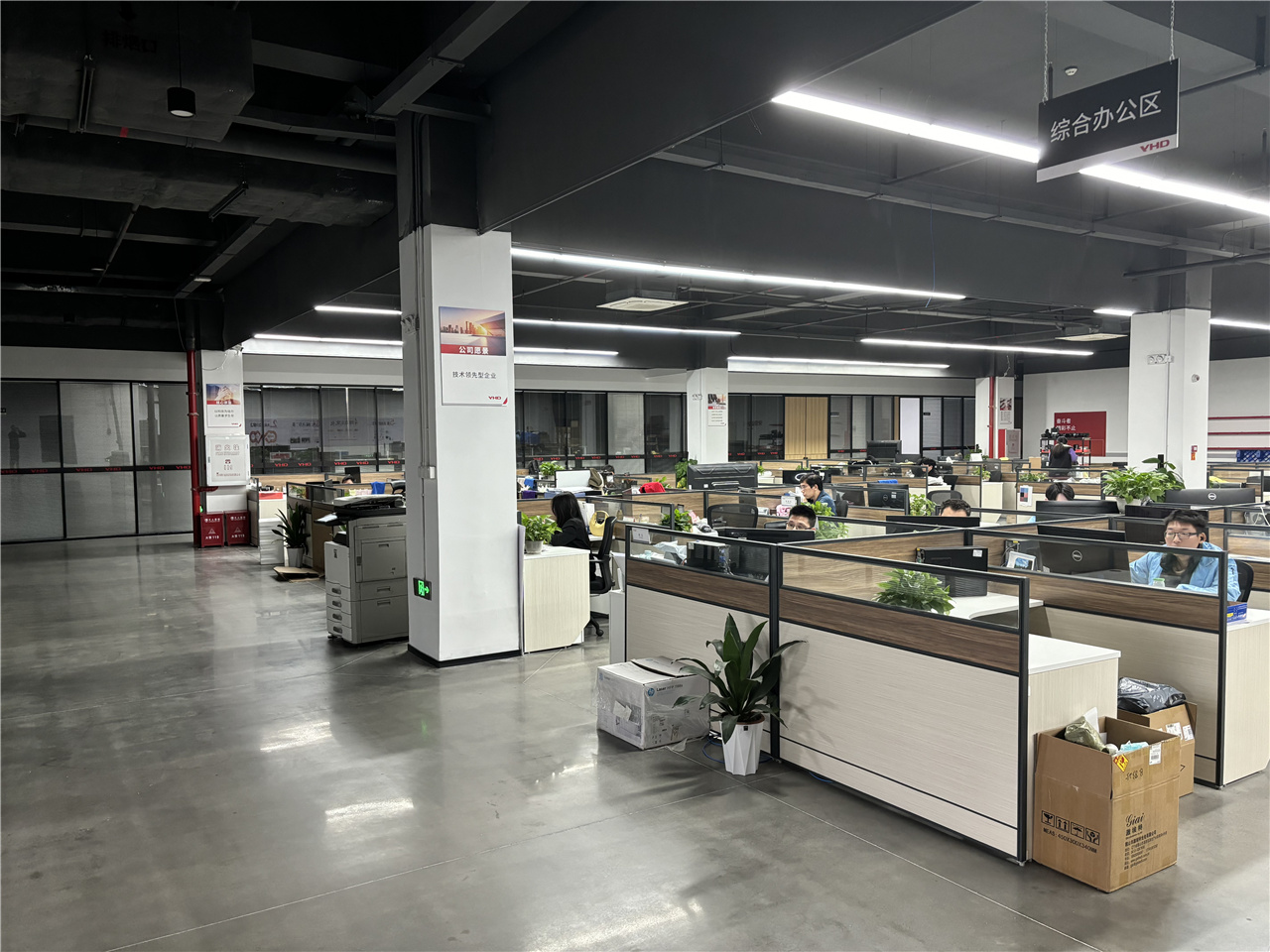
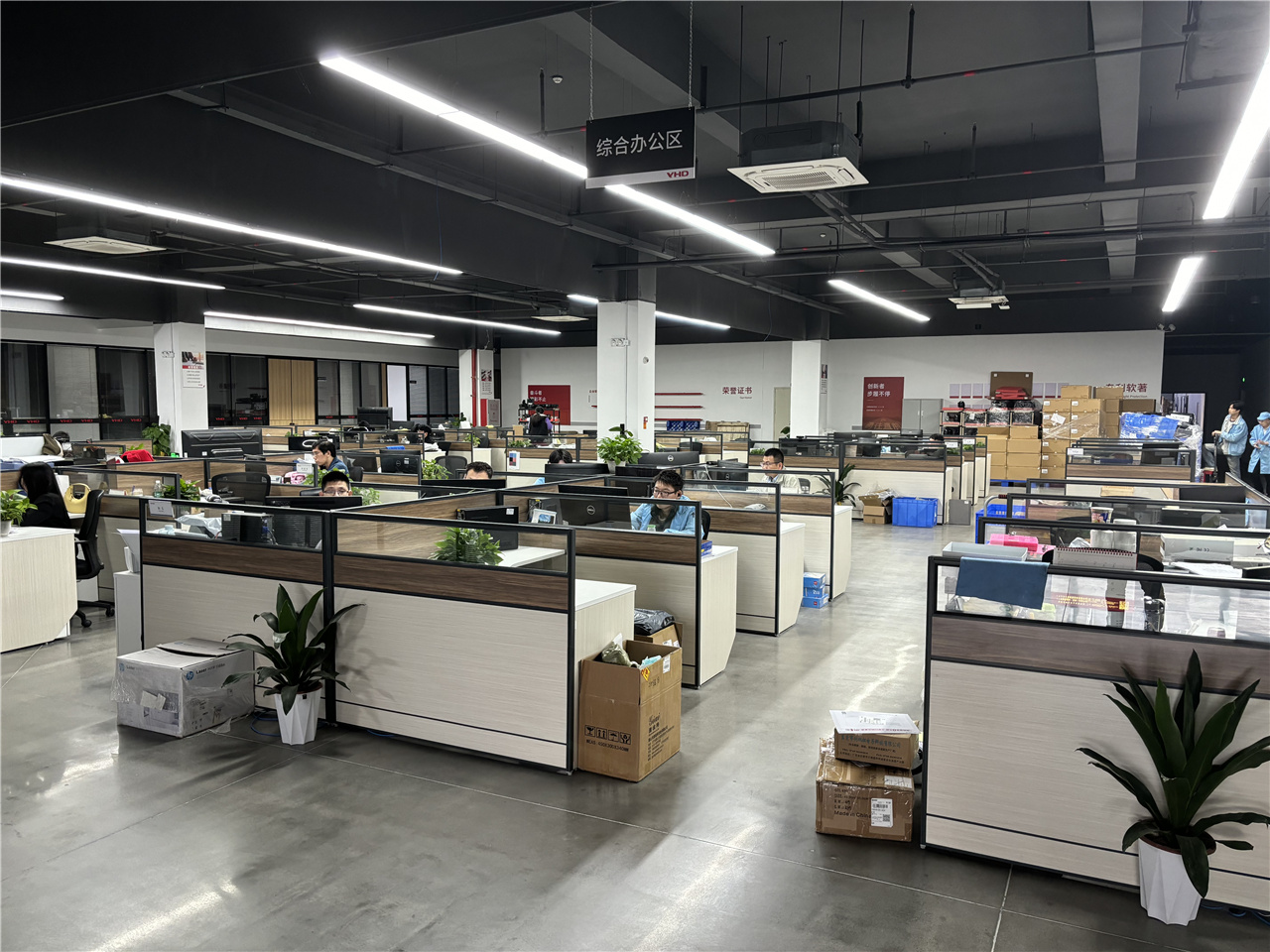
Dianyang’s infrared modules and thermal imagers are deployed across diverse sectors in New South Wales. We deliver specialized solutions tailored to regional operational demands:
Under Australia’s intense summer heat, electrical networks undergo significant thermal stress. Our thermal imaging modules are integrated into automated pan-tilt monitoring stations along Sydney's power transmission corridors. Systems embedded with our DP-38D cores detect abnormal resistance heating in real-time, sending immediate alerts to utility network operation centers.
Automation providers in Wetherill Park, Eastern Creek, and Parramatta utilize Dianyang OEM radiometric camera modules for automated quality control. From plastic extrusion mold monitoring to automated PCB hot-spot verification, our high-frame-rate modules prevent defective outputs while reducing waste.
Sydney energy auditors rely on portable and mobile-connected thermal imagers like the H1FB and H2FB series to pinpoint thermal bridging, air leakage, and wet insulation. These compact modules transform standard smart devices into high-resolution thermography tools compliant with Australian building codes.
Naval and commercial marine operators require vision systems capable of penetrating dense fog, smoke, and zero-light conditions. Dianyang’s high-sensitivity LWIR modules serve as the core payload for marine surveillance cameras protecting Sydney Harbour and Port Botany shipping channels.
As thermal imaging transitions from specialized inspection tools to pervasive edge sensors, Shenzhen Dianyang Technology is leading technological innovations across three pivotal vectors:
Embedding Deep Learning processing directly onto the thermal module’s internal ISP board. This allows real-time onboard object classification (human, vehicle, flame, machinery thermal signature) without requiring external computing hardware.
Advancing microbolometer manufacturing via WLP technology to cut module volume by 40% and drastically reduce unit cost, unlocking ultra-compact thermal integration into commercial IoT products.
Enhancing our bi-spectrum image fusion algorithms to blend visible detail with thermal radiometric channels dynamically, providing crisp visual context in daylight or complete darkness.
Explore our broader portfolio of thermal cameras, compact smartphone imagers, and OEM modules available with factory-direct supply, OEM customization, and localized support for Australian customers.
Find precise technical answers regarding import compliance, SDK integration, and OEM thermal core customization for Australian businesses.
Our thermal core modules and finished imagers are manufactured under ISO9001 certified environments and hold international CE, FCC, RoHS, and UKCA certifications. For Australian deployment, our components facilitate easy RCM (Regulatory Compliance Mark) compliance, ensuring compliance with AS/NZS CISPR standards for electromagnetic compatibility.
Yes. We provide full-featured C/C++, Python, and Android/Linux SDKs alongside comprehensive API documentation. Our engineering support team assists Australian integrators in streaming raw radiometric frame data, setting automated alarm thresholds, and configuring custom color palettes within custom software.
Standard prototype samples are dispatched within 3 to 7 business days via express air freight (DHL/FedEx) direct to Sydney. Custom OEM orders requiring modified optical mounting brackets, specific lens focal lengths, or firmware tweaks typically complete within 3 to 4 weeks depending on production batch volumes.
Being part of a publicly listed company guarantees long-term supply stability, stringent financial transparency, robust IP protection, and access to capital for continuous R&D. Sydney enterprises can trust that their procurement line is backed by established global manufacturing infrastructure.
For general building diagnostics and low-voltage electrical panels, 120x90 or 256x192 resolution modules (such as the DP-25 series) deliver optimal cost-to-performance. For high-voltage substations, distant overhead lines, or detailed R&D thermography, we recommend 384x288 or higher resolution cores with sub-30mK NETD sensitivity (such as our DP-38D series).
Our thermal modules undergo strict high-and-low temperature chamber testing (-40°C to +70°C storage, -20°C to +50°C operational) and humidity resistance testing. Enclosed thermal cameras feature IP65/IP67 weatherproofing ratings, and optics feature specialized DLC anti-reflective coatings to resist harsh UV rays and salty coastal ambient conditions.
Whether you require custom infrared cores for robotics, high-volume handheld imagers, or localized technical support in Sydney, Dianyang delivers industry-leading reliability.
Send Inquiry Now Dianyang