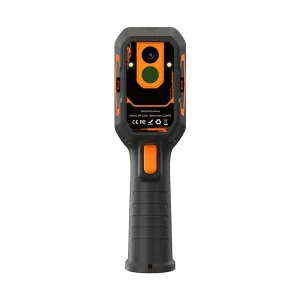
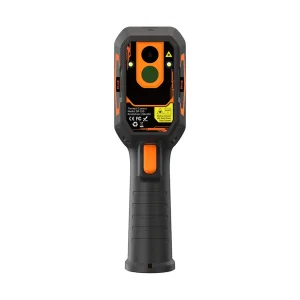
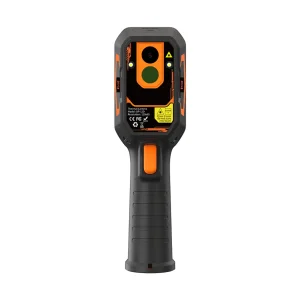
High-Precision Infrared Radiometric Imagers Engineered for Canadian Industrial Infrastructure & Cold-Climate Performance
Navigating Harsh Environments, Strict Energy Efficiency Audits, and Critical Power Infrastructure Monitoring Across Canada
Canada’s geographical climate introduces extreme operational parameters for predictive maintenance thermography. With ambient winter temperatures frequently plunging below -40°C in Northern Alberta, Saskatchewan, and Quebec, standard off-the-shelf microbolometer sensors suffer severe baseline thermal drift, lens fogging, and measurement inaccuracy.
Professional thermal imaging suppliers serving Canadian enterprises must deploy advanced real-time temperature compensation algorithms. Uncooled focal plane detectors require custom temperature correction matrixes to maintain precision accurate to within ±2°C or ±2% under sudden thermal shocks experienced during indoor-to-outdoor transitions in building diagnostics and electrical grid audits.
Canada’s vast electrical power transmission networks—managed by regional giants like Hydro-Québec, Hydro One, and BC Hydro—rely heavily on long-range thermal inspection to prevent catastrophic outages. High-voltage transformers, sub-station bushings, and distribution lines are subject to intense electrical friction and thermal overload.
By implementing high-resolution uncooled VOx sensors (such as 384x288 and 640x512 formats) paired with narrow field-of-view (FOV) telephoto lenses, maintenance teams can identify micro-Ohm contact resistance anomalies from safe distances outside flash-hazard zones, conforming strictly to CSA Z462 workplace electrical safety guidelines.
Information Gain Key Insight: Infrared cameras imported into Canada for industrial preventive maintenance (PdM) must combine high thermal sensitivity (NETD < 35mK) with dynamic spectral blending (dual-light fusion) to enable instant visual pinpointing of thermal anomalies against cold background radiation.
Delivering Tailored Thermographic Analysis from Oil Sands Refineries to Passive House Building Envelopes
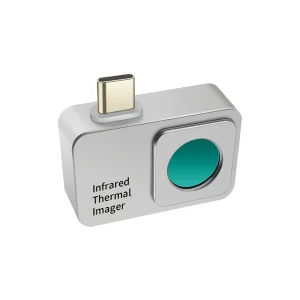
With Canada enforcing rigorous National Energy Codes for Buildings (NECB) and Net-Zero building targets, thermal imaging is mandatory for detecting insulation voids, structural thermal bridges, and exfiltration heat loss in extreme winter conditions. Compact mobile phone thermal attachments (such as the H2FB and H1FB series) empower HVAC contractors and home inspectors to deliver instantaneous radiometric evidence to clients.
In heavy industrial processing, such as refineries in Fort McMurray and Sarnia, hazardous gas leaks, refractory lining degradation, and steam trap failures represent massive energy waste and safety hazards. Wide-temperature range handheld imagers (capable of measuring up to 1200°C) provide non-contact thermal mapping of high-temperature cracking towers, boilers, and underground steam transport lines.
Canada’s deep-pit and underground mining facilities in Ontario and British Columbia operate heavy haul trucks and crushing equipment under continuous mechanical stress. Thermal imagers inspect hydraulic systems, brake assembly friction, bearings, and conveyor belt rollers to prevent operational seizures and catastrophic underground vehicle fires.
Architectural Evolution of Infrared Hardware, Edge AI Image Fusion, and Cloud Radiometric Analytics
Transitioning from standard 17µm to ultra-fine 12µm VOx sensor architecture allows higher spatial resolution (IFOV) in compact form factors. Lower NETD values (< 20mK) enable detection of subtle temperature variances invisible to legacy thermal cameras, critical for early-stage electronics board repair and micro-leak detection.
Integrating high-definition visible light cameras (up to 8MP) with infrared radiometric cores allows real-time edge detail overlay. Inspectors no longer struggle with blurry infrared blobs; sharp physical contours are merged live onto thermal heatmaps for instantaneous defect identification.
On-device neural network processing automatically identifies thermal patterns associated with motor bearing failure, phase imbalance, or roof moisture ingress. AI algorithms filter out solar reflections and environmental noise, cutting report generation time by over 70%.
Direct Wi-Fi / 5G streaming of radiometric thermal video to cloud diagnostics platforms allows centralized engineering teams in Toronto or Vancouver to remotely guide field technicians operating in remote regions of the Northwest Territories.
Evaluating core specifications required for Canadian industrial standards vs traditional entry-level thermal devices.
120x90 (Entry level) | 256x192 (Mid-tier Professional) | 384x288 & 640x512 (High-End Enterprise)
8 to 14 µm (LWIR - Long Wave Infrared)
Standard: -20°C to 550°C | Extended Industrial: -20°C to 1200°C
Full radiometric JPG, CSV matrix, live thermal video stream via USB Type-C & PC Analysis Software
Leveraging Shenzhen Precision Optoelectronic Ecosystem for Maximum Quality Control and Competitive Edge
As Canadian distributors and B2B brand owners look to streamline procurement costs without sacrificing performance, direct partnership with established Chinese manufacturers provides unmatched strategic advantages. Shenzhen Dianyang Technology Co., Ltd. operates as a key subsidiary of VHD (Shenzhen VHD Technology Co., Ltd.), a publicly listed enterprise on the Shenzhen Stock Exchange.
This public parentage grants Dianyang deep capital backing, advanced optoelectronic R&D infrastructure, and enterprise-grade quality management protocols far superior to small-scale regional assemblers or unverified trading vendors.
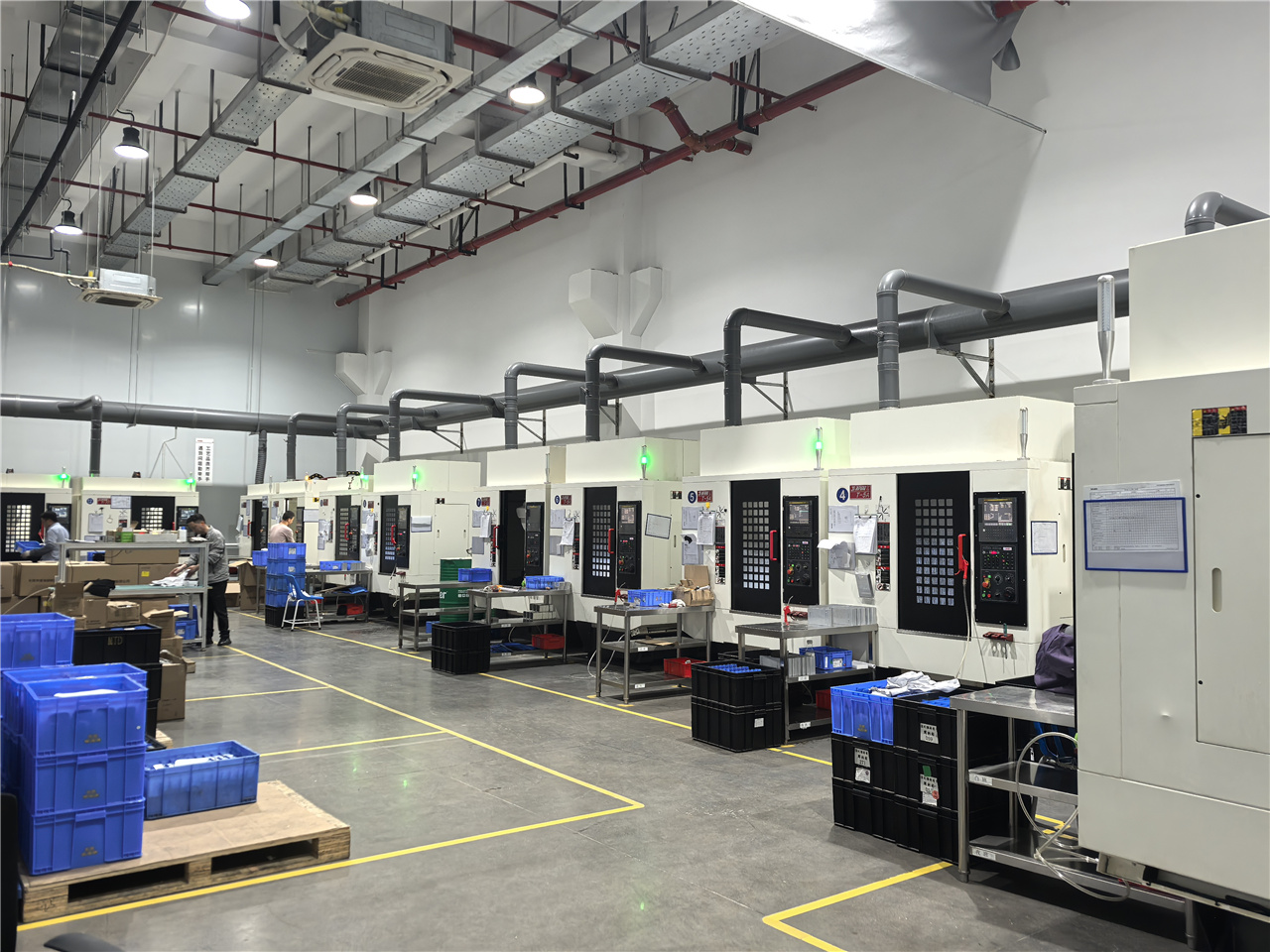
Dianyang’s engineering team executes thorough DFM and Design for Testability (DFT) evaluations prior to mass production. PCB layout optimizations, thermal dissipation simulation, and optical calibration ensure high production yield and product long-term stability.
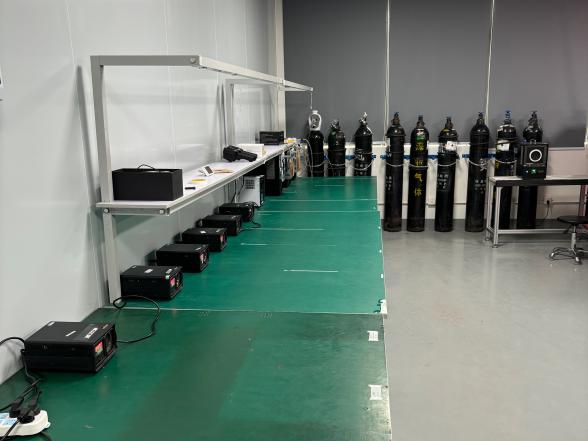
Every product batch undergoes thermal chamber cycling (-30°C to +70°C), vibration drop testing, and internal Electromagnetic Compatibility (EMC) pre-compliance screening to ensure seamless global regulatory approvals.
Dianyang supports complete compliance documentation for global market entry, including CE, FCC, RoHS, REACH, CB, UKCA, KC, and PSE certifications, easing customs clearance into the Canadian and North American markets.
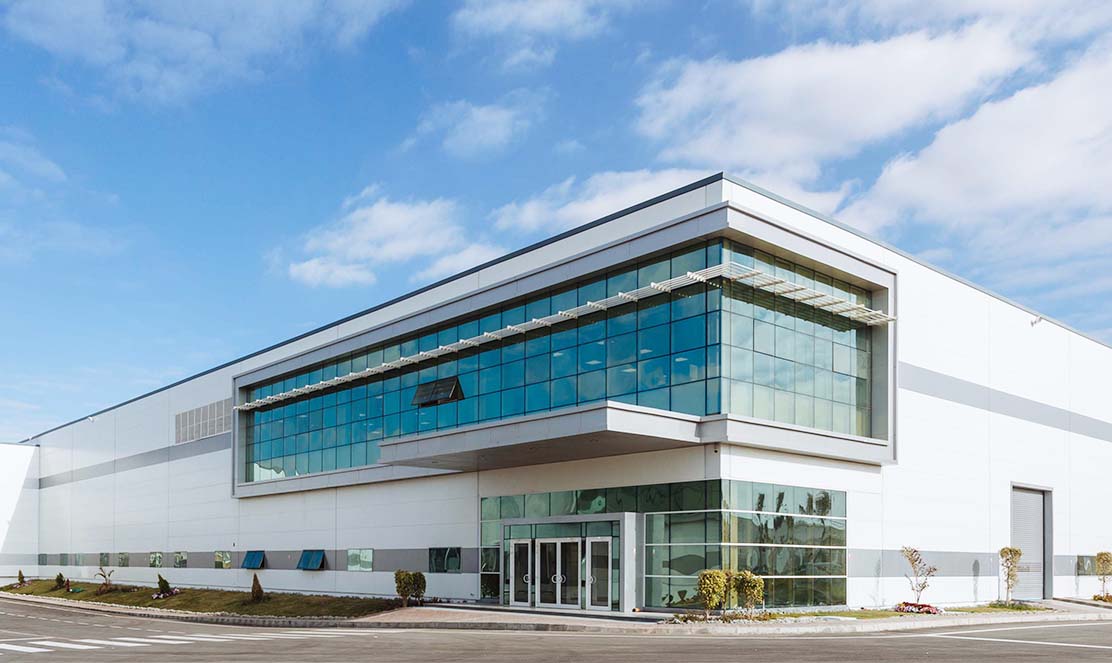
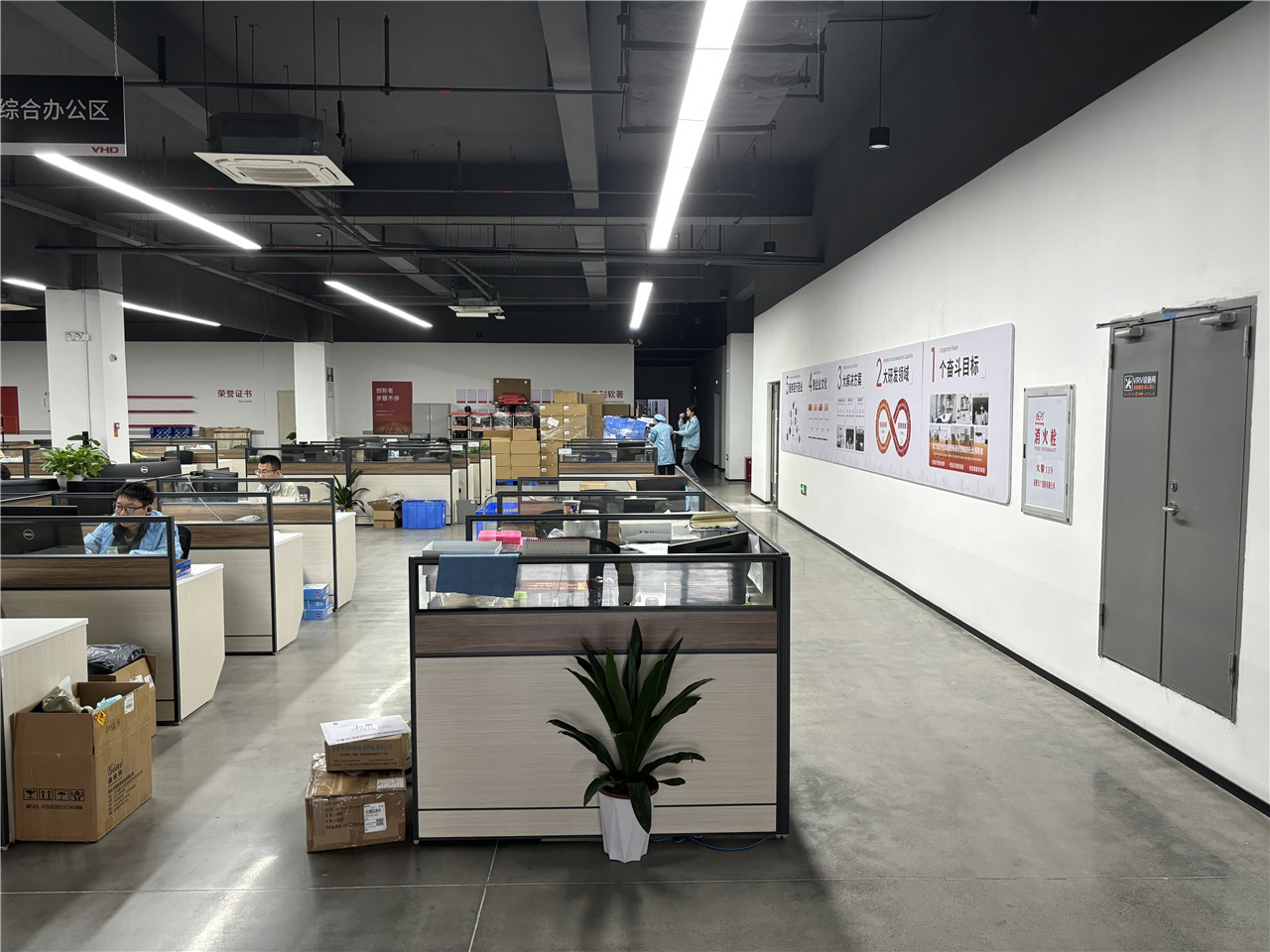
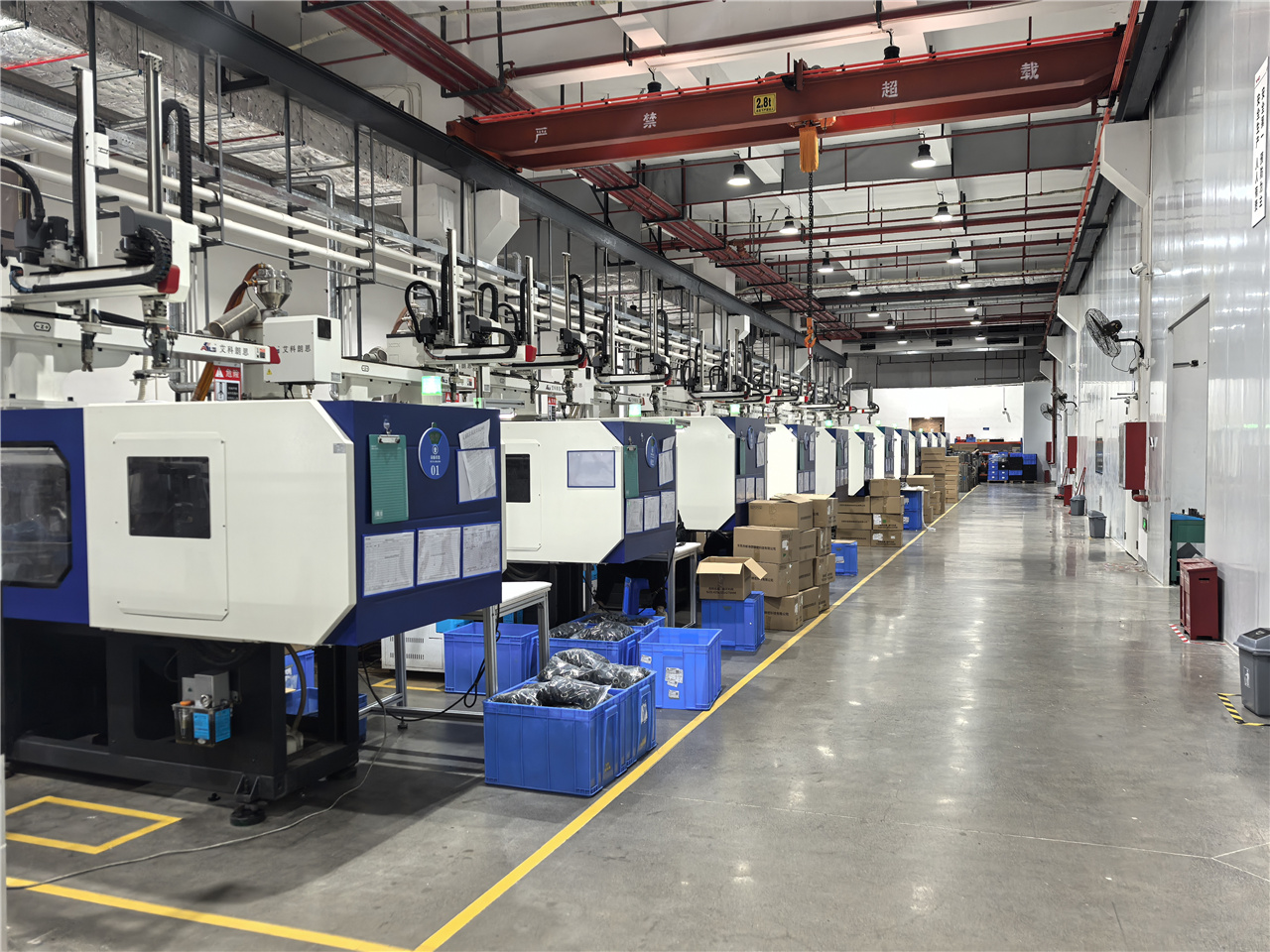
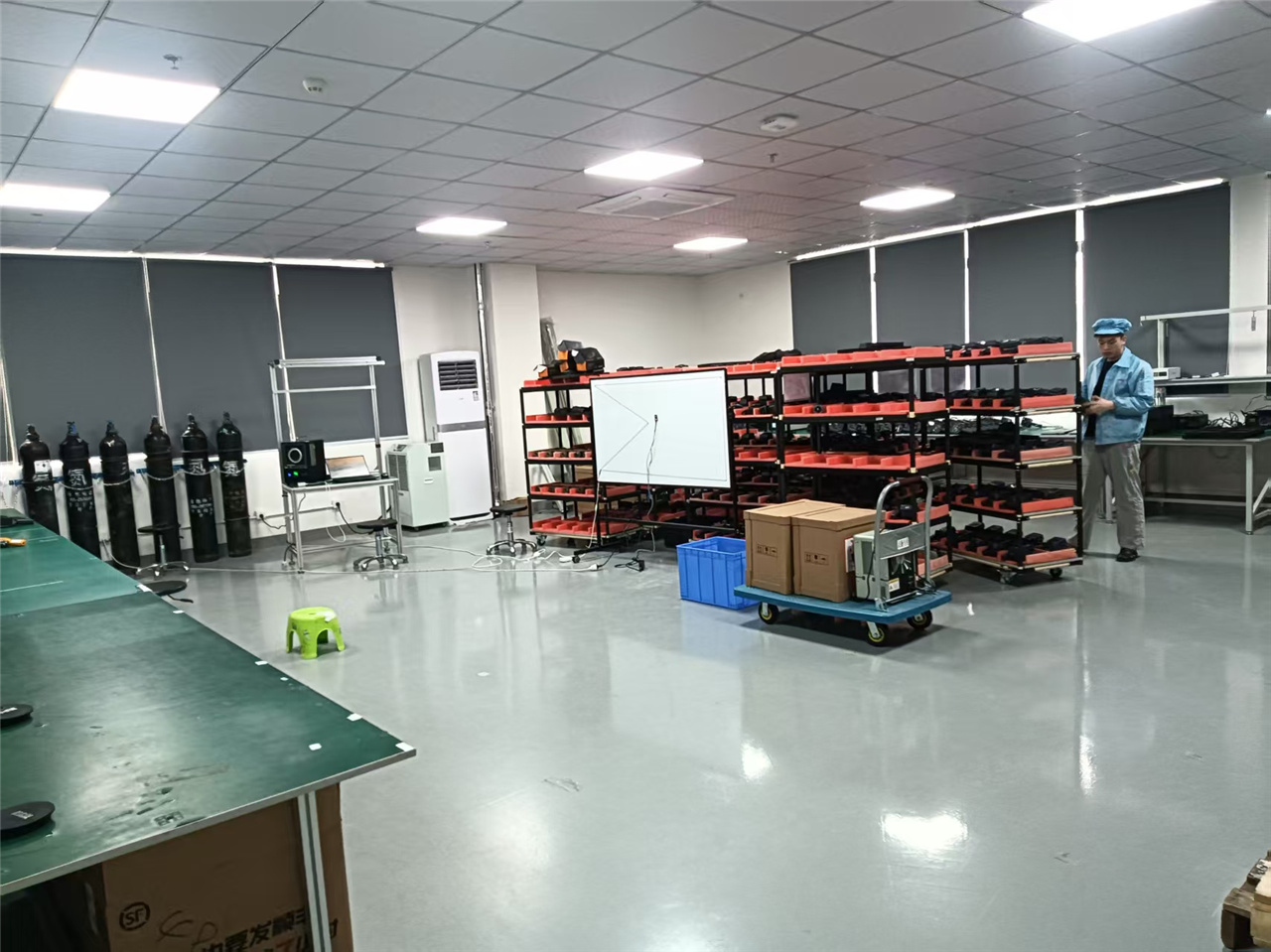
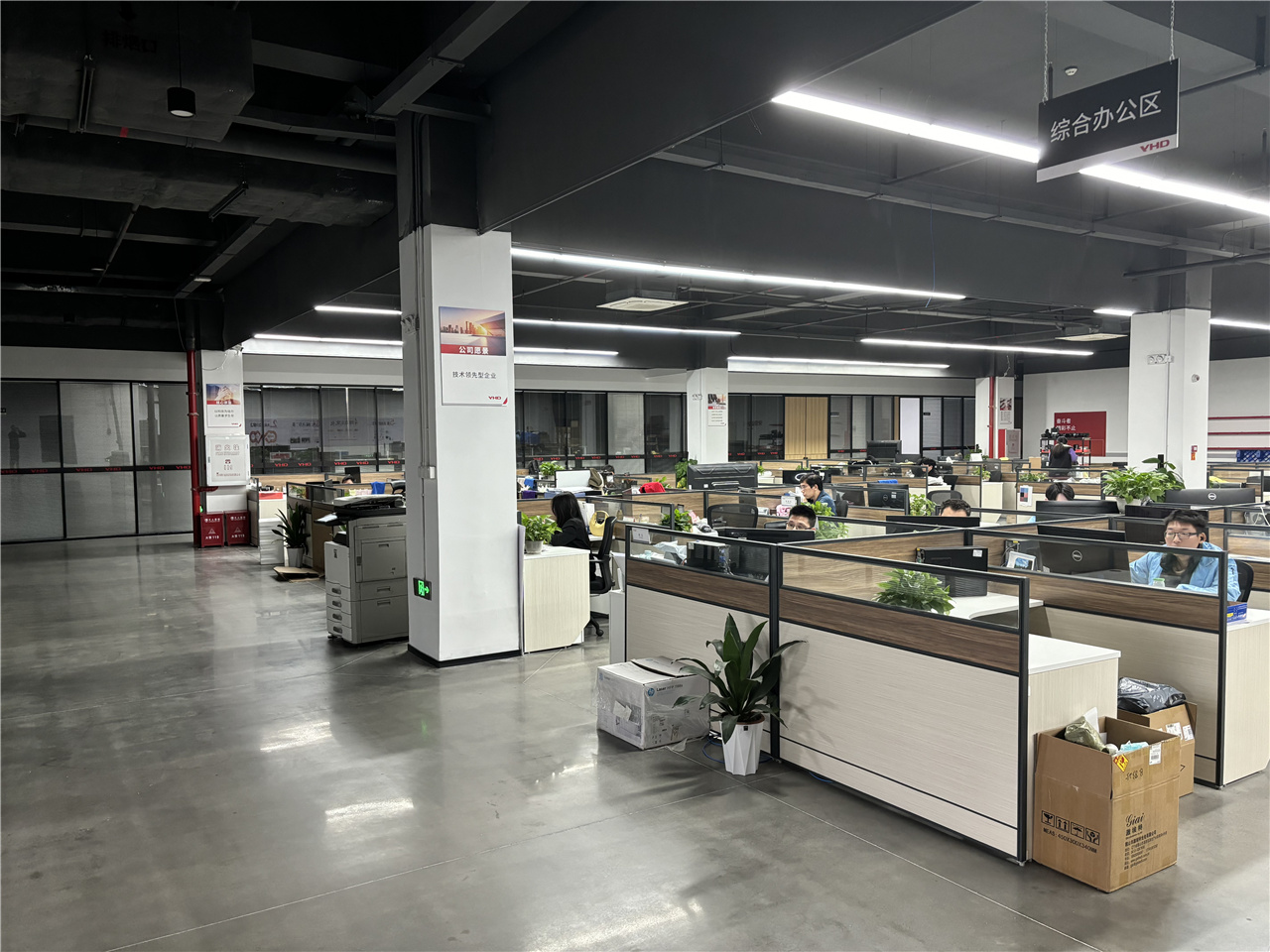
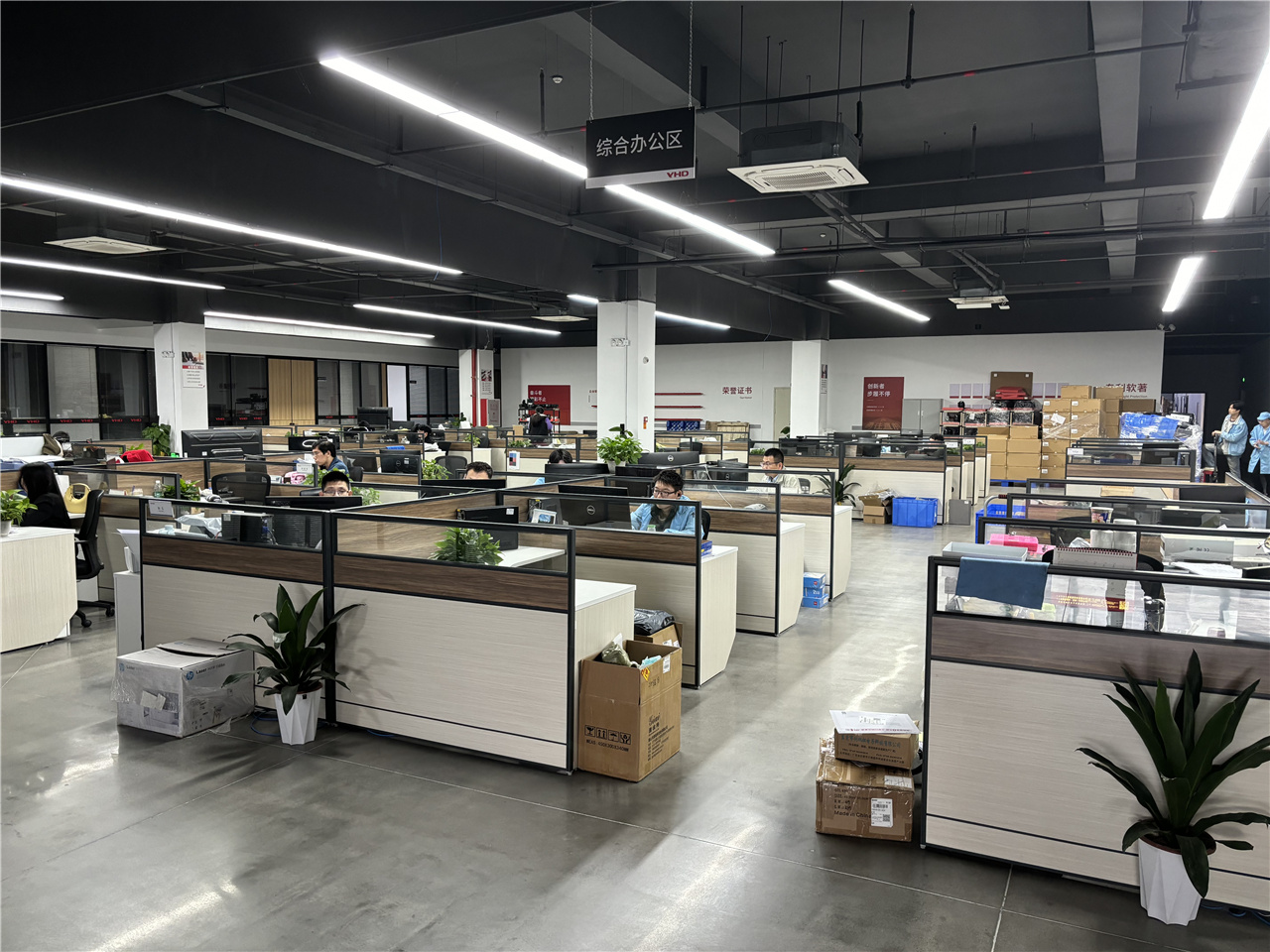
A look inside our state-of-the-art manufacturing lines, automated surface-mount technology (SMT) suites, and optical calibration blackbody labs:
Bridging Overseas Supply Chain Agility with On-the-Ground North American Market Requirements
The global thermal imaging market is undergoing a major shift. Historically dominated by legacy Western brands with high pricing markups and slow product refresh cycles, modern industrial buyers in Canada are increasingly turning to direct OEM/ODM manufacturers in China.
By leveraging integrated semiconductor supply chains and scaled production in Shenzhen, Dianyang provides high-resolution thermographic instruments at a fraction of traditional capital expenditure—without compromising on NETD accuracy, ruggedness, or analytical software capabilities.
Entering the Canadian commercial market requires strict alignment with local safety and technical regulations. Dianyang products are engineered for full compliance with:
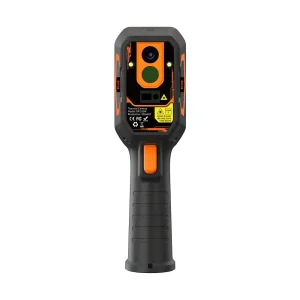
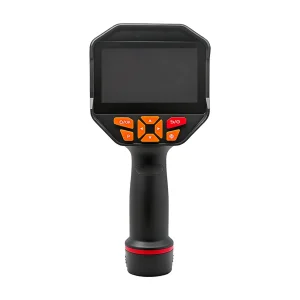
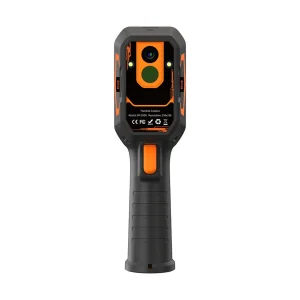
Select from Handheld, Smartphone-Connected, High-Temperature, and High-Resolution Radiometric Devices
Expert Insights into Thermal Imaging Sourcing, Technical Performance, and Compliance for the Canadian Market
 Dianyang