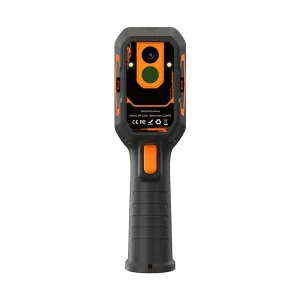
The Sultanate of Oman is undergoing a historical structural transformation powered by Oman Vision 2040. As the nation diversifies its economy beyond traditional hydrocarbon extraction into green hydrogen hubs (Duqm Special Economic Zone), massive solar PV arrays (Ibri, Manah), advanced seawater desalination infrastructure, and expanded petro-refinement facilities (Sohar and Salalah), operational uptime and asset reliability have emerged as strategic imperatives. In this harsh geographical environment—where summer ambient temperatures routinely exceed 50°C (122°F) accompanied by high solar irradiance and abrasive desert dust—conventional diagnostic tools encounter severe operational limitations.
Infrared thermal imaging technology has consequently evolved from a passive maintenance utility into a primary, non-destructive quantitative diagnostic framework. High-resolution non-cooled Vanadium Oxide (VOx) microbolometer thermal imagers provide real-time thermal gradient mapping without interrupting continuous process workflows. By capturing mid-wave and long-wave thermal radiation (8-14 µm wavelength), industrial inspectors can instantly spot localized thermal anomalies, phase imbalances in high-voltage substations, insulation breakdown in steam pipelines, and mechanical friction in heavy-duty oil extraction rigs.
Operating precision thermal sensors in Oman requires advanced algorithmic drift compensation. High ambient surroundings cause stray radiation within the camera housing, skewing temperature readouts. Shenzhen Dianyang's thermal cameras utilize dynamic multi-point calibration curves integrated with internal temperature compensation sensors to deliver reliable measurement accuracy (±2°C or ±2%) even under scorching Middle Eastern climate conditions.
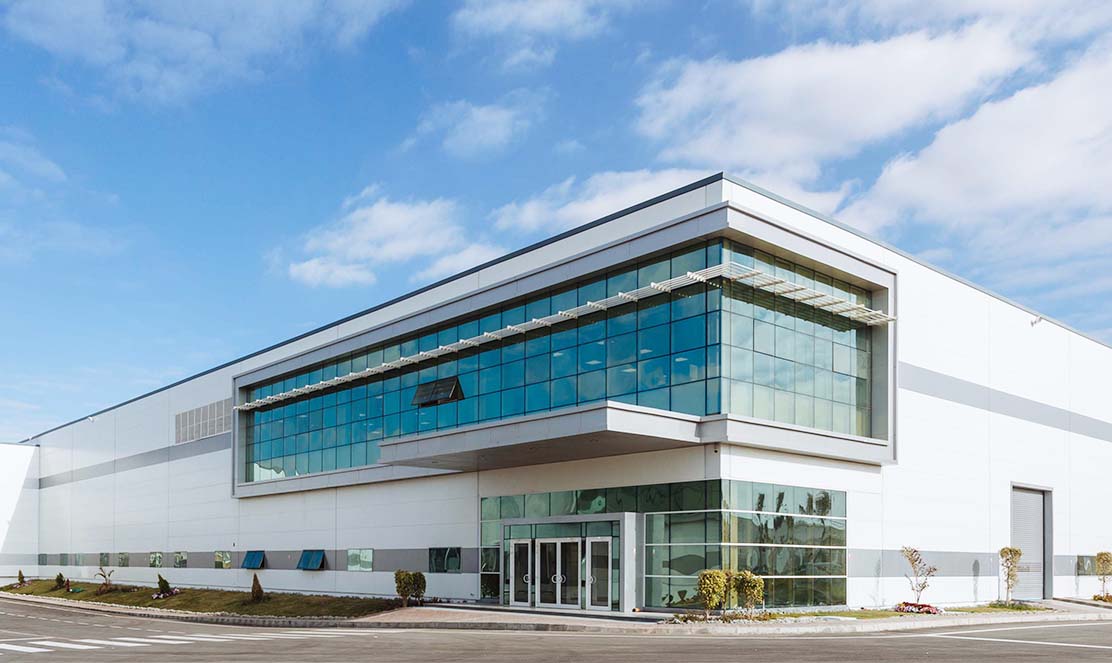
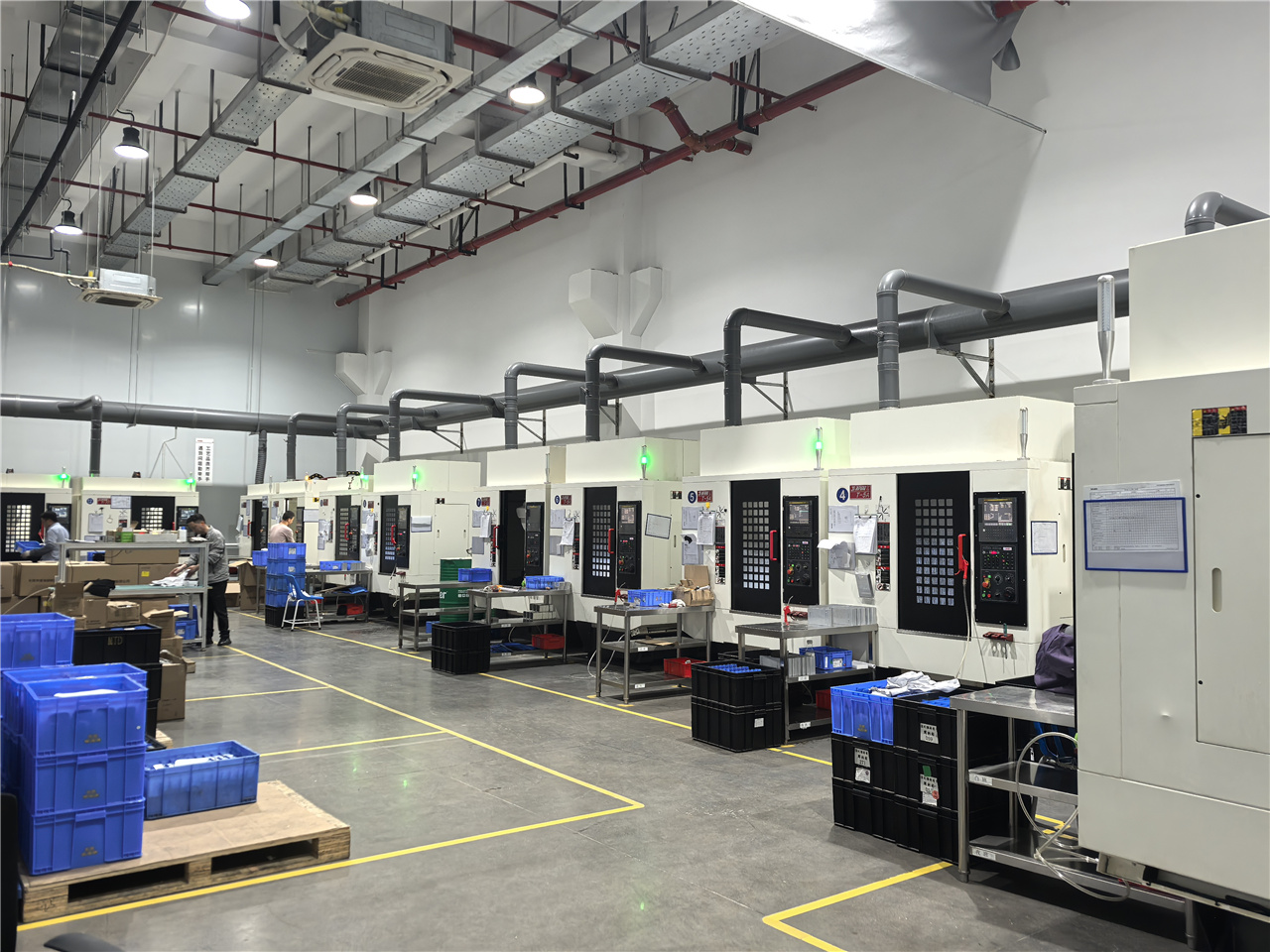
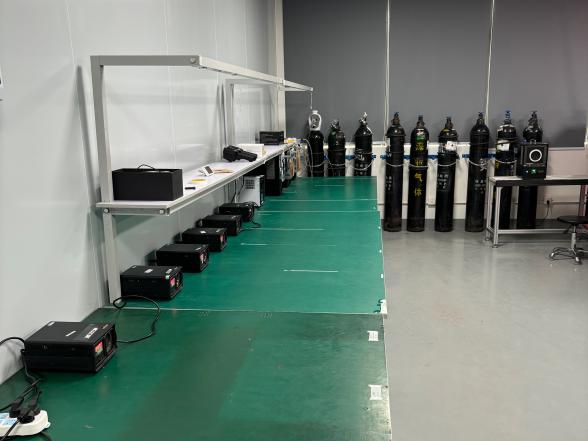
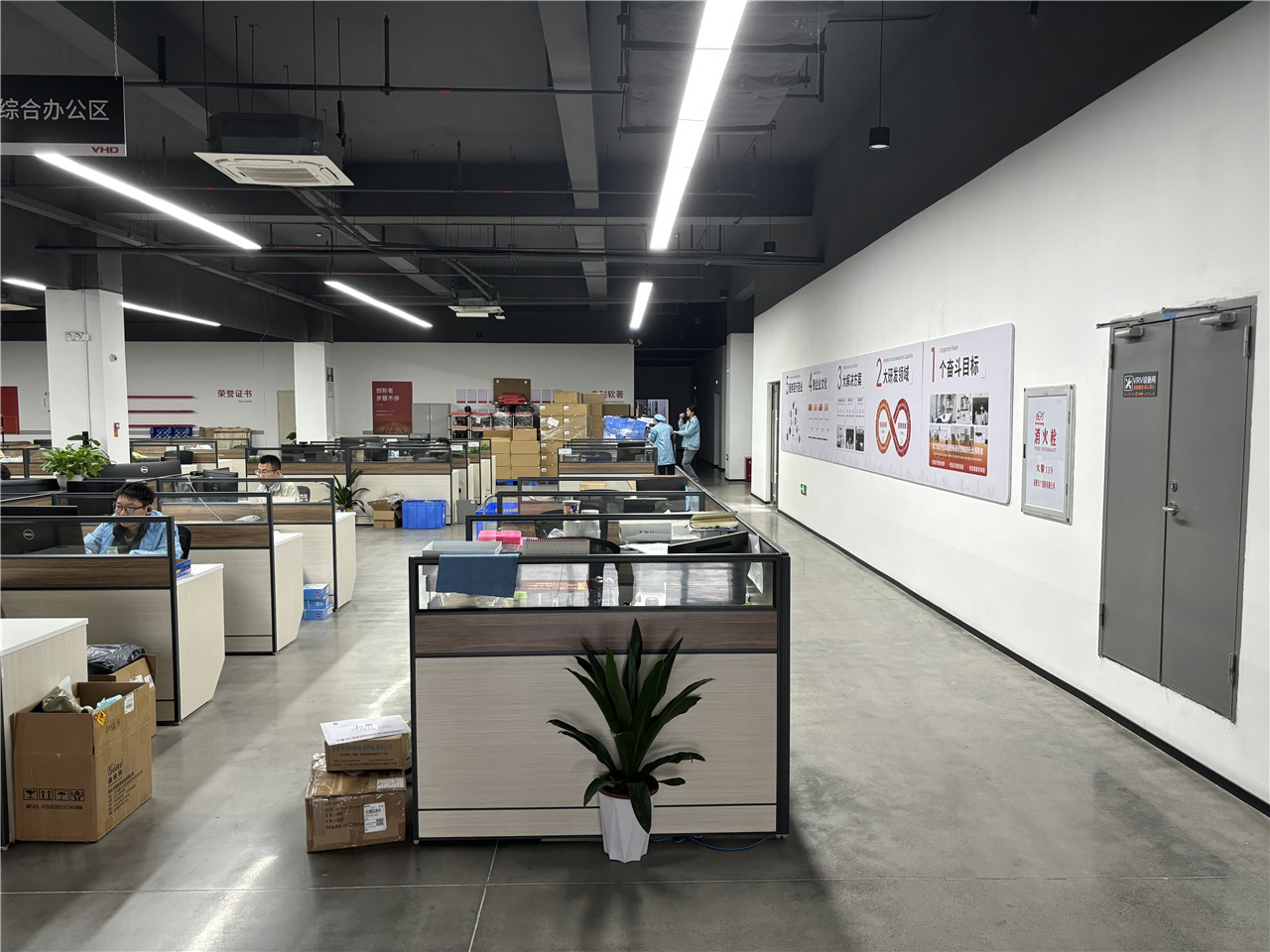
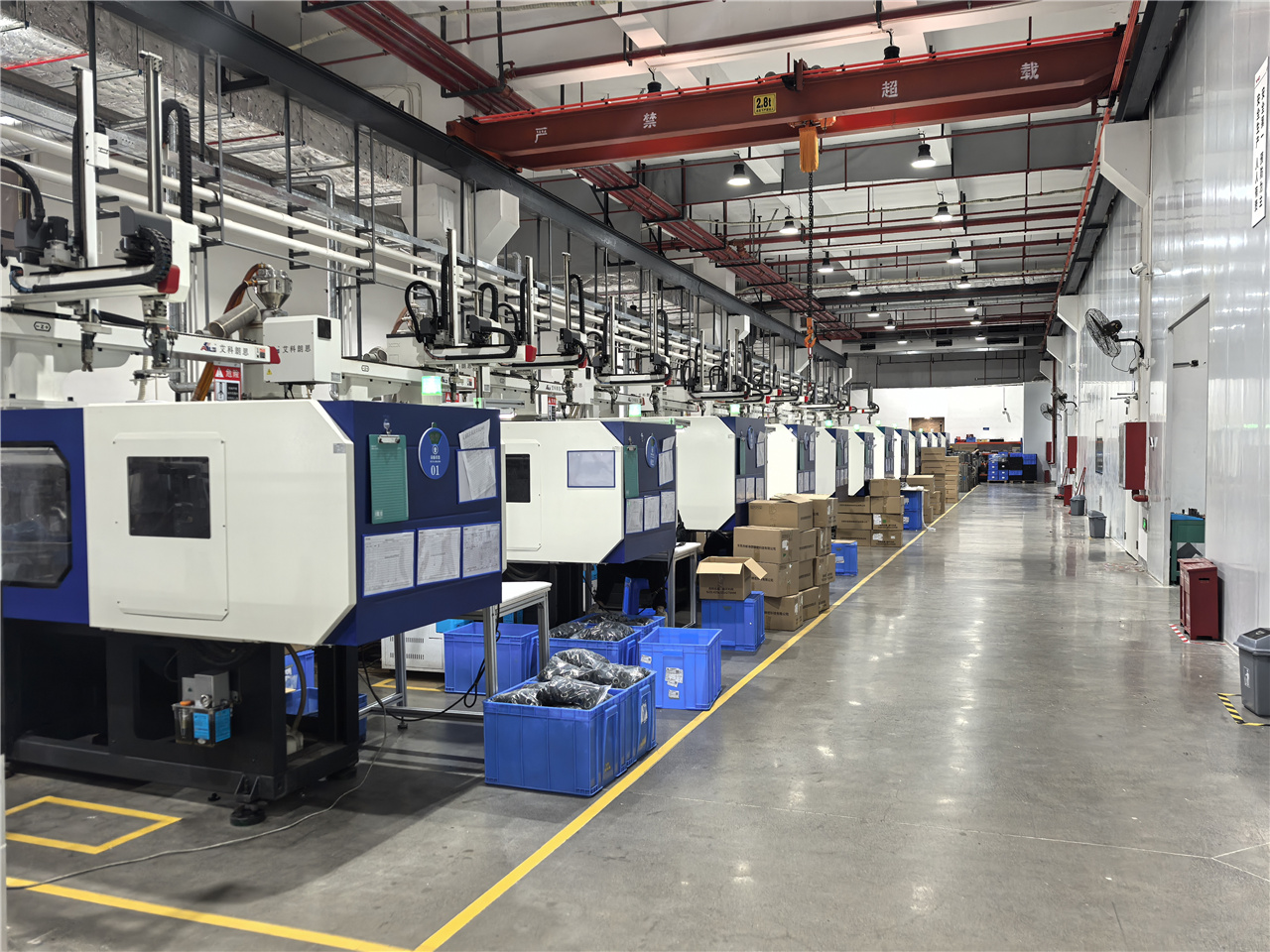
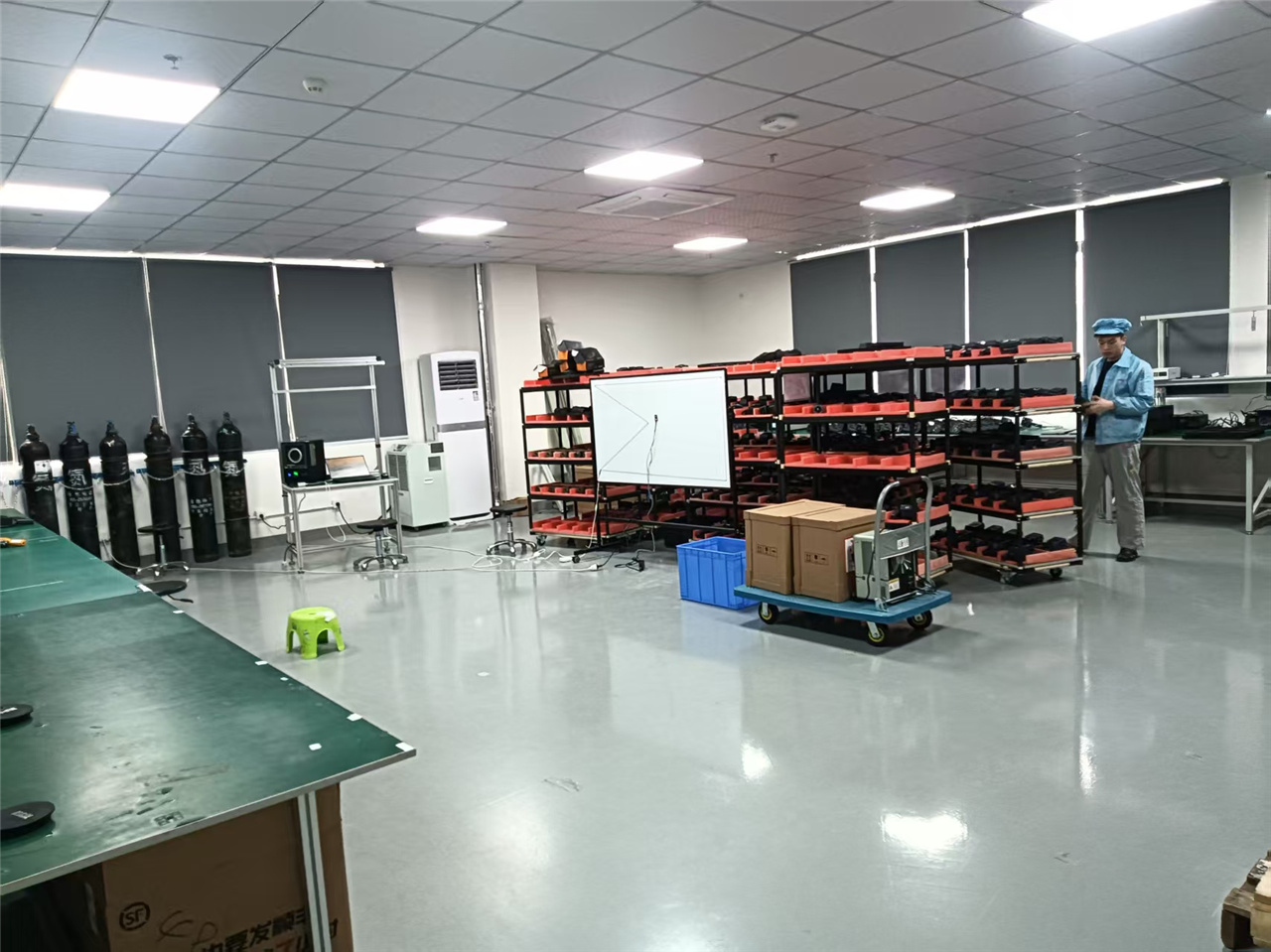
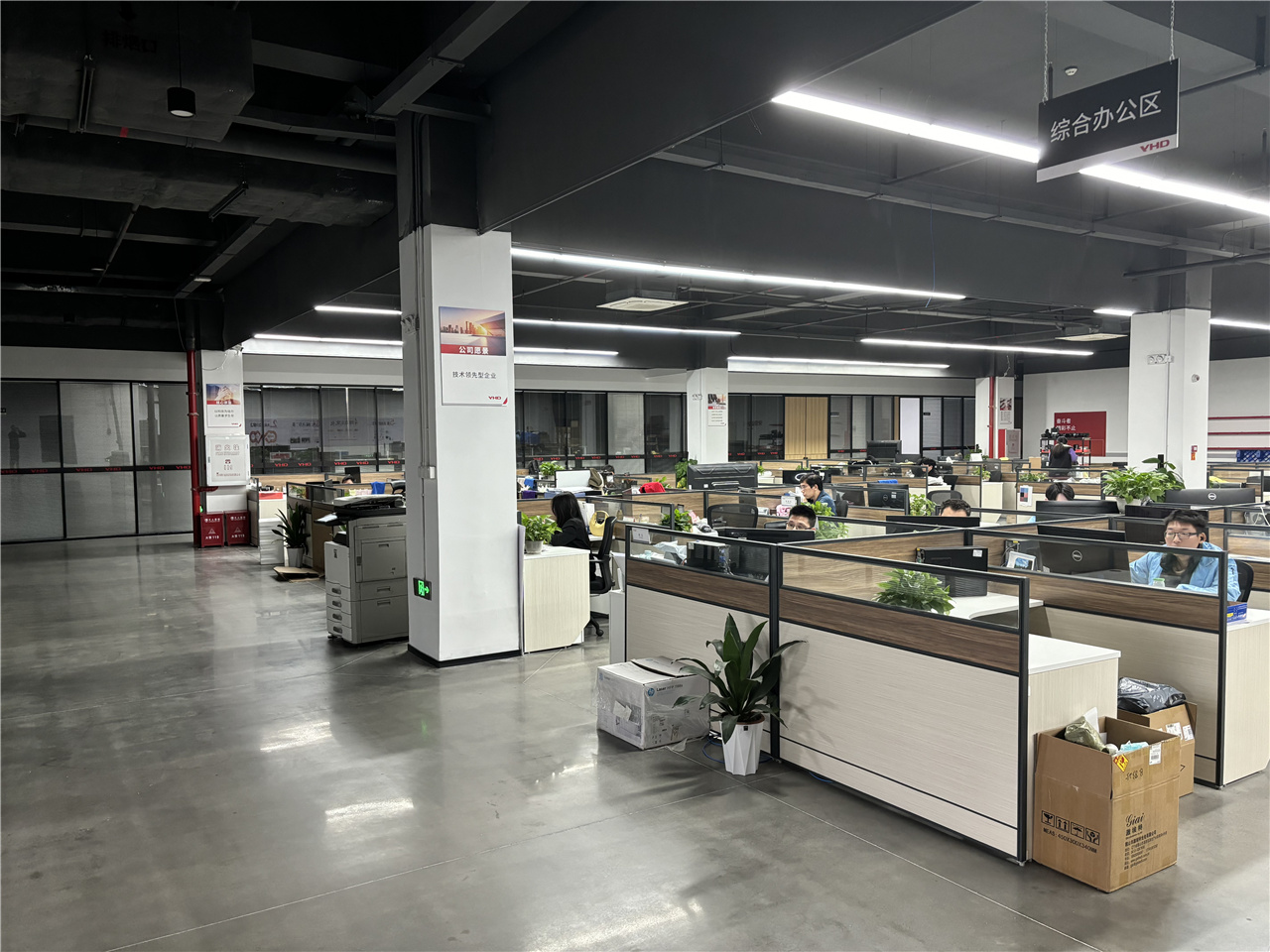
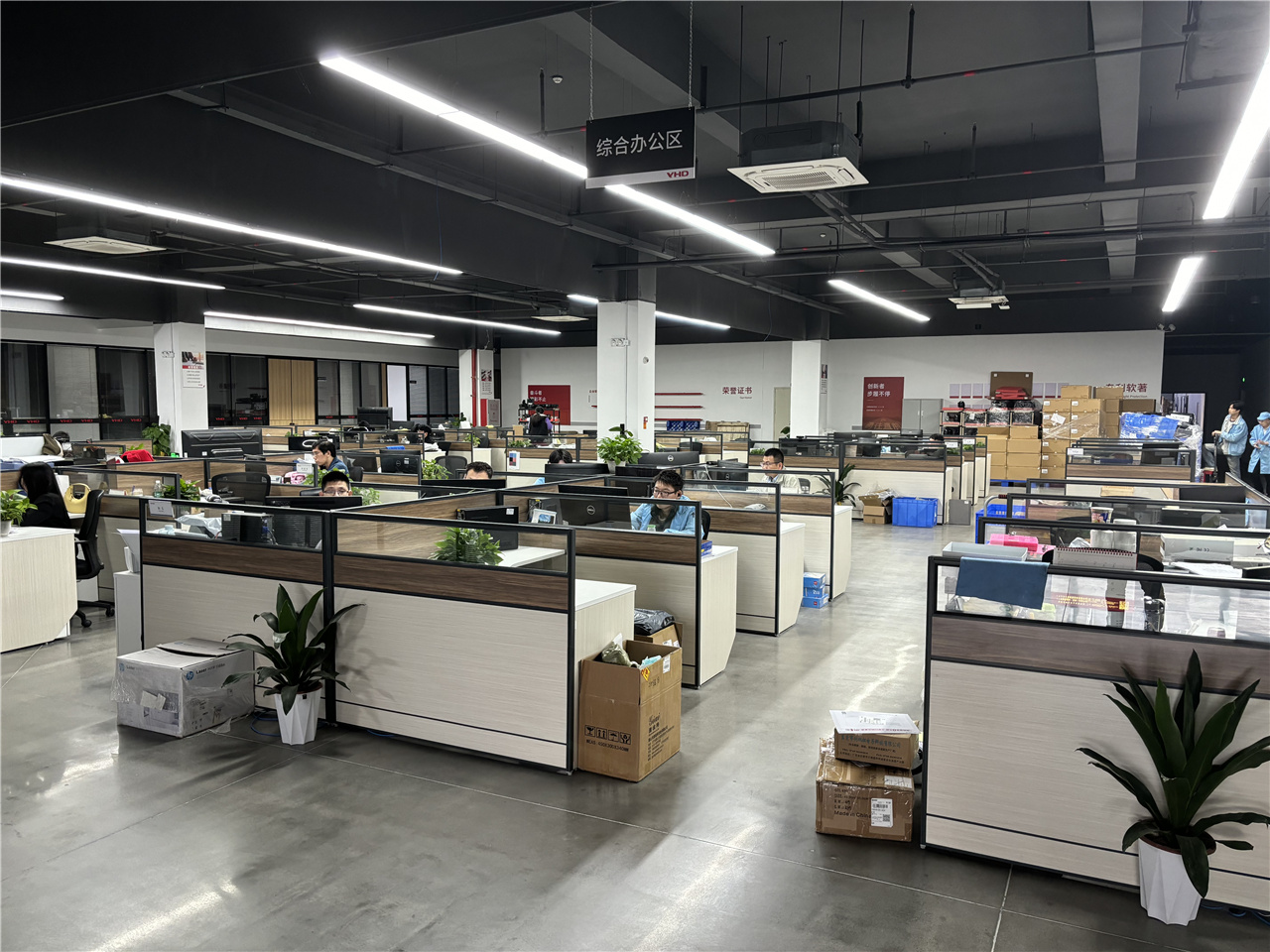
Shenzhen Dianyang Technology Co., Ltd. operates as a specialized subsidiary of VHD (Shenzhen VHD Technology Co., Ltd.), a publicly listed enterprise on the Shenzhen Stock Exchange. This strategic corporate structure grants Dianyang direct access to world-class optoelectronic R&D platforms, high-speed automated SMT production lines, advanced optical calibration darkrooms, and rigorous environmental stress screening (ESS) facilities.
Unlike standard market suppliers, Dianyang integrates full-stack development—from uncooled IR sensor integration, PCB design, lens optical optimization, and thermal algorithm programming, to customized enclosure molding. Our engineering team applies strict Design for Manufacturing (DFM), Design for Testability (DFT), thermal simulation analysis, and Electromagnetic Compatibility (EMC) pre-compliance testing. This guarantees that every device delivered to Muscat, Sohar, Salalah, or Nizwa satisfies stringent global standards.
Continuous thermal auditing of oil wellheads, crude storage tanks, distillation towers, and high-pressure gas pipelines in Marmul, Nimr, and Fahud. Detect insulation breakdown, fugitive gas emissions, and tank fluid sludge build-up before catastrophic asset failure.
Substation thermal scanning for OETC (Oman Electricity Transmission Company) and regional distribution networks. Inspect high-voltage disconnect switches, busbars, circuit breakers, and transformer bushings for loose contacts and phase overloading under extreme heat loads.
Thermal monitoring of high-capacity reverse osmosis (RO) pump motors, heat exchangers, and steam turbine generators at coastal desalination plants in Sur, Barka, and Sohar, preventing salt corrosion induced overheating.
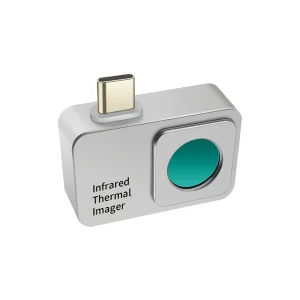
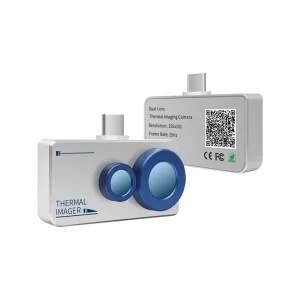
Identifying micro-cracks, bypass diode failures, and hot-spot cell anomalies in large-scale utility solar installations like Ibri Solar IPP. Mobile phone attached cameras provide rapid field technician scanning.
Detecting HVAC cooling leakage, moisture intrusion, structural insulation defects, and exterior facade thermal bridging in Muscat's commercial towers to meet Green Building energy mandates.
Providing high-contrast thermal vision for industrial fire brigades and search teams to navigate smoke-filled environments, locate hot spots within chemical storage facilities, and locate personnel.
| Series Category | Sensor Resolution | NETD Sensitivity | Temp Range Standard | Primary Oman Industry Use Case |
|---|---|---|---|---|
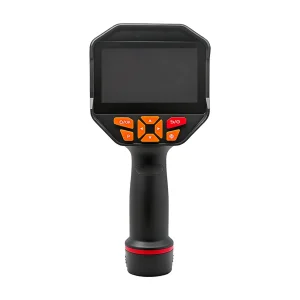
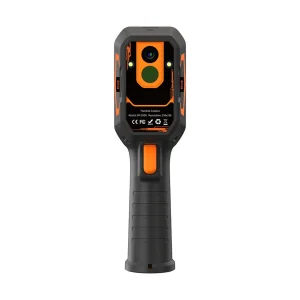
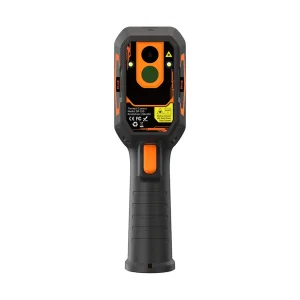
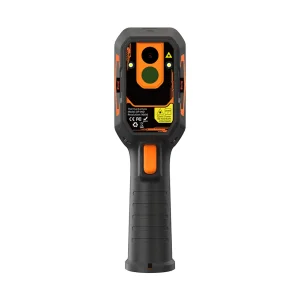
| DP-64 Professional Handheld | 640 × 512 VOx | <40 mK (@25°C) | -20°C to 550°C (Opt. 1200°C) | Oil & Gas Refineries, Substation Master Diagnostics |
| DP-38 Standard Industrial | 384 × 288 VOx | <45 mK (@25°C) | -20°C to 550°C | Manufacturing Plant Maintenance, HVAC Systems |
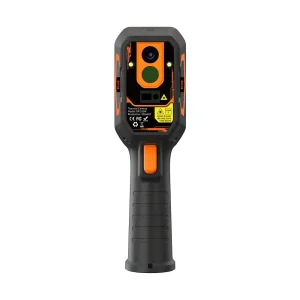
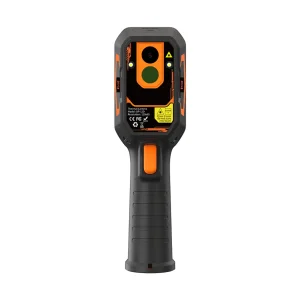
| DP-25 Dual-Light Series | 256 × 192 Micro-bolometer | <50 mK (@25°C) | -20°C to 350°C | Power Distribution Lines, Medical & Screening |
| H-Series Mobile Smartphone Module | 256×192 / 160×120 | <50 mK (@25°C) | -15°C to 200°C | Solar Panel Field Inspections, On-site Contracting |
| DP-09 Compact Entry Level | 96 × 96 / 120 × 90 | <60 mK (@25°C) | -20°C to 550°C | Quick Electrical Cabinet Auditing, Field Service Kits |
Next-generation VOx microbolometers are shrinking pixel pitch to 12μm and below. This enables higher spatial resolution on smaller sensor die sizes, resulting in lighter optical lenses and extended detection ranges for distant desert pipelines.
Integrating neural networks directly into thermal imager DSPs allows instantaneous machine-learning recognition of equipment baseline deviations, automatically categorizing hot spots into mild, serious, or critical intervention alarms.
Integration of thermal cameras onto autonomous UAV drones and fixed IoT pan-tilt mounts for remote continuous asset scanning across thousands of kilometers of Omani oil transmission lines with zero human risk.
Whether you require bulk procurement, wholesale distribution in Muscat, or custom OEM thermal module development for specialized industrial systems in Oman, our engineering team is ready to assist.
 Dianyang