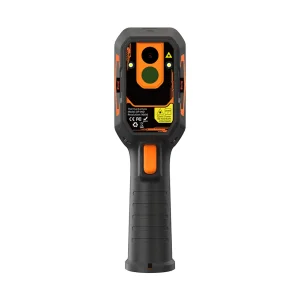
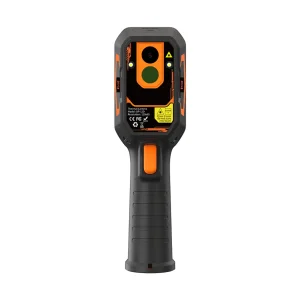
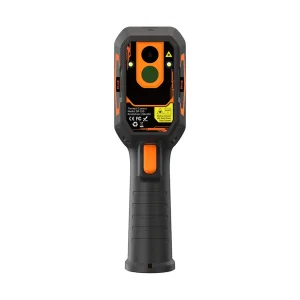
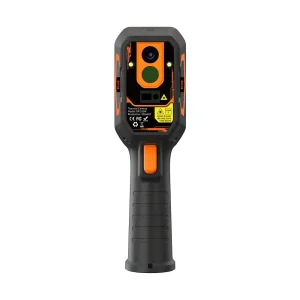
High-precision radiometric sensors tailored for tropical operational environments and heavy industrial diagnostics.
Navigating Industry 4.0, Predictive Maintenance, and High-Humidity Infrastructure Asset Protection in Southeast Asia's Largest Economy
Indonesia stands at a pivotal juncture of industrial evolution. As Southeast Asia's powerhouse nation accelerates its implementation of the "Making Indonesia 4.0" roadmap, the integration of advanced non-contact thermal diagnostics has shifted from an optional enhancement to an imperative baseline operational standard. Across primary sectors—ranging from massive nickel smelting complexes in Morowali and Weda Bay to palm oil refining facilities (PKS) in Sumatra and Kalimantan, as well as Perusahaan Listrik Negara (PLN) electrical grid expansion—the demand for reliable, high-precision handheld thermal imagers is experiencing unprecedented multi-year growth.
Thermal auditing of high-voltage transmission lines, substation transformers, and distributed micro-grids across Java, Sumatra, and remote archipelagic islands to eliminate unpredicted power blackouts.
Monitoring refractory brick degradation in rotary kilns, electric arc furnaces, and ladle cars handling molten nickel/copper matte under extreme thermal loads (up to 1200°C+).
Early thermal detection of friction degradation in high-duty sterilizer pressure vessels, steam turbine generators, and heavy screw presses operating within continuous 24/7 palm oil mills.
Operating sensitive optoelectronic instruments in Indonesia presents unique engineering challenges. The country’s equatorial tropical climate features ambient operating temperatures exceeding 38°C combined with relative humidity levels routinely topping 90-95%. Ordinary handheld thermal imagers designed for temperate climates frequently suffer from optical window fogging, internal sensor condensation drift, and rapid thermal saturation when measuring objects in high ambient heat.
To guarantee operational precision, instruments deployed within Indonesian industrial ecosystems must incorporate key tropicalization standards:
Understanding key thermographic parameters: Sensor Resolution, Pixel Pitch, NETD Sensitivity, and Spectral Band Responsiveness.
| Imager Category | Detector Type & Resolution | Pixel Pitch / NETD | Temperature Range | Primary Industrial Use Case in Indonesia |
|---|---|---|---|---|
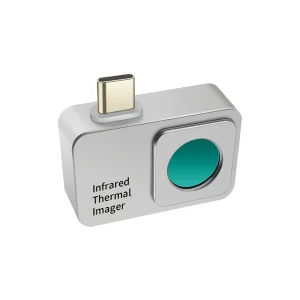
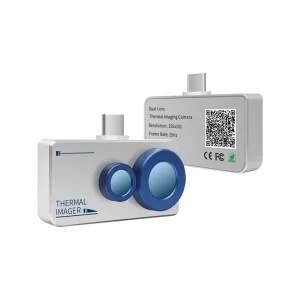
| Entry Mobile Modules (H1/H2 Series) | Uncooled VOx (160×120 to 256×192) | 12µm / <50mK | -20°C to +550°C | HVAC auditing, local contractor inspection, mobile field diagnostics via smartphones. |
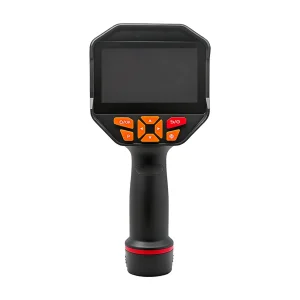
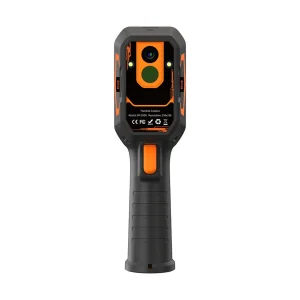
| Compact Maintenance (DP-09 / DP-12 Series) | Infrared FPA (120×90 to 256×192) | 12µm / <45mK | -20°C to +400°C | Facility management, commercial electrical panel screening, motor bearing checks. |
| Professional Industrial (DP-25 Series) | High-Res VOx (256×192 to 512×384) | 12µm / <40mK | -20°C to +650°C | PLN power line maintenance, CPO mill steam pipe audits, solar farm PV hotspot scanning. |
| High-Temp Smelting Grade (DP-38 / DP-64 Series) | Ultra-Res FPA (384×288 to 640×512) | 12µm / <35mK | -20°C to +1200°C | Nickel smelters, glass factories, cement kilns, high-voltage utility grid infrastructure. |
Whether you require custom thermal resolution, specific temperature ranges, or localized firmware customization, our engineering team is ready to support your OEM/ODM requirements.
Contact Our Thermal ExpertsA premier OEM/ODM manufacturer backed by listed technological enterprise capabilities.
Shenzhen Dianyang Technology Co., Ltd. is a subsidiary of VHD (Shenzhen VHD Technology Co., Ltd.), a publicly listed company on the Shenzhen Stock Exchange. This strategic affiliation gives Dianyang unique access to VHD’s advanced R&D platforms, high-precision manufacturing systems, and rigorous quality management practices—enabling us to deliver thermal imaging products of higher reliability and consistency than typical ODMs.
We specialize in ODM/OEM services for infrared thermal imaging solutions, including handheld thermal imagers, smartphone-connected thermal cameras, thermal analyzers, and thermal imaging telescopes. Our products serve global customers in power inspection, building diagnostics, firefighting, industrial maintenance, and outdoor applications.
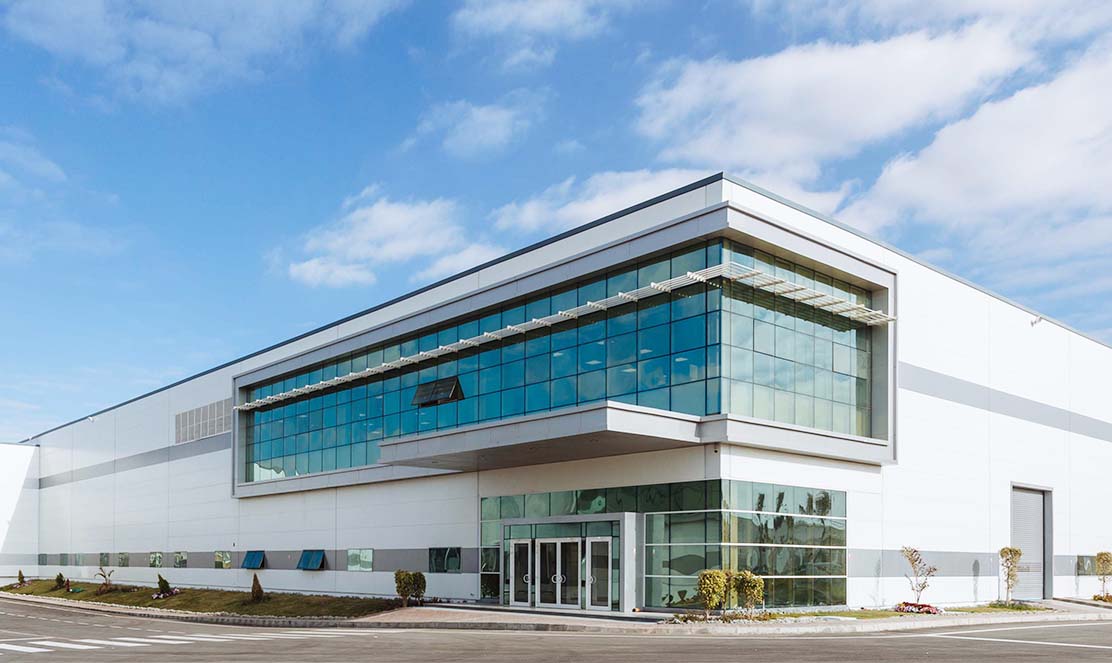
Our dedicated engineering team applies Design for Manufacturing (DFM), Design for Testability (DFT), thermal simulation, and EMC pre-compliance analysis to optimize performance and accelerate development. We also support clients in obtaining key certifications such as CE, FCC, RoHS, REACH, CB, UKCA, KC, and PSE.
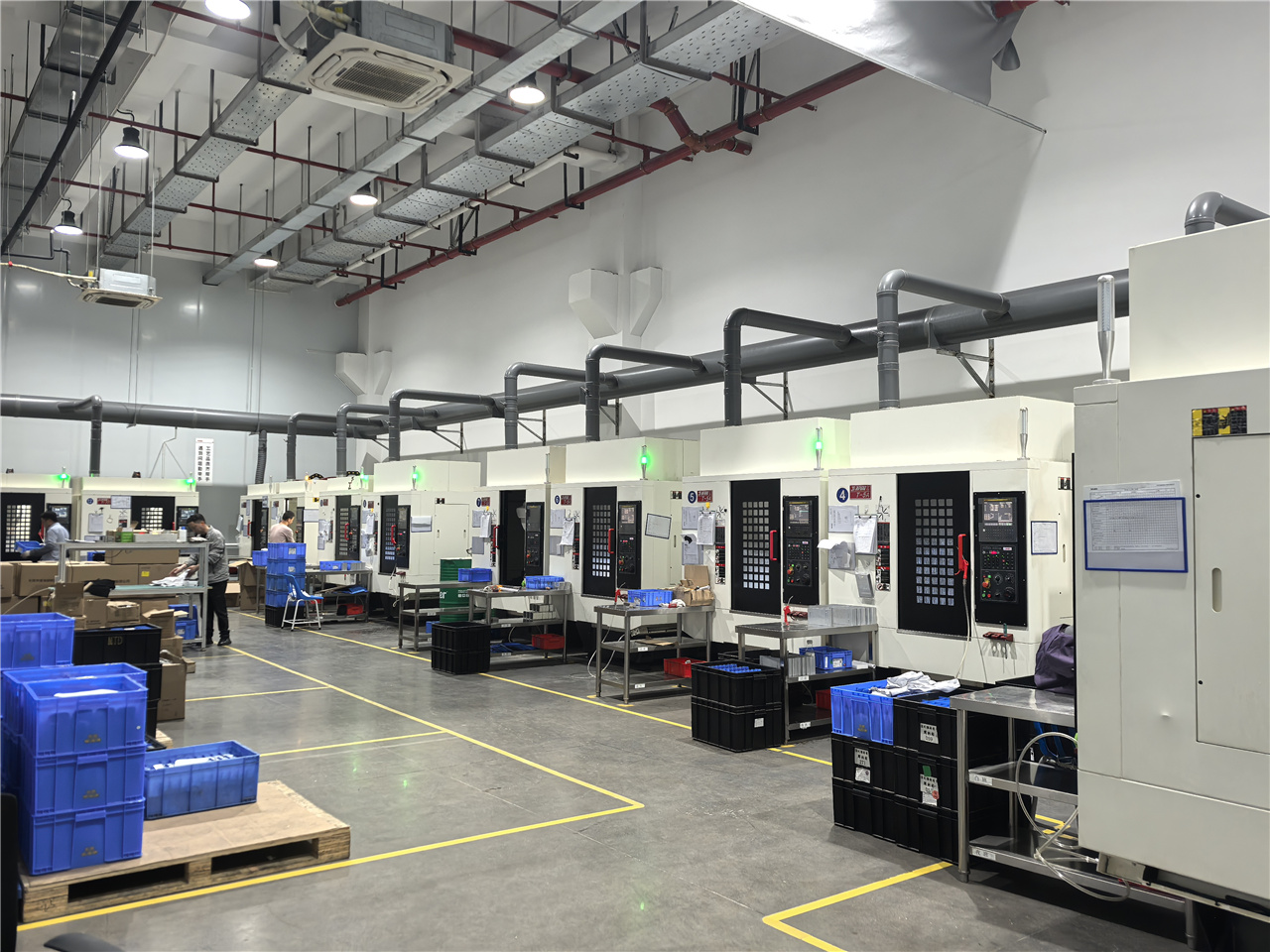
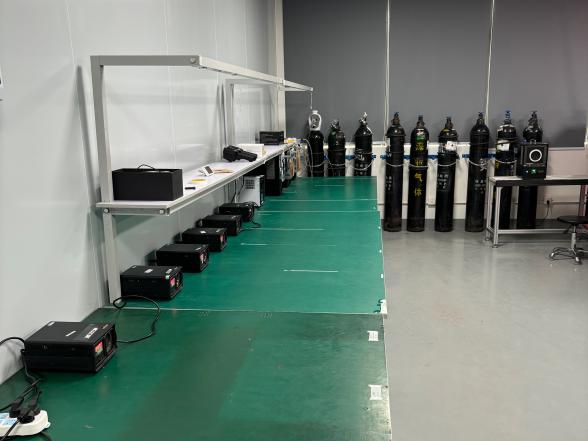
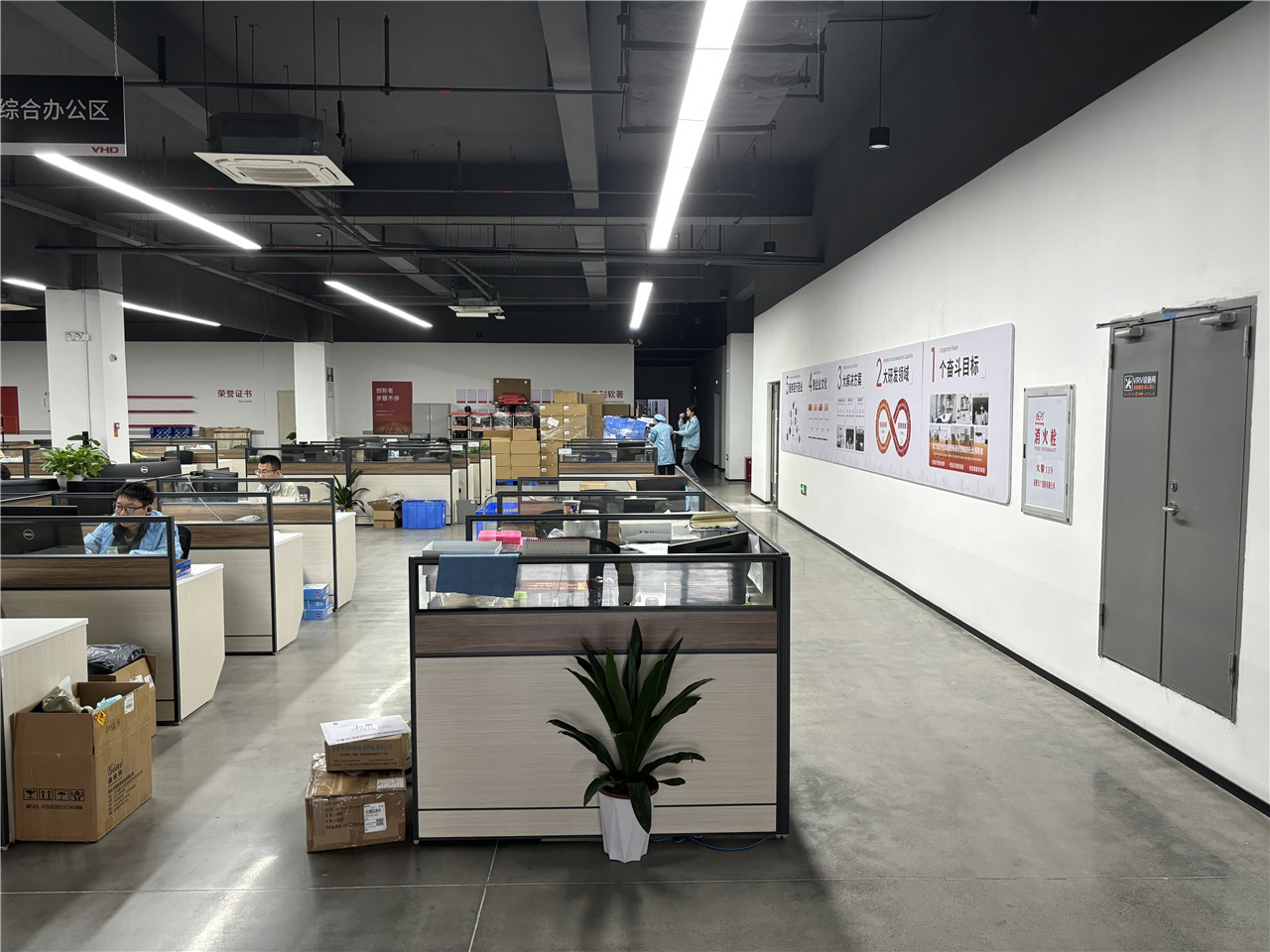
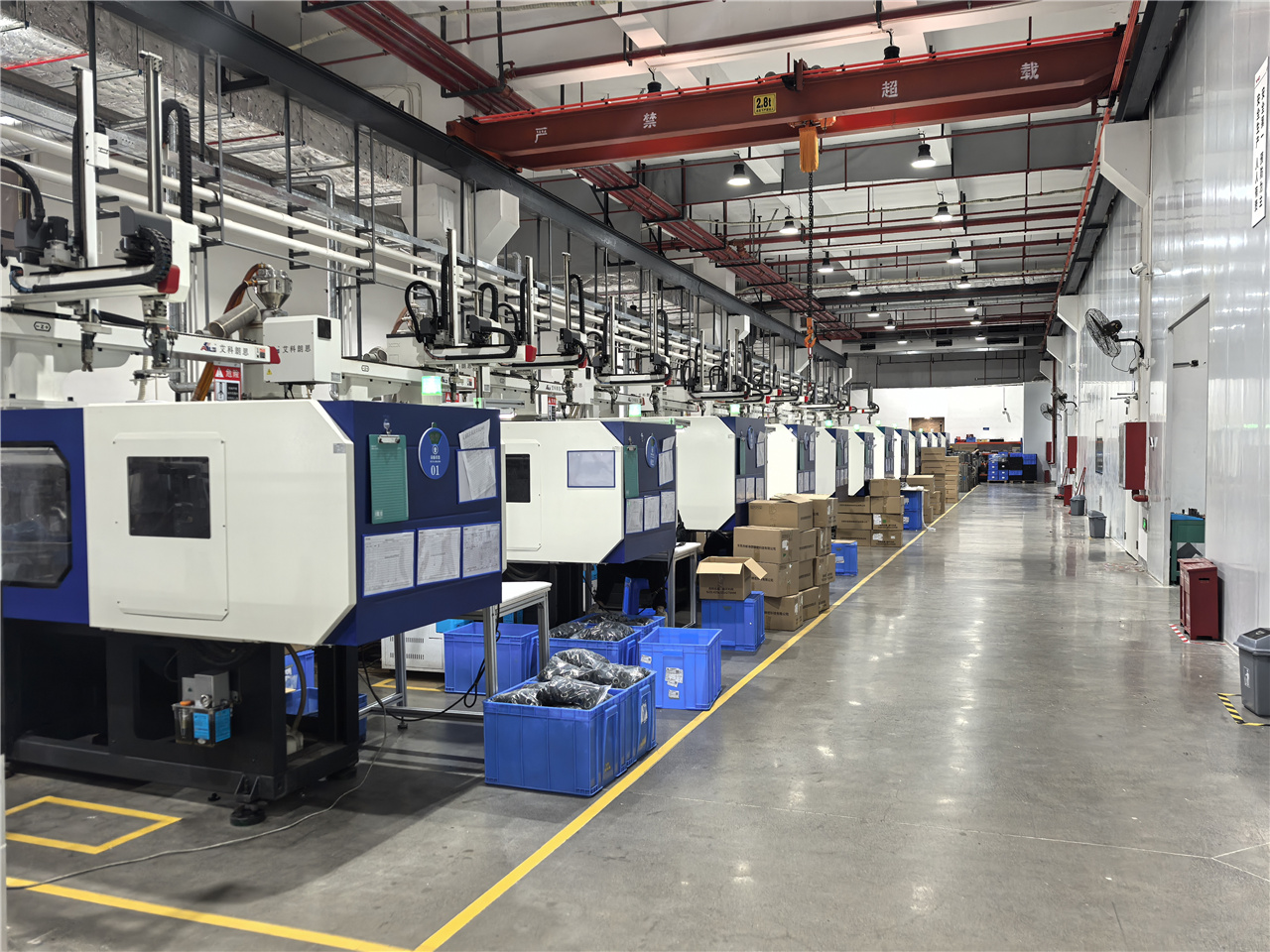
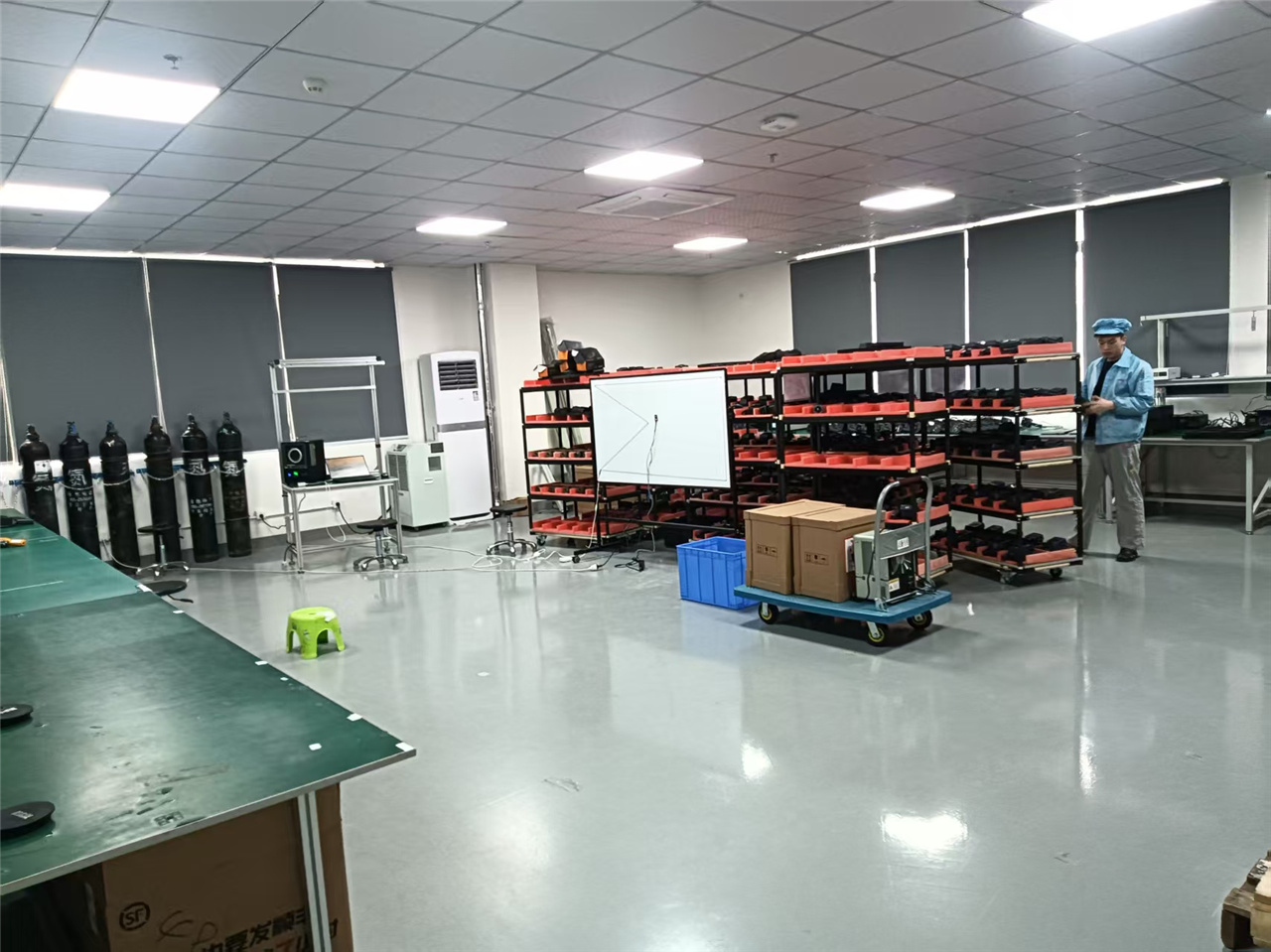
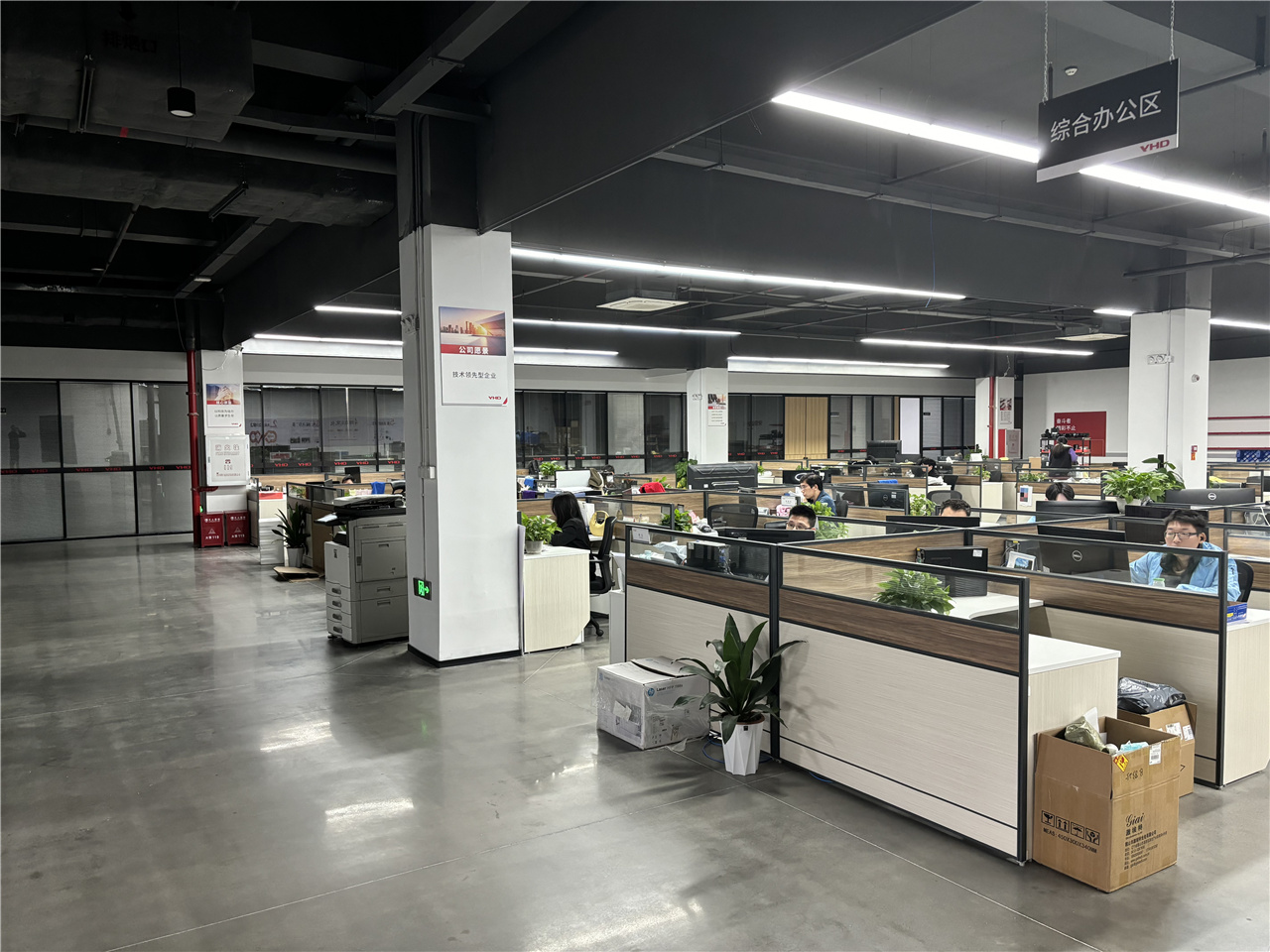
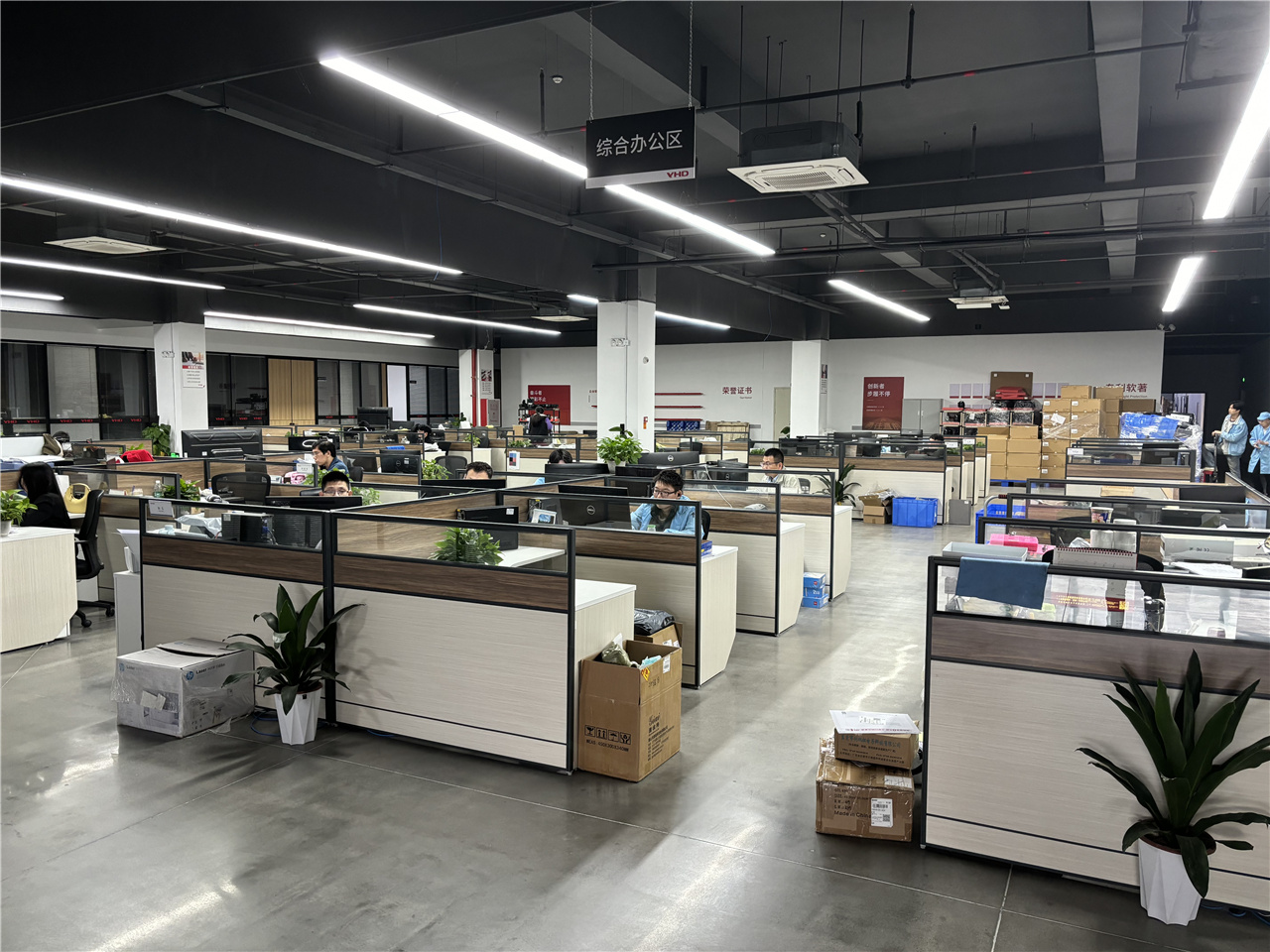
From geothermal wellhead monitoring in Java to remote mining fleets in East Kalimantan.
Overhead power lines and substation busbars in Indonesia face high corrosion risks due to tropical humidity and coastal salt spray. Handheld thermal imagers with high spatial resolution ($iFOV$) enable maintenance teams to scan transformer bushings, disconnector switches, and cable joints from safe standoff distances. Identifying contact resistance hotspots early prevents catastrophic line dropouts and protects high-cost grid equipment.
In palm oil extraction processing plants, mechanical downtime during peak harvest seasons results in massive revenue loss. Radiometric handheld cameras allow thermographers to inspect mechanical gearboxes, steam turbine insulation, screw press bearings, and boiler refractory linings. Early detection of thermal anomalies allows planned component replacement during scheduled sanitation shifts.
With massive investments in Indonesia’s electric vehicle supply chain, nickel smelting facilities operate smelter furnaces continuously at extreme temperatures. Utilizing extended range handheld thermal imagers (up to 1200°C), engineers continuously map skin temperatures on rotary hearth kilns and electric furnaces, catching refractory lining erosion prior to metal breakout hazards.
Pertamina offshore platforms in the Java Sea demand explosion-proof, rugged thermal imaging devices. Thermography identifies hydrocarbon gas leaks (via specialized optical gas imaging spectrums), steam trap failures, process line blockages, and marine insulation degradation in corrosive maritime settings.
How AI, edge computing, and pixel reduction are reshaping thermography tools.
Transitioning from 17µm and 12µm down to sub-10µm detector nodes allows higher pixel density in smaller Germanium lens form factors, making high-resolution imagers drastically more portable and cost-effective.
Integrating neural networks directly onto handheld imager DSP chips allows instant auto-recognition of electrical components (breakers, transformers, insulators) and automatic baseline temperature delta comparison.
Direct wireless streaming of radiometric video and metadata directly to enterprise cloud asset management systems (SAP/Maximo), allowing remote experts in Jakarta to inspect field assets in real time.
Addressing key procurement, technical, calibration, and operational questions for Indonesian industrial buyers.
From entry-level smartphone plug-in modules to professional-grade high-resolution thermal imagers.
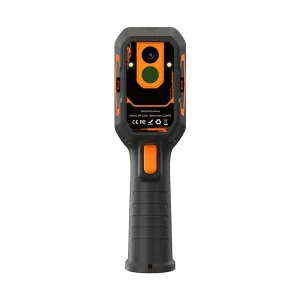
Get direct access to listed parent company R&D platforms, factory-direct pricing, custom SDK software integrations, and comprehensive technical support.
 Dianyang