Ensure peak thermal safety, inspect cell degradation, and optimize traction battery longevity with certified hardware.
Understanding the technological shift from traditional lead-acid systems to high-density, smart Lithium Iron Phosphate (LiFePO4) and Solid-State industrial power arrays.
The industrial motive sector is rapidly retiring flooded and gel lead-acid batteries in favor of Lithium Iron Phosphate (LiFePO4) and emerging Semi-Solid State cells. LiFePO4 offers unmatched thermal stability, high chemical resistance against degradation, and eliminated risk of oxygen release during thermal stress events. Modern traction battery architecture requires zero maintenance, supports rapid 1C-2C opportunity charging, and delivers over three times the operating operational lifespan.
Traction battery packs are no longer passive power cells. Advanced Battery Management Systems (BMS) with integrated telemetry enable cloud-based condition monitoring. Features such as active cell balancing, remote CANbus diagnostic reporting, State of Charge (SoC), and State of Health (SoH) metrics prevent costly fleet downtime, giving plant managers real-time control over their material handling assets.
Global industrial safety frameworks—such as UN38.3, UL 2580, IEC 62619, and CE directives—mandate multi-layered thermal containment solutions. Enterprise purchasers now require automated thermal monitoring during production and operation. Incorporating thermal imagers to evaluate busbar resistance and internal hot spots during stress cycling has become a prerequisite for Tier-1 supply chains.
Evaluating the true Total Cost of Ownership (TCO) for heavy-duty industrial traction battery systems across commercial fleets.
When procurement executive leaders evaluate high-capacity traction battery packs for automated guided vehicles (AGVs), electric forklifts, underground mining loaders, and terminal tractors, nominal purchase price accounts for only 30% of total lifecycle expenditures. Modern enterprise procurement strategies focus intensely on Total Cost of Ownership (TCO) optimization, operational efficiency gains, and risk mitigation.
LiFePO4 traction batteries feature a 95%+ round-trip energy efficiency compared to 70-75% in lead-acid, drastically reducing grid electricity costs during high-frequency charging operations.
Eliminating battery watering, acid neutralizing washes, and dedicated battery changeout rooms reduces facility labor costs by up to 60% annually per shift.
Fast-charging capabilities allow 15-to-30-minute top-ups during worker breaks, allowing 24/7 multi-shift operations with a single battery per machine.
Elimination of explosive hydrogen gassing during recharge cycles enhances factory indoor air quality and decreases commercial property insurance premiums.
How integrated manufacturing hubs in Shenzhen and Guangdong enable high-volume customization, cost resilience, and stringent quality control.
China’s battery manufacturing ecosystem controls over 75% of global lithium refining and cell fabrication capacity. This vertical integration allows direct access to grade-A LFP cells, automated precision laser welding equipment, customized heavy-gauge sheet metal enclosures, and localized semiconductor sourcing. The result is an unmatched speed-to-market for bespoke industrial traction battery configurations.
Modern Chinese gigafactories operate under strict Industry 4.0 protocols. Utilizing Design for Manufacturing (DFM) and Design for Testability (DFT), automated optical inspection (AOI), dual-light thermal imaging stress tests, and automated cell-matching algorithms ensure that every cell within a battery pack exhibits identical internal resistance and capacity profiles.
Through massive manufacturing scale, Chinese suppliers achieve unbeatable unit cost advantages while adhering to rigorous international quality certifications including CE, FCC, RoHS, REACH, CB, UKCA, KC, and PSE. This enables global OEMs to source scalable power solutions with complete regulatory confidence.
To guarantee zero thermal defects, top-tier factories utilize non-contact infrared thermal imaging during high-current load testing. Micro-temperature variances across busbars and terminal connections are identified in real-time before encapsulation, eliminating latent field failure risks.
Representative commercial pricing breakdown and technical parameters for bulk industrial procurement.
| System Category | Nominal Voltage / Capacity | Cell Chemistry | Protection Grade | Est. Wholesale Price (USD) | Primary Industrial Application |
|---|---|---|---|---|---|
| Compact AGV Pack | 24V 100Ah (2.4 kWh) | LiFePO4 Grade-A | IP65 / CANbus | $650 - $950 | Automated Logistics & Warehouse Robots |
| Class III Forklift Battery | 24V 210Ah (5.0 kWh) | LiFePO4 Grade-A | IP67 Sealed | $1,400 - $1,950 | Walkie Stacker & Pallet Jacks |
| Class I Counterbalance Pack | 48V 420Ah (20.1 kWh) | LiFePO4 Modular | IP65 Thermal Enclosure | $4,200 - $5,800 | 3-4 Ton Indoor/Outdoor Electric Forklifts |
| Heavy Duty Reach Truck Pack | 80V 500Ah (40.0 kWh) | LiFePO4 Smart BMS | IP67 Integrated HVAC | $7,800 - $10,500 | High-Bay Distribution Center Logistics |
| Mining Truck Heavy Array | 350V - 600V (150+ kWh) | NCM / LFP Hybrid | Heavy Impact / IP68 | $28,000 - $42,000 | Underground Mining & Heavy Haulers |
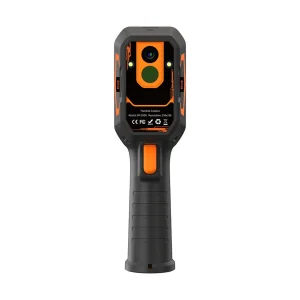
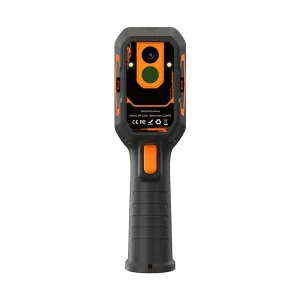
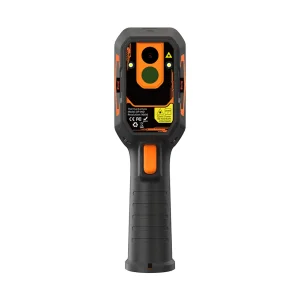
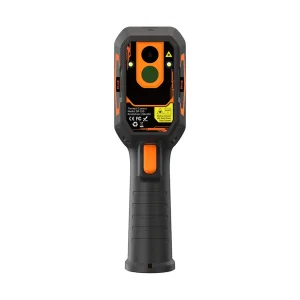
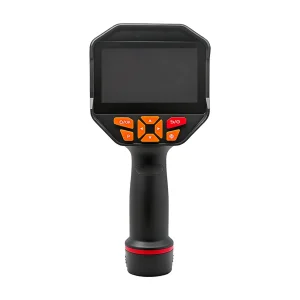
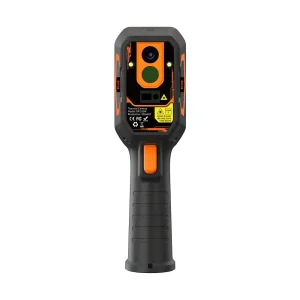
| Thermal Inspection Hardware | 256x192 / 640x512 Res | Uncooled Microbolometer | Industrial Drop-Proof | $280 - $1,850 | Battery QC, Preventive Maintenance, Field Inspection |
*Note: Prices vary based on cell market fluctuations, MOQ, OEM customization requirements, and localized certification needs.
Tailored traction power and thermal diagnostic solutions across diverse operational environments.
Operating down to -30°C in refrigerated automated warehouses requires self-heating thermal jackets integrated into traction packs. Combined with handheld infrared cameras, maintenance teams verify heater circuit integrity without dismantling sealed enclosures.
Severe vibration and high ambient humidity demand heavy-gauge reinforced stainless steel battery housings. Dual-light thermal imaging modules monitor high-voltage connector junction boxes against vibration-induced loose contacts.
AGVs operating on tight delivery schedules depend on fast opportunity charging during brief idle cycles. High-precision thermal inspection equipment safeguards rapid-charge dock points from excessive thermal degradation.
Empowered by publicly listed R&D platforms to deliver world-class infrared diagnostic and custom thermal engineering solutions.
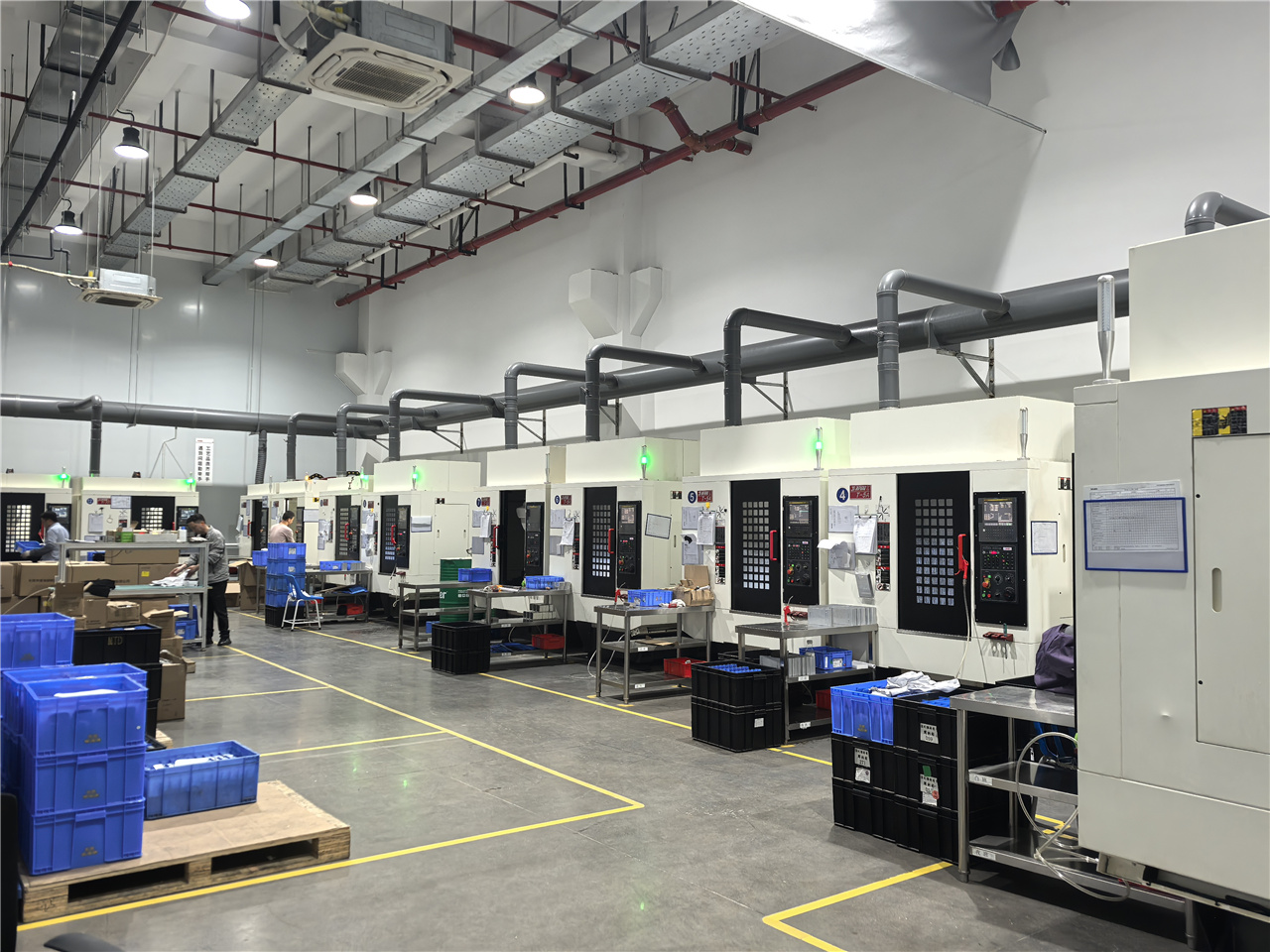
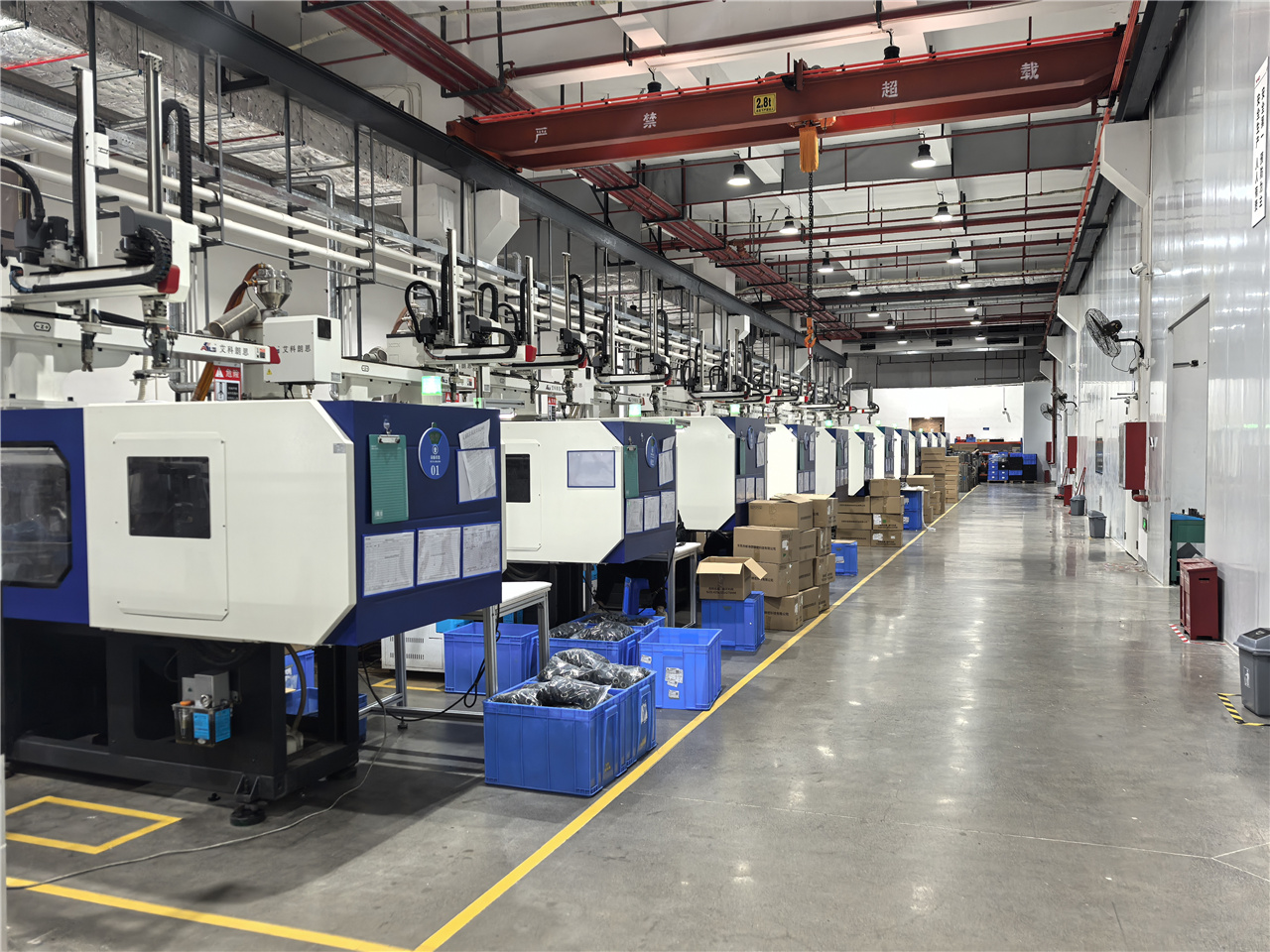
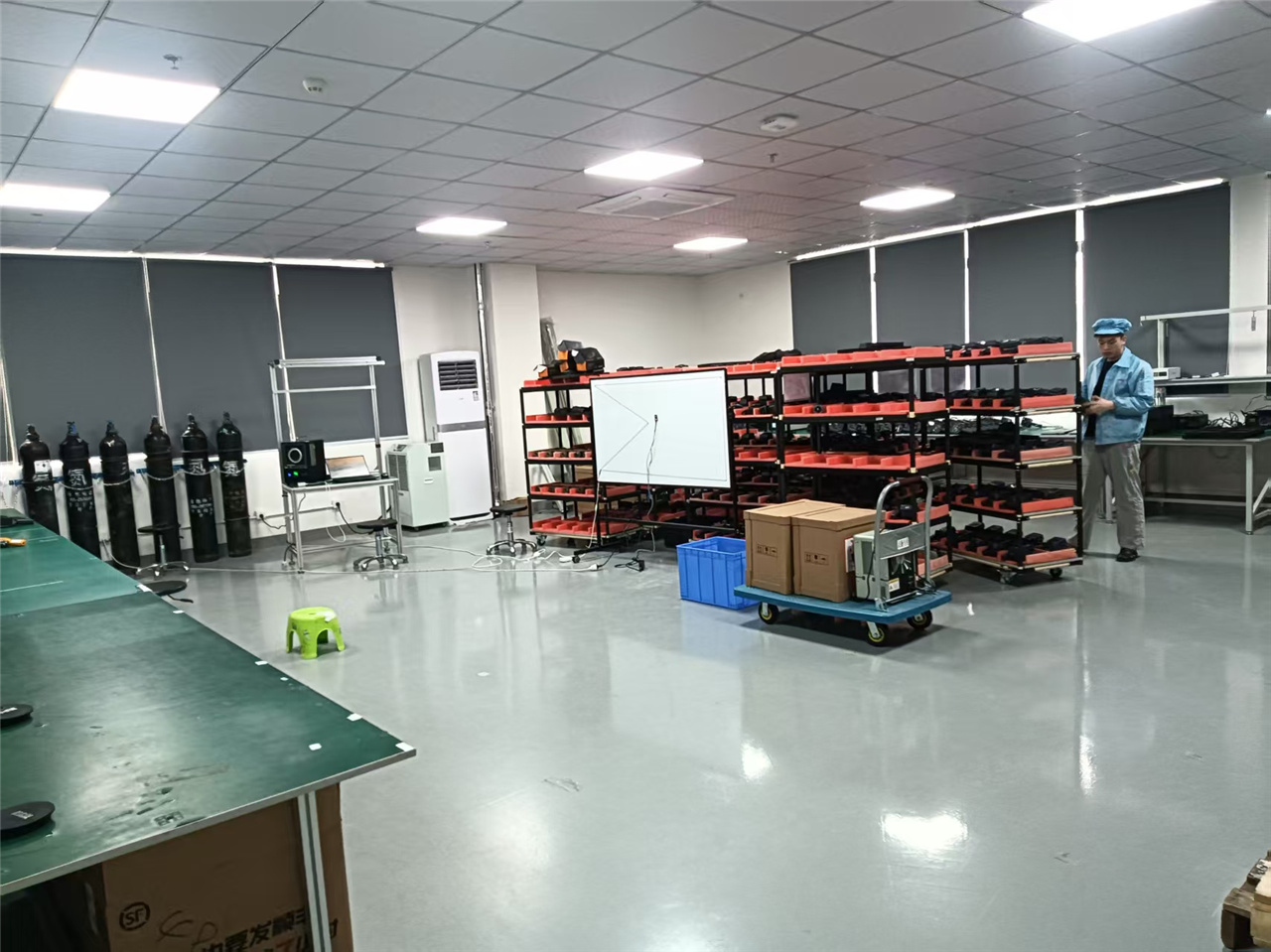
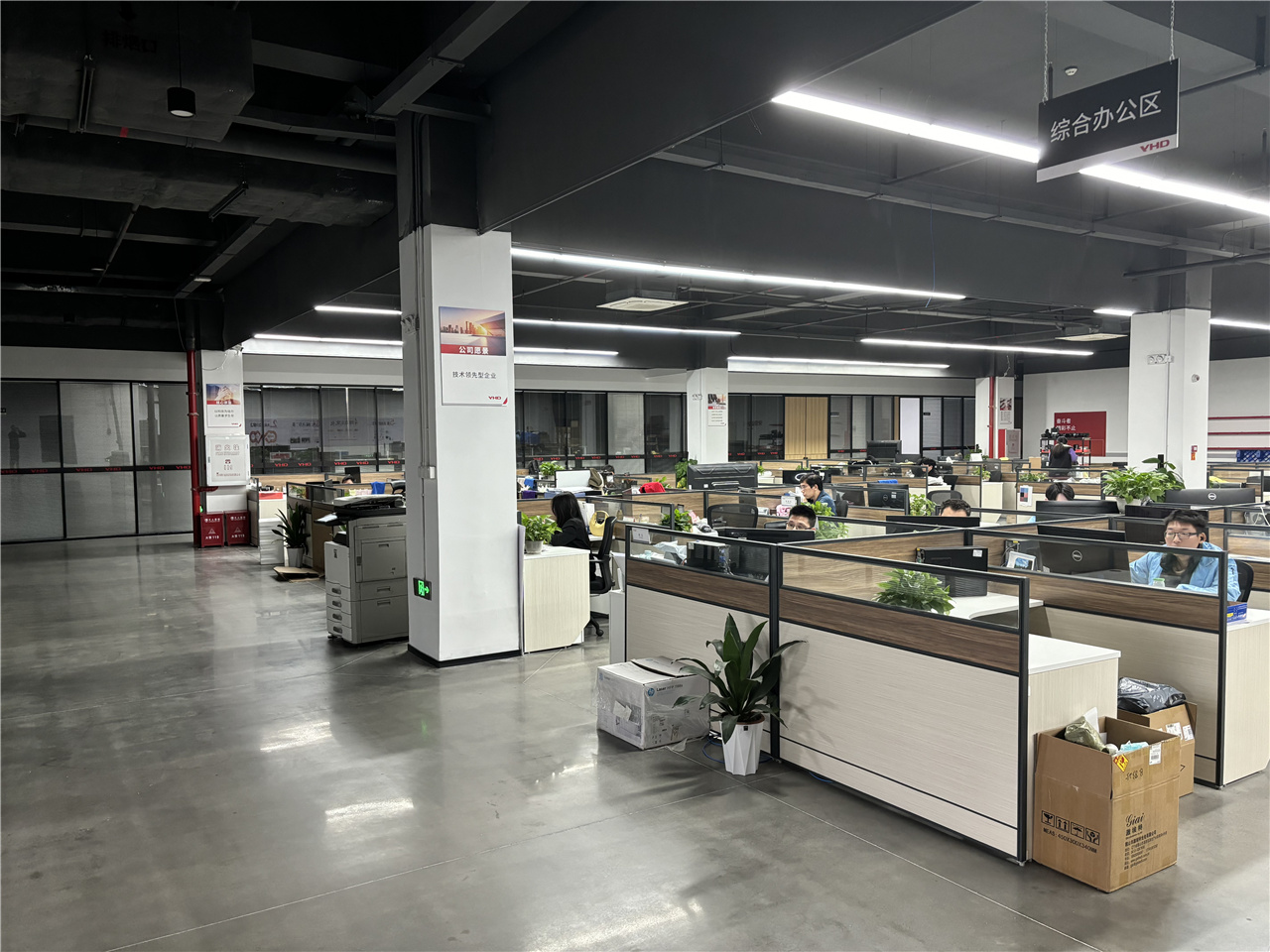
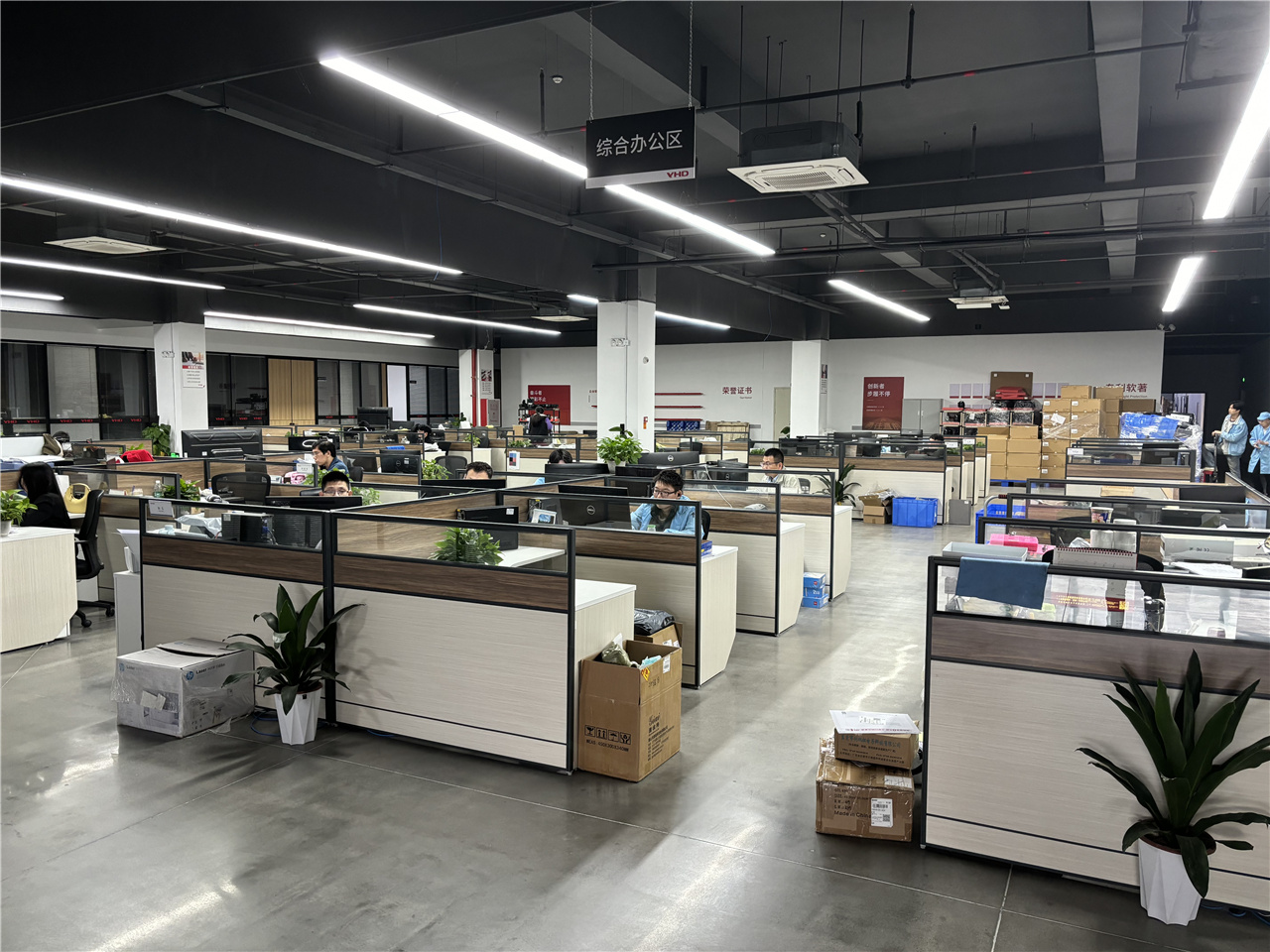
Shenzhen Dianyang Technology Co., Ltd. is a specialized subsidiary of VHD (Shenzhen VHD Technology Co., Ltd.), a publicly listed enterprise on the Shenzhen Stock Exchange. This strategic corporate affiliation grants Dianyang direct access to VHD’s state-of-the-art R&D infrastructure, ultra-precision automated assembly lines, and rigorous quality control methodologies.
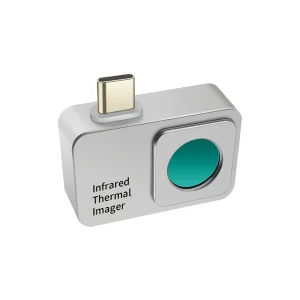
We excel in delivering comprehensive ODM/OEM services for advanced thermal imaging solutions, including handheld thermal imagers, smartphone-connected diagnostic cameras, online thermal analyzers, and custom thermal cores. Our precision products empower industrial clients globally across battery manufacturing quality inspection, power grid testing, building diagnostics, firefighting, and heavy machinery maintenance.
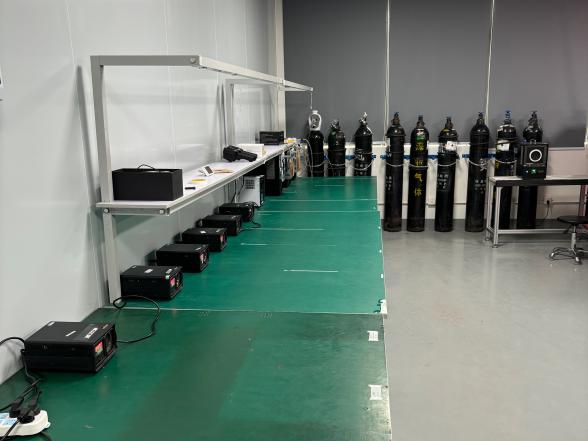
Our engineering center utilizes advanced Design for Manufacturing (DFM), Design for Testability (DFT), thermal fluid dynamic simulation, and EMC pre-compliance testing. We assist global B2B clients in seamlessly achieving international certifications including CE, FCC, RoHS, REACH, CB, UKCA, KC, and PSE.
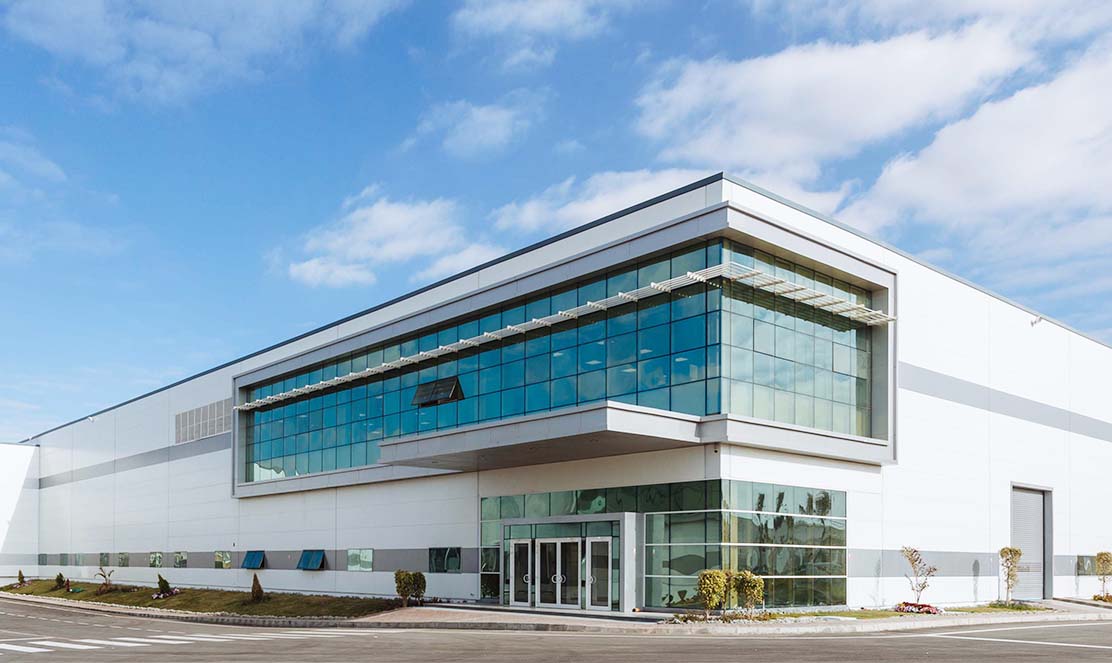
Dianyang Technology R&D & Manufacturing Facility
Expert insights on traction battery pack procurement, thermal diagnostics, and OEM integration.
LiFePO4 traction battery packs typically provide 3,500 to over 6,000 charge/discharge cycles at 80% Depth of Discharge (DOD), translating to an operational service life of 8 to 10 years in typical industrial environments. In contrast, conventional industrial lead-acid batteries last approximately 1,000 to 1,500 cycles (3 to 5 years) and require frequent maintenance, battery swapping, and water replenishment.
Infrared thermal imaging allows maintenance engineers to non-destructively detect thermal anomalies—such as abnormal internal cell resistance, loose busbar bolting, faulty contactors, or degraded balance cables—during high-current discharge or fast-charging phases. Detecting localized temperature spikes before thermal expansion or insulation breakdown prevents severe battery failures and costly factory downtime.
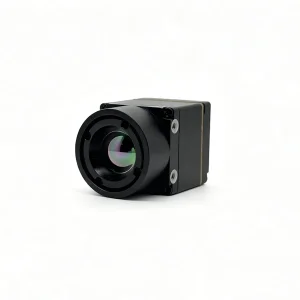
Yes. Backed by public parent company VHD's R&D platform, Dianyang provides end-to-end OEM/ODM thermal imaging engineering. We supply uncooled thermal camera modules (such as the MD-64CA core), specialized optics, custom firmware, communication interfaces (USB, Ethernet, UART), and full support for global compliance certifications (CE, FCC, RoHS, REACH, UKCA, KC, PSE).
Enterprise-grade traction batteries incorporate multi-tiered hardware and software protections: dual microprocessors running smart BMS software, active cell balancing, high-voltage automatic disconnections, solid-state relays, localized aerosol fire suppression within the outer enclosure, IP67 dust/waterproof sealing, and cell-level thermal isolation barriers.
Large lithium traction batteries are classified under Class 9 Dangerous Goods. Global shipping requires passing the UN38.3 standard (which includes altitude simulation, thermal cycling, vibration, shock, external short circuit, and forced discharge tests), along with providing valid MSDS, UN packaging certification, and Sea/Air Dangerous Goods Transport appraisal reports.
Complete your power infrastructure with factory-direct infrared diagnostics and precision thermal sensors.
 Dianyang