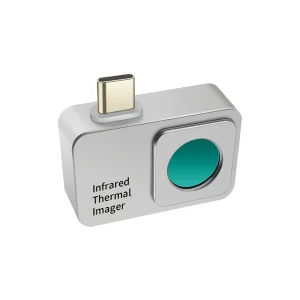
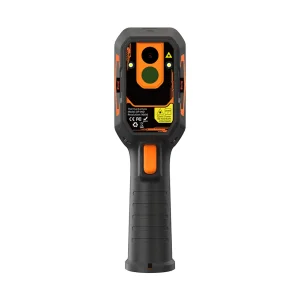
Explore our certified range of handheld, mobile, and fixed IR security thermal imagers available for global wholesale procurement and OEM integration.
In modern industrial surveillance, border control, power distribution monitoring, and defense infrastructure, Long-Wave Infrared (LWIR) sensor integration has transitioned from a luxury addition to an indispensable core baseline. Modern security architectures require continuous 24/7 visibility unaffected by adverse environmental conditions such as total darkness, heavy fog, solar glare, or smoke density. By capturing electromagnetic radiation in the 8 to 14 micrometer (μm) spectrum emitted by all objects with temperatures above absolute zero, IR security devices transform thermal signatures into real-time operational intelligence.
The global demand for high-reliability Wholesale IR Security Pricelist & Supplier channels has escalated due to critical energy infrastructure expansions, stringent thermal safety regulations, and the rapid deployment of autonomous perimeter security frameworks. Enterprise buyers, security integrators, and industrial procurement managers must evaluate thermal hardware not merely on pixel count, but through an interconnected matrix of thermal sensitivity (NETD), optical calibration, focal length capability, embedded edge analytics, and manufacturing repeatability.
Unlike visual cameras restricted by ambient light, LWIR thermal sensors detect human and vehicle intrusions at extreme distances, breaking through camouflage, backlight, and complete darkness.
Modern thermal security goes beyond imagery by recording radiometric data per pixel. Industrial systems monitor transformer hotspots, electrical panels, and thermal leaks dynamically to prevent catastrophic equipment failure.
Integrated AI algorithms filter false alarms caused by rain, wildlife, or wind-blown foliage by analyzing micro-climatic thermal patterns and classifying human/vehicle spatial geometries in real time.
Navigating wholesale procurement for infrared security hardware requires an understanding of how component-level specs drive price performance. The primary cost component of any thermal imager is the Uncooled Focal Plane Array (UFPA) microbolometer chip, alongside Germanium optical components and specialized radiometric calibration processes. Below, we outline our enterprise pricing tier system structured around resolution capabilities, temperature sensitivity, and industrial integration capabilities:
| Tier Category | Sensor Resolution | NETD Sensitivity | Primary Target Applications | Wholesale Pricing Bracket (USD) |
|---|---|---|---|---|
| Entry Inspection | 96 × 96 / 120 × 90 | < 50 mK | HVAC Diagnostics, Basic Electrical Panels, Mobile Attachments | $120 - $250 / unit |
| Mid-Range Commercial | 160 × 120 / 256 × 192 | < 45 mK | Industrial Maintenance, Building Enclosure Audits, Small Site Perimeter | $280 - $550 / unit |
| High-Precision Industrial | 384 × 288 / 400 × 300 | < 40 mK | Substation Monitoring, Process Plant Fire Prevention, Heavy Machinery | $650 - $1,200 / unit |
| Defense & Enterprise Security | 640 × 512 + Long Lens | < 35 mK | Border Surveillance, Critical Infrastructure Defense, Autonomous Tracking | $1,400 - $3,500+ / unit |
Bulk orders benefit from scalable microbolometer wafer packaging and automated collimator optical alignment. When ordering 100+ units, direct factory integration allows customizable SDK support (C++, Python, Android, iOS), customized housing branding, and extended temperature ranges (-20°C to 550°C or custom -40°C to 1200°C high-temp configurations).
Infrared thermal technology adapts to regional environments, industrial standards, and operational demands. Below are key deployment scenarios where our infrared security products deliver actionable operational metrics.
Electrical substations face catastrophic breakdowns if high-resistance connections or transformer overload anomalies go undetected. Deployed fixed thermal cameras (such as the DP-64D series) continuously monitor busbars, disconnect switches, and capacitor banks. Automated alarm triggers notify central operating rooms instantly when temperatures breach preset threshold limits.
High-value industrial parks, solar farms, and port boundaries utilize dual-spectrum IR cameras to eliminate traditional blind spots. Thermal vision operates effortlessly in dense smoke, blinding rain, and total darkness, streaming high-frame-rate video feeds to localized NVRs with minimal bandwidth requirements.
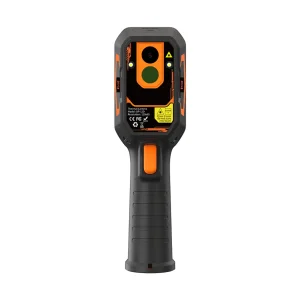
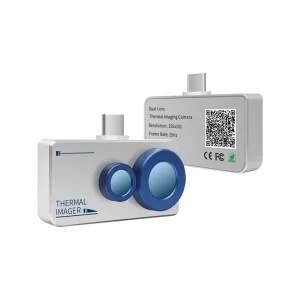
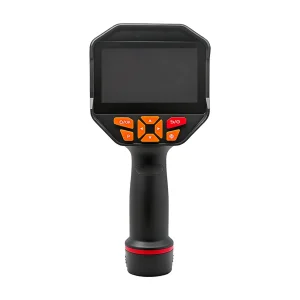
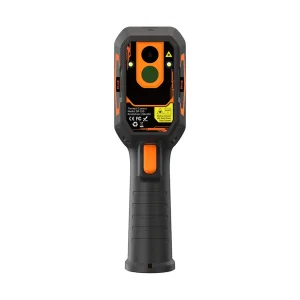
Civil engineers and energy auditors utilize handheld thermal imagers (DP-12D / DP-25D series) and smartphone-connected cameras (H2FB / H2F6B models) for non-destructive testing. By mapping thermal insulation loss, air leakage, moisture intrusion, and floor heating pipe blockages, inspectors deliver verified baseline reports to property owners.
First responders, maintenance technicians, and field security personnel require compact, rugged equipment. Mobile-attached thermal units (H2F6B) convert standard smartphones into high-resolution micro-radiometers capable of identifying overheated motors, electrical panel hotspots, or missing thermal signatures in search and rescue missions.
The thermal imaging hardware ecosystem is undergoing rapid technological advancements driven by microelectronics, silicon optics, and artificial intelligence. Strategic procurement managers must plan equipment lifecycles around key technical milestones:
Next-generation microbolometer dies reduce pixel pitch from 17μm to 12μm and 8μm, enabling smaller Germanium optics while maintaining equal spatial resolution. This slashes optical assembly weight and lowers unit costs across mass production runs.
Integrating visible spectrum 4K CMOS sensors with uncooled thermal detectors using pixel-level image fusion algorithms allows real-time overlay of edges, text, and visual contours onto thermal radiometric streams.
On-chip Neural Processing Units (NPUs) process raw thermal telemetry, performing autonomous target classification, crowd anomaly detection, and predictive temperature drift alerts without requiring external server computation.
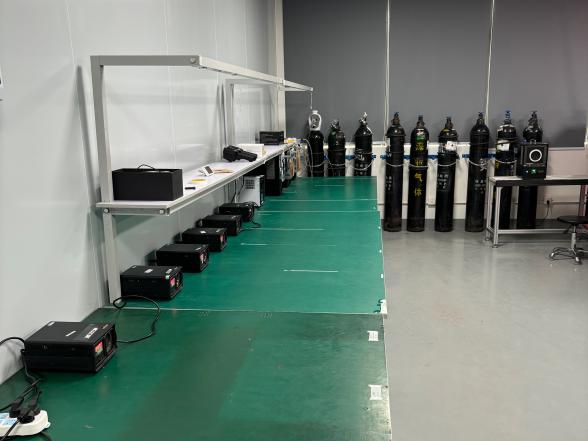
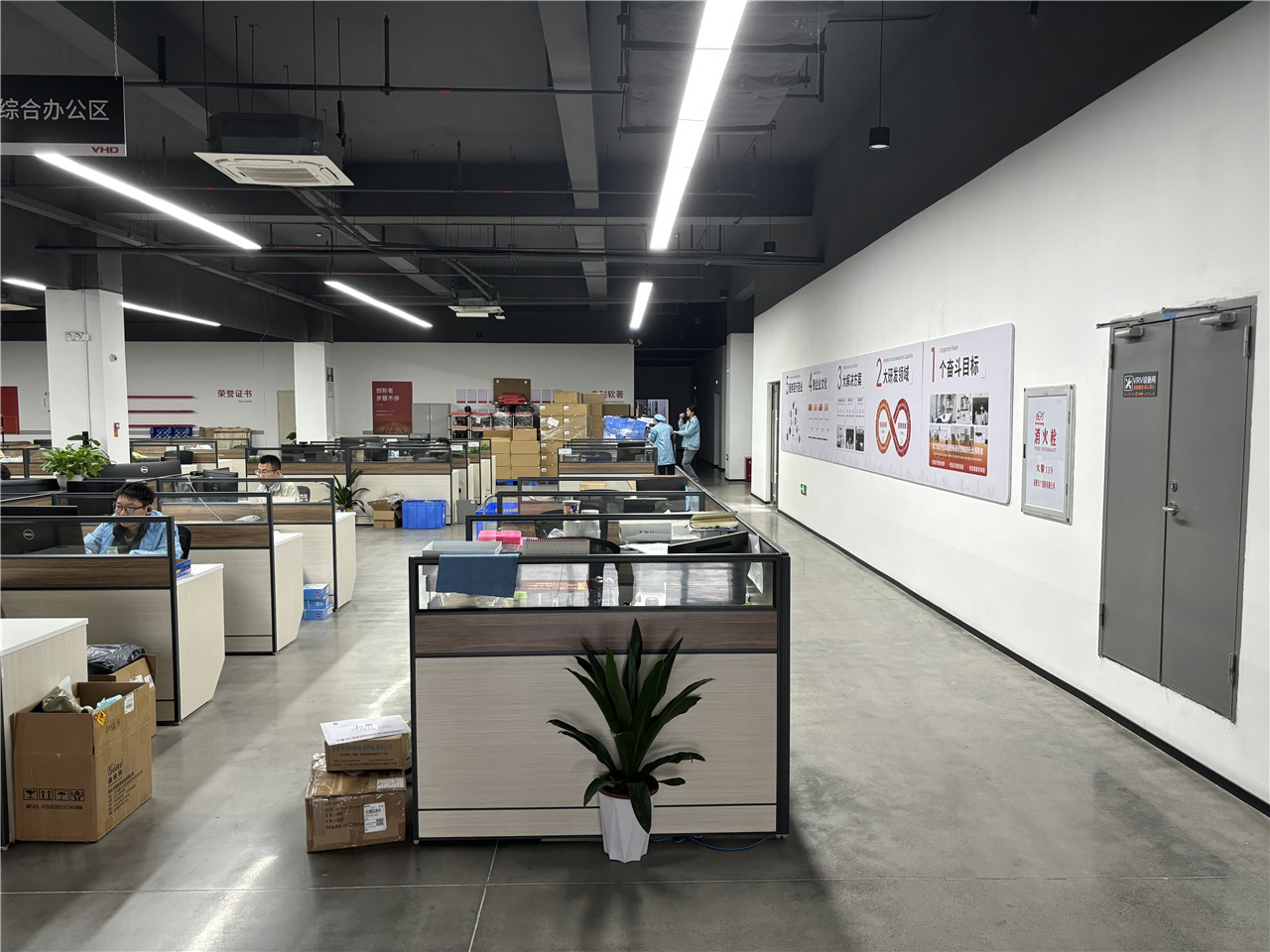
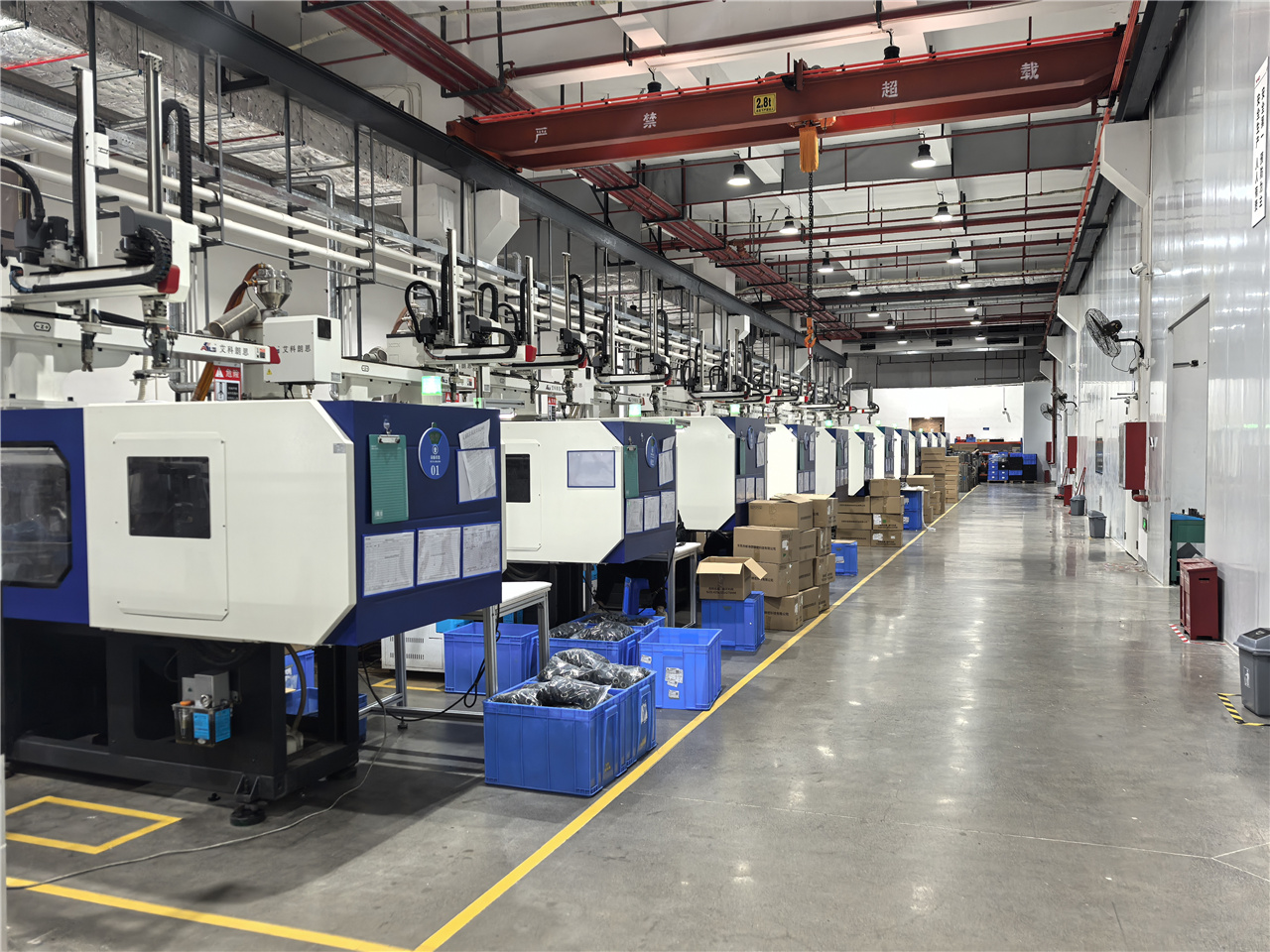
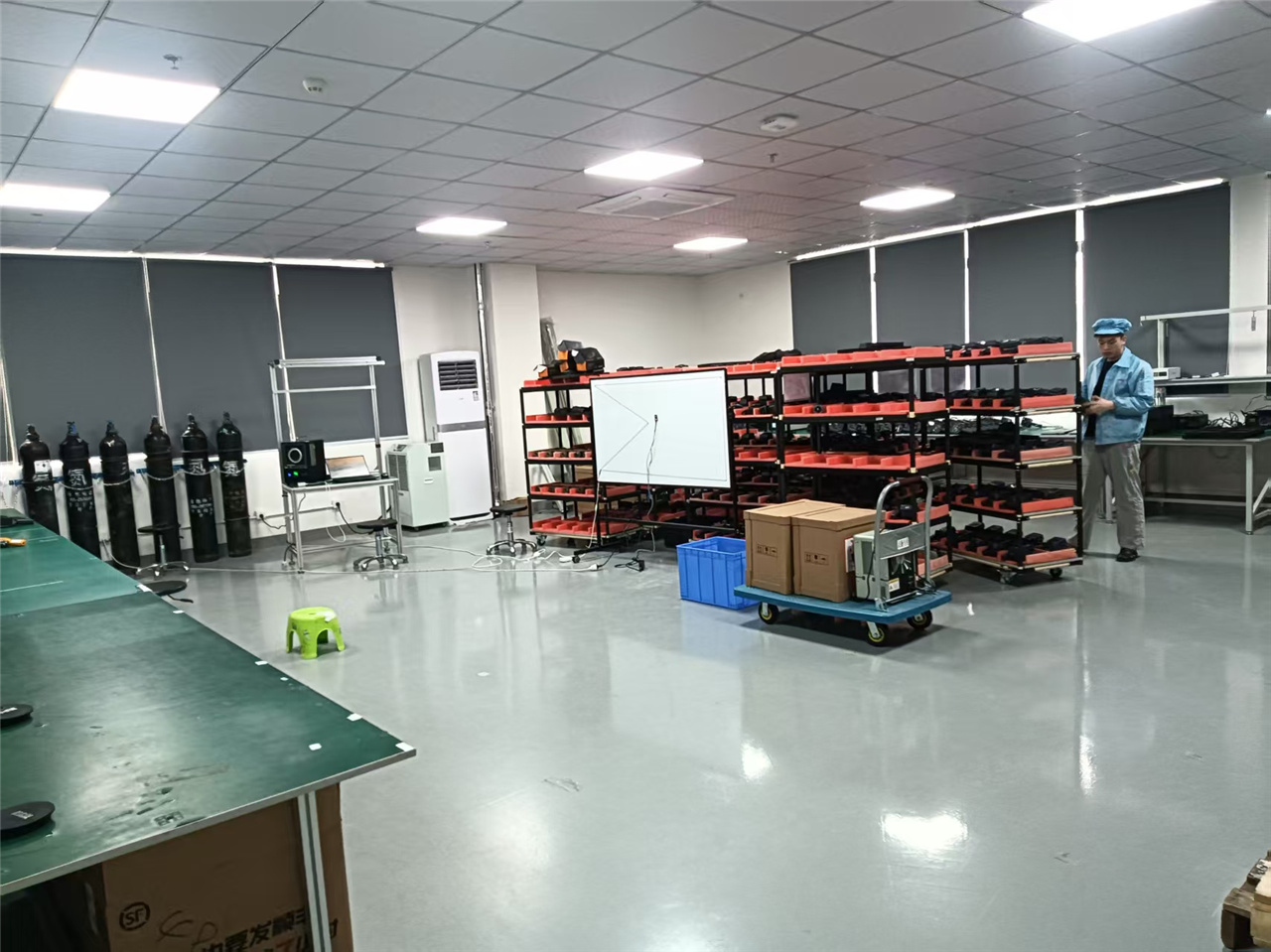
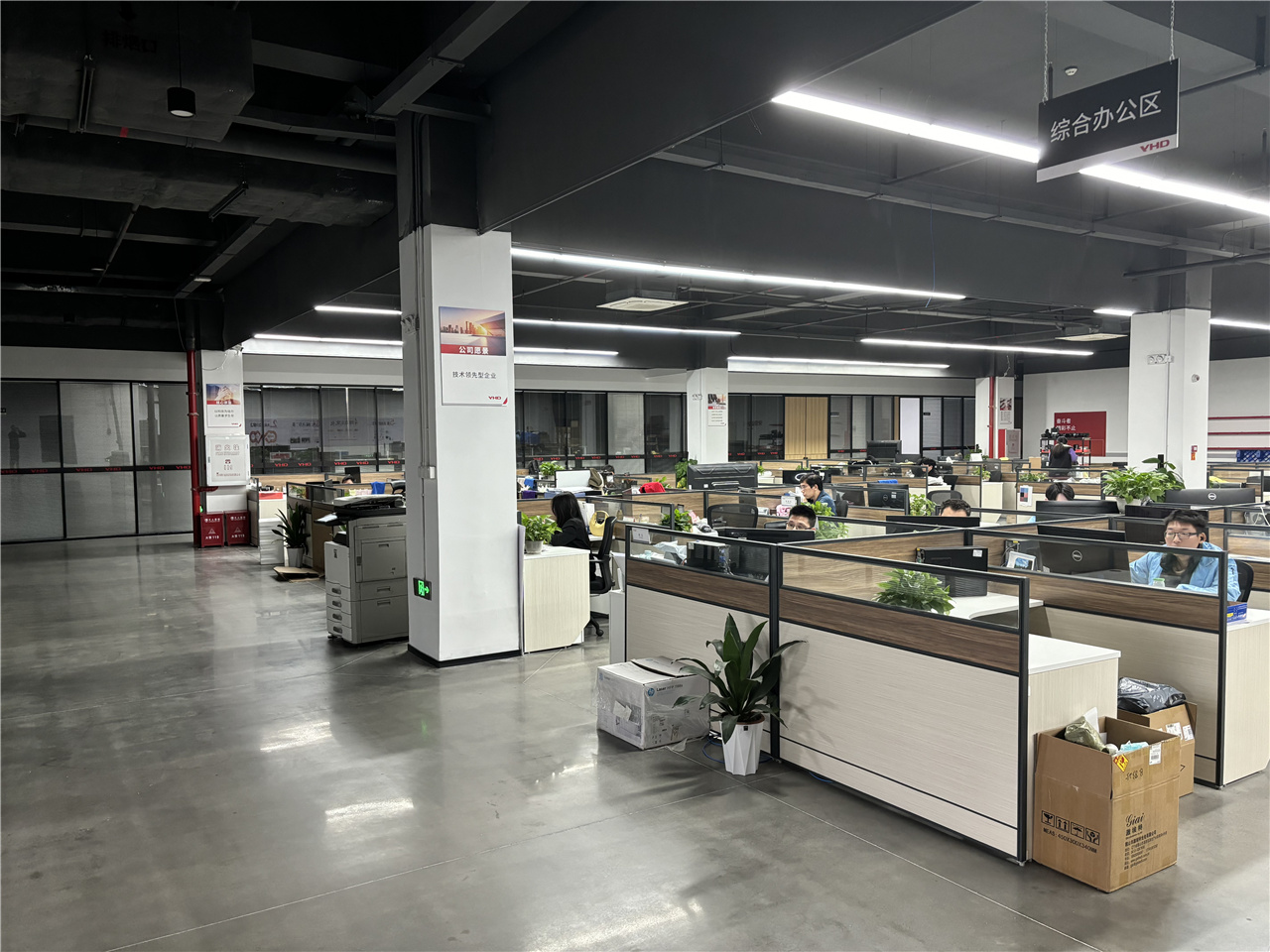
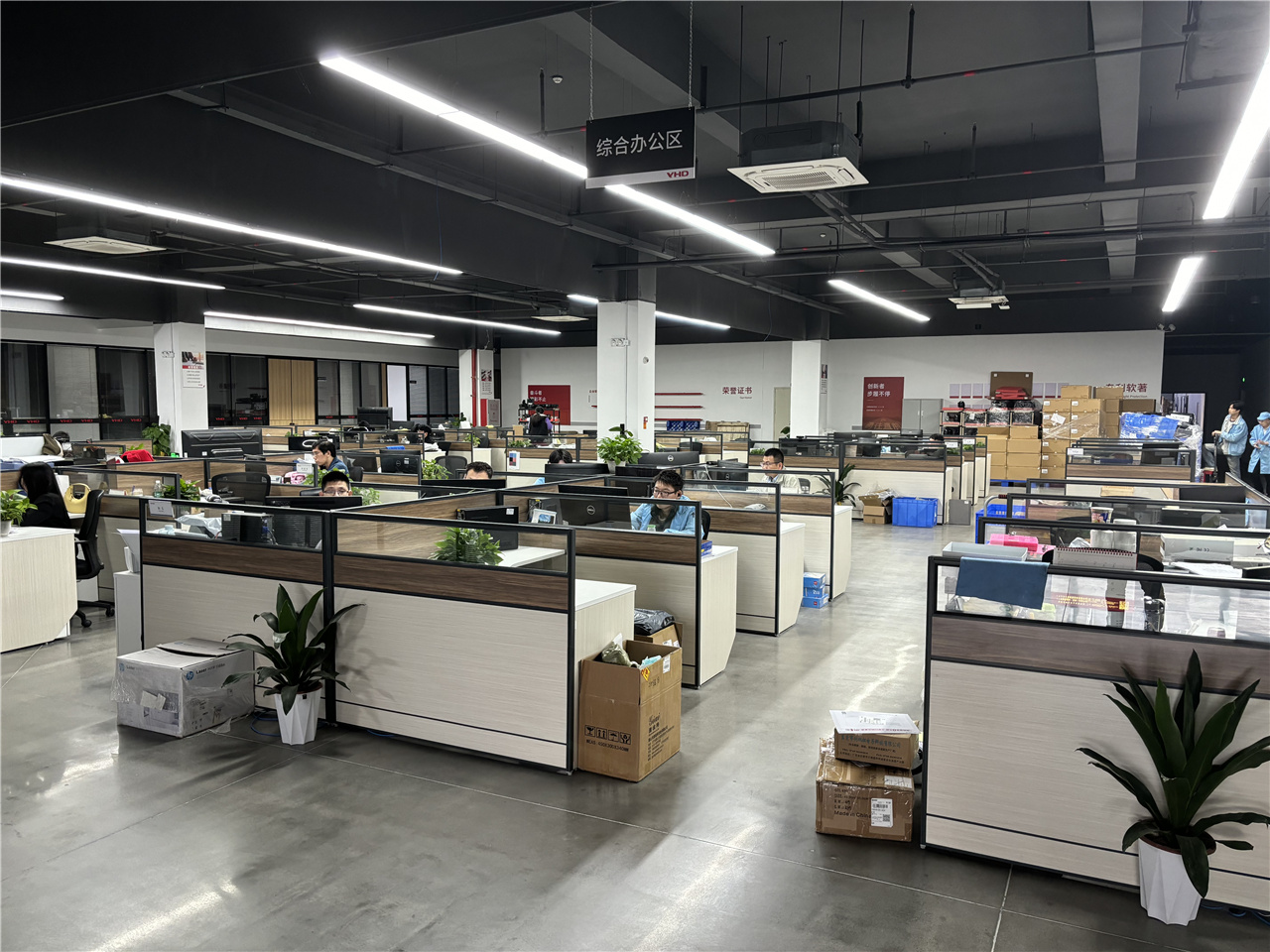
Shenzhen Dianyang Technology Co., Ltd. is a subsidiary of VHD (Shenzhen VHD Technology Co., Ltd.), a publicly listed company on the Shenzhen Stock Exchange. This strategic affiliation gives Dianyang unique access to VHD’s advanced R&D platforms, high-precision manufacturing systems, and rigorous quality management practices—enabling us to deliver thermal imaging products of higher reliability and consistency than typical ODMs.
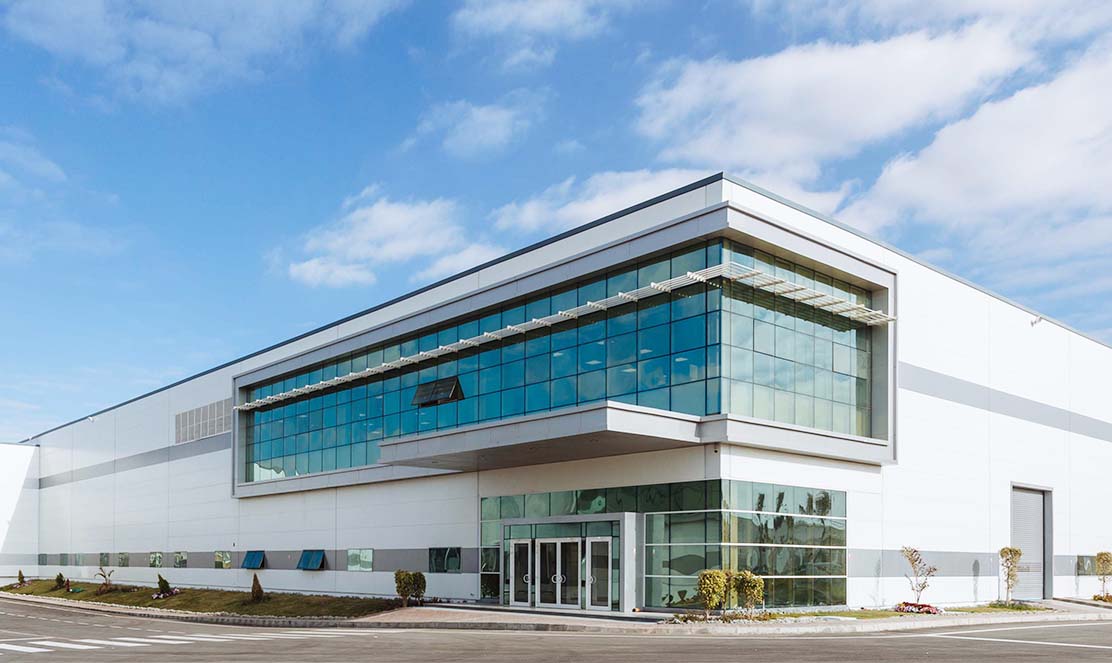
We specialize in ODM/OEM services for infrared thermal imaging solutions, including handheld thermal imagers, smartphone-connected thermal cameras, thermal analyzers, and thermal imaging telescopes. Our products serve global customers in power inspection, building diagnostics, firefighting, industrial maintenance, and outdoor applications.
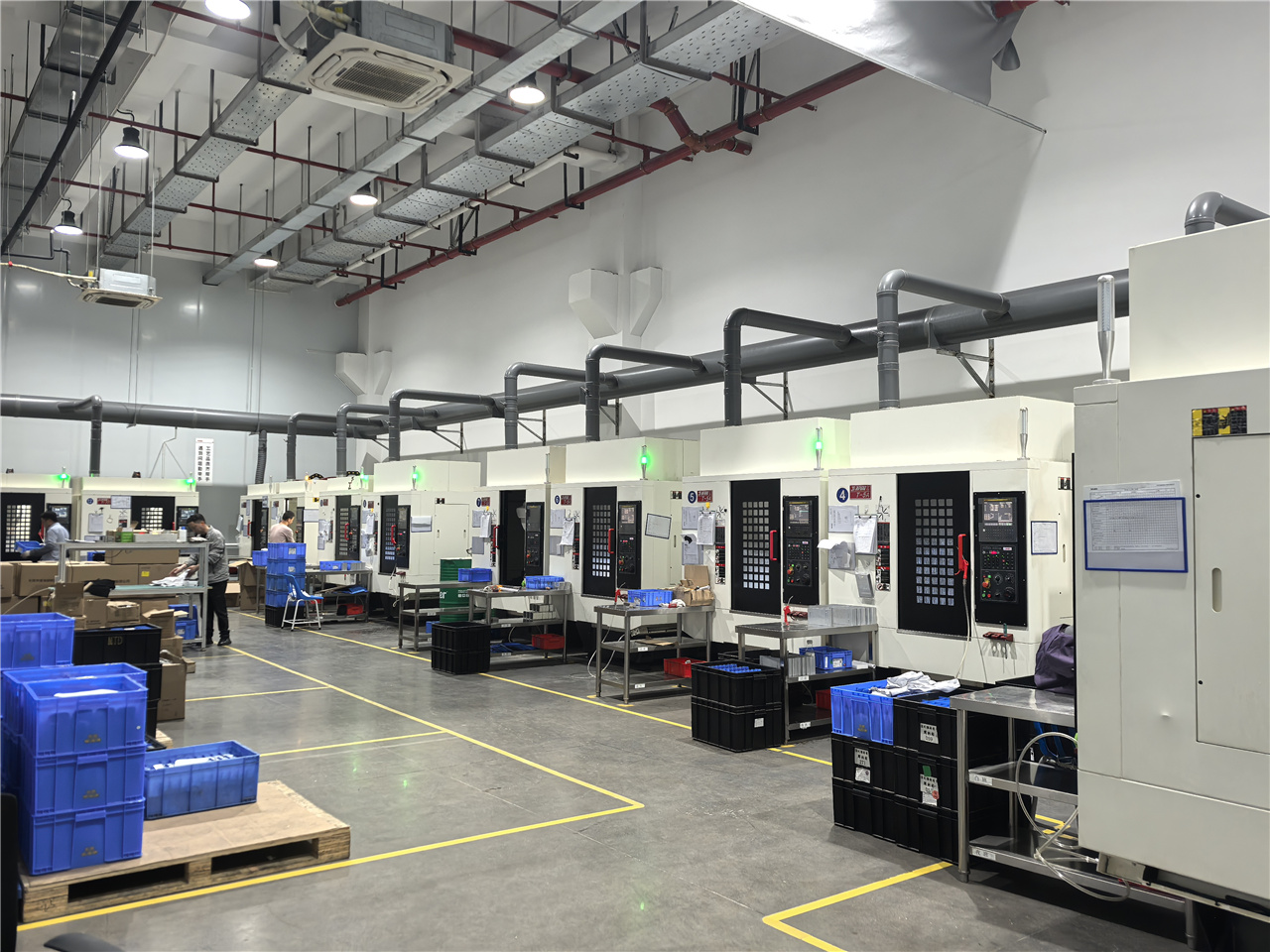
Our dedicated engineering team applies Design for Manufacturing (DFM), Design for Testability (DFT), thermal simulation, and EMC pre-compliance analysis to optimize performance and accelerate development. We also support clients in obtaining key certifications such as CE, FCC, RoHS, REACH, CB, UKCA, KC, and PSE.
Distributing IR security hardware globally demands compliance with regional trade regulations, environmental standards, and electromagnetic interference (EMI) guidelines. Shenzhen Dianyang Technology provides comprehensive legal, engineering, and OEM support documentation to ensure smooth customs clearance and market integration worldwide.
Every thermal imager model undergoes validation tests to guarantee full compliance with International CE, FCC, RoHS, REACH, CB, UKCA, KC, and PSE standards.
We supply Windows C++, Linux, Android API/SDK, and iOS frameworks with step-by-step documentation, allowing seamless integration into third-party VMS (Video Management Software) and IoT dashboards.
Firmware supports multi-language translations (English, Spanish, German, French, Korean, Japanese, Portuguese, Italian, and Russian) to streamline operational training for local teams.
Key insights for procurement officers, OEM partners, and technical integrators regarding IR camera specifications and wholesale ordering process.
The cost of IR security cameras is largely determined by detector resolution (ranging from 96x96 up to 640x512 microbolometer arrays), NETD thermal sensitivity (<35mK vs <50mK), lens focal length, Germanium optic purity, and embedded AI radiometric processing capabilities.
Leveraging our parent company VHD’s listed manufacturing infrastructure, we employ automated surface-mount technology (SMT), automated blackbody thermal calibration chambers, and rigorous DFM/DFT protocols to ensure consistent optical calibration across all production units.
Yes. We provide complete software development kits (SDKs) for both Android and iOS platforms, allowing enterprise integrators to incorporate real-time temperature analysis into custom maintenance software.
Our thermal imagers deliver precision radiometric measurements with a standard measurement tolerance of ±2°C or ±2% of reading. Temperature measurement ranges span from -20°C up to 550°C (-4°F to 1022°F), covering standard maintenance to high-temperature industrial monitoring.
Standard catalog units are dispatched within 5 to 10 business days. Custom OEM/ODM developments—including tailored enclosure designs, customized SDK configurations, and specialized optical lenses—typically span 4 to 8 weeks depending on engineering requirements.
Our full thermal imager lineup carries international certifications including CE, FCC, RoHS, REACH, CB, UKCA, KC, and PSE, ensuring compliant import and distribution across North America, Europe, Asia-Pacific, and Latin America.
Review our comprehensive catalog of high-resolution handheld imagers and smartphone IR modules ready for worldwide dispatch.
 Dianyang