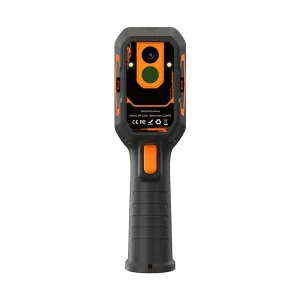
Explore our flagship OEM/ODM thermal imaging cameras engineered for mobility, perimeter monitoring, and high-precision temperature detection.
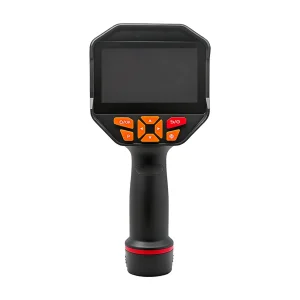
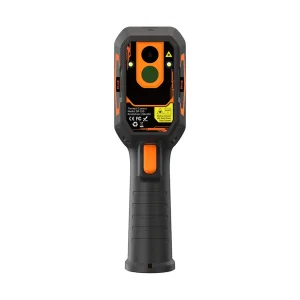
A comprehensive analysis of passive thermal sensing technologies for all-weather automotive safety, target classification, and sensor fusion redundancy.
As autonomous vehicle technology transitions from Level 2+ assisted driving to Level 4/5 full autonomy, traditional perception suites relying solely on standard RGB cameras, LiDAR, and mmWave Radar face physical bottlenecks. Visible light cameras fail completely under pitch-black conditions, severe direct headlight glare, or dense smog. LiDAR systems suffer from signal degradation during heavy rain, snow, and atmospheric fog due to backscattering.
Long-Wave Infrared (LWIR) Automotive Cameras operate within the 8μm to 14μm thermal infrared wavelength spectrum, detecting electromagnetic radiation emitted directly by living objects, friction heat, and ambient surfaces. Because LWIR emissions penetrate environmental dust, smoke, and light fog without requiring an external illumination source, thermal perception bridges the critical safety gap in night-time AEB (Automotive Emergency Braking) systems.
| Perception Technology | Night Vision Capability | Heavy Fog / Dust Penetration | Headlight Glare Resistance | Pedestrian Classification Speed |
|---|---|---|---|---|
| LWIR Thermal Camera | Exemplary (Self-Emitted Heat) | High (Sub-micron scattering) | Complete Immunity | Ultra-Fast (High Thermal Contrast) |
| Standard RGB Camera | Poor (Requires External Light) | Low | Vulnerable to Overexposure | Medium (Requires complex contrast AI) |
| LiDAR Systems | High | Medium-Low (Laser Reflection Loss) | High | High (Requires heavy 3D point-cloud processing) |
| mmWave Radar | High | High | High | Low (Poor resolution for non-metallic targets) |
Modern automotive infrared cameras utilize Uncooled Vanadium Oxide (VOx) Microbolometers engineered with pixel pitches ranging from 17μm down to 12μm. Combined with specialized high-aperture Germanium (Ge) optics or Chalcogenide glass lenses featuring durable hydrophobic coatings, these thermal cameras withstand harsh environmental exposure, vibration, and thermal shock.
Unlocking global supply chain agility, cost scalability, and rigorous automotive-grade OEM manufacturing infrastructure.
Tailored infrared thermal camera implementations empowering smart transit, commercial logistics, heavy industrial machinery, and passenger vehicles.
Integrated front-grille thermal modules linked to Euro NCAP / US NCAP compliant AEB systems. Detects pedestrians, cyclists, and large animals beyond standard high-beam illumination range.
Mounted thermal sensors assist cross-country heavy trucks in navigating severe dust storms, highway fog, and unlit rural routes, drastically decreasing fatigue-induced night collisions.
Ruggedized thermal units installed on autonomous quarry haulers and excavators operating in zero-visibility dust clouds, maintaining continuous operational throughput and operator safety.
Customized thermal imaging modules monitoring EV battery pack surface temperature distribution to detect localized thermal runaway anomalies prior to critical failures.
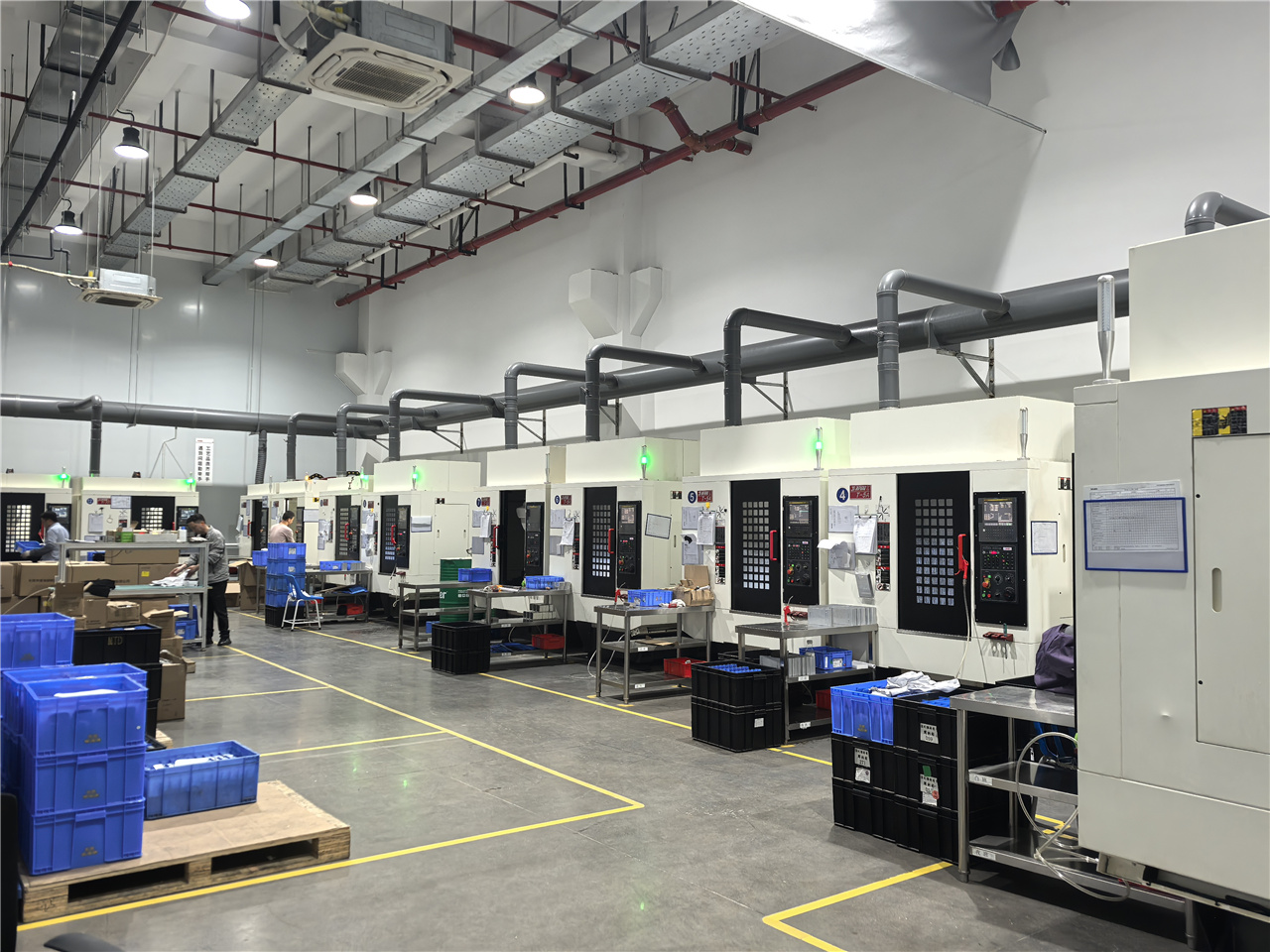
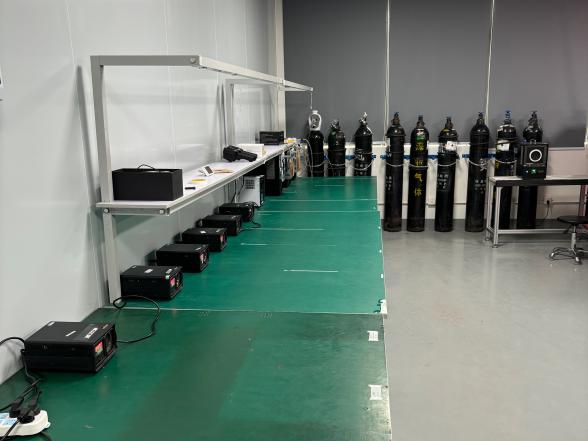
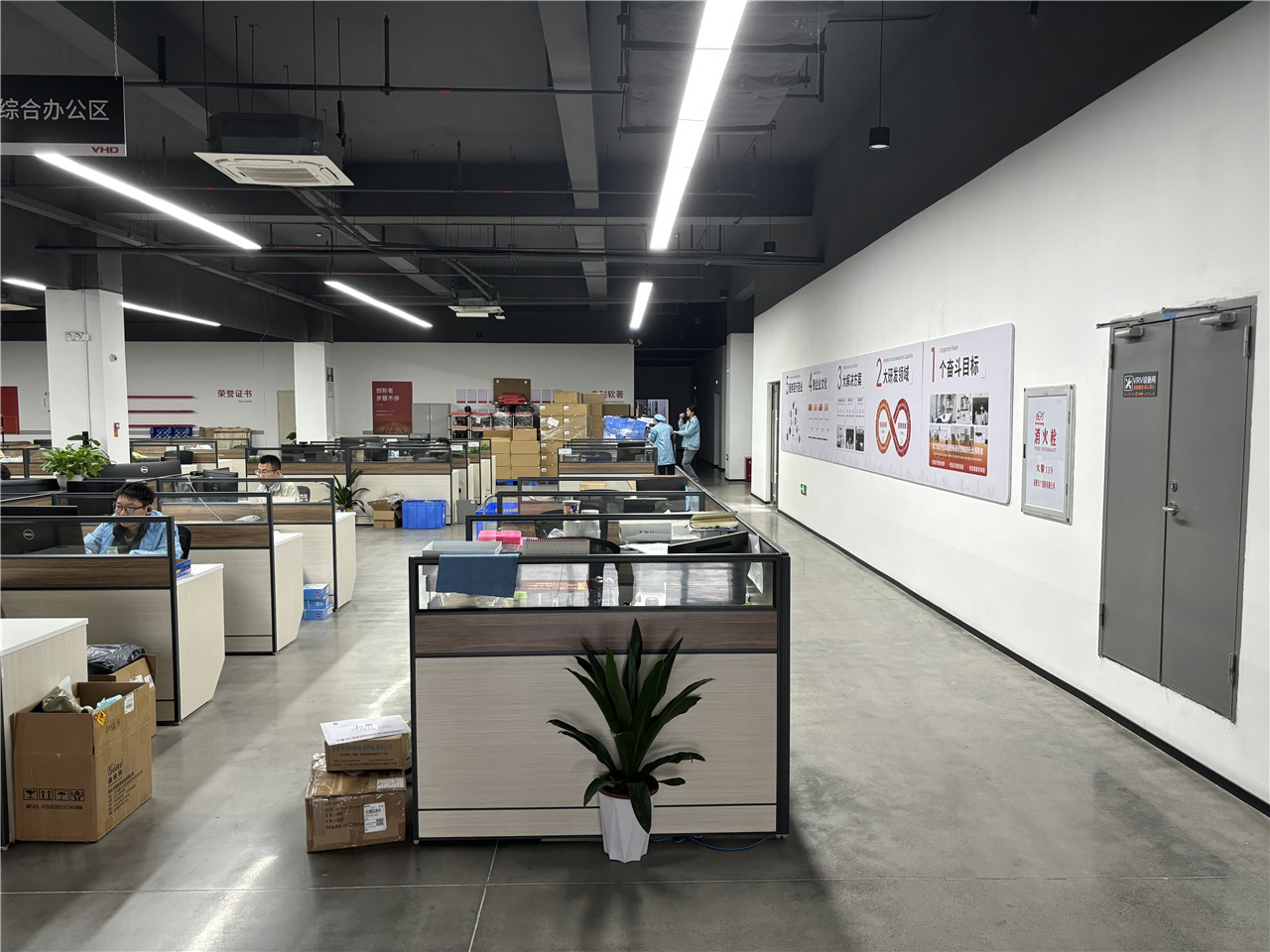
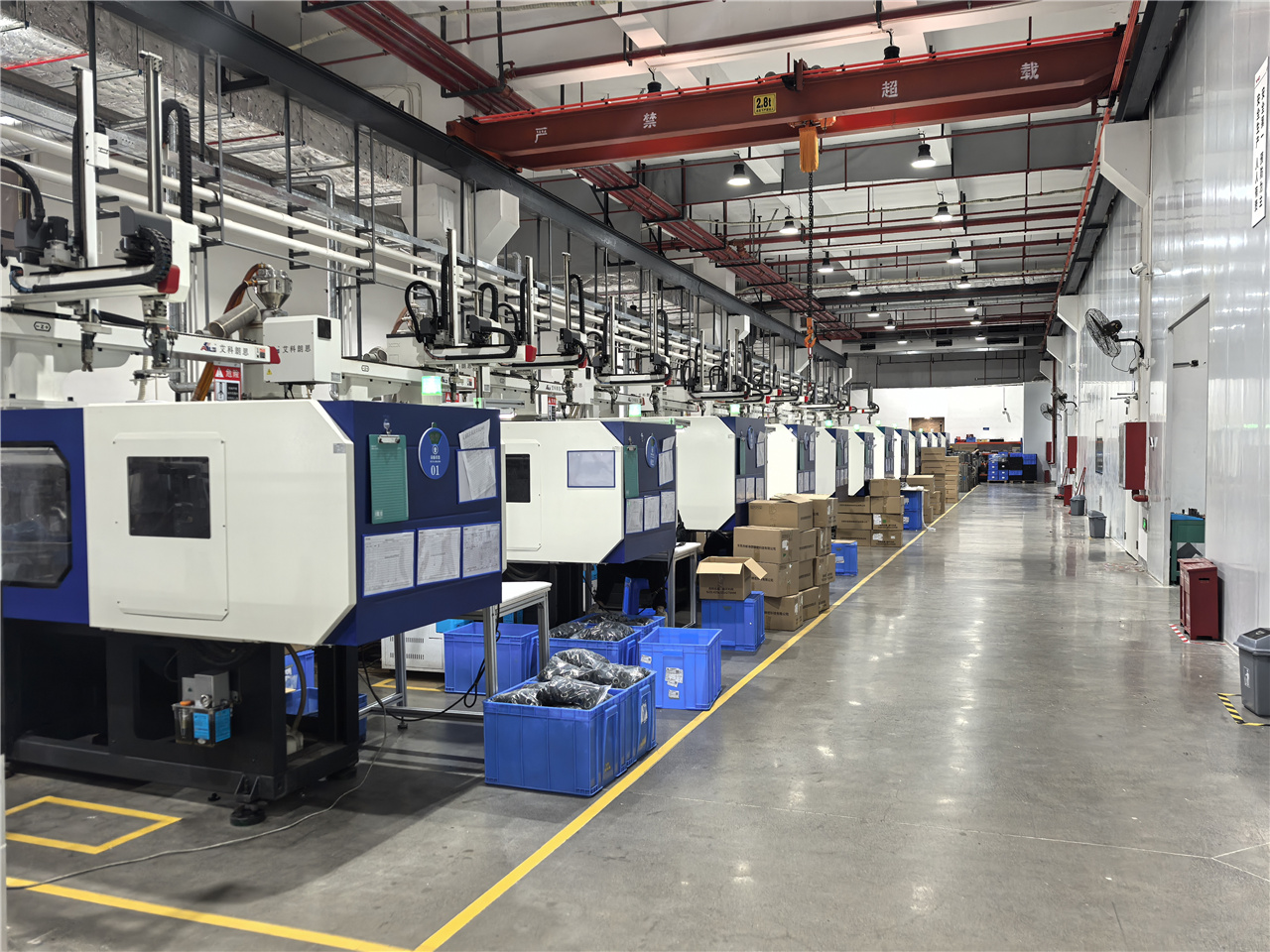
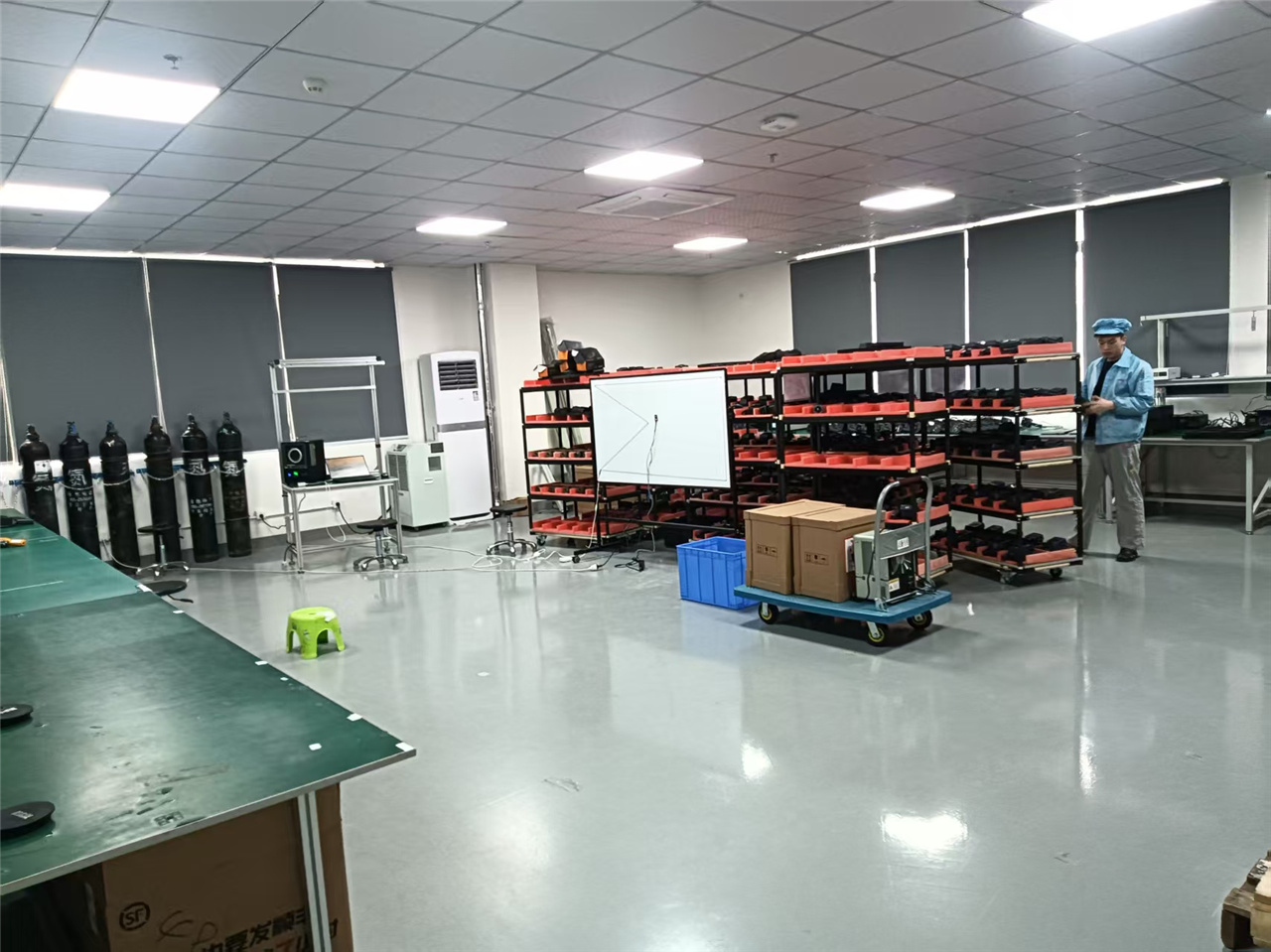
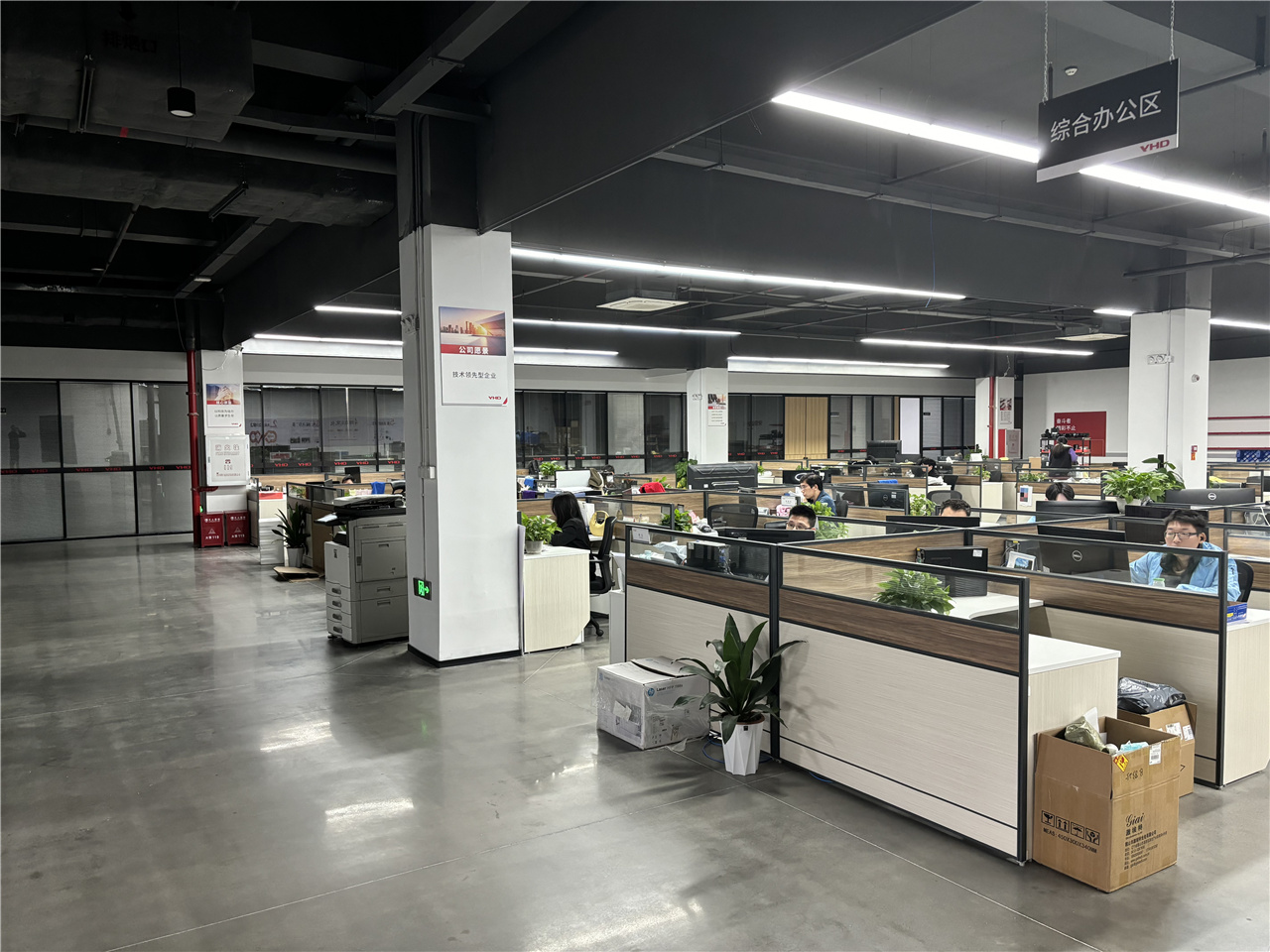
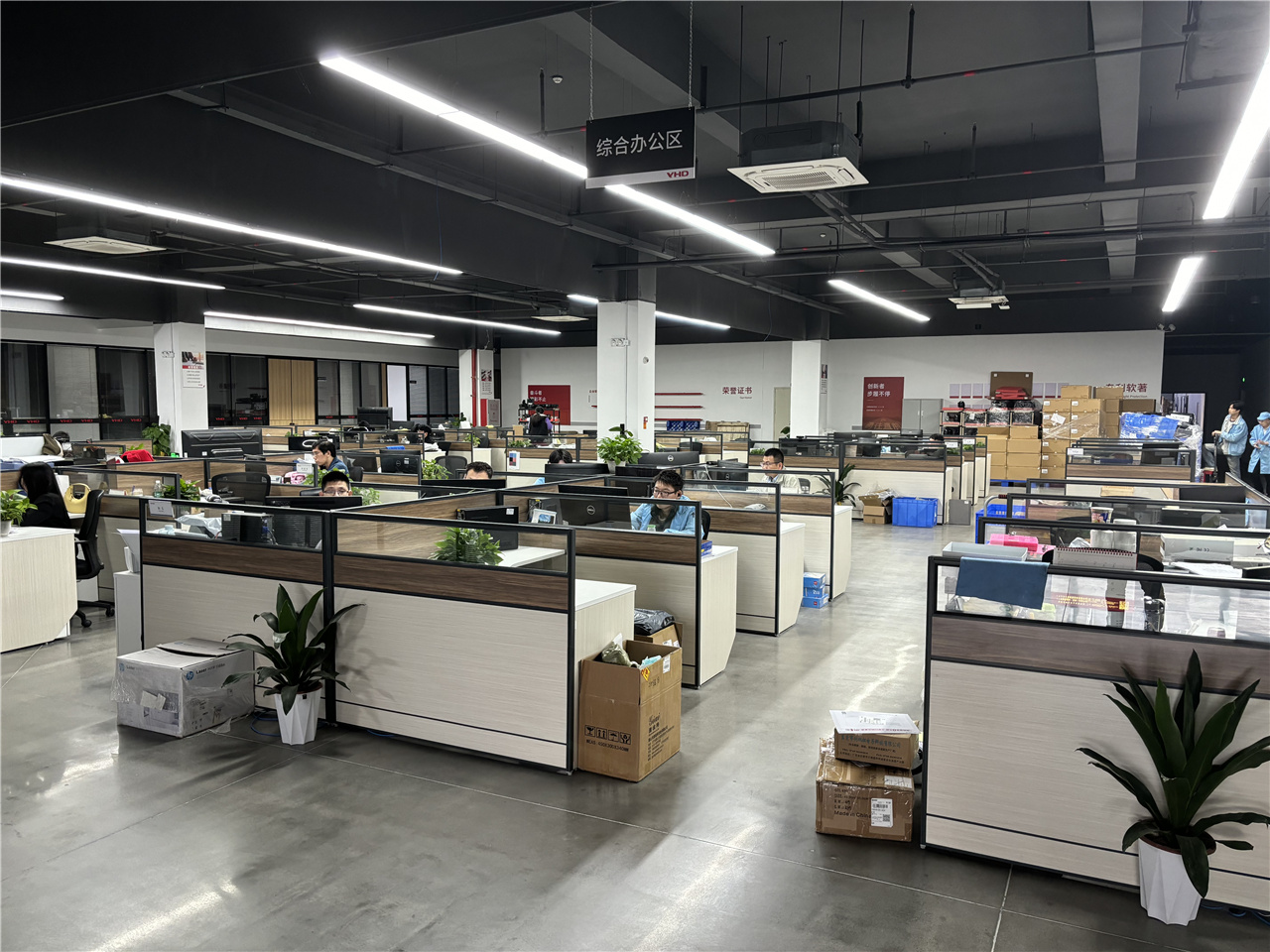
Shenzhen Dianyang Technology Co., Ltd. is a subsidiary of VHD (Shenzhen VHD Technology Co., Ltd.), a publicly listed company on the Shenzhen Stock Exchange. This strategic affiliation gives Dianyang unique access to VHD’s advanced R&D platforms, high-precision manufacturing systems, and rigorous quality management practices—enabling us to deliver thermal imaging products of higher reliability and consistency than typical ODMs.
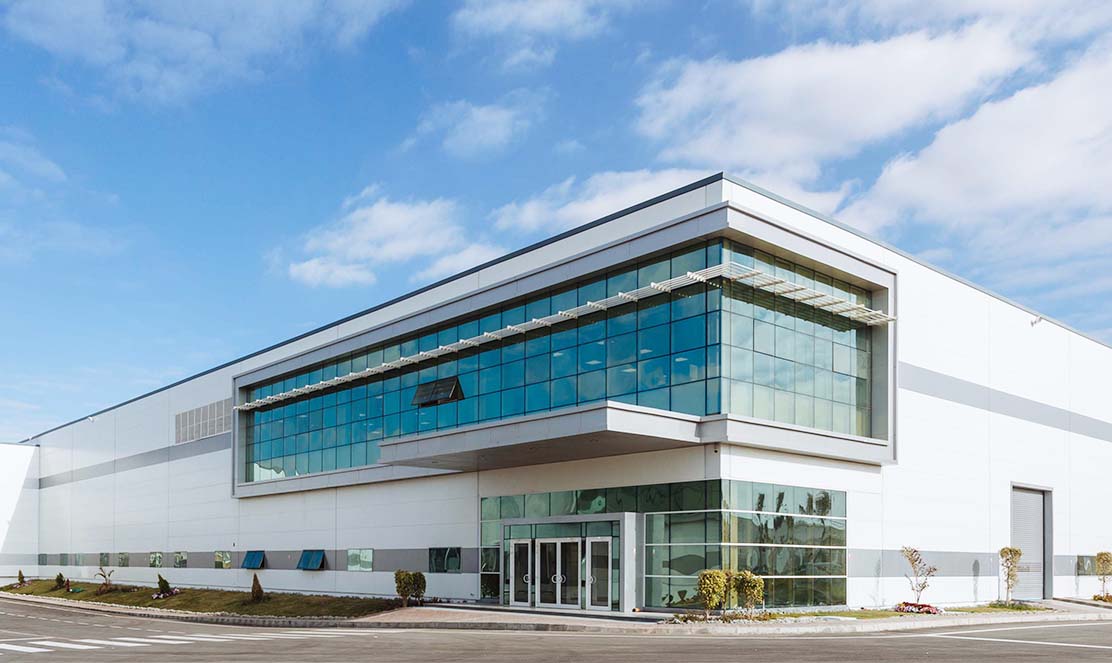
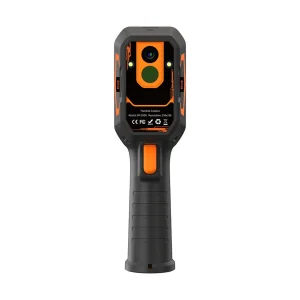
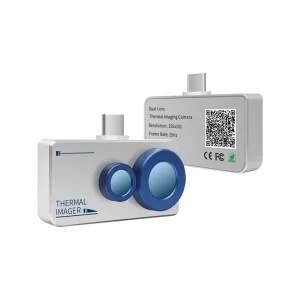
We specialize in ODM/OEM services for infrared thermal imaging solutions, including handheld thermal imagers, smartphone-connected thermal cameras, thermal analyzers, thermal imaging telescopes, and specialized automotive perimeter sensors. Our products serve global customers in power inspection, building diagnostics, firefighting, industrial maintenance, vehicle night vision, and outdoor security applications.
Our dedicated engineering team applies Design for Manufacturing (DFM), Design for Testability (DFT), thermal simulation, and EMC pre-compliance analysis to optimize performance and accelerate product development. We actively support global enterprise clients in obtaining key certifications such as CE, FCC, RoHS, REACH, CB, UKCA, KC, and PSE.
Key parameters international buyers and Tier-1 automotive integrators must evaluate prior to bulk contract execution.
Expert answers regarding OEM automotive camera customization, performance specs, and bulk export logistics.
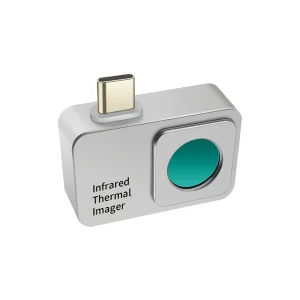
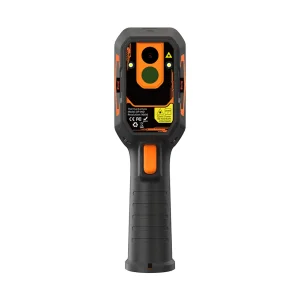
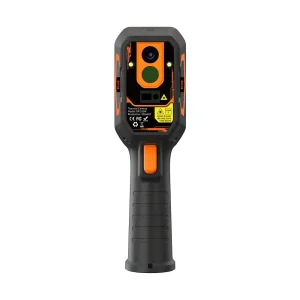
Explore our extended lineup of handheld, smartphone-connected, and industrial thermal imaging modules for versatile field deployment.
 Dianyang