Explore our flagship high-precision portable thermal imaging cameras engineered for industrial inspection, power utility maintenance, and building diagnostics.
Navigating sensor resolution, optical design, price-to-performance metrics, and factory manufacturing partnerships.
In modern industrial diagnostics, building energy auditing, high-voltage electrical grid inspection, and preventive mechanical maintenance, portable thermal imaging cameras have evolved from specialized high-cost tools into indispensable frontline diagnostic hardware. As non-contact thermography demands expand globally, enterprise buyers, distributors, and brand owners seeking custom OEM/ODM solutions face a dynamic landscape of technical parameters, detector core choices, and manufacturing economics.
Selecting the right OEM thermal imager supplier requires evaluating technical competence across multiple disciplines: long-wave infrared (LWIR) uncooled focal plane arrays (FPA), Germanium (Ge) optical lens integration, digital signal processing algorithms (DDE, image noise reduction), embedded firmware development, and rigorous environmental stress testing. This comprehensive guide details the technical specifications, pricing architecture, supply chain dynamics, and regulatory compliance considerations vital for international procurement managers.
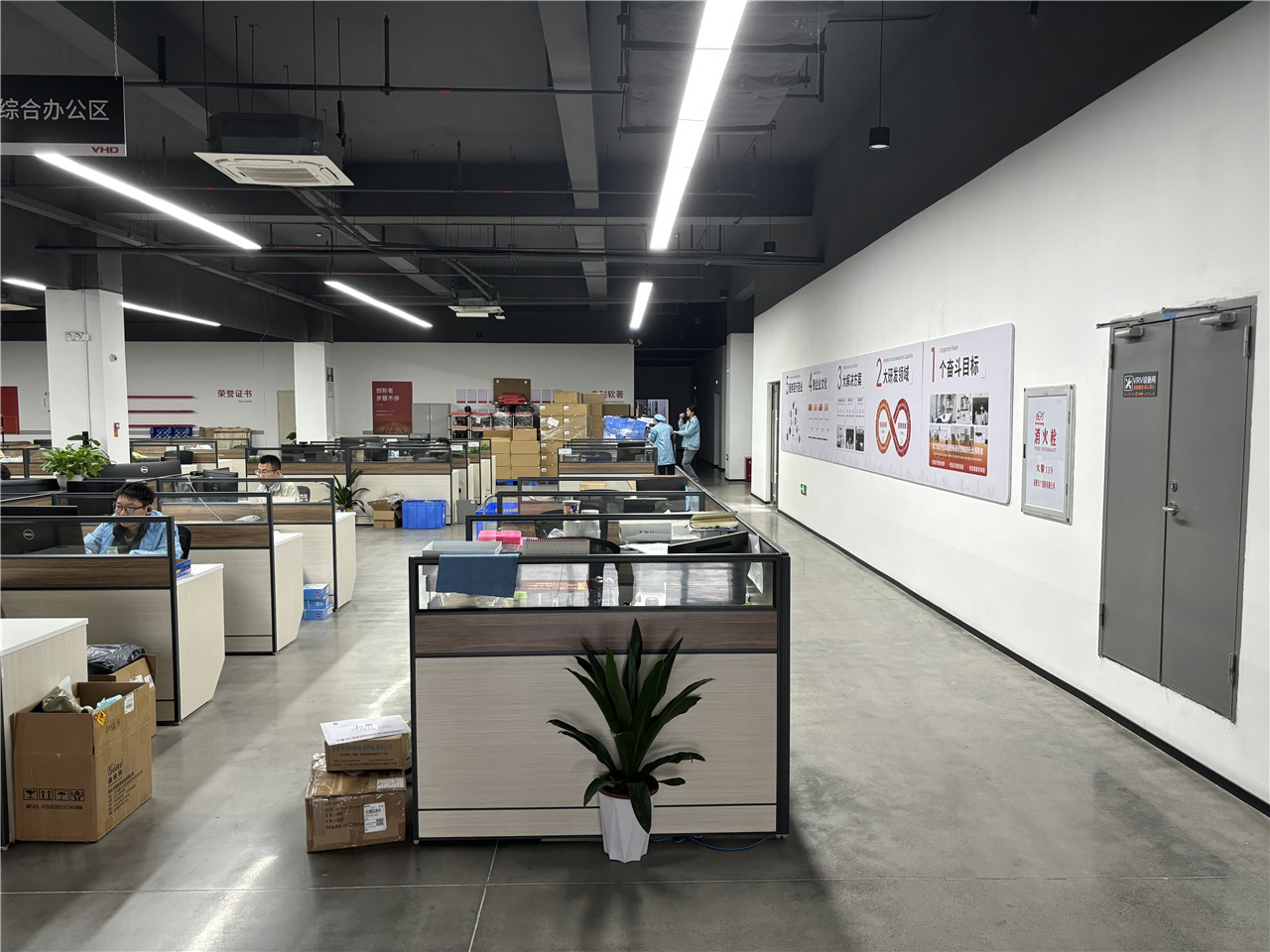
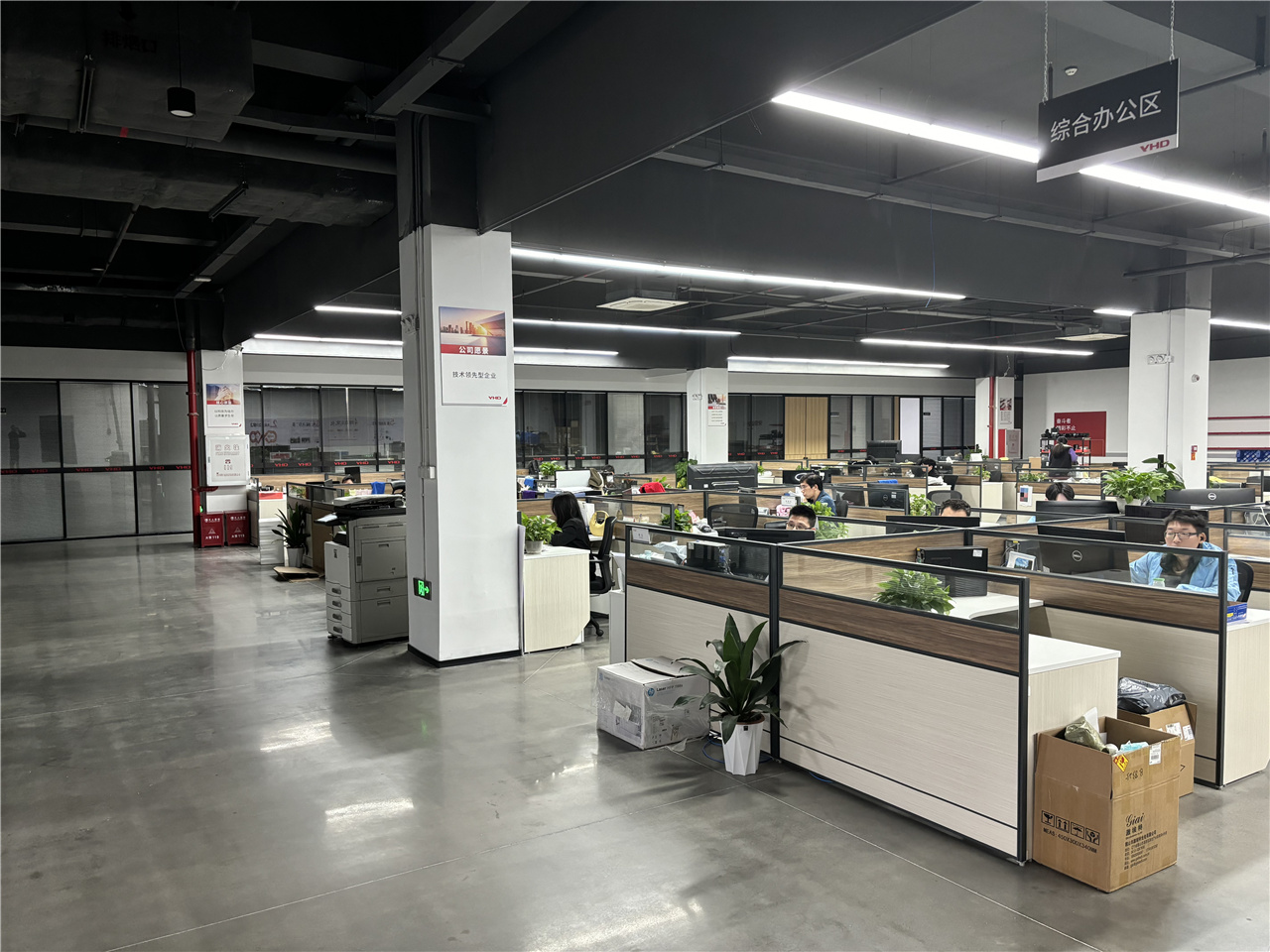
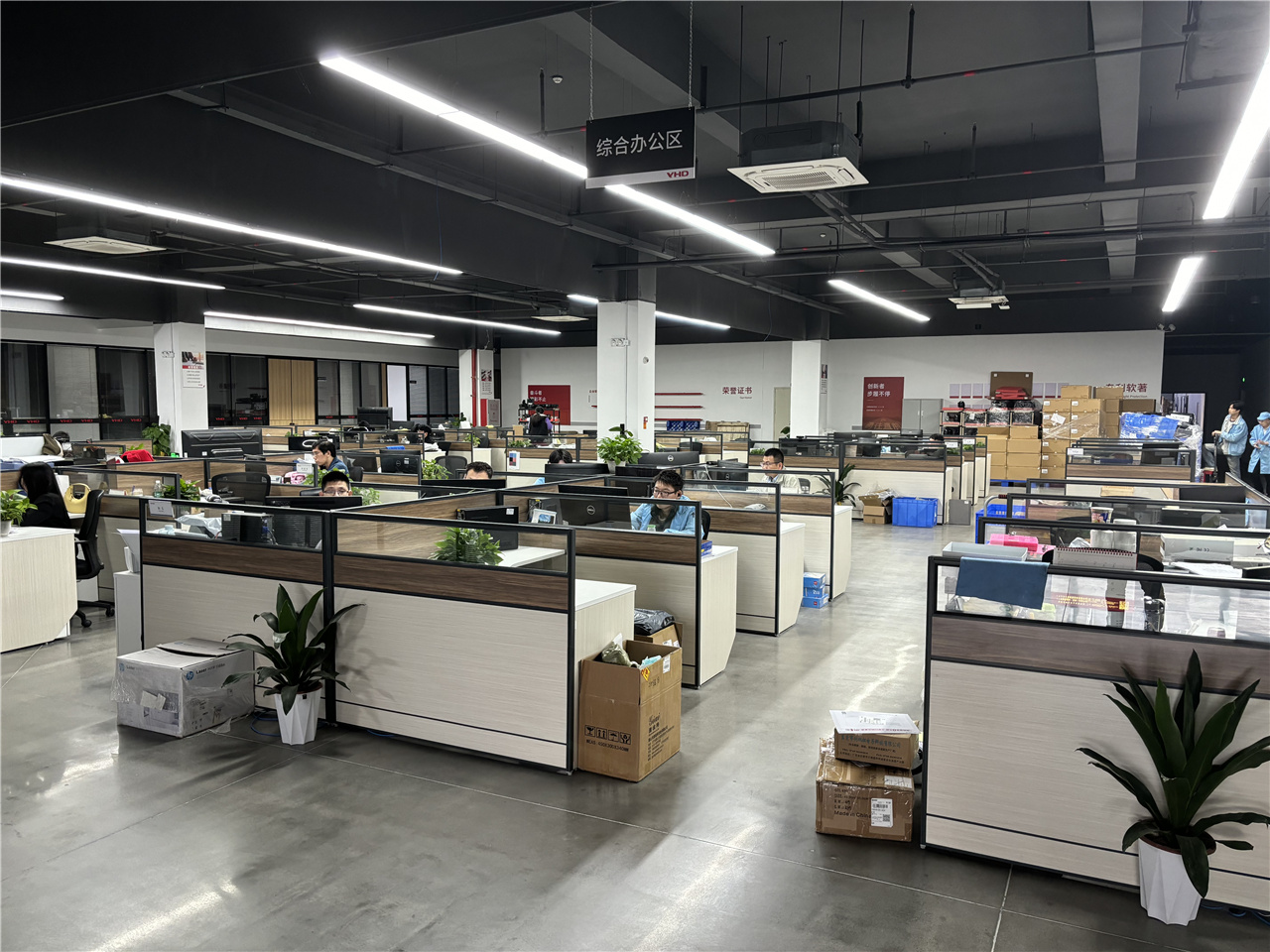
Shenzhen Dianyang Technology Co., Ltd. operates as a key specialized subsidiary of VHD (Shenzhen VHD Technology Co., Ltd.), a publicly listed enterprise on the Shenzhen Stock Exchange. This strategic corporate affiliation grants Dianyang direct access to VHD's capital assets, advanced R&D platforms, high-precision surface-mount technology (SMT) automated lines, and corporate-grade quality assurance systems.
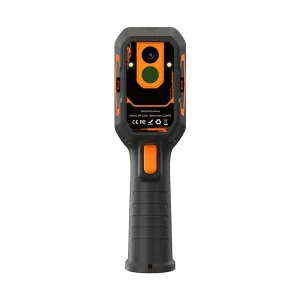
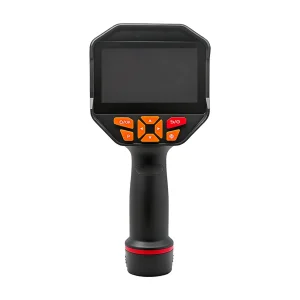
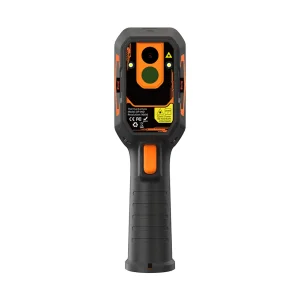
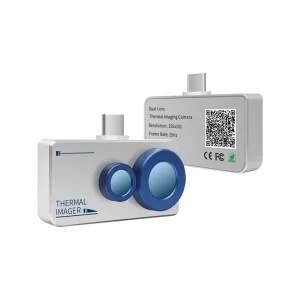
Unlike standard unverified original equipment assembly shops, Dianyang leverages VHD’s deep supply chain leverage and research infrastructure. Our engineering team specializes in standard and tailored thermal imaging devices including handheld industrial thermal cameras, mobile smartphone-connected thermal modules, high-precision thermal analyzers, and long-range outdoor thermal telescopes.
By enforcing standard Design for Manufacturing (DFM) and Design for Testability (DFT) methodologies alongside early-stage thermal dynamic simulations and Electromagnetic Compatibility (EMC) pre-compliance tests, Dianyang shortens OEM product development cycles by up to 40% while keeping unit defect rates below industry benchmarks.
Understanding the pricing structure of OEM portable thermal imaging cameras requires evaluating the detector pixel count, noise equivalent temperature difference (NETD), optical frame rates, and dual-light fusion options. Below is our standard manufacturing model series comparison:
| Model Series | Detector Resolution | Pixel Pitch / NETD | Temp Range | Key Features | OEM Target Application |
|---|---|---|---|---|---|
| DP-09D Series | 96 × 96 pixels | 12 µm / <50 mK | -20°C to 550°C | Ultra-compact, fast boot, low power | HVAC troubleshooting, entry-level electrician tools |
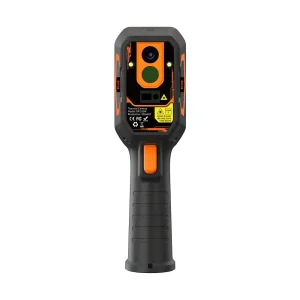
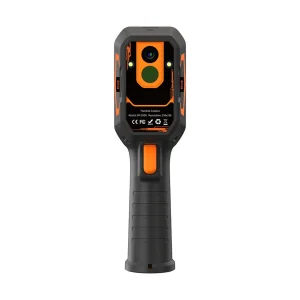
| DP-12D / DP-12DV | 120 × 90 pixels | 17 µm / <50 mK | -20°C to 400°C | Laser pointer, visible light fusion (DV) | Power line inspection, residential energy audits |
| DP-25DR / DP-25DV | 256 × 192 pixels | 12 µm / <40 mK | -20°C to 550°C | Dual-light fusion, laser distance, manual focus | Industrial plant maintenance, mechanical inspections |
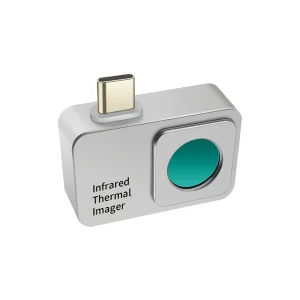
| H2FB / H2F6B Mobile | 256 × 192 pixels | 12 µm / <40 mK | -20°C to 550°C | Type-C/iOS plug & play, ultra-portable app | PCB component thermal analysis, mobile field tech |
| DP-38D Professional | 384 × 288 pixels | 12 µm / <35 mK | -20°C to 650°C | High thermal sensitivity, interchangeable lens | Substation monitoring, petrochemical facility audit |
| DP-64D Flagship | 640 × 512 pixels | 12 µm / <30 mK | -20°C to 650°C | LED night vision, full radiometric video, HD screen | Aerospace, R&D testing, high-end power utilities |
B2B procurement pricing for OEM thermal imaging hardware is dictated by four major hardware and manufacturing variables:
Why OEM brand owners and global distributors partner with Shenzhen Dianyang Technology for thermal imaging product lines.
Shenzhen represents the world’s leading hub for optoelectronic hardware integration, electronic component sourcing, and rapid hardware prototyping. Dianyang leverages this geographic concentration to deliver unparalleled production velocity, cost efficiencies, and supply chain resiliency.
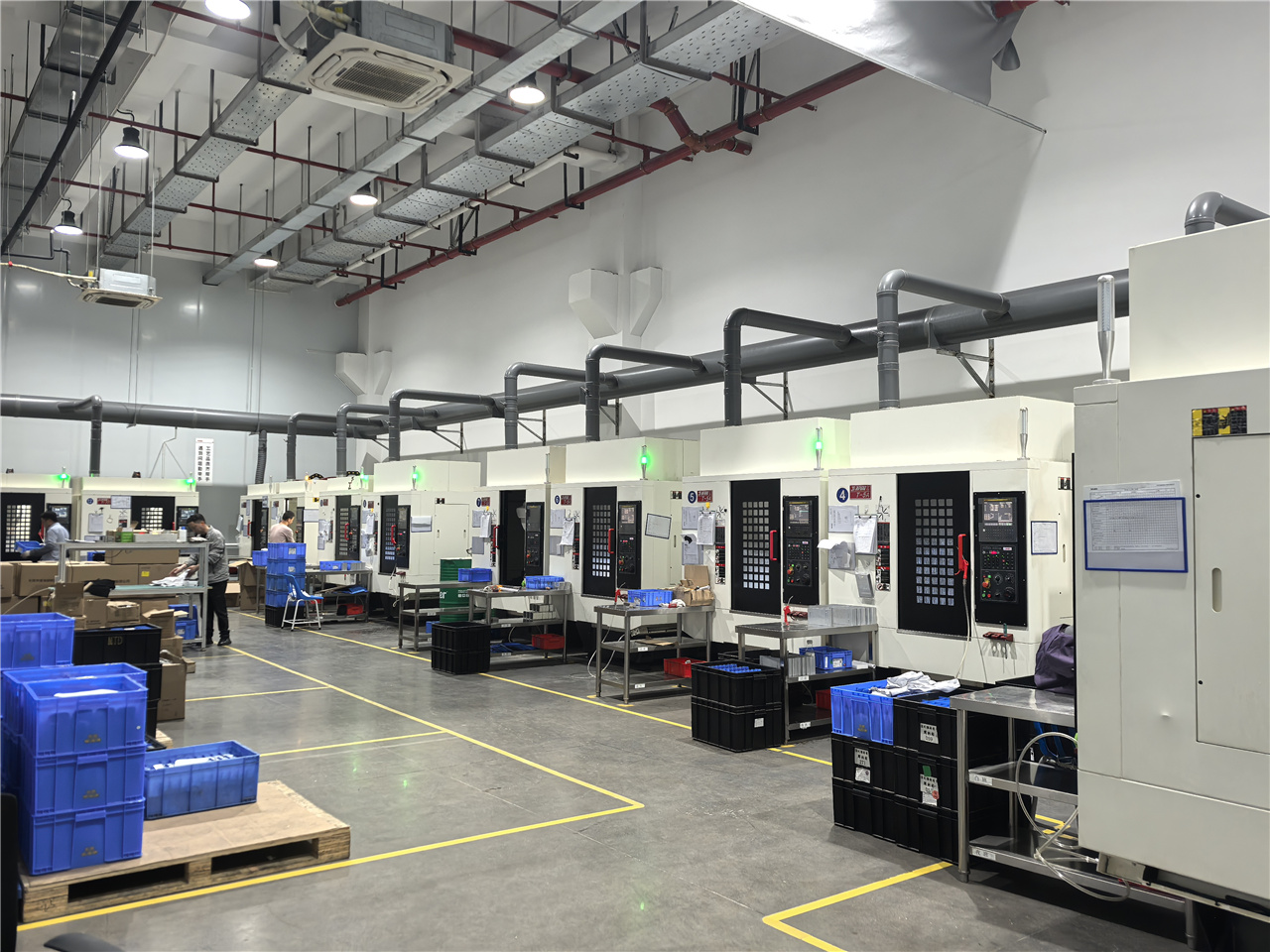
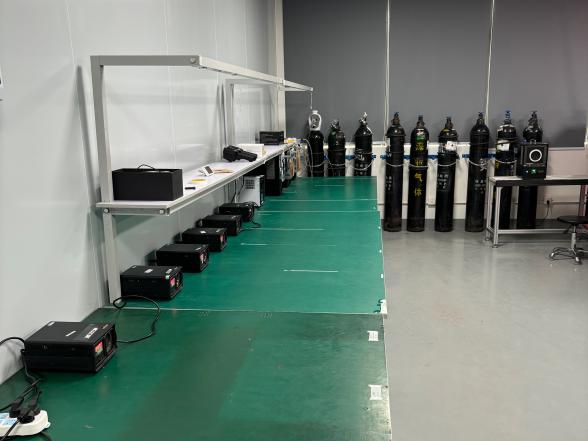
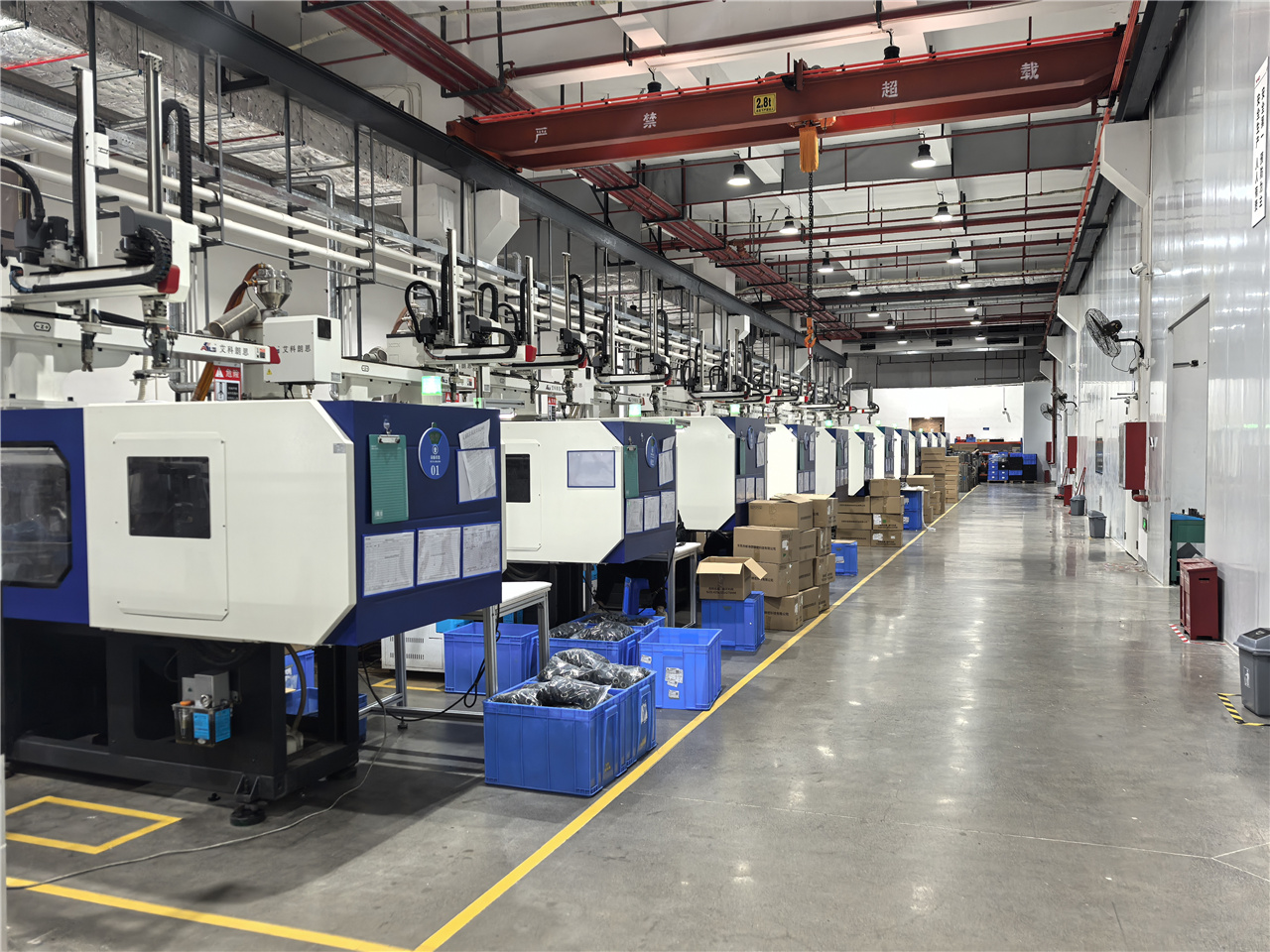
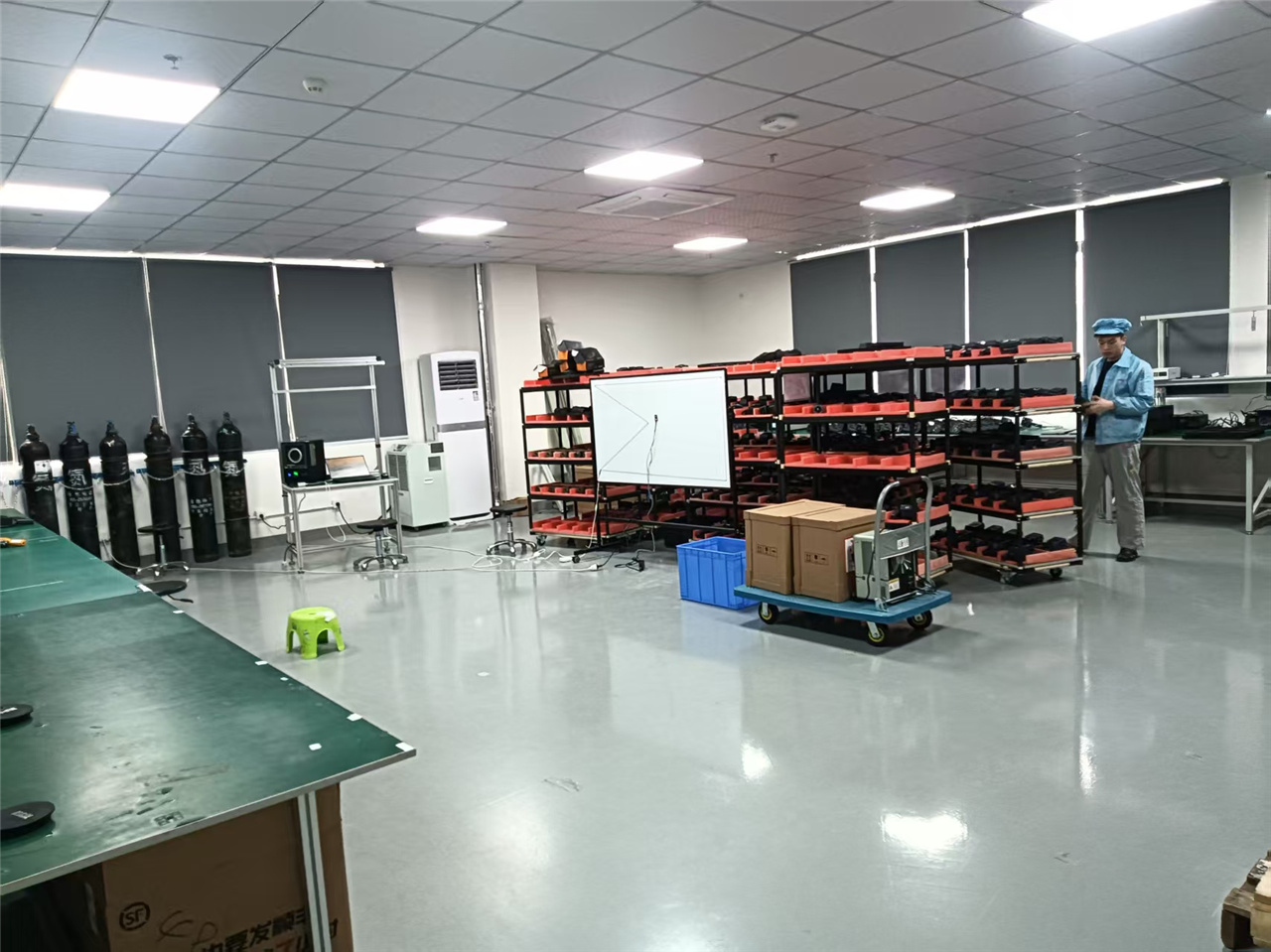
Precision thermography requires consistent, repeatable accuracy across wide operating temperatures (-15°C to +50°C ambient). Dianyang executes strict blackbody temperature calibration across multi-point target curves for every manufactured unit. Our engineering process incorporates:
Deploying OEM thermal imaging solutions across municipal infrastructure, industrial plants, and commercial sectors.
Detect loose busbar connections, unbalanced electrical loads, damaged transformer bushings, and overheating circuit breakers before catastrophic failures occur. Models like DP-12DV and DP-25DR provide point-and-shoot thermography for utility field crews.
Identify hidden thermal bridges, insulation gaps, air infiltration points, radiant floor heating pipe blockages, and roof moisture accumulation. Dual-light fusion allows inspectors to map thermal anomalies directly onto physical structures.
Utilize compact plug-and-play thermal imagers like the H2F6B mobile series to analyze board-level power dissipation, spot shorted SMD capacitors, monitor power IC thermal throttling, and optimize heatsink placement during hardware R&D.
Seamless international trade support, custom white-label firmware, and worldwide regulatory certification guarantees.
Expanding thermal imaging hardware into overseas markets requires strict adherence to regional regulatory frameworks and international safety standards. Shenzhen Dianyang Technology provides turn-key regulatory compliance assistance for our OEM and ODM brand partners worldwide.
Our dedicated engineering team guides clients through mandatory and voluntary certification processes across major international jurisdictions:
To assist global brand partners in establishing immediate localized market presence, Dianyang offers deep customization options across software and hardware stacks:
Key technological shifts defining the next generation of handheld thermographic diagnostic tools.
The thermal imaging sector is experiencing accelerated technological convergence driven by advancements in semiconductor fabrication, artificial intelligence, and edge computing. Enterprise buyers planning long-term OEM product roadmaps should consider these four mega-trends:
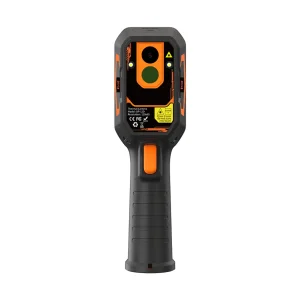
Review our extended series of certified thermal cameras, OEM cores, and dual-light diagnostic models available for bulk supply.
Essential procurement details for OEM/ODM buyers, distributors, and technical integration managers.
For standard white-label branding (logo silk screening, boot screen customization, and custom packaging), our typical OEM MOQ starts as low as 50 to 100 units. For full ODM hardware housing redesigns or custom optical configurations, MOQ levels are evaluated based on project scope and custom tooling requirements.
Every handheld camera unit undergoes rigorous calibration in automated temperature-controlled chambers using multi-point blackbody reference targets. Embedded real-time temperature drift compensation algorithms automatically adjust for ambient variations from -15°C to +50°C, maintaining ±2°C or ±2% accuracy.
We provide comprehensive Android, iOS, and Windows SDKs containing pre-compiled libraries for radiometric data extraction, palette switching (Ironbow, Rainbow, White Hot, Black Hot), temperature point/area analysis, and automated PDF report generation. Full API documentation and sample source code are supplied to engineering teams.
As a subsidiary of VHD (Shenzhen VHD Technology Co., Ltd., Shenzhen Stock Exchange listed), Dianyang adheres to strict public enterprise governance, financial transparency, robust IP protection guarantees, and high-standard ISO quality control. This minimizes supply chain risk for global OEM buyers compared to smaller independent suppliers.
Yes. Our engineering team conducts DFM, DFT, thermal simulation, and EMC pre-compliance testing during product design. We support clients in applying for and acquiring official compliance certificates including CE, FCC, RoHS, REACH, CB, UKCA, KC, and PSE for fast clearance into global target markets.
Higher sensor resolution equates to more thermal measurement pixels. 120x90 (10,800 pixels) is ideal for basic electrical diagnostics and short distances. 256x192 (49,152 pixels) represents the sweet spot for industrial maintenance. 640x512 (327,680 pixels) provides ultra-sharp radiometric imaging for small targets or long-range power utility inspection.
Standard OEM samples with custom firmware and branding can be dispatched within 7 to 14 business days. Mass production lead times typically range between 3 to 5 weeks depending on component availability, detector sensor sourcing, and order volume.
 Dianyang